


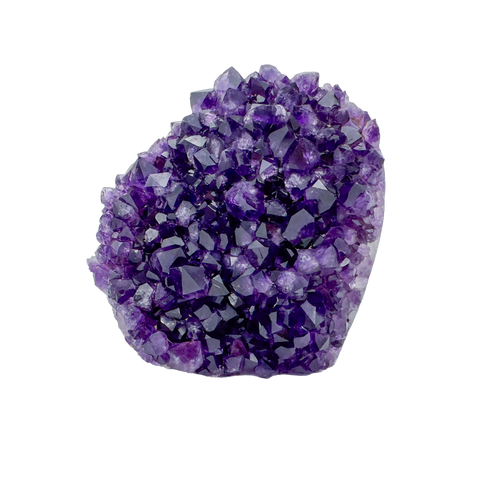
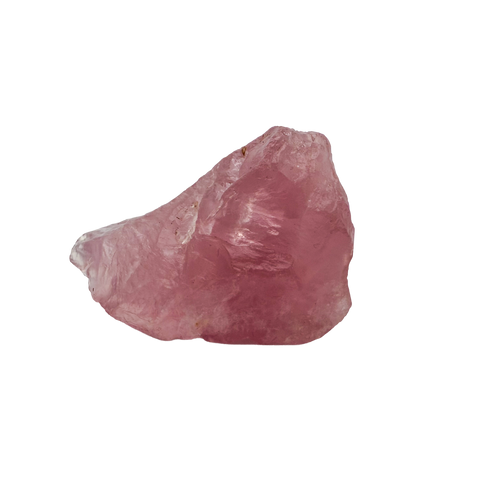
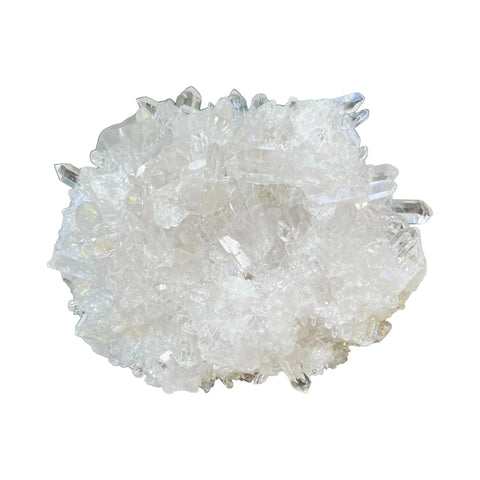
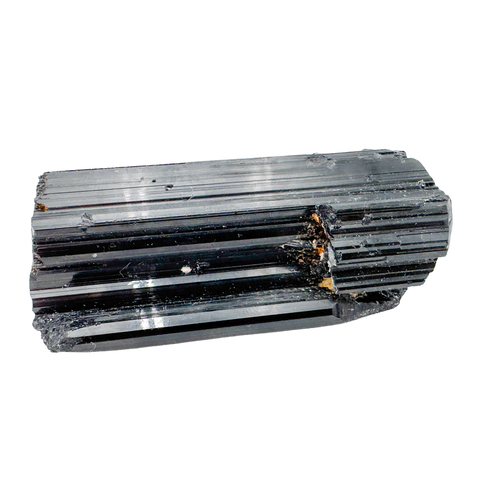
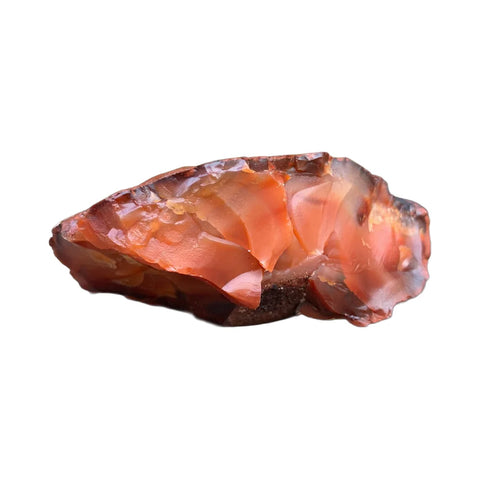
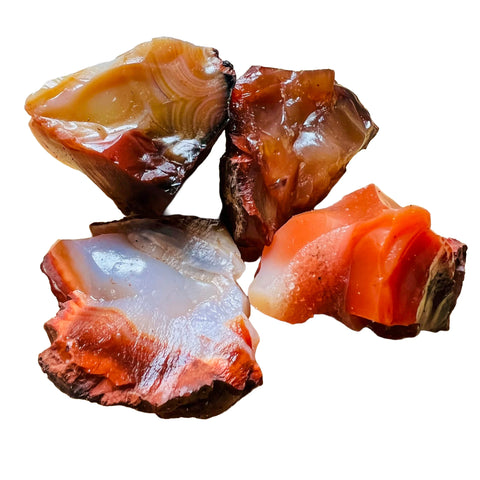


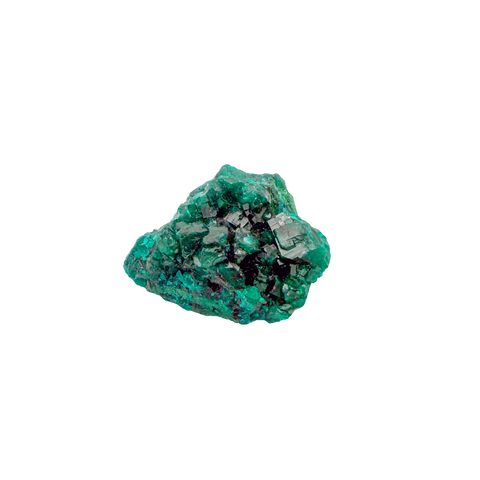
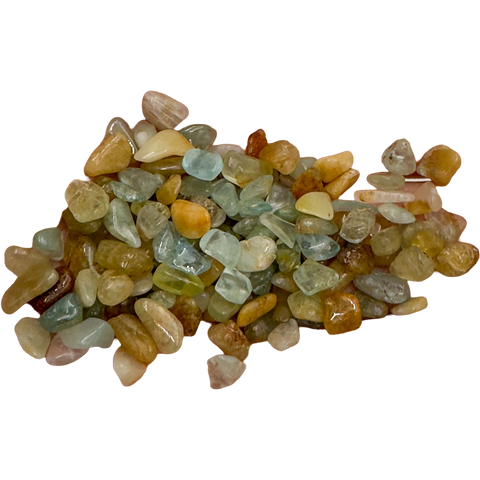
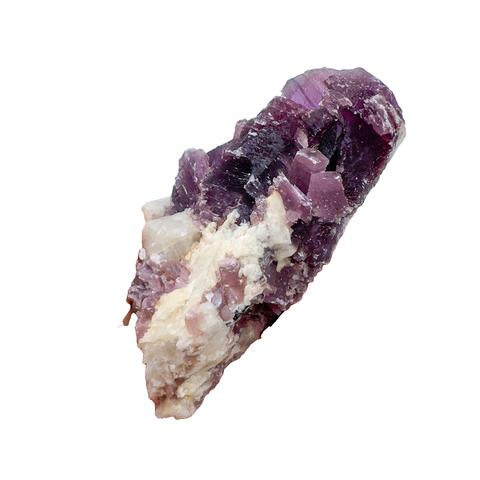
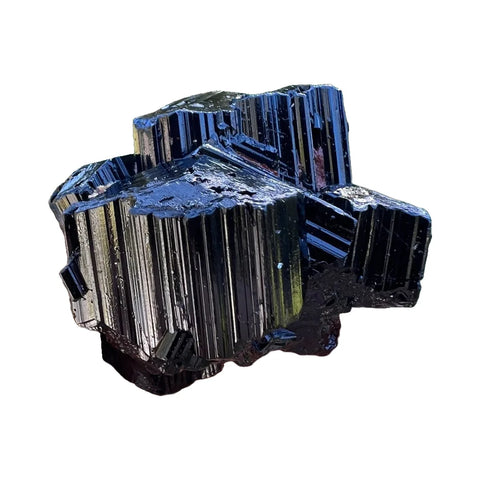
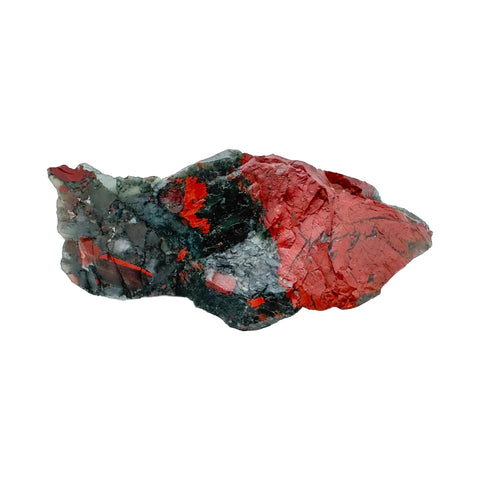
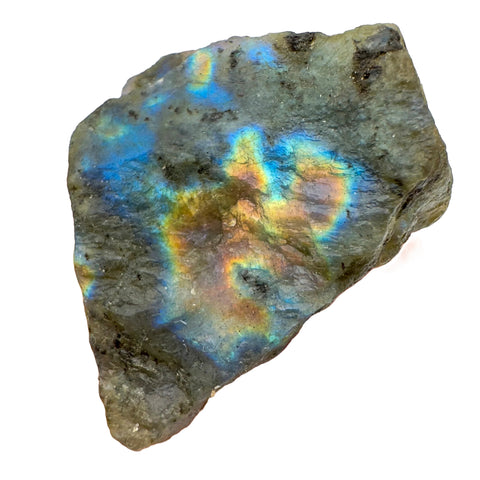
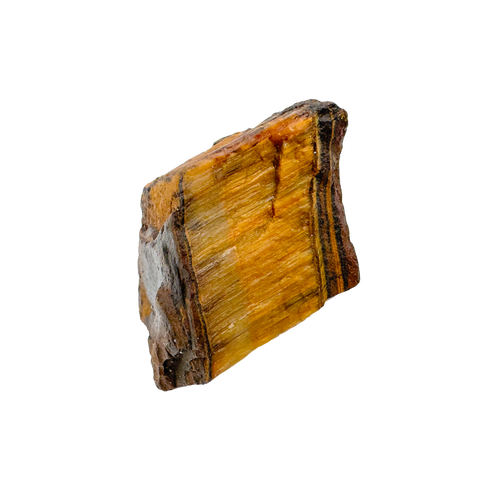
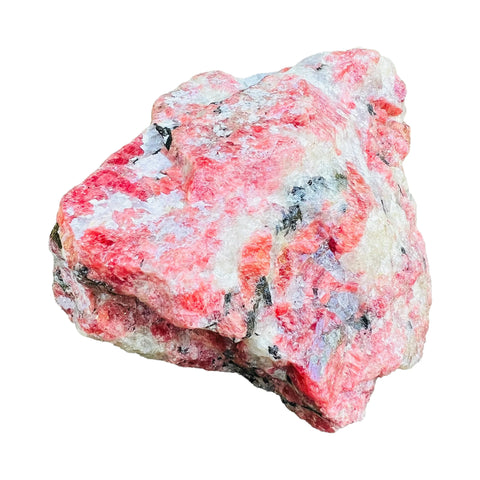
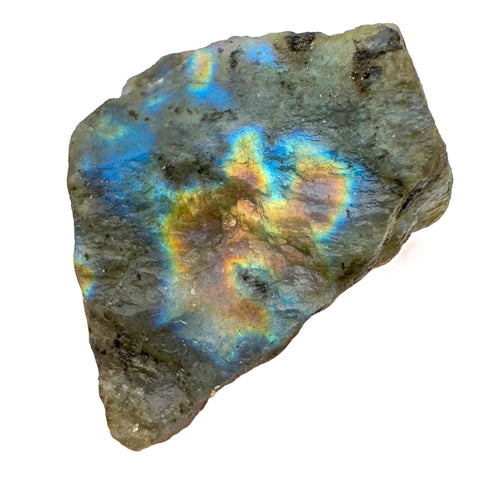
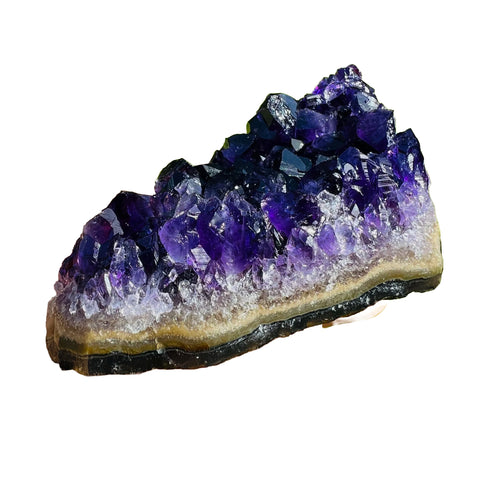



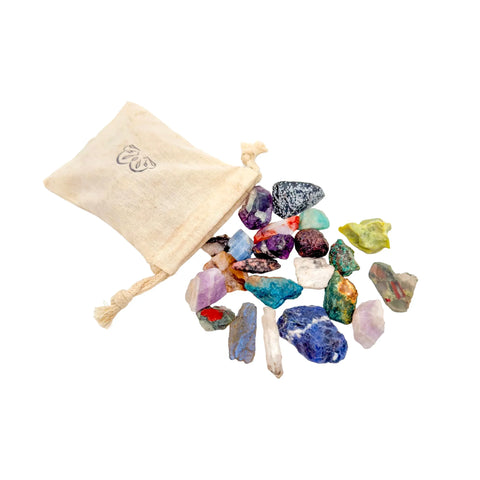
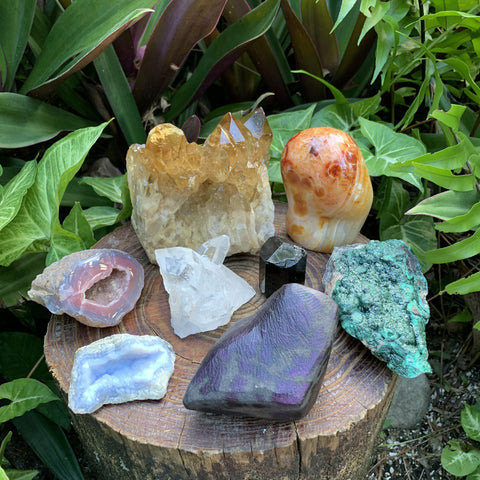
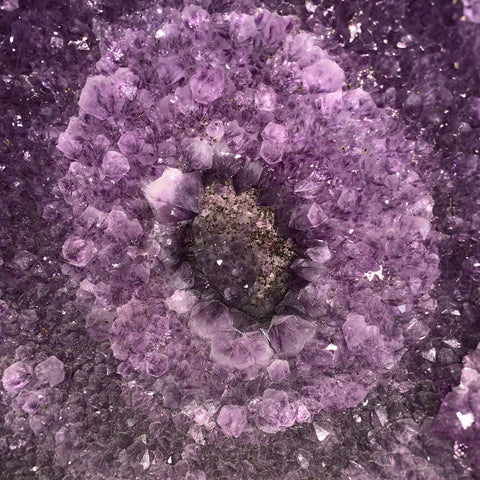
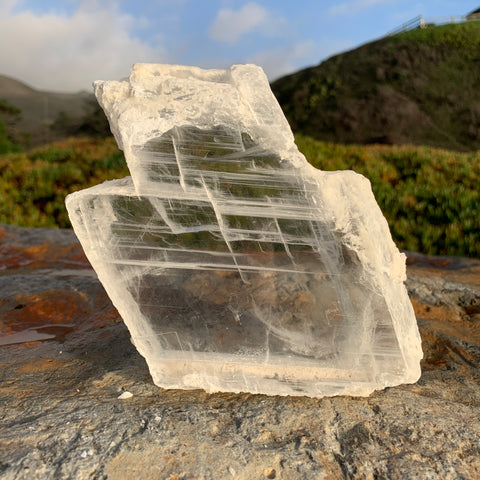
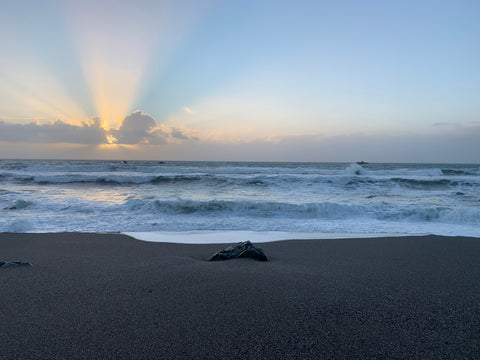
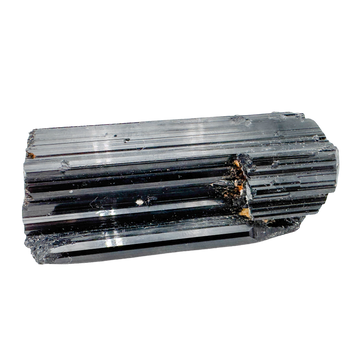
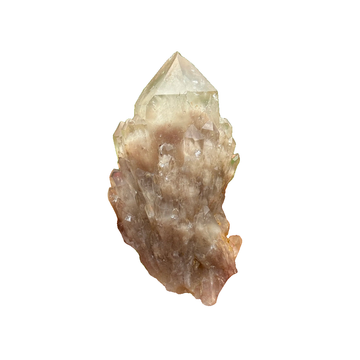
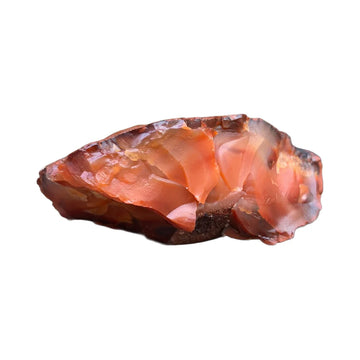
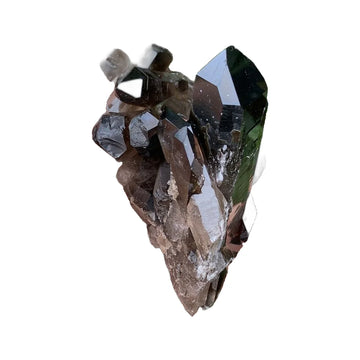
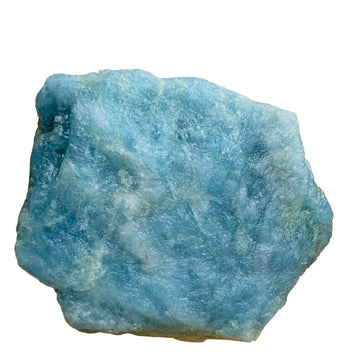
 Raw Stones
179 pieces
Raw Stones
179 pieces
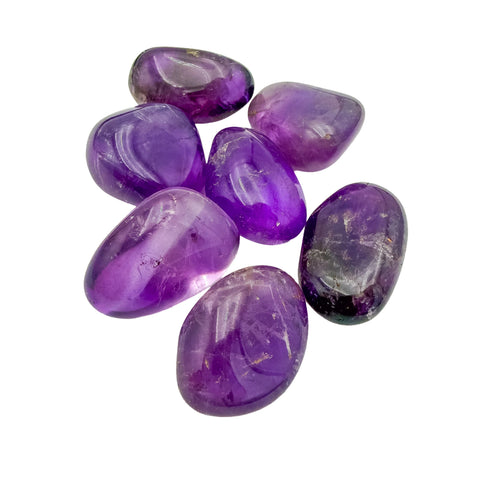
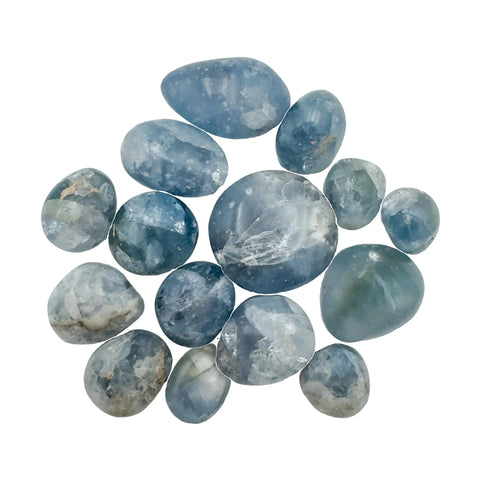
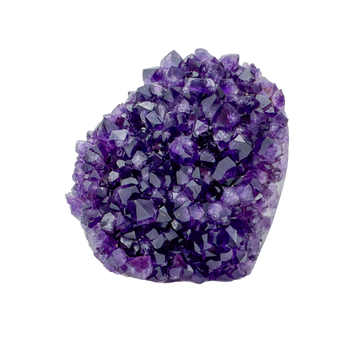
 Tumbled Stones
162 pieces
Tumbled Stones
162 pieces
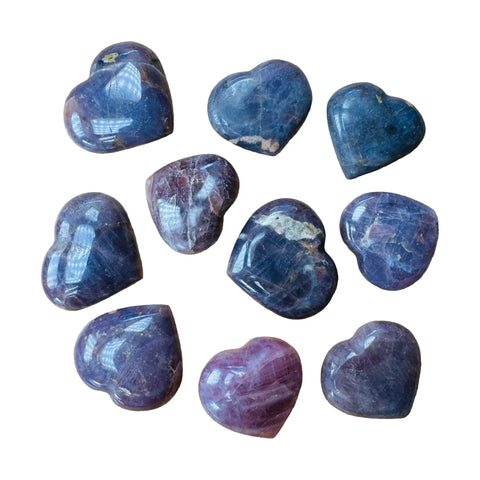
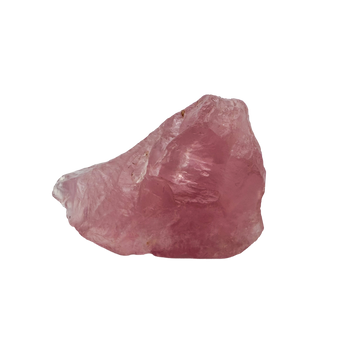
 Palm Stones
25 pieces
Palm Stones
25 pieces
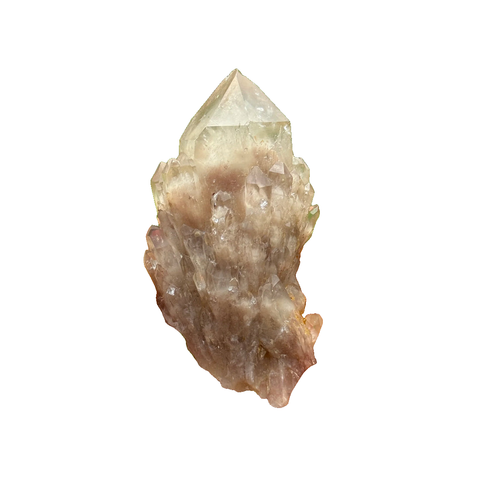
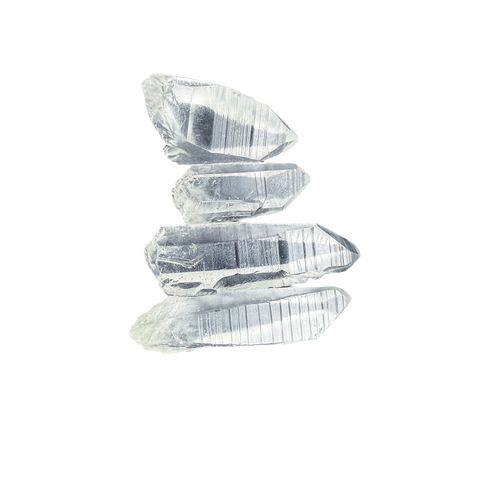
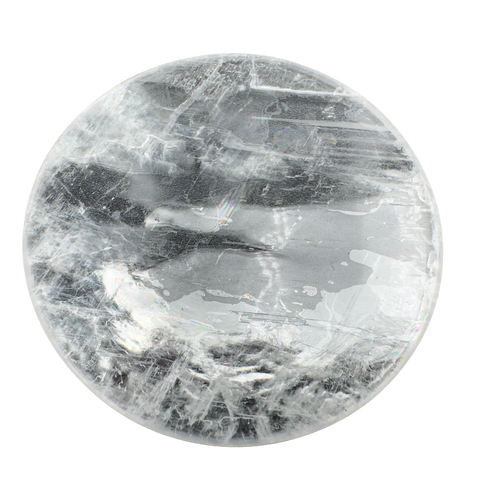
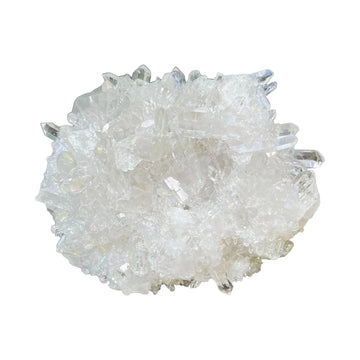
 Crystal Points
23 pieces
Crystal Points
23 pieces
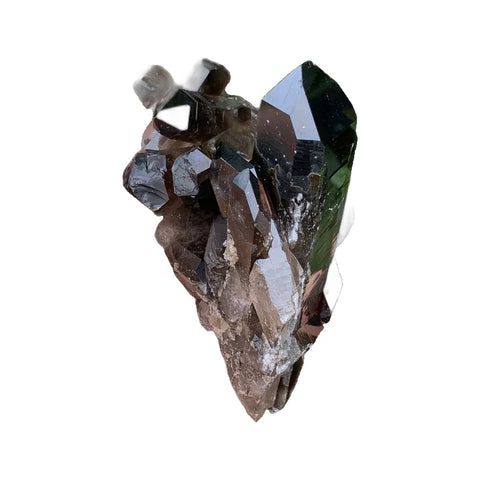
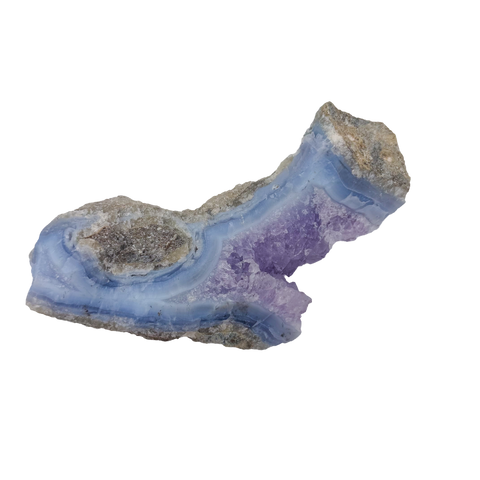
 Clusters & Geodes
104 pieces
Clusters & Geodes
104 pieces
 Polished & Decor
148 pieces
Polished & Decor
148 pieces
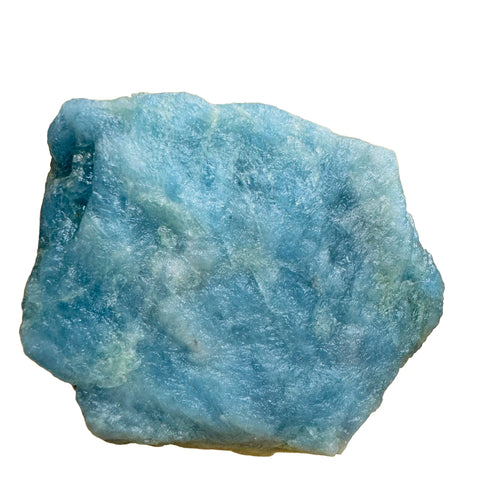
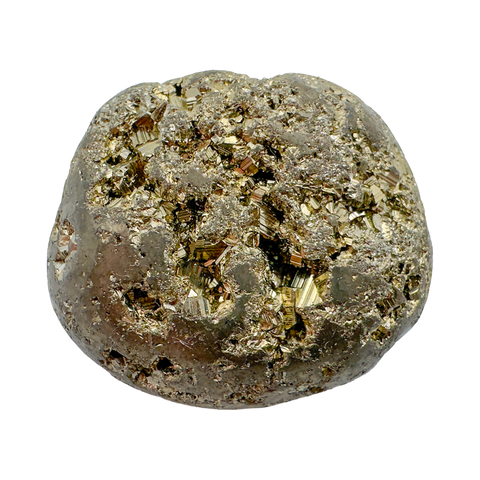
 Mineral Specimens
259 collector pieces
Mineral Specimens
259 collector pieces
 Crystal Chips
21 pieces
Browse everything
Every collection, one page.
View All Collections →
Crystal Chips
21 pieces
Browse everything
Every collection, one page.
View All Collections →


 Aries
Mar 21 – Apr 19
Carnelian
›
Aries
Mar 21 – Apr 19
Carnelian
›
 Taurus
Apr 20 – May 20
Rose Quartz
›
Taurus
Apr 20 – May 20
Rose Quartz
›
 Gemini
May 21 – Jun 20
Agate
›
Gemini
May 21 – Jun 20
Agate
›
 Cancer
Jun 21 – Jul 22
Moonstone
›
Cancer
Jun 21 – Jul 22
Moonstone
›
 Leo
Jul 23 – Aug 22
Citrine
›
Leo
Jul 23 – Aug 22
Citrine
›
 Virgo
Aug 23 – Sep 22
Amazonite
›
Virgo
Aug 23 – Sep 22
Amazonite
›
 Libra
Sep 23 – Oct 22
Blue Lace Agate
›
Libra
Sep 23 – Oct 22
Blue Lace Agate
›
 Scorpio
Oct 23 – Nov 21
Obsidian
›
Scorpio
Oct 23 – Nov 21
Obsidian
›
 Sagittarius
Nov 22 – Dec 21
Sodalite
›
Sagittarius
Nov 22 – Dec 21
Sodalite
›
 Capricorn
Dec 22 – Jan 19
Black Tourmaline
›
Capricorn
Dec 22 – Jan 19
Black Tourmaline
›
 Aquarius
Jan 20 – Feb 18
Amethyst
›
Aquarius
Jan 20 – Feb 18
Amethyst
›
 Pisces
Feb 19 – Mar 20
Aquamarine
›
Gifting?
A birthday stone is the safe bet.
Read the zodiac guide →
Pisces
Feb 19 – Mar 20
Aquamarine
›
Gifting?
A birthday stone is the safe bet.
Read the zodiac guide →


Tiffany Stone
Tiffany stone is a trade name for a purple, cream, and blue gem rock from a single mine in Utah. It is opalized fluorite mixed with chalcedony, bertrandite, and manganese oxide, not one mineral but several. Most of it is crushed to extract beryllium, which keeps gem material scarce.
The geology.
Tiffany stone is not a single mineral but a rock, a mixture built mainly of fluorite that has been partly replaced and opalized, together with chalcedony, manganese oxides, and small amounts of bertrandite, a beryllium mineral. Its swirling purple, white, and blue-gray colors come from that blend.
Because it is a composite, its hardness is variable and generally moderate, around 4, governed largely by its fluorite content. The most accurate plain-language name for it is opal fluorite or opalized fluorite. Tiffany stone is simply the trade name that stuck.
The origins.
Tiffany stone comes from one place on Earth: the Brush Wellman beryllium mine at Spor Mountain, in the Thomas Range of western Utah. The nodules that carry the color form in volcanic tuff and are rich enough in beryllium to be mined as ore.
That single-source reality shapes the whole market. Almost all of the material is crushed to produce beryllium, so the gem-quality pieces are the small amount saved by workers and collectors. There is no second locality to fall back on, which is why supply is limited and prices have climbed.
Traditional associations.
Tiffany stone is a modern gem material, so its associations are recent. Its dreamy purple and blue tones lead many people to connect it with intuition, insight, and calm, and to work with it around the upper chakras.
It is often linked with the Third Eye and Crown chakras. Most people keep it as a polished piece, a sphere, or a cabochon, valuing it as much for its rarity and story as for any single tradition attached to it.
Spotting the real thing.
Real tiffany stone shows soft, swirling patches of purple, cream, white, and blue-gray, the look of several minerals blended in one rock. Because fluorite is a major ingredient, it is only moderately hard and takes a smooth, slightly waxy polish. Under ultraviolet light it can glow, thanks to the fluorite.
The name causes most of the confusion. Tiffany stone has nothing to do with the jeweler Tiffany and Co., and it is sometimes mixed up with purple opal, lepidolite, or dyed stand-ins. Ask whether a piece is genuine Spor Mountain material, and treat unusually cheap, vividly even purple slabs with caution.
Care & handling.
Tiffany stone is a fluorite-rich rock, so it is softer and more fragile than it looks. At around 4 on the Mohs scale it can scratch and chip, and fluorite has cleavage that can split under a sharp knock, so keep it from impacts and abrasive surfaces.
Clean it only with a brief wipe using a soft damp cloth, and skip ultrasonic cleaners and harsh chemicals. Do not cut, sand, or grind it at home, since the beryllium content means its dust should not be breathed. Store it on its own, and use sound or moonlight rather than long water soaks to reset it.
Pairs well with.
A deeper look.
Extended geology, sourcing, authentication, history, and varieties, for when the quick guide isn't quite enough.
Extended geology
The tiffany stone nodules began as carbonate material in volcanic tuff at Spor Mountain and were largely replaced by fluorite, with opal, chalcedony, manganese oxides, and grains of the beryllium mineral bertrandite mixed in. The nodules typically run a couple of percent beryllium by weight, which is why the deposit is mined industrially. The result is a banded, swirled rock rather than a crystal.
Extended sourcing
There is a single commercial source, the Brush Wellman, now Materion, beryllium operation at Spor Mountain in Juab County, Utah. Because the ore is crushed for beryllium, gem-grade tiffany stone reaches the market only in small quantities carried out over the years, which is the whole reason the material is treated as rare and collectible.
Authentication and warning signs
Look for soft, natural-looking swirls of purple, cream, and blue-gray in a moderately hard rock that may glow under ultraviolet light. The honest issues are naming and substitution: the term is a trade name, and purple opal, lepidolite, or dyed material can be sold in its place. Ask specifically for Spor Mountain origin, and be wary of very cheap, evenly colored slabs.
History and folklore
Tiffany stone appeared in the trade in the twentieth century as a byproduct of beryllium mining, and its name is a trade term rather than a nod to the jeweler. It has no ancient folklore, and its story is really the story of a single Utah mine and the small amount of gem rock that escapes the crusher.
Varieties and trade names
The same material is sold as tiffany stone, opal fluorite, opalized fluorite, bertrandite, purple opal, and ice cream opalite. These names all point to the one Utah rock. Most pieces are offered as cabochons, spheres, and polished freeforms.
What it costs in the market
Because it comes from a single, largely industrial source, good tiffany stone is not cheap, and clean, colorful spheres and cabochons can be surprisingly expensive for their size. Value tracks color, pattern, polish, and confirmed Spor Mountain origin.
An education-first guide.
This guide is here to inform, not to sell. Knowing that tiffany stone is a single-source Utah rock, why it is scarce, and how its name gets misused lets you buy wisely wherever you shop. Explore the rest of our crystal guides for more.
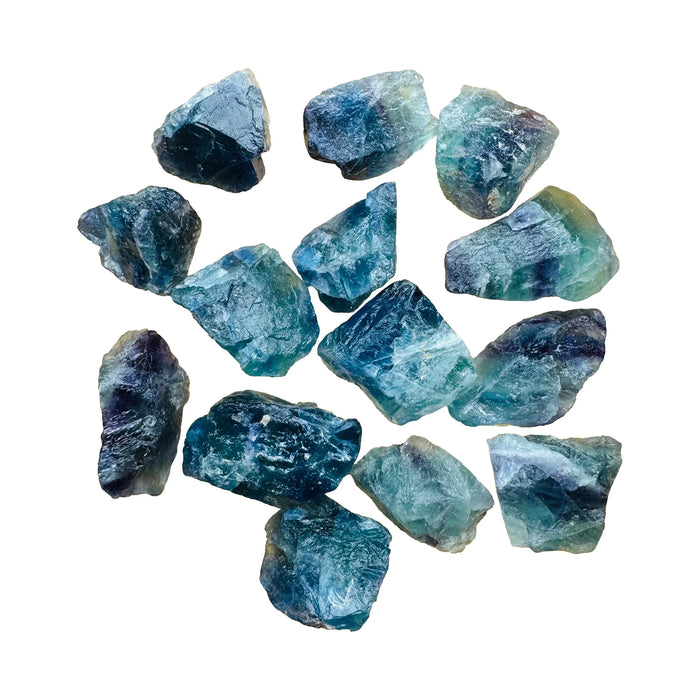
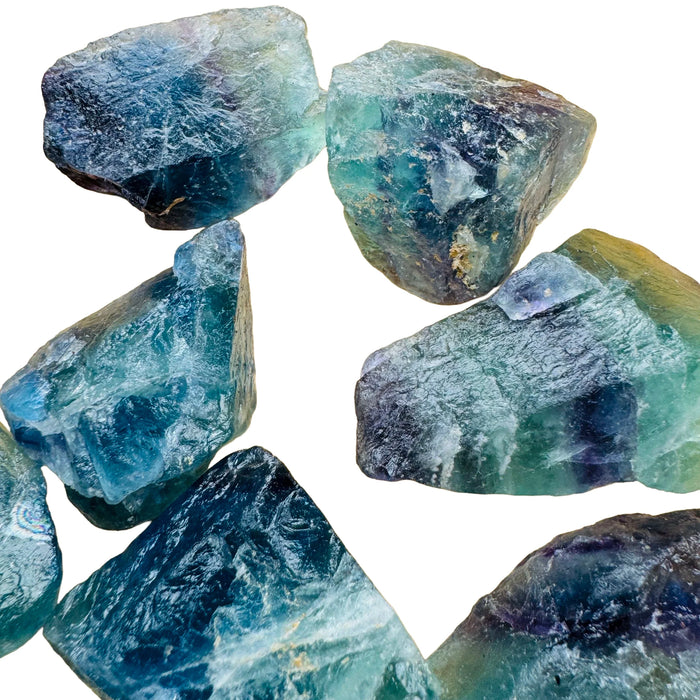
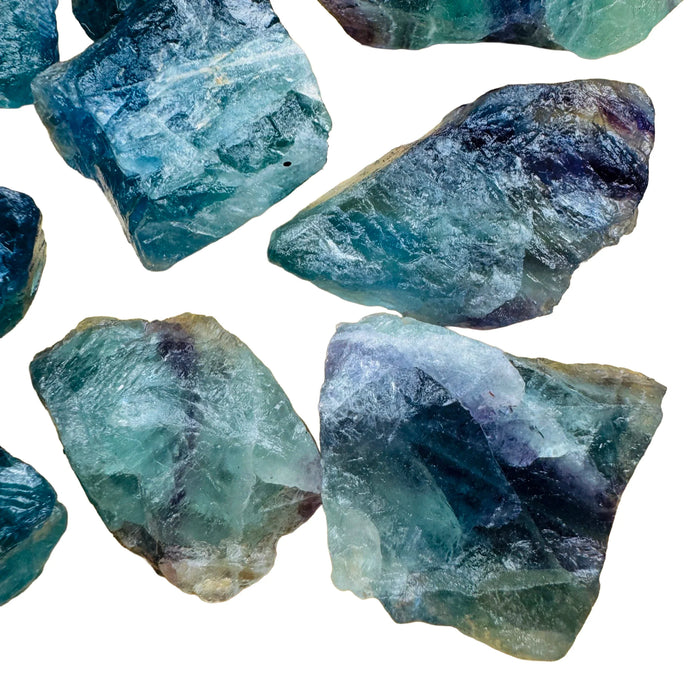
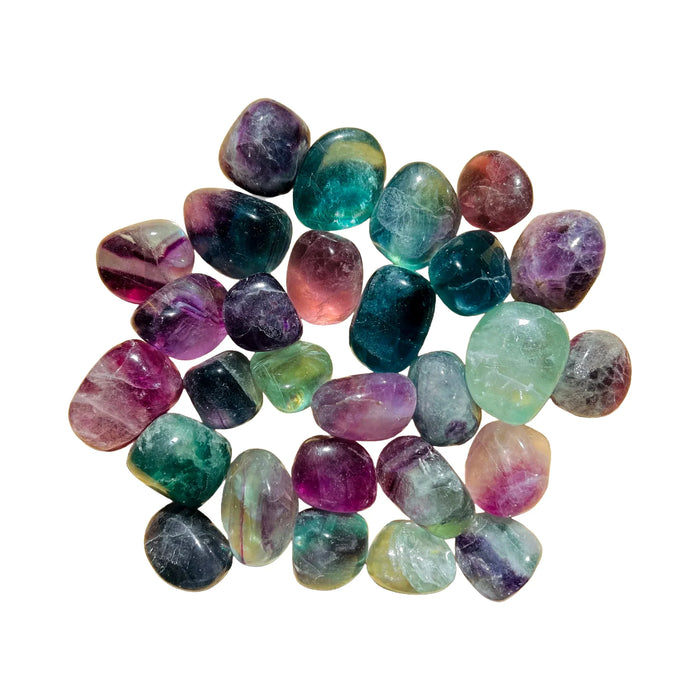
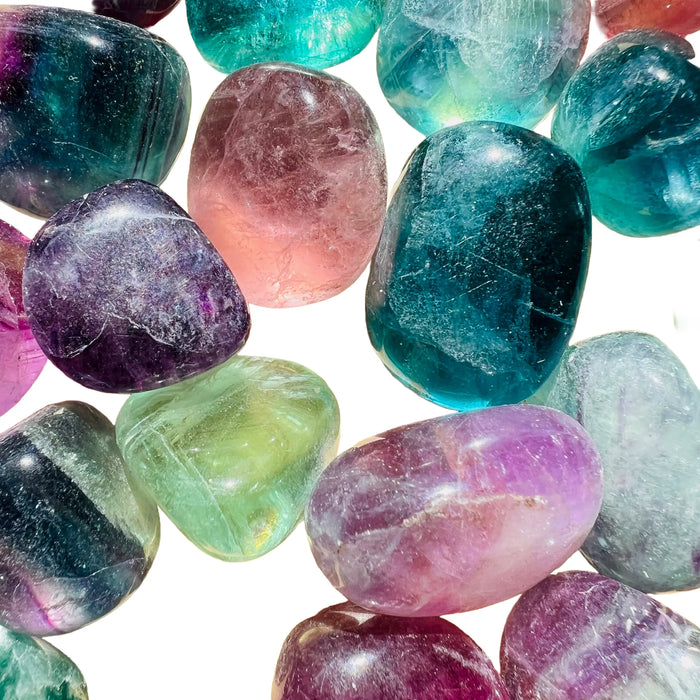
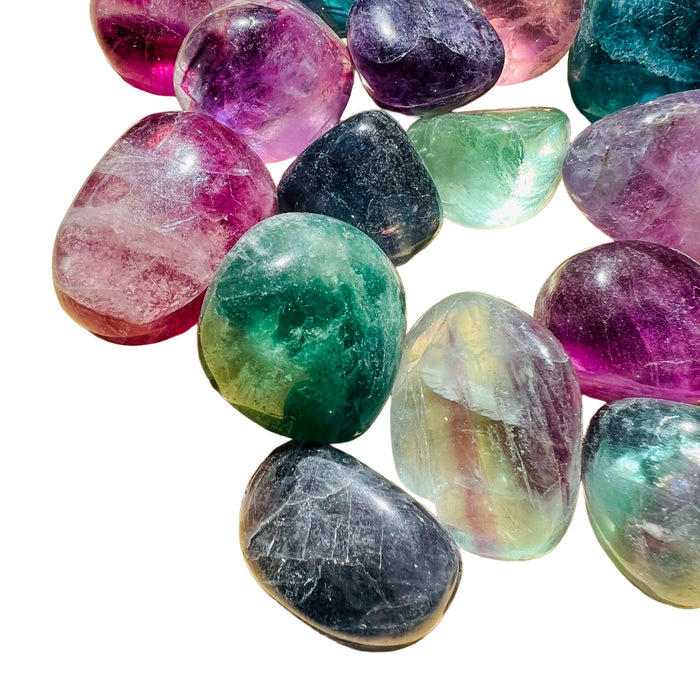
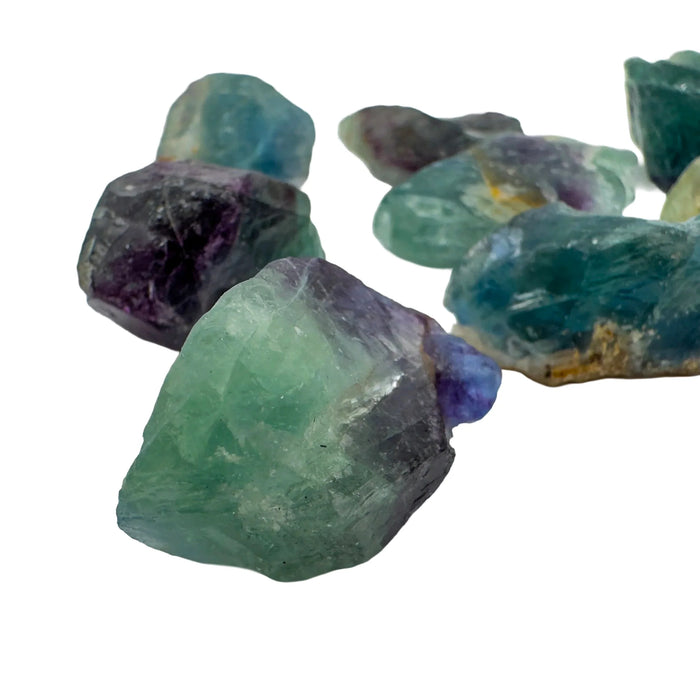
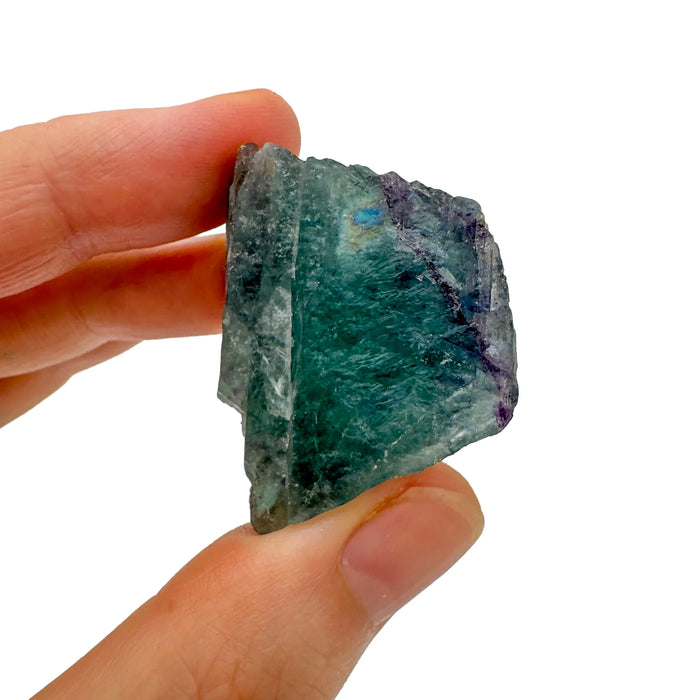
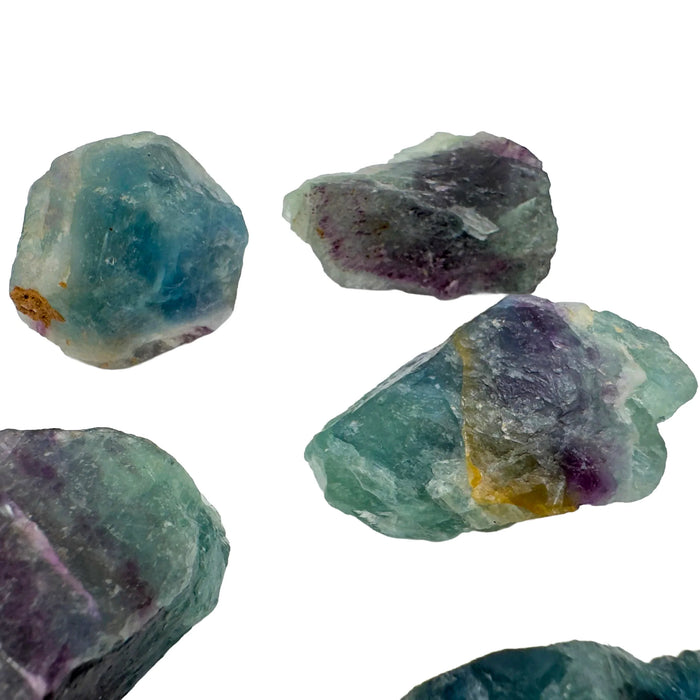
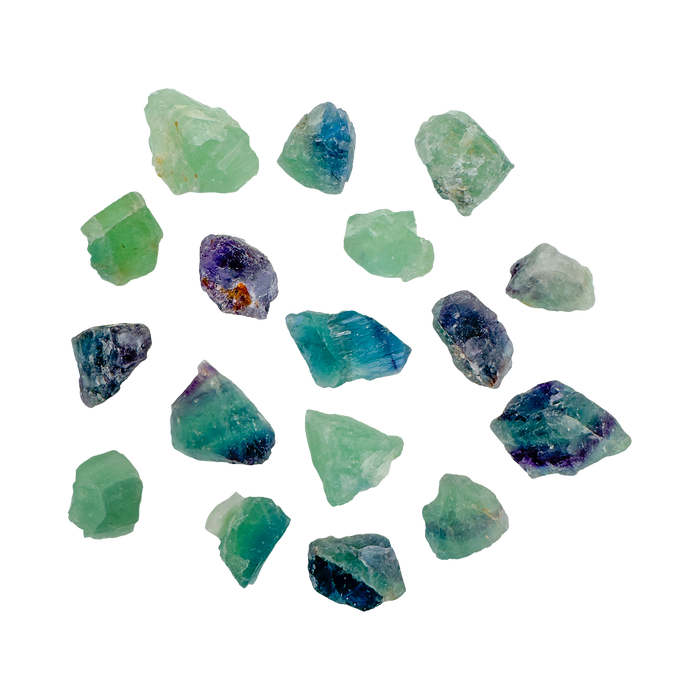
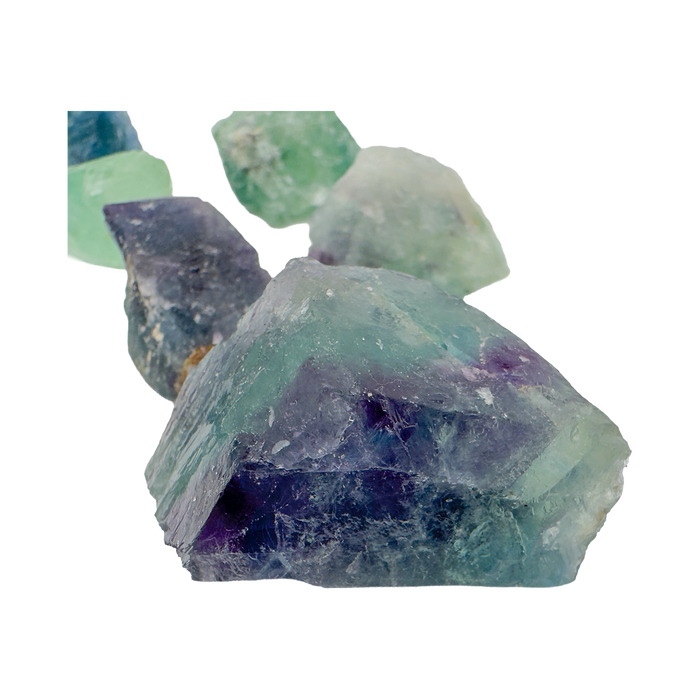
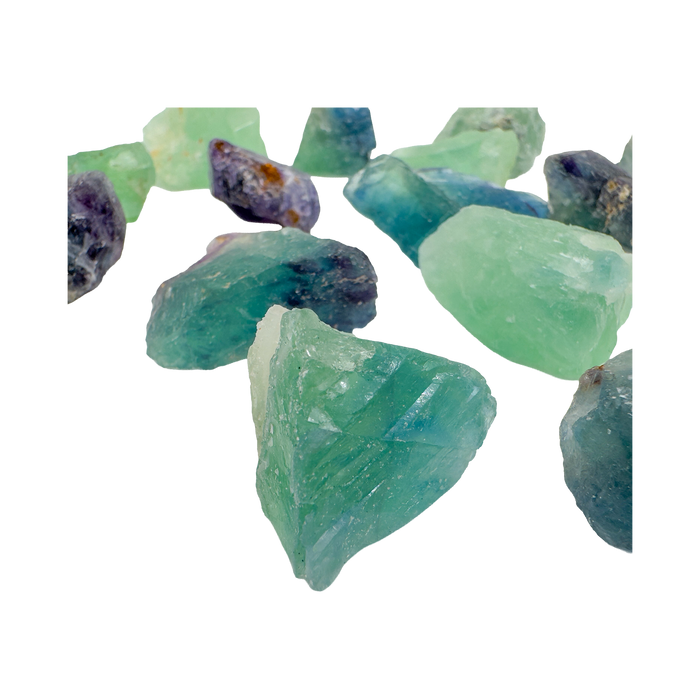
Explore the Crystal GuideThe closest match we carry: Fluorite.
Tiffany Stone is not something we carry. Fluorite is the closest match in our collection, and every piece passes our sourcing standards: origin named, treatments disclosed.
- from 1,000+ reviews
- Ships within 72 hoursMonday to Friday, tracked
- 90 days to return itif you do not love it
- Free US shipping over $99$8.99 flat rate under
The Slow Note
New stones go to the list first.
No forwarding, no selling. Unsubscribe in one click. Privacy