


 Agatefor stress relief
 Amazonitefor stress relief
 Aquamarinefor serenity
 Aventurinefor luck
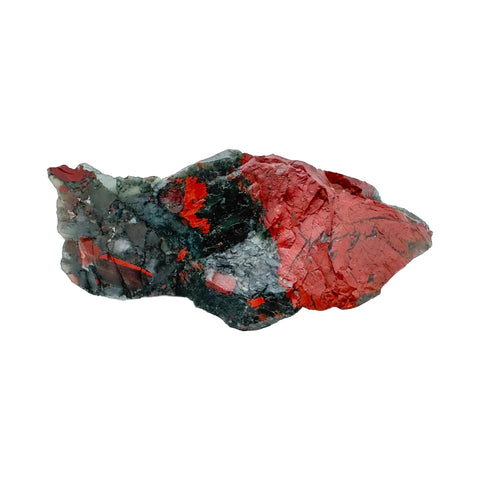
 Bloodstonefor energy
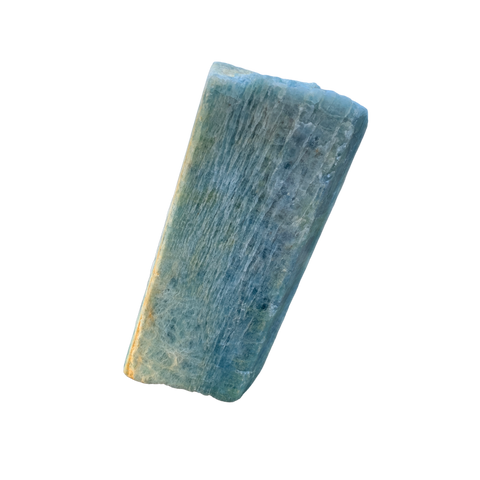
 Blue Kyanitefor confidence
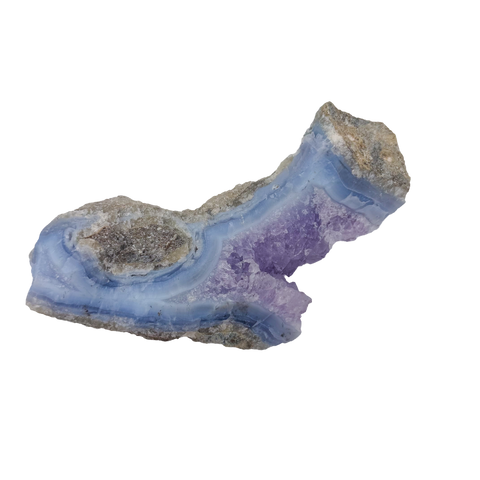
 Blue Lace Agatefor stress relief
 Chrysocollafor emotional healing
 Fluoritefor focus
 Garnetfor energy
 Lepidolitefor stress relief
 Malachitefor emotional healing
 Moonstonefor grounding
 Obsidianfor protection
 Ocean Jasperfor emotional healing
 Red Jasperfor grounding
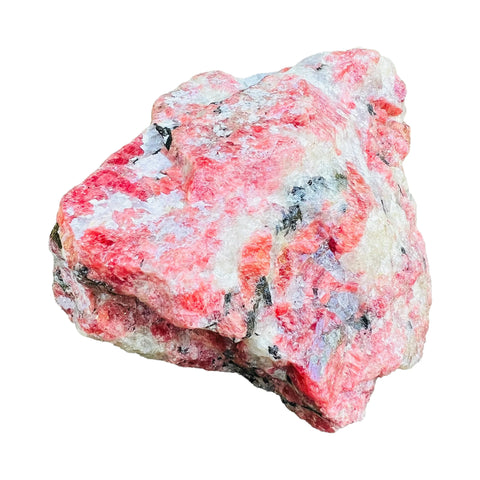
 Rhodonitefor emotional healing
 Selenitefor cleansing
 Sodalitefor focus
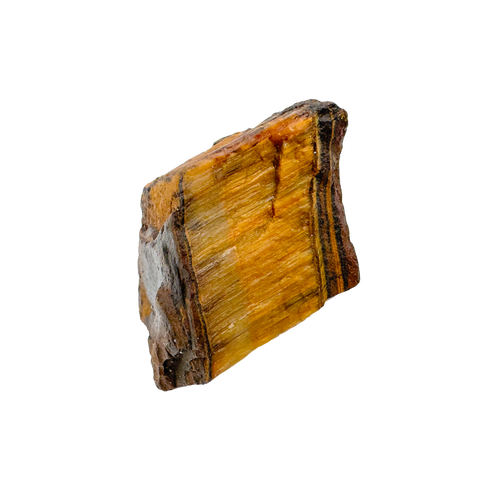
 Tiger Eyefor confidence
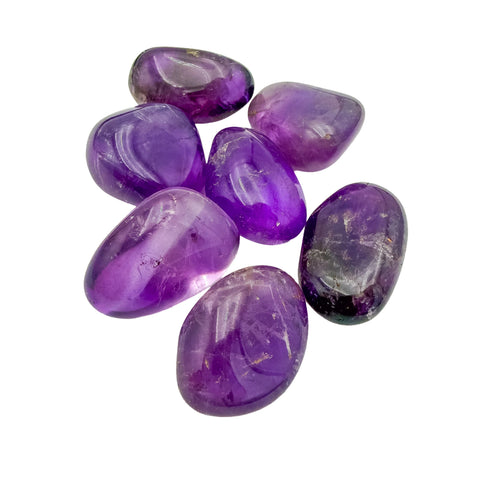




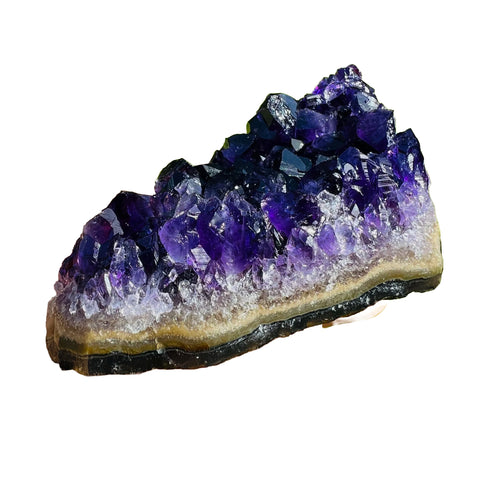





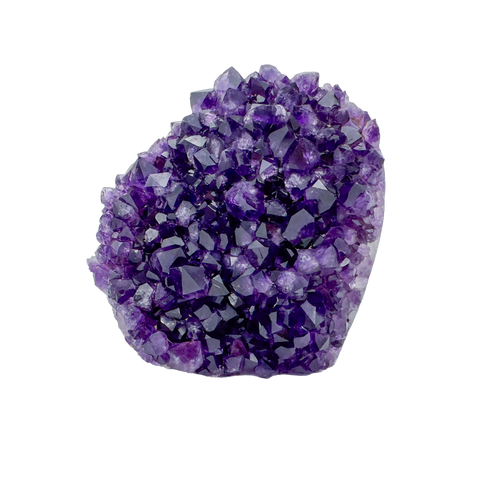
 Amethyst
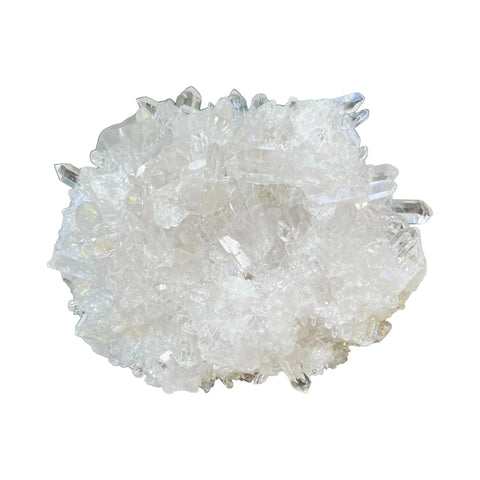
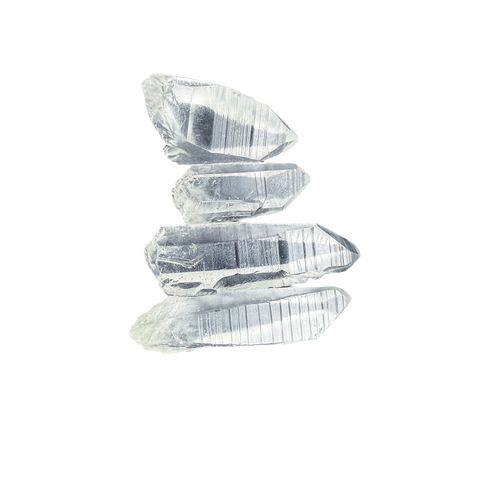
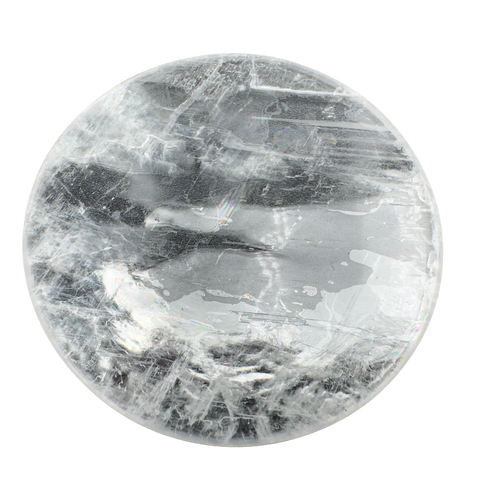
 Clear Quartz
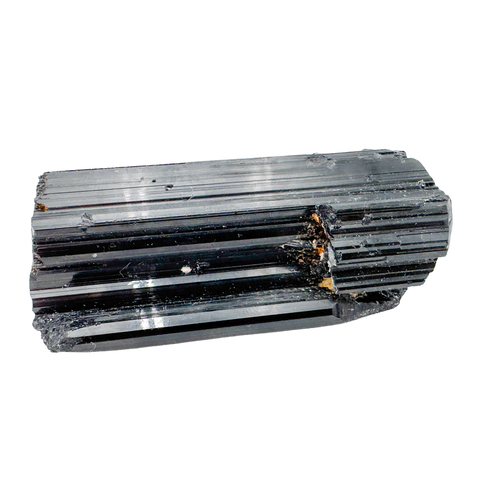
 Black Tourmaline
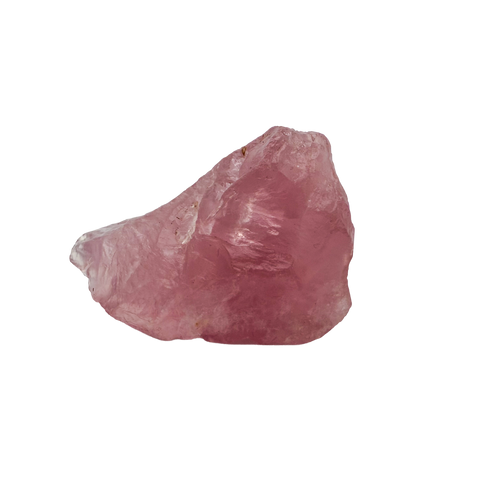
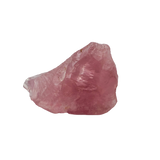 Rose Quartz
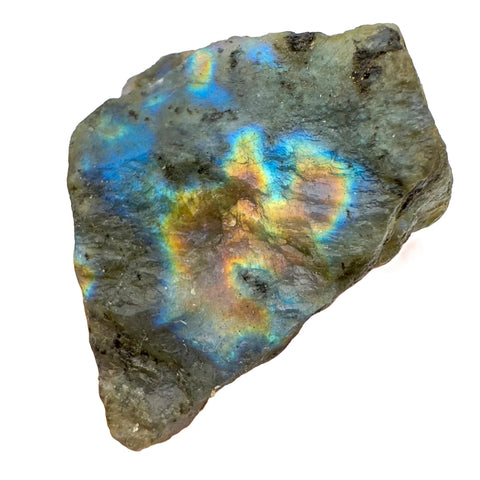
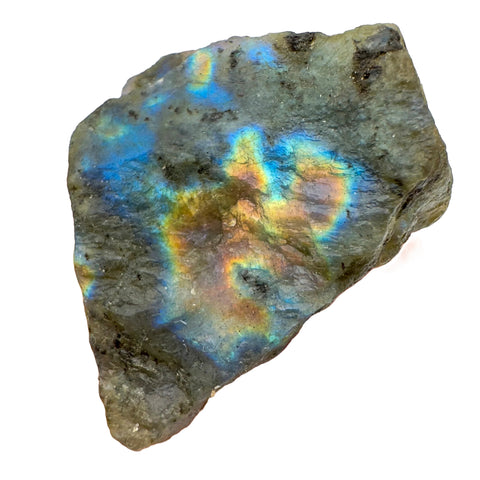
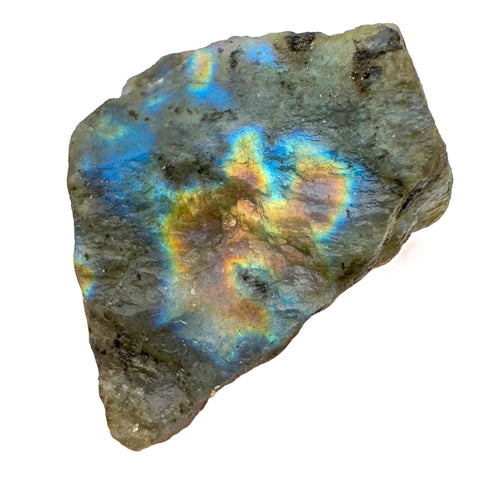
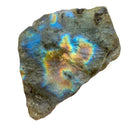 Labradorite
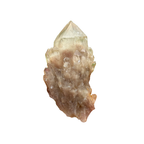 Natural Citrine
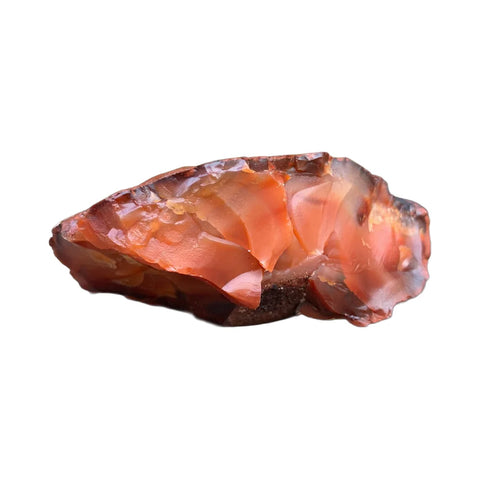
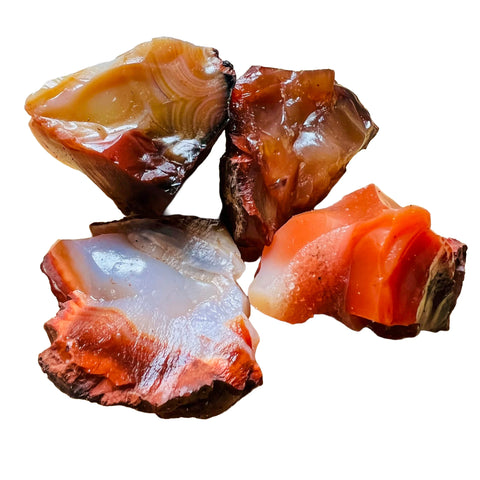
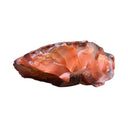 Carnelian
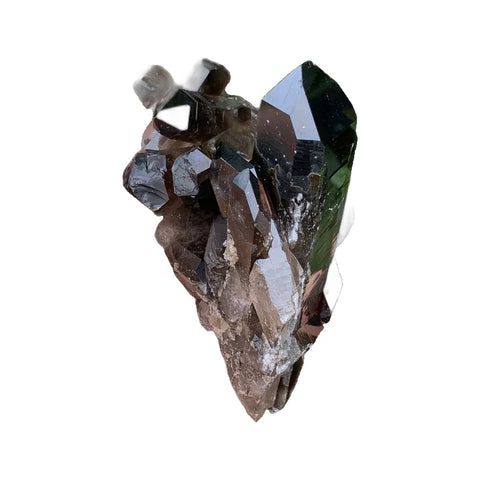
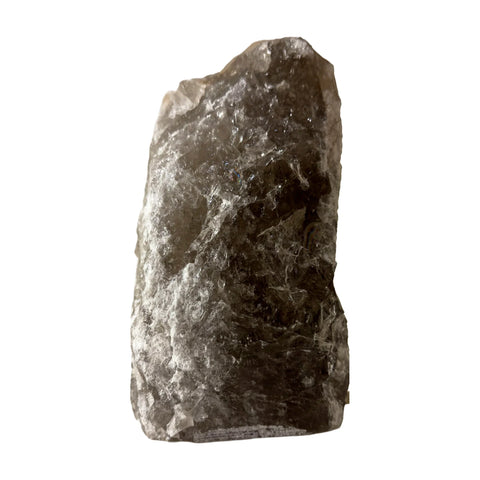
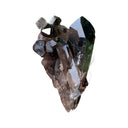 Smoky Quartz
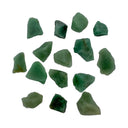 Aventurine
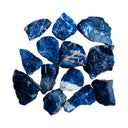 Sodalite
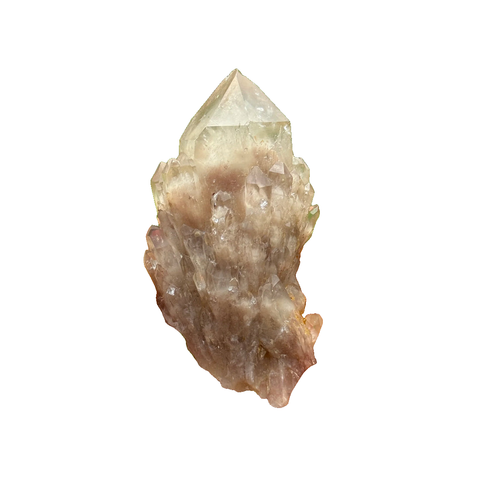
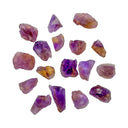 Ametrine
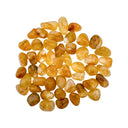 Golden Healer
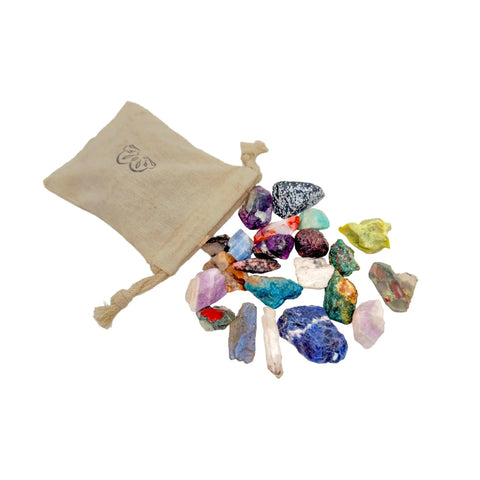
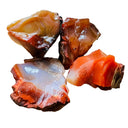 Raw Stones
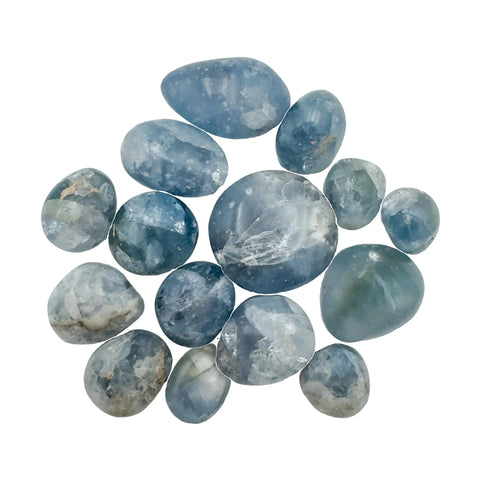
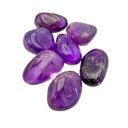 Tumbled Stones
 Palm Stones
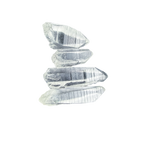 Crystal Points
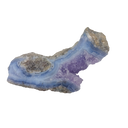 Clusters & Geodes
 Polished & Decor
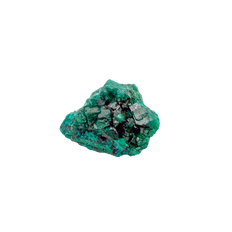 Mineral Specimens
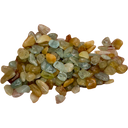 Crystal Chips
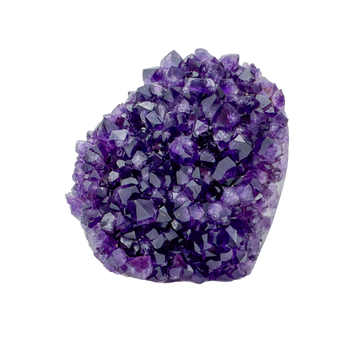
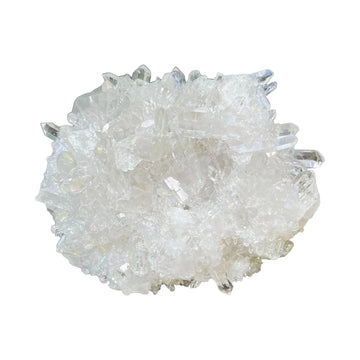
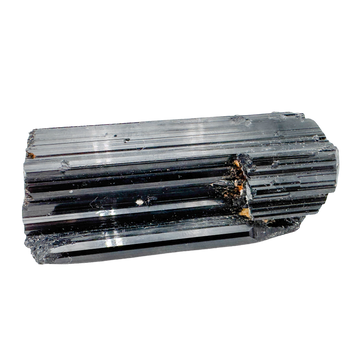
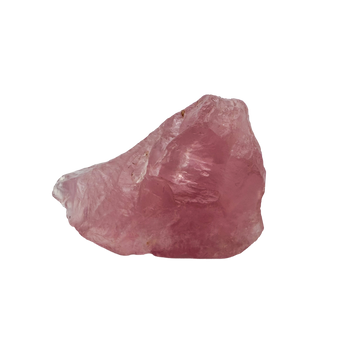
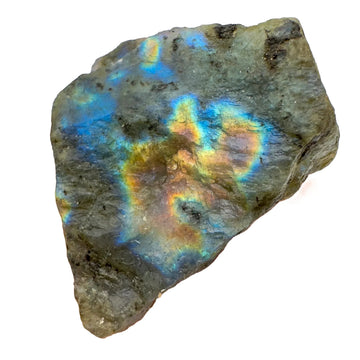
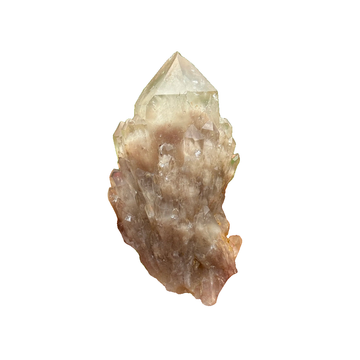
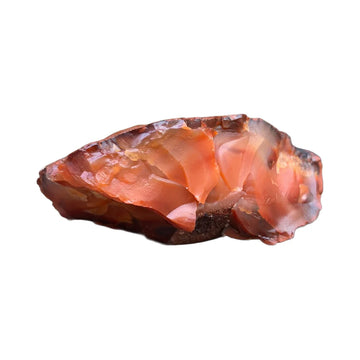
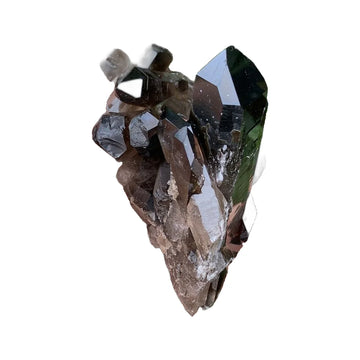
 Raw Stones
179 to choose from
Raw Stones
179 to choose from
 Tumbled Stones
162 to choose from
Tumbled Stones
162 to choose from
 Palm Stones
25 to choose from
Palm Stones
25 to choose from
 Crystal Points
23 to choose from
Crystal Points
23 to choose from
 Clusters & Geodes
101 to choose from
Clusters & Geodes
101 to choose from
 Polished & Decor
148 to choose from
Polished & Decor
148 to choose from
 Mineral Specimens
254 to choose from
Mineral Specimens
254 to choose from
 Crystal Chips
21 to choose from
Crystal Chips
21 to choose from


 AngolaAquamarine
›
AngolaAquamarine
›
 BotswanaCarnelian, Tree Agate
›
BotswanaCarnelian, Tree Agate
›
 DR CongoMalachite, Natural Citrine
›
DR CongoMalachite, Natural Citrine
›
 EswatiniBloodstone
›
EswatiniBloodstone
›
 MadagascarLabradorite, Clear Quartz
›
MadagascarLabradorite, Clear Quartz
›
 MalawiBlue Lace Agate, Garnet
›
MalawiBlue Lace Agate, Garnet
›
 MozambiqueAmazonite
›
MozambiqueAmazonite
›
 NamibiaSodalite, Blue Lace Agate
›
NamibiaSodalite, Blue Lace Agate
›
 Republic of the CongoDioptase
›
Republic of the CongoDioptase
›
 South AfricaTiger Eye, Unakite
›
South AfricaTiger Eye, Unakite
›
 ZambiaChevron Amethyst
›
ZambiaChevron Amethyst
›
 ZimbabweEmerald, Rhodonite
›
ZimbabweEmerald, Rhodonite
›
 ArgentinaBlack Obsidian, Rhodochrosite
›
ArgentinaBlack Obsidian, Rhodochrosite
›
 BoliviaAmetrine
›
BoliviaAmetrine
›
 BrazilAmethyst, Clear Quartz
›
BrazilAmethyst, Clear Quartz
›
 PeruSerpentine, Jade
›
PeruSerpentine, Jade
›
 UruguayAmethyst
›
UruguayAmethyst
›
 Dominican RepublicLarimar
›
Dominican RepublicLarimar
›
 MexicoRainbow Obsidian, Crazy Lace Agate
›
MexicoRainbow Obsidian, Crazy Lace Agate
›
 United StatesSelenite, Peridot
›
United StatesSelenite, Peridot
›
 ChinaFluorite
›
ChinaFluorite
›
 RussiaShungite
›
RussiaShungite
›
 AustraliaMookaite
›
AustraliaMookaite
›
 Where our crystals come from
See where we source →
Where our crystals come from
See where we source →


 Aries
Mar 21 to Apr 19
Carnelian
›
Aries
Mar 21 to Apr 19
Carnelian
›
 Taurus
Apr 20 to May 20
Rose Quartz
›
Taurus
Apr 20 to May 20
Rose Quartz
›
 Gemini
May 21 to Jun 20
Agate
›
Gemini
May 21 to Jun 20
Agate
›
 Cancer
Jun 21 to Jul 22
Moonstone
›
Cancer
Jun 21 to Jul 22
Moonstone
›
 Leo
Jul 23 to Aug 22
Citrine
›
Leo
Jul 23 to Aug 22
Citrine
›
 Virgo
Aug 23 to Sep 22
Amazonite
›
Virgo
Aug 23 to Sep 22
Amazonite
›
 Libra
Sep 23 to Oct 22
Blue Lace Agate
›
Libra
Sep 23 to Oct 22
Blue Lace Agate
›
 Scorpio
Oct 23 to Nov 21
Obsidian
›
Scorpio
Oct 23 to Nov 21
Obsidian
›
 Sagittarius
Nov 22 to Dec 21
Sodalite
›
Sagittarius
Nov 22 to Dec 21
Sodalite
›
 Capricorn
Dec 22 to Jan 19
Black Tourmaline
›
Capricorn
Dec 22 to Jan 19
Black Tourmaline
›
 Aquarius
Jan 20 to Feb 18
Amethyst
›
Aquarius
Jan 20 to Feb 18
Amethyst
›
 Pisces
Feb 19 to Mar 20
Aquamarine
›
Gifting?
A birthday stone is the safe bet.
Read the zodiac guide →
Pisces
Feb 19 to Mar 20
Aquamarine
›
Gifting?
A birthday stone is the safe bet.
Read the zodiac guide →


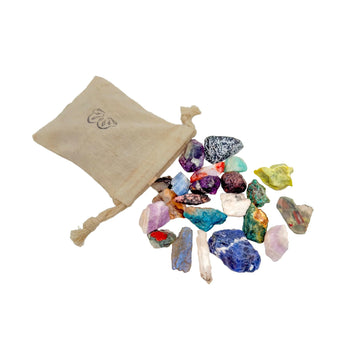
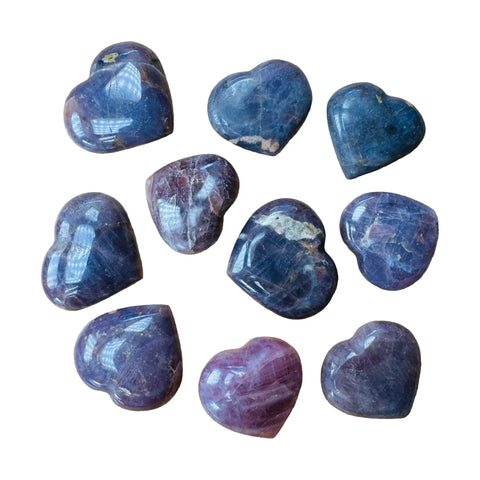
Purpurite
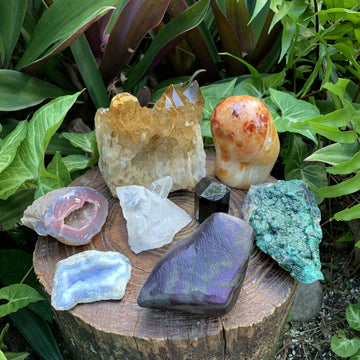
Purpurite is a manganese iron phosphate mineral with a rich purple-to-reddish-violet color that comes from the oxidation of manganese in the crystal structure. Traditionally associated with patient transformation, spiritual discipline, and the kind of change that builds through persistent work rather than sudden breakthrough. Rare enough that most people have never seen it in person.
Shop purpuriteThe geology.
Purpurite is a manganese iron phosphate mineral with the chemical formula (Mn³⁺, Fe³⁺)PO₄. It forms as an oxidation product of Lithiophilite, a lithium manganese phosphate, when manganese in the original mineral oxidizes and lithium leaches away. The rich purple-to-reddish-violet color comes from the trivalent manganese ion in the phosphate structure. Purpurite commonly occurs with Heterosite, a very similar iron-dominant mineral, and the two form a solid solution series.
Hardness sits at 4 to 4.5 on the Mohs scale, notably soft. Purpurite scratches with a steel blade and won't handle rough daily wear. Crystal system is orthorhombic, with perfect cleavage in one direction. Fracture is uneven to splintery. Specific gravity is 3.3 to 3.4. Most commercial Purpurite appears as massive or granular material rather than distinct crystals, often with patches or veins of other minerals.
The origins.
Purpurite is a rare mineral with limited commercial producer regions. Namibia's Erongo region, particularly the Sandamap and Rubicon pegmatites, is the primary contemporary source of specimen and tumbled material. Portugal's Mangualde and Sabugal pegmatites are historically important producers. The United States has small deposits in the Black Hills of South Dakota and in California. Australia (Western Australia) and Brazil round out the global supply.
Each source has a recognizable character. Namibian Purpurite tends toward the deepest purple with some reddish tones and is the most commercially available. Portuguese material is historically significant to mineralogists and collectors. South Dakota Purpurite from the Black Hills pegmatites is smaller in quantity but has strong collector pedigree. Most small-shop Purpurite comes from Namibia.
Traditional associations.
Purpurite was first identified as a distinct mineral species in 1905 by American mineralogists Louis Graton and Samuel Gonyer, who named it for its purple color (from Latin purpura). Portuguese deposits in Mangualde were the type locality. Because the stone's formal identification is so recent, there is no pre-twentieth-century cultural tradition attached specifically to Purpurite.
Contemporary metaphysical practice treats Purpurite as a stone of patient transformation and spiritual discipline. The association builds on the purple color (traditionally linked to crown-chakra and higher-mind work) and on the geology itself: Purpurite forms through slow oxidation of a different mineral, which practitioners read as a metaphor for gradual transformation. It's most commonly associated with the Crown and Root chakras, the elements of Earth and Fire, and the zodiac sign Virgo.
Spotting the real thing.
Real Purpurite shows a natural purple-to-reddish-violet color, often with patches or veins of darker and lighter tones. The softness is diagnostic: a steel blade will scratch it, and in some lighter material a fingernail can mark the surface. Under magnification, you can sometimes see the granular or botryoidal structure typical of the species, as well as associated minerals like Heterosite (nearly identical but iron-dominant) or remnant Lithiophilite (pink-brown).
Because Purpurite is uncommon, fakes are rare. Occasional dyed calcite or dyed magnesite sold as Purpurite shows uniform saturated color rather than natural patchy variation; the dye pools in fractures. Heterosite is chemically very close to Purpurite and is sometimes sold under the Purpurite name; this is a minor mineralogical technicality rather than a fraud concern. Reputable sellers name the country of origin.
Care & handling.
Water safe for a brief rinse with lukewarm water and a soft cloth. Skip long soaks, saltwater, and ultrasonic cleaners. Purpurite is sensitive to acidic cleaners because of the phosphate chemistry; avoid anything acidic or abrasive.
Cleanse energetically with moonlight, sound, smoke, or by placing on selenite overnight. At 4 to 4.5 on the Mohs scale, Purpurite is soft and scratches easily against harder stones. Store in a small pouch on its own. Handle with care in jewelry settings; protected pendants work better than rings.
Pairs well with.
Proof, not promises.
We measure our own sourcing across five dimensions. Supply chain, environmental footprint, artisan support, market integrity, and pricing. The number is honest, not perfect. Where we can do better, we say so.
A deeper look.
Extended geology, sourcing, authentication, history, varieties, and pricing, for when the quick guide isn't quite enough.
Extended geology
Purpurite is a manganese iron phosphate with formula (Mn³⁺,Fe³⁺)PO₄, crystallizing in the orthorhombic system. It forms through oxidation of Lithiophilite or Triphylite (lithium manganese-iron phosphates) in pegmatite deposits. As the primary mineral weathers, lithium leaches away and manganese oxidizes to the trivalent state, producing the characteristic purple color. Purpurite and Heterosite (the iron-dominant end member) form a continuous solid solution; most specimens are mixtures.
Specific gravity 3.3 to 3.4. Mohs hardness 4 to 4.5. Perfect cleavage in one direction. Uneven to splintery fracture. Luster silky to dull on fresh fractures, sometimes with pearly sheen on cleavage surfaces. Commonly found as massive or granular material rather than distinct crystals.
Extended sourcing
Namibia's Erongo region, particularly the Sandamap and Rubicon pegmatites, is the primary contemporary commercial source. Portuguese deposits at Mangualde and Sabugal are the type localities and historically important for mineralogists. The Black Hills of South Dakota (Custer and Pennington counties) produced significant Purpurite in the twentieth century though commercial quantities are low today.
Additional deposits exist in Western Australia (Londonderry), Brazil (Minas Gerais), France (Les Montmins), and smaller occurrences in Finland and elsewhere. The global commercial market is dominated by Namibian material because of its color quality and accessible extraction.
Authentication and warning signs
Real Purpurite shows natural color variation within a single piece, with patches of slightly different purple tones and often associated minerals visible (Heterosite for darker areas, remnant Lithiophilite for pink-brown patches). The softness is characteristic: steel blade scratches the surface. Under magnification, the granular or fibrous texture is often visible.
Rare imitations include dyed calcite or dyed magnesite, which show uniform color and dye pooling in fractures. Heterosite is sometimes sold as Purpurite; this is a minor taxonomic issue rather than a quality concern. The characteristic silky-to-pearly luster on cleavage planes is distinctive.
Historical and cultural context
Purpurite was formally identified in 1905 by Louis Graton and Samuel Gonyer of Harvard University, based on Portuguese specimens from the Faria pegmatite at Mangualde. The name comes from Latin purpura, referring to the purple color. Because the stone was only recognized as a distinct species in the twentieth century, there is no pre-modern cultural tradition attached specifically to Purpurite.
In contemporary metaphysical practice, Purpurite is grouped with crown-chakra and transformation stones. The geological origin story (slow oxidation of a different mineral into this one) gives the stone a narrative hook about patient transformation that resonates with practitioners focused on long-term personal work.
Varieties and trade names
Purpurite: the manganese-dominant end member, deeper purple.
Heterosite: the iron-dominant end member, darker violet-gray to black.
Ferri-Purpurite: intermediate compositions between Purpurite and Heterosite, often sold commercially as Purpurite.
Sandamap Purpurite: trade name for Namibian material from the Sandamap pegmatite.
Pricing reality
Tumbled Purpurite: 5 to 20 dollars per piece. Small polished pieces and palm stones: 15 to 60 dollars. Larger polished specimens: 40 to 200 dollars. Fine Namibian specimen-grade material with strong color: 100 to 500 dollars. Museum-grade pieces: collector pricing.
Value drivers: depth and saturation of purple color, absence of darker Heterosite patches (when pure Purpurite is desired), size, clean polish, and documented origin. Warning signs: suspiciously uniform color suggesting dye, no origin offered, or pieces that are too hard for the expected softness.
Good sourcing is a practice, not a claim.
Nothing we sell is dyed calcite or dyed magnesite marketed as Purpurite. We name our origins where we can and walk away from material that doesn't meet our standard, even when it costs us sales.
Bring purpurite home.
Every piece we carry is photographed individually and listed with its own origin and treatment notes. What you see is what ships.
Shop the purpurite collectionGrounded Connections
New stones go to the list first.
No forwarding, no selling. Unsubscribe in one click. Privacy