


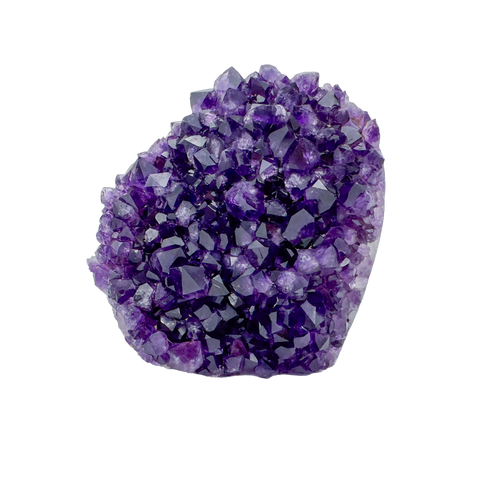
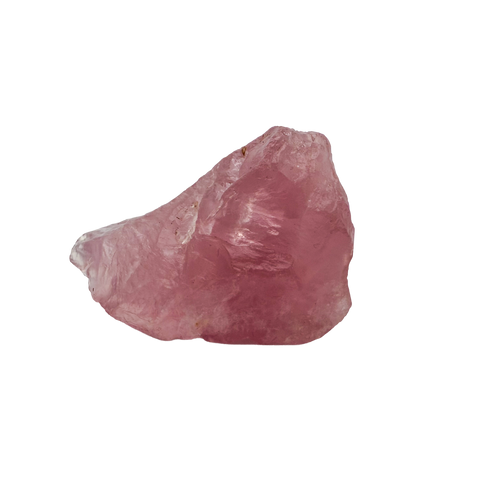
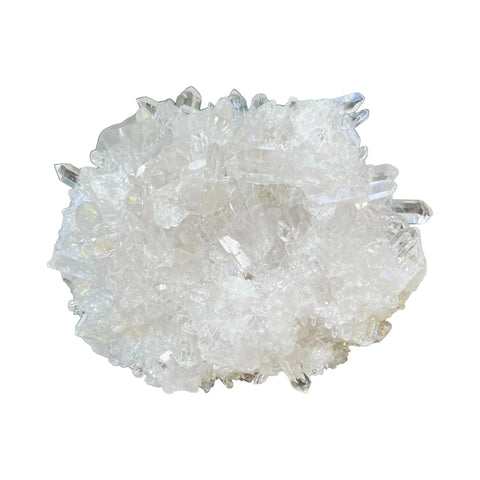
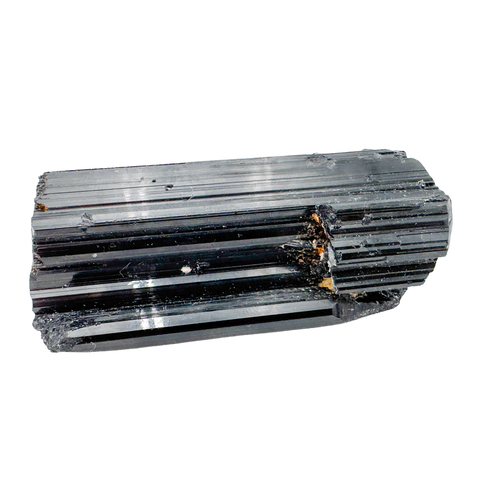
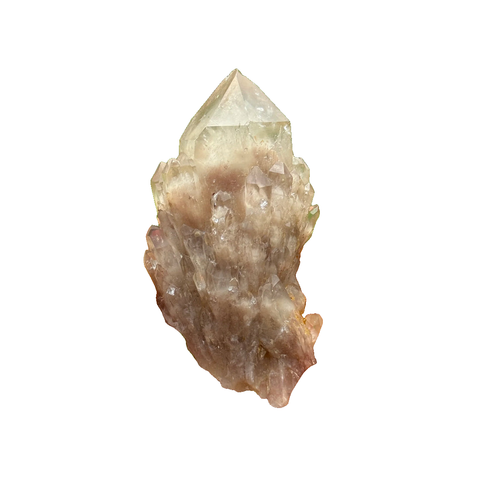
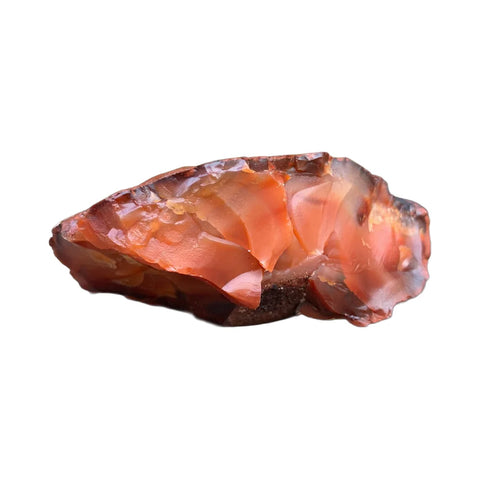
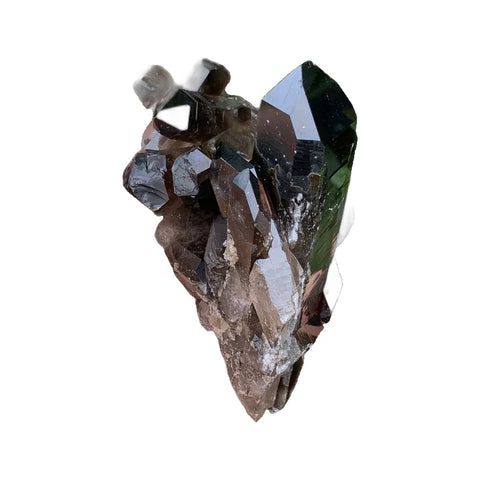
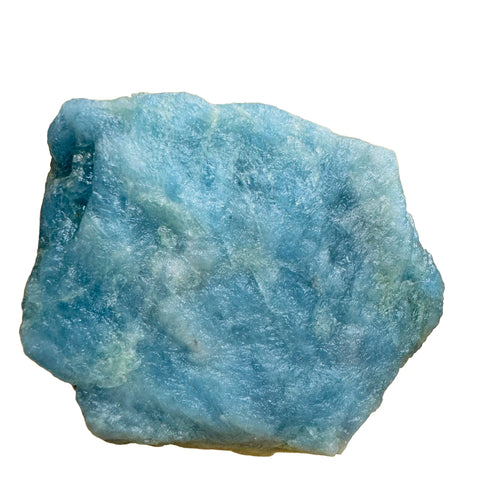
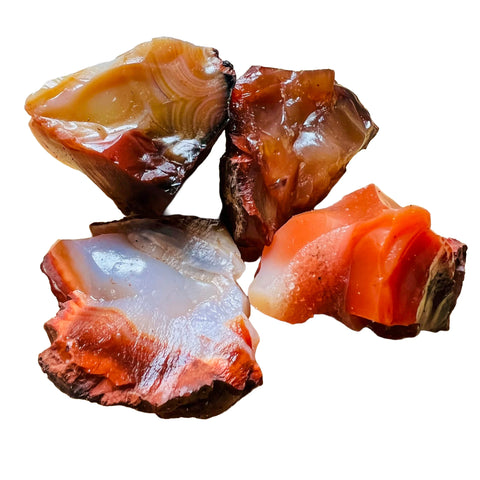


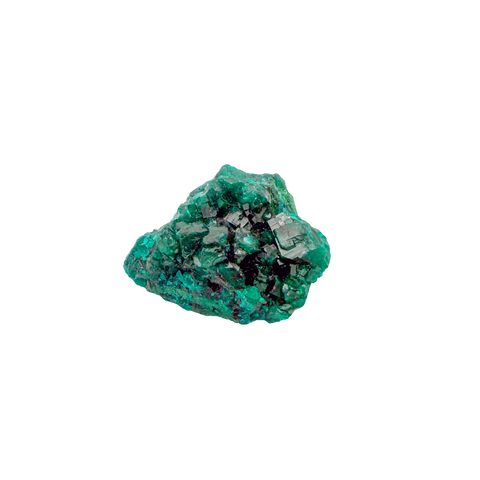
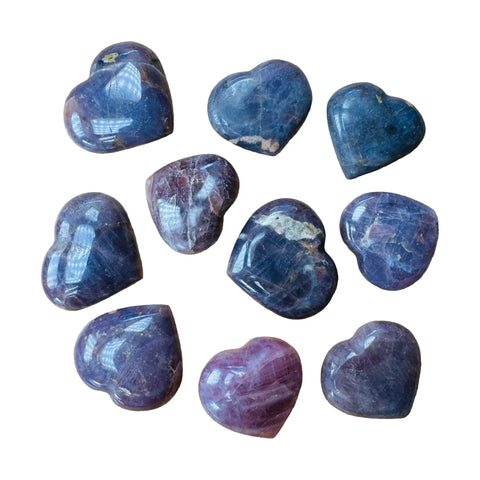
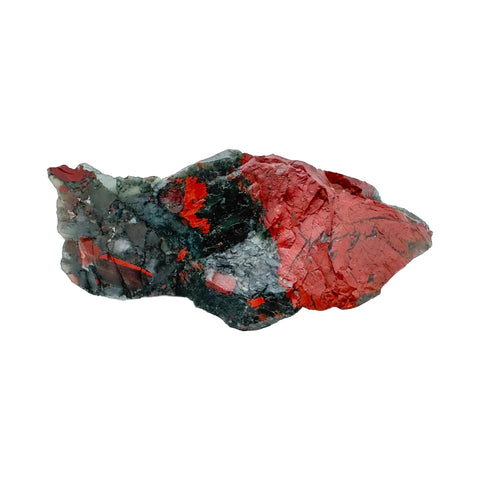
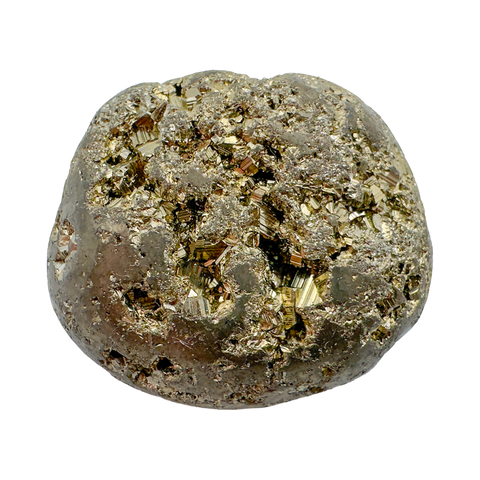
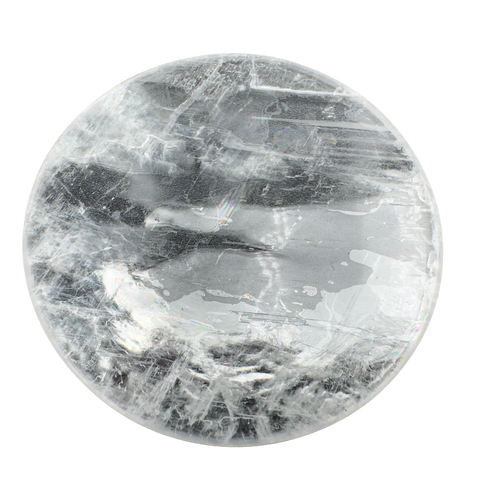
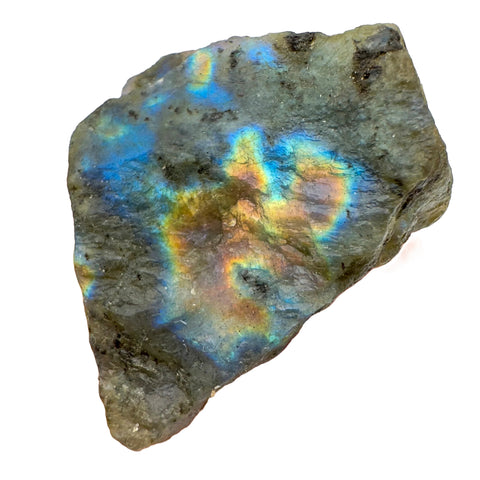
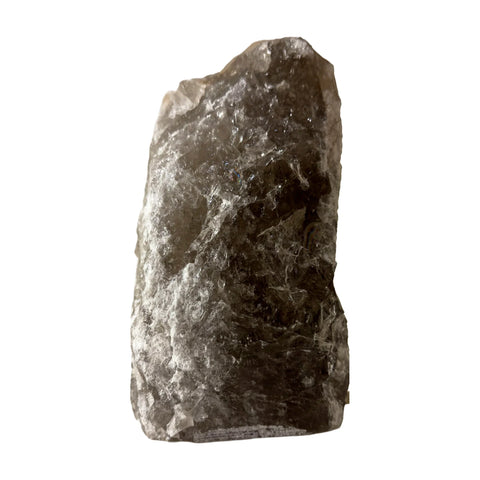
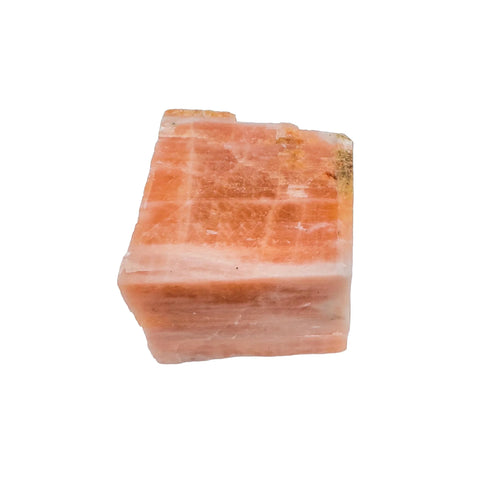
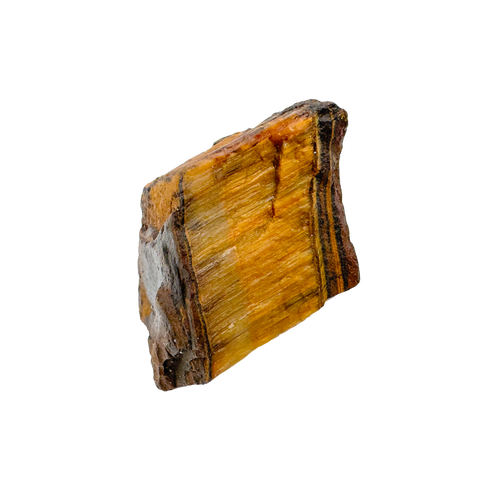
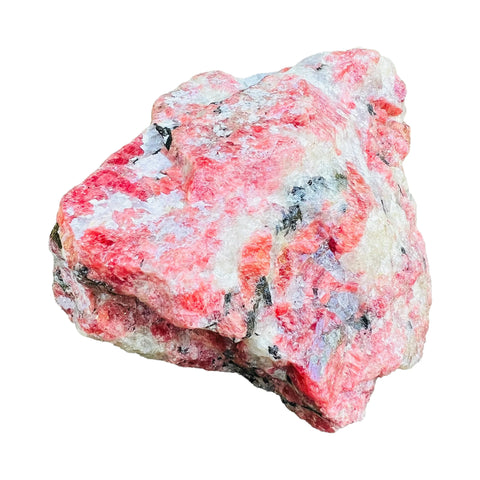
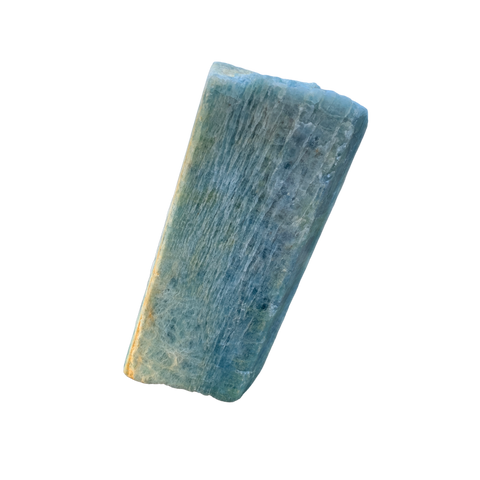
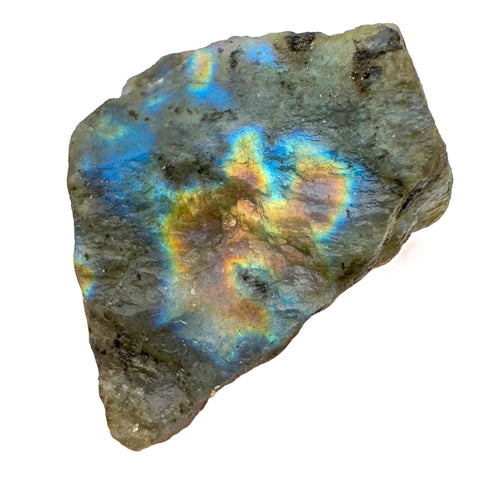
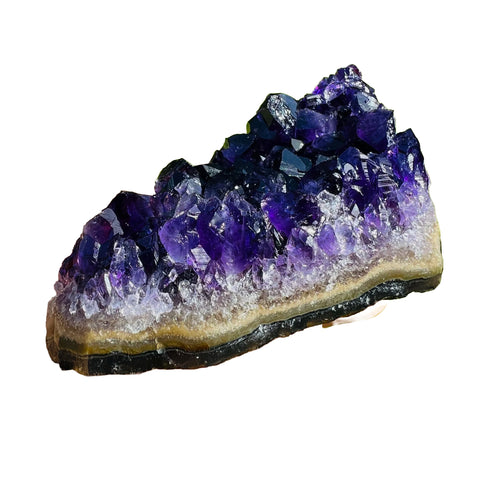



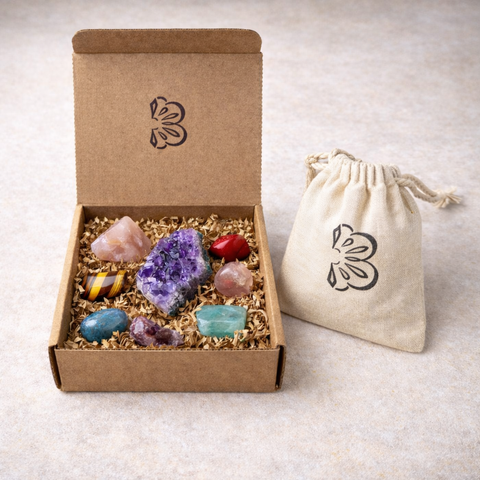
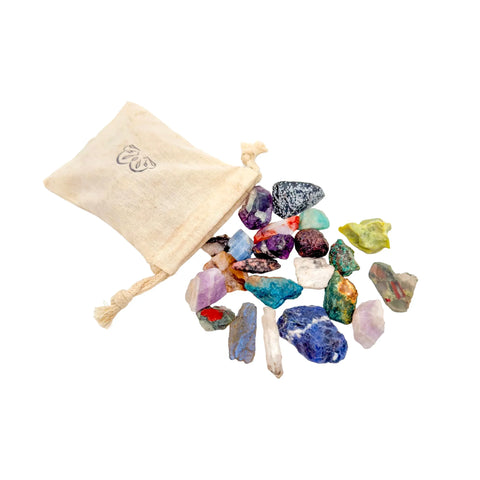
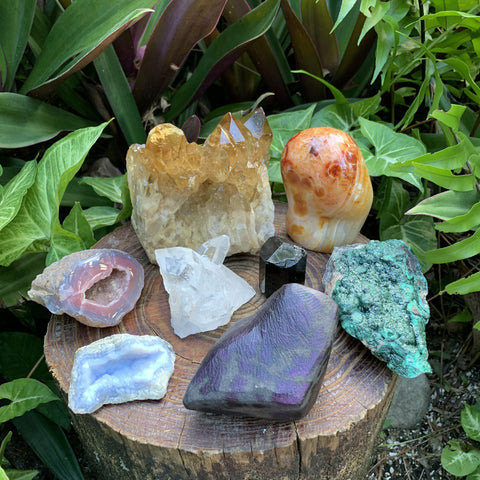
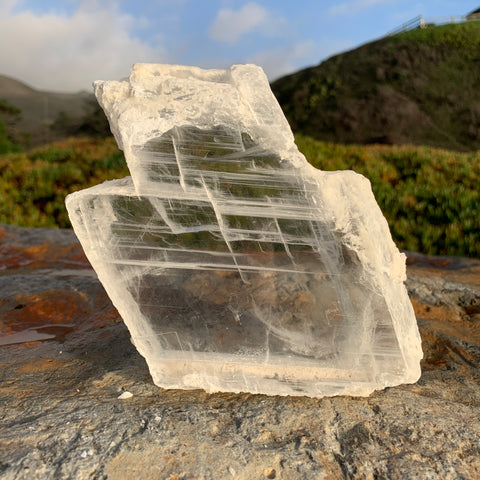
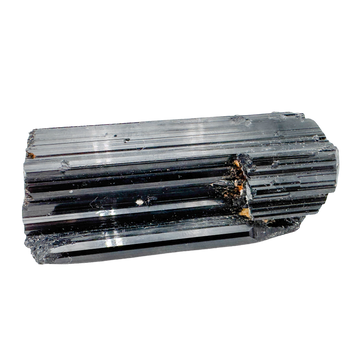
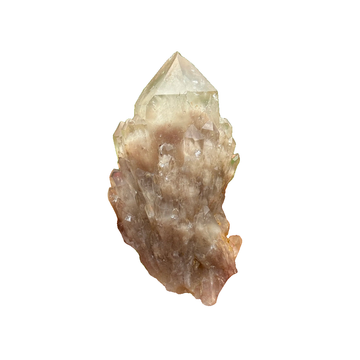
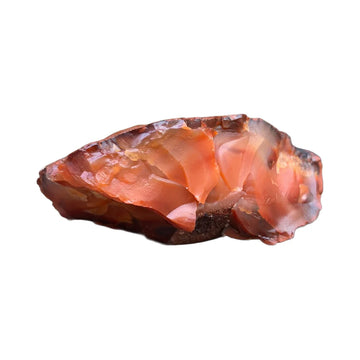
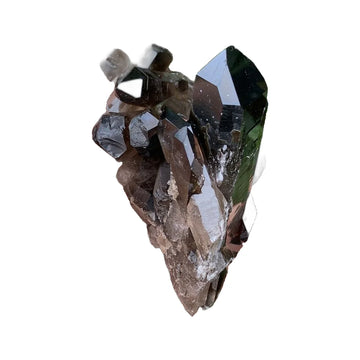
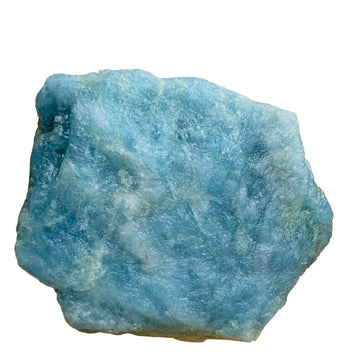
 Raw Stones
179 pieces
Raw Stones
179 pieces
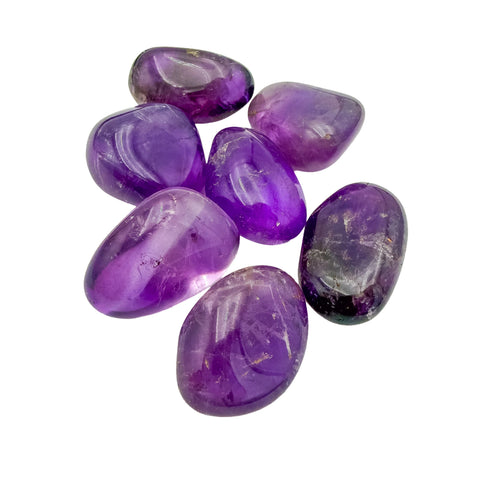
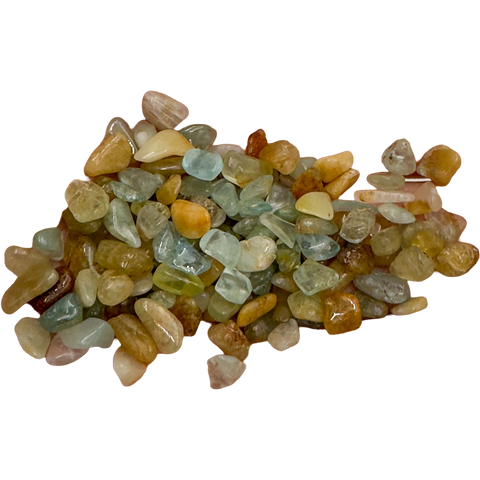
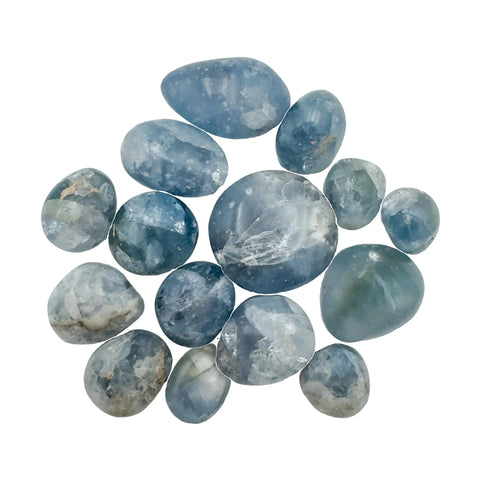
 Tumbled Stones
162 pieces
Tumbled Stones
162 pieces
 Palm Stones
25 pieces
Palm Stones
25 pieces
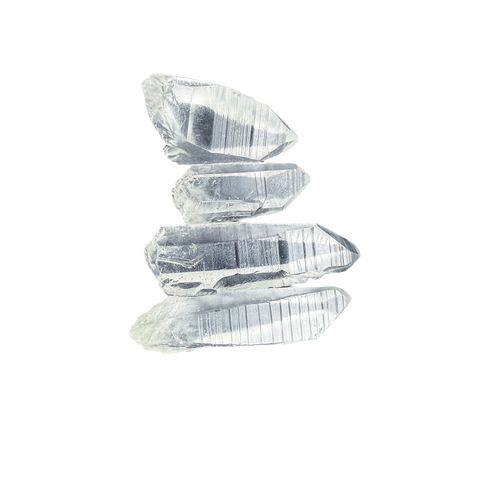
 Crystal Points
23 pieces
Crystal Points
23 pieces
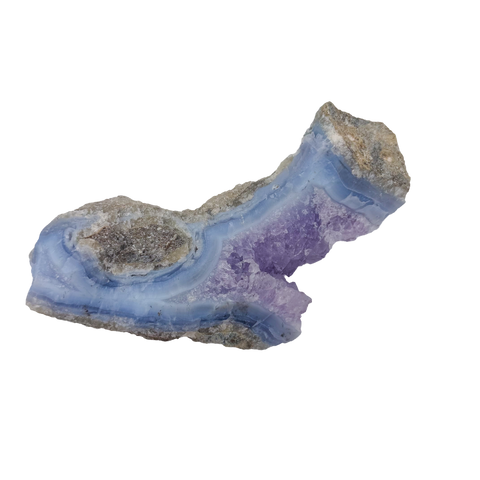
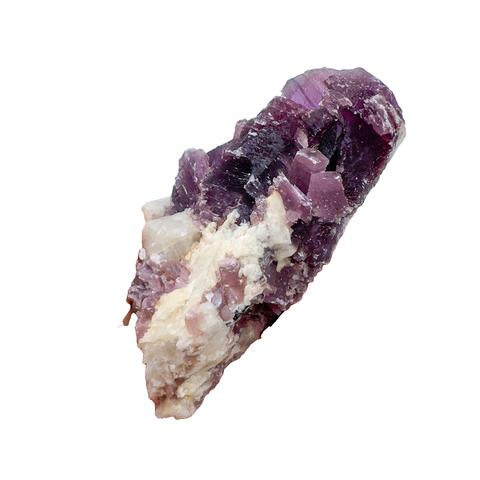
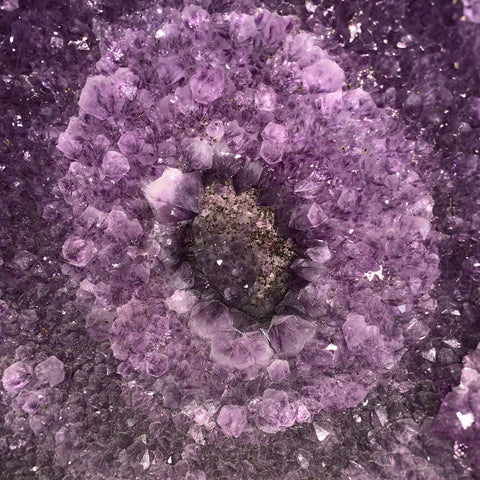
 Clusters & Geodes
104 pieces
Clusters & Geodes
104 pieces
 Polished & Decor
148 pieces
Polished & Decor
148 pieces
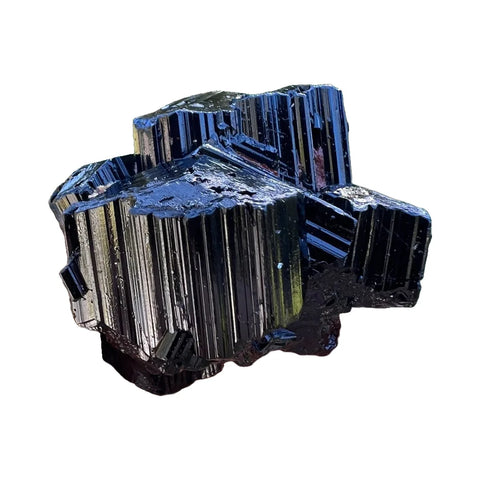
 Mineral Specimens
259 collector pieces
Mineral Specimens
259 collector pieces
 Crystal Chips
21 pieces
Browse everything
Every collection, one page.
View All Collections →
Crystal Chips
21 pieces
Browse everything
Every collection, one page.
View All Collections →


 Aries
Mar 21 – Apr 19
Carnelian
›
Aries
Mar 21 – Apr 19
Carnelian
›
 Taurus
Apr 20 – May 20
Rose Quartz
›
Taurus
Apr 20 – May 20
Rose Quartz
›
 Gemini
May 21 – Jun 20
Agate
›
Gemini
May 21 – Jun 20
Agate
›
 Cancer
Jun 21 – Jul 22
Moonstone
›
Cancer
Jun 21 – Jul 22
Moonstone
›
 Leo
Jul 23 – Aug 22
Citrine
›
Leo
Jul 23 – Aug 22
Citrine
›
 Virgo
Aug 23 – Sep 22
Amazonite
›
Virgo
Aug 23 – Sep 22
Amazonite
›
 Libra
Sep 23 – Oct 22
Blue Lace Agate
›
Libra
Sep 23 – Oct 22
Blue Lace Agate
›
 Scorpio
Oct 23 – Nov 21
Obsidian
›
Scorpio
Oct 23 – Nov 21
Obsidian
›
 Sagittarius
Nov 22 – Dec 21
Sodalite
›
Sagittarius
Nov 22 – Dec 21
Sodalite
›
 Capricorn
Dec 22 – Jan 19
Black Tourmaline
›
Capricorn
Dec 22 – Jan 19
Black Tourmaline
›
 Aquarius
Jan 20 – Feb 18
Amethyst
›
Aquarius
Jan 20 – Feb 18
Amethyst
›
 Pisces
Feb 19 – Mar 20
Aquamarine
›
Gifting?
A birthday stone is the safe bet.
Read the zodiac guide →
Pisces
Feb 19 – Mar 20
Aquamarine
›
Gifting?
A birthday stone is the safe bet.
Read the zodiac guide →

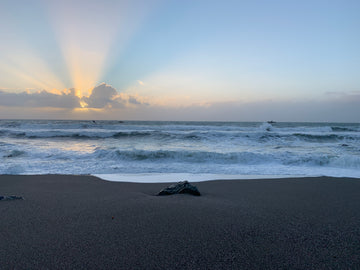
Larvikite
Larvikite is a Norwegian igneous rock, prized for the silvery-blue shimmer that ripples across its dark feldspar when it is polished. You will see it sold as black moonstone, Norwegian moonstone, or Blue Pearl granite. None of those names are quite right, and the real story is more interesting than any of them.
The geology.
Larvikite is not a single mineral. It is a coarse-grained plutonic rock, a variety of monzonite that cooled slowly deep in the crust. Its character comes almost entirely from one ingredient: large, glassy crystals of ternary feldspar, so called because they blend significant amounts of all three feldspar end members in a single crystal.
As the rock cooled, that feldspar slowly separated on a microscopic scale into alternating layers, a process called perthitic exsolution. Light entering the polished surface bounces between those layers and scatters back as a soft blue to silver sheen. This is the same optical effect, schiller or labradorescence, that makes labradorite glow, which is fitting, since both are feldspars.
Because it is a rock rather than a pure mineral, larvikite also carries minor amounts of other minerals between the feldspar crystals, including dark pyroxene and amphibole that give it its smoky gray to near-black base color. It takes a high polish and rates about 6 to 6.5 on the Mohs scale.
The origins.
Larvikite takes its name from the town of Larvik in southern Norway, where it forms a large intrusion along the Oslo Rift. Norway quarries it extensively, and it holds the honor of being the country's national stone. Most of the world's larvikite still comes from this single region.
Commercially, its bigger life is as dimension stone. Polished slabs clad building facades, countertops, and corporate lobbies around the world under trade names like Blue Pearl and Emerald Pearl. The tumbled stones and spheres sold in crystal shops are often offcuts of that same quarrying industry, which makes larvikite one of the more genuinely low-waste stones on the market.
Traditional associations.
In modern crystal practice, larvikite is treated as a grounding, protective stone, valued for its dark color and earthy origin. Many people work with it to feel steadier and more focused, and it has a following among those who want a stone associated with clear thinking rather than high drama.
Its Norwegian roots have also drawn associations with Viking and Norse imagery, and some keep it as a stone of patience and old, slow, geological time. As always, these are traditional and contemporary associations rather than proven effects.
Spotting the real thing.
Larvikite is rarely faked, mostly because it is inexpensive and widely available. The more common confusion is one of naming. If a seller offers black moonstone or Norwegian moonstone, ask whether the piece is larvikite. True moonstone is a different feldspar with a floating white or blue adularescence, while larvikite shows small, sharp flashes of blue and silver scattered across a dark, speckled ground.
Look for the tell-tale mosaic of rectangular feldspar crystals, each one catching the light at a slightly different angle as you tilt the stone. That blocky, interlocking texture is diagnostic. A uniform, glassy body with no visible crystal boundaries is more likely to be glass or another material.
The blue schiller should appear and vanish as the angle changes, because it is an internal reflection. A color that stays fixed from every direction is usually surface treatment or dye, which larvikite does not need.
Care & handling.
At 6 to 6.5 on the Mohs scale, larvikite is durable enough for everyday handling and holds a polish well. It is stable in light and will not fade. Clean it with a soft cloth and mild soapy water, then dry it.
It has no special sensitivities and is not water soluble, so brief contact with water is fine. As with any polished feldspar, avoid hard knocks against harder stones, which can chip an edge or dull the surface over time.
Pairs well with.
A deeper look.
Extended geology, sourcing, authentication, history, and varieties, for when the quick guide isn't quite enough.
A rock, not a mineral
Most stones in this library are minerals with a fixed chemical formula. Larvikite is a rock, an assembly of several minerals, and that distinction shapes everything about it. Geologists classify it as a monzonite, and depending on the exact balance of feldspars, a given sample may sit closer to a syenite or an alkali syenite. The scientific name for the rock type, larvikite, is taken directly from its Norwegian home.
The source of the flash
The blue to silver schiller is caused by microscopic layering inside the feldspar. When the rock cooled, the ternary feldspar became unstable and slowly unmixed into thin, alternating lamellae of sodium-rich and potassium-rich feldspar. These layers are spaced at roughly the wavelength of visible light, so they act like a natural interference filter, reflecting blues and silvers back to the eye. Larger, cleaner lamellae give the strongest flash, which is why some slabs shimmer far more than others.
Blue Pearl, Emerald Pearl, and the granite myth
In the stone trade, larvikite is sold as Blue Pearl and Emerald Pearl, and often loosely called Blue Pearl granite. Geologically that is incorrect, since granite is quartz-rich and larvikite contains little to no quartz. The label persists because the countertop industry calls almost any hard, polished, speckled rock a granite. When you understand what larvikite really is, you can see past the marketing name.
The moonstone confusion
Larvikite is frequently marketed as black moonstone or Norwegian moonstone. It is a feldspar, and moonstone is also a feldspar, so the two are cousins, but they are not the same material and they behave differently in the light. Moonstone shows adularescence, a soft glow that seems to float below the surface. Larvikite shows schiller, a scatter of small bright flashes on the surface plane. Neither name is a scam, but knowing the difference helps you buy the exact look you want.
Buying and pricing
Larvikite is one of the most affordable display stones available, thanks to its abundance and its role as a quarry byproduct. Tumbled pieces, palm stones, spheres, and towers are all common and inexpensive. Value tracks the quality of the blue flash more than size: a small stone with vivid, wide schiller can be more appealing than a large, dull one. Because it is quarried at industrial scale for building stone, sourcing is generally straightforward and traceable to Norway.
An education-first guide.
We don't currently carry larvikite, so there's nothing to sell you here. This guide exists because the more you understand a stone, the better every decision you make about it becomes, wherever you buy it. Explore the rest of our crystal guides for stones we do source, each with full origin and treatment notes.
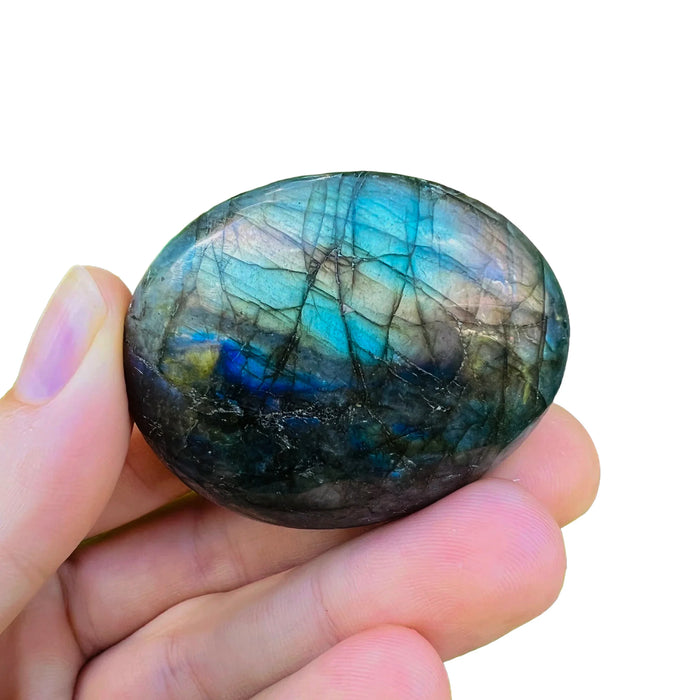
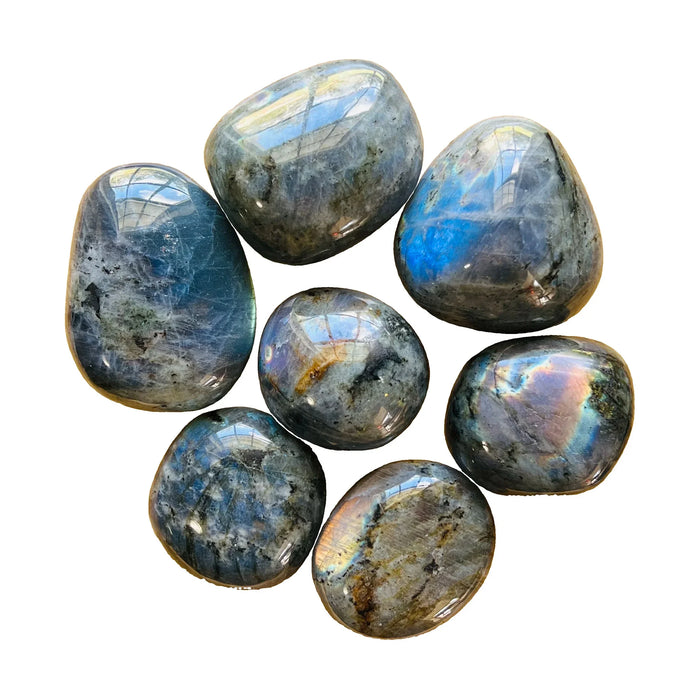
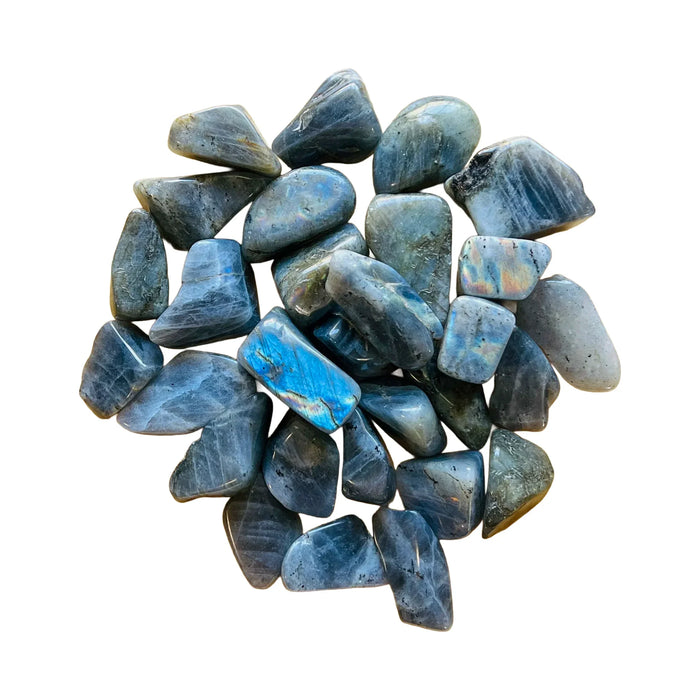
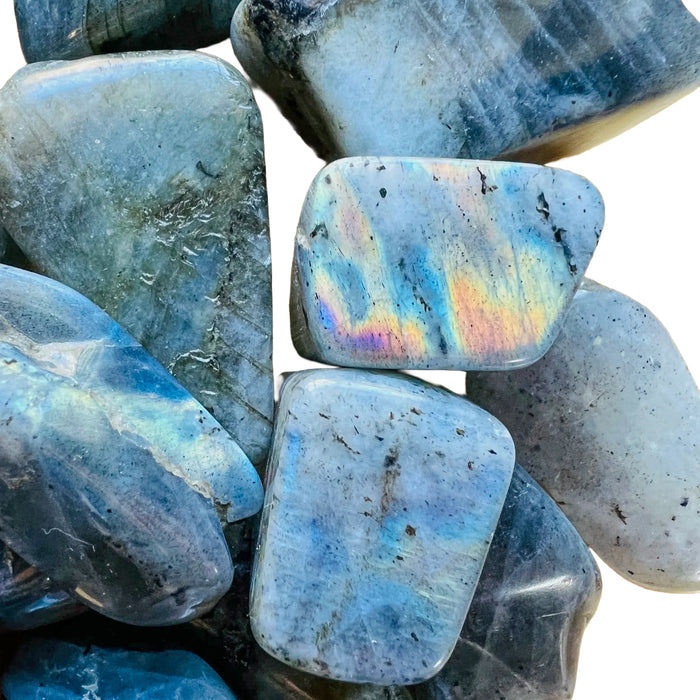
Explore the Crystal GuideThe closest match we carry: Labradorite.
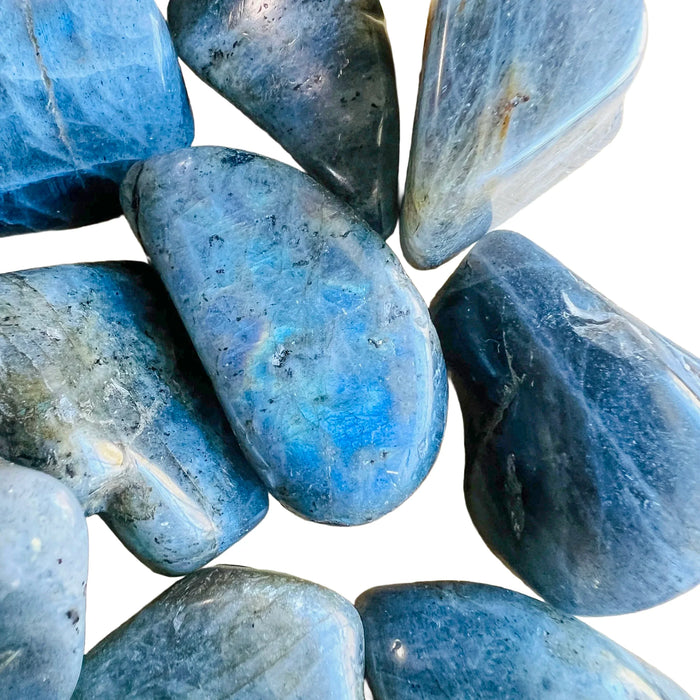
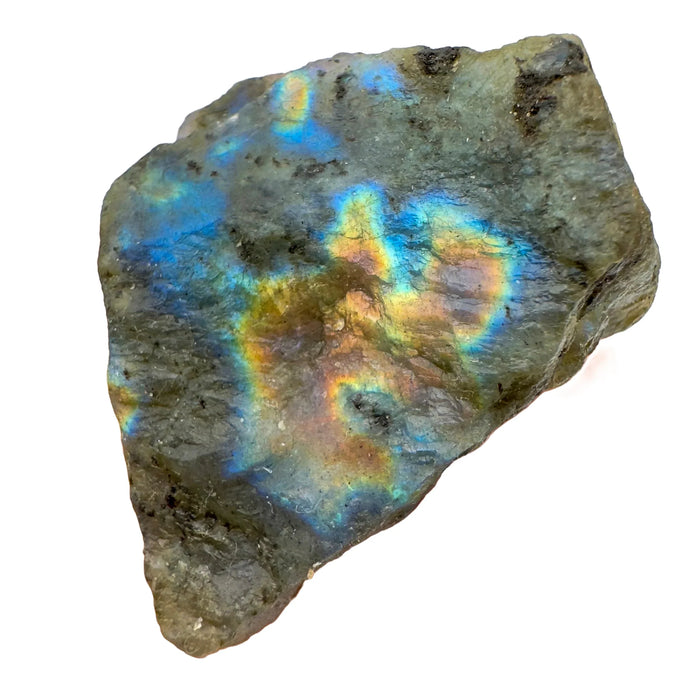
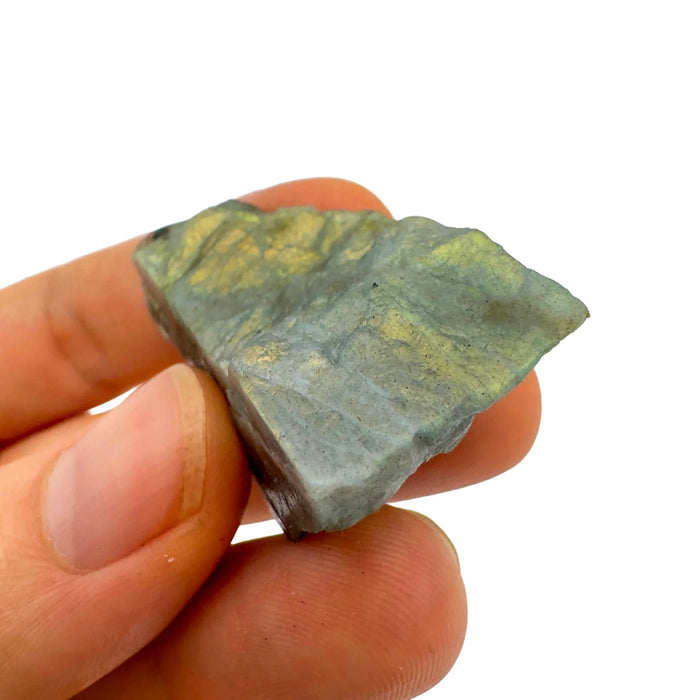
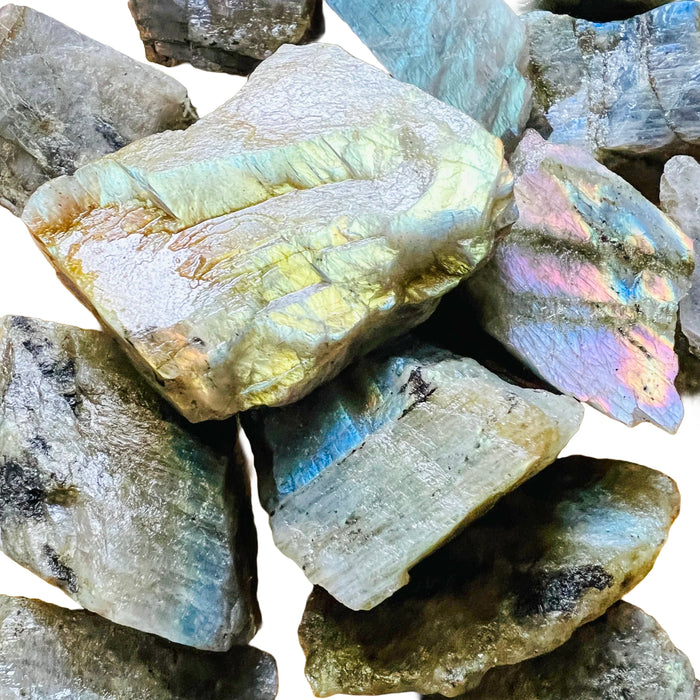
Larvikite is not something we carry. Labradorite is the closest match in our collection, and every piece passes our sourcing standards: origin named, treatments disclosed.
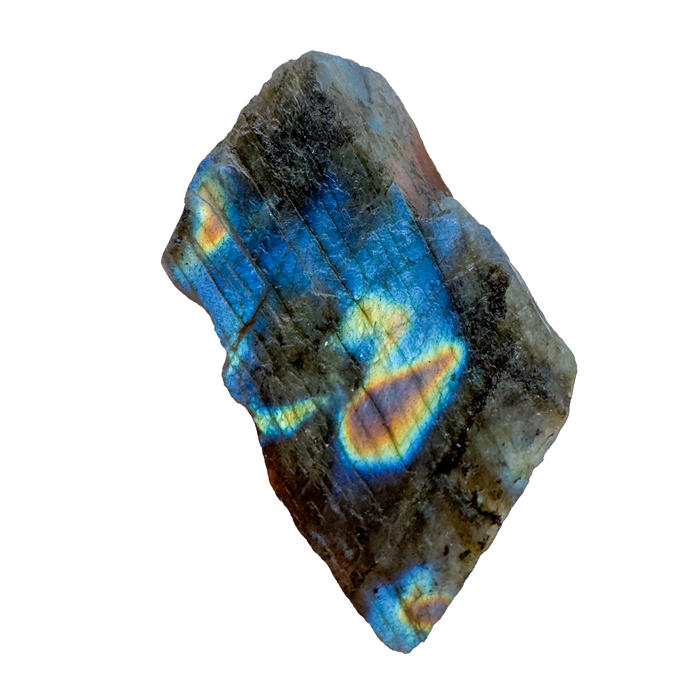
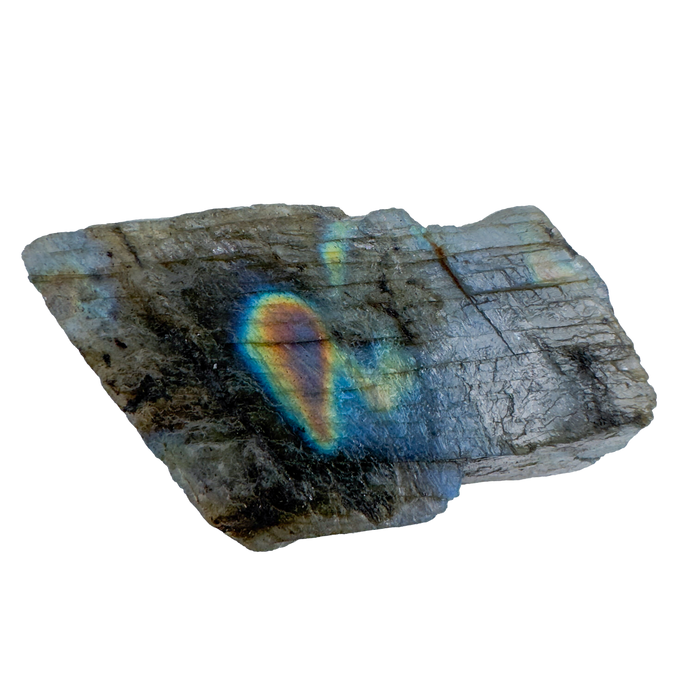
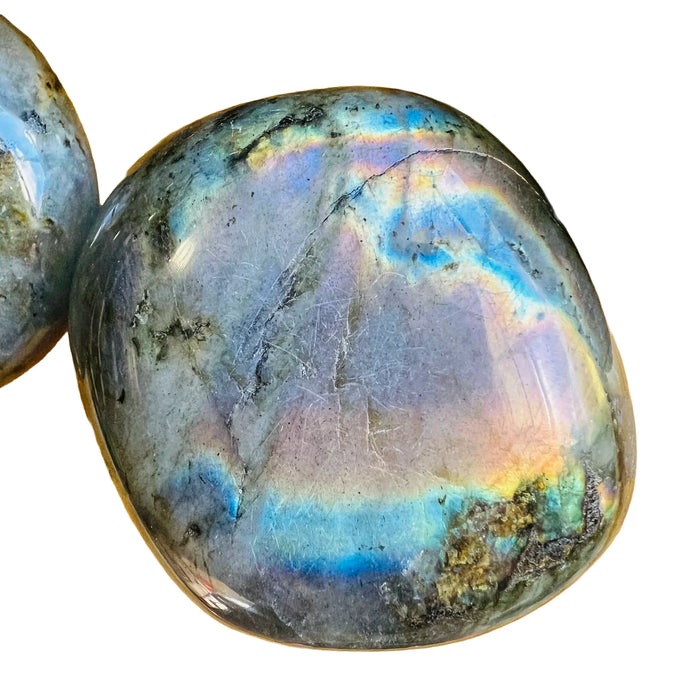
- from 1,000+ reviews
- Ships within 72 hoursMonday to Friday, tracked
- 90 days to return itif you do not love it
- Free US shipping over $99$8.99 flat rate under
The Slow Note
New stones go to the list first.
No forwarding, no selling. Unsubscribe in one click. Privacy