


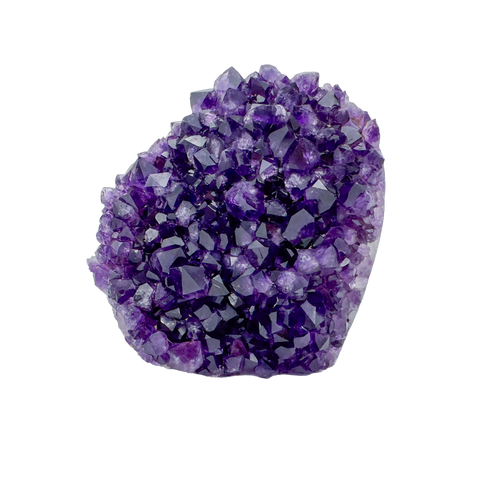
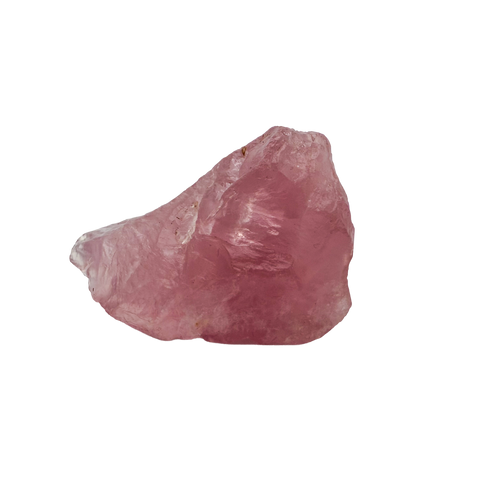
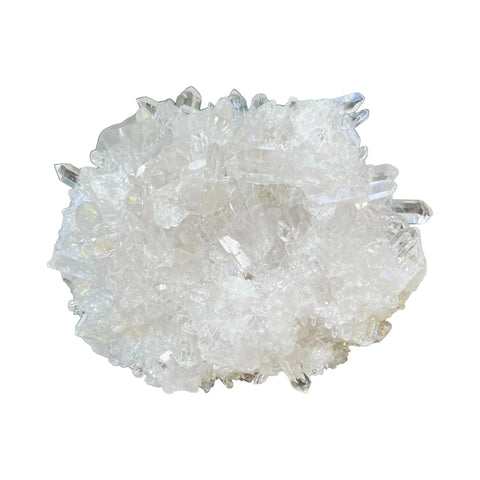
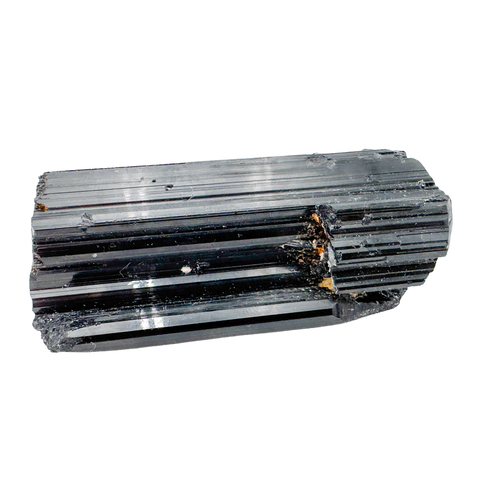
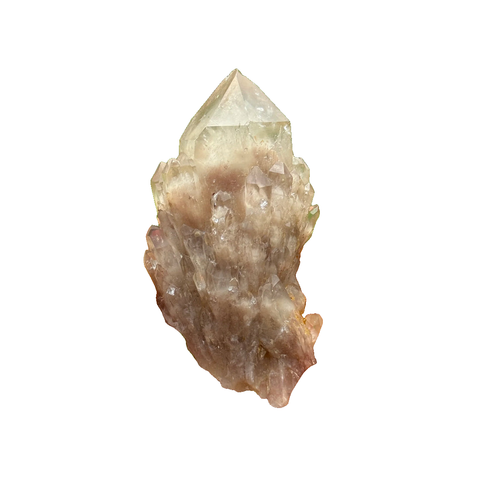
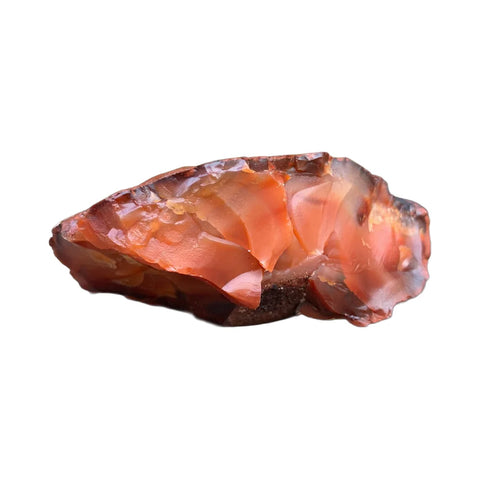
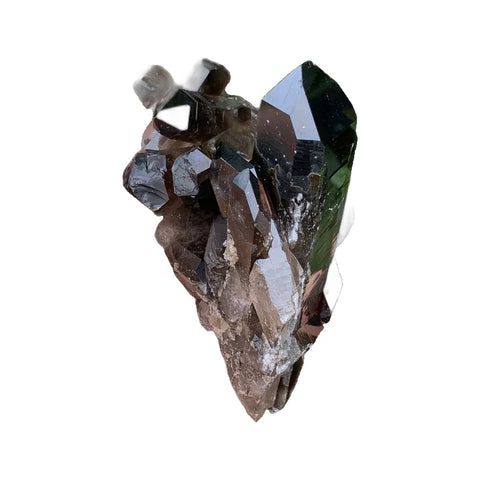
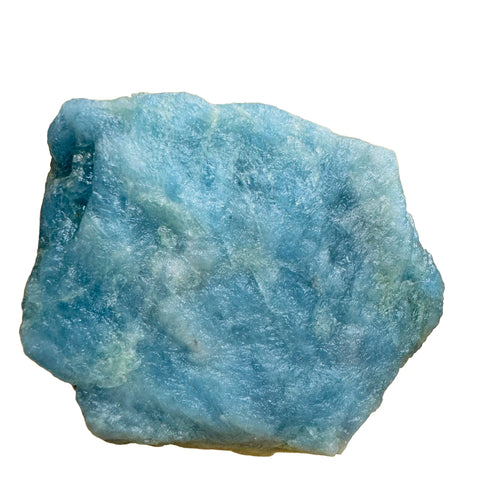
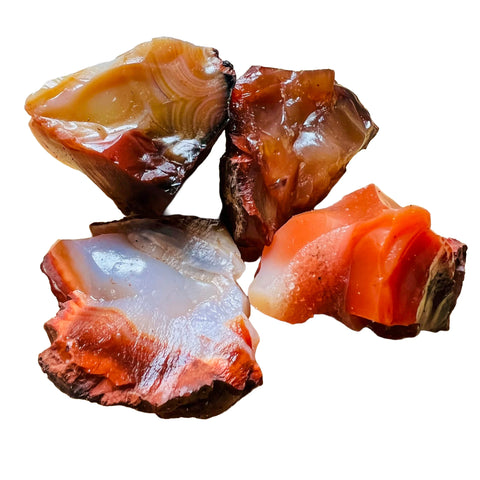


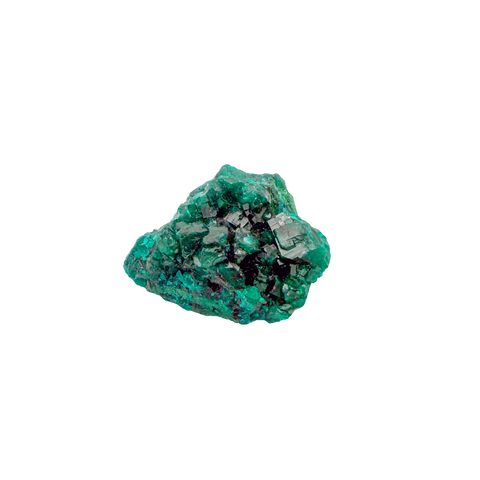
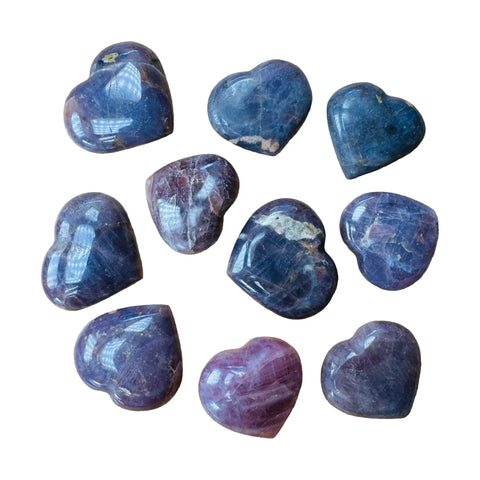
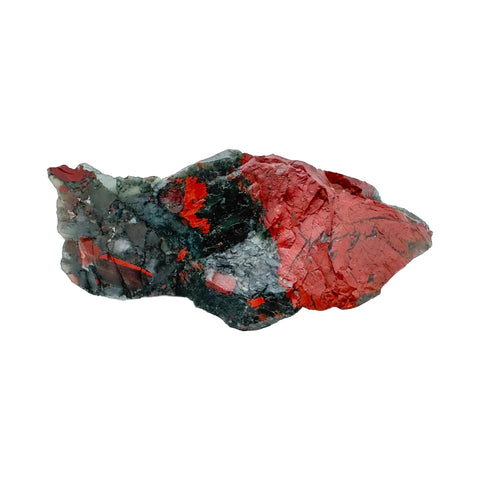
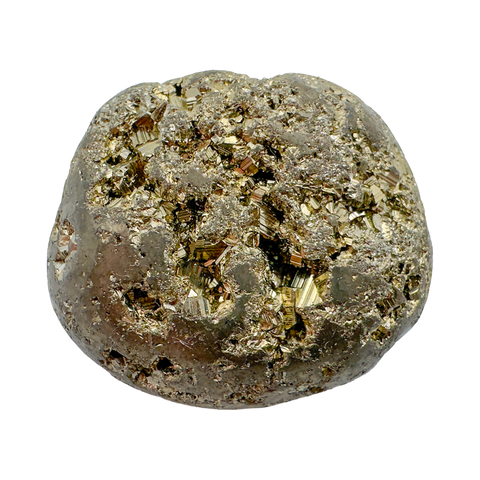
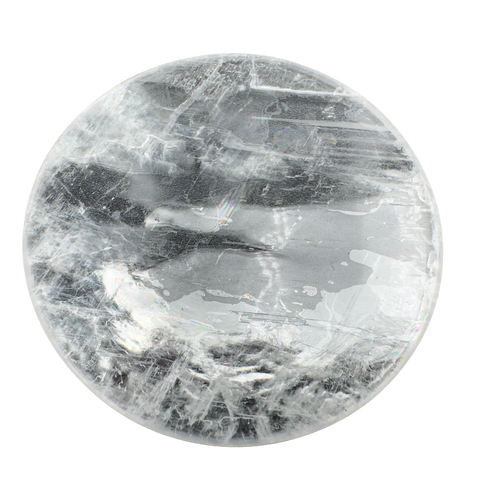
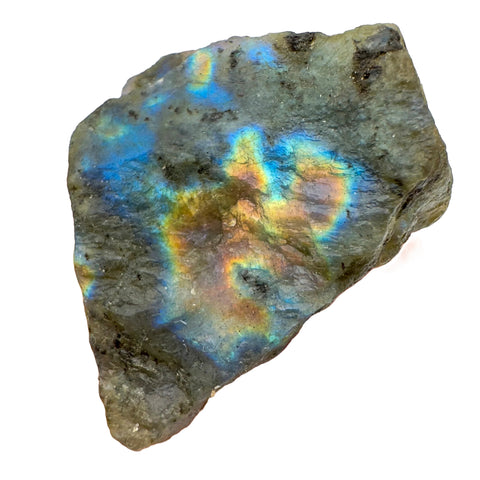
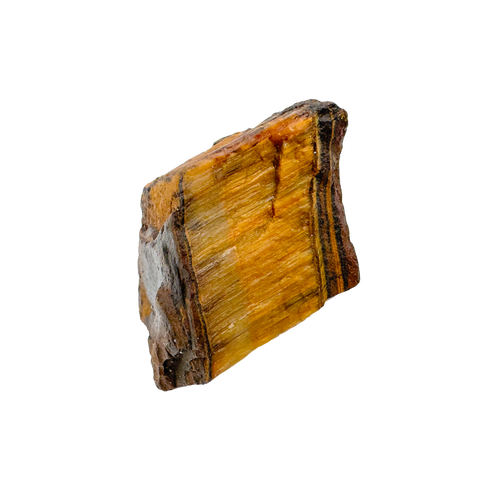
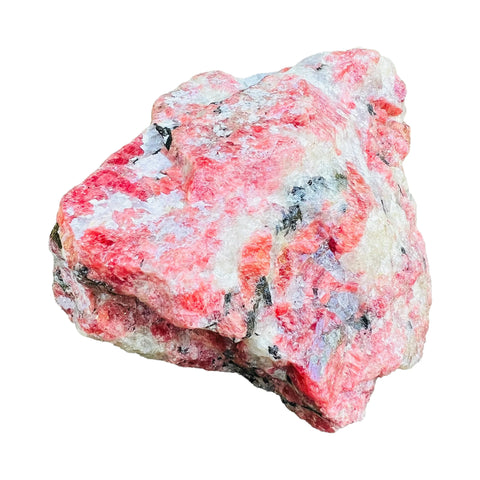
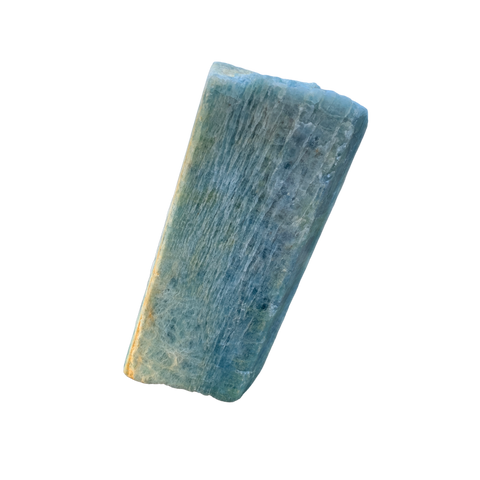
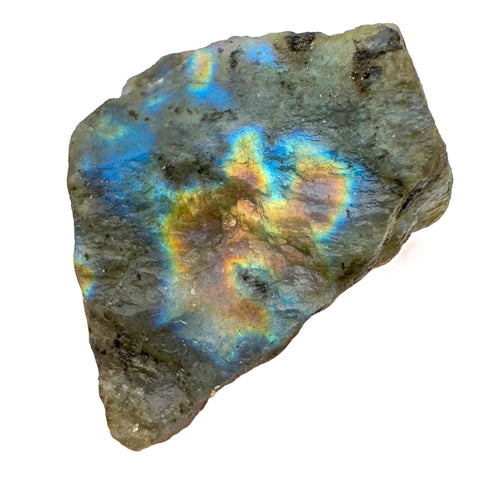
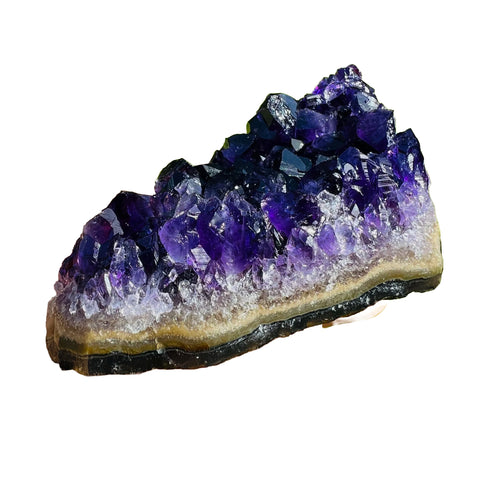



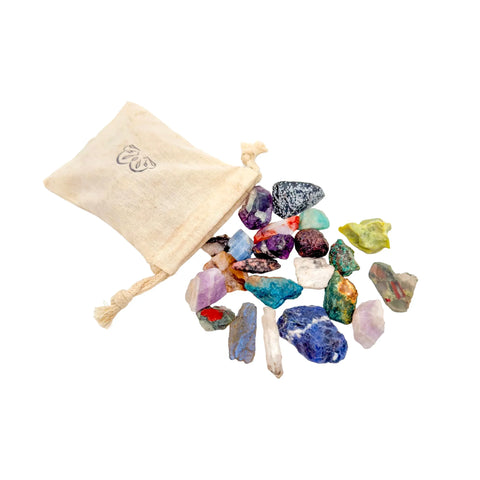
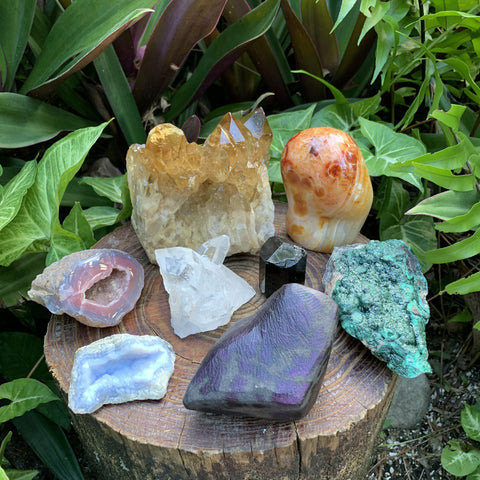
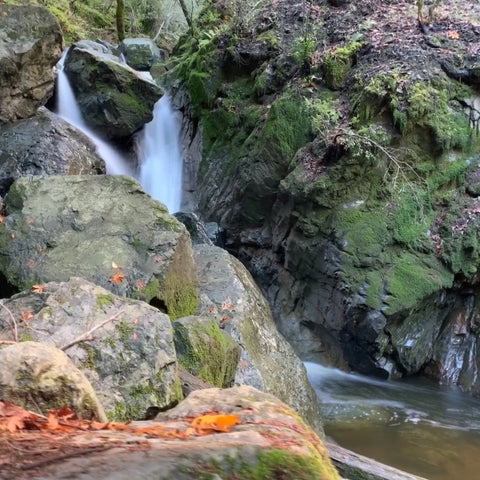
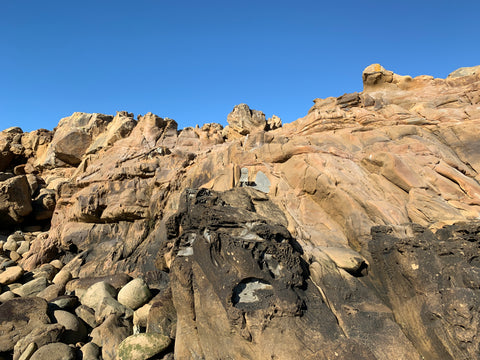
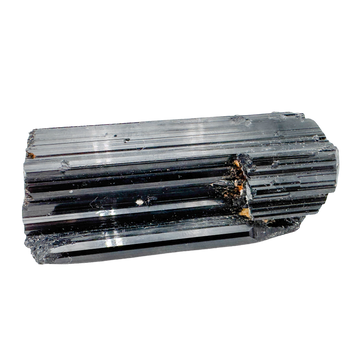
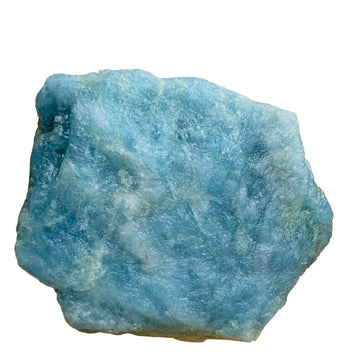
 Raw Stones
179 pieces
Raw Stones
179 pieces
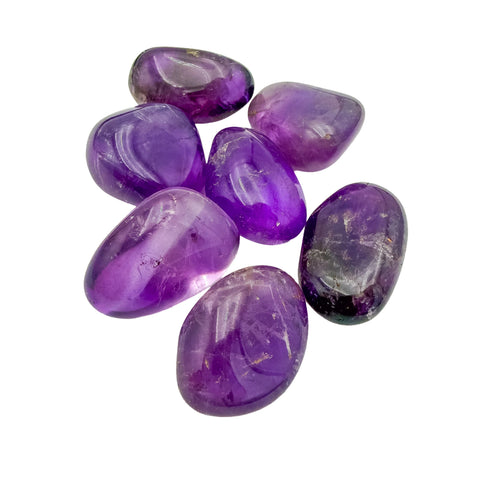
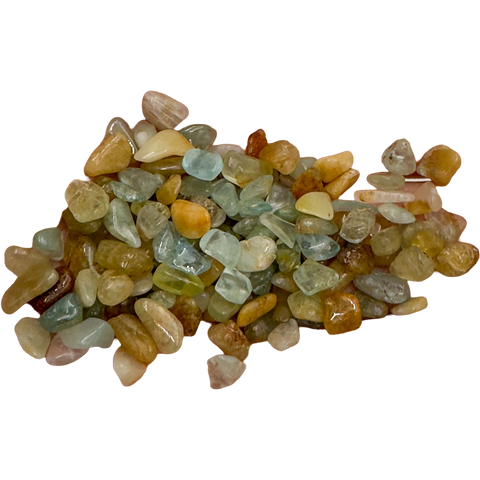
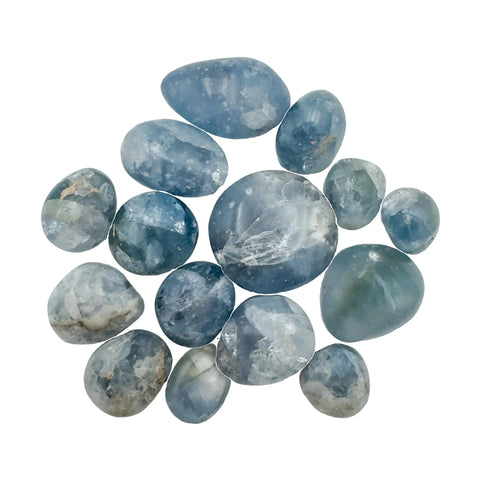
 Tumbled Stones
162 pieces
Tumbled Stones
162 pieces
 Palm Stones
25 pieces
Palm Stones
25 pieces
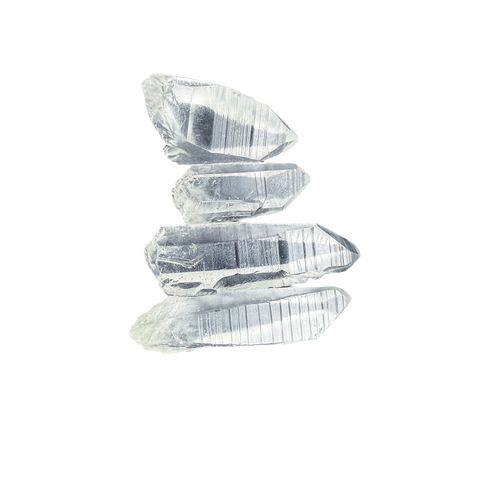
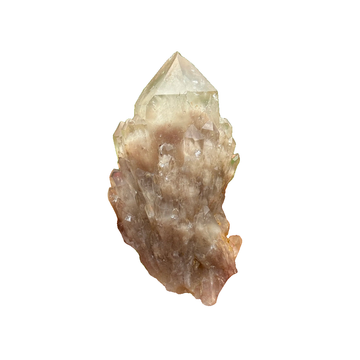
 Crystal Points
23 pieces
Crystal Points
23 pieces
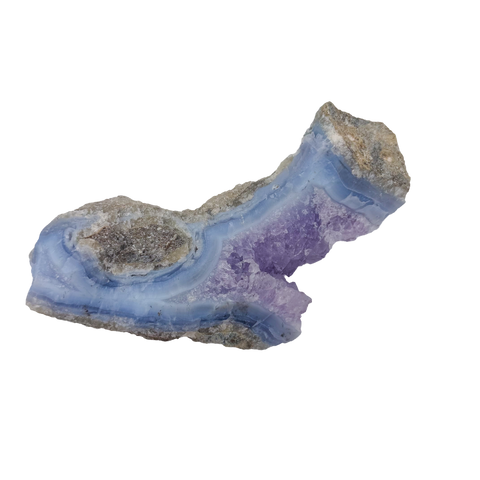
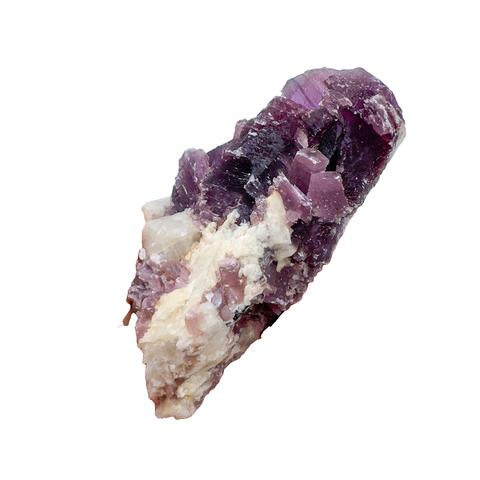
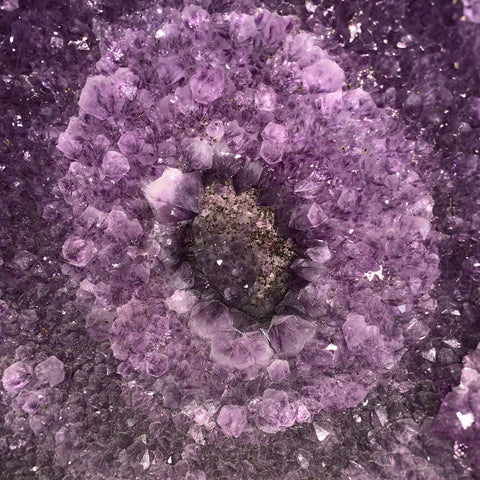
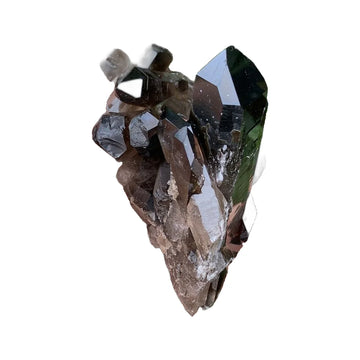
 Clusters & Geodes
104 pieces
Clusters & Geodes
104 pieces
 Polished & Decor
148 pieces
Polished & Decor
148 pieces
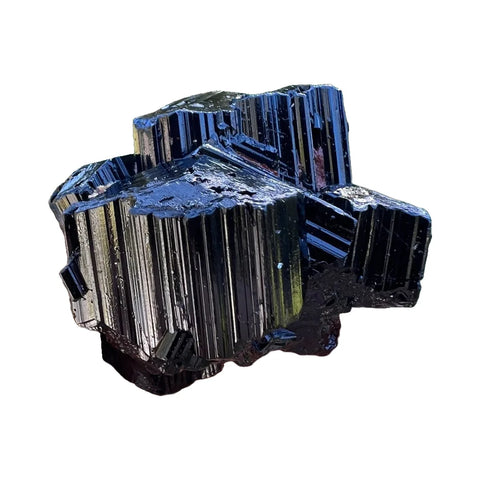
 Mineral Specimens
259 collector pieces
Mineral Specimens
259 collector pieces
 Crystal Chips
21 pieces
Browse everything
Every collection, one page.
View All Collections →
Crystal Chips
21 pieces
Browse everything
Every collection, one page.
View All Collections →


 Aries
Mar 21 – Apr 19
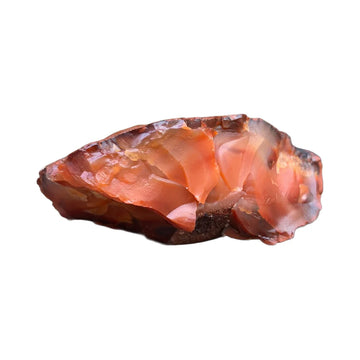
Carnelian
›
Aries
Mar 21 – Apr 19
Carnelian
›
 Taurus
Apr 20 – May 20
Rose Quartz
›
Taurus
Apr 20 – May 20
Rose Quartz
›
 Gemini
May 21 – Jun 20
Agate
›
Gemini
May 21 – Jun 20
Agate
›
 Cancer
Jun 21 – Jul 22
Moonstone
›
Cancer
Jun 21 – Jul 22
Moonstone
›
 Leo
Jul 23 – Aug 22
Citrine
›
Leo
Jul 23 – Aug 22
Citrine
›
 Virgo
Aug 23 – Sep 22
Amazonite
›
Virgo
Aug 23 – Sep 22
Amazonite
›
 Libra
Sep 23 – Oct 22
Blue Lace Agate
›
Libra
Sep 23 – Oct 22
Blue Lace Agate
›
 Scorpio
Oct 23 – Nov 21
Obsidian
›
Scorpio
Oct 23 – Nov 21
Obsidian
›
 Sagittarius
Nov 22 – Dec 21
Sodalite
›
Sagittarius
Nov 22 – Dec 21
Sodalite
›
 Capricorn
Dec 22 – Jan 19
Black Tourmaline
›
Capricorn
Dec 22 – Jan 19
Black Tourmaline
›
 Aquarius
Jan 20 – Feb 18
Amethyst
›
Aquarius
Jan 20 – Feb 18
Amethyst
›
 Pisces
Feb 19 – Mar 20
Aquamarine
›
Gifting?
A birthday stone is the safe bet.
Read the zodiac guide →
Pisces
Feb 19 – Mar 20
Aquamarine
›
Gifting?
A birthday stone is the safe bet.
Read the zodiac guide →

Magnesite
Magnesite is a magnesium carbonate that shows up as a soft, chalk-white stone with gray or brown veining. It matters for one honest reason. Because it is porous and inexpensive, magnesite is one of the most commonly dyed stones in the trade, frequently colored blue and sold as imitation turquoise. Understanding it protects you at the counter.
The geology.
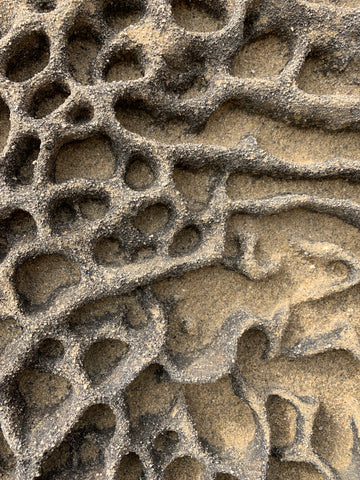
Magnesite is magnesium carbonate, MgCO3, the magnesium cousin of calcite. It usually forms in dense, fine-grained white masses rather than showy crystals, with a porous texture and a network of gray or brown veins running through the surface. Its hardness is low, only 3.5 to 4.5 on the Mohs scale, so a steel point scratches it easily.
Because it is a carbonate, magnesite fizzes when it meets dilute hydrochloric acid, a quick test that separates it from harder look-alikes. It belongs to the trigonal crystal system, shares calcite's rhombohedral cleavage in coarse specimens, and has a dull to porcelain-like luster once polished. The white body and open pores are exactly what make it so easy to dye.
The origins.
Magnesite is mined widely. Brazil, especially Bahia, produces gem and carving grade material. China, in Liaoning, is the largest overall producer, though much of that output is industrial. Austria's Alps host historic deposits, and the United States contributes from Arizona and Nevada, where some magnesite is marketed under regional trade names.
Most magnesite reaches buyers as tumbled pieces, carved beads, and cabochons. It is affordable, easy to shape, and takes polish and pigment readily. That combination is why so much of it never sells as magnesite at all. It is dyed and renamed.
Traditional associations.
Magnesite is a modern metaphysical stone rather than an ancient talisman, and most of its lore is recent. Many people keep white magnesite for meditation and quiet, associating its stillness with a calmer mind and slower breathing.
It is most often linked to the Crown chakra, the element of Fire, and the zodiac sign Aries. A common practice is to hold a smooth piece during meditation or to keep one on a bedside table as a reminder to slow down. As with any stone, these are traditional associations, not promises.
Spotting the real thing.
The most useful thing to know is that white magnesite and dyed magnesite are the same mineral wearing different coats. Natural magnesite is chalk-white with gray or tan veining. If you see a vivid, even blue with a fine dark matrix at a very low price, treat it as likely dyed magnesite or dyed howlite rather than turquoise.
Two simple checks separate magnesite from real turquoise. Hardness: turquoise sits at 5 to 6 and resists a steel point, while magnesite at 3.5 to 4.5 scratches easily. Chemistry: a tiny drop of dilute acid fizzes on magnesite because it is a carbonate, and does nothing on turquoise. Wiping a hidden spot with acetone can also lift dye. Ask for the species and whether it is dyed.
Care & handling.
Magnesite is soft and a little porous, so treat it gently. Keep it away from water, which can dull the surface and, on dyed pieces, lift color over time. Clean it with a dry or barely damp soft cloth, and never soak it. It is best suited to beads, pendants, and pocket stones rather than everyday rings.
Store magnesite apart from harder stones so they do not scratch it, and keep dyed pieces out of direct sun to slow any fading. To reset it energetically, many people prefer dry methods like sound, smoke, or a night on a selenite plate rather than water or salt.
Pairs well with.
A deeper look.
Extended geology, sourcing, authentication, history, and varieties, for when the quick guide isn't quite enough.
Extended geology
Magnesite forms in several geological settings. It develops when magnesium-rich rocks such as serpentinite and peridotite are altered by carbonate-bearing fluids, and it precipitates in sediments and from the weathering of magnesium silicates.
Extended sourcing
China leads world production, mostly for industrial uses such as refractories and magnesium metal. Brazil supplies much of the carving and bead grade white magnesite.
Authentication and warning signs
The recurring issue is disclosure, not danger. Magnesite is a real, common mineral, but it is sold under many identities: as dyed turquoise, as dyed lapis, and sometimes confused with howlite, which shares the same white-with-veins look.
History and folklore
Magnesite was named in the early nineteenth century for its magnesium content and the Magnesia district of Greece, the same root that gives us the words magnet and manganese. Its long history is industrial rather than mystical.
Varieties and trade names
White magnesite: the common chalky, veined material used for beads and carvings.
Gel or gemmy magnesite: rarer translucent crystals from Brazil, cut for collectors.
Dyed magnesite: the same white stone colored blue, green, or other shades, most often to imitate turquoise.
What it costs in the market
Magnesite is inexpensive. Tumbled white pieces run from about 1 to 5 dollars, and strands of dyed beads are similarly cheap, which is part of why dyed magnesite undercuts genuine turquoise so easily.
An education-first guide.
We don't currently carry magnesite, so there's nothing to sell you here. This guide exists because the more you understand a stone, the better every decision you make about it becomes, wherever you buy it. Explore the rest of our crystal guides for stones we do source, each with full origin and treatment notes.
Explore the Crystal GuideLove Magnesite? Meet Selenite.
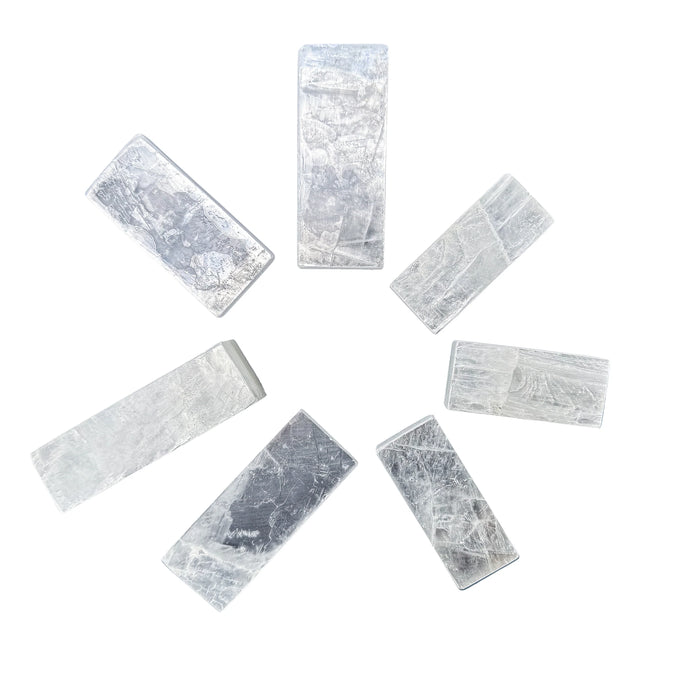
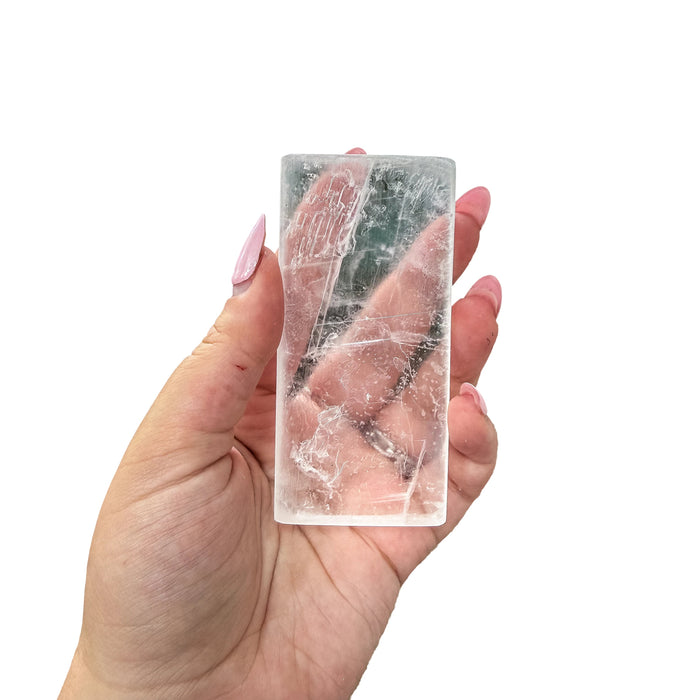
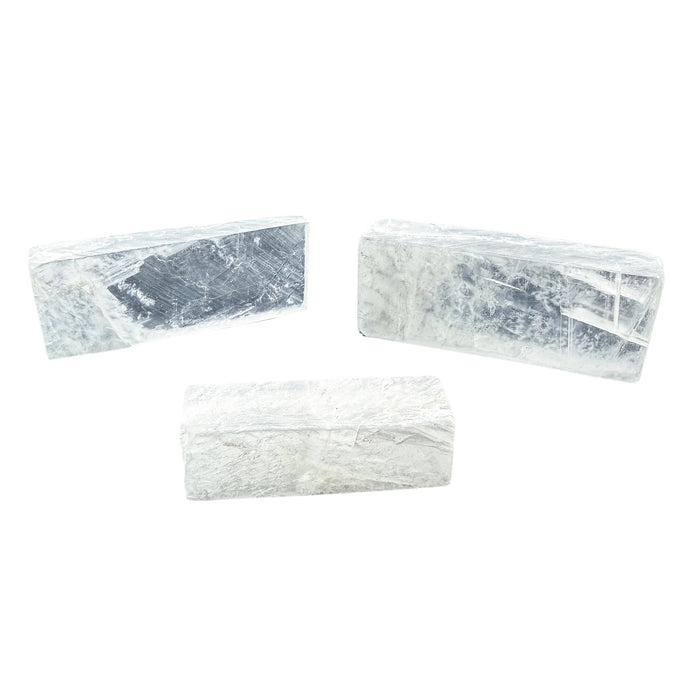
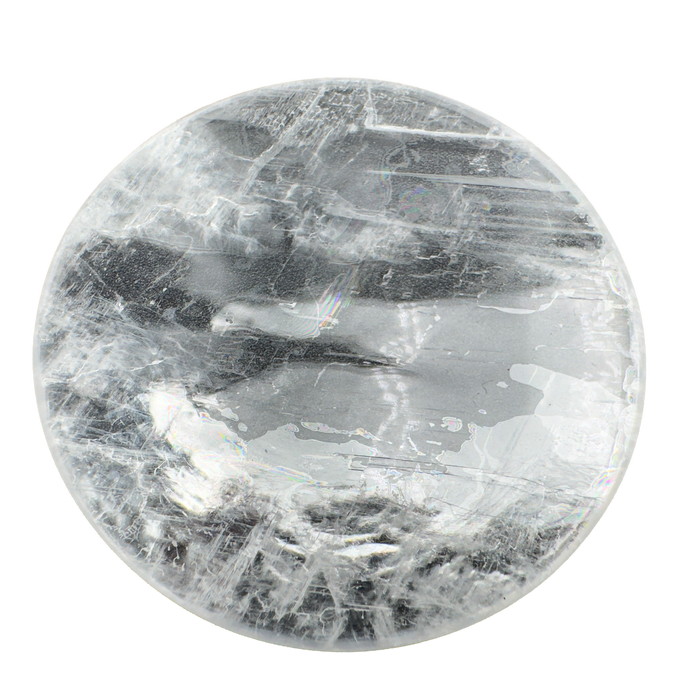
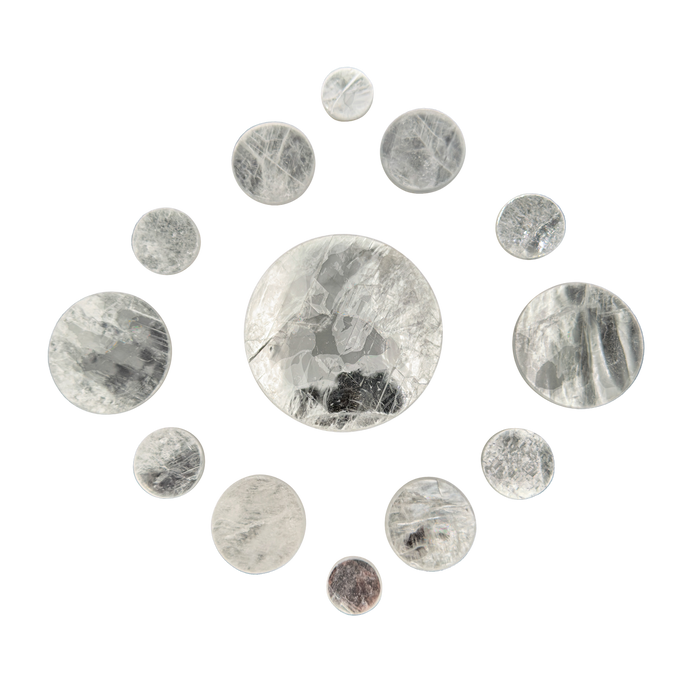
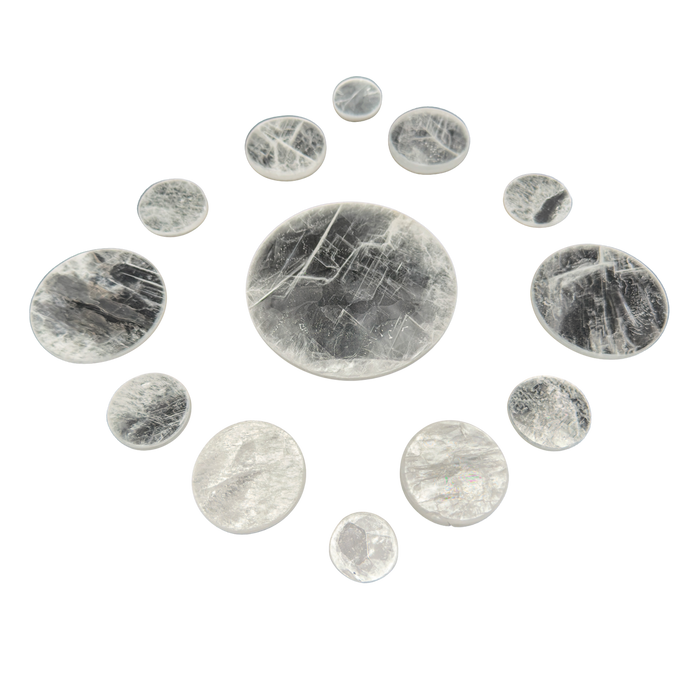
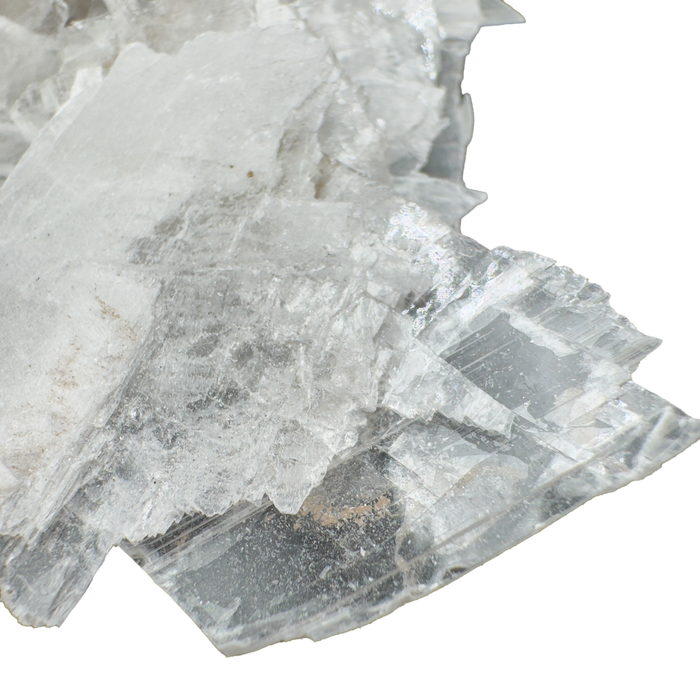
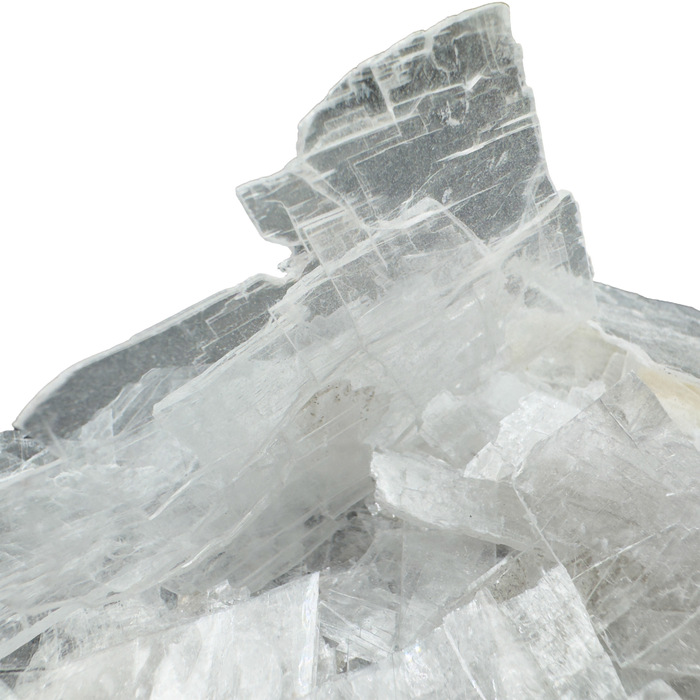
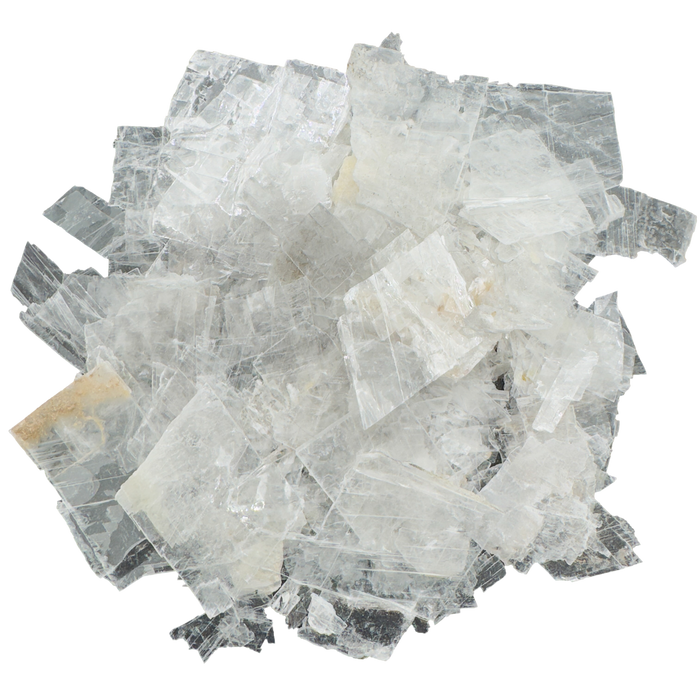
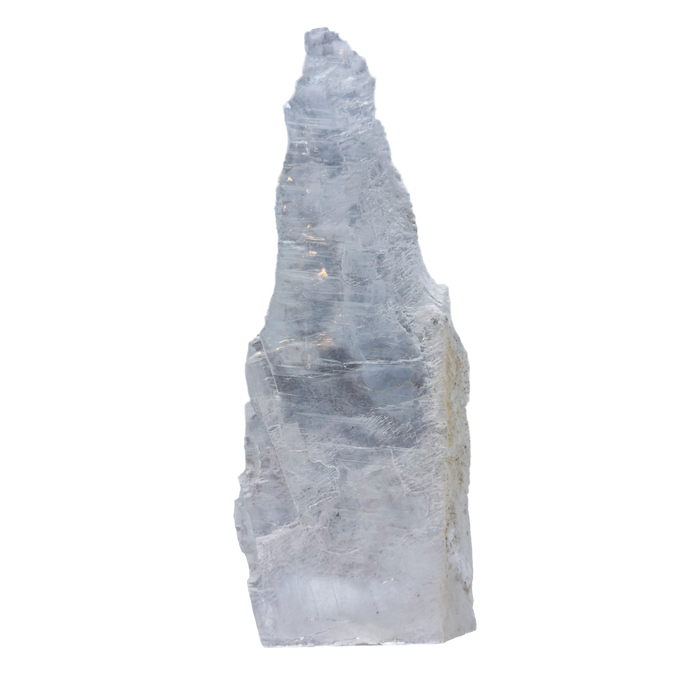
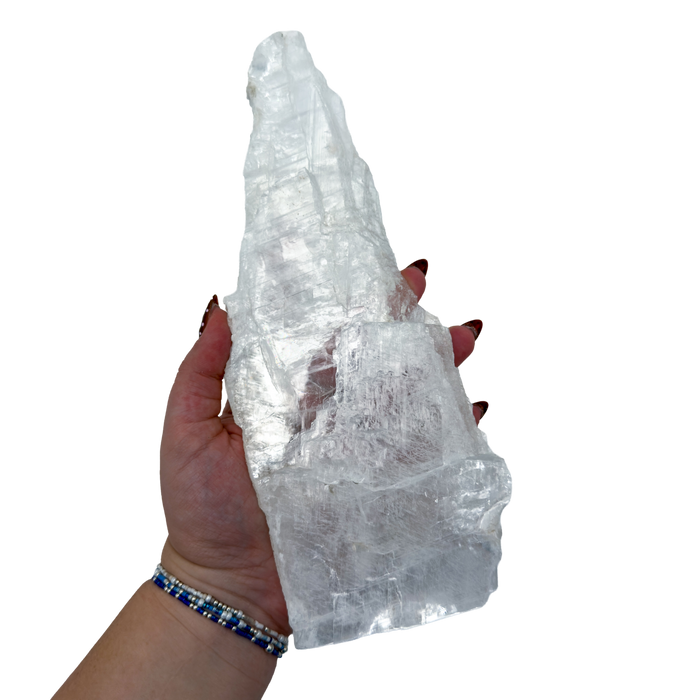
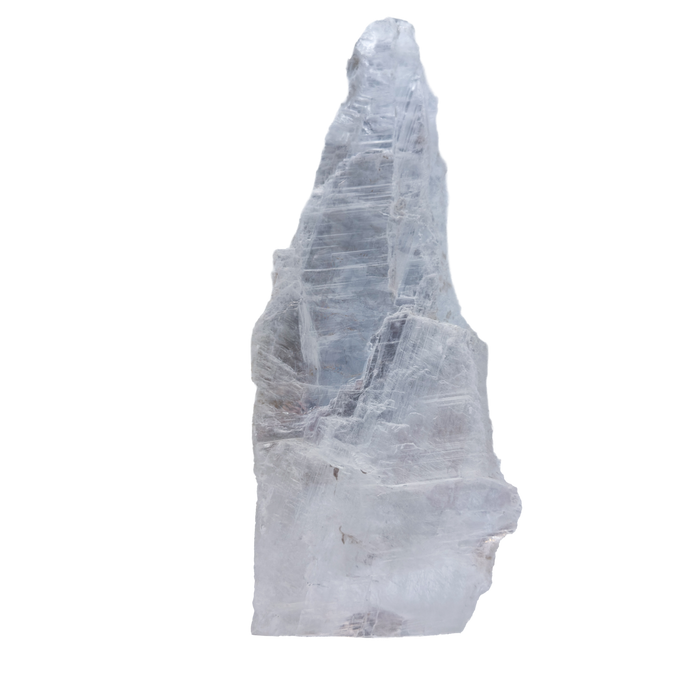
Magnesite is not something we carry. Selenite is the closest match in color, and every piece passes our sourcing standards: origin named, treatments disclosed.
- from 1,000+ reviews
- Ships within 72 hoursMonday to Friday, tracked
- 90 days to return itif you do not love it
- Free US shipping over $99$8.99 flat rate under
The Slow Note
New stones go to the list first.
No forwarding, no selling. Unsubscribe in one click. Privacy