


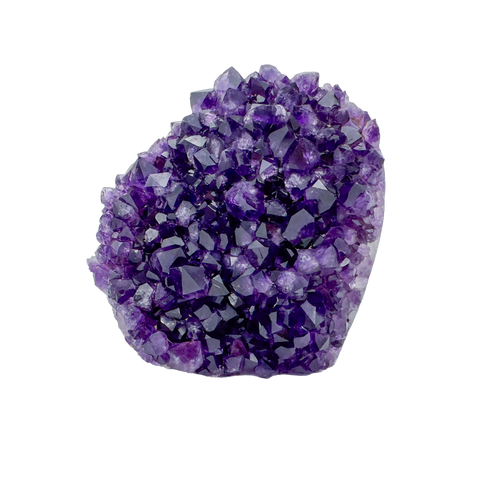
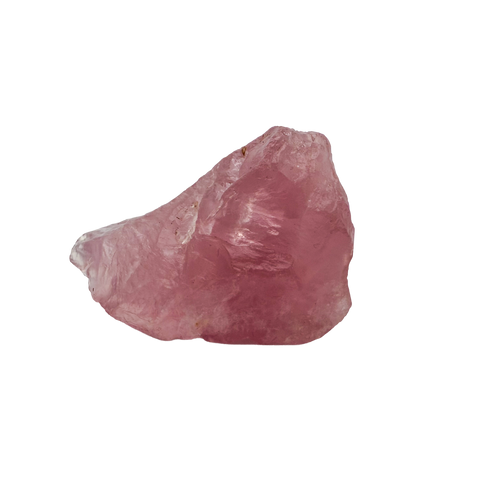
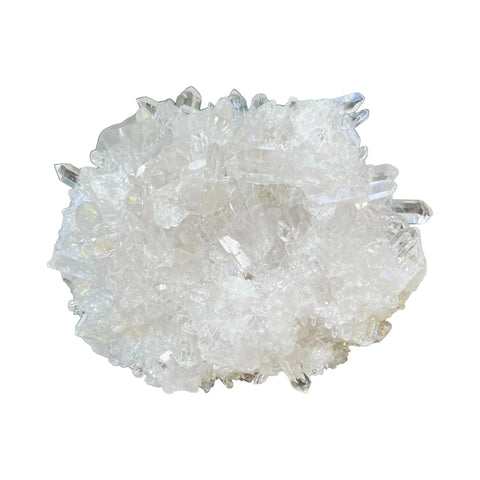
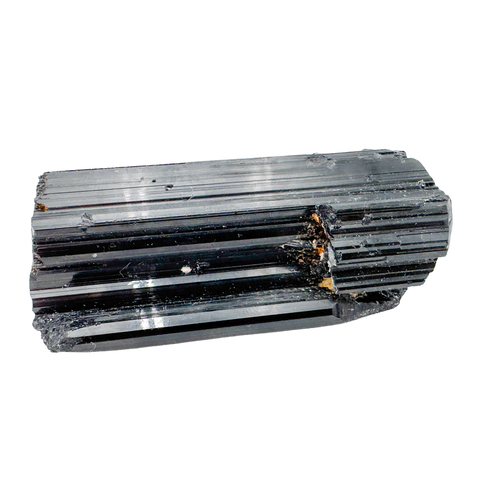
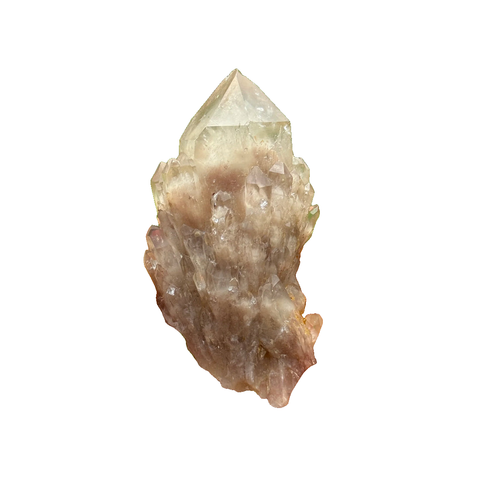
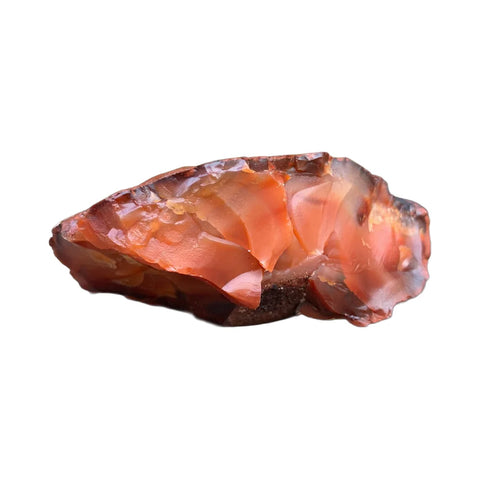
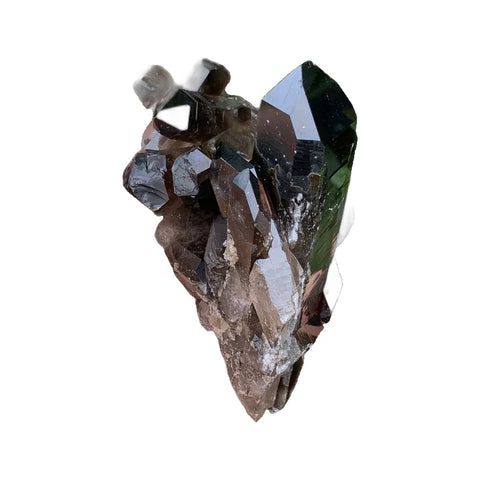
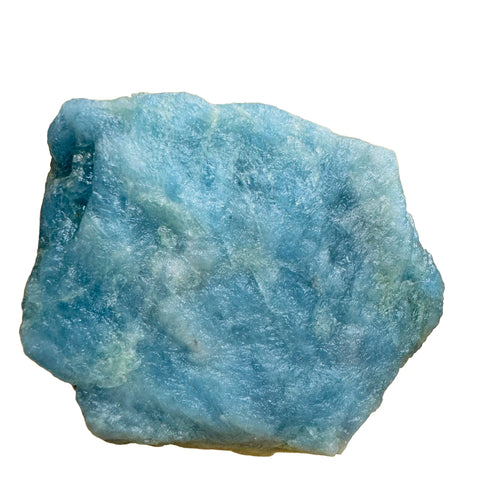
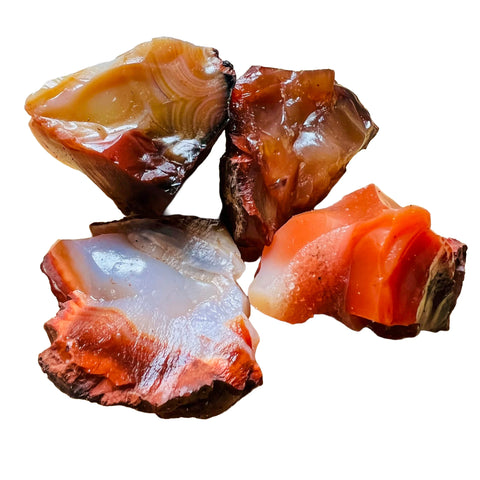


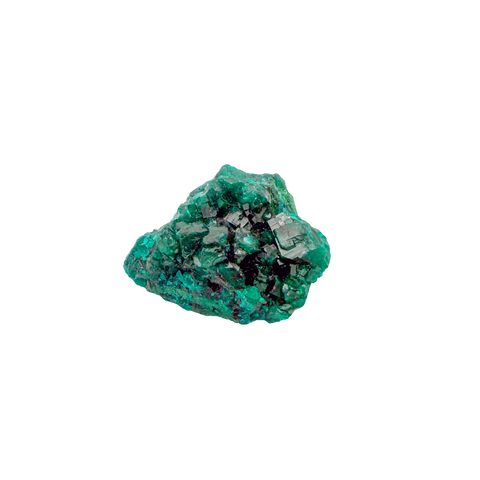
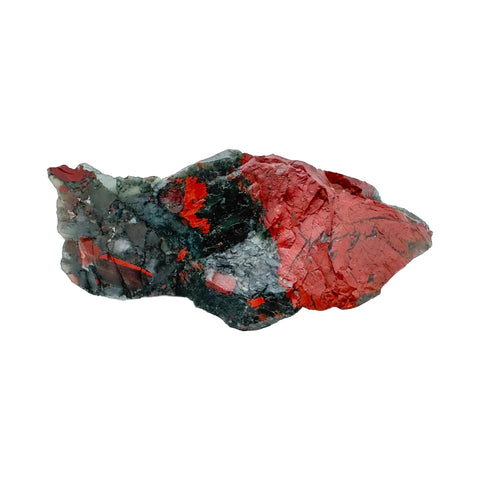
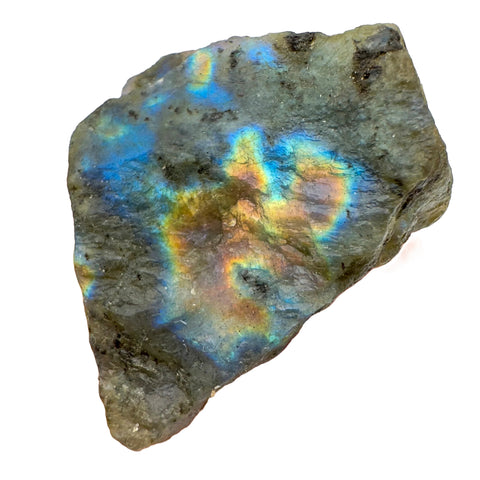
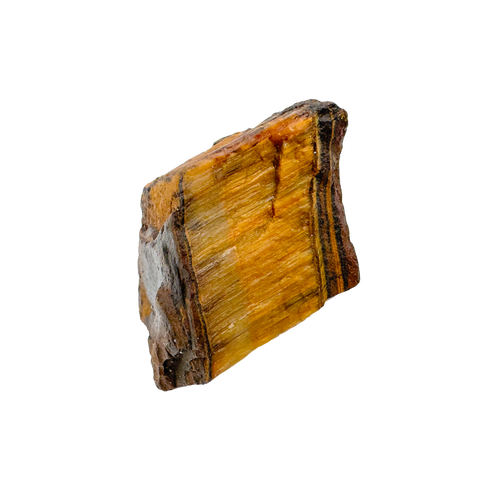
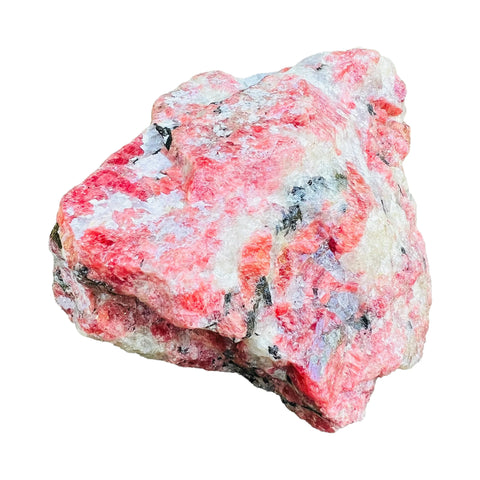
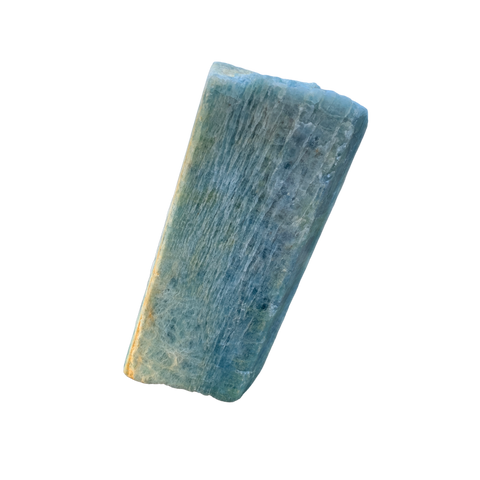
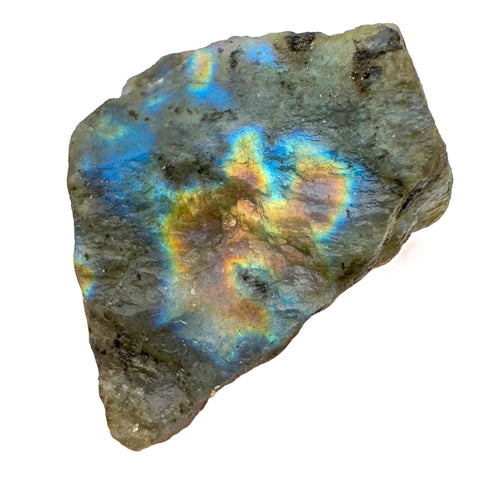
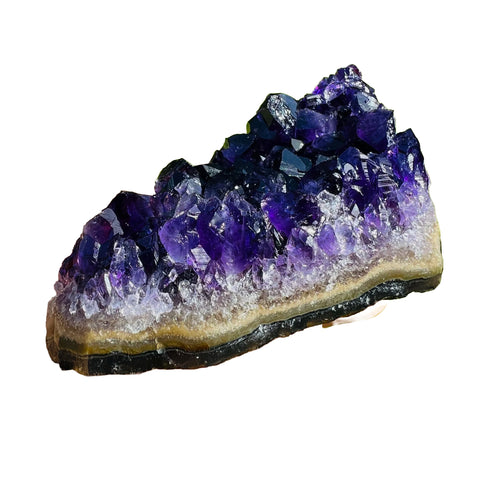



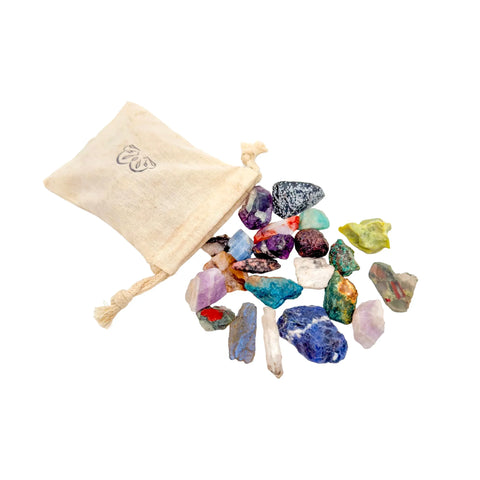
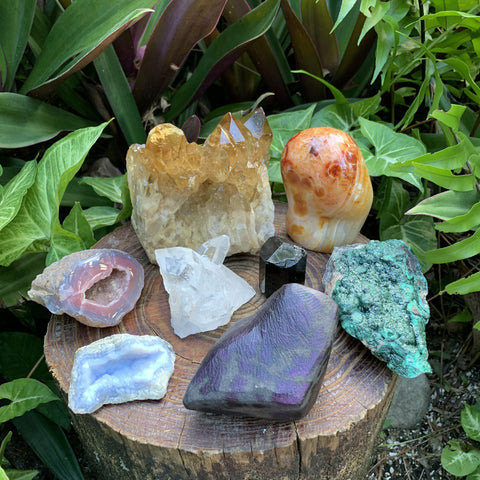
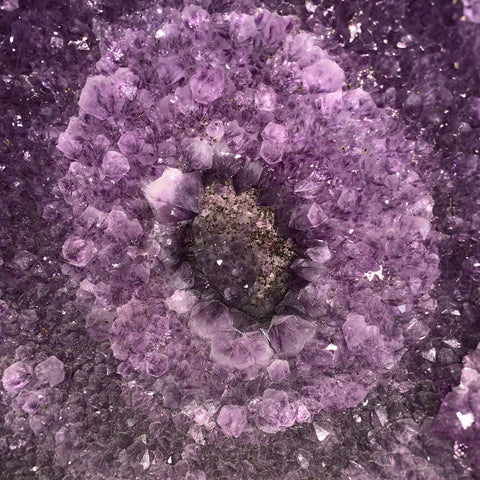
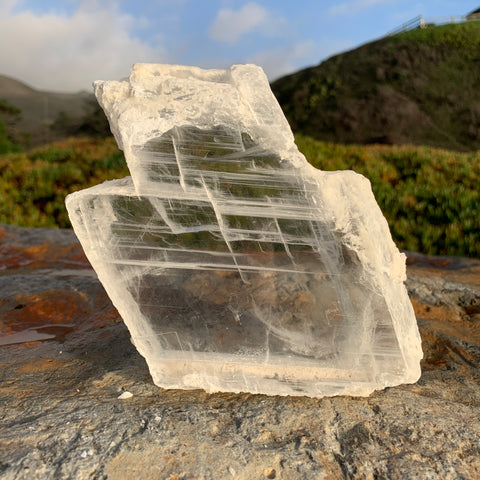
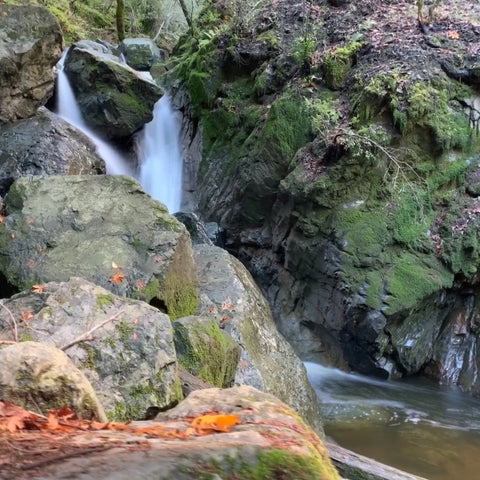
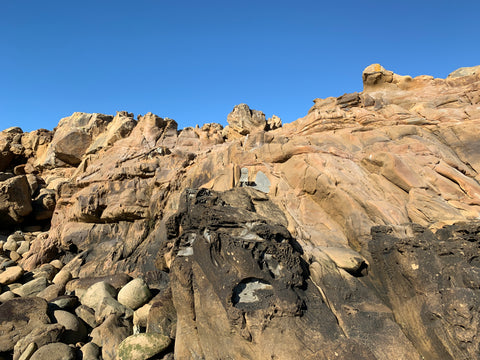
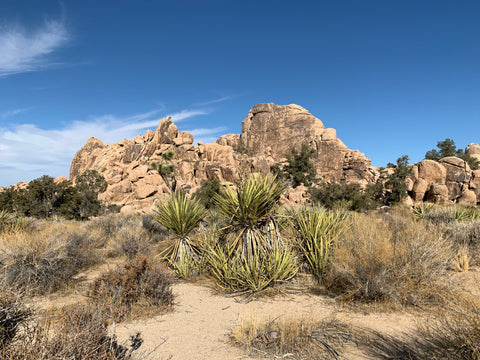
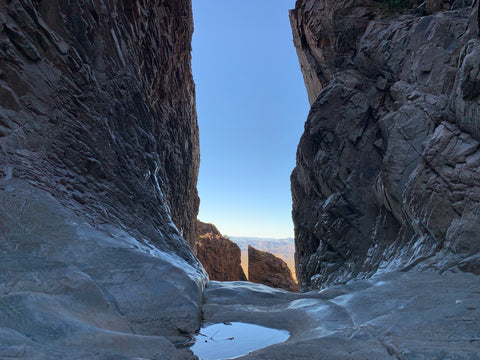
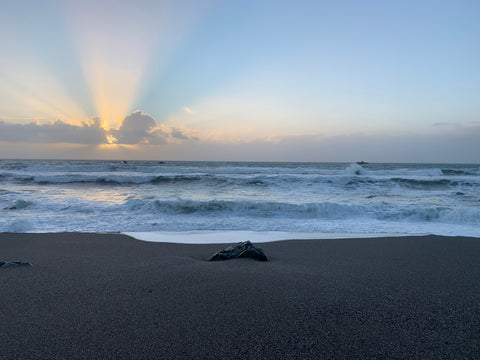
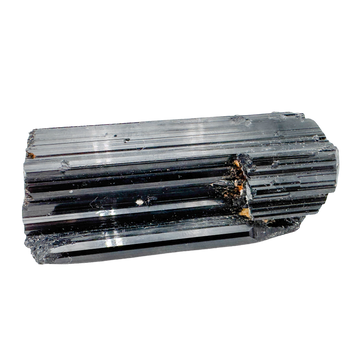
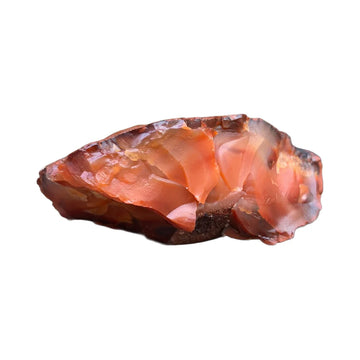
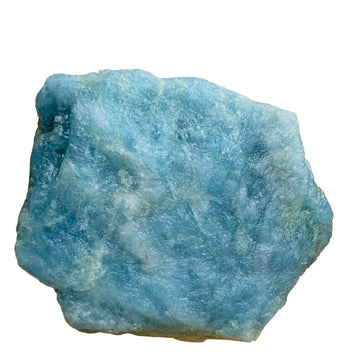
 Raw Stones
179 pieces
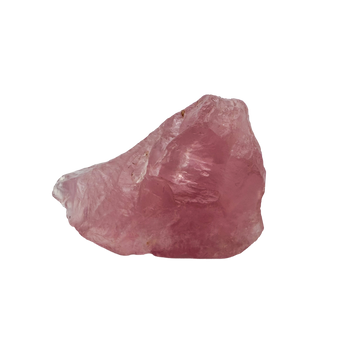
Raw Stones
179 pieces
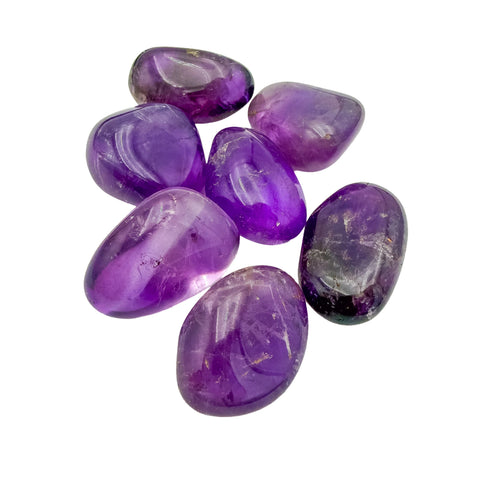
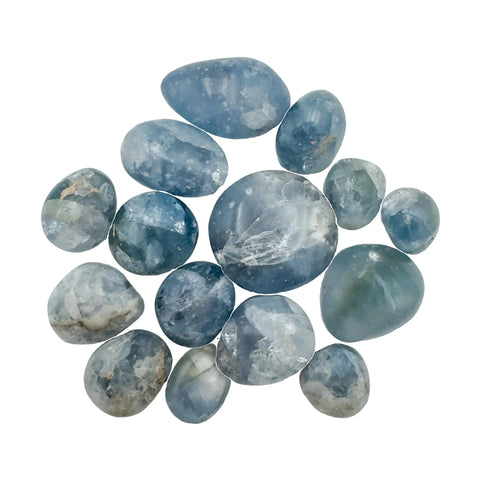
 Tumbled Stones
162 pieces
Tumbled Stones
162 pieces
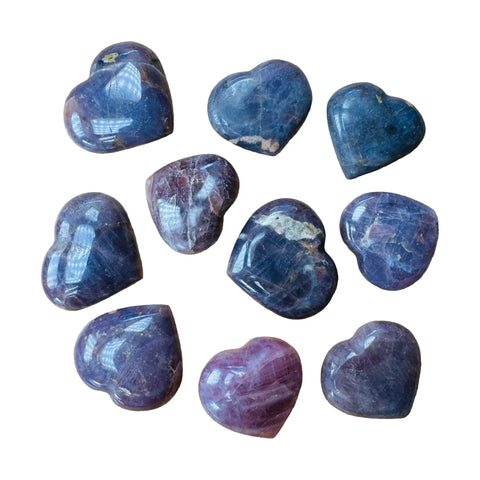
 Palm Stones
25 pieces
Palm Stones
25 pieces
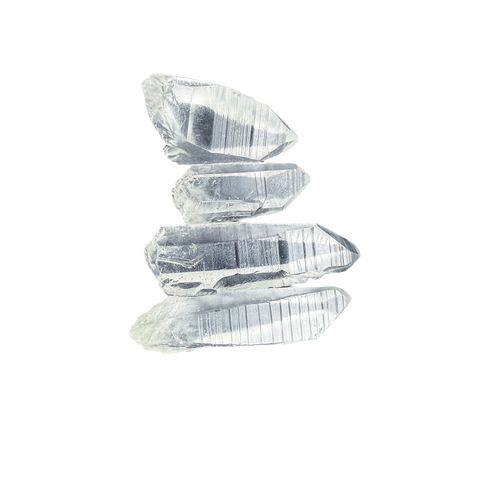
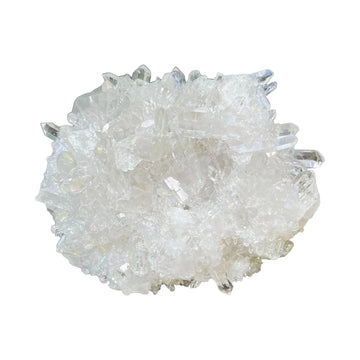
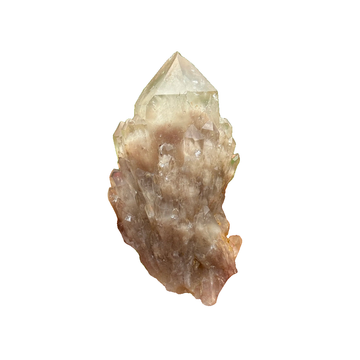
 Crystal Points
23 pieces
Crystal Points
23 pieces
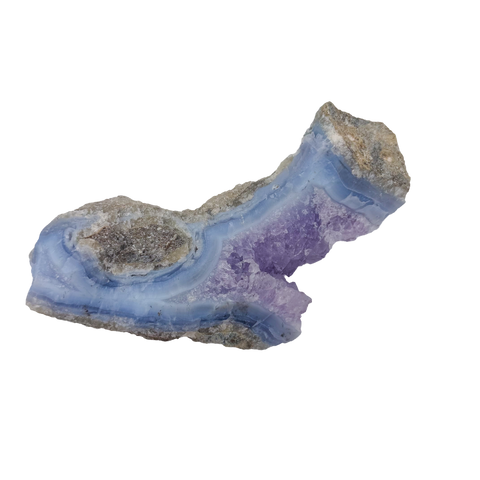
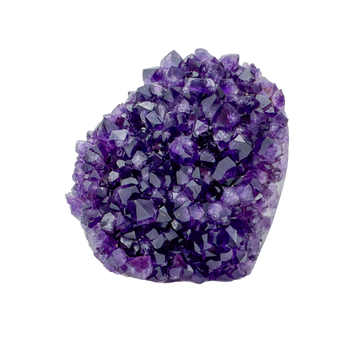
 Clusters & Geodes
104 pieces
Clusters & Geodes
104 pieces
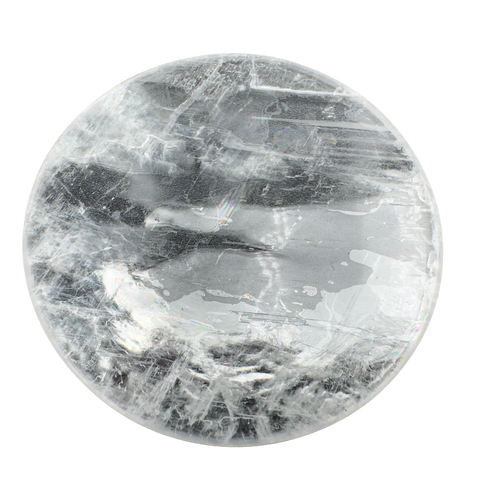
 Polished & Decor
148 pieces
Polished & Decor
148 pieces
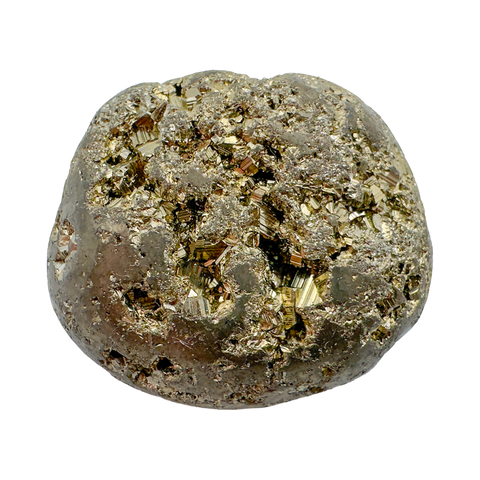
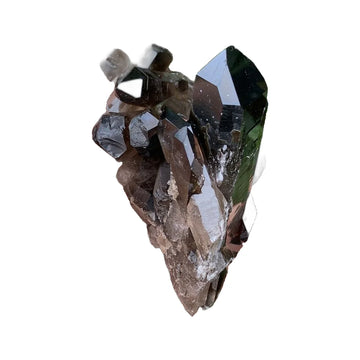
 Mineral Specimens
259 collector pieces
Mineral Specimens
259 collector pieces
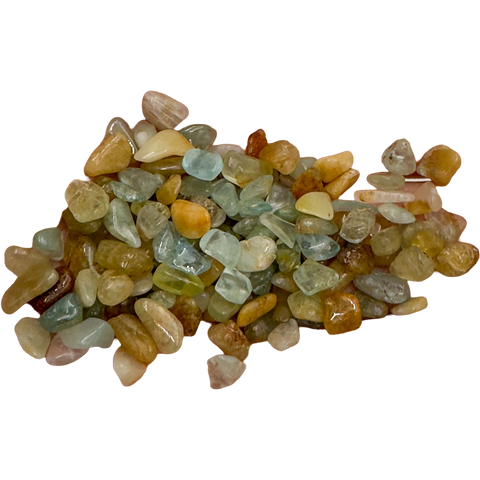
 Crystal Chips
21 pieces
Browse everything
Every collection, one page.
View All Collections →
Crystal Chips
21 pieces
Browse everything
Every collection, one page.
View All Collections →


 Aries
Mar 21 – Apr 19
Carnelian
›
Aries
Mar 21 – Apr 19
Carnelian
›
 Taurus
Apr 20 – May 20
Rose Quartz
›
Taurus
Apr 20 – May 20
Rose Quartz
›
 Gemini
May 21 – Jun 20
Agate
›
Gemini
May 21 – Jun 20
Agate
›
 Cancer
Jun 21 – Jul 22
Moonstone
›
Cancer
Jun 21 – Jul 22
Moonstone
›
 Leo
Jul 23 – Aug 22
Citrine
›
Leo
Jul 23 – Aug 22
Citrine
›
 Virgo
Aug 23 – Sep 22
Amazonite
›
Virgo
Aug 23 – Sep 22
Amazonite
›
 Libra
Sep 23 – Oct 22
Blue Lace Agate
›
Libra
Sep 23 – Oct 22
Blue Lace Agate
›
 Scorpio
Oct 23 – Nov 21
Obsidian
›
Scorpio
Oct 23 – Nov 21
Obsidian
›
 Sagittarius
Nov 22 – Dec 21
Sodalite
›
Sagittarius
Nov 22 – Dec 21
Sodalite
›
 Capricorn
Dec 22 – Jan 19
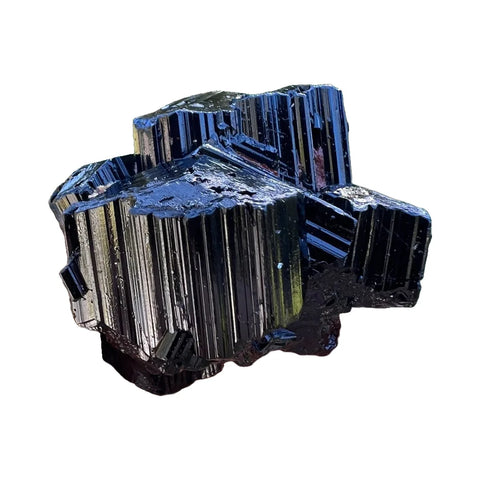
Black Tourmaline
›
Capricorn
Dec 22 – Jan 19
Black Tourmaline
›
 Aquarius
Jan 20 – Feb 18
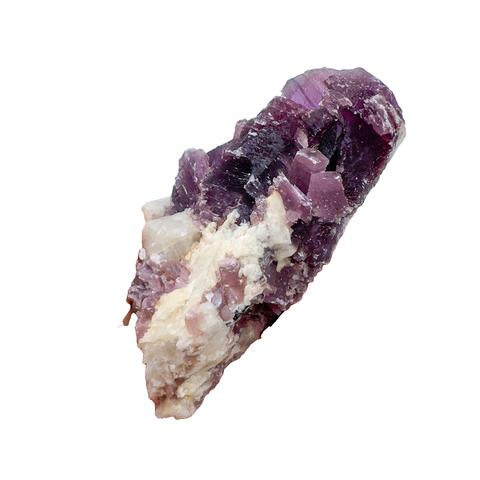
Amethyst
›
Aquarius
Jan 20 – Feb 18
Amethyst
›
 Pisces
Feb 19 – Mar 20
Aquamarine
›
Gifting?
A birthday stone is the safe bet.
Read the zodiac guide →
Pisces
Feb 19 – Mar 20
Aquamarine
›
Gifting?
A birthday stone is the safe bet.
Read the zodiac guide →

Ruby in Fuchsite
Ruby in fuchsite pairs rough red to pink ruby with fuchsite, a green chromium-rich mica. It is softer and more sparkly than the similar ruby in zoisite, and it often carries blades of blue kyanite. Most of the material comes from southern India, and people tend to reach for it as a gentle heart stone.
The geology.
Ruby in fuchsite is an aggregate, a rock built from more than one mineral. The green host is fuchsite, a chromium-rich variety of the mica muscovite, with the general formula K(Al,Cr)2(AlSi3O10)(OH)2. The chromium that makes it green is the same element that reddens the ruby it holds. The red and pink crystals are ruby, the red form of corundum, Al2O3. Many pieces also carry blades of blue kyanite, an aluminum silicate that grows in the same rocks.
Because mica is soft and platy, the rock as a whole is soft and can show a subtle sparkle where light catches the fuchsite flakes. Fuchsite sits at roughly 2.5 to 3 on the Mohs scale, while the ruby is a 9, so hardness is very uneven across a single stone. The rubies are opaque and often show a rough six-sided outline where a corundum crystal sits in the green matrix.
The origins.
Southern India is the classic and dominant source of ruby in fuchsite, especially the Mysore area of Karnataka, where ruby, fuchsite, and blue kyanite grow together in metamorphic rock. This three-mineral combination, sometimes traded as its own material, is strongly associated with Indian localities.
Fuchsite itself occurs in many countries, and ruby-bearing fuchsite is reported from other regions, but India supplies most of the tumbled stones, spheres, and carvings on the market. A seller who can point to Indian material, and who names the kyanite when it is present, usually knows the stone.
Traditional associations.
Like ruby in zoisite, this is a modern stone whose associations come from contemporary practice rather than deep antiquity. The soft sparkle of the green mica gives it a gentler reputation than the denser zoisite version, and people often describe it as a nurturing heart stone.
Many people work with it for emotional ease, compassion, and a sense of quiet renewal, with the ruby adding a note of warmth and courage. It is most often linked to the Heart chakra, the element of Earth, and the sign Cancer. When blue kyanite is present, some also connect it to the Throat and a feeling of clear, calm expression.
Spotting the real thing.
Real ruby in fuchsite is soft and often sparkly, with a green that ranges from pale sage to deep emerald and rough red ruby crystals set into it. In a hidden spot the mica may mark easily, a sign of true fuchsite rather than a harder green stone. Blades of blue kyanite, when present, help confirm the Indian three-mineral material.
The main mix-up is ruby in zoisite. Zoisite is harder, more compact, holds a brighter polish, and usually carries black amphibole streaks that fuchsite lacks. If a green-and-red stone is dense, glassy, and hard, it is more likely zoisite. Watch also for dyed quartzite or glass, which show even color and no platy mica structure. Ask for the species names.
Care & handling.
Ruby in fuchsite needs a gentle hand, because fuchsite is a soft mica. Keep it out of daily-wear jewelry that takes knocks, dust it with a soft dry cloth, and give it only a brief wipe with a barely damp cloth rather than a soak. Water can work into the layered mica over time, so keep contact short.
Avoid salt, ultrasonic cleaners, and harsh chemicals, and store it on its own so harder stones do not scratch the soft surface. Short spells of sunlight are generally fine, though very long exposure is best avoided for any colored stone. To reset it, many people use moonlight, sound, or a rest on a selenite plate.
Pairs well with.
A deeper look.
Extended geology, sourcing, authentication, history, and varieties, for when the quick guide isn't quite enough.
Extended geology
Ruby in fuchsite forms in metamorphic rocks rich in aluminum and chromium. As the rock recrystallizes under heat and pressure, chromium enters the mica structure to make fuchsite green and enters corundum to make ruby red. Where blue kyanite also grows, the result is the striking green, red, and blue material associated with southern India. The minerals interlock as a solid mass rather than forming in layers.
Fuchsite is a chromium-bearing muscovite, monoclinic, with a pearly luster on its cleavage surfaces and the softness typical of micas. Muscovite and its varieties peel into thin flexible sheets, which is why the rock feels soft and can flake. The rubies keep the hardness of corundum, a Mohs 9, so a single specimen spans an unusually wide hardness range.
Extended sourcing
The Mysore region of Karnataka in southern India is the best-known source of ruby in fuchsite, often with blue kyanite. Indian material dominates the tumbled stones, spheres, hearts, and carvings on the market. Fuchsite the mineral is found worldwide, including in Brazil, Russia, and parts of Europe and Africa, and some ruby-bearing fuchsite comes from these regions, but India remains the reference source for the classic combination.
Because the value sits in the contrast and the presence of kyanite, sourcing questions tend to focus on grade and completeness: how vivid the green, how well-formed the ruby crystals, and whether blue kyanite is part of the piece.
Authentication and warning signs
Softness is the giveaway. Fuchsite marks and flakes easily, so a green-and-red stone that is hard, dense, and glassy is more likely ruby in zoisite. A gentle sparkle across the green, from tiny mica plates, points to genuine fuchsite. Blue kyanite blades support the Indian material. Uniform, flat green with no platy structure suggests dyed quartzite or glass.
Ask the seller to name the minerals. Honest labeling separates ruby in fuchsite from ruby in zoisite, and notes kyanite when it is there. Because the stone is soft, be cautious about pieces sold as rings or bracelets meant for hard daily wear.
History and folklore
Ruby in fuchsite is a modern entry to the crystal world, tied to Indian mining and the wider trade in fuchsite and kyanite. Fuchsite is named after the German mineralogist Johann Nepomuk von Fuchs. Without ancient lore of its own, its reputation as a gentle, heart-centered stone has grown within the contemporary community, often set against the more energetic reputation of ruby in zoisite.
Varieties and trade names
Ruby in fuchsite: rough ruby in green chromium mica.
Ruby, kyanite, and fuchsite: the three-mineral Indian material, with blue kyanite blades added.
Ruby in zoisite (anyolite): the harder, denser green-and-red lookalike built on zoisite, with black amphibole.
Fuchsite: the green mica on its own, without ruby.
What it costs in the market
Tumbled ruby in fuchsite: roughly 2 to 8 dollars per piece. Spheres, hearts, and palm stones: around 12 to 60 dollars depending on size and color. Larger carvings and fine pieces with vivid green, well-defined ruby, and blue kyanite: 60 dollars into the low hundreds. Value tracks the brightness of the green, the definition of the ruby, and the presence and quality of kyanite.
An education-first guide.
We don't currently carry ruby in fuchsite, so there's nothing to sell you here. This guide exists because the more you understand a stone, the better every decision you make about it becomes, wherever you buy it. Explore the rest of our crystal guides for stones we do source, each with full origin and treatment notes.
Explore the Crystal GuideThe closest match we carry: Fuchsite.
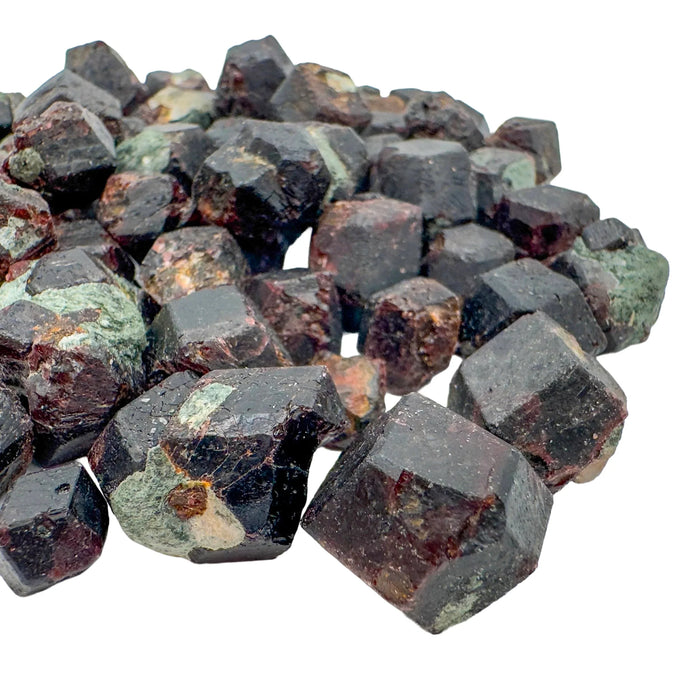
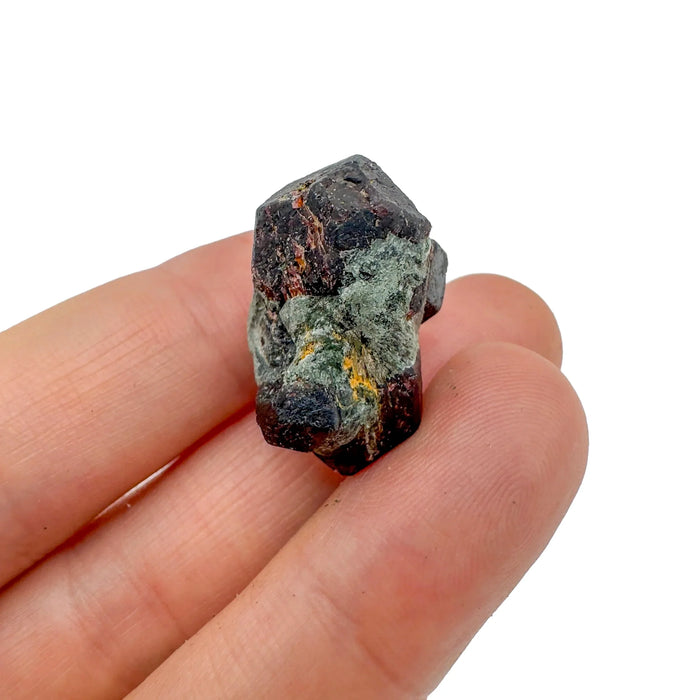
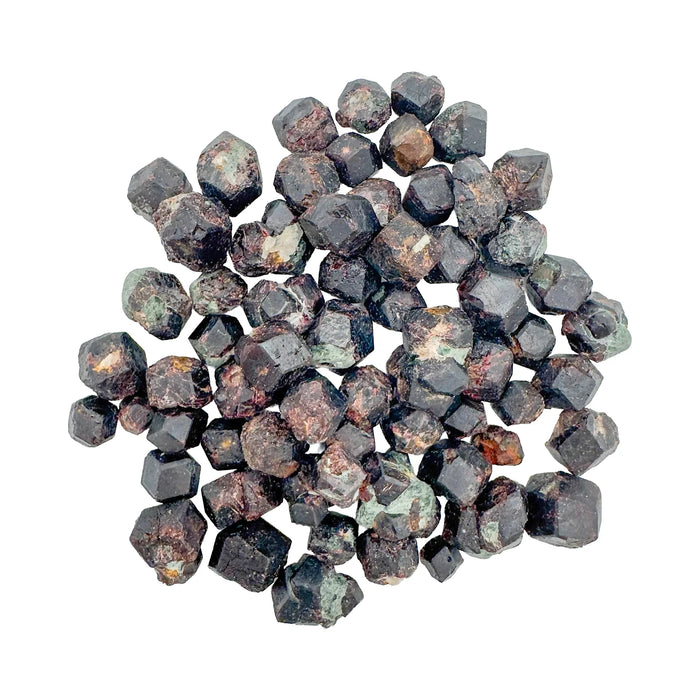
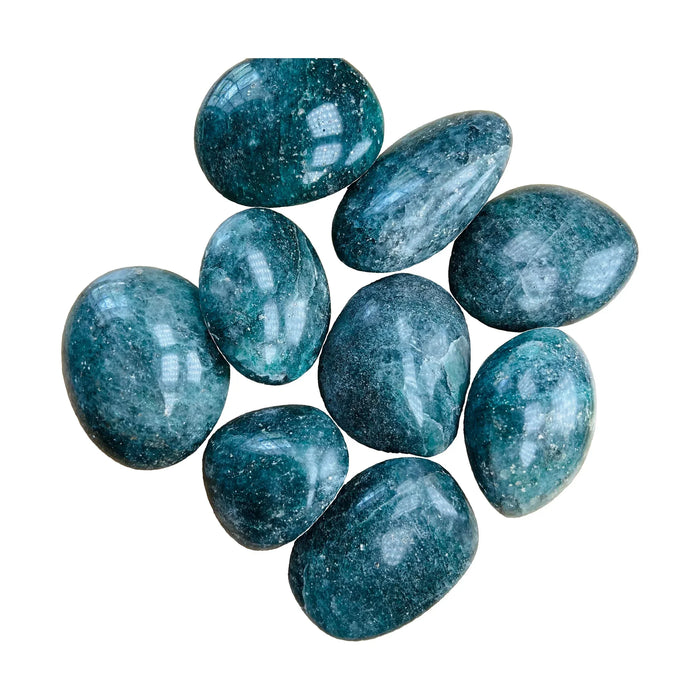
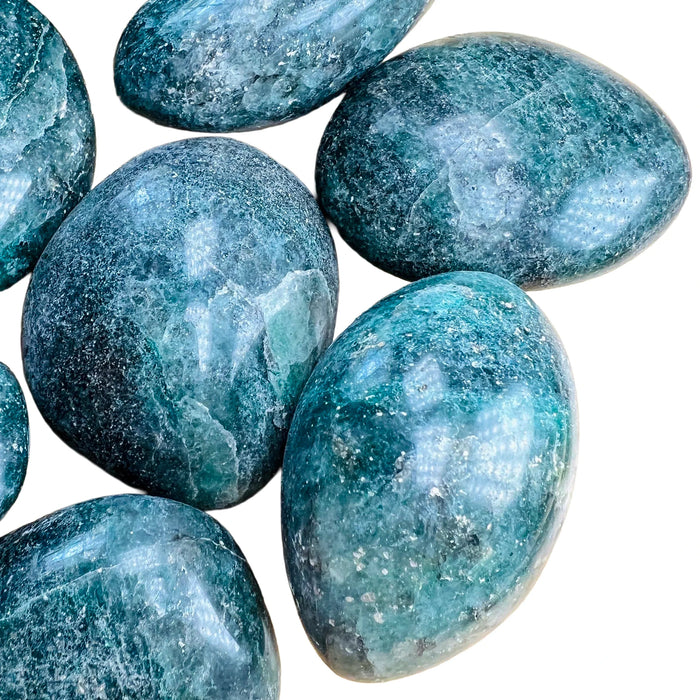
Ruby in Fuchsite is not something we carry. Fuchsite is the closest match in our collection, and every piece passes our sourcing standards: origin named, treatments disclosed.
- from 1,000+ reviews
- Ships within 72 hoursMonday to Friday, tracked
- 90 days to return itif you do not love it
- Free US shipping over $99$8.99 flat rate under
The Slow Note
New stones go to the list first.
No forwarding, no selling. Unsubscribe in one click. Privacy