


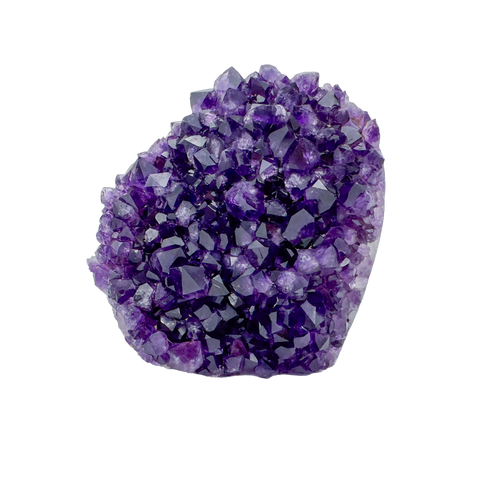
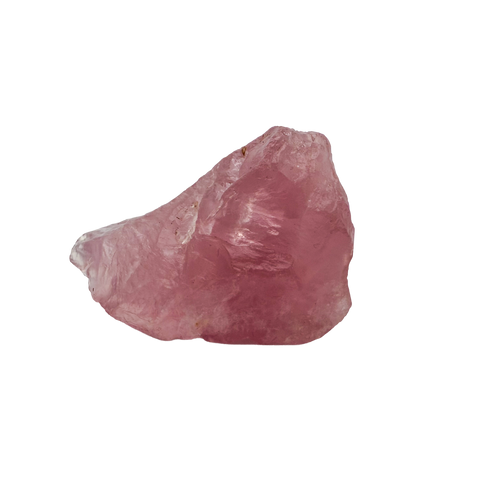
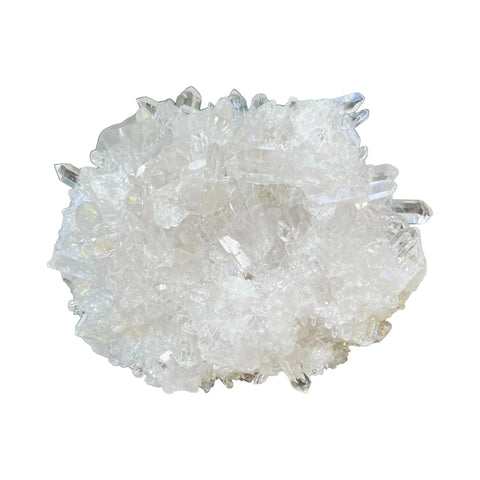
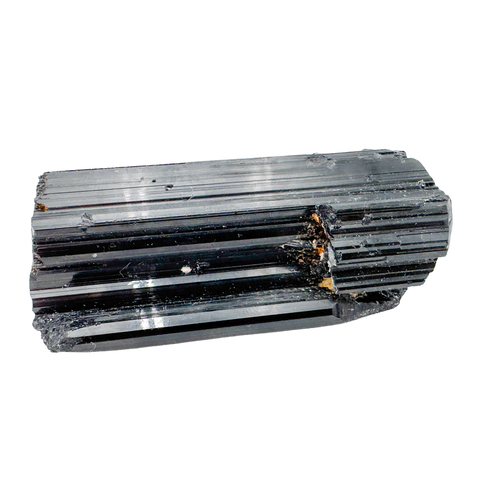
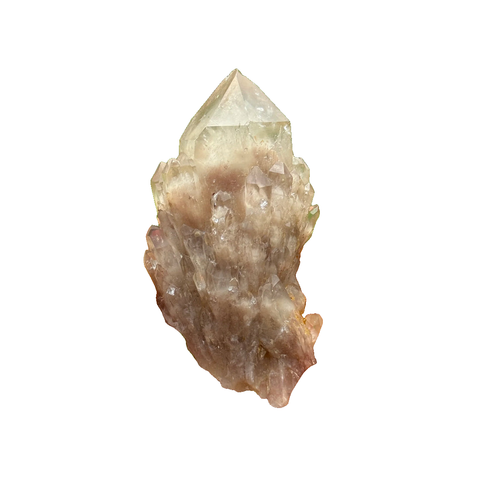
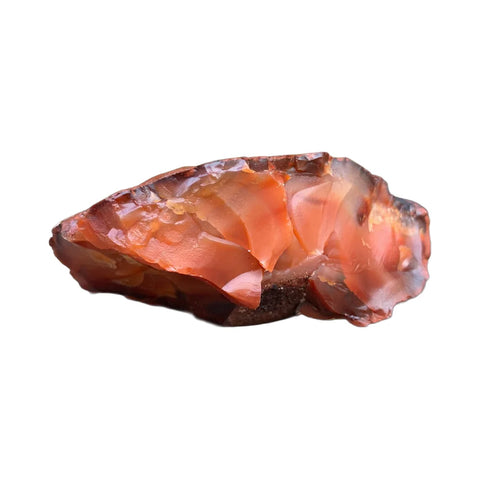
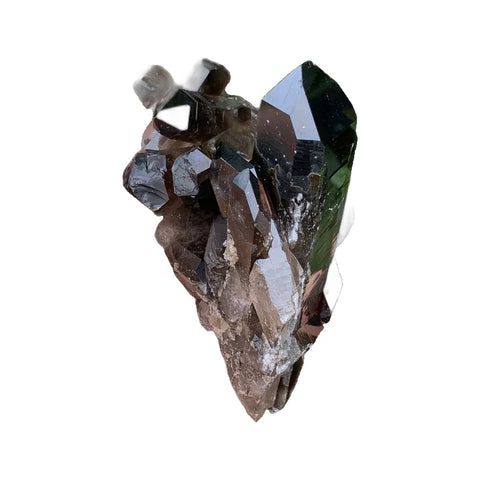
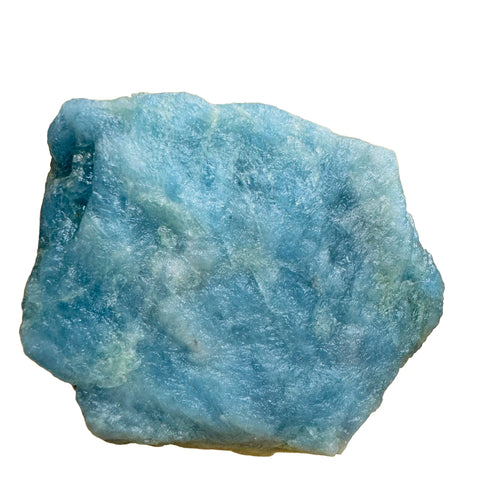
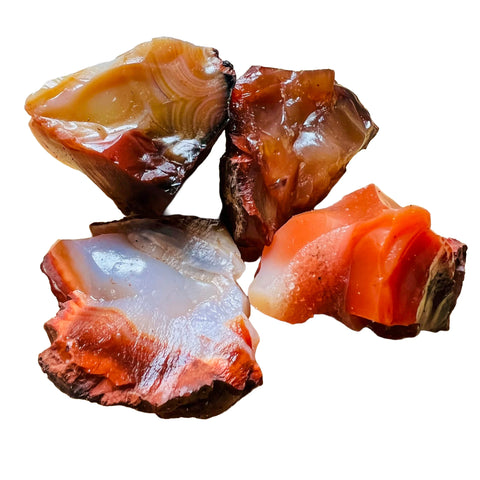


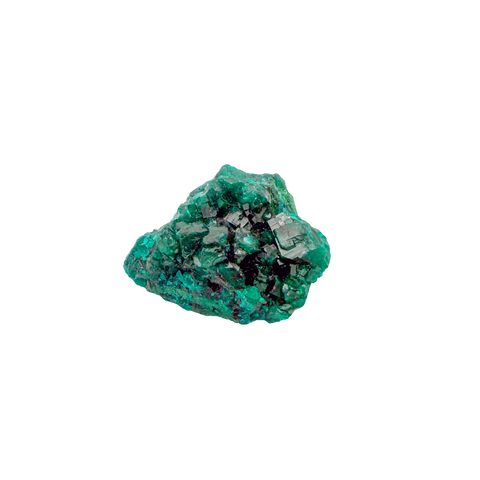
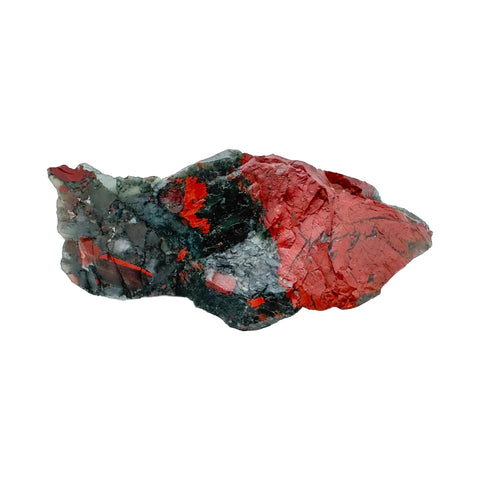
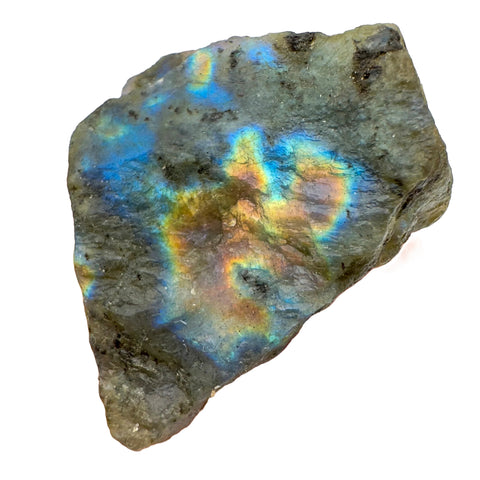
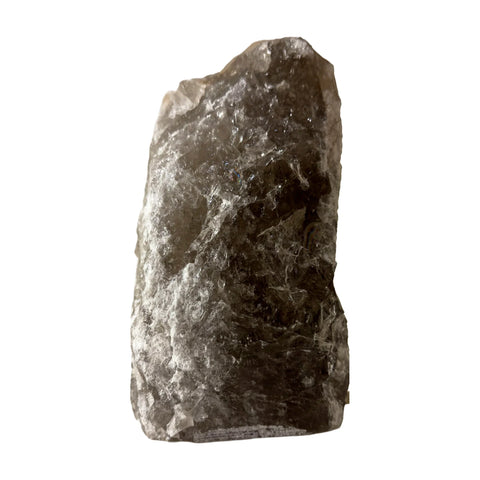
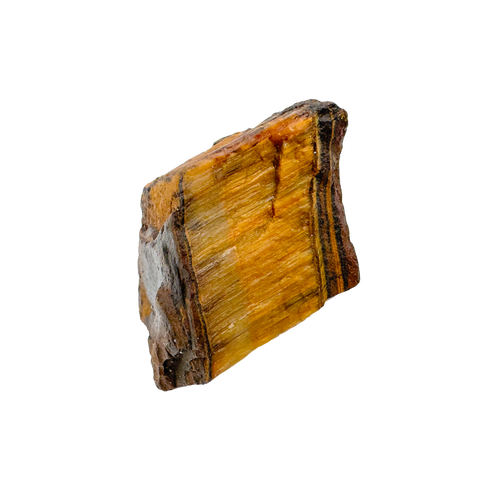
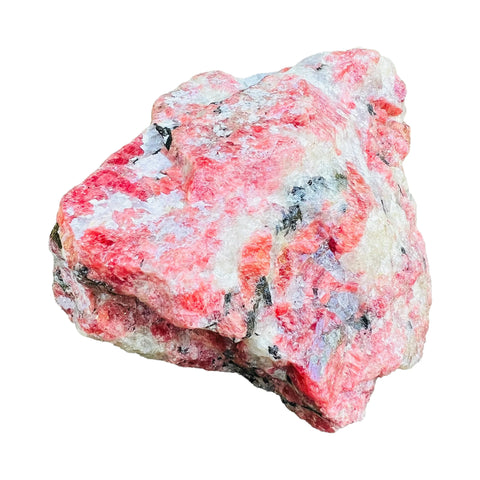
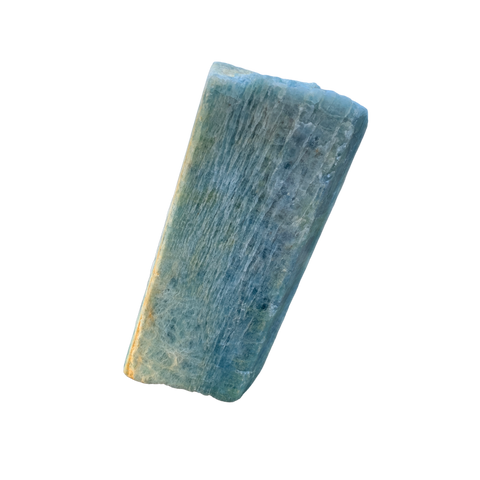
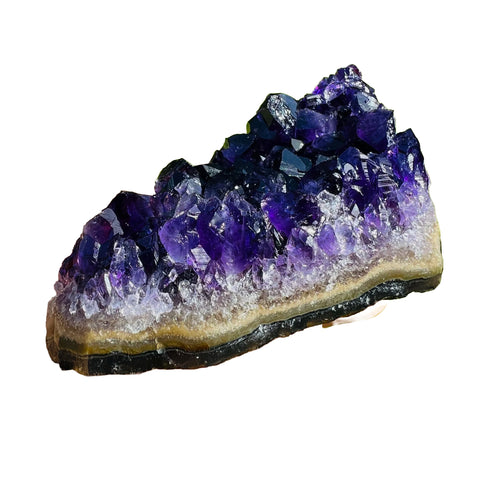



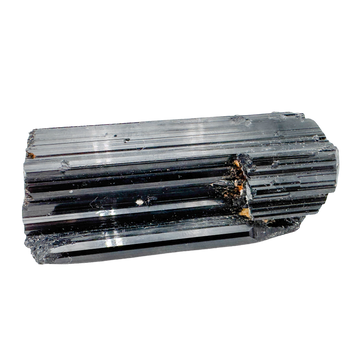
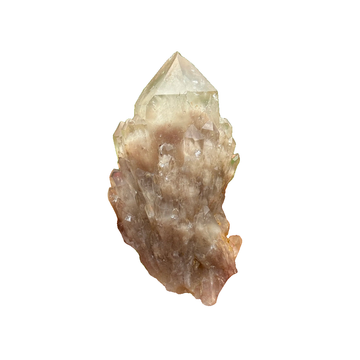
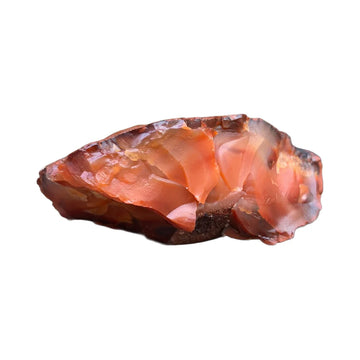
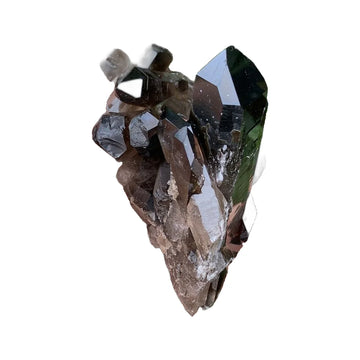
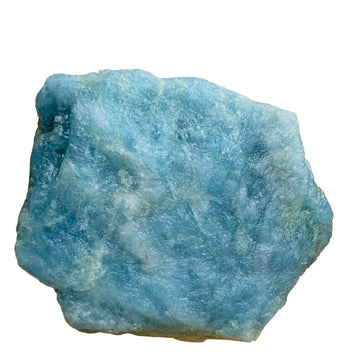
 Raw Stones
179 pieces
Raw Stones
179 pieces
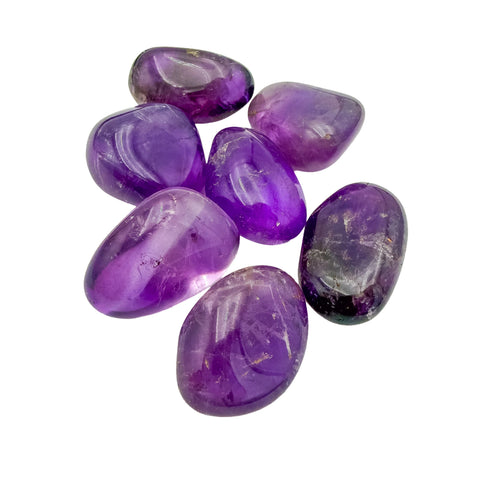
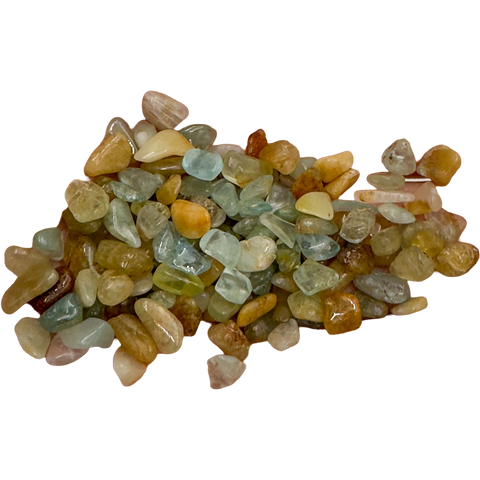
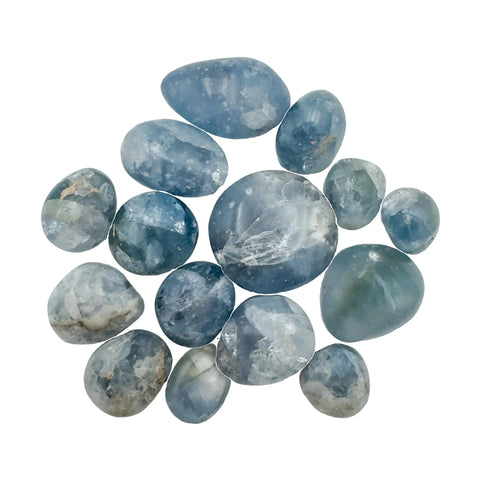
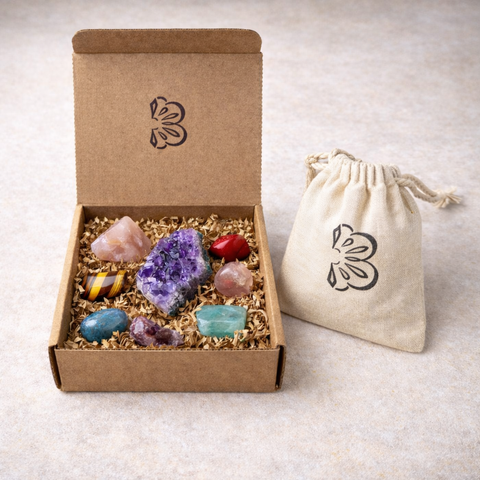
 Tumbled Stones
162 pieces
Tumbled Stones
162 pieces
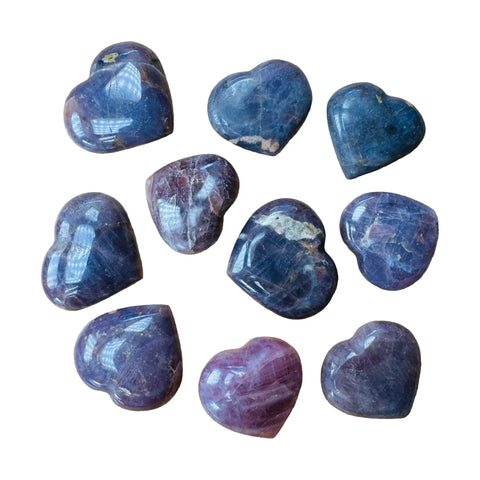
 Palm Stones
25 pieces
Palm Stones
25 pieces
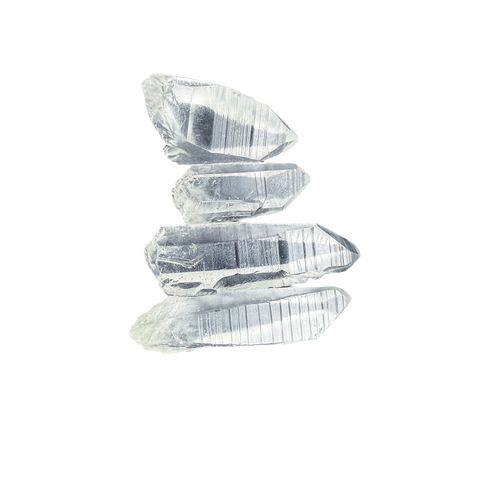
 Crystal Points
23 pieces
Crystal Points
23 pieces
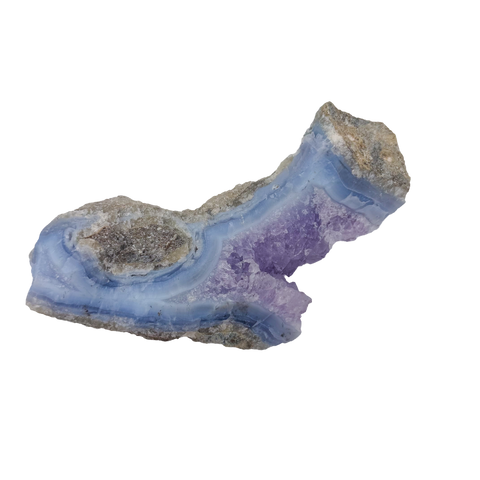
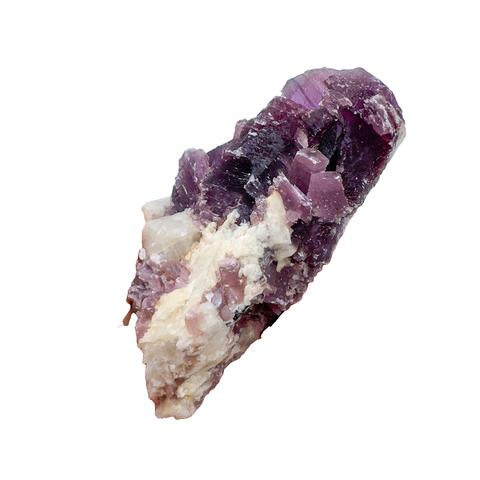
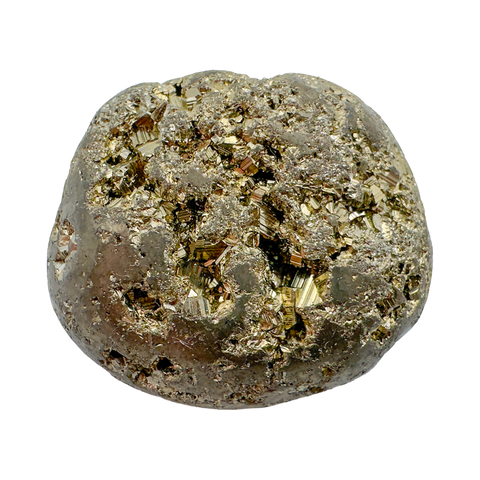
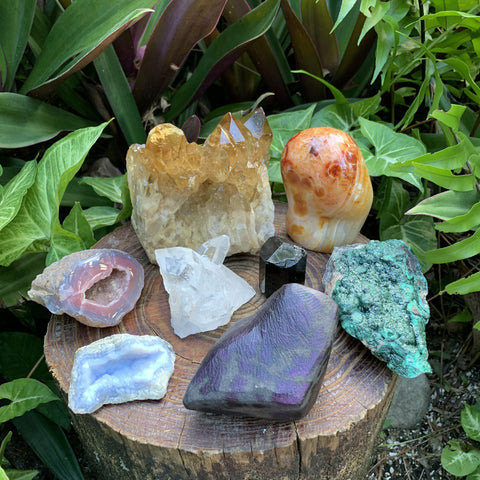
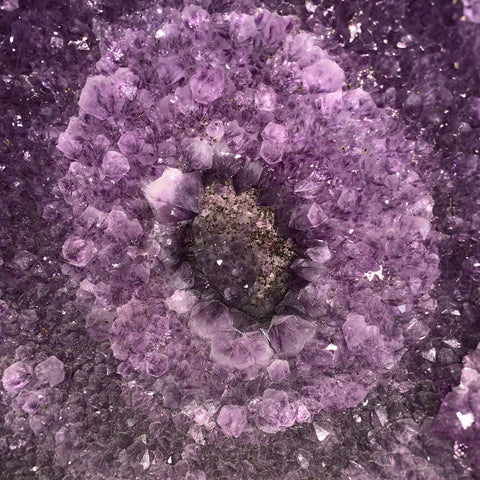
 Clusters & Geodes
104 pieces
Clusters & Geodes
104 pieces
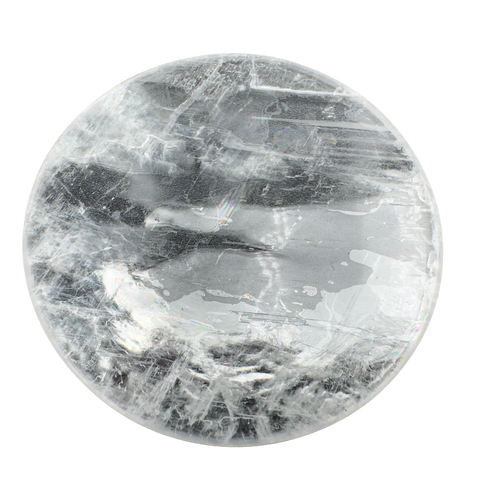
 Polished & Decor
148 pieces
Polished & Decor
148 pieces
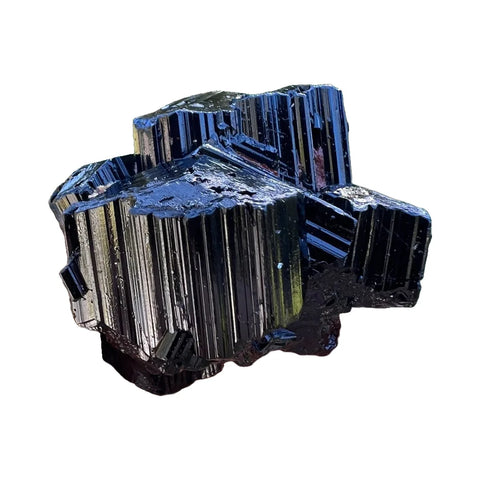
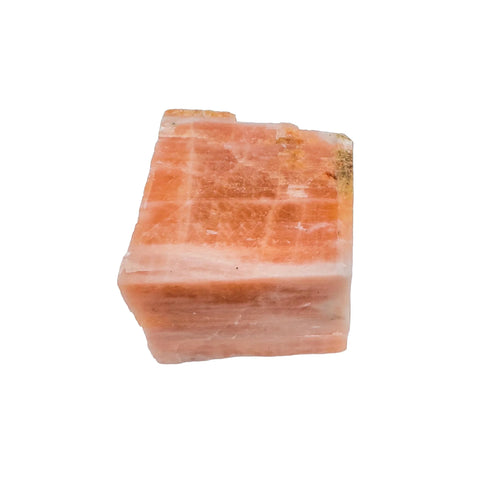
 Mineral Specimens
259 collector pieces
Mineral Specimens
259 collector pieces
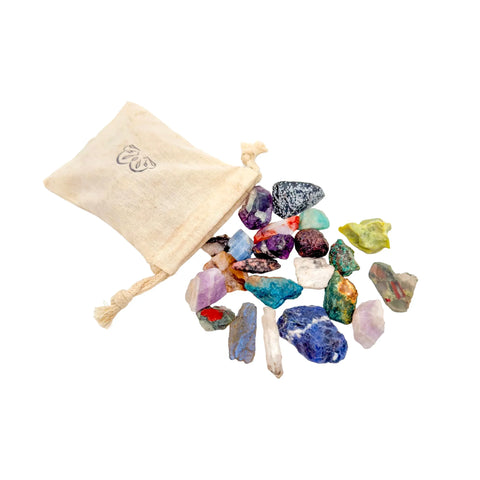
 Crystal Chips
21 pieces
Browse everything
Every collection, one page.
View All Collections →
Crystal Chips
21 pieces
Browse everything
Every collection, one page.
View All Collections →


 Aries
Mar 21 – Apr 19
Carnelian
›
Aries
Mar 21 – Apr 19
Carnelian
›
 Taurus
Apr 20 – May 20
Rose Quartz
›
Taurus
Apr 20 – May 20
Rose Quartz
›
 Gemini
May 21 – Jun 20
Agate
›
Gemini
May 21 – Jun 20
Agate
›
 Cancer
Jun 21 – Jul 22
Moonstone
›
Cancer
Jun 21 – Jul 22
Moonstone
›
 Leo
Jul 23 – Aug 22
Citrine
›
Leo
Jul 23 – Aug 22
Citrine
›
 Virgo
Aug 23 – Sep 22
Amazonite
›
Virgo
Aug 23 – Sep 22
Amazonite
›
 Libra
Sep 23 – Oct 22
Blue Lace Agate
›
Libra
Sep 23 – Oct 22
Blue Lace Agate
›
 Scorpio
Oct 23 – Nov 21
Obsidian
›
Scorpio
Oct 23 – Nov 21
Obsidian
›
 Sagittarius
Nov 22 – Dec 21
Sodalite
›
Sagittarius
Nov 22 – Dec 21
Sodalite
›
 Capricorn
Dec 22 – Jan 19
Black Tourmaline
›
Capricorn
Dec 22 – Jan 19
Black Tourmaline
›
 Aquarius
Jan 20 – Feb 18
Amethyst
›
Aquarius
Jan 20 – Feb 18
Amethyst
›
 Pisces
Feb 19 – Mar 20
Aquamarine
›
Gifting?
A birthday stone is the safe bet.
Read the zodiac guide →
Pisces
Feb 19 – Mar 20
Aquamarine
›
Gifting?
A birthday stone is the safe bet.
Read the zodiac guide →

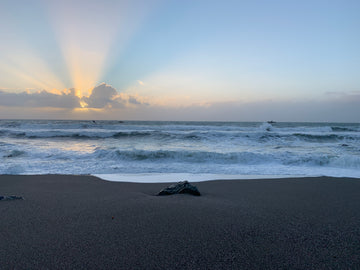
Spectrolite
Spectrolite is the trade name for a remarkable labradorite found in Finland, one that flashes not just blue but the entire spectrum, from green and gold to orange and deep red. It is the same mineral as ordinary labradorite. What sets it apart is where it formed and how completely it plays with light.
The geology.
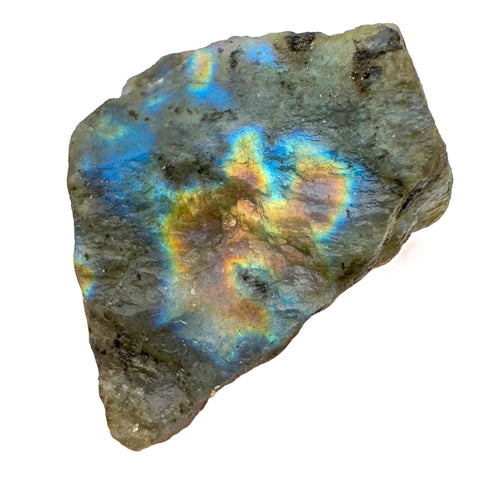
Spectrolite is labradorite, a member of the plagioclase feldspar series that sits between albite and anorthite in composition. Like all labradorite, its magic is labradorescence, an optical effect where light reflects off microscopic internal layers and returns to the eye as bands of shifting color.
In most labradorite, that flash is limited to blues and greens. Finnish spectrolite is unusual because its internal layering reflects across the whole visible spectrum, so a single stone can show blue, green, yellow, orange, and red as you turn it. The dark, near-black base color makes those flashes look especially vivid.
It shares labradorite's physical profile: a triclinic crystal system, a hardness around 6 to 6.5 on the Mohs scale, and a tendency to cleave along flat planes, which cutters must work around to capture the best flash face-up.
The origins.
Spectrolite was discovered in 1940 near Ylämaa in south-eastern Finland, uncovered during the construction of the Salpa Line defensive fortifications. The Finnish geologist Aarne Laitakari had described the material and searched for its source for years before a deposit was found in the region. After the war, cutting and polishing spectrolite grew into a local industry that continues today.
The name spectrolite is a Finnish trade name, coined to distinguish this full-spectrum material from ordinary labradorite. Finland remains the classic source. Some vivid multicolour labradorite from Madagascar is also sold as spectrolite, so it helps to ask about origin if Finnish provenance matters to you.
Traditional associations.
Because spectrolite is labradorite, it inherits the same traditional associations: a stone of intuition, imagination, and inner sight. Many people work with it as a stone for transformation and for protecting personal energy, and its dramatic color play has made it popular with artists and makers.
Some in the crystal community treat spectrolite as a heightened, more powerful labradorite because of its wider color range, though this is a contemporary belief rather than a proven distinction. Mineralogically, it is the same species, simply an exceptional example.
Spotting the real thing.
The first check is understanding what you are buying. Spectrolite is labradorite, so it is not a distinct mineral. Genuine Finnish spectrolite shows a broad range of spectral colors over a dark body, and its flash appears and disappears as you change the viewing angle, because labradorescence is directional.
Be cautious of glassy imitations. Manufactured glass and some backed doublets can mimic a rainbow shimmer, but they tend to show color from every angle rather than in a single directional flash, and they may reveal bubbles or an unnaturally even pattern under a loupe. Real spectrolite has an internal, layered look rather than a painted-on sparkle.
If Finnish origin is important to you, ask the seller directly. Bright labradorite from Madagascar is genuine labradorite and often beautiful, but it is not Finnish spectrolite in the original sense of the name.
Care & handling.
Spectrolite rates about 6 to 6.5 on the Mohs scale and has cleavage, so it is best treated with a little care. Avoid sharp knocks and store it apart from harder stones. Clean it with mild soapy water and a soft cloth, and dry it fully.
It is stable in normal light and will not fade. Prolonged soaking is unnecessary and salt or harsh chemicals can dull the polish, so keep cleaning gentle to preserve that full-spectrum flash.
Pairs well with.
A deeper look.
Extended geology, sourcing, authentication, history, and varieties, for when the quick guide isn't quite enough.
What labradorescence actually is
The color play in spectrolite is not pigment. It comes from the internal structure of the feldspar, which separated into extremely thin alternating layers as it cooled, a process called exsolution. When light strikes these layers it is reflected and split by interference, the same physics that colors a soap bubble or an oil film. The spacing of the layers determines which colors appear, and spectrolite's layering happens to return the full spectrum.
Discovered on a defensive line
Spectrolite's discovery is tied to the Second World War. In 1940, while the Salpa Line fortifications were being built in Ylämaa, workers turned up a dark feldspar that flashed extraordinary color. The geologist Aarne Laitakari, who had long suspected such material existed in Finland, connected the find to his research. A cutting and polishing trade grew up in the Ylämaa area, and the region is still associated with the stone.
Spectrolite versus ordinary labradorite
Every spectrolite is a labradorite, but not every labradorite qualifies as spectrolite. The distinction is about the quality and range of the flash. Classic Finnish spectrolite shows saturated colors across the whole spectrum on a dark, almost black ground. Standard labradorite, common from Madagascar and elsewhere, usually flashes blue and green on a greyer base. The line between top labradorite and spectrolite is a matter of degree and trade convention, not a separate species.
Finnish and Madagascan material
Because spectrolite is a trade name rather than a protected origin, you will see the word applied to full-color labradorite from Madagascar as well as Finland. Both are real labradorite and both can be stunning. Purists reserve spectrolite for the Finnish material from Ylämaa, where the name began. If provenance matters to your collection, ask the seller to confirm the country of origin rather than relying on the name alone.
Buying and cutting
Spectrolite is prized by lapidaries because capturing its best flash takes skill. The color is directional, so a cutter must orient the stone to bring the strongest labradorescence face-up. Value rises with the breadth and intensity of color, the darkness of the base, and how much of the surface flashes at once. Small stones with vivid, full-spectrum fire can command more than large stones that only flash in a corner.
An education-first guide.
We don't currently carry spectrolite, so there's nothing to sell you here. This guide exists because the more you understand a stone, the better every decision you make about it becomes, wherever you buy it. Explore the rest of our crystal guides for stones we do source, each with full origin and treatment notes.
Explore the Crystal GuideThe closest match we carry: Labradorite.
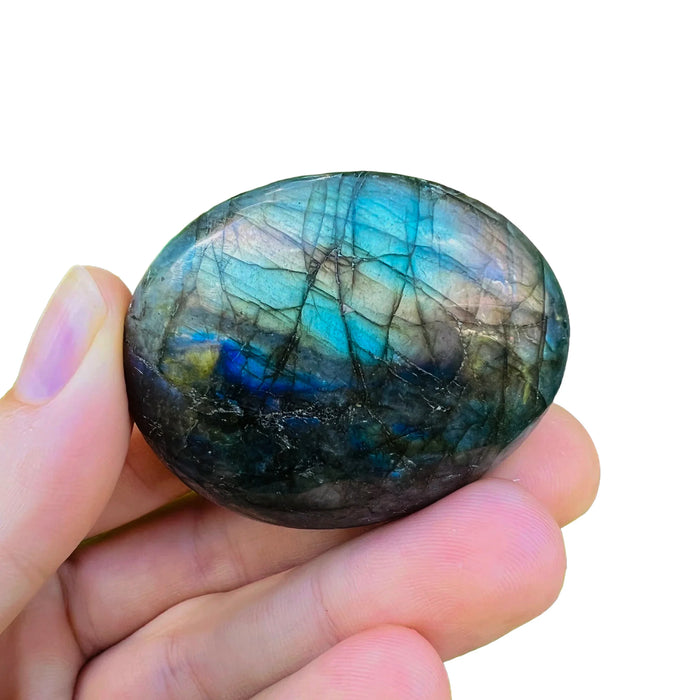
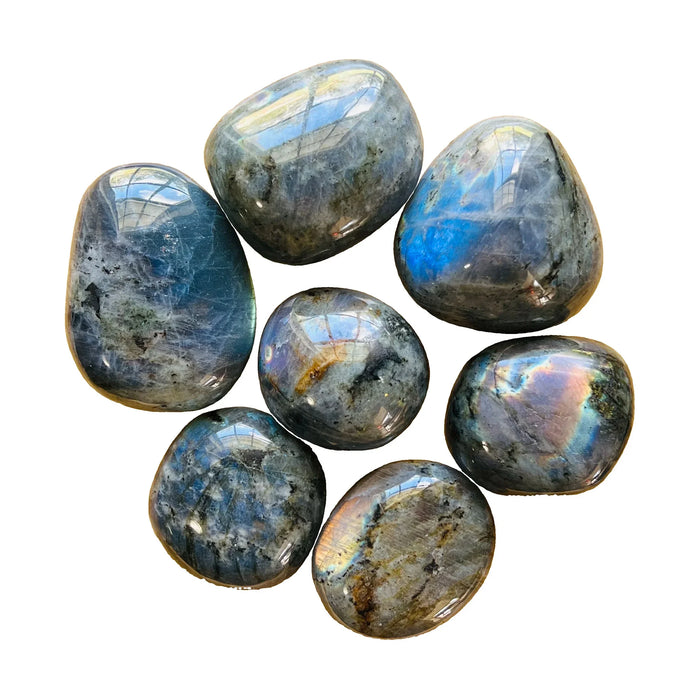
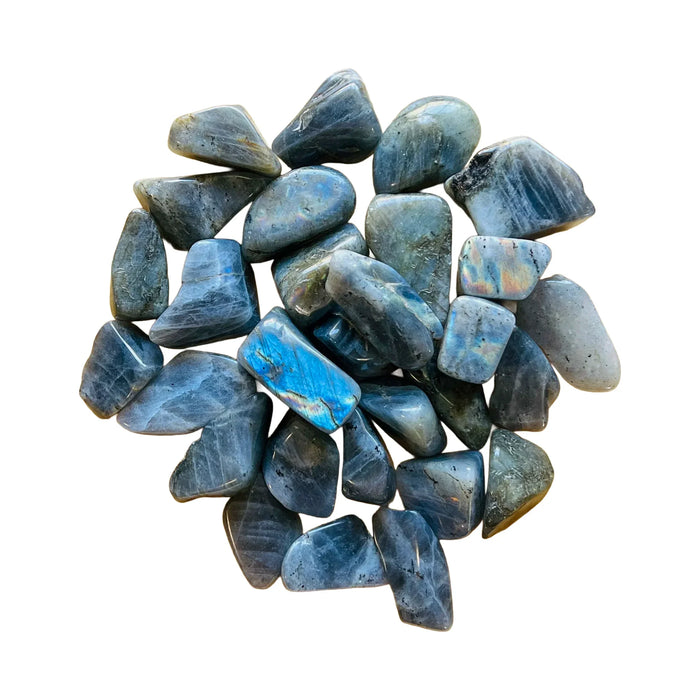
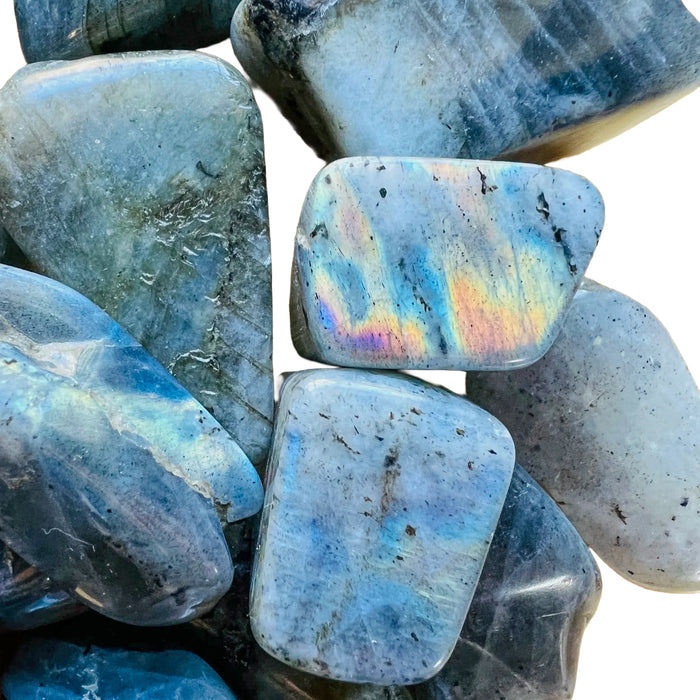
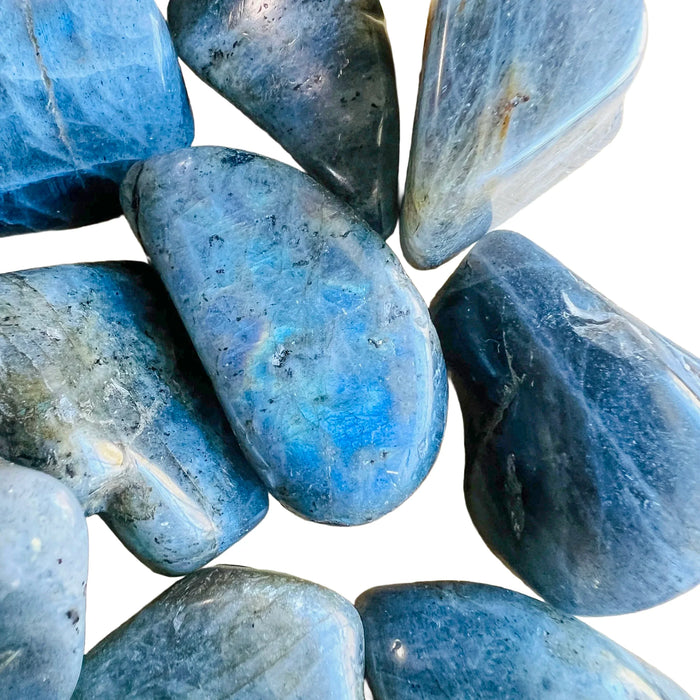
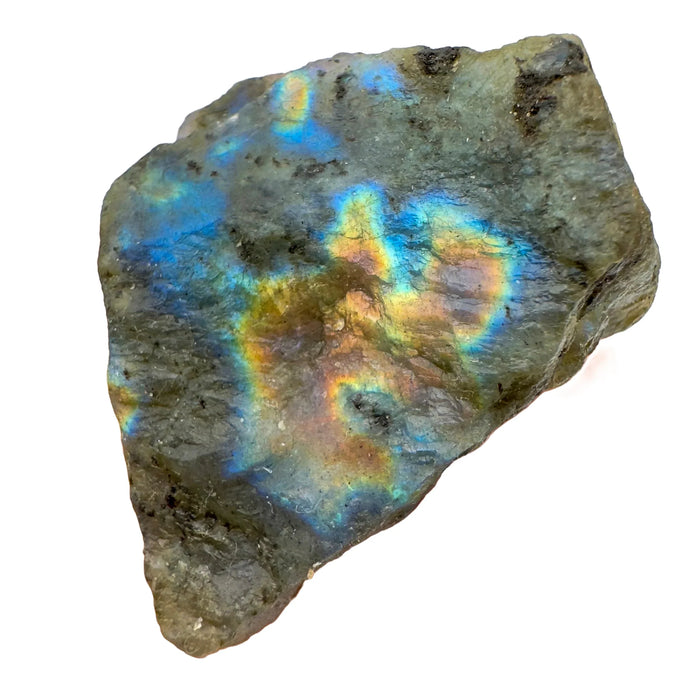
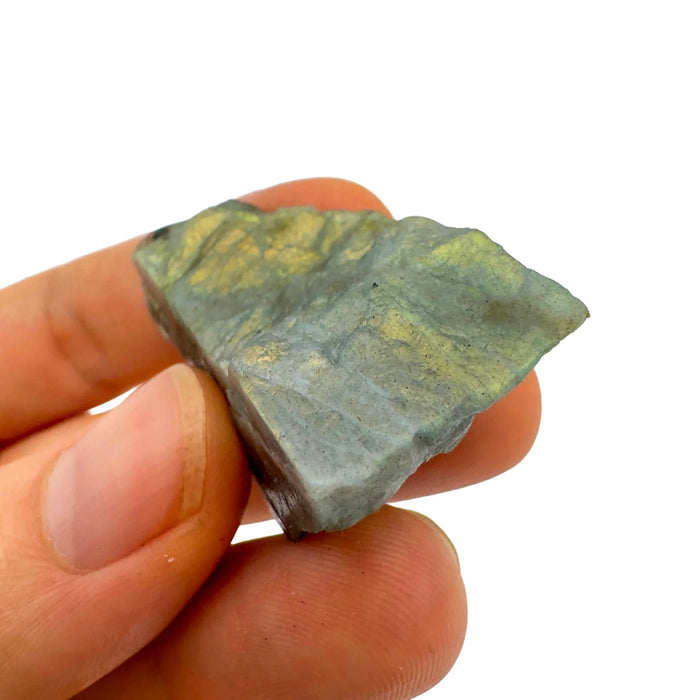
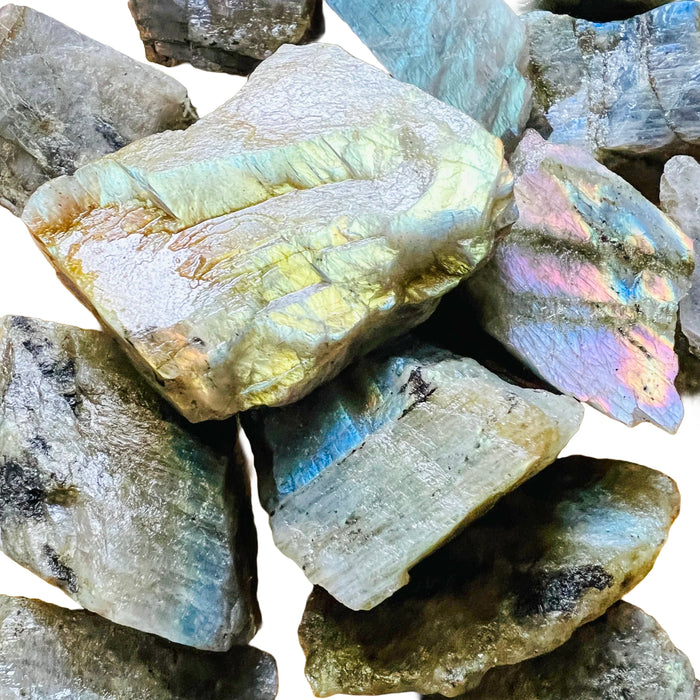
Spectrolite is not something we carry. Labradorite is the closest match in our collection, and every piece passes our sourcing standards: origin named, treatments disclosed.
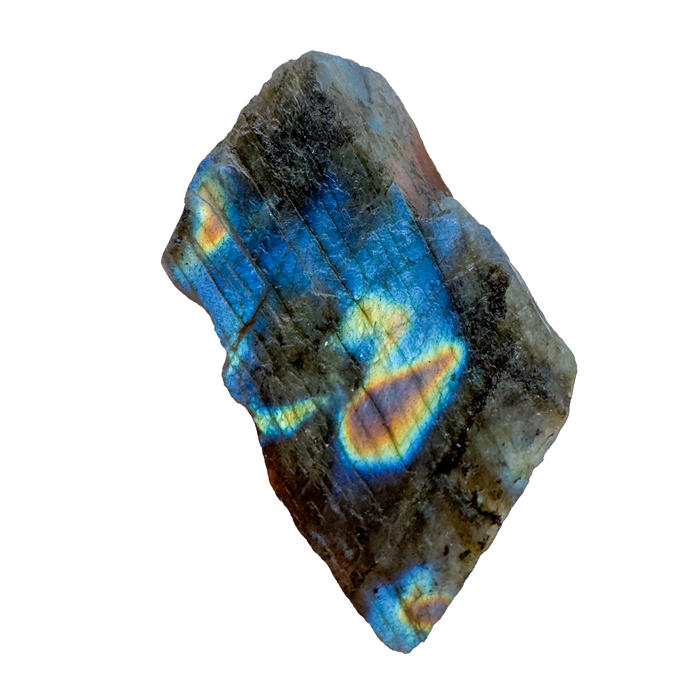
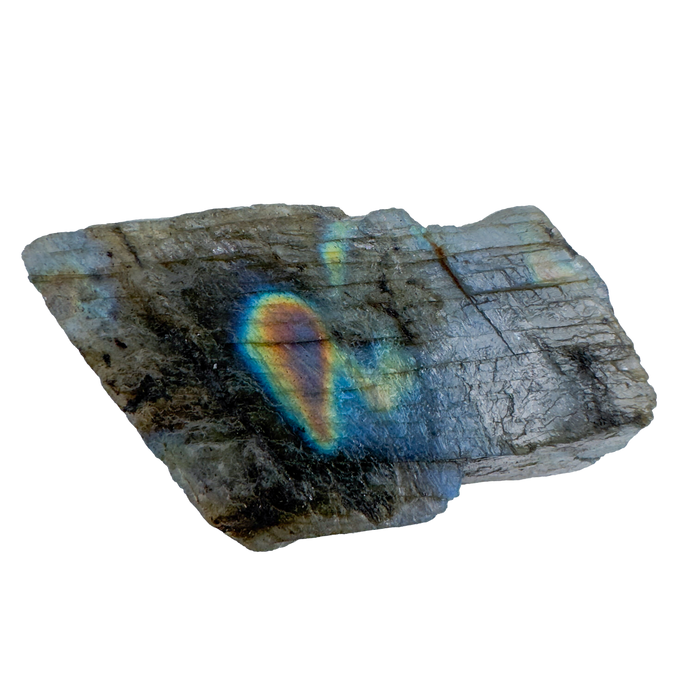
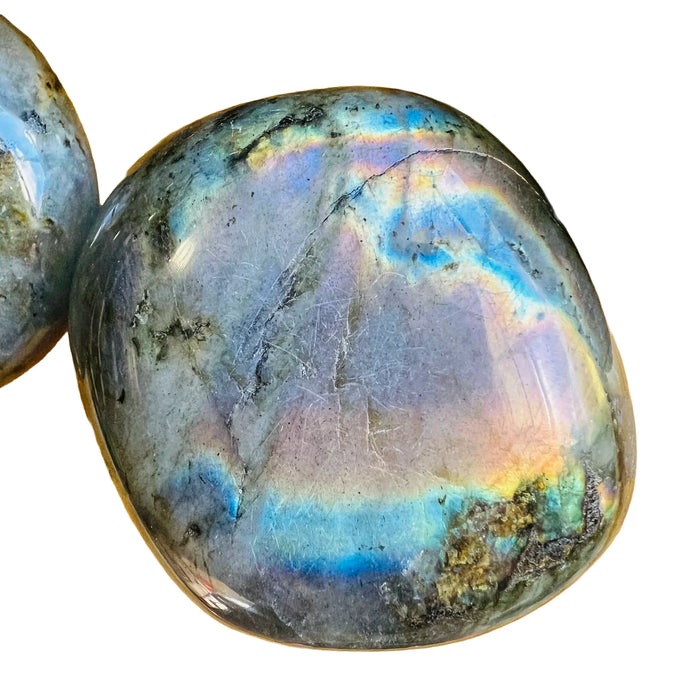
- from 1,000+ reviews
- Ships within 72 hoursMonday to Friday, tracked
- 90 days to return itif you do not love it
- Free US shipping over $99$8.99 flat rate under
The Slow Note
New stones go to the list first.
No forwarding, no selling. Unsubscribe in one click. Privacy