


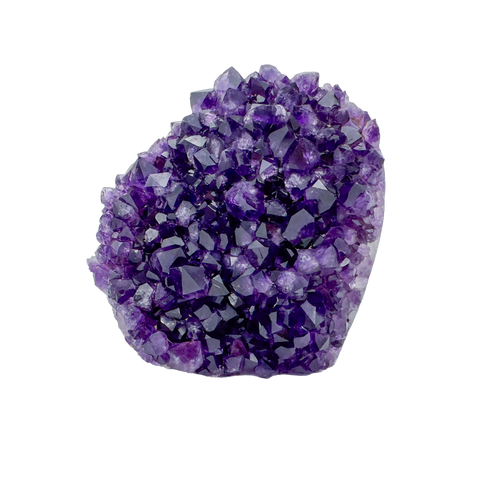
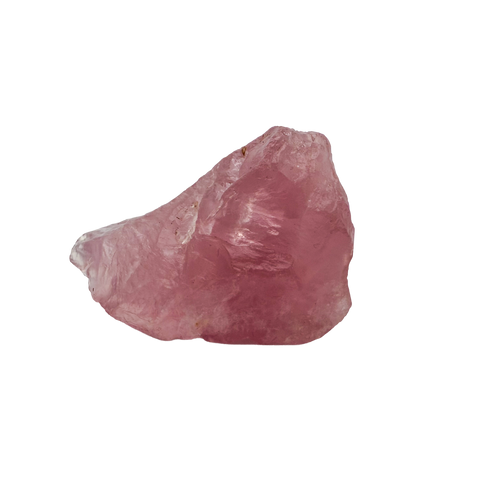
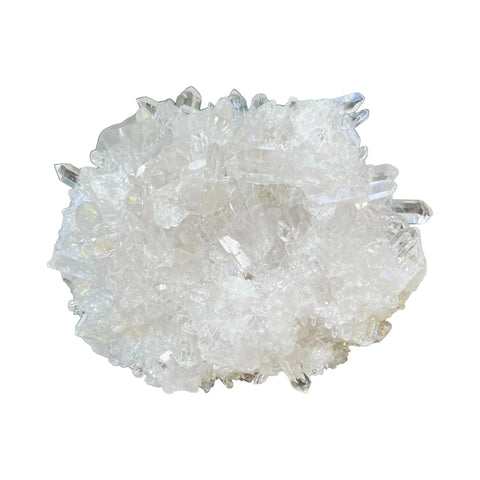
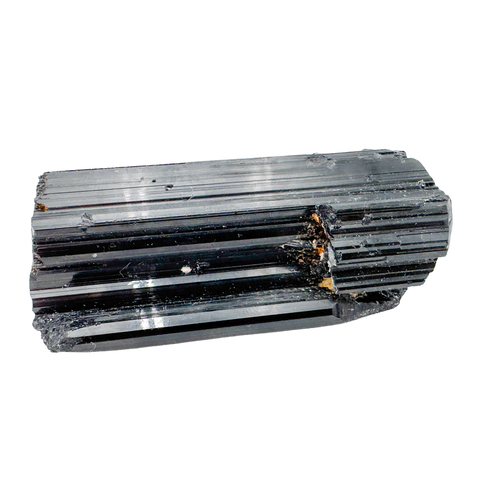
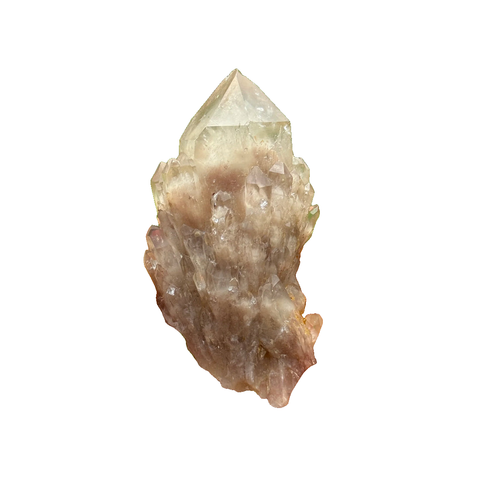
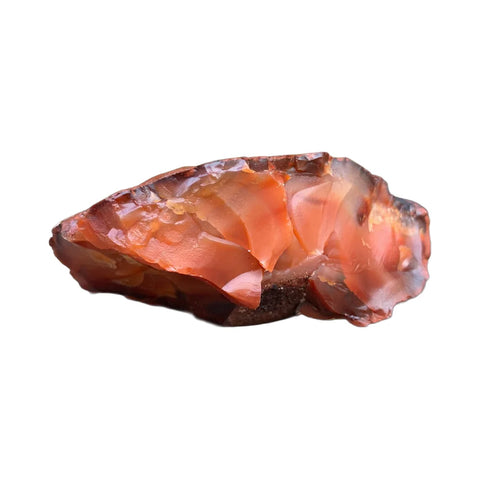
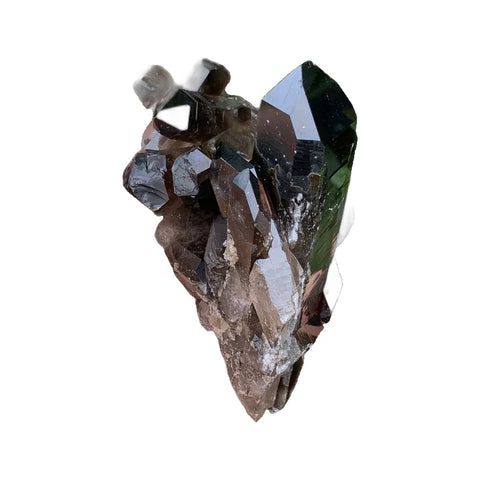
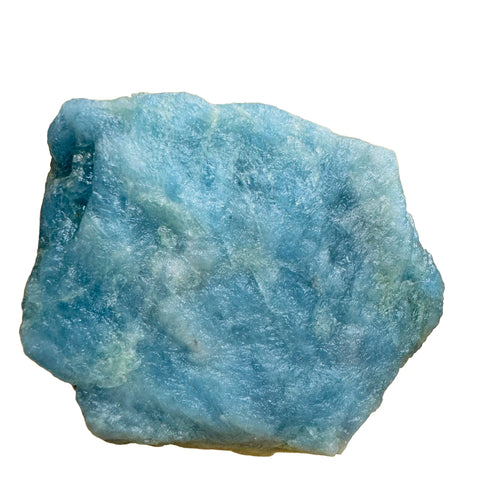
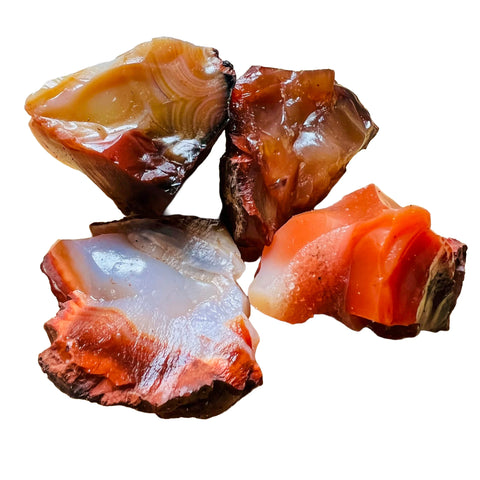


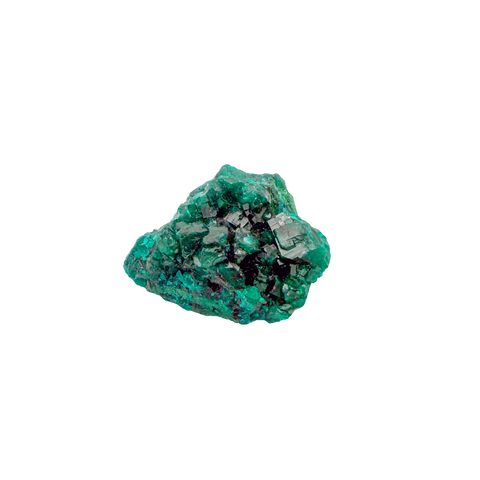
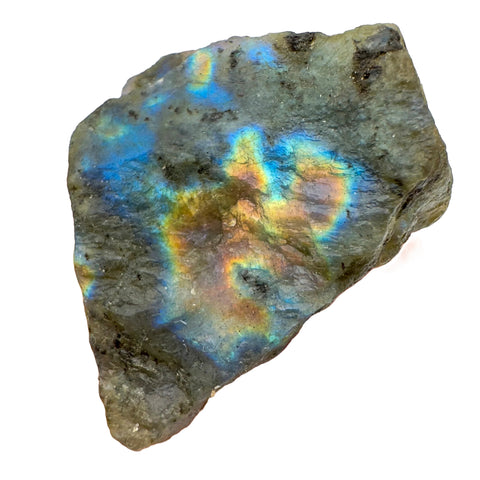
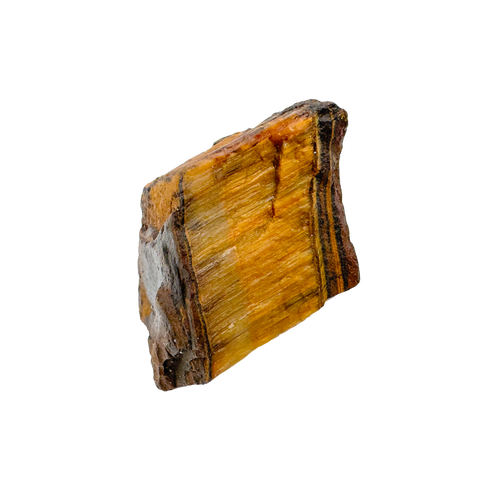
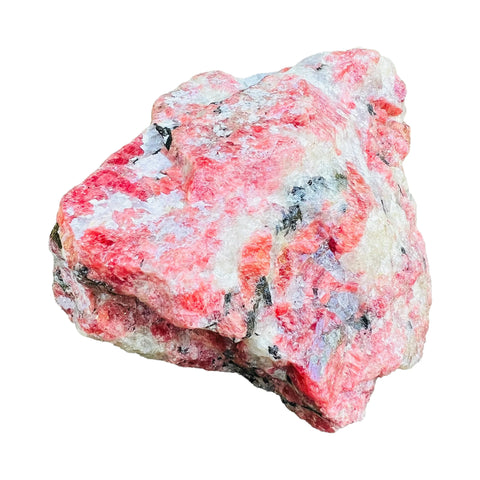
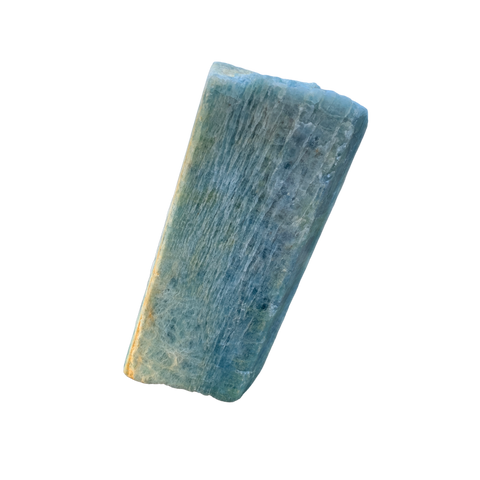
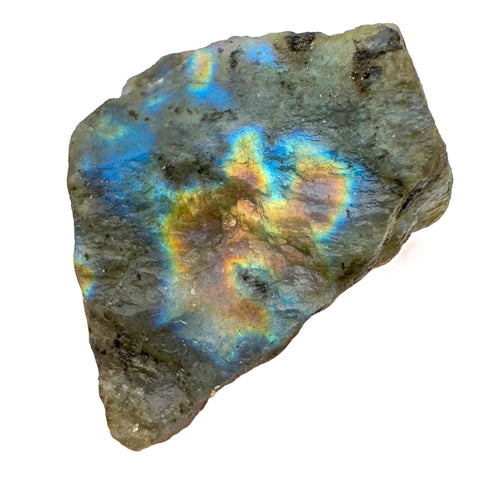
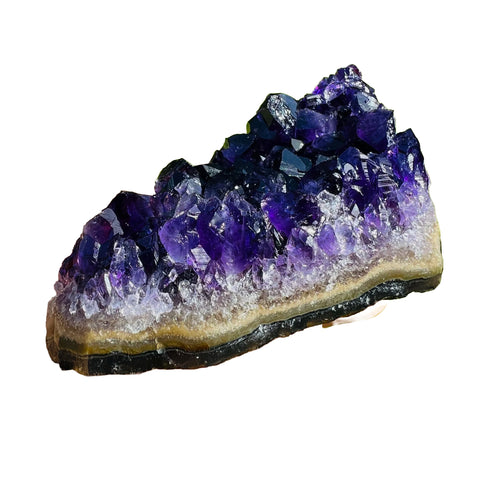



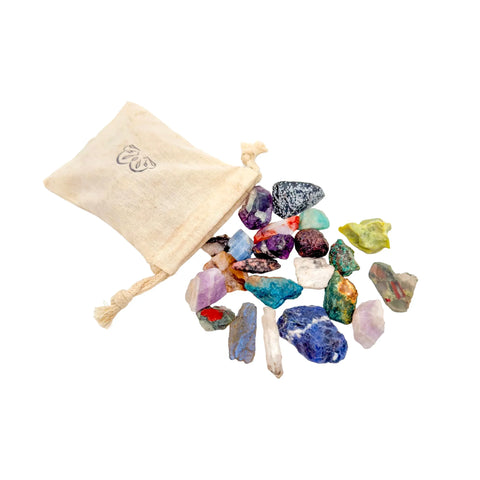
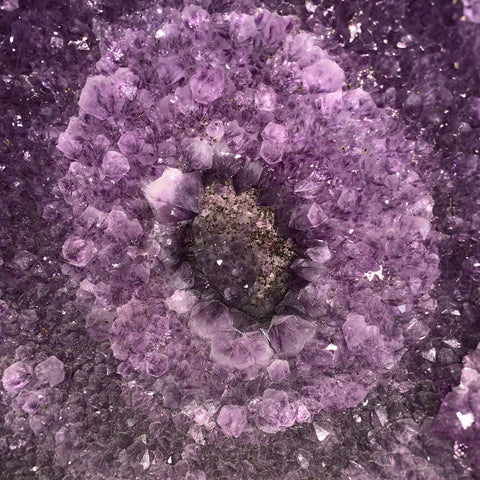
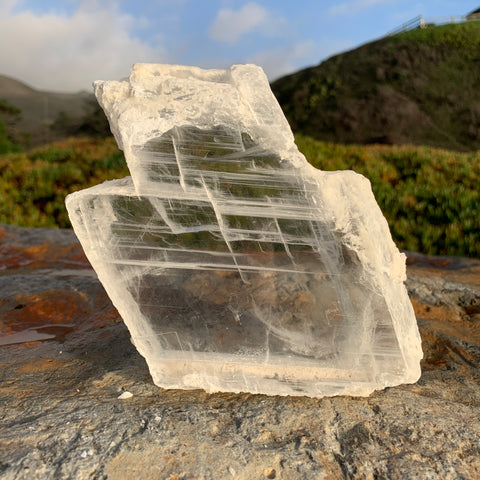
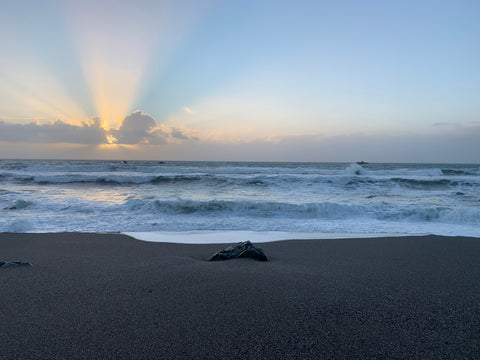
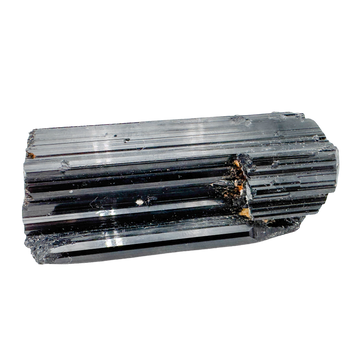
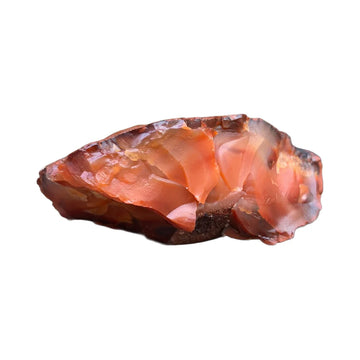
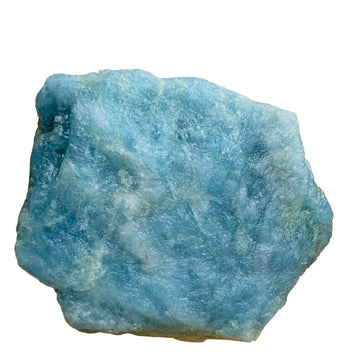
 Raw Stones
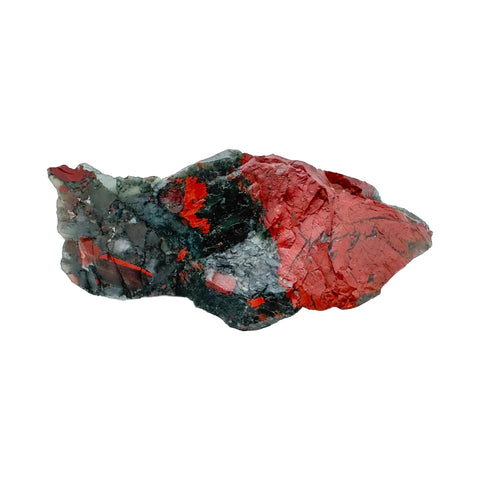
179 pieces
Raw Stones
179 pieces
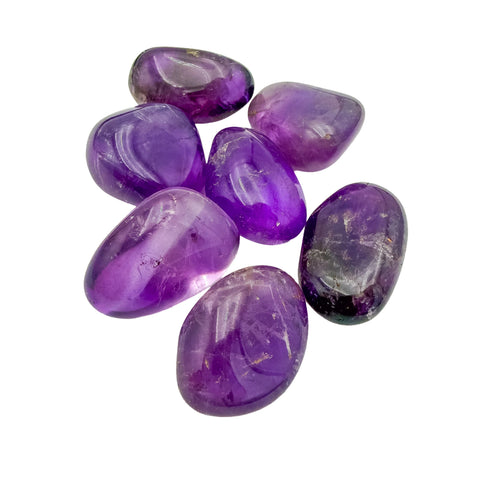
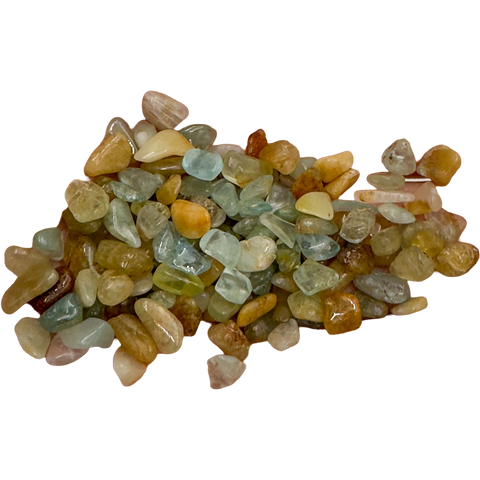
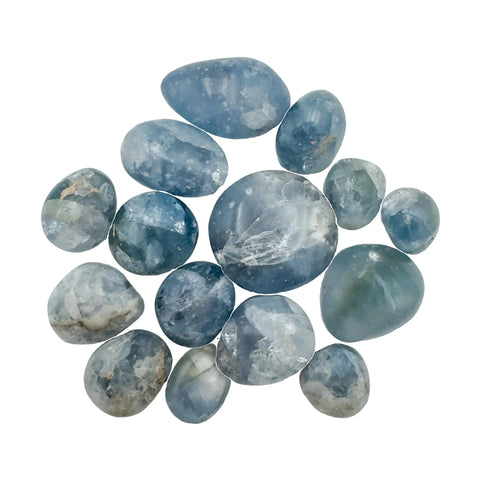
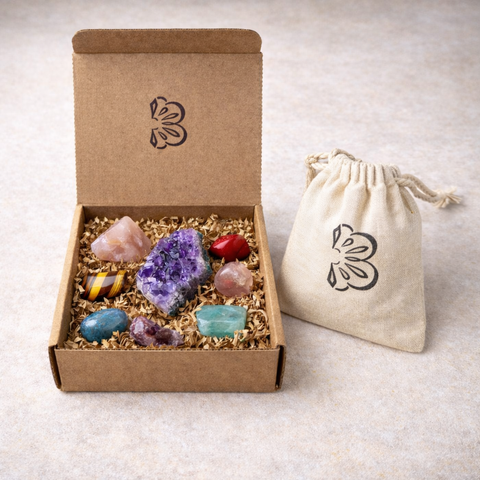
 Tumbled Stones
162 pieces
Tumbled Stones
162 pieces
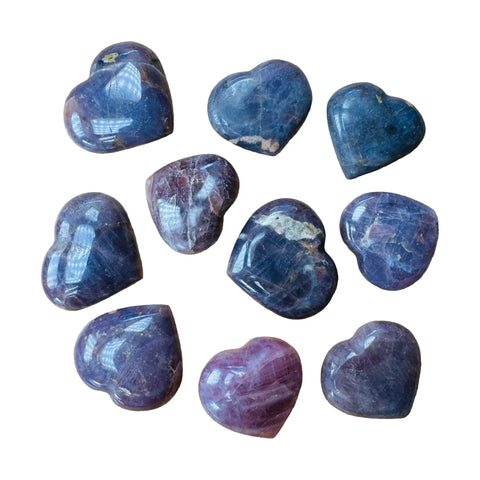
 Palm Stones
25 pieces
Palm Stones
25 pieces
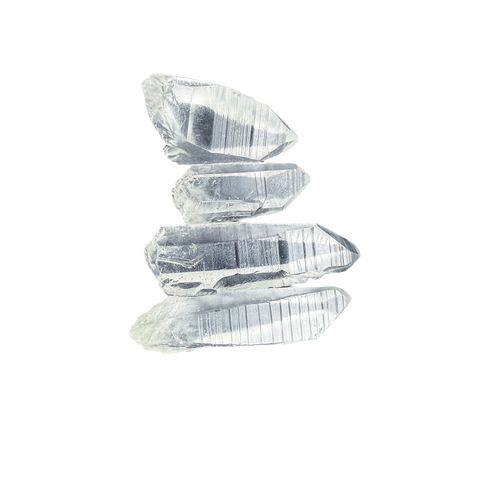
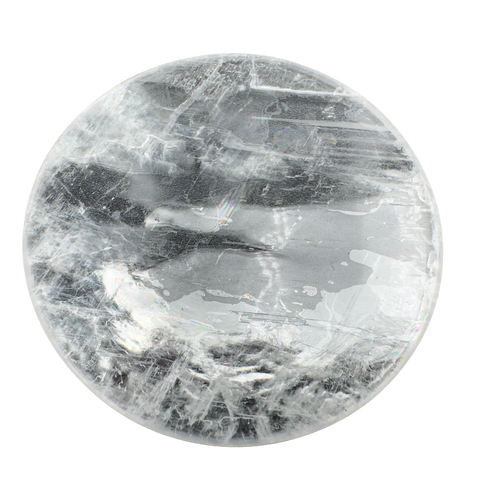
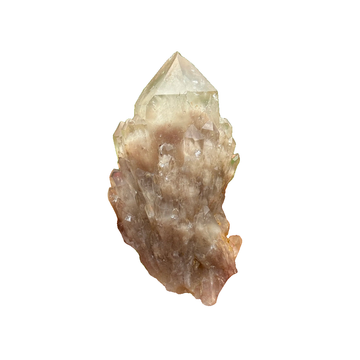
 Crystal Points
23 pieces
Crystal Points
23 pieces
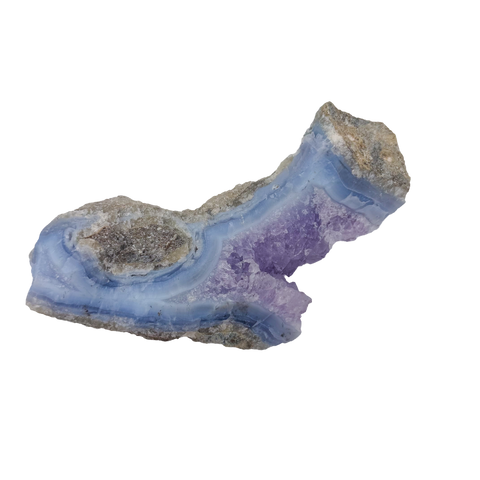
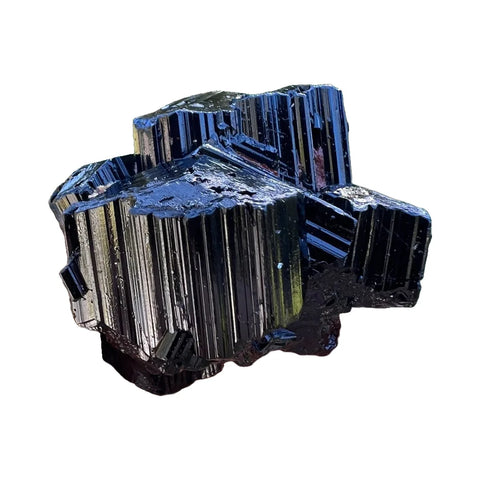
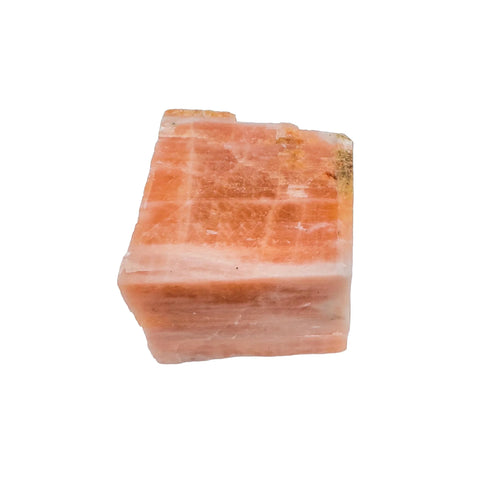
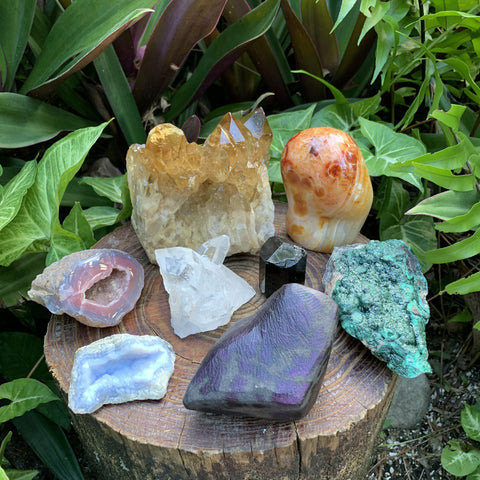
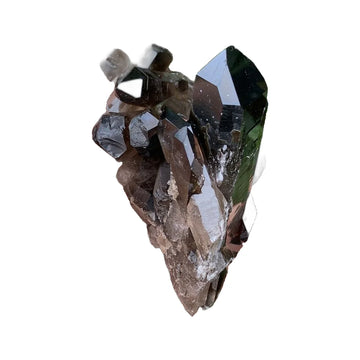
 Clusters & Geodes
104 pieces
Clusters & Geodes
104 pieces
 Polished & Decor
148 pieces
Polished & Decor
148 pieces
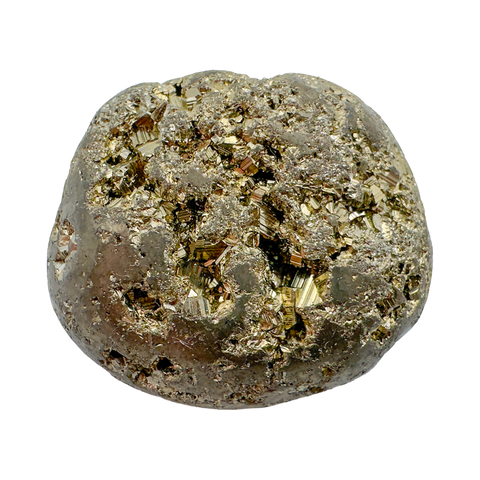
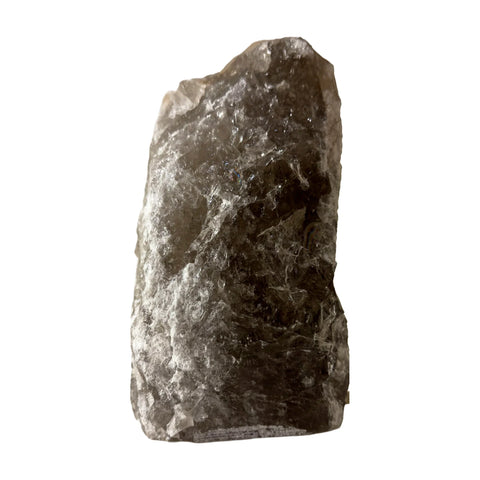
 Mineral Specimens
259 collector pieces
Mineral Specimens
259 collector pieces
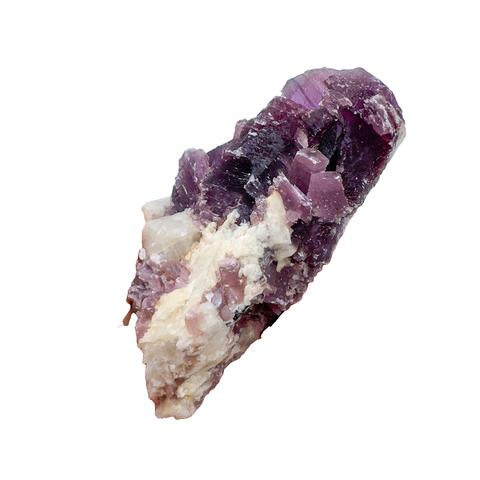
 Crystal Chips
21 pieces
Browse everything
Every collection, one page.
View All Collections →
Crystal Chips
21 pieces
Browse everything
Every collection, one page.
View All Collections →


 Aries
Mar 21 – Apr 19
Carnelian
›
Aries
Mar 21 – Apr 19
Carnelian
›
 Taurus
Apr 20 – May 20
Rose Quartz
›
Taurus
Apr 20 – May 20
Rose Quartz
›
 Gemini
May 21 – Jun 20
Agate
›
Gemini
May 21 – Jun 20
Agate
›
 Cancer
Jun 21 – Jul 22
Moonstone
›
Cancer
Jun 21 – Jul 22
Moonstone
›
 Leo
Jul 23 – Aug 22
Citrine
›
Leo
Jul 23 – Aug 22
Citrine
›
 Virgo
Aug 23 – Sep 22
Amazonite
›
Virgo
Aug 23 – Sep 22
Amazonite
›
 Libra
Sep 23 – Oct 22
Blue Lace Agate
›
Libra
Sep 23 – Oct 22
Blue Lace Agate
›
 Scorpio
Oct 23 – Nov 21
Obsidian
›
Scorpio
Oct 23 – Nov 21
Obsidian
›
 Sagittarius
Nov 22 – Dec 21
Sodalite
›
Sagittarius
Nov 22 – Dec 21
Sodalite
›
 Capricorn
Dec 22 – Jan 19
Black Tourmaline
›
Capricorn
Dec 22 – Jan 19
Black Tourmaline
›
 Aquarius
Jan 20 – Feb 18
Amethyst
›
Aquarius
Jan 20 – Feb 18
Amethyst
›
 Pisces
Feb 19 – Mar 20
Aquamarine
›
Gifting?
A birthday stone is the safe bet.
Read the zodiac guide →
Pisces
Feb 19 – Mar 20
Aquamarine
›
Gifting?
A birthday stone is the safe bet.
Read the zodiac guide →


Blue John Fluorite
Blue John is a rare banded variety of fluorite found in just one place on Earth, the hills above Castleton in Derbyshire, England. Its ribbons of blue, purple, and honey yellow have been carved into ornaments for more than two centuries. Real Blue John is scarce, which makes knowing its story worthwhile.
The geology.
Blue John is fluorite, calcium fluoride (CaF2), the same mineral as fluorite everywhere, distinguished by its unusual banding in blue to purple and yellow to amber. It forms in the isometric (cubic) crystal system, sits at 4 on the Mohs scale, and shows fluorite's characteristic octahedral cleavage, which makes it lovely but fragile.
The color banding is generally attributed to tiny amounts of hydrocarbons and defects in the crystal structure rather than to added minerals. The name most likely comes from the French bleu et jaune, blue and yellow, describing the two colors that define the stone.
The origins.
Blue John comes from one small area, the Blue John Cavern and Treak Cliff Cavern near Castleton in the Derbyshire Peak District. No other confirmed source of this banded material exists anywhere in the world, which is what makes genuine Blue John so limited.
Only a small quantity is worked each year, carefully, to preserve the deposit, and most now goes into small jewelry and turned ornaments rather than the large vases of the past. Because supply is tiny and demand is high, imitation is common, so documented Castleton provenance matters.
Traditional associations.
As a fluorite, Blue John is traditionally associated with a clear and orderly mind. Many people work with fluorite for focus, mental organization, and calm concentration, and Blue John carries that reputation along with a strong sense of place and heritage.
It is most often linked with the Third Eye chakra and the sign Capricorn. For many collectors its main pull is not metaphysical at all but historical, owning a piece of a genuinely rare English stone with a two-hundred-year story.
Spotting the real thing.
Genuine Blue John shows soft, irregular banding in blue-purple and yellow within a translucent body, and it is soft enough that it will not scratch glass. The single most important check is provenance. Real Blue John comes only from Castleton, so a trustworthy seller can say where a piece was worked.
Be cautious of vivid, evenly striped purple and yellow fluorite sold cheaply as Blue John, which is usually banded fluorite from China or elsewhere, sometimes dyed. Very large flawless carvings at low prices are another warning sign, since real material rarely comes in big clean pieces. When the price seems too easy, the stone is probably not Castleton Blue John.
Care & handling.
Blue John needs real care. At 4 on the Mohs scale with perfect octahedral cleavage it scratches and chips easily and can cleave from a sharp knock, so treat it as a display or occasional-wear piece rather than daily jewelry. Store it padded and on its own.
Keep it out of direct sun and away from heat, which can affect both the color and the resin used to stabilize it, and clean it only with a soft dry or barely damp cloth. Skip water soaks, salt, and chemicals. For an energetic reset, dry methods like moonlight or sound are safest.
Pairs well with.
A deeper look.
Extended geology, sourcing, authentication, history, and varieties, for when the quick guide isn't quite enough.
Extended geology
Fluorite is calcium fluoride, CaF2, crystallizing in the isometric system, typically as cubes and octahedra, with a hardness of 4 and perfect octahedral cleavage. Blue John is a massive, banded variety rather than distinct crystals. Its blue and purple coloration is generally attributed to structural defects and traces of hydrocarbons rather than to a metallic chromophore, and old accounts note it can show faint fluorescence. Specific gravity is about 3.1, luster vitreous.
Extended sourcing
The deposits lie in Carboniferous limestone at Treak Cliff, above Castleton in the Derbyshire Peak District, worked for ornament since the eighteenth century. Historic annual output was measured in a few tons at most, and modern extraction is deliberately small to protect the remaining vein network. Because there is no second source, genuine Blue John is defined as much by locality as by look.
Authentication and warning signs
Provenance is everything with Blue John, because the material is defined by a single locality. Genuine pieces show soft, natural banding in blue-purple and amber, are soft enough not to scratch glass, and are usually small owing to the fragile, resin-stabilized rough. Warning signs include bright, even, highly saturated purple-and-yellow banding, large flawless carvings, and low prices, all of which point to banded or dyed fluorite from other countries sold under the Blue John name. Ask the seller directly where the piece was worked.
History and folklore
Blue John has been mined for ornament near Castleton since about the 1760s and 1770s, reaching peak popularity in Georgian and Victorian England, when it was turned into vases, urns, and inlays for grand houses. Because the stone is too fragile to carve like harder gems, craftspeople developed the practice of stabilizing it with resin and turning it on a lathe. Antique Blue John pieces are now collector items in their own right.
Varieties and trade names
Blue John is itself a variety of fluorite, and within it collectors recognize different named vein patterns from the Castleton mines, each with its own coloring and banding.
Ordinary fluorite from around the world comes in purple, green, blue, yellow, and clear, and rainbow banded fluorite is common, but none of it is Blue John unless it is from Castleton.
The frequent imitation is dyed or naturally banded fluorite from other countries marketed under the Blue John name.
What it costs in the market
Because supply is tiny, genuine Blue John carries a premium. Small stabilized cabochons and jewelry stones: often tens of dollars and up. Turned ornaments and larger carvings: hundreds to thousands of dollars depending on size, banding, and age. Antique pieces are valued separately as collector items. Documented Castleton provenance is a large part of what you pay for.
An education-first guide.
We don't currently carry Blue John, so there's nothing to sell you here. This guide exists because the more you understand a stone, the better every decision you make about it becomes, wherever you buy it. Explore the rest of our crystal guides for stones we do source, each with full origin and treatment notes.
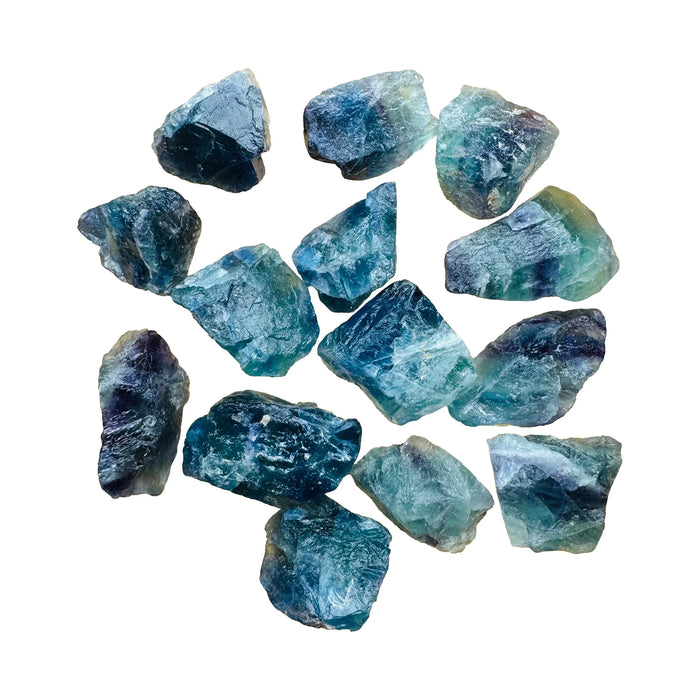
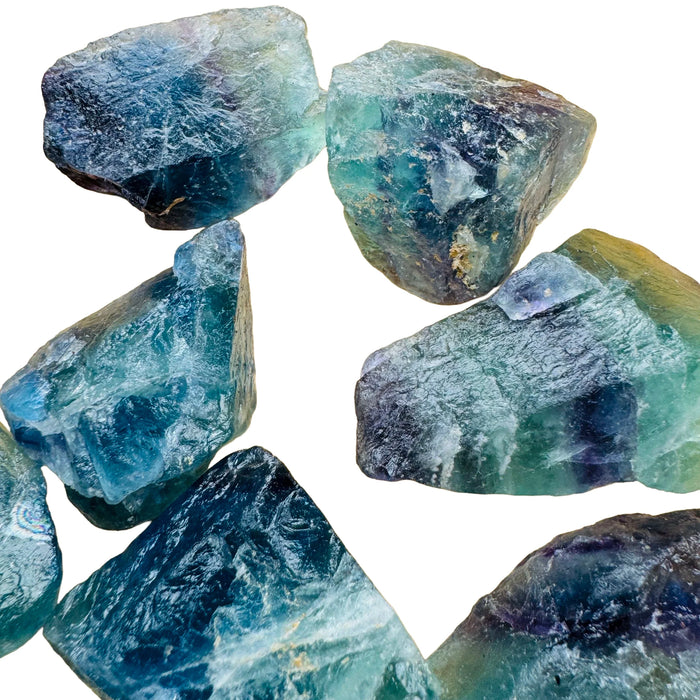
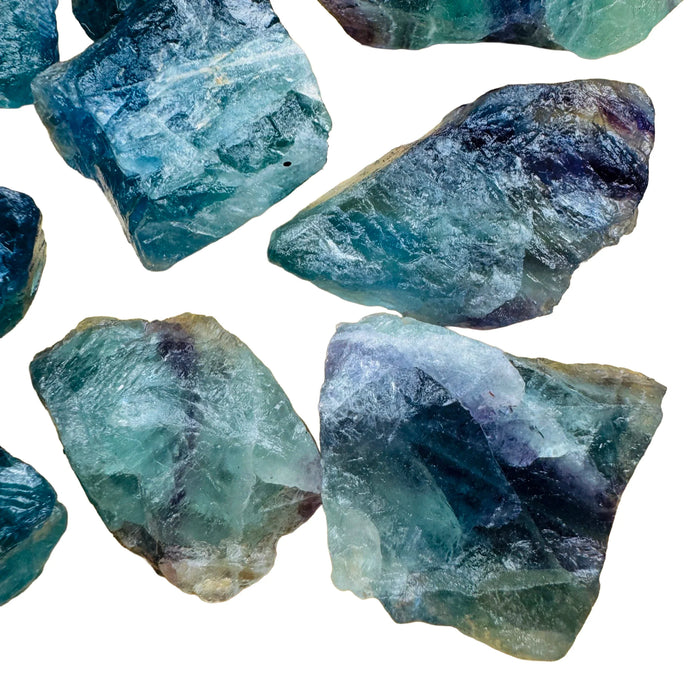
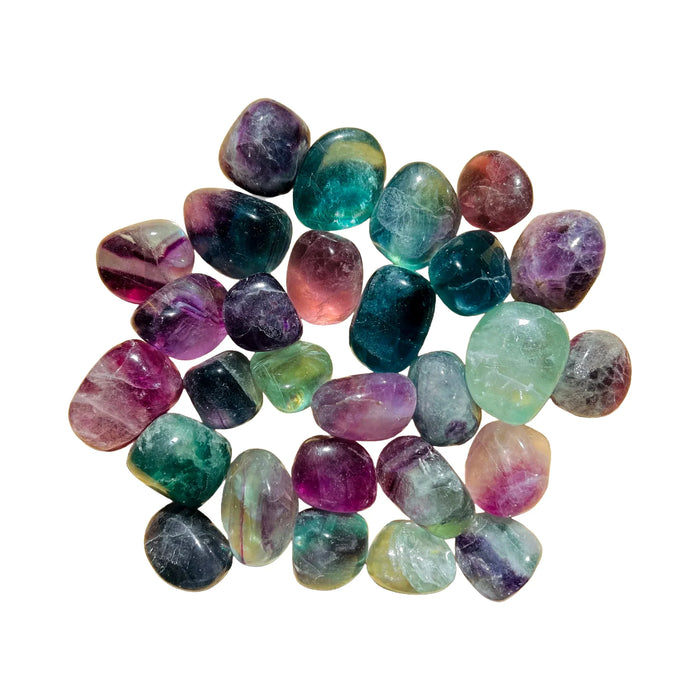
Explore the Crystal GuideThe closest match we carry: Fluorite.
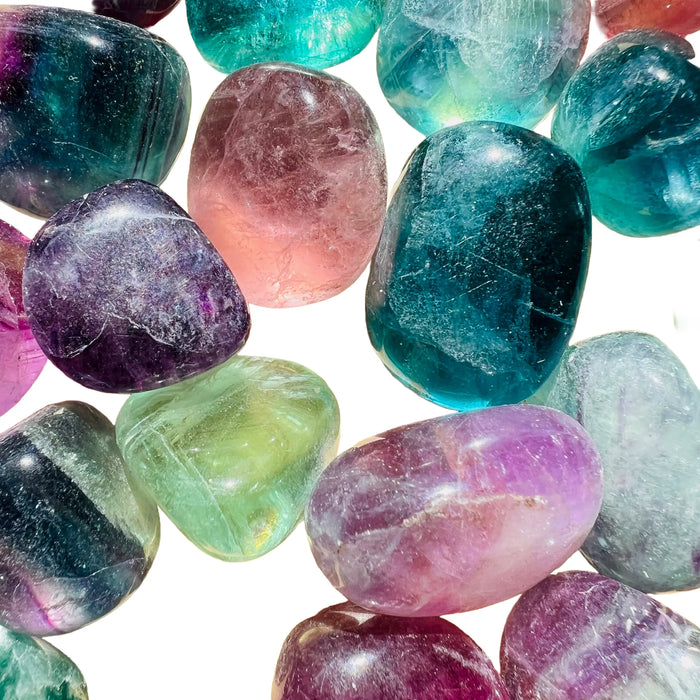
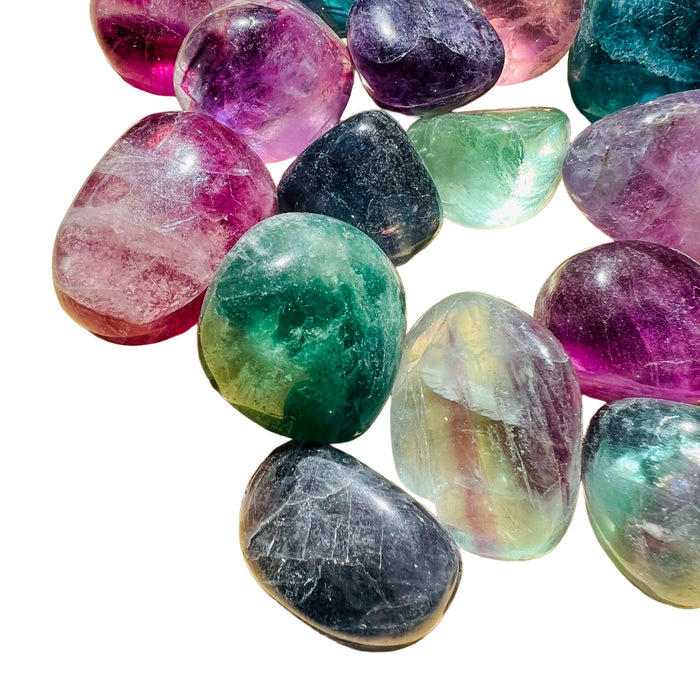
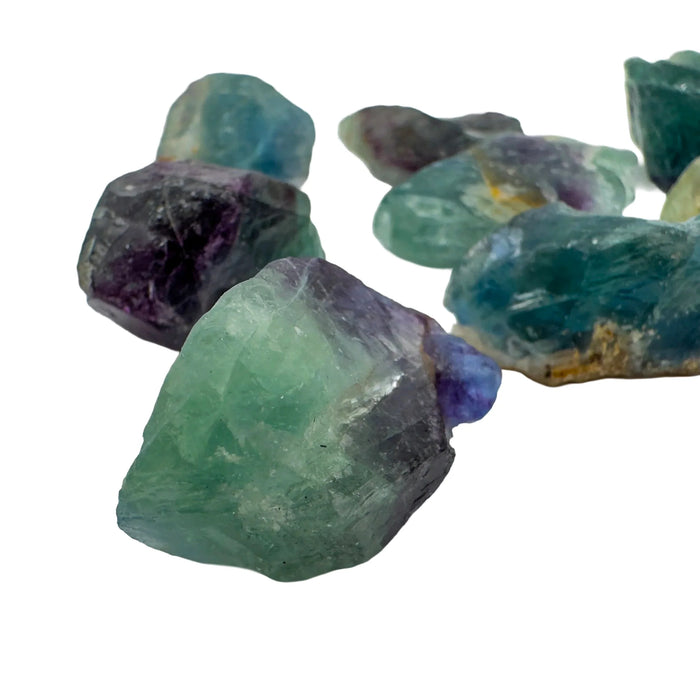
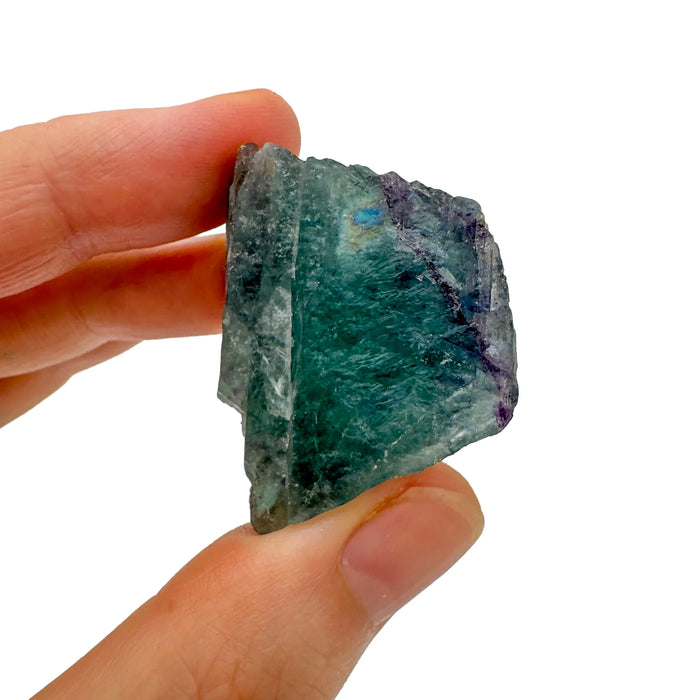
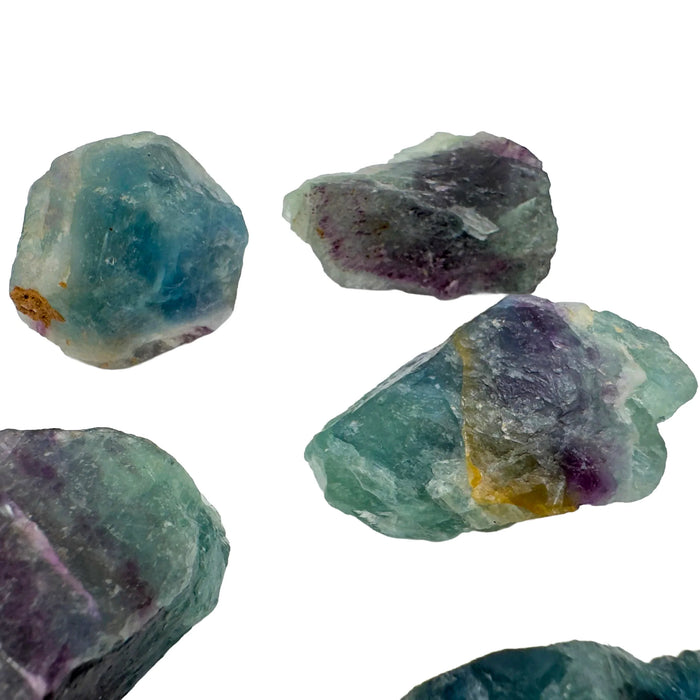
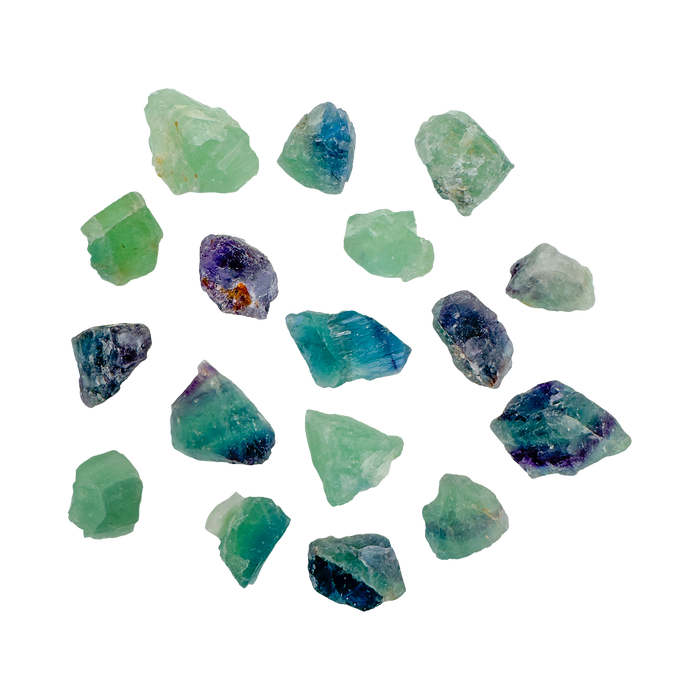
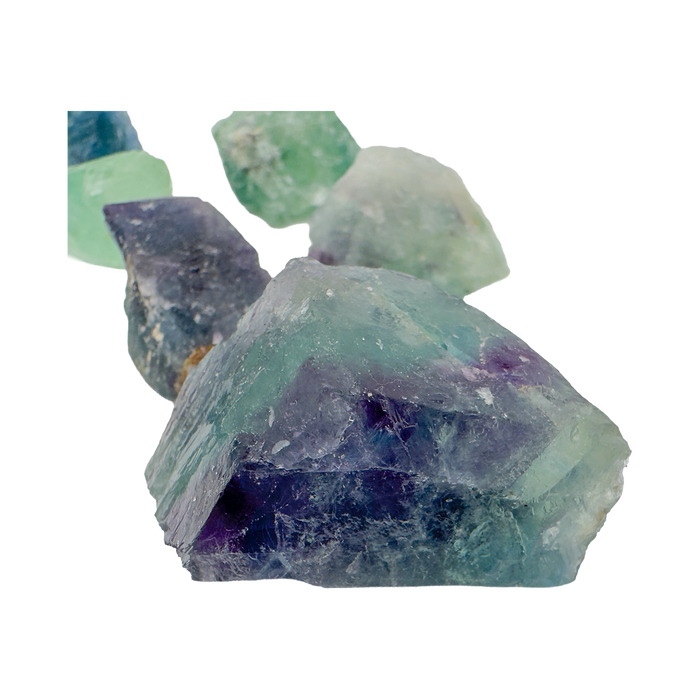
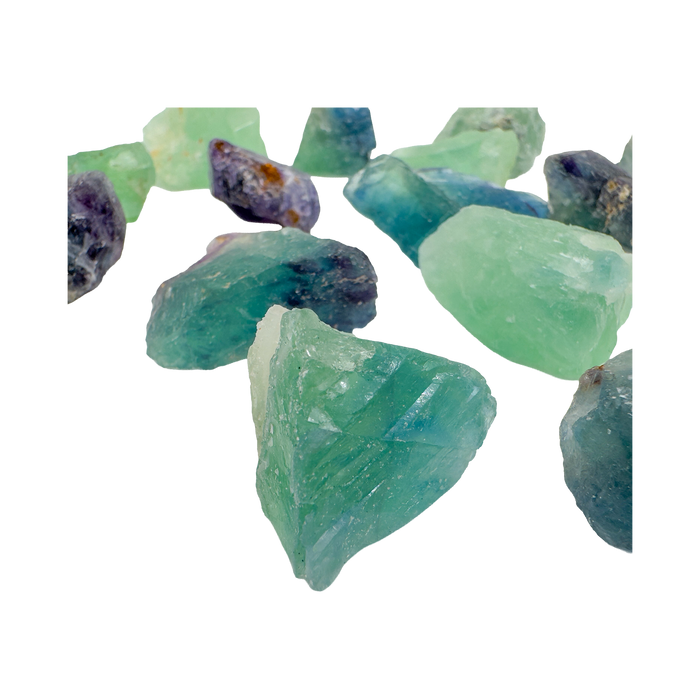
Blue John Fluorite is not something we carry. Fluorite is the closest match in our collection, and every piece passes our sourcing standards: origin named, treatments disclosed.
- from 1,000+ reviews
- Ships within 72 hoursMonday to Friday, tracked
- 90 days to return itif you do not love it
- Free US shipping over $99$8.99 flat rate under
The Slow Note
New stones go to the list first.
No forwarding, no selling. Unsubscribe in one click. Privacy