


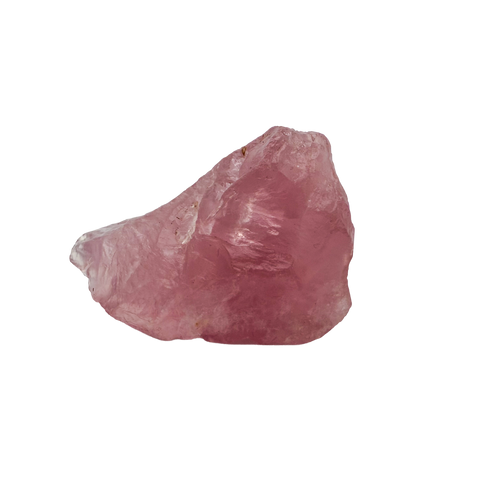
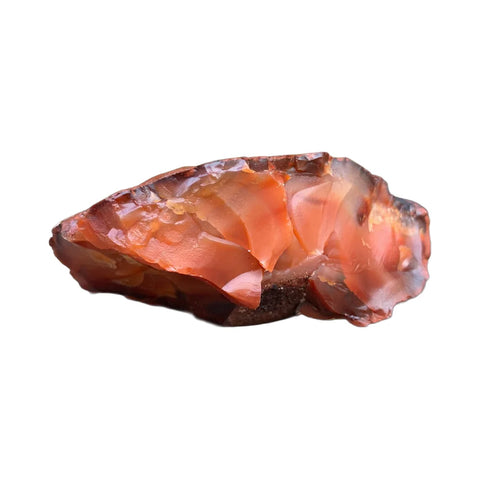
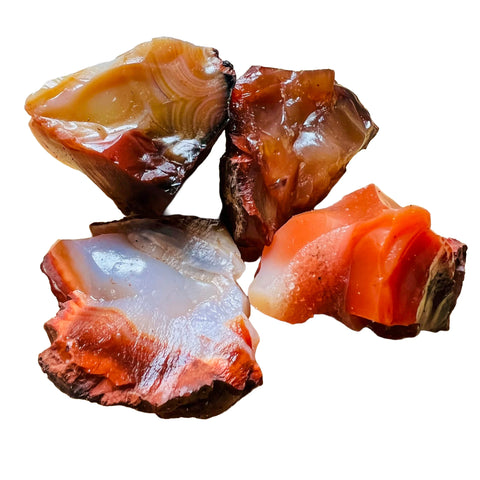


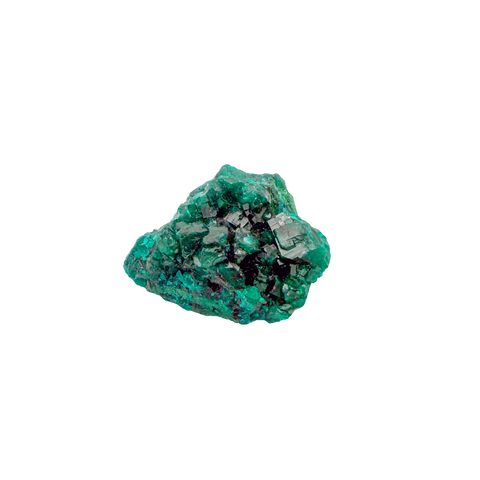
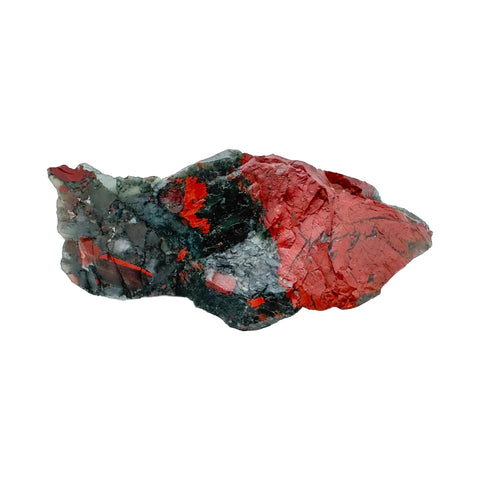
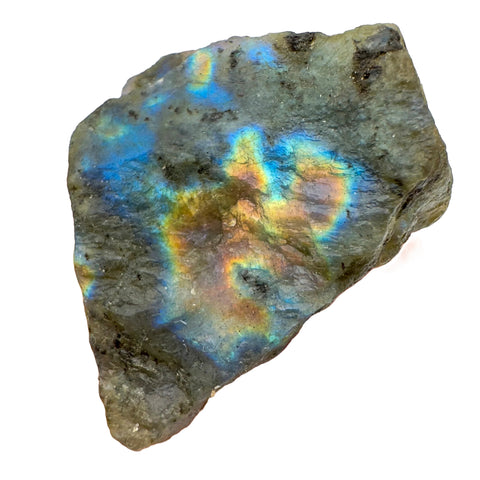
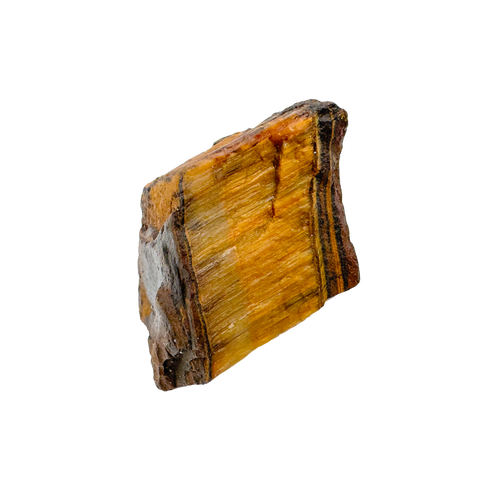
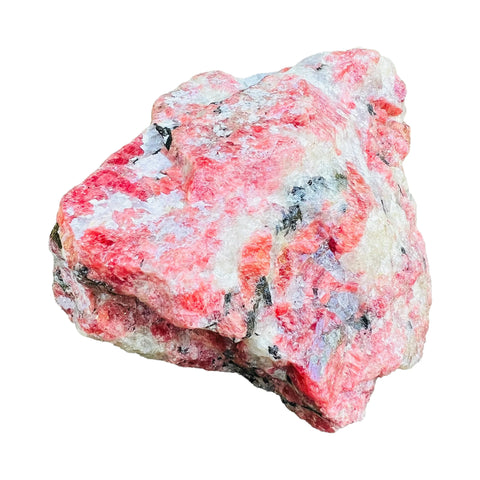
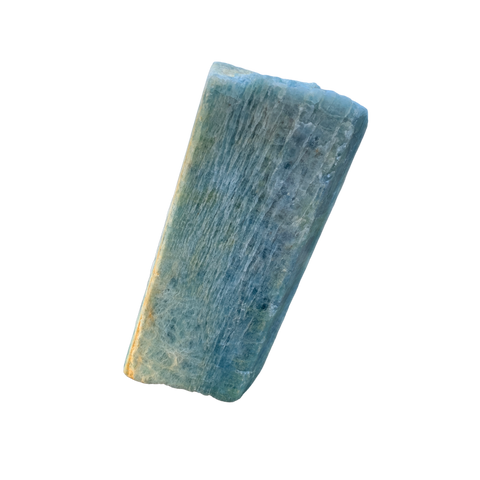
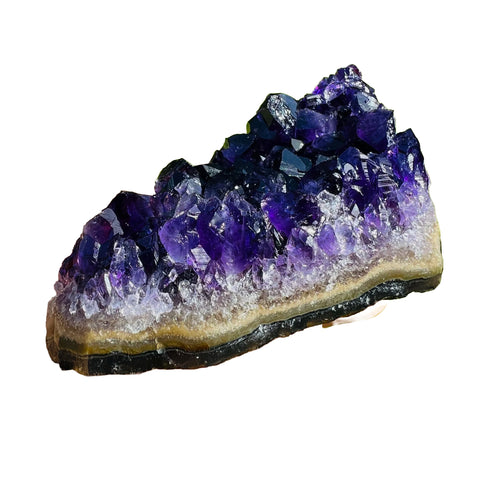



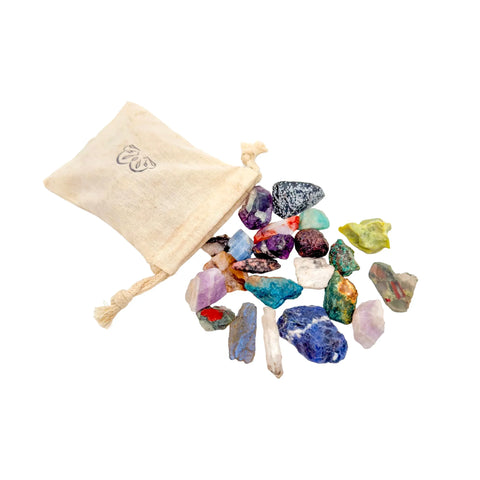

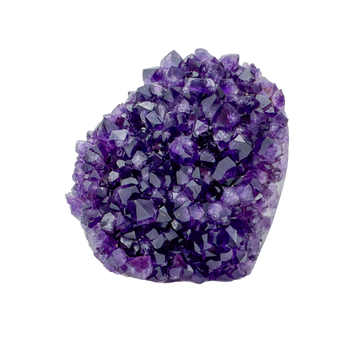
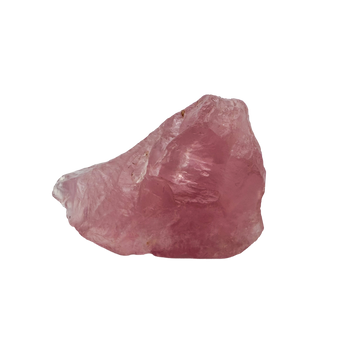
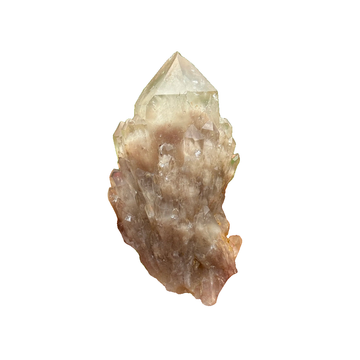
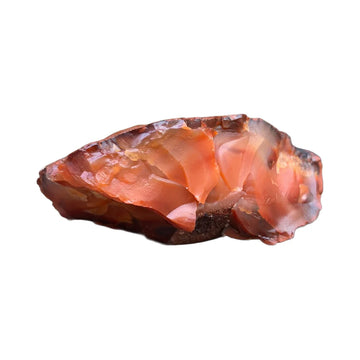
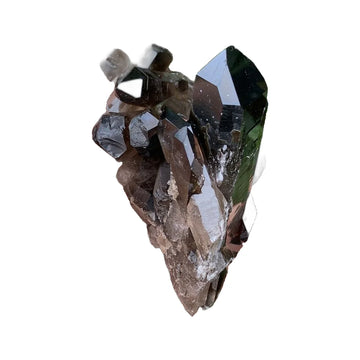
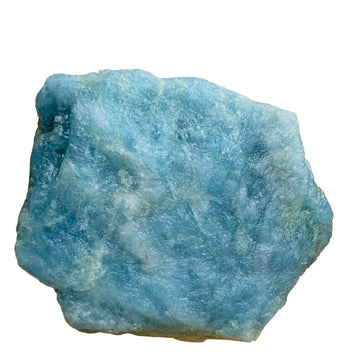
 Raw Stones
180 pieces
Raw Stones
180 pieces
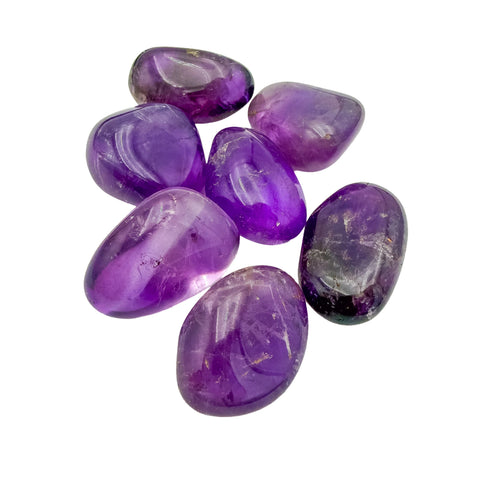
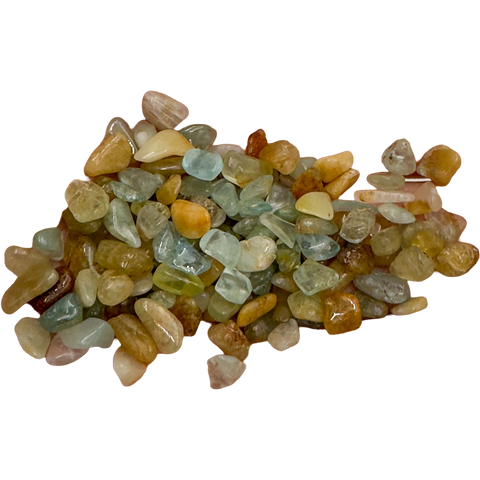
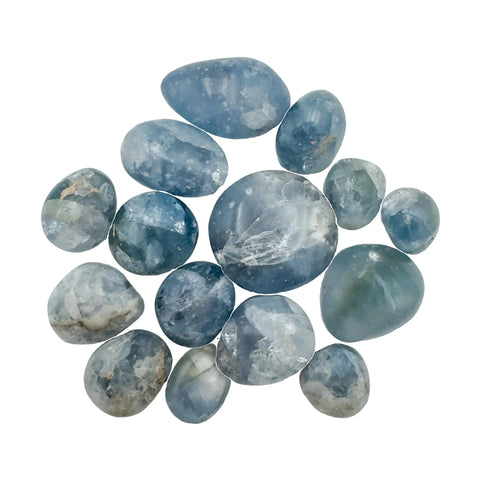
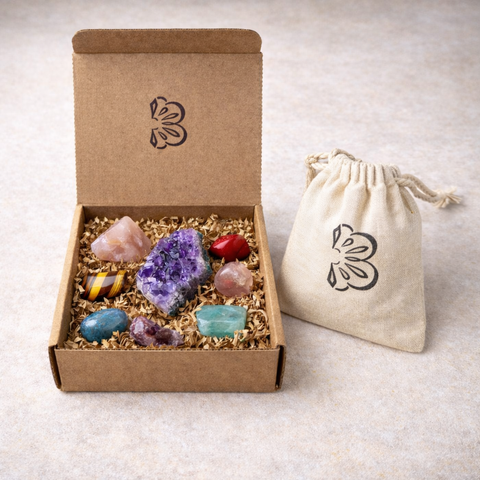
 Tumbled Stones
162 pieces
Tumbled Stones
162 pieces
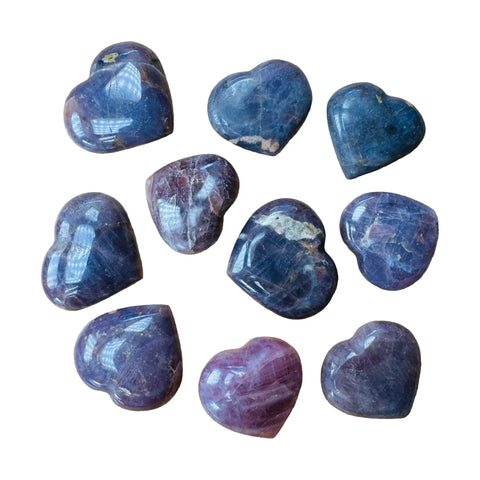
 Palm Stones
26 pieces
Palm Stones
26 pieces
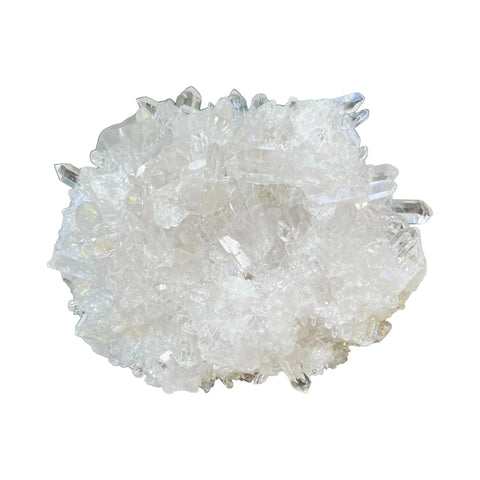
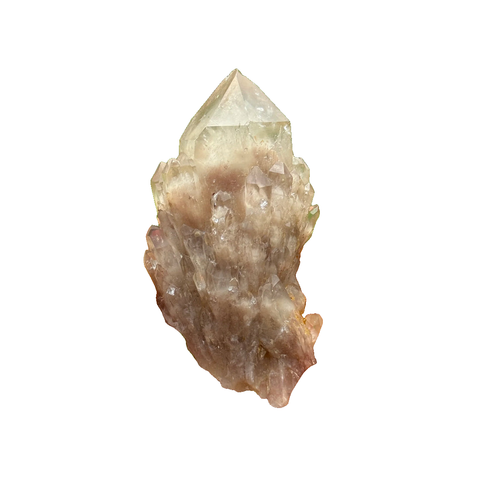
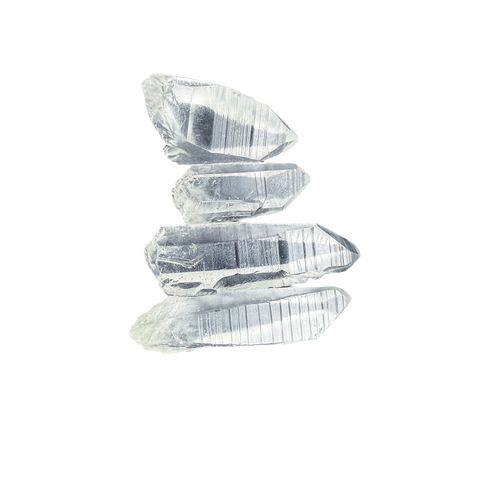
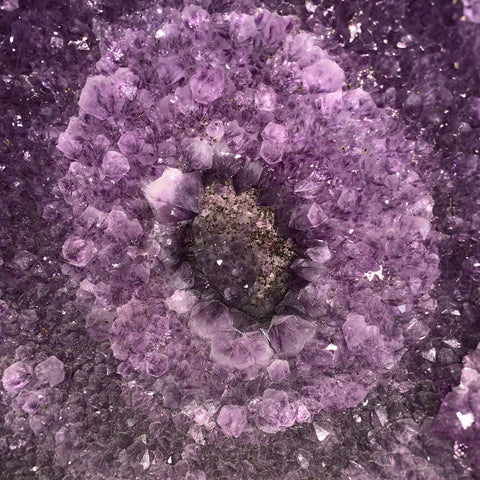
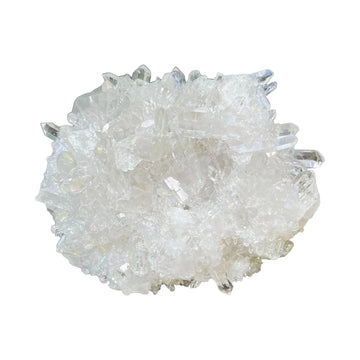
 Crystal Points
23 pieces
Crystal Points
23 pieces
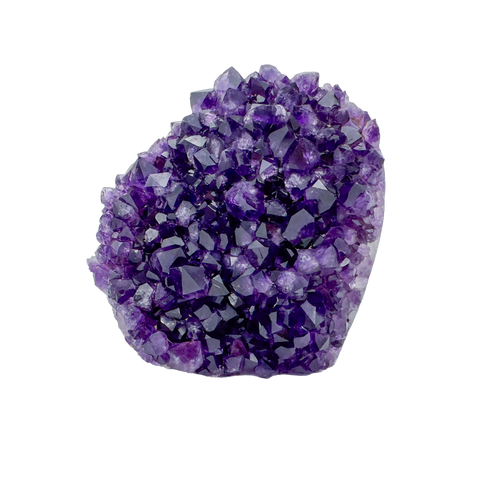
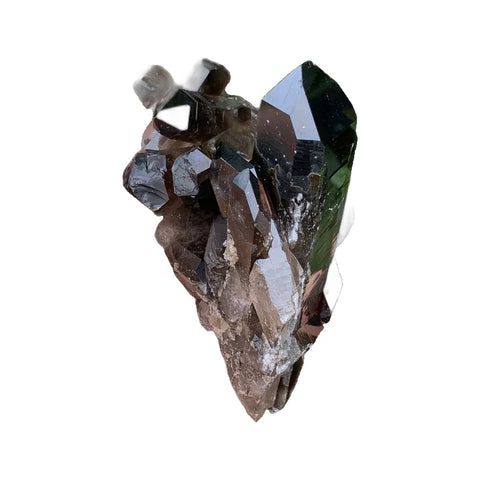
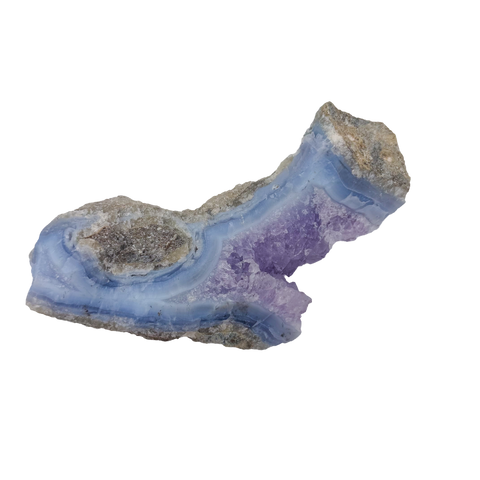
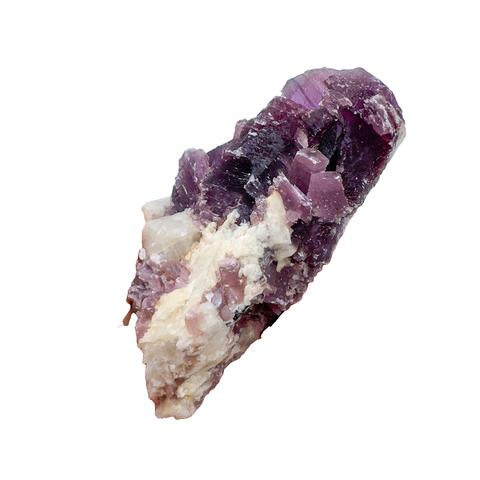
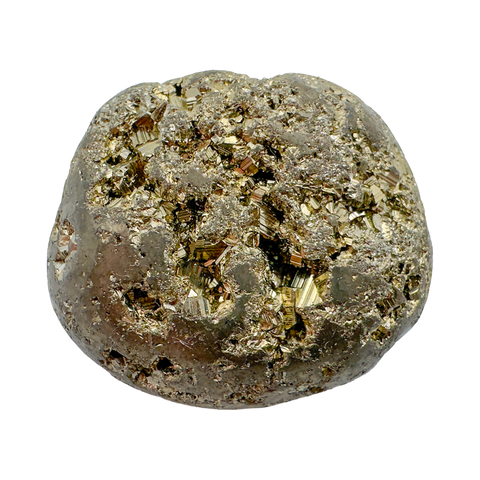
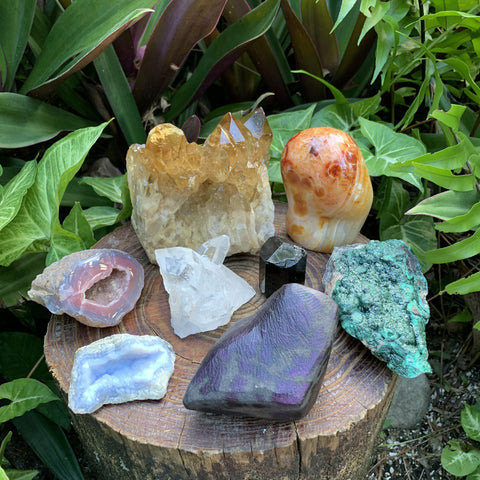
 Clusters & Geodes
112 pieces
Clusters & Geodes
112 pieces
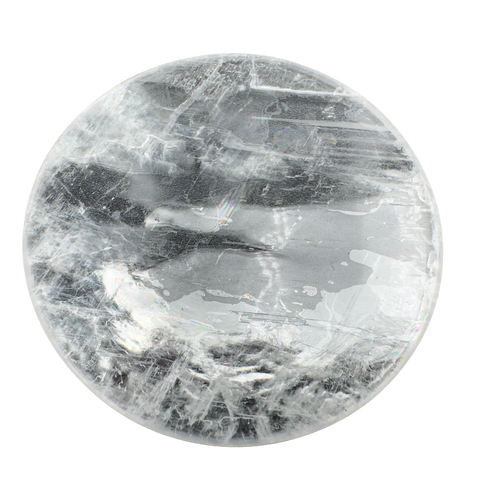
 Polished & Decor
155 pieces
Polished & Decor
155 pieces
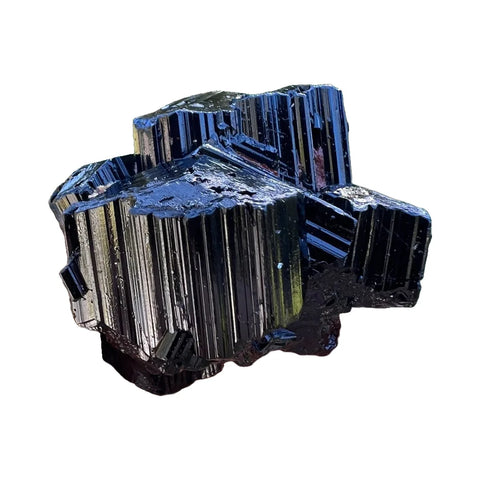
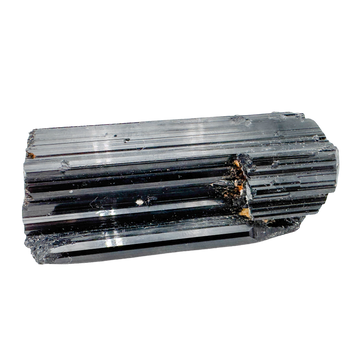
 Mineral Specimens
269 collector pieces
Mineral Specimens
269 collector pieces
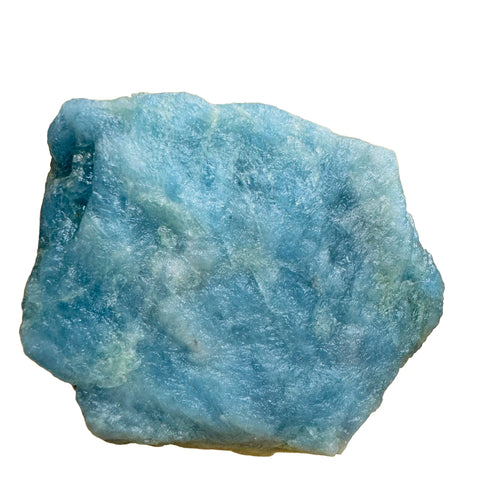
 Crystal Chips
21 pieces
Browse everything
Every collection, one page.
View All Collections →
Crystal Chips
21 pieces
Browse everything
Every collection, one page.
View All Collections →


 Aries
Mar 21 – Apr 19
Carnelian
›
Aries
Mar 21 – Apr 19
Carnelian
›
 Taurus
Apr 20 – May 20
Rose Quartz
›
Taurus
Apr 20 – May 20
Rose Quartz
›
 Gemini
May 21 – Jun 20
Agate
›
Gemini
May 21 – Jun 20
Agate
›
 Cancer
Jun 21 – Jul 22
Moonstone
›
Cancer
Jun 21 – Jul 22
Moonstone
›
 Leo
Jul 23 – Aug 22
Citrine
›
Leo
Jul 23 – Aug 22
Citrine
›
 Virgo
Aug 23 – Sep 22
Amazonite
›
Virgo
Aug 23 – Sep 22
Amazonite
›
 Libra
Sep 23 – Oct 22
Blue Lace Agate
›
Libra
Sep 23 – Oct 22
Blue Lace Agate
›
 Scorpio
Oct 23 – Nov 21
Obsidian
›
Scorpio
Oct 23 – Nov 21
Obsidian
›
 Sagittarius
Nov 22 – Dec 21
Sodalite
›
Sagittarius
Nov 22 – Dec 21
Sodalite
›
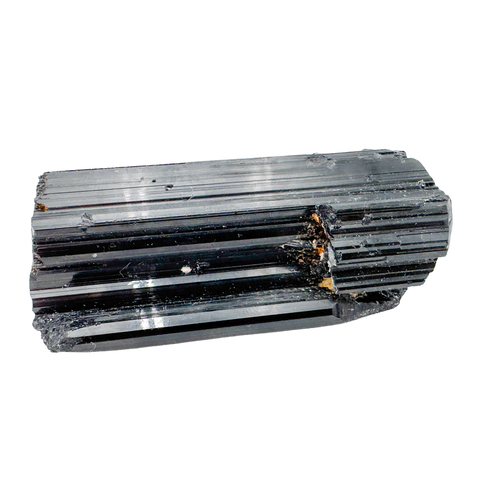
 Capricorn
Dec 22 – Jan 19
Black Tourmaline
›
Capricorn
Dec 22 – Jan 19
Black Tourmaline
›
 Aquarius
Jan 20 – Feb 18
Amethyst
›
Aquarius
Jan 20 – Feb 18
Amethyst
›
 Pisces
Feb 19 – Mar 20
Aquamarine
›
Gifting?
A birthday stone is the safe bet.
Read the zodiac guide →
Pisces
Feb 19 – Mar 20
Aquamarine
›
Gifting?
A birthday stone is the safe bet.
Read the zodiac guide →



Peacock Ore
Peacock ore is a trade name for iridescent copper sulfide minerals. Most sold in shops is chalcopyrite that has been acid-treated to create vivid blue and purple rainbow tarnish. True natural peacock ore is bornite, which tarnishes more gently and is less common. We lead with that, because knowing which one you have is the whole point.
The geology.
Peacock ore is a trade name for iridescent copper sulfide minerals, and two different things are sold under it. Traditionally, peacock ore meant bornite, a copper iron sulfide (Cu5FeS4) that naturally tarnishes to a blue and purple sheen. Most of what is sold today, though, is chalcopyrite (CuFeS2), a related brassy sulfide that has been acid-treated to force a vivid rainbow tarnish.
Both are genuine copper minerals, soft at about 3 to 4 on the Mohs scale, with a metallic luster. Chalcopyrite crystallizes in the tetragonal system and bornite in the orthorhombic. The difference that matters to a buyer is that the electric blue and purple peacock ore in most shops is a treated surface on chalcopyrite, while natural bornite tarnish tends to be subtler and is less common.
The origins.
Copper sulfide minerals are common worldwide, mined as copper ore in the United States, Mexico, Peru, Chile, China, and many other countries. So the raw material behind peacock ore is not rare. What varies is whether the colorful iridescence is natural or created.
Here is the honest part. The intensely colorful peacock ore at most shops and shows is chalcopyrite treated with acid, which builds a thin oxidized film that flashes blue, purple, gold, and green. Natural bornite develops a gentler, less uniform iridescence on its own and is genuinely less common in that vivid form. Neither is fake, both are real minerals, but the vivid tarnish is usually enhanced.
Traditional associations.
Peacock ore is often called a stone of joy in modern crystal practice, a lighthearted association tied straight to its bright, celebratory colors. Because much of the material is treated and the name covers two minerals, its metaphysical reputation is modern rather than ancient.
Many people work with peacock ore around happiness, positivity, and energy, drawn to its cheerful iridescence. It is loosely associated with all of the chakras and the element of Fire. A common practice is to keep a small piece somewhere it catches the light as a bright, uplifting focal point.
Spotting the real thing.
The honest question with peacock ore is natural versus treated, not real versus fake, since both bornite and chalcopyrite are genuine minerals. Very vivid, evenly rainbow-colored pieces are usually acid-treated chalcopyrite. Natural bornite tarnish is typically patchier and more muted, and a fresh break shows a reddish-bronze color that dulls to blue and purple over time.
Under the colorful surface, both minerals are soft copper sulfides that can be scratched easily. If a seller markets a brilliantly iridescent piece as rare natural bornite at a premium, it is worth asking whether it is treated chalcopyrite instead. Clear labeling of natural bornite versus treated chalcopyrite is the sign of an honest source.
Care & handling.
Peacock ore is soft and delicate at 3 to 4 on the Mohs scale, and the colorful film is only skin deep, so treat it as a display specimen. Handle it lightly, since fingering the surface and knocks can wear or dull the iridescence, and keep it away from harder stones.
Keep peacock ore dry. Never soak it, and avoid salt, acids, and ultrasonic cleaners, since it is a copper sulfide and moisture and chemicals can corrode the surface and alter the colors. Dust it with a soft, dry brush. As with any sulfide mineral, wash your hands after handling and keep it away from food.
Pairs well with.
A deeper look.
Extended geology, sourcing, natural versus treated, history, and varieties, for when the quick guide isn't quite enough.
Extended geology
The two minerals behind peacock ore are chalcopyrite and bornite, both copper iron sulfides and both important copper ores. Chalcopyrite, CuFeS2, is brassy yellow when fresh, crystallizes in the tetragonal system, and is the most common copper mineral on Earth. Bornite, Cu5FeS4, is reddish-bronze when fresh, crystallizes in the orthorhombic system, and tarnishes readily to iridescent blues and purples, which earned it the peacock ore name.
Both are soft, around 3 to 4 on the Mohs scale, with a metallic luster and a dark, greenish-black streak. The iridescence on either mineral is a thin surface oxidation film that splits light into color. On natural bornite this film forms slowly on its own, while on treated chalcopyrite it is produced quickly with acid.
Extended sourcing
As major copper ores, chalcopyrite and bornite are mined worldwide, including in the United States, Mexico, Peru, Chile, China, and across Europe and Africa. The mineral itself is abundant and inexpensive, which is part of why treated chalcopyrite is so common in the crystal trade.
The vivid peacock coloring is generally a workshop step rather than a product of any particular locality. Pieces are treated with acid to develop the bright film after mining, so the origin of the colorful specimen you buy is often more about processing than about a specific mine.
Natural versus treated
This is the heart of buying peacock ore well. Intensely and evenly colored, glossy blue-purple-gold pieces are almost always acid-treated chalcopyrite. Natural bornite shows a more uneven, muted tarnish, often over a bronzy base, and typically develops more character as it ages. A fresh, unbroken bronze surface that slowly shifts toward blue and purple points to genuine natural bornite.
Neither treated chalcopyrite nor natural bornite is a fake, since both are real minerals, but they are not the same product and should not be priced or sold as if they were. The honest approach, and the one to look for in a seller, is to name whether a piece is natural bornite or acid-treated chalcopyrite.
History and folklore
Bornite is named after Ignaz von Born, an eighteenth-century Austrian mineralogist. The nickname peacock ore comes from the bird-like flash of its tarnish. Its use as a decorative and metaphysical stone is recent, and the widespread acid treatment of chalcopyrite to imitate the look is a modern commercial practice rather than a traditional one.
Because of this, peacock ore carries lighthearted, contemporary associations of joy and positivity rather than deep historical lore. Understanding that the bright color is often enhanced does not lessen the stone, it simply keeps expectations honest.
Varieties and trade names
Natural bornite: the traditional peacock ore, with a self-formed, often muted iridescence over a bronze base.
Treated chalcopyrite: acid-treated brassy sulfide with a vivid, even blue-purple-gold film, the most common peacock ore sold today.
Chalcopyrite crystals: untreated brassy specimens, sometimes with natural minor tarnish, valued by mineral collectors.
What it costs in the market
Treated chalcopyrite peacock ore is inexpensive, sold as small tumbles and clusters at low prices. Natural bornite specimens with genuine iridescence, and well-formed chalcopyrite crystals, can cost more and are valued by collectors. Value comes down to whether the piece is natural or treated, the quality of the specimen, and honest labeling.
An education-first guide.
We built this guide so the next time you see peacock ore, you will know its electric rainbow is usually acid-treated chalcopyrite, not the gentler natural tarnish of true bornite, and can buy it for what it is. Naming the treatment plainly is how we think about every stone, the ones we carry and the ones we do not. Explore the rest of our crystal guides for natural stones with full origin and treatment notes.
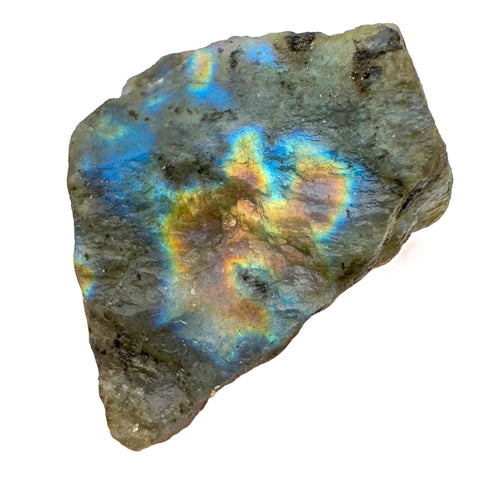
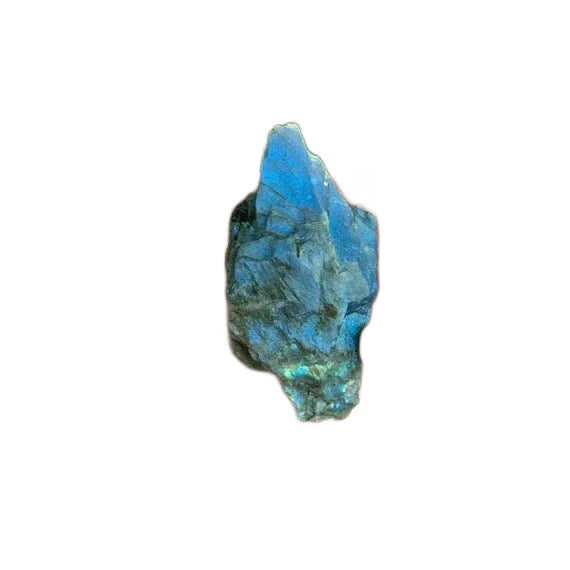
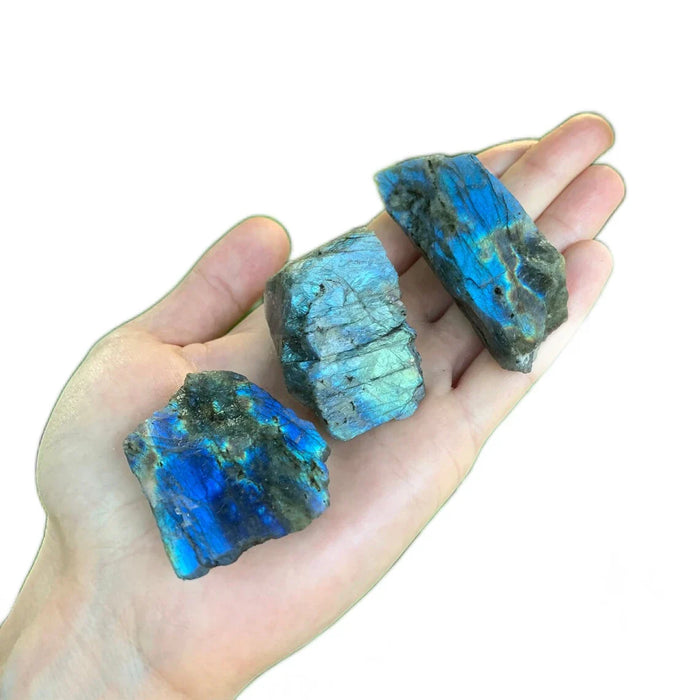
Explore the Crystal GuideLove Peacock Ore? Meet Labradorite.
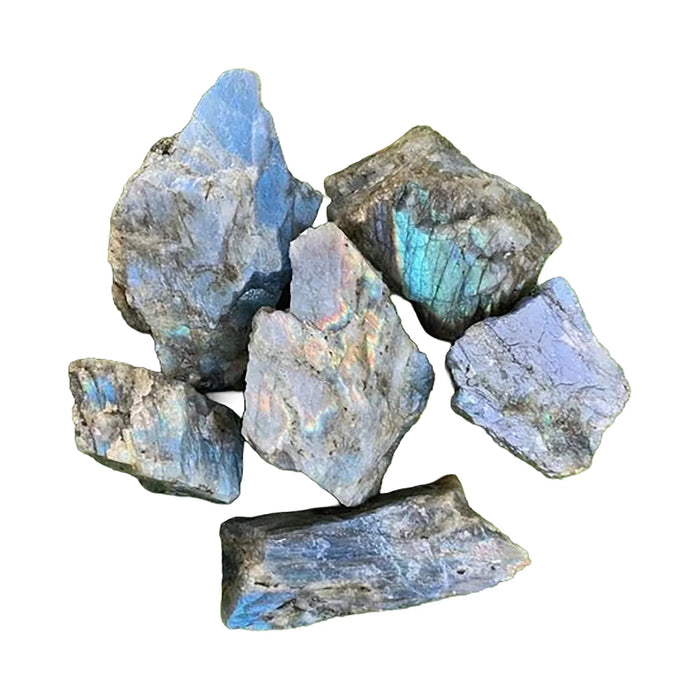
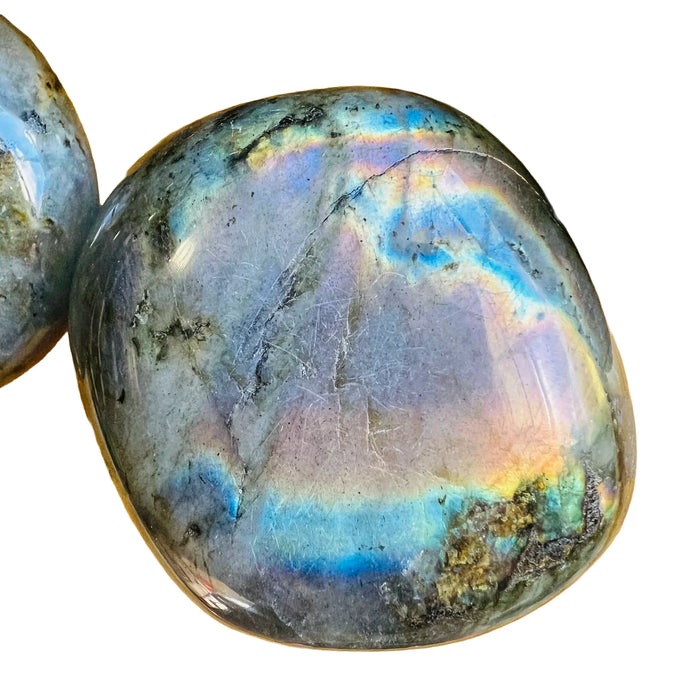
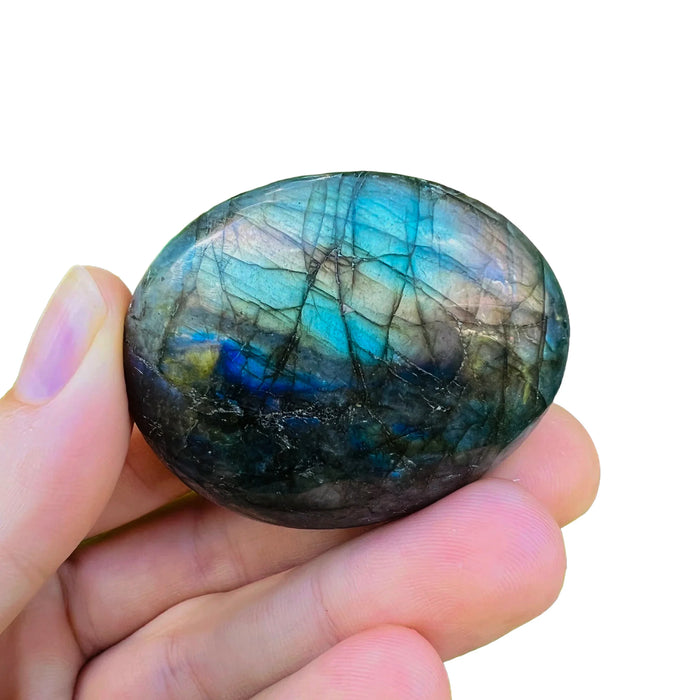
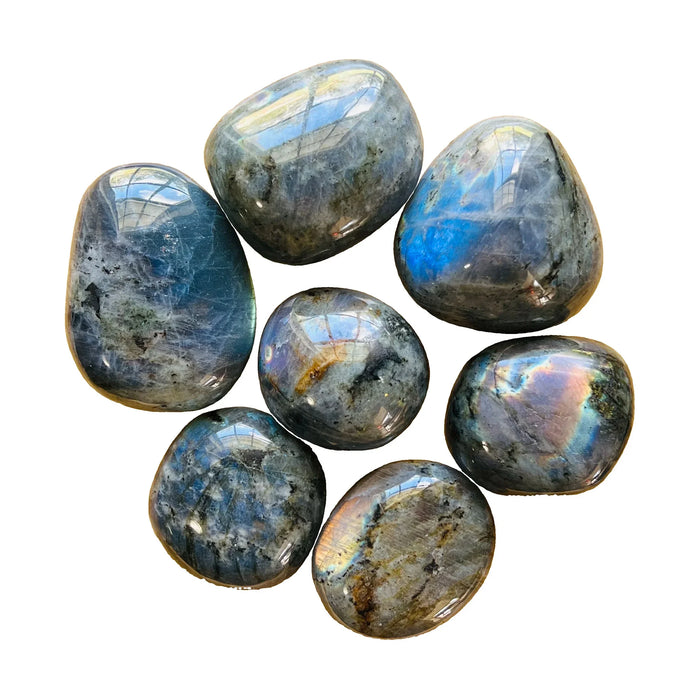
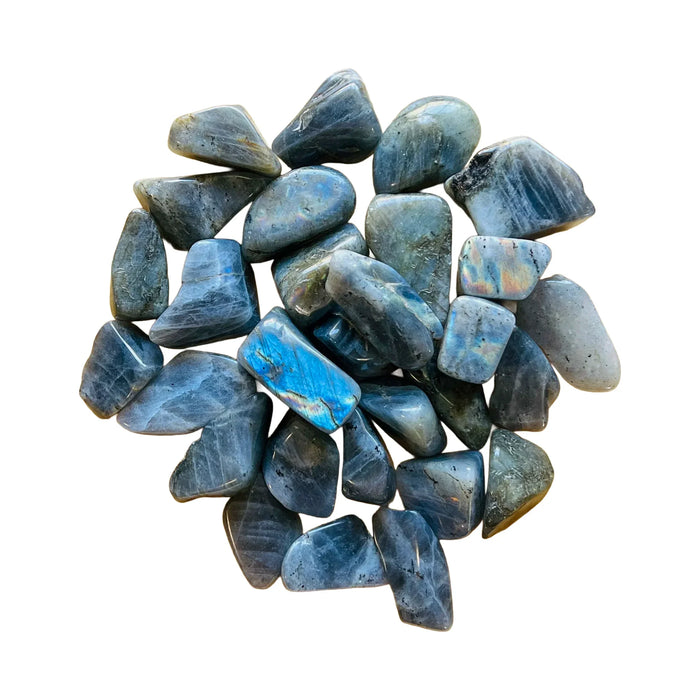
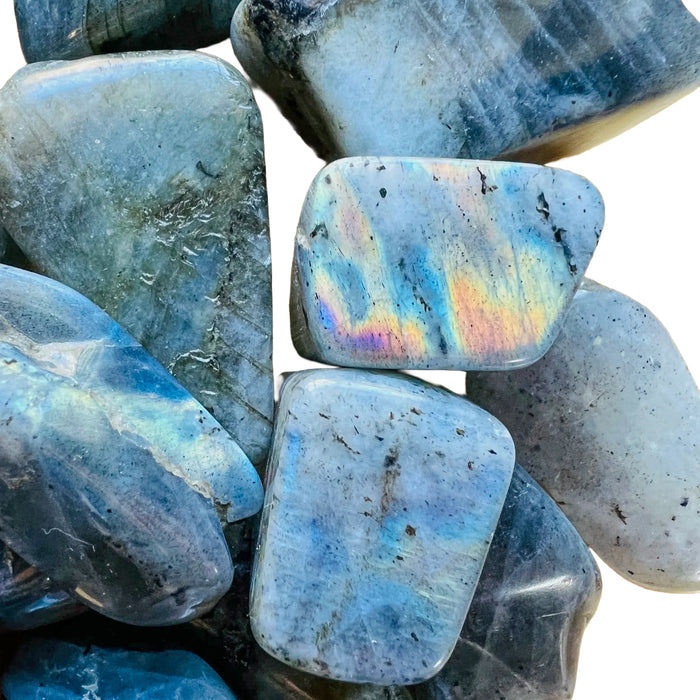
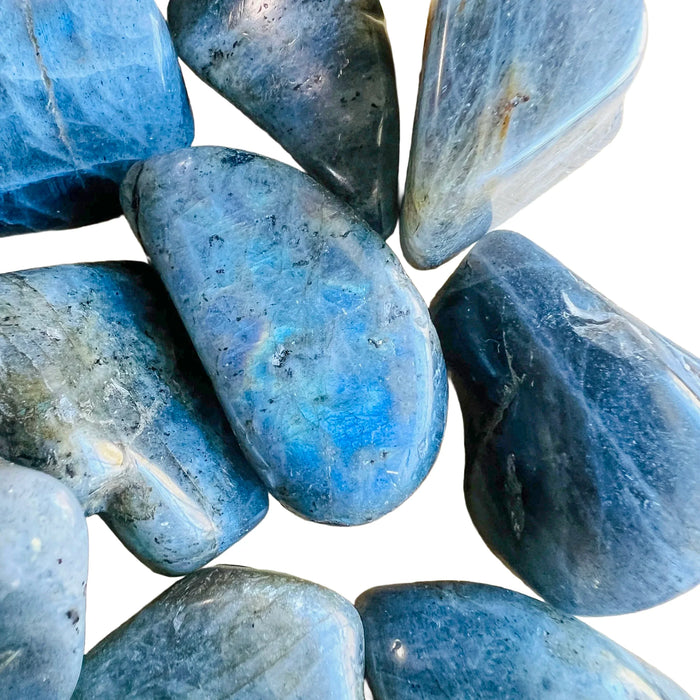
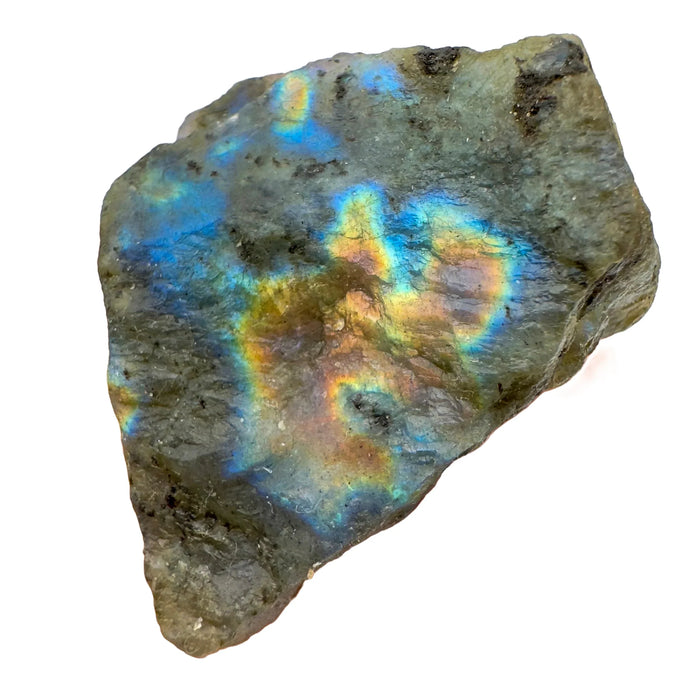
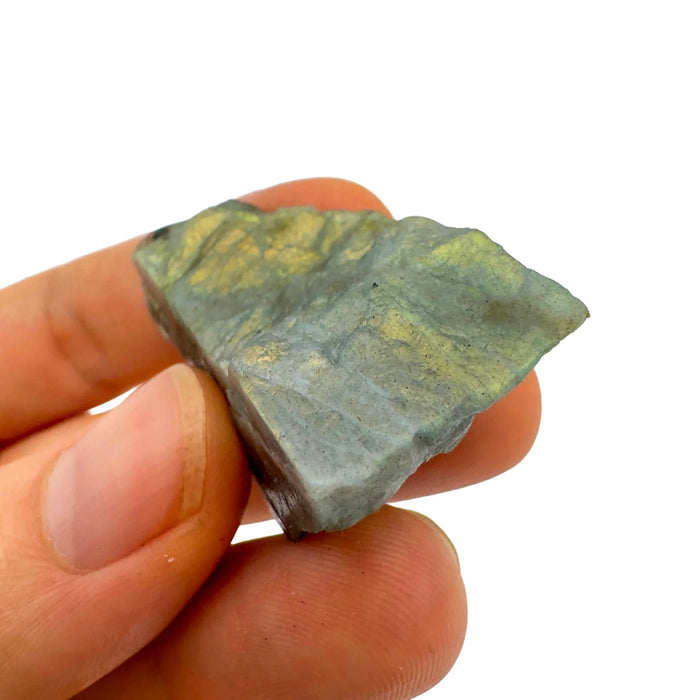
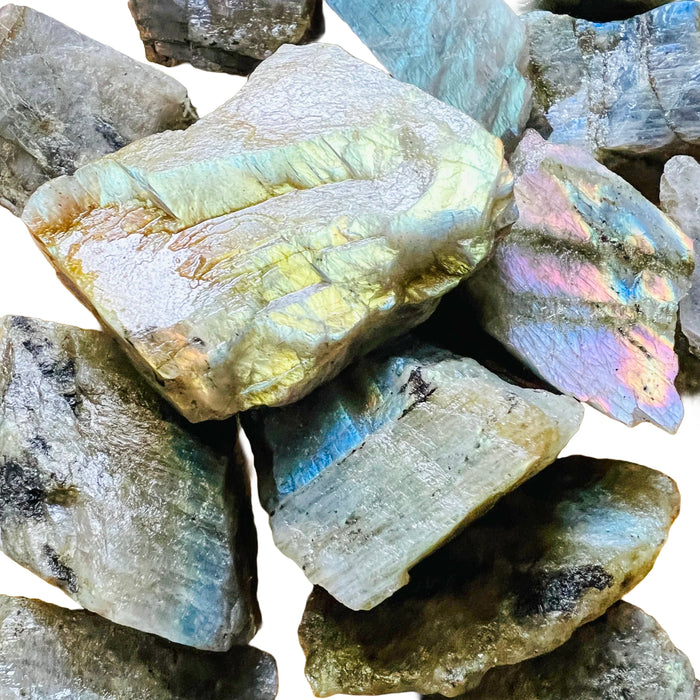
Peacock Ore is not something we carry. Labradorite is the closest match in color, and every piece passes our sourcing standards: origin named, treatments disclosed.
- 4.9 out of 5from 1,000+ reviews
- Ships within 72 hoursMonday to Friday, tracked
- 90 days to return itif you do not love it
- Free US shipping over $99$8.99 flat rate under