























Why Is the Same Crystal $8 Online and $40 in a Shop?
The price gap is real. What it actually buys you is the part worth understanding.
Search any popular stone and you will find it for a few dollars on one site and several times that in a specialty shop. Same name, very different price. The gap is not random, and cheaper is not automatically the better buy.

A rock-bottom price usually buys a rock-bottom version: undisclosed dye or glass, a misnamed stone, low grade, and labor paid almost nothing. A higher price can buy an accurately identified, better-grade, responsibly sourced piece, plus photography, curation, and real recourse if it arrives wrong. You are pricing the package, not just the mineral.
A shared name is not a shared stone
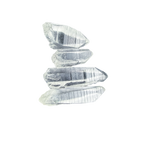
Two product pages can use the identical word, Amethyst or Turquoise or Citrine, and describe almost completely different objects. One might be a hand-sized, deeply colored, naturally formed cluster. The other might be a thumbnail chip, pale and chipped, dyed to look richer, or in some cases not the named mineral at all. The name is the cheapest part of any product page to copy.
So the useful question is not really why one is cheaper. It is what the cheaper one quietly left out. A price is a stack of decisions about grade, honesty, sourcing, and service, and the sticker is just the top of that stack.

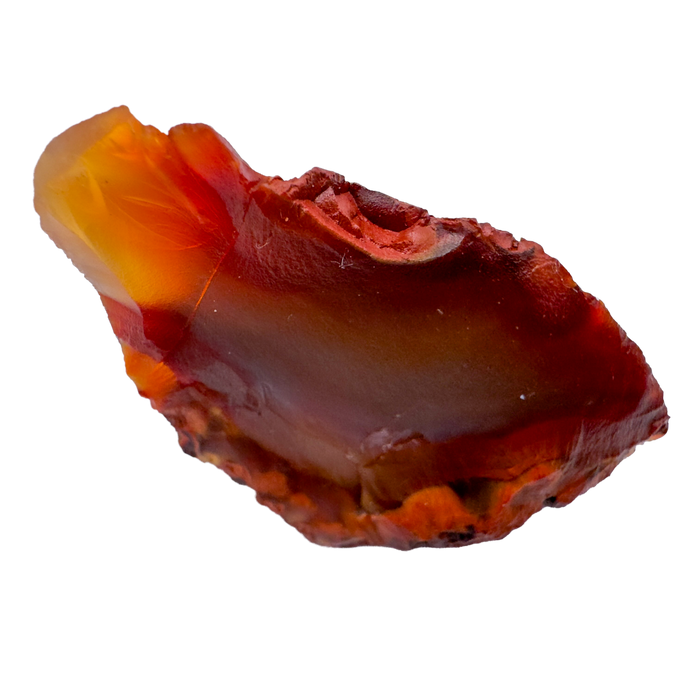
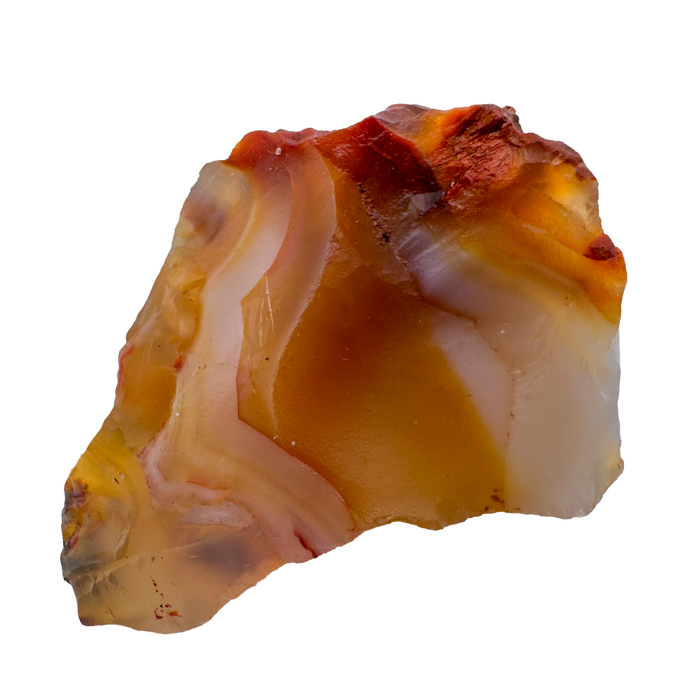
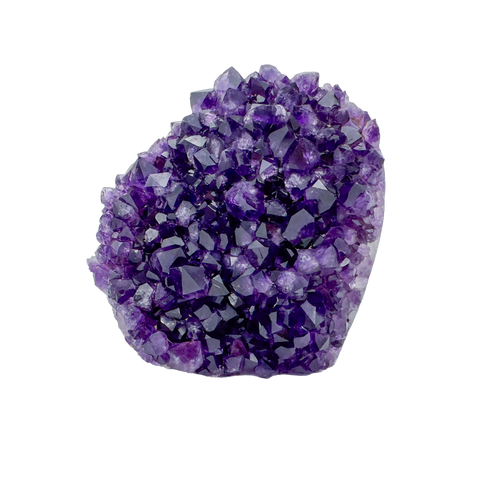
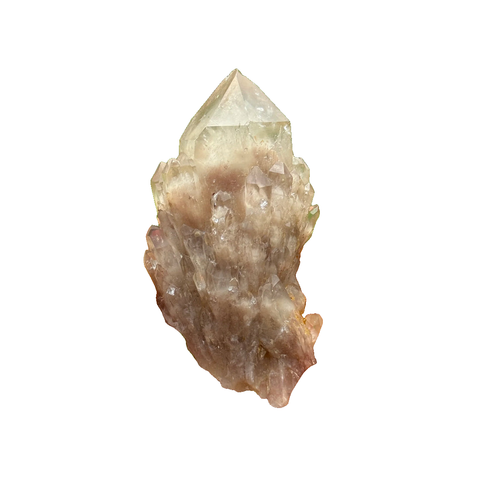
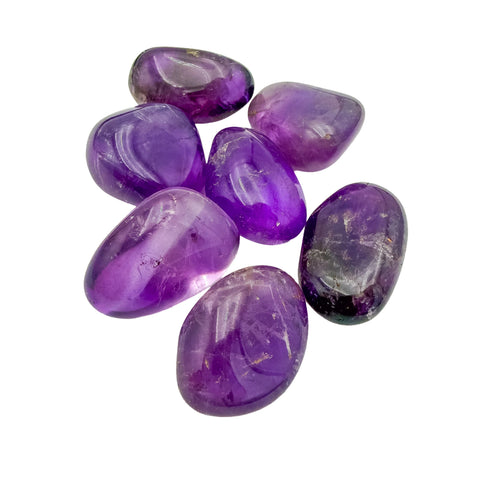
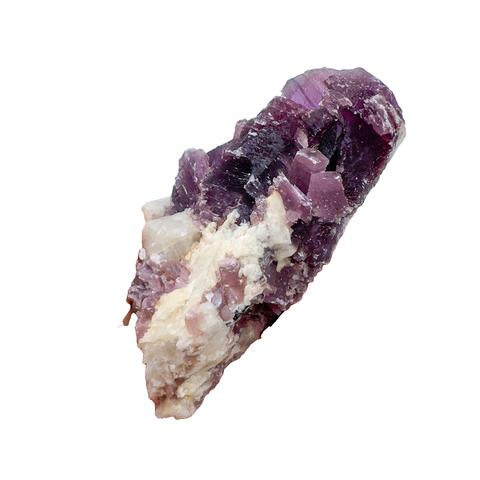
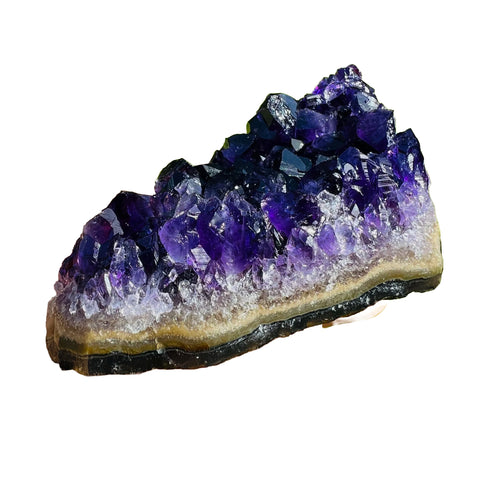
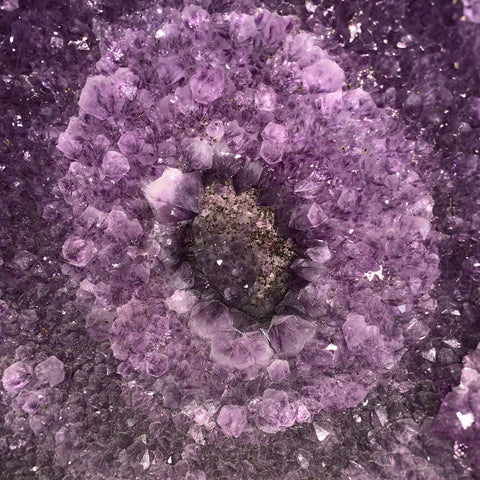
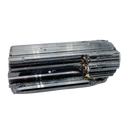
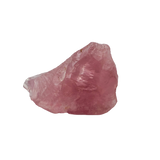
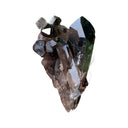
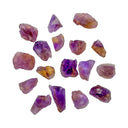
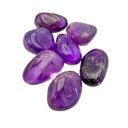
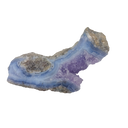
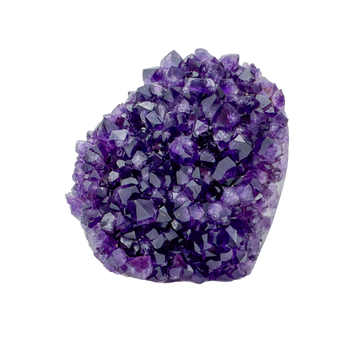
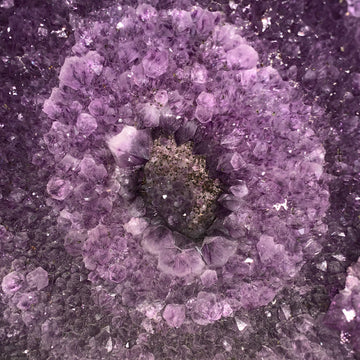
Two pieces can share the name Amethyst and little else. Color depth, size, clarity, and whether the color is natural all move the price.
What a very low price usually leaves out
When a stone costs a fraction of everyone else's price, the saving has to come from somewhere. Usually it comes from the parts of the product you cannot see in a photo.
Heating, dyeing, and coating are common and often unmentioned. Dyed stone tends to show too-even, too-vivid color, sometimes pooling in cracks.
Cheaper look-alikes get sold under premium names. Much of the turquoise market, for example, is dyed howlite or magnesite rather than turquoise.
Some pieces are simply manufactured glass. Trapped air bubbles inside, and a quick warm-up in the hand, are common giveaways.
Pale color, cloudy clarity, small size, and chipped terminations all cut cost. The stone is real, but the bottom of its range.
Bulk pieces arrive with no idea who mined them or where. The digger who found the stone is typically paid a tiny fraction of the final price.
Rock-bottom sellers rarely offer a photo of your actual piece, useful identification, or an easy return when it arrives wrong.
Turquoise is the clearest case. Industry guides estimate the large majority of turquoise sold has been treated, dyed, or is not turquoise at all, with so-called block turquoise being mostly plastic. We break the labels down in our guide to real versus fake turquoise.
What a higher price is actually paying for
A fair higher price is not a tax on the same object. It usually reflects a genuinely different one, plus the work around it.

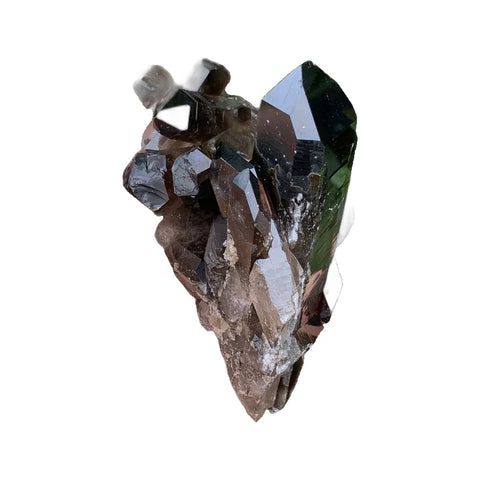
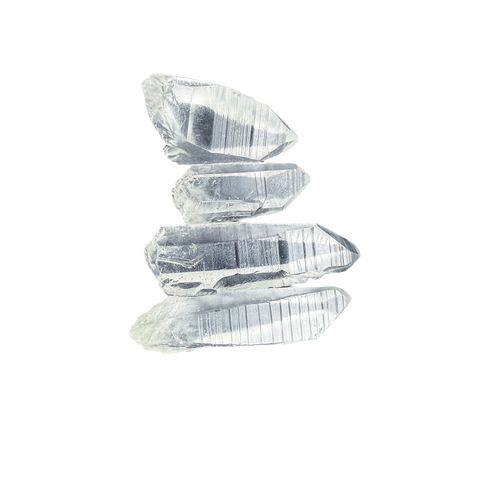
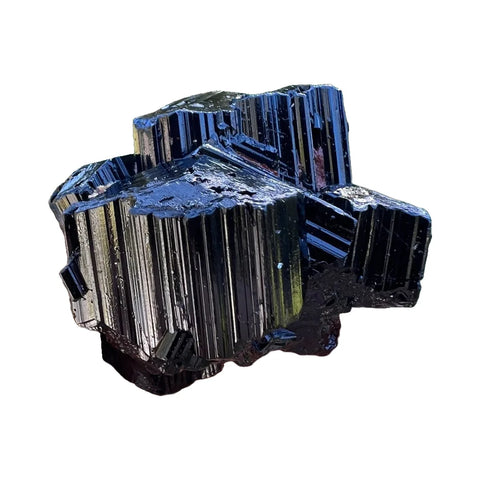
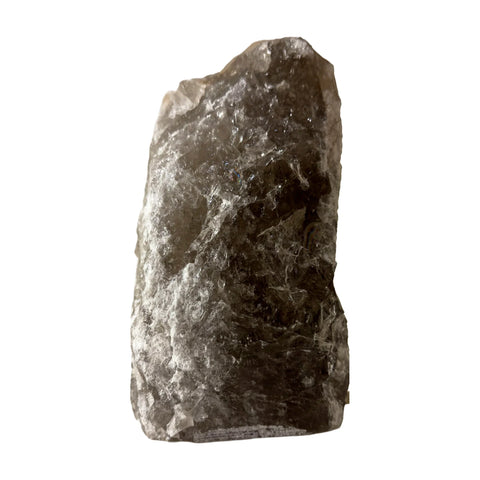
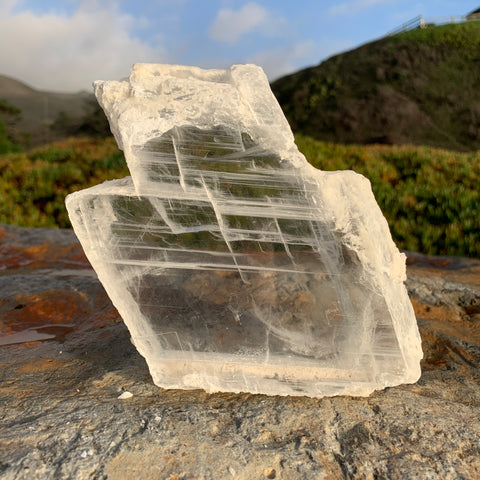
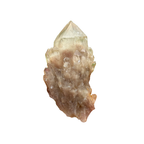
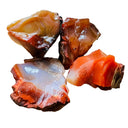
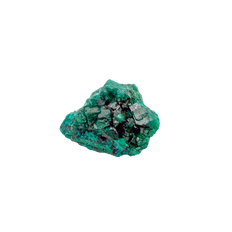
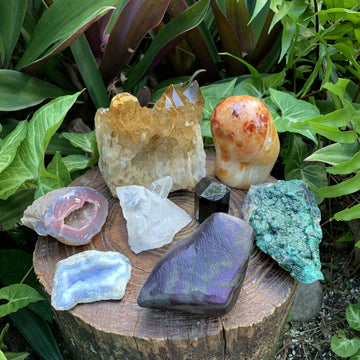
A collector-grade specimen. Size, clarity, intact form, and accurate identification are most of why one piece costs many times another.
Grade is the first driver. With Amethyst, for instance, the deepest purple material can sell for several times the price of pale stone, and Uruguayan amethyst, which tends to be darker, often costs more than lighter Brazilian. Size, clarity for that species, sharp intact terminations, and cut quality all move the number too.
Then there is the work most buyers never see. Hand-selecting pieces instead of buying blind by the flat. Identifying and naming stones accurately. Sourcing from suppliers who pay and treat people better, which costs more upfront. Photographing the actual piece, answering questions, and standing behind a return. None of that is free, and all of it is part of the price.
Why $8 is even possible
Part of the gap is not about the stone at all. It is about how the cheapest sellers operate. Many ship straight from bulk manufacturers, often drop-shipped, with no curation step, no hand-inspection, and no inventory risk. Volume is enormous and the margin per piece is tiny by design.
Trade policy played a role too. Until 2025, the United States let most imported parcels under $800 in value enter without duties, a rule called de minimis. Ultra-cheap overseas sellers leaned on it heavily. That exemption was rolled back for low-value shipments in 2025, new duties applied, and some large platforms shifted to shipping from domestic warehouses instead. We cover what is pushing crystal prices up in 2026 separately.
the old US de minimis limit, under which parcels once entered duty-free
the year that low-value exemption was rolled back, raising landed costs
US de minimis threshold and its 2025 rollback; US Customs and trade reporting.
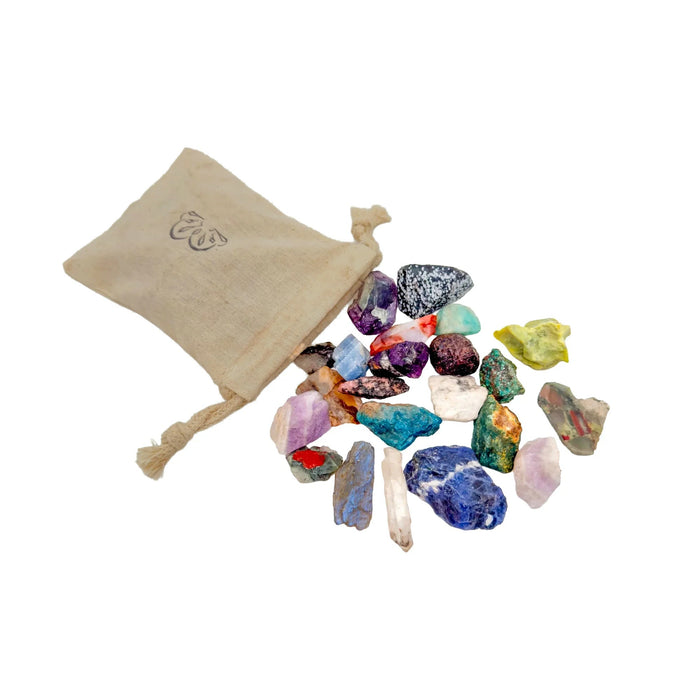
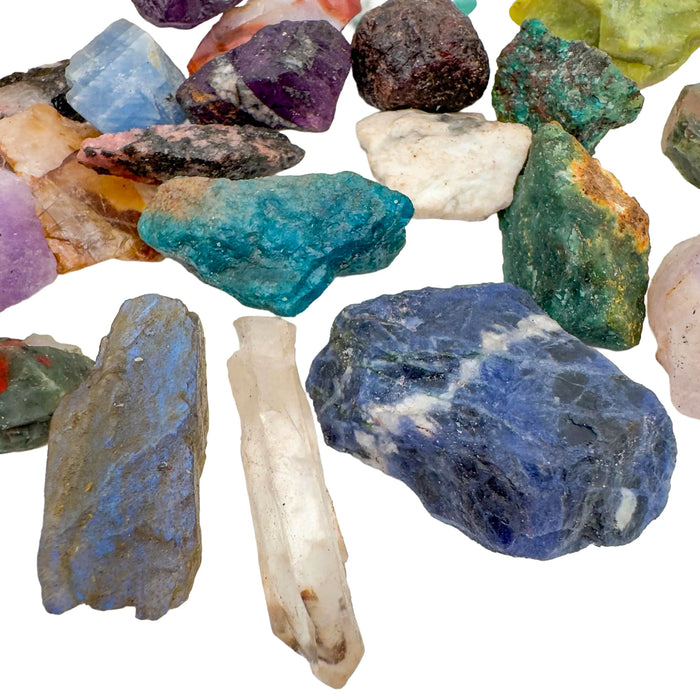
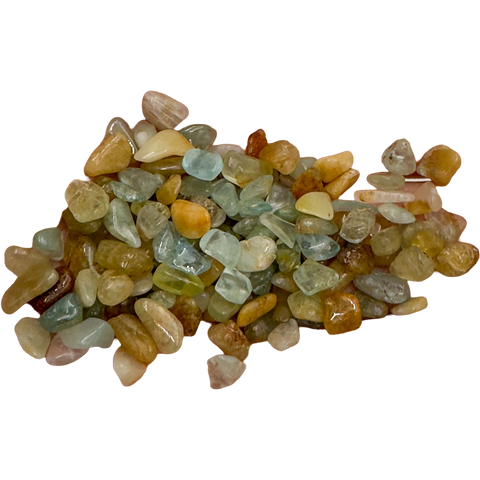
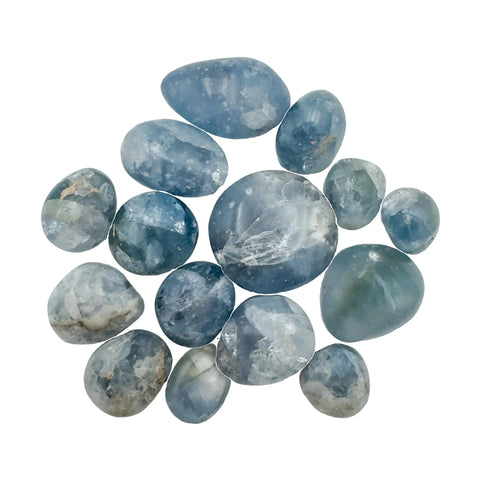
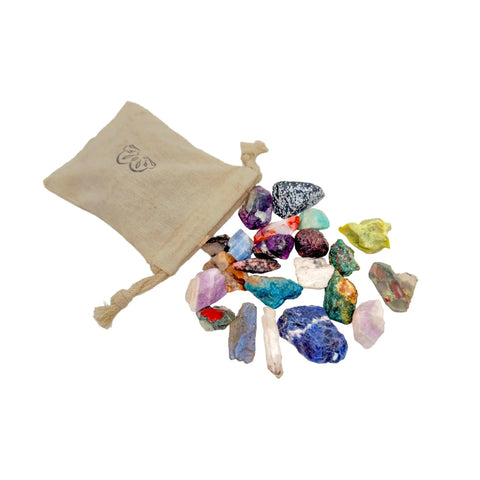
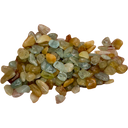
This is why bargain stones so often arrive as small, uniform tumbles bought by the flat. The model rewards volume and sameness, not the careful, piece-by-piece selection that makes a stone worth keeping. The price is low because the process skips almost everything that costs money.

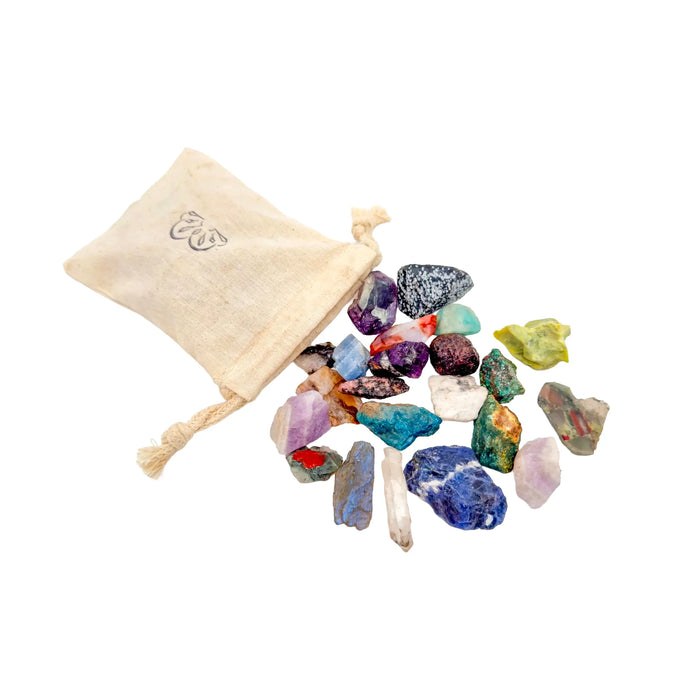
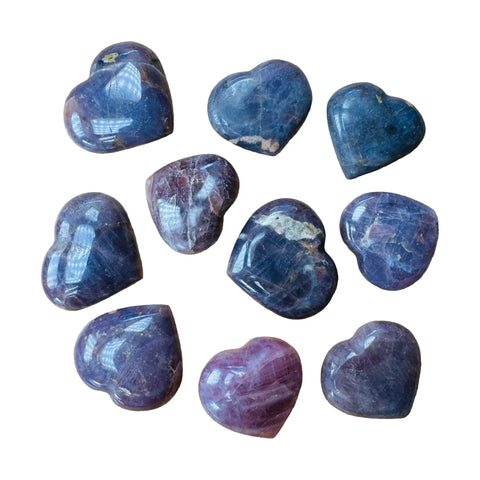
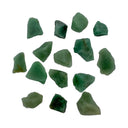
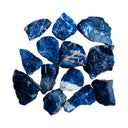
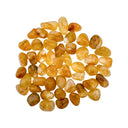
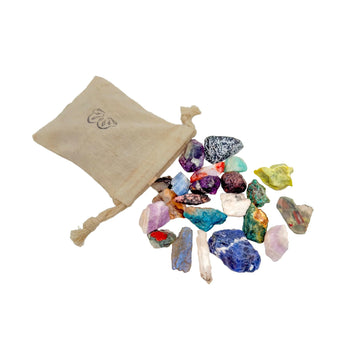
Bulk tumbles, sold by the flat. Inexpensive to produce at scale, which is much of why they are inexpensive to buy.
An $8 product page and a $40 product page, compared
Same stone name, two very different packages. Here is what the price difference tends to map to in practice.
An $8 Marketplace Product Page
Bulk, drop-shipped, sold by the flat
A $40 Specialty Product Page
Hand-selected, identified, and backed
"The cheap stone is not a discount on the expensive one. It is usually a different stone."
How to tell what you are paying for
You do not need lab equipment to shop wisely. A few simple habits separate a fair deal from a costly bargain.
A trustworthy seller can say which stones come from where, and will admit what they cannot trace.
Natural color is usually uneven. Electric, perfectly uniform color, especially when it gathers in cracks, suggests dye.
Honesty about heating or coating is a good sign. Silence is not the same thing as untreated.
Real stone is dense and stays cool. Glass feels light and warms up fast in the hand.
A photo of the exact stone, plus reviews and a return policy, is worth paying a little more for.
If one product page is a fraction of every other, treat the saving as a question, not a win.
Keep digging into value
A few guides that pick up where this one leaves off, plus a curated collection if you want to see the higher end for yourself.
What A, AA, and AAA actually mean, and why grade is only one part of price.
Read the guideTariffs, sourcing, and what is really moving crystal prices right now.
Read the articleWhy so much cheap turquoise is dyed howlite or plastic, and how to tell.
Read the guideHow one treatment can change what a stone is, and what it is worth.
Read the guideThe everyday form done carefully: hand-checked and graded, not bought blind.
See the collectionOur full set of plain, trustworthy guides to sourcing, treatment, value, and care.
Browse the LibraryFrequently asked
Why are crystals so cheap on Temu or Amazon?
Mostly because of the selling model. Many ultra-cheap product pages ship straight from bulk manufacturers, often drop-shipped, with no curation, no hand-inspection, and tiny margins by design. Until 2025, a US rule called de minimis also let parcels under $800 enter duty-free, which helped keep prices low. That has since been rolled back. At that price, a stone is often low grade, treated without disclosure, or a cheaper look-alike. It is a pattern of the marketplace model, not one company.
Does a higher price mean a better crystal?
Not automatically. A higher price can reflect better grade, honest treatment disclosure, and fairer sourcing, but it can also be plain markup. The way to tell is to look for specifics: accurate identification, disclosed treatment, named sourcing, a photo of your actual piece, and a return policy. Pay for the package, not the number.
Are cheap crystals fake?
Not always. Many cheap crystals are real but low grade, or treated without it being mentioned. Others are dyed look-alikes or manufactured glass. Real-but-low-grade and outright misrepresented are two different problems, and both show up at the bottom of the market, so a low price is a reason to look closer rather than a verdict on its own.
Why is the same crystal so much cheaper online than in a local shop?
Lower overhead and bulk drop-shipping can genuinely lower a price, so some of the gap is fair. But a very large gap often also reflects lower grade, mixed bulk with no provenance, or undisclosed treatment. Compare the whole packages, including identification, sourcing, and returns, not just the sticker.
How can I tell if a cheap crystal has been dyed?
Look for color that is too even and too vivid, and dye that gathers in cracks and pits. Natural color is usually uneven. Some dyed pieces also rub color onto a damp cloth. Real stone tends to feel dense and stay cool, while glass and resin feel light and warm up quickly in the hand.
Is more expensive turquoise worth it?
Often, yes. Most inexpensive turquoise is dyed howlite, dyed magnesite, or plastic block with little or no real turquoise in it. Genuine, well-sourced turquoise is comparatively scarce, which is much of why it costs more. The price is buying the actual mineral, honestly identified, rather than a colored stand-in.
What actually makes one crystal cost more than another?
Grade does most of the work: color depth, clarity for that species, size, intact form, and cut quality. Treatment and whether it is disclosed matter, as do rarity and sourcing. With amethyst, for example, the deepest purple material can sell for several times the price of pale stone of the same kind.
Is it worth paying more from a specialty shop?
If the extra buys accurate identification, disclosed treatment, fairer sourcing, the actual piece photographed, and a real return, then often yes. If it only buys a nicer logo, then no. The honest move is to ask what the price includes, and a good shop will be able to tell you.