


Chrysocolla Crystal Guide: meaning, origin & properties
Learn what Chrysocolla is, where ours comes from, traditional associations across cultures, and how to identify a real specimen, in our complete Chrysocolla Crystal Guide.
In stock
We work directly with the mine or workshop, with no intermediaries in between. The relationship is personal, pricing is transparent, and we can speak to each batch.
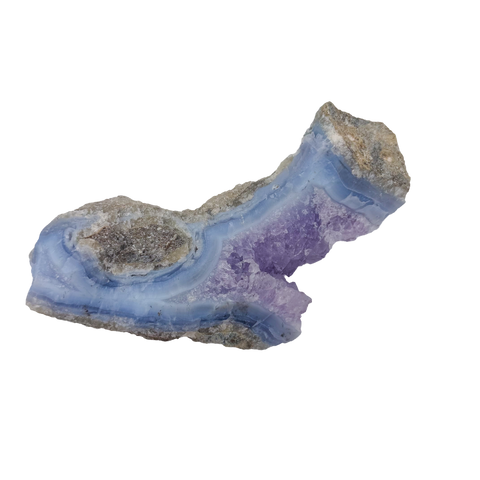
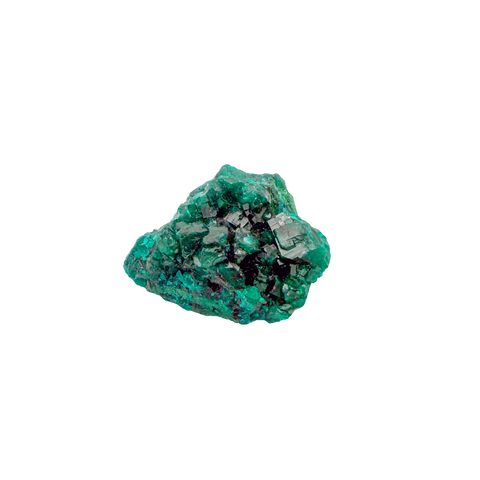
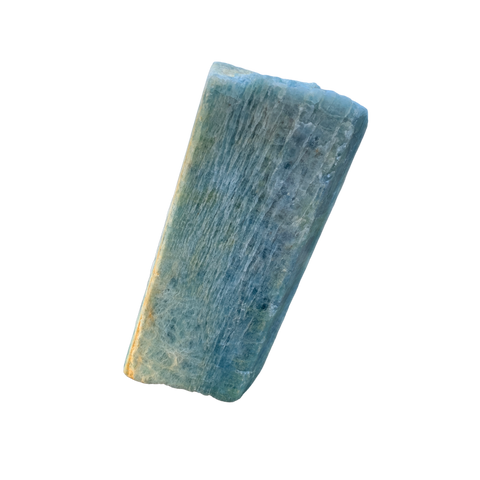
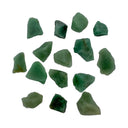
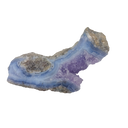
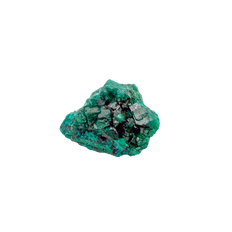
Read our Sourcing Standards →Chrysocolla is a vivid turquoise-to-teal green-blue, often found with malachite or quartz. It's soft on its own, so much of the material on the market is stabilized in a quartz matrix that makes it durable enough to wear.
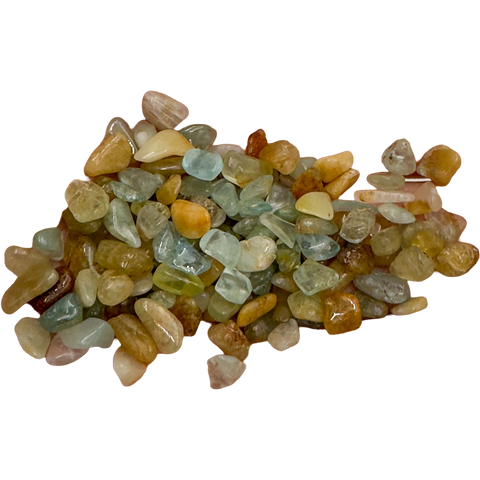
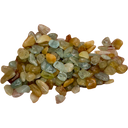
We bring these tumbled stones in from Arequipa, Peru. Worth knowing: a lot of the chrysocolla on the market is stabilized. What we carry is natural and untreated.
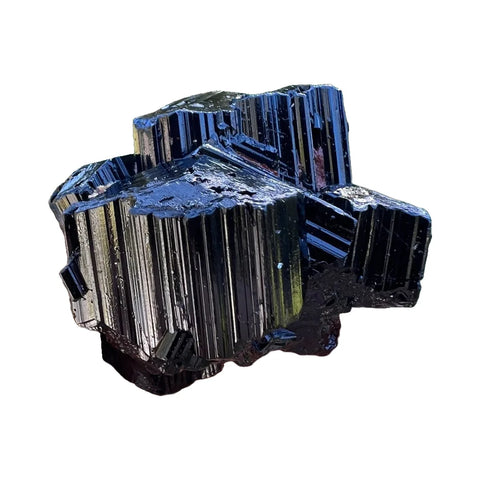
This is a softer mineral (2-4 (pure); 5-7 (silicified) Mohs). Dry storage, gentle handling, and don't let it knock around with quartz or tourmaline.
The name comes from Greek 'chrysos' and 'kolla' because it was historically used as a soldering flux for gold.
Those who work with chrysocolla often turn to it for working through difficult feelings at your own pace, quiet, steady calm, and opening to connection, with yourself and others. It's traditionally linked to the throat and heart chakras. If that resonates, keep one in your pocket on days you know you'll need to speak up. How you use it is up to you.
These are traditional associations drawn from historical practice. This stone is not a substitute for medical or mental health care.
A starting place for your own quiet practice.