





























How U.S. Tariffs Affect Crystal Prices (And Why It Matters to Ethical Sourcing)

Tariffs sound political, abstract, far away from something as tangible as a stone in your hand. But for small businesses and small producers, tariffs are mostly math. When import rules shift, the cost to bring stones into the U.S. can change overnight, even if nothing else about the supply chain changes. And that changes everything downstream.
This is real money moving through a real supply chain. When costs rise suddenly, some sellers respond by squeezing producers or switching to lower-cost channels with less transparency. That can increase harm. Understanding the math helps you see what's actually happening, and why staying consistent on sourcing matters even when it's inconvenient.
What a tariff actually is
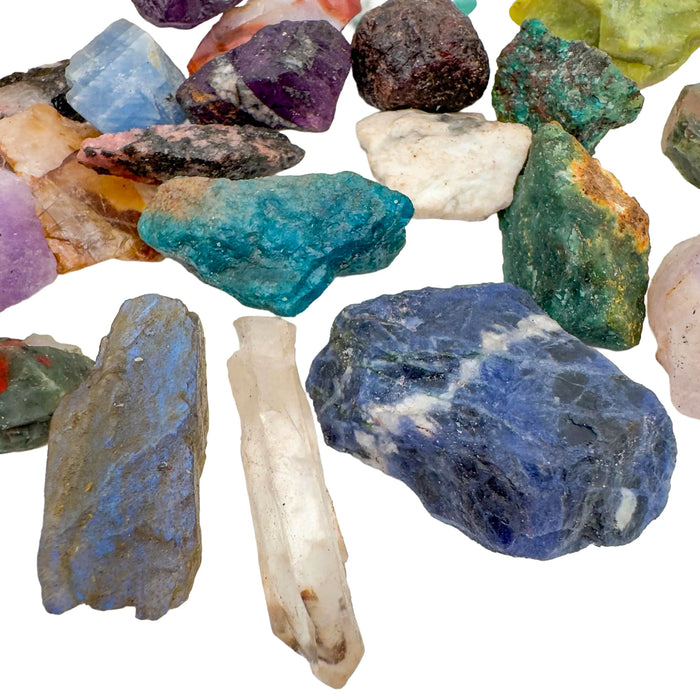
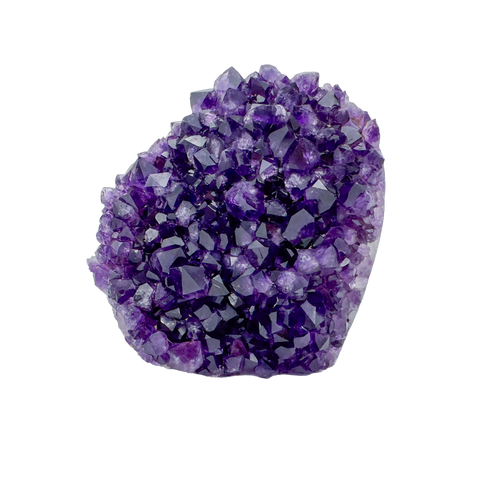
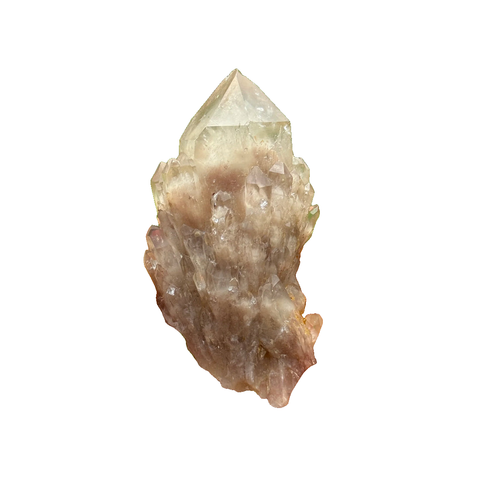
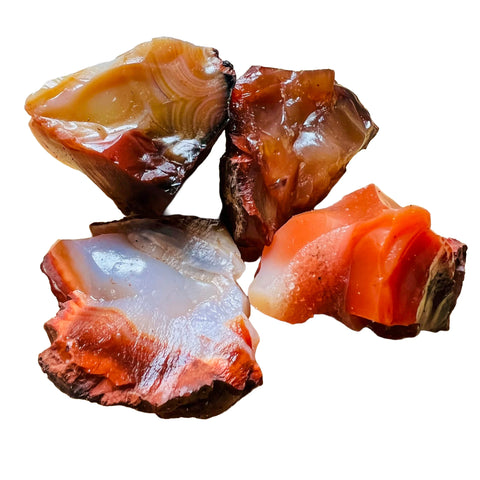
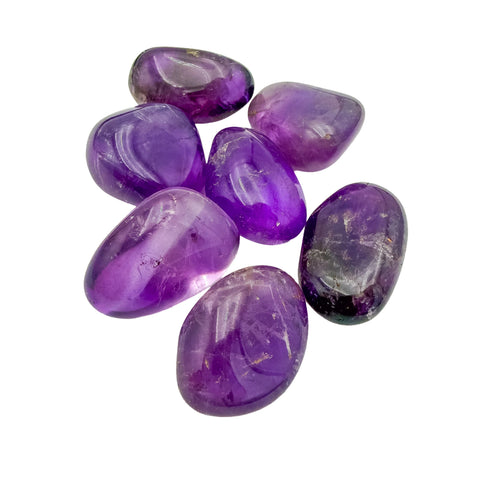
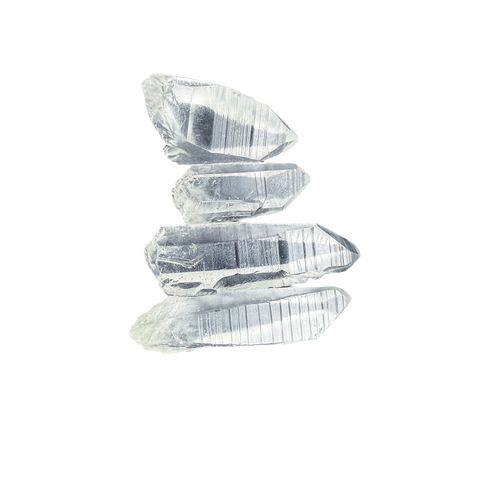
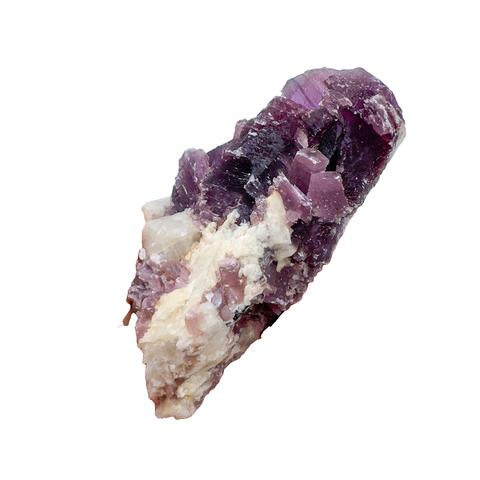
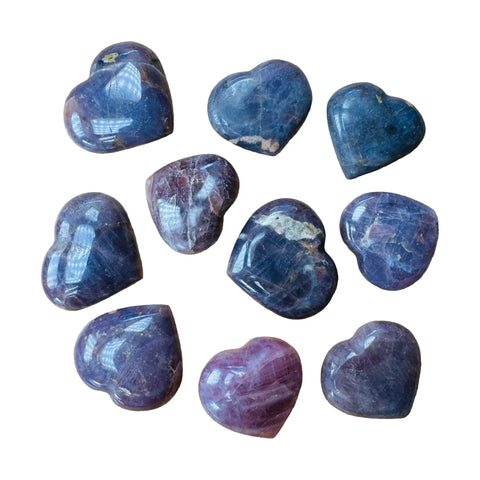
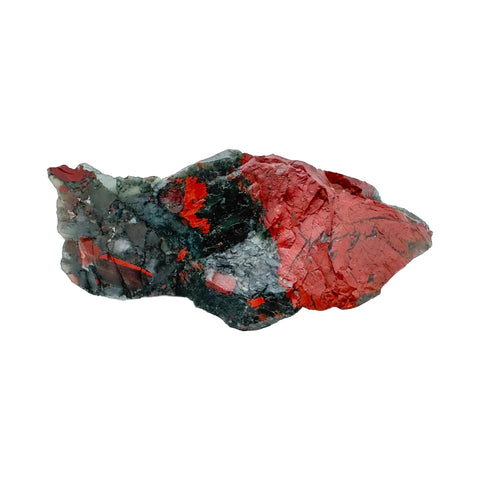
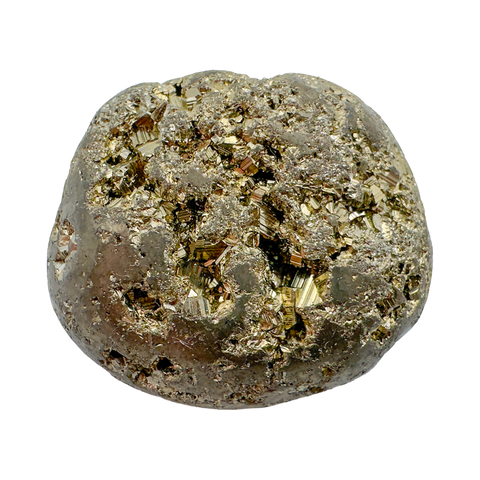
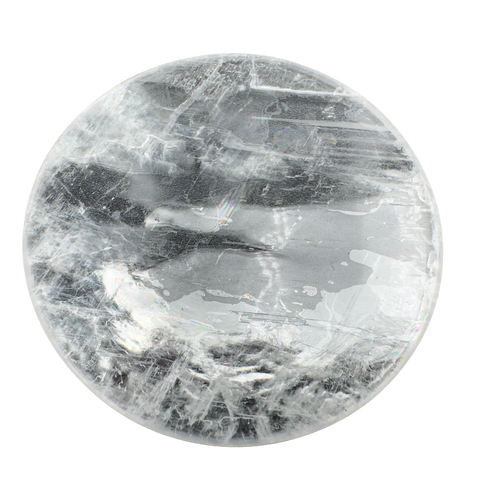
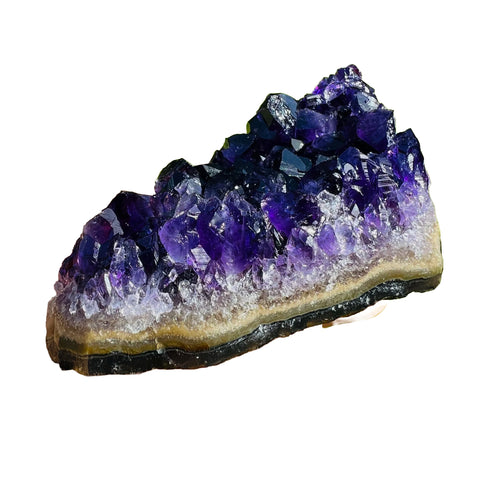
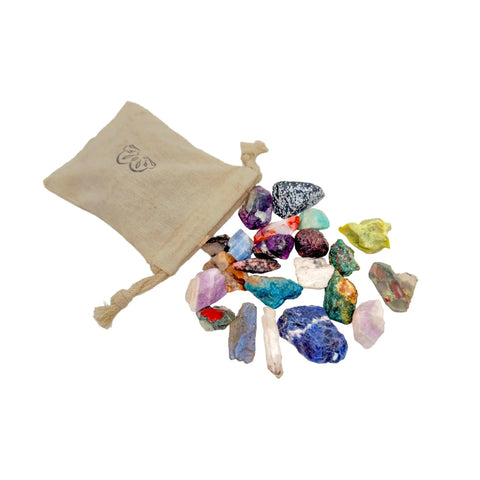
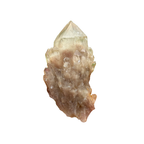
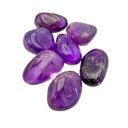
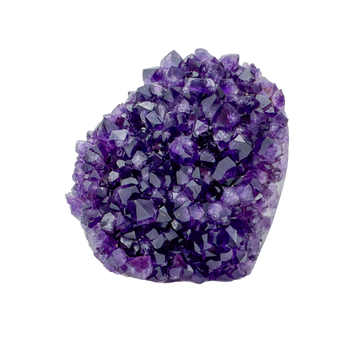
A tariff is a tax on imported goods. It's typically based on how the product is classified and sometimes where it comes from. For crystals, classification varies. A raw amethyst point gets categorized differently than a polished tumbled stone. That difference matters for tariff calculations.
So does the country of origin. A Brazilian piece might face different tariffs than a Madagascar piece, even if they're the same material. And classification can change if the product description or form changes, which creates incentive for some sellers to mislabel to chase lower rates.
How tariffs show up in real life
Higher landed cost per kilogram or per piece. That's the main one. Freight was already expensive. Tariffs add another layer on top of material cost, packaging, and logistics.
More pressure to consolidate shipments. Instead of ordering smaller batches frequently, suppliers have incentive to import larger quantities less often. That means fewer imports, longer wait times, and less flexibility in inventory.
Temporary stock gaps while costs and classifications get clarified. We've seen this firsthand. A shipment arrives and suddenly the tariff classification shifts, which means landed cost is higher than expected, which means everything downstream has to adjust.
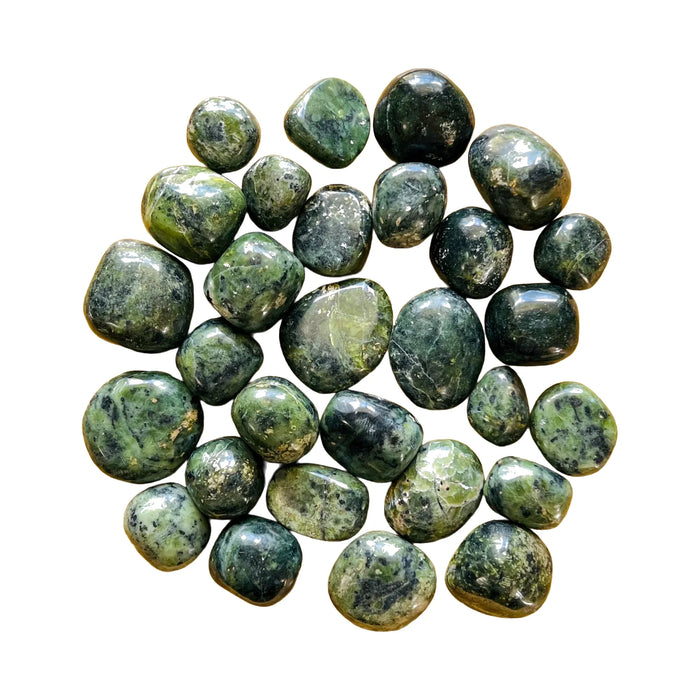
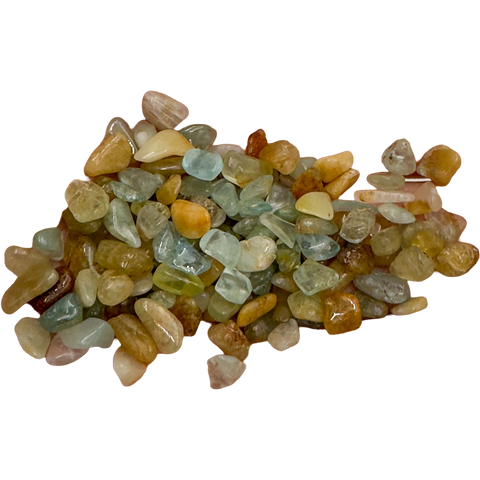
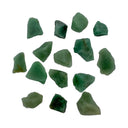
Price variability across similar items depending on how they're categorized. Two nearly identical tumbled stones from the same supplier might be classified differently just based on how the product description was written at import time. One faces a higher tariff than the other.
Why this matters for ethical sourcing
When costs rise, the easy path is to squeeze margins or find cheaper suppliers fast. That often means cutting corners on sourcing standards, moving to consolidators instead of direct relationships, or stopping the origin and treatment disclosure entirely. That's where the harm creeps in.
Our goal is to stay consistent with our sourcing standards even when it's inconvenient. That means we don't panic-switch suppliers when tariffs spike. We communicate clearly when costs change. We prioritize stable partnerships and fair terms rather than chasing the cheapest available lot this week.
How we handle tariff-driven changes
We classify products carefully and consistently. Raw versus polished matters, and we treat it that way consistently so costs don't shift randomly. We communicate when meaningful pricing drivers change instead of hiding behind generic "supply chain adjustment" language. We keep prices as steady as possible, but we don't hide reality behind a smile.
We prioritize relationships with suppliers we've worked with for years. That stability lets us absorb cost shifts without panicking and making worse decisions.
What you can expect as the landscape shifts
Some categories may fluctuate more than others. Polished goods tend to be more sensitive to tariff changes than raw material. Availability might come in waves due to shipment consolidation. Restocks may be less frequent but larger when they happen.
But our descriptions stay clear so you can compare value honestly. You'll always know what you're getting, and why it costs what it costs. That transparency is what holds things steady when everything else is shifting.
Tariffs are real. They're not going away anytime soon, and they're not a pricing gimmick. They're a variable that responsible sourcing has to plan around, not pretend doesn't exist.
Keep reading
If you want to go deeper from here, you can read pricing transparency, the true cost of crystals, running a wholesale business in tough times, or why we don't run sales.
You can also browse our full catalog if you'd like to see what we currently carry.
Frequently asked questions
Are crystal prices going up because of tariffs?
Yes. New U.S. tariffs on imports from key crystal-producing countries are passing through to landed costs. Most retailers are absorbing some and passing through some, depending on margin pressure.
How much have tariffs increased crystal prices?
Increases vary by stone and country. Some categories have seen 10-25% landed cost increases. The full impact depends on where the stone originates and how much processing happens before import.
Will tariffs affect ethical sellers more or less than mass-market sellers?
Ethical sellers often feel it more in the short term because they have less margin to absorb. Mass-market sellers tend to switch to cheaper sources, which usually means worse traceability.
Should I stock up before prices rise more?
Buy what you'll actually use. Stockpiling rarely pays off in this category. The market shifts faster than the predictions.