

















Best crystal for sleep, a beginner's honest guide
Three stones get the most recommendations. One of them gets most of the credit. Here is what they are, and what they actually do.
If you are new to working with crystals at bedtime, you do not need a collection. You need one stone, a clear intention, and a sense of what to expect. This guide is the version we would give a friend asking us in person.
Start with one tumbled Amethyst. Lepidolite or Howlite if Amethyst feels too active. Keep it under the pillow or on the nightstand. Cleanse before first use. Crystals are not a substitute for sleep hygiene or medical care.
Three stones, ranked the way we actually recommend them
Traditional practice. No medical claims. These are the three names that come up most consistently in books, in old herbalist traditions, and in conversations with longtime crystal workers. Choose one to start.
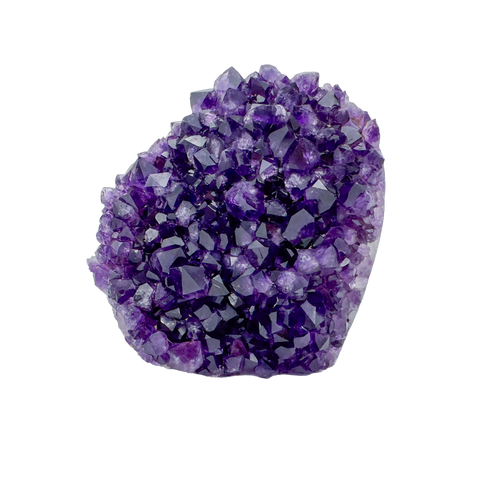
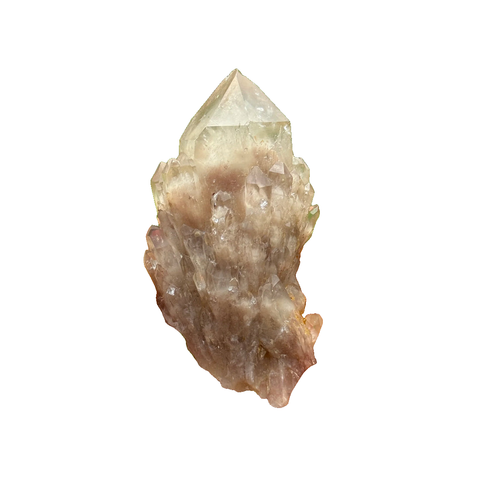
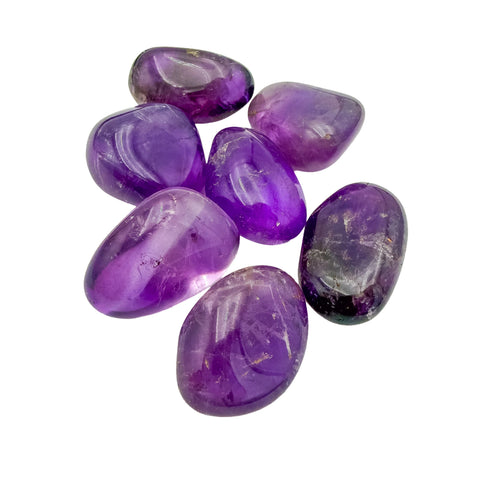
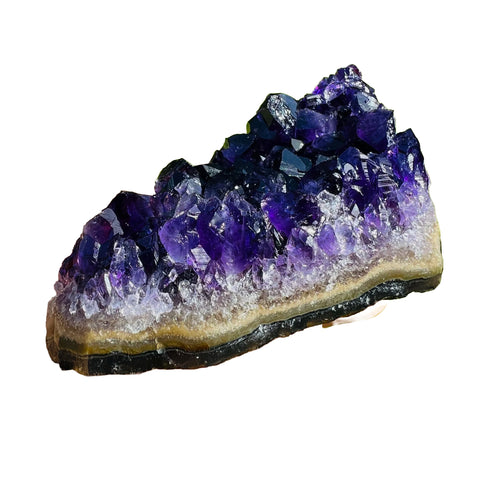
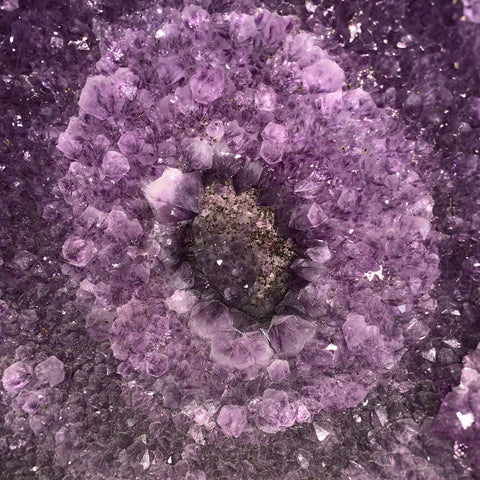
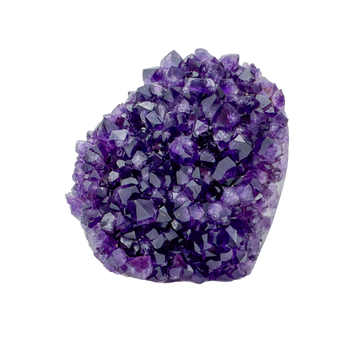
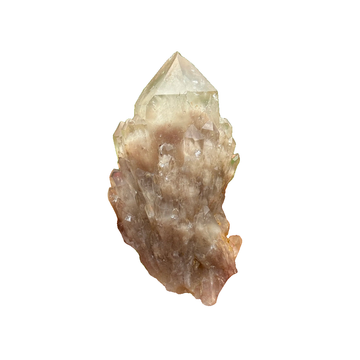
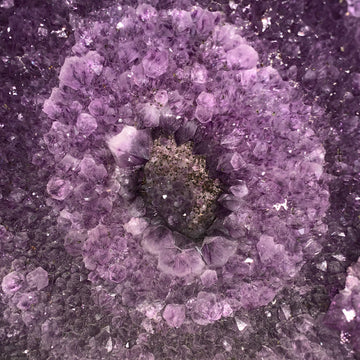
The most-recommended starting stone for bedtime practice. Traditionally associated with calm, dream work, and the wind-down ritual. Easy to find in tumbled form. Forgiving for beginners.
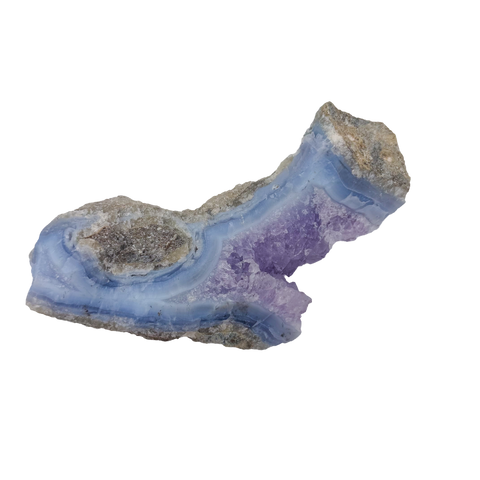
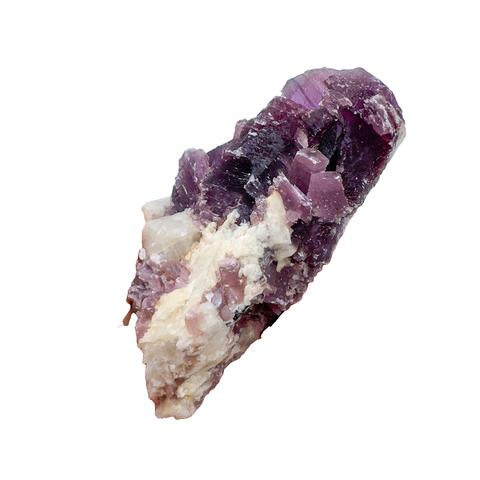
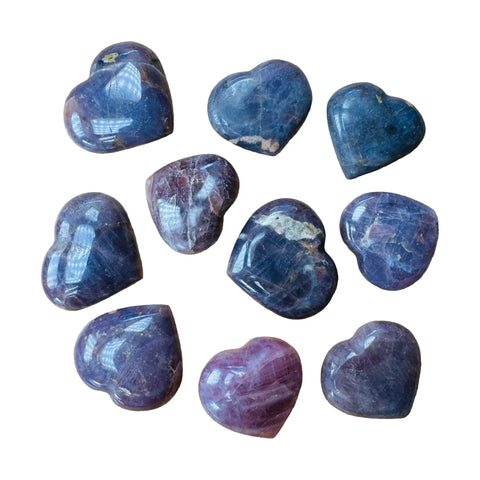
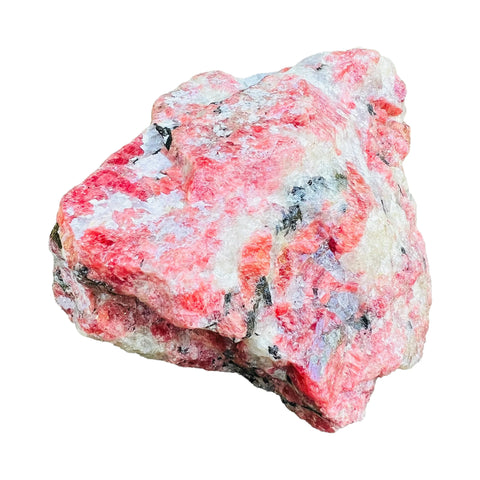
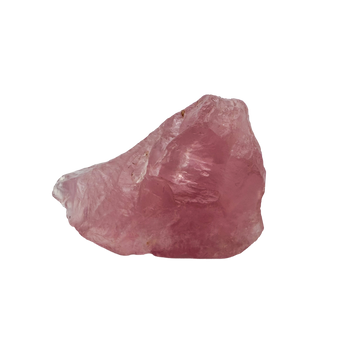
See the collectionContains naturally occurring lithium, which is the link to its traditional reputation for calm and nervous-system soothing. Lavender to purple tones. Often paired with Amethyst.
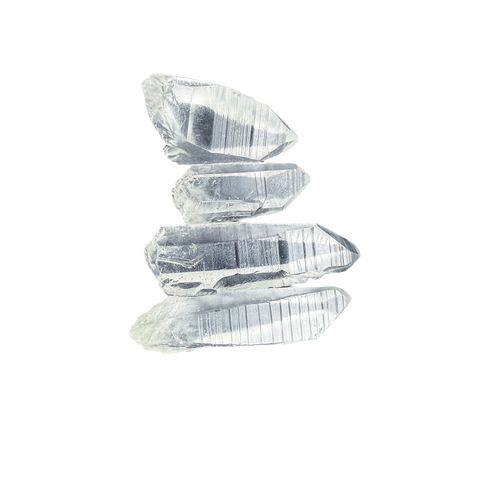
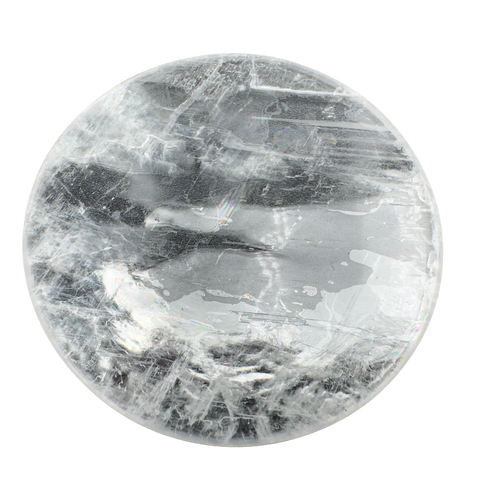
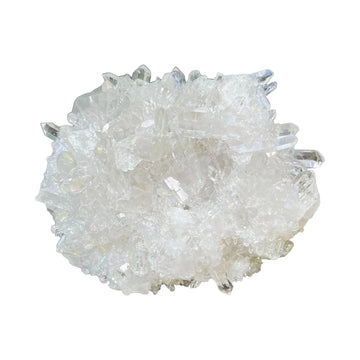
See the collectionWhite with gray veining. Traditionally associated with quieting an overactive mind. The pick when Amethyst feels too active or Lepidolite is out of reach.
See the collectionNone of these stones treat insomnia, anxiety disorder, or any other condition. They are a practice tool, the same way a candle or a journal is. If you are working through a real sleep issue, see a doctor. If you are looking for a quiet ritual to anchor your wind-down, any of the three above is a reasonable place to start.
Four simple rules
No incense required. No grid. Just a stone, a corner of the nightstand, and a few minutes before bed.
A tumbled or palm stone is safest under a pillow. Raw points have edges that can scratch the case or the sleeper. Save the raw pieces for the nightstand or windowsill.
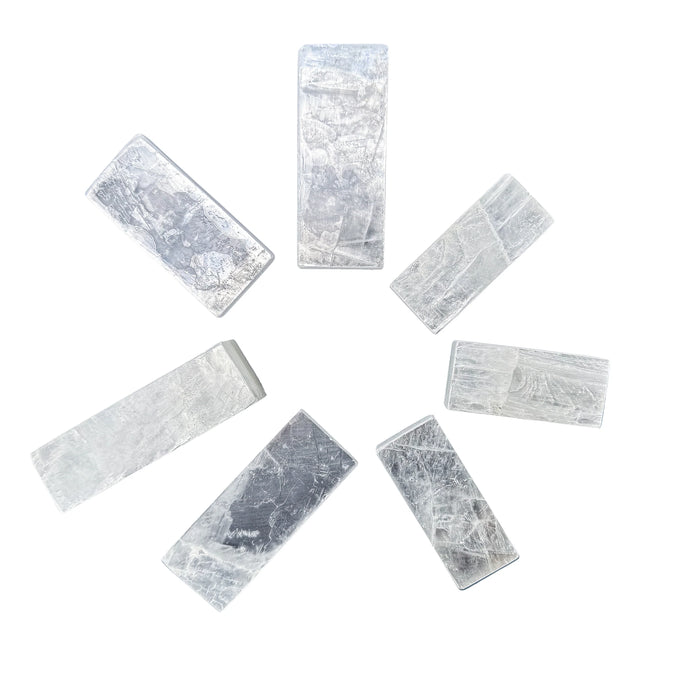
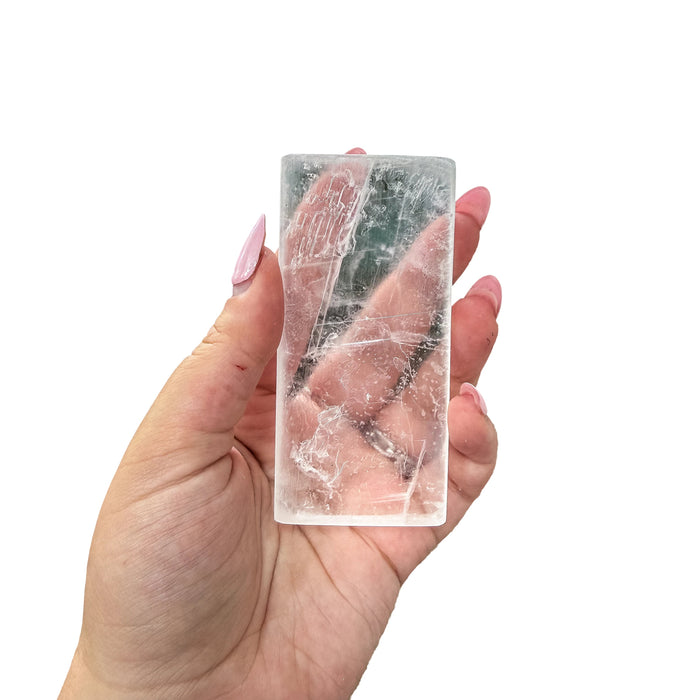
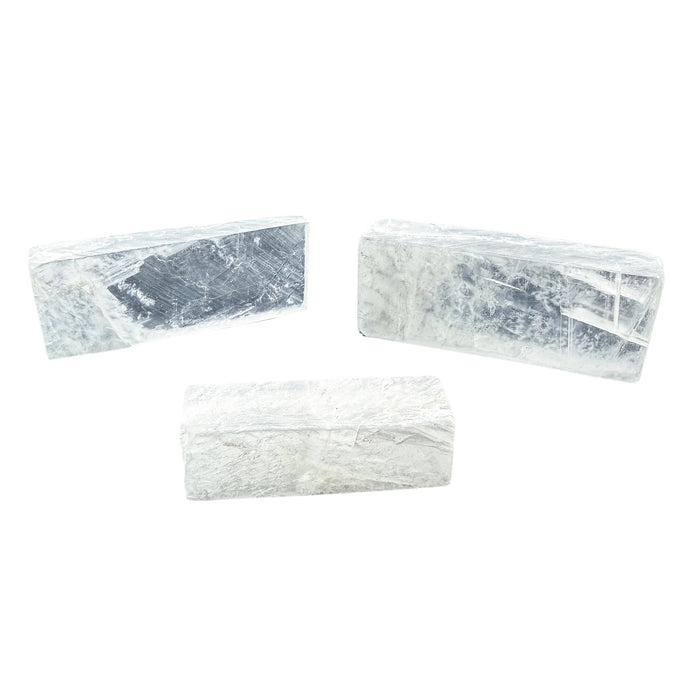
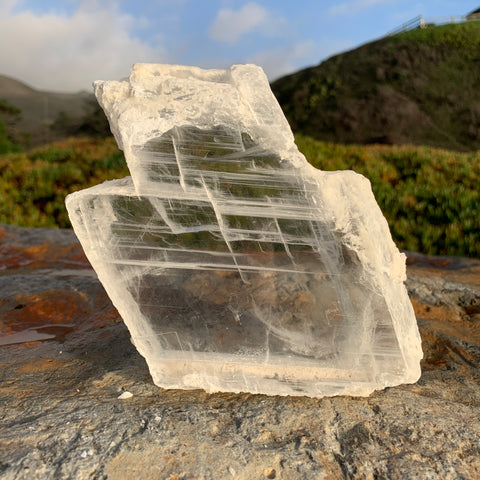
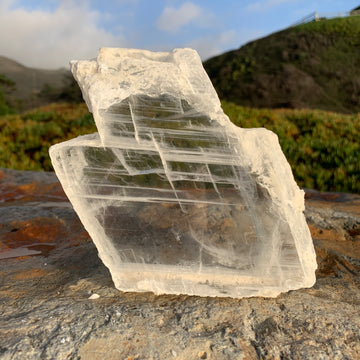
Selenite, Satin Spar, Calcite, and Malachite are too soft for under-pillow use and can crumble or pit. Stick with quartz family stones, Lepidolite, or Howlite.
Moonlight overnight, smoke from sustainably harvested herbs, or sound from a singing bowl. Do not use water on Selenite or Calcite. See the cleansing guide for details.
Hold the stone for a minute. Name what you are practicing toward, in plain language. Sleep. Calm. Letting go of the day. The ritual is the point, not the magic words.
Frequently asked
What is the most recommended crystal for sleep?
Amethyst is the most commonly recommended starting point in traditional practice. Lepidolite and Howlite are the second-tier picks. None of them are a substitute for sleep hygiene or medical care for serious insomnia.
Amethyst or Lepidolite for anxiety at bedtime?
Lepidolite contains naturally occurring lithium, which connects it traditionally to nervous-system calming. Amethyst is the broader, more general-purpose stone. Many people work with both, one in each hand or one on the nightstand and one under the pillow.
Is it safe to put a crystal under your pillow?
Mostly yes. Use tumbled or polished stones, not raw points with sharp edges. Avoid stones that are soft enough to crumble (Selenite, Calcite) because they can leave residue or pit overnight.
Do crystals actually help you sleep?
There is no clinical evidence crystals affect sleep biologically. The traditional and intention-setting practice of working with a stone before bed can support a calmer wind-down routine. We do not make medical claims.
What size crystal should a beginner choose?
Tumbled stones in the 1 to 2 inch range are easiest to start with. Affordable, easy to handle, and easy to keep clean. A palm stone in the 2 to 3 inch range is the next step up if you want something to hold rather than tuck away.
Should I cleanse the crystal before using it?
Traditional practice says yes. Moonlight overnight, smoke from sustainably harvested herbs, or sound from a singing bowl are the common methods. Do not use water on Selenite or Calcite.
Can I combine multiple sleep crystals?
Yes. Many people layer Amethyst plus Lepidolite plus Howlite for stacked traditional associations. There is no rule limiting combinations. Start with one, add a second if the practice deepens.