













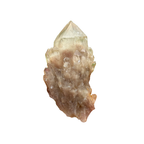
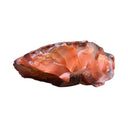
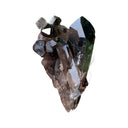
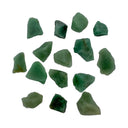


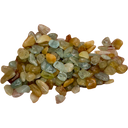
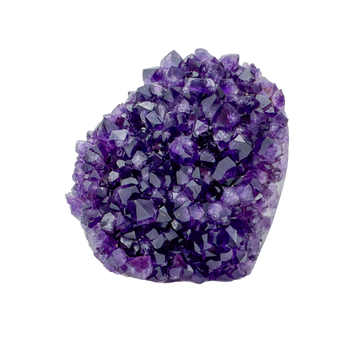
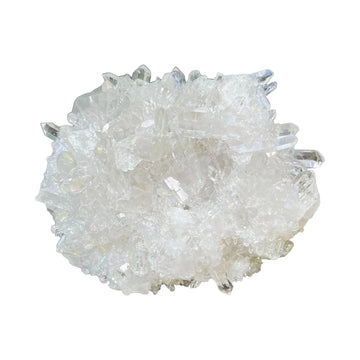
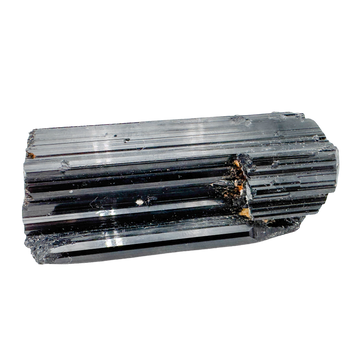






Terms like "enhanced" and "polished" hide more than they reveal. Here's what those words actually mean and why treatment disclosure matters for how you buy.
What Natural vs Treated Crystals Actually Means

You've probably seen listings like this. "Naturally polished agate." "Enhanced citrine." "Heat-treated amethyst." Each phrase sounds official, but they're describing very different things. And if you're not sure what they mean, it's easy to feel like you're shopping blind.
The gap between simple finishing and heavy enhancement is real, and it matters. Not because treatments are automatically bad, but because hiding them breaks trust. And unfortunately, hiding treatments is common enough that you need to know what to look for.
Polished really does mean just polishing
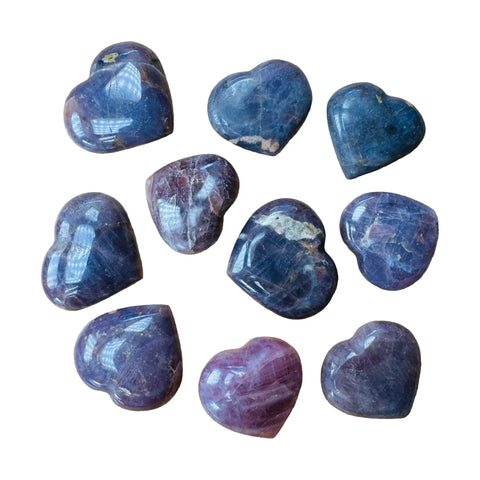
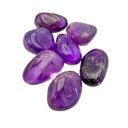
Polishing is a mechanical process. The surface gets ground and buffed to a smooth finish. No chemicals involved. The stone's color and internal structure stay the same. This is straightforward and shouldn't require any special disclosure beyond "polished."
Dyeing adds color, and it should be named clearly
Dyeing soaks a stone in pigment. It produces bright, uniform colors that rarely occur in nature. Dyed agate, dyed quartz, dyed howlite. These should always be labeled as dyed. If they're not, that's when you know the seller is cutting corners.
Heat treatment shifts or deepens color
Heating can change how a stone looks. Some heat treatment is standard in the gemstone industry and widely accepted. But a treated stone shouldn't be marketed as rare natural color. That's where the line is. Disclose it, and buyers can choose. Don't, and you're lying.
Coatings and plating create effects that aren't natural
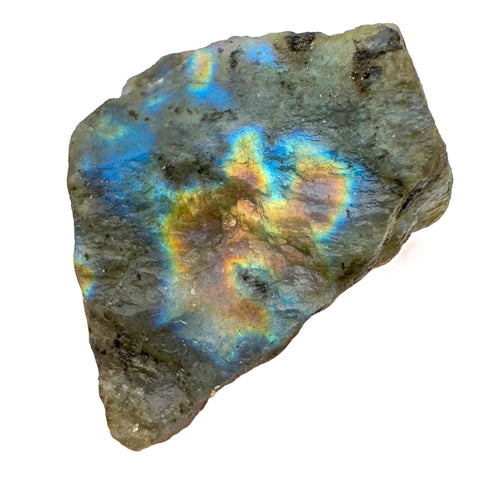
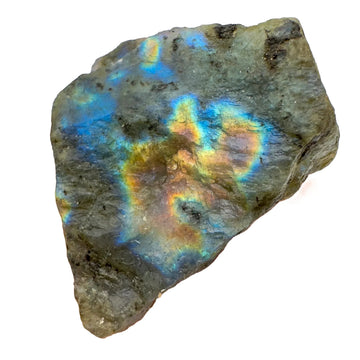
Some stones get coated to create rainbow sheen or metallic finishes. These are film effects, not the stone's actual color. They're not automatically bad, but they must be labeled clearly. A coating isn't a flaw. It's a choice. Let the buyer make it too.
Stabilization makes porous stones more durable
Some porous stones are stabilized with resin to strengthen them, especially for jewelry use. This is practical. It should also be disclosed, because it affects how the stone will age and how you should care for it.
Why treatment disclosure matters
You can compare value fairly when you know what you're actually getting. You can avoid surprises like dye bleeding or coatings scratching over time. You can choose based on your personal preference and your spiritual practice. And when buyers reward transparency with their purchases, you reduce the incentive for deception across the whole market.
How to spot likely treatments before you buy
Color that looks too uniform across many listings at very low prices is often a sign of treatment. Bright, neon tones uncommon in nature, especially pinks, blues, and greens, are usually dyed. Rainbow sheen that looks like a film on the surface suggests coating. Descriptions that avoid the word "dyed" but hint with "enhanced" or "colored" are hiding something.
How we handle treatments
We label treatments honestly and avoid hiding behind vague language. We focus on natural beauty and artisan-quality material instead of mass-produced effects. When treated material exists in the market, we teach you how to recognize it so you're not fooled elsewhere.
A treated stone that's clearly disclosed is more trustworthy than a "natural" stone from a seller who won't answer your questions.
Natural vs treated at a glance
| Term | What it means | Honest or hidden? |
|---|---|---|
| Natural | No heat, irradiation, dye, or chemical treatment | Honest by default |
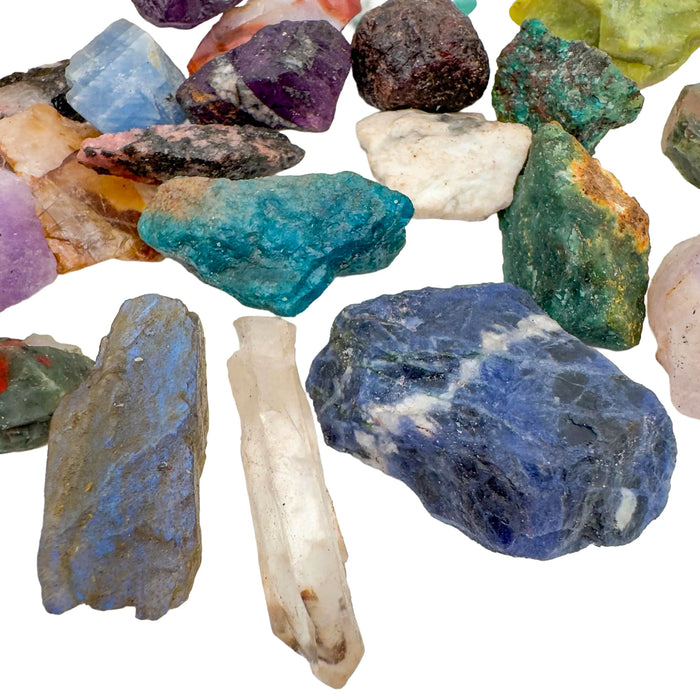
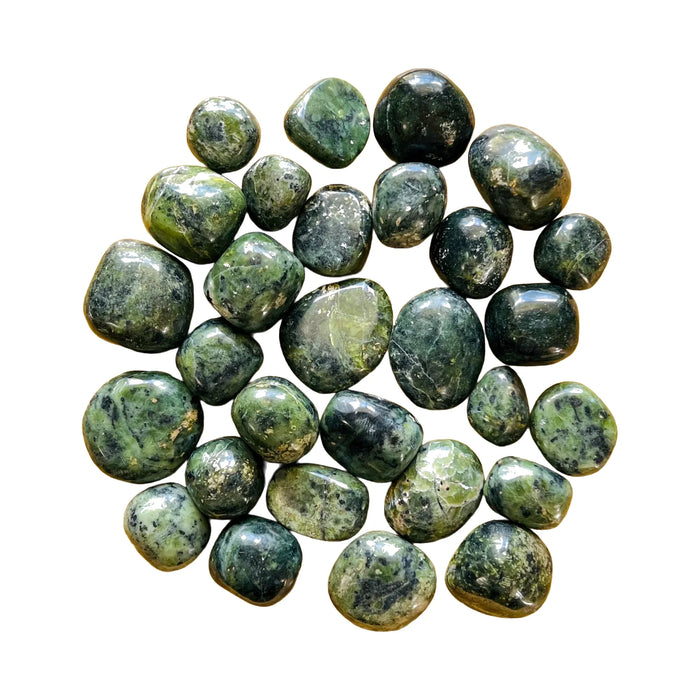
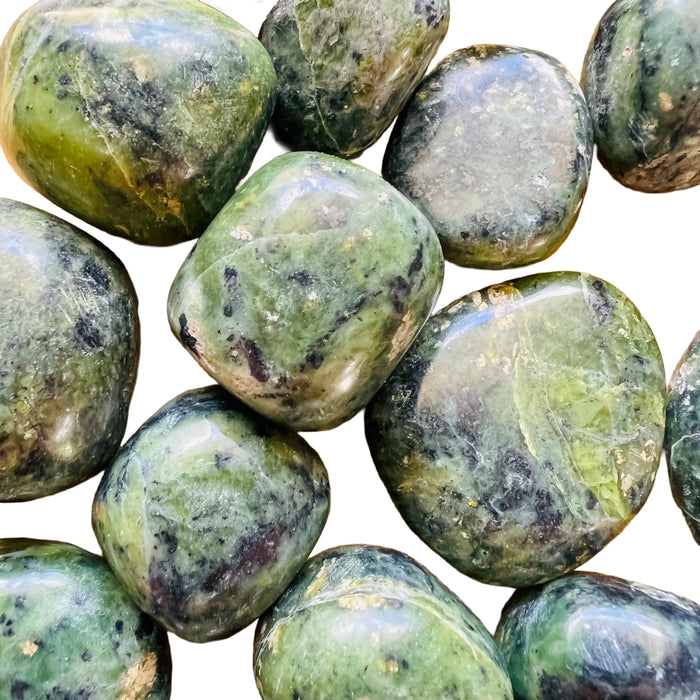
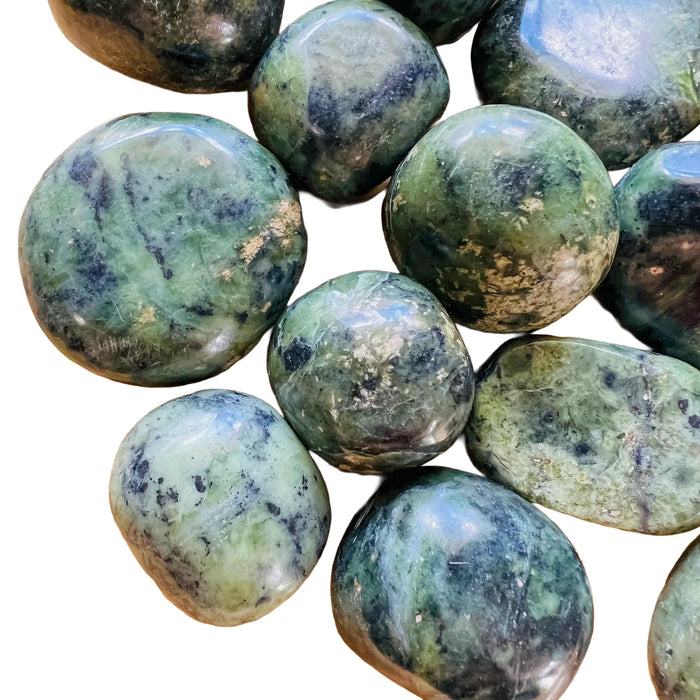
| Polished | Hand-cut and tumbled or smoothed, but not chemically altered | Honest by default |
| Heat-treated | Color changed by controlled heating (common for citrine, amethyst) | Honest if disclosed |
| Irradiated | Color enhanced by radiation exposure (some smoky quartz, blue topaz) | Honest if disclosed |
| Dyed | Color added with pigment (often howlite sold as turquoise) | Hidden in most listings |
| Coated | Surface treated for shine or color (aura quartz, rainbow titanium) | Honest if disclosed |
| Reconstituted | Crushed and rebonded with resin or glue | Hidden in most listings |
Keep reading
If you want to go deeper from here, you can read honest sourcing, crystal grades explained, selenite vs satin spar, or greenwashing red flags.
You can also browse our raw crystals or our polished crystals if you'd like to see what we currently carry.
Frequently asked questions
What does "natural" actually mean for a crystal?
Natural means the stone hasn't been heated, irradiated, dyed, coated, reconstituted, or chemically altered. Hand-polishing or cutting alone doesn't disqualify a stone from being natural.
Is a treated crystal still real?
Yes. Treated crystals are usually still genuine mineral specimens. The issue is disclosure, not authenticity. A heated amethyst is still amethyst. A dyed howlite sold as turquoise is a different problem entirely.
How can I tell if a stone has been dyed?
Dye usually pools in cracks and matrix lines, looks suspiciously uniform, or rubs off slightly when wet. Ask the seller directly and see how they answer.
Should I avoid treated stones?
Not necessarily. Some treatments are centuries old and well accepted. The rule is honesty: you should know what you're buying and why.