



























Wholesale Crystal Sourcing Guide: How to Find Suppliers and Avoid Costly Mistakes

Starting a wholesale crystal business is exciting right up until the first big order arrives and you realize half of it isn't what you thought you were buying. We've been there. Most shops who've been at this a while have been there. The industry punishes new buyers more than it needs to, and the only real defense is knowing what to ask before the money leaves your account.
This is a practical guide, not a lecture. If you're building a values-led crystal brand and you want to source without the expensive surprises, here's the shape of the work.
First, decide what you're actually building
The mistake most new wholesalers make isn't on the sourcing side. It's on the identity side. Are you a retail boutique with curated higher-margin pieces, or are you an online-first shop leaning on volume? Are you focused on specimens for collectors, or daily-use stones for meditation and gifting? Is your brand built on a sourcing story, or on trend responsiveness?
Those questions matter because they shape every supplier conversation that follows. A curated specimen shop and a high-volume tumbled stone shop need different partners, different price structures, and different questions. Pick your lane before you book your first call.
Where wholesale inventory actually comes from
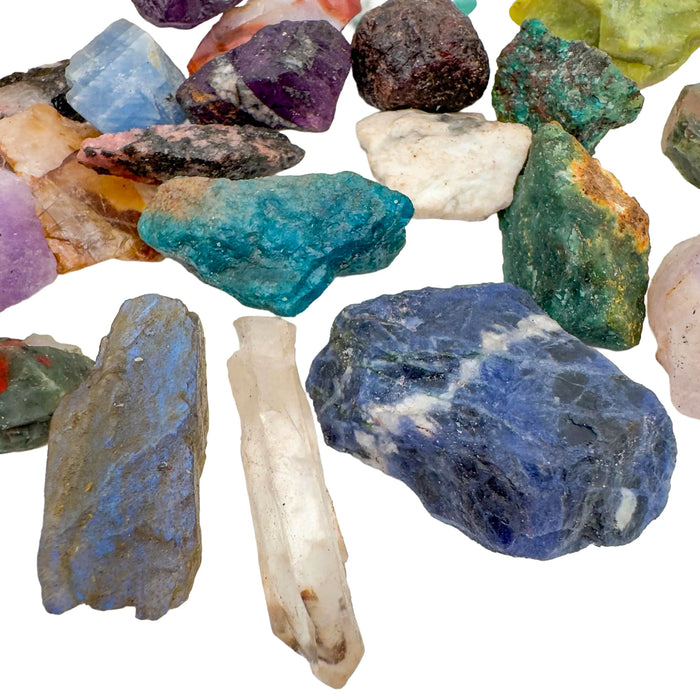
Most wholesale crystals in the U.S. market come through one of four paths. Direct relationships with miners or cooperatives, which are the hardest to build but often the most rewarding. Artisan lapidaries and cutting houses, which are where polish and shape quality live or die. Importers and exporters who consolidate inventory from multiple sources, which is fast but harder to verify. And marketplace resellers, which is where origin and treatment clarity tends to fall apart.
None of those paths are automatically good or bad. They're just different tradeoffs. Knowing which one you're buying from is the first step in asking the right questions.
The supplier vetting checklist
Before you place your first order with any new supplier, get clear answers on a few things. Country of origin for each material, and how they verify it. Treatment disclosure for anything commonly dyed, heated, coated, stabilized, or irradiated. Who they actually source from, in plain language, and how long they've worked with them. Their policy for damage, batch mismatch, or any of the other normal problems that come up in freight.
If a supplier gets defensive on any of those, that's your answer. You're done.
The math that protects you
Wholesale pricing looks simple until the first landed cost invoice lands on your desk. Build your pricing around total landed cost, not invoice cost, or you'll lose money on every order and not understand why.
Total landed cost includes the invoice price of the goods, freight and fuel, customs and tariffs and broker fees, a realistic shrink and breakage allowance, packaging and labor on your side, and the margin buffer you need to absorb volatility. A ten-dollar wholesale cost can easily become a sixteen-dollar landed cost by the time it hits your shelf. Price accordingly or don't bother.
Inventory planning that keeps you sane
Start with core repeat sellers before anything niche. Resist the urge to stock dozens of exotic categories. Buy fewer categories deeper, not dozens of categories shallow. Create consistent sizing bands so your customers know what they're getting and you can replenish without rewriting every product page. And document every batch, every supplier, every treatment note, every country of origin. That document will save you a year from now when a customer asks and you're trying to remember.
Red flags worth leaving over
A few patterns show up again and again in wholesale, and they almost always end badly. Suppliers who can't provide country of origin or always guess. Suppliers who claim nothing in their catalog is ever treated, for every material, which is statistically unlikely and a sign they either don't know or don't care. Prices that are too good to be true for material marketed as rare. Photos that don't match what arrives, with the mismatch brushed off as normal variation. And pressure tactics. Any supplier who tries to rush you into a decision before you've gotten your questions answered is telling you how the relationship is going to go.
A couple of honest answers to common questions
Should you source direct from mines? Sometimes. Occasionally it's the best possible arrangement. More often, the logistics, export requirements, and verification work make it harder than most new shops expect. Many successful wholesalers work with a small handful of trusted importers who already have the stable relationships in place.
And what's the fastest way to avoid expensive mistakes? Start small, sample before you commit, document everything, and ask origin and treatment questions on every new material category. Not once. Every time. The supply chain changes, and so should your questions.
Build slowly. Build trust first. The margins take care of themselves after that.
Keep reading
If you want to go deeper from here, you can read growing a wholesale business in tough times, vetting suppliers, pricing and tariffs, or tariff impact.
You can also browse our full crystal catalog if you'd like to see what we currently carry.
Frequently asked questions
How do I find ethical wholesale crystal suppliers?
Start with sellers who can name countries and regions on every parcel. Ask for treatment disclosure in writing. Build relationships with two or three suppliers rather than chasing the cheapest spot price across many.
What should I budget for ethical wholesale?
Expect 25-40% higher landed costs than the cheapest mass-market alternatives. The premium pays for traceability, fair labor, and consistent quality. It also reduces returns and customer complaints, which usually offsets the spread.
Can I start a wholesale crystal business from home?
Yes. Many small operators run home-based businesses with a few hundred dollars of inventory. The bigger constraint is supplier relationships and storage, not capital.
How do I vet a new wholesale supplier?
Ask three questions before you place a first order: where is this from, what treatments has it received, and who handled it before you. The answers tell you what kind of supplier you're dealing with.