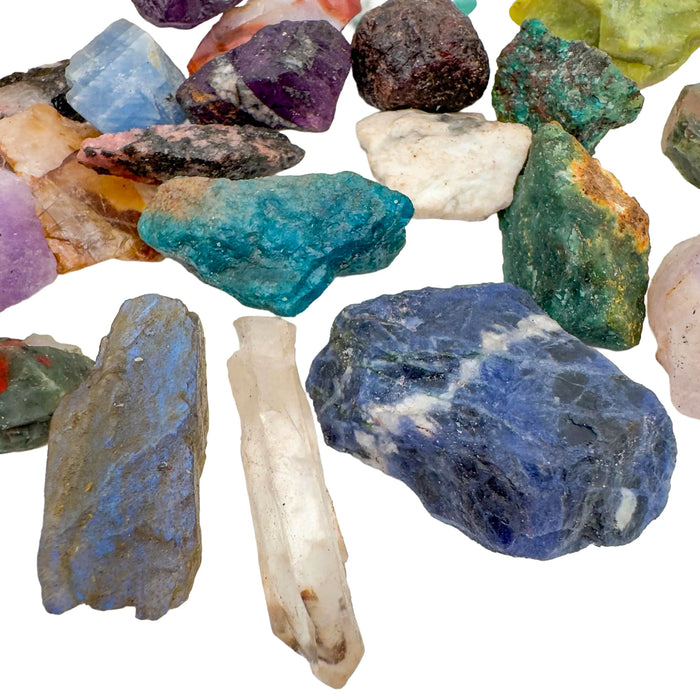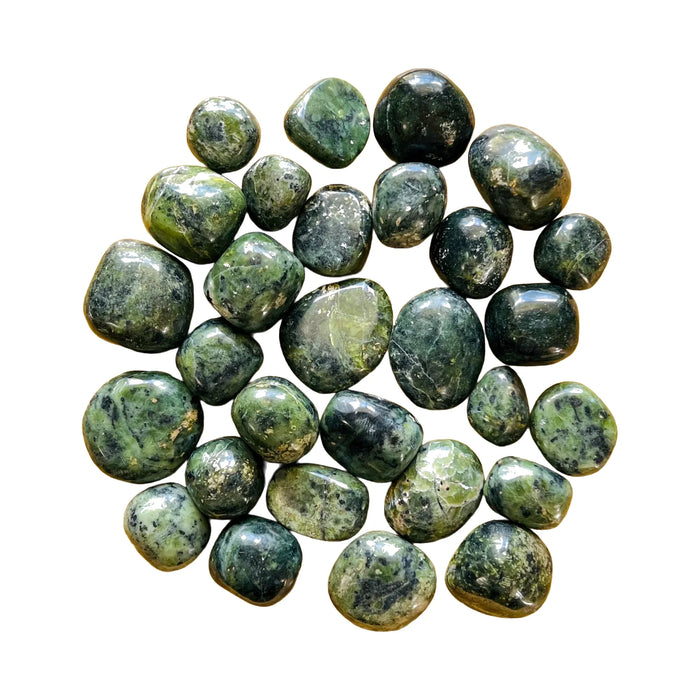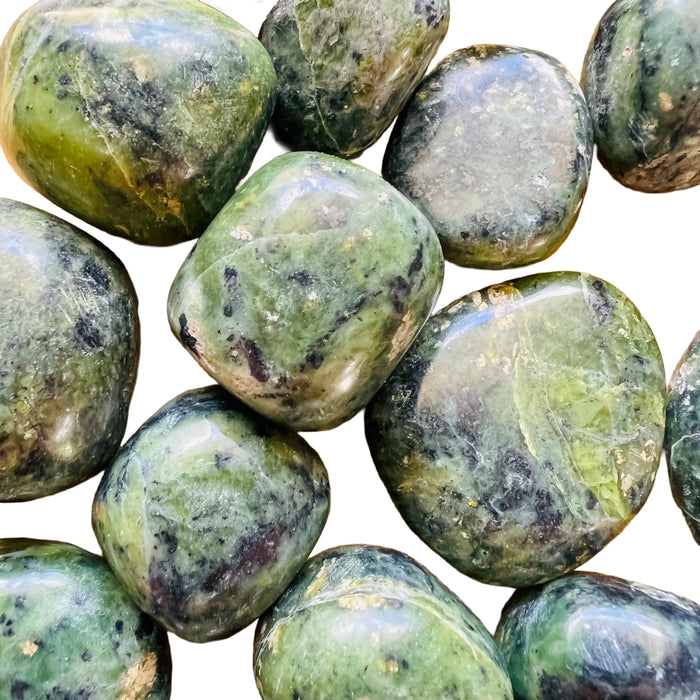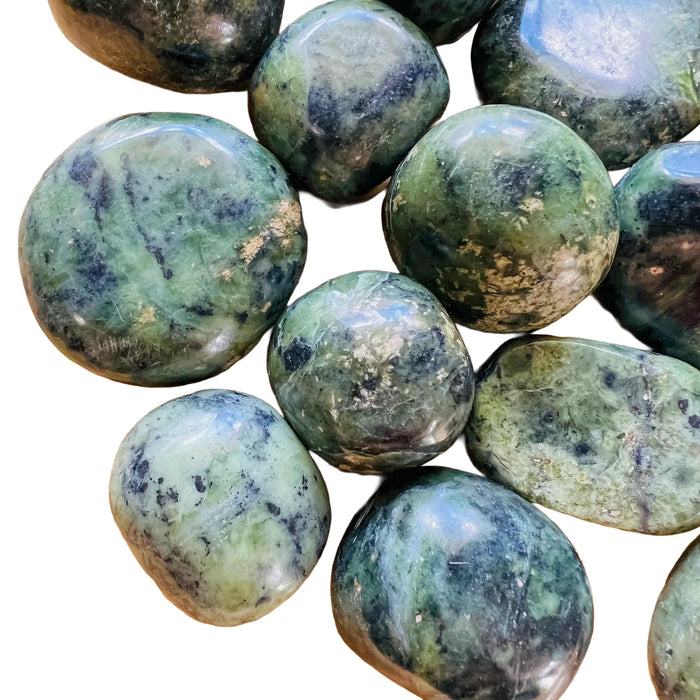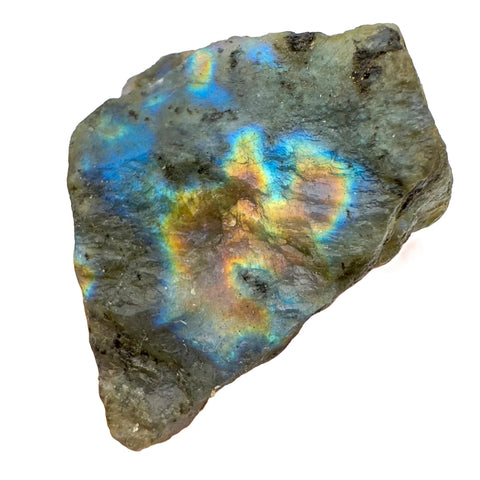



































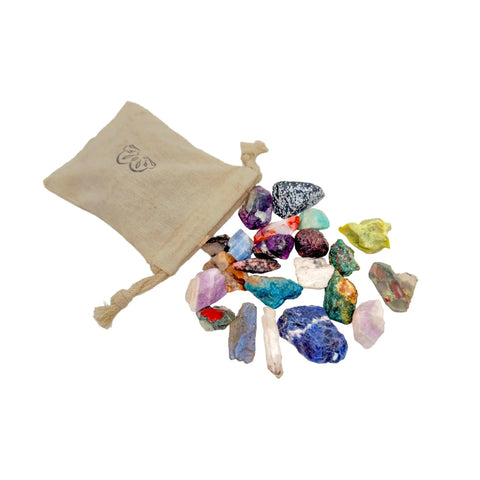










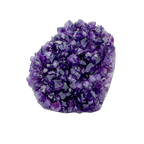

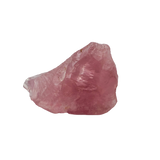
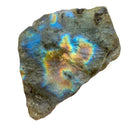
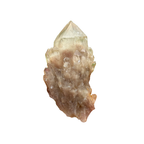
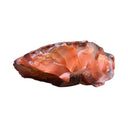
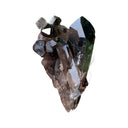
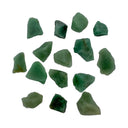
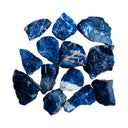
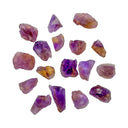
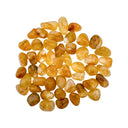
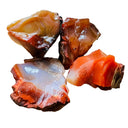
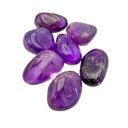


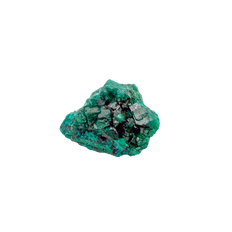




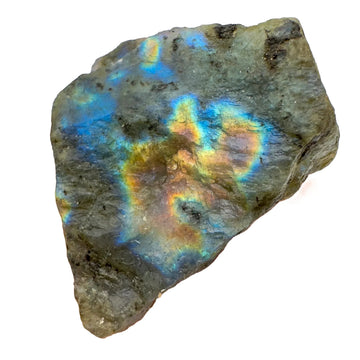







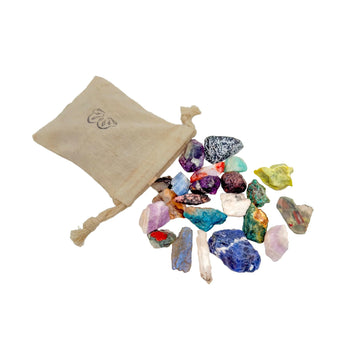










A five-question filter for anyone weighing another purchase. Most of the time you do not need another piece. You need to use the one you already own.
Do You Need a Crystal Right Now? A 5-Question Filter

Most of the time, you do not need to buy another crystal. You need to pick up the one you already own and put it back into use. If you are buying, the strongest filter is whether you will actually touch the piece, whether you can picture using it for a month, and whether you would still want it if no meaning was attached.
TL;DR: Before buying another crystal, run this filter: Can you picture touching it daily? Would you still want it if it had no metaphysical story? Is there a piece you already own that does the same job? Most crystal buying is habit, not need. One stone in active use beats five in a drawer.
That is the short version. The longer one is below, in five questions worth sitting with for ninety seconds before your next purchase. We wrote this because the most common message we get from longtime crystal buyers is some version of "I have a shelf full of stones I do not use, should I buy another one." Usually the answer is no. Sometimes the answer is yes, and the reason matters.
Question 1: Will I actually touch this piece?
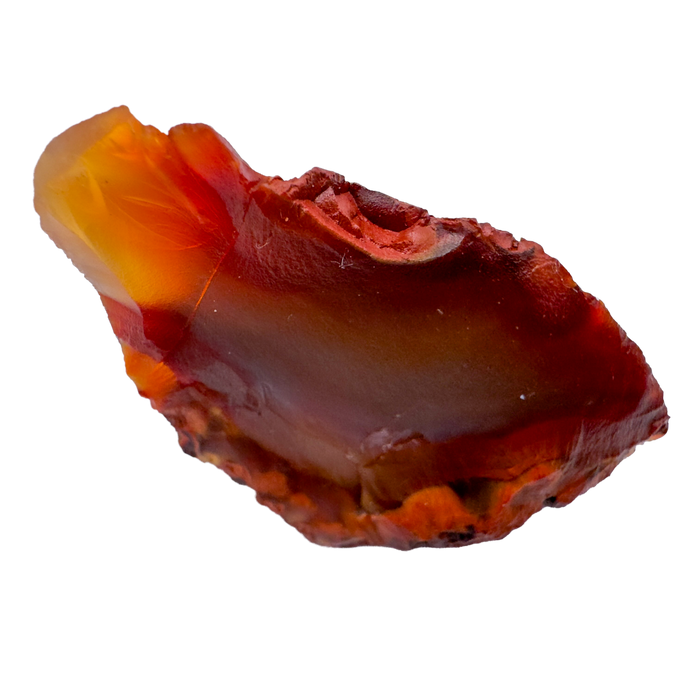
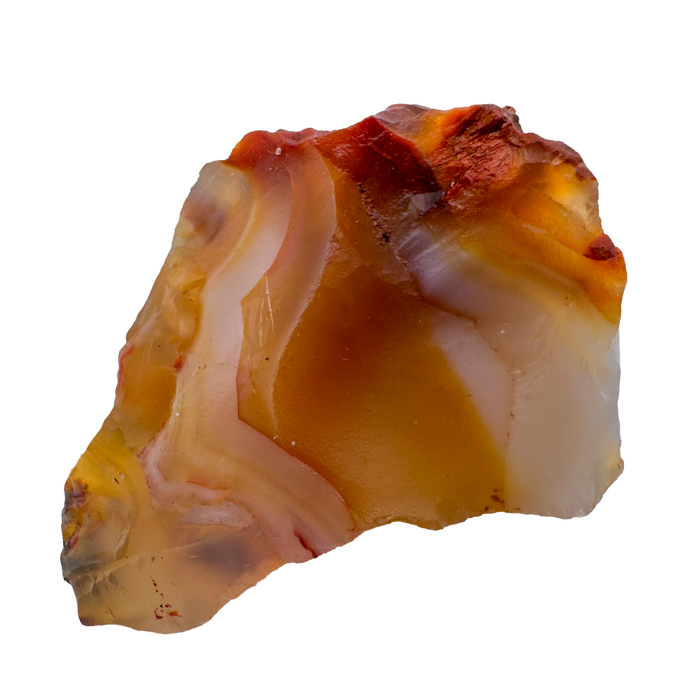
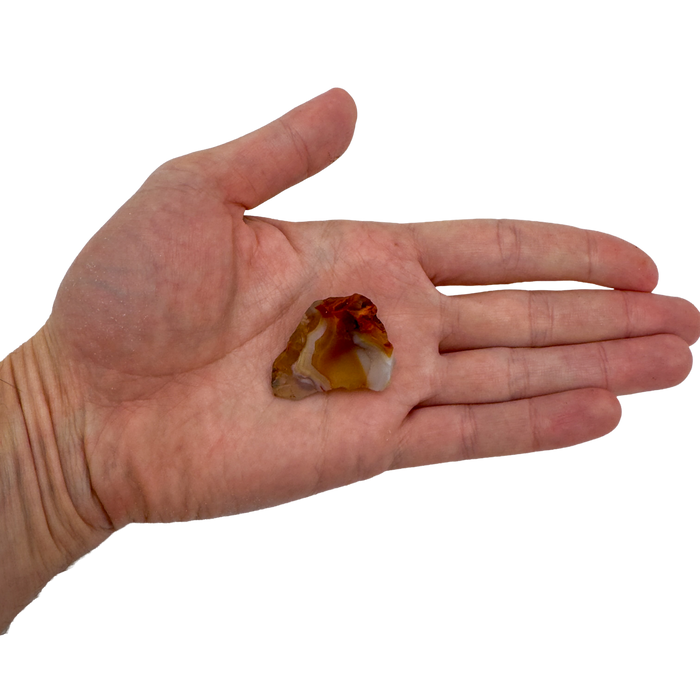
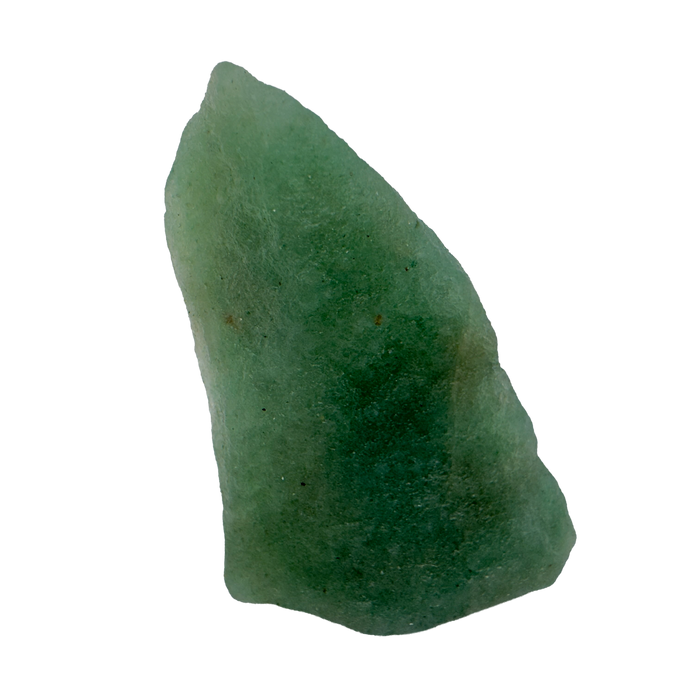
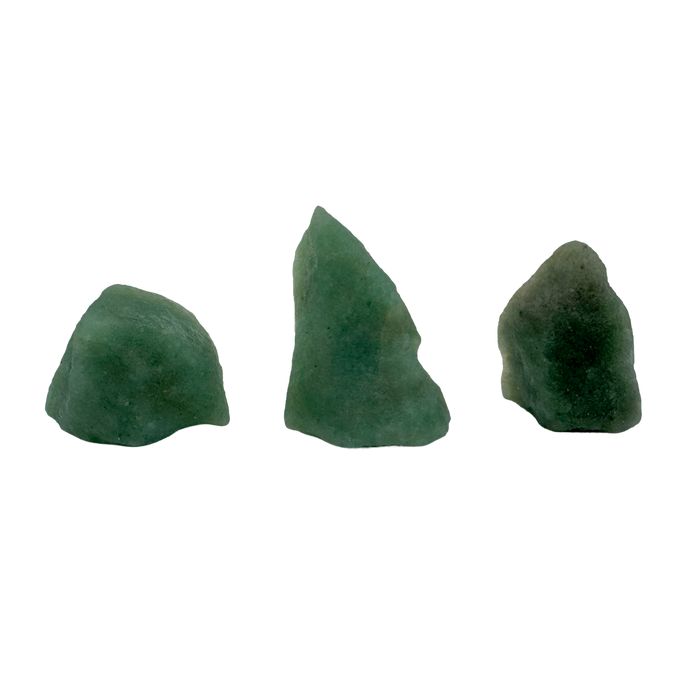
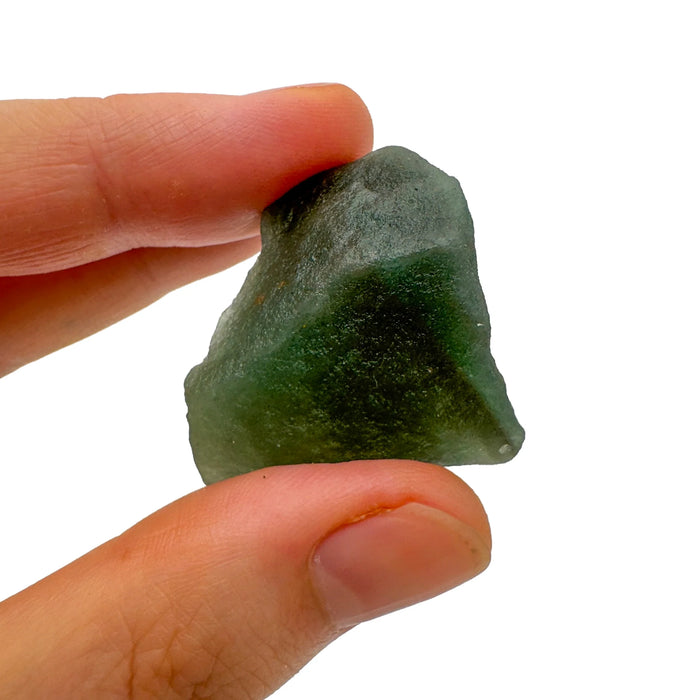
This is the cleanest test. Look at the photo. Look at the size. Can you see yourself picking it up, holding it, running your thumb over it, carrying it in a pocket?
If the answer is no, you are not buying a tool. You are buying decor. That is fine, but call it what it is. A statement cluster on a shelf is a beautiful object. It is not a stone you are working with. Decor purchases get returned to less often than practice purchases, and they are more likely to sit unused.
If the answer is yes, keep going.
Question 2: Do I already have a stone I use, and is this one paired with it?
The strongest practice purchases pair with something you already have. If you own a rose quartz tumbled stone you reach for every morning, a rhodonite to pair with it for grief work is a real purchase. If you do not have anything you are currently using, ask yourself what practice you are building before you add another piece.
If you are buying your first crystal, this question reframes to: which single stone am I starting with, and what will I use it for. Start small. One stone, one purpose, one month of use. Then decide.
Question 3: Can I picture the first month of using this stone?
Not the first week. The first week is novelty. The first month is the real test.
If you cannot picture where it will sit, when you will touch it, and what you will do with it across thirty days, the piece is likely to land on the shelf and stay there. The numbers we see on returning customers support this. People who buy a stone with a clear thirty-day picture come back for paired pieces months later. People who buy without one usually do not.
Question 4: Do I know what kind of stone this actually is?
Origin. Treatment. Grade. Size. These are the four tangibles. Buyers who can name them tend to keep the piece. Buyers who can only describe the meaning tend to forget about it within a season.
This is not gatekeeping. It is the same as buying tea. If you know it is a Darjeeling first-flush from a specific estate, you treat it differently than if it is just "tea." The crystal works the same way. A polished rose quartz from Brazil, hand-finished, AAA grade, 1 to 1.5 inch palm-sized piece is a real object you will know how to care for. A "rose quartz" with no details is just a vague feeling, and a vague feeling does not stay in your daily life for long.
Question 5: Would I still want this if no meaning was attached at all?
This is the deepest filter. Strip the title off. Strip the chakra association. Strip the intention list. Look at the stone purely as an object.
If you still want it, you are buying the stone. The meaning, when you bring it in later, will be a layer on top of something real. That tends to last.
If you only want it because of the meaning attached, you are buying the story. The story can be lovely. It just rarely survives once the novelty fades. Story purchases are the ones most likely to end up on the unused shelf.
What to do if the answers point to "no"
The most useful step is the cheapest one. Pick up a stone you already own, ideally one you have not touched in a while, and put it back into rotation for a week. Carry it. Notice it. Set it on your desk while you work. Hold it while you read.
Most of the "should I buy a crystal" question disappears once you have actually practiced with the one you already have. If after a week the practice has restarted and you genuinely want a paired piece, that is a different purchase than the impulse you started with. It is the right kind.
What to do if the answers point to "yes"
Buy one piece. Not three. Not a starter set. One stone, with a clear reason, that fits the five filters above. Start where the rest of the catalog tells you to start: a hand-sized polished stone that will actually live in your daily routine.
If you want help, the Crystal Guide is built so the science and origin come first and the intention comes last. Our Beyond Ethical™ standards explain how we trace and verify what we sell. The palm stones collection is the strongest entry point for practice-tool purchases. Tumbled stones work the same way at a lower price point.
Frequently asked questions
How many crystals should I own?
However many you actually use. Two stones you reach for every week is more practice than twenty stones in a basket you have stopped noticing. There is no number that is correct.
Is it bad to buy crystals as decor?
No. A statement cluster, a polished sphere on a stand, a slab on a side table are all legitimate aesthetic choices. The distinction worth keeping: decor is decor and a practice tool is a practice tool. Buying for one reason and pretending it is the other is what creates the shelf full of unused stones.
Which crystal should I buy first?
Start with one stone that solves a specific situation you are in right now. Sleep difficulty, anxiety, grief, focus, transition, protection. Pick the situation, then pick a stone traditionally used for it. Buy one piece, hand-sized, in a price you would not regret if you put it down and never used it. Most first-time buyers do well with rose quartz, black tourmaline, or amethyst, depending on the situation.
How do I know if a stone is actually working?
That is the wrong question. The stone is not doing something to you. The practice you build around it is what matters, and the practice is something you can measure. Are you sitting with intention longer than you used to. Are you sleeping with the stone nearby and noticing your own state. Are you remembering to set it down when you are done. Those are the signals.
Can I just use the same crystal forever?
Yes. The "you need a new crystal every month" model is a marketing pattern, not a spiritual requirement. Most longtime crystal practitioners we know work with a small number of pieces for years. Pairing in is a real reason to add. Replacement because the last one stopped feeling new is not.
The simplest version
One stone, with a reason, that you will actually touch, paired with a piece you already use, in a price you can put down without regret. That is the practice purchase. Everything else is decoration or impulse, both of which deserve clear names.
When you are ready, take a look at the palm stones. If you want to start with the science before the stone, the Crystal Guide is the place. We are here when you have a question.