





Amethyst Crystal Guide: meaning, origin & properties
For clarity and rest.
Learn what Amethyst is, where ours comes from, traditional associations across cultures, and how to identify a real specimen, in our complete Amethyst Crystal Guide.
In stock
Sourced through a regional cooperative or community-based workshop. Processing and economic benefit stay local, which means more of the value reaches the people doing the work.
Read our Sourcing Standards →For clarity and rest.
Learn what Amethyst is, where ours comes from, traditional associations across cultures, and how to identify a real specimen, in our complete Amethyst Crystal Guide.
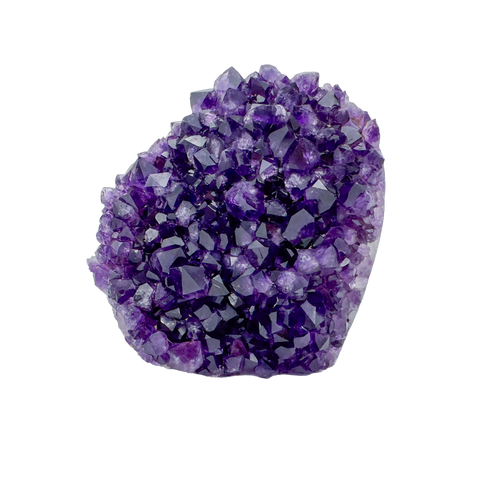
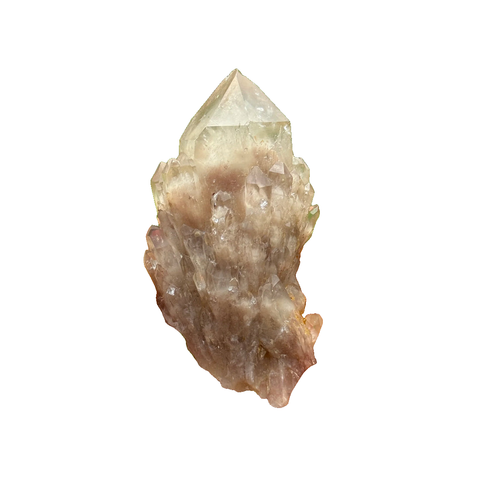
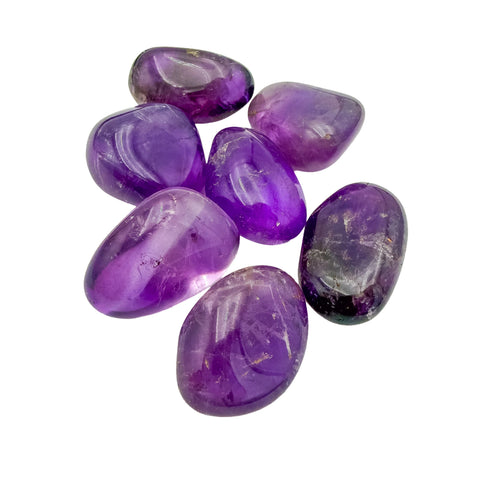
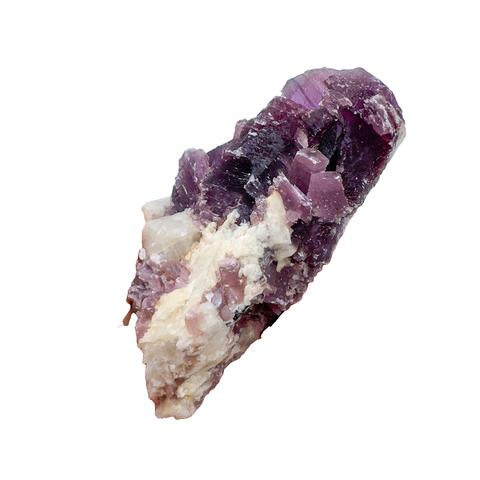
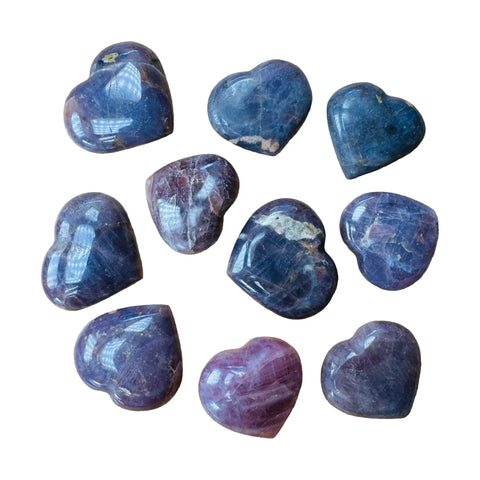
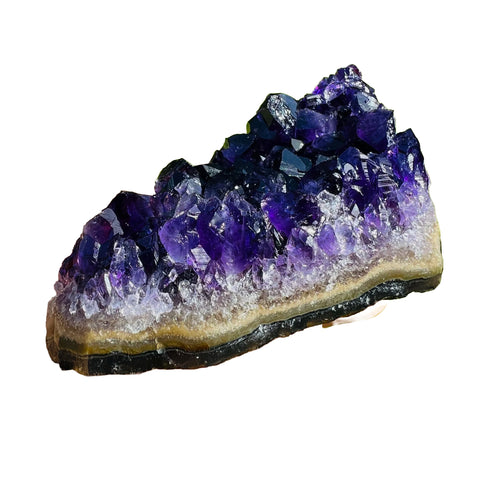
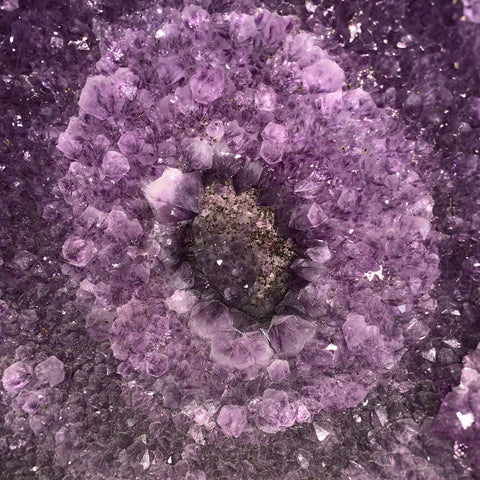
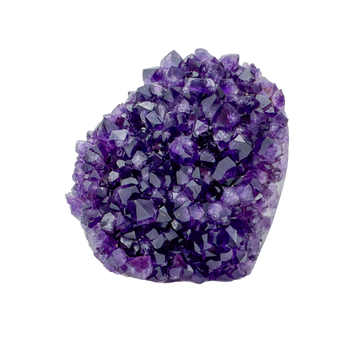
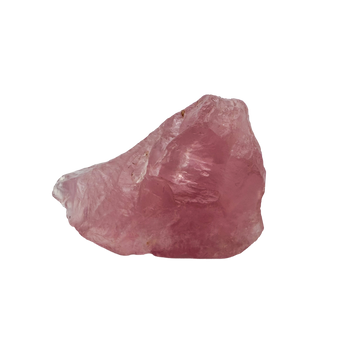
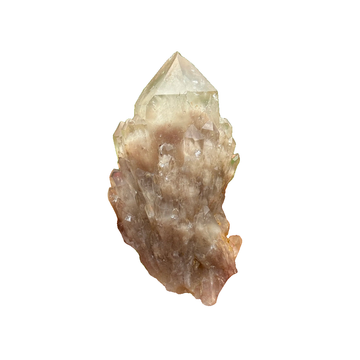
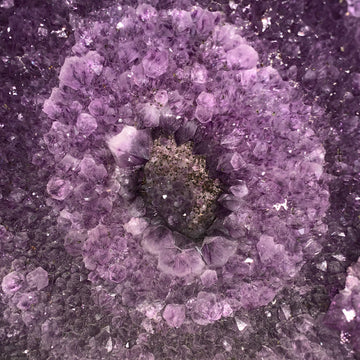
Amethyst has the kind of purple that draws you in without trying. Some pieces are pale lavender, others are deep violet, and the best ones catch light through the crystal structure so they seem to glow from the inside.
Sourced directly from Alaotra-Mangoro, Madagascar. Worth knowing: a lot of the amethyst on the market is heat-treated and irradiated. What we carry is natural and untreated.
From Greek 'a-methystos' meaning 'not drunk', ancient Greeks believed amethyst prevented intoxication and carved drinking vessels from it.
In crystal traditions, amethyst is often associated with quiet, steady calm, winding down and settling into rest, and a simple anchor during practice. It's traditionally linked to the third eye and crown chakras. If that resonates, set it in front of you during meditation or quiet reflection. Work with it the way that fits your own practice.
These are traditional associations drawn from historical practice. This stone is not a substitute for medical or mental health care.
A starting place for your own quiet practice.