








Lepidolite Crystal Guide: meaning, origin & properties
Learn what Lepidolite is, where ours comes from, traditional associations across cultures, and how to identify a real specimen, in our complete Lepidolite Crystal Guide.
Sold out
We work directly with the mine or workshop, with no intermediaries in between. The relationship is personal, pricing is transparent, and we can speak to each batch.
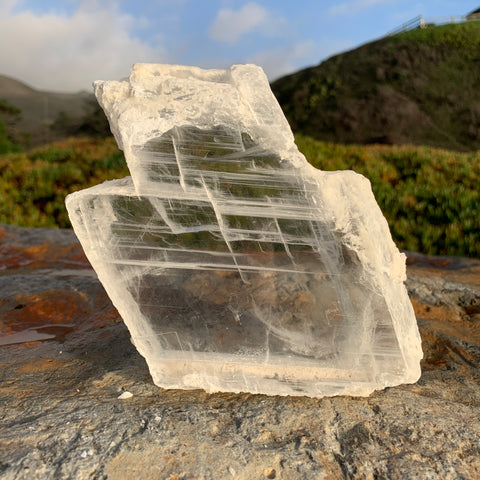
Read our Sourcing Standards →Lepidolite has a lavender-grey shimmer that comes from its layered mica structure. Hold one up to the light and you'll see it flash, almost like cracked ice. It's one of the softer stones we carry, which means you treat it gently.
The name comes from Greek 'lepidos' meaning scale, referring to its scaly, micaceous texture.
Our tumbled stones are sourced from Erongo, Namibia. At 2.5-3 on the Mohs scale, it's on the softer end. Keep it away from water and store it separately from harder pieces. Worth knowing: a lot of the lepidolite on the market is stabilized. What we carry is natural and untreated.
Lepidolite has long been used in practices around quiet, steady calm, working through difficult feelings at your own pace, and winding down and settling into rest. It's traditionally linked to the heart and third eye chakras. If that resonates, hold one over your chest for a few breaths when you need to soften. There's no single right way to carry it.
These are traditional associations drawn from historical practice. This stone is not a substitute for medical or mental health care.
A starting place for your own quiet practice.