





Are crystals from Madagascar conflict-free
The honest version of an honest question. Madagascar is not a war zone. The ethics live somewhere else.
Search any crystal forum for "ethical Madagascar" and you will find the same handful of half-answers repeated. We work with partners on the island. Here is what we have learned.
Madagascar crystals are generally not conflict-sourced in the armed-conflict sense. The honest issue is artisanal mining safety and fair payment, not war. Most quartz, labradorite, and rose quartz come from small cooperatives and family operations. Whether a piece is "ethical" depends on whether the miner gets paid fairly, not on the country of origin. We work with named cooperative partners on the south coast and in Antsirabe.
Where Madagascar's crystals actually come from
Madagascar is one of the most mineral-rich islands in the world. The geology is old, deeply weathered, and varied. Different stones come from different regions, and the working conditions vary with the geology.
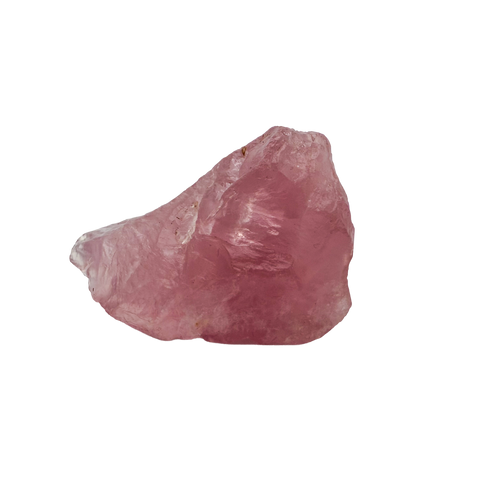
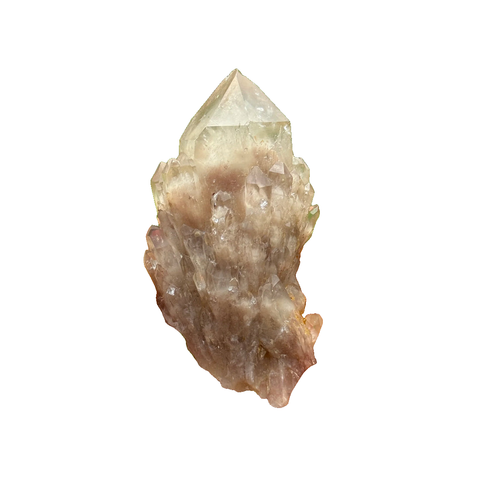
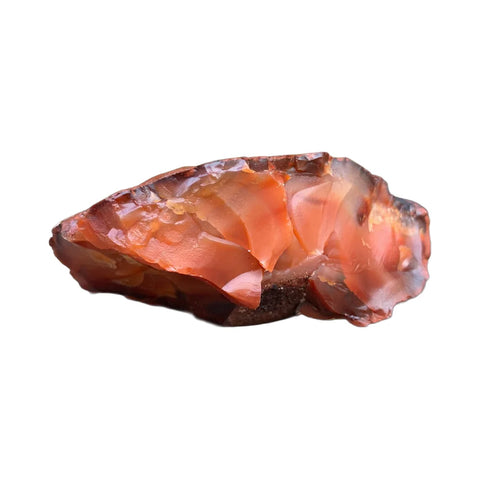
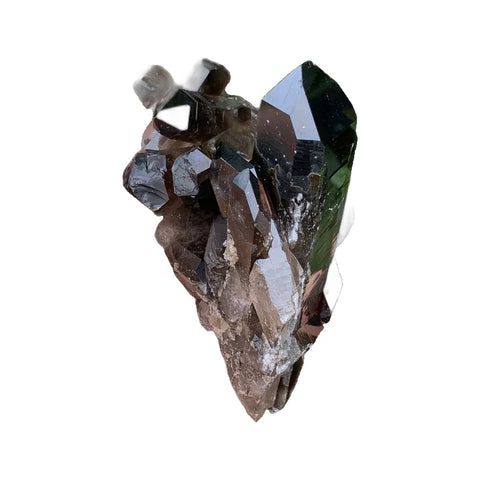
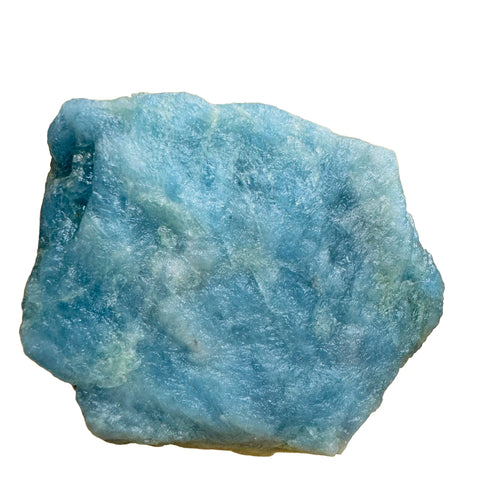
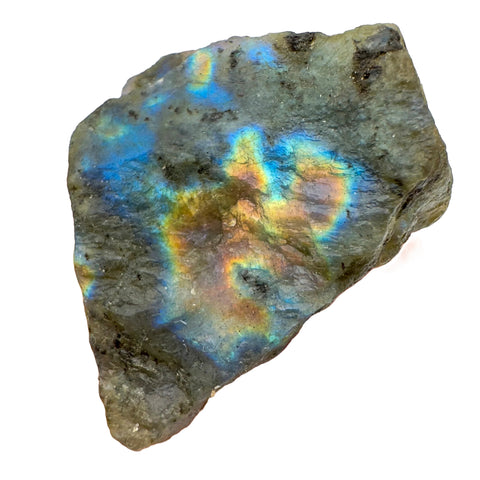
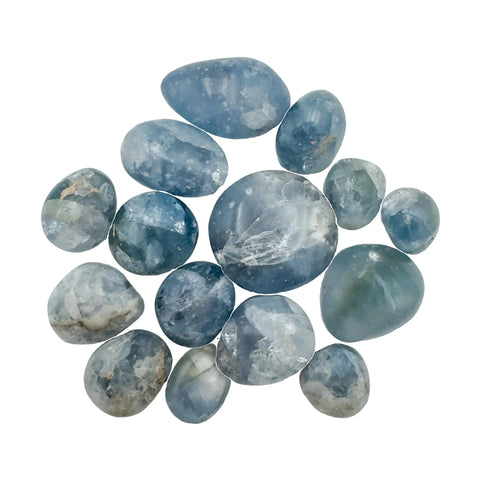
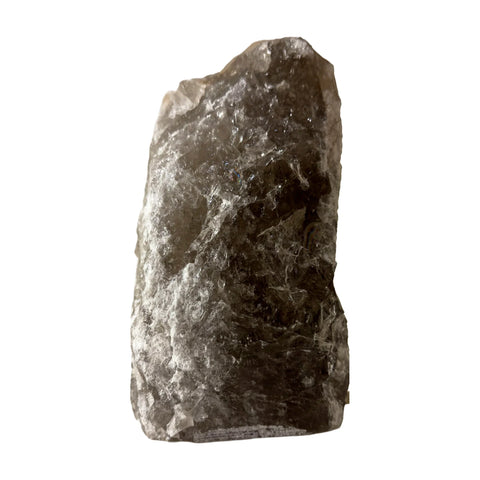
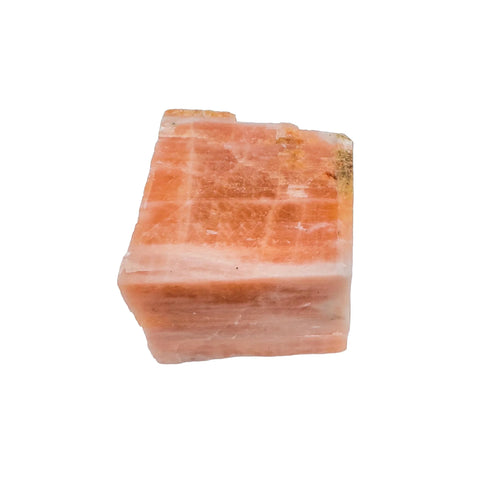
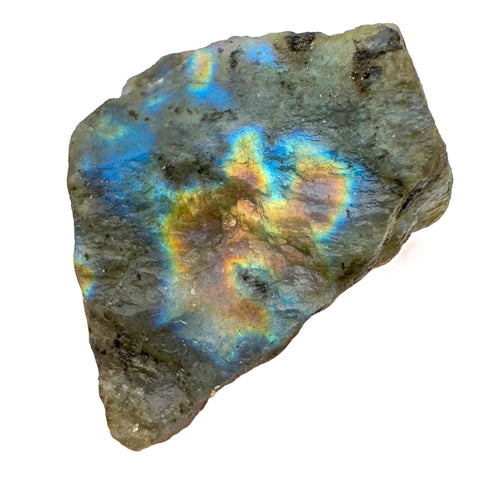
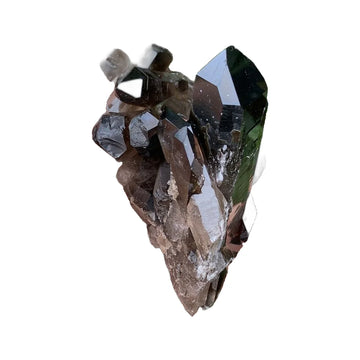
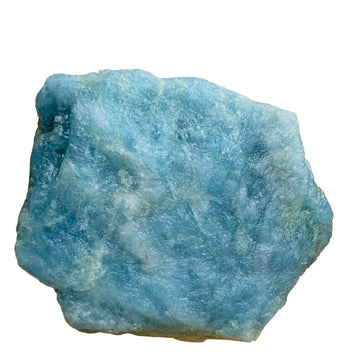
Labradorite comes mostly from the south coast, near Toliara, where the feldspar pegmatites are accessible enough to work by hand. Rose quartz and quartz family material come heavily from around Antsirabe in the central highlands. Smoky quartz, clear quartz, and the more colorful tourmalines come from Ilakaka and the surrounding region. Celestite, ocean jasper, and certain agates come from the west.
Almost none of this is industrial mining. Most of it is artisanal, meaning small crews working a pit by hand with picks, shovels, and basic equipment. Some pits are family-run. Some are cooperatives. A few are larger consolidated operations, but those are the exception in the gem trade, not the rule.
Three things that actually matter
"Conflict-free" is the wrong frame for Madagascar. The right questions are smaller, more specific, and harder for most retailers to answer.
Family operation, cooperative, or contracted labor. Each has a different power dynamic with the buyer and a different safety profile underground.
Export middlemen and pit-side brokers can compress the miner's share to pennies on the dollar of the final retail price. Fair-source pricing means accepting a higher floor.
Direct relationships, on-site visits, photographic batch documentation, and named cooperatives. Anything else is a story the importer told the retailer.
We do not publish exact mine coordinates or the full names of every partner. Some partners ask not to be named publicly for reasons of price negotiation and personal safety. We publish what they let us publish, and we tell the difference between "we visited" and "an importer assured us." That distinction is the work.
What Beyond Bohemian carries from Madagascar
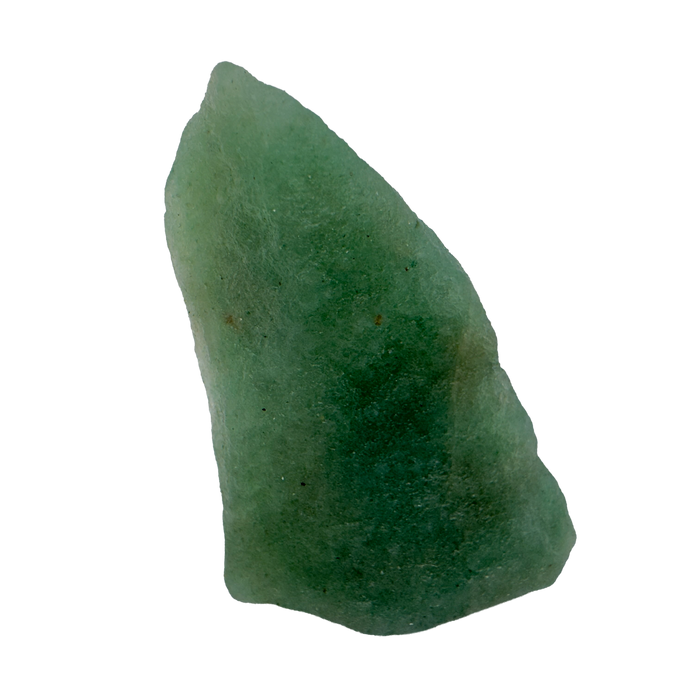
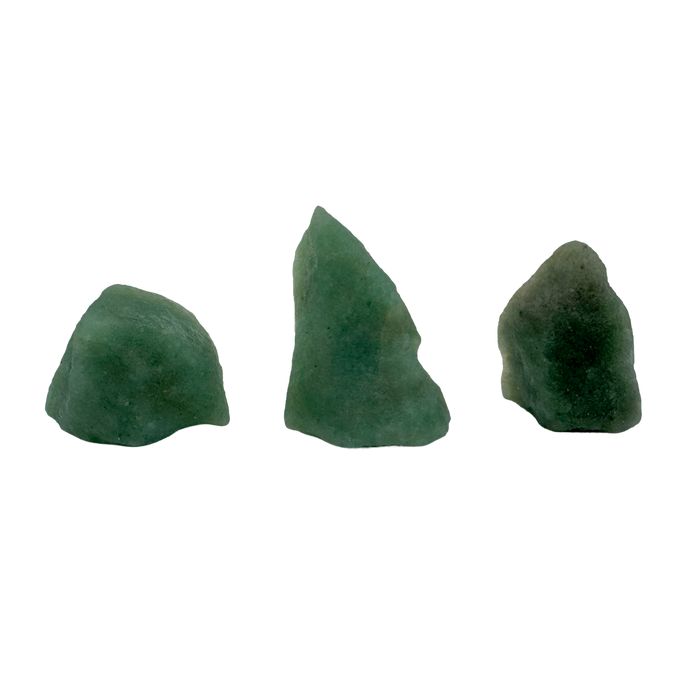
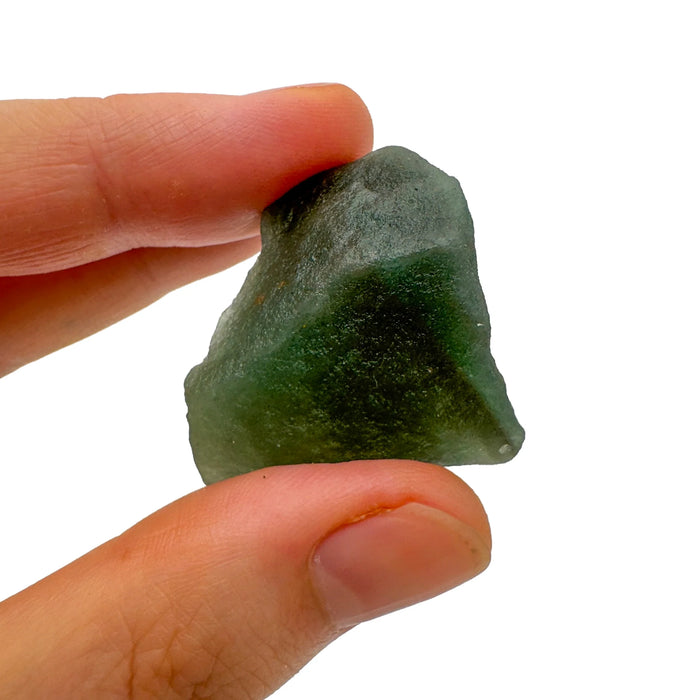
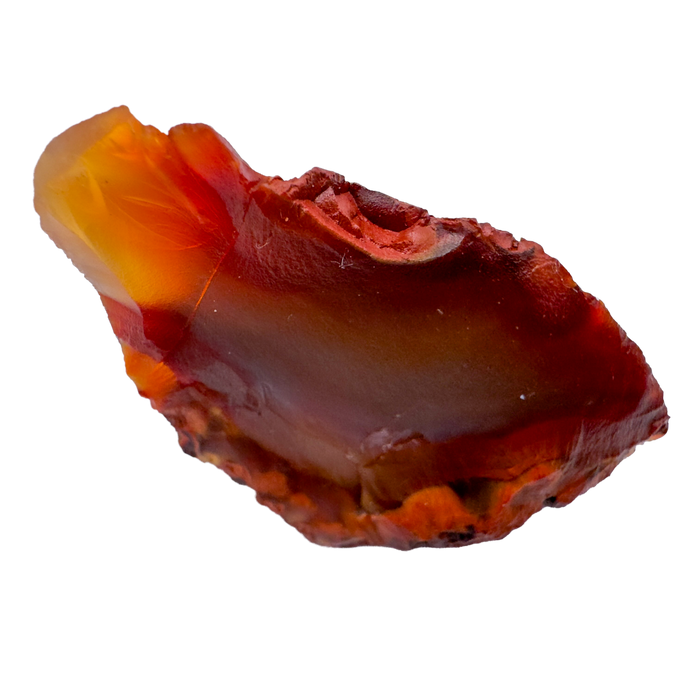
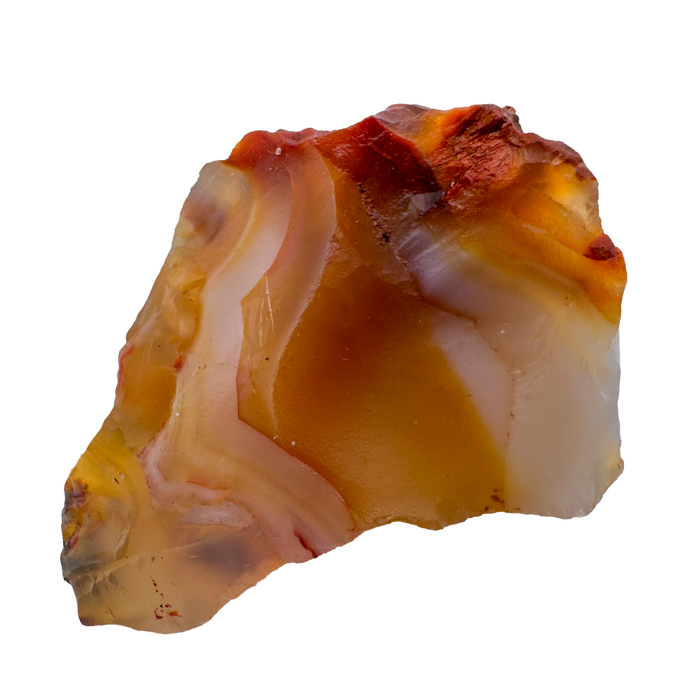
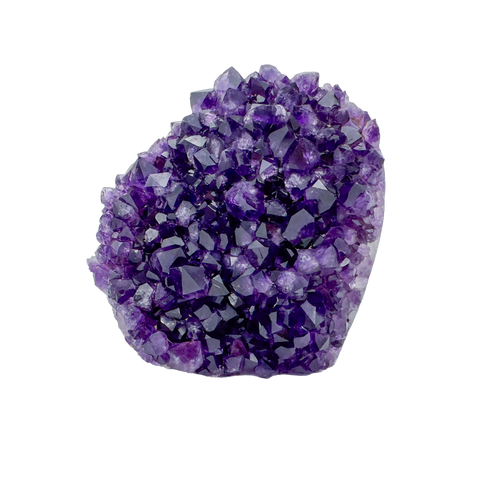
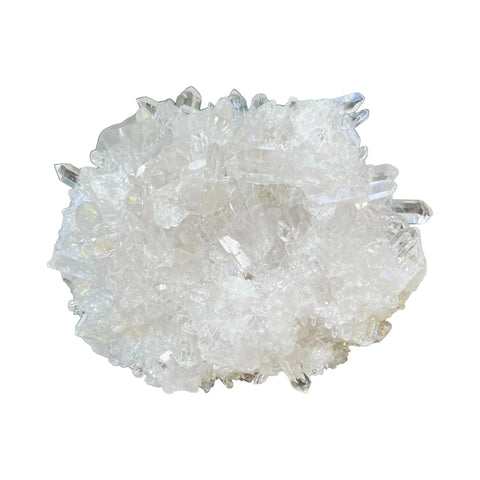
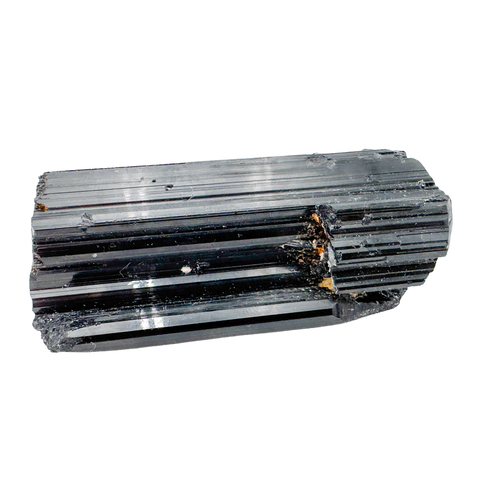
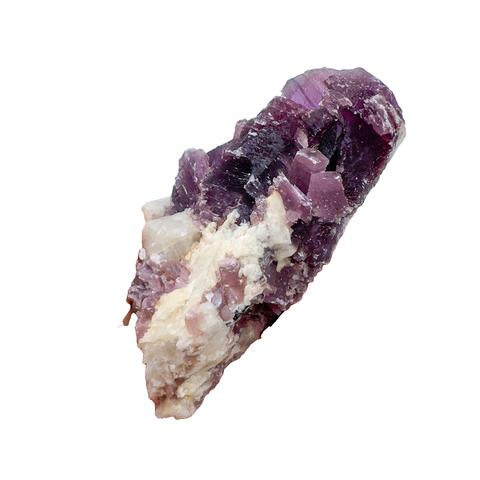
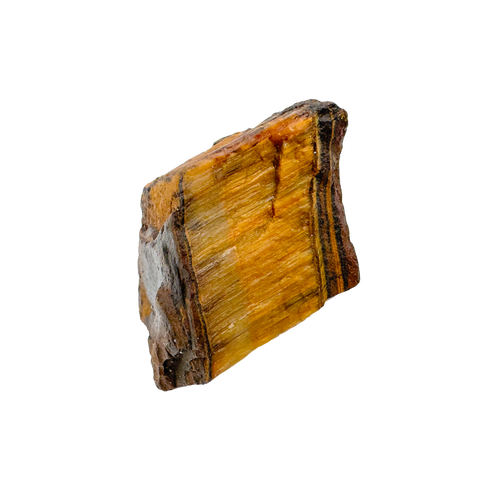
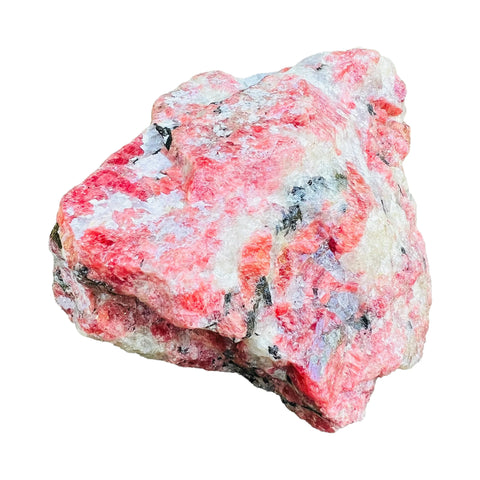
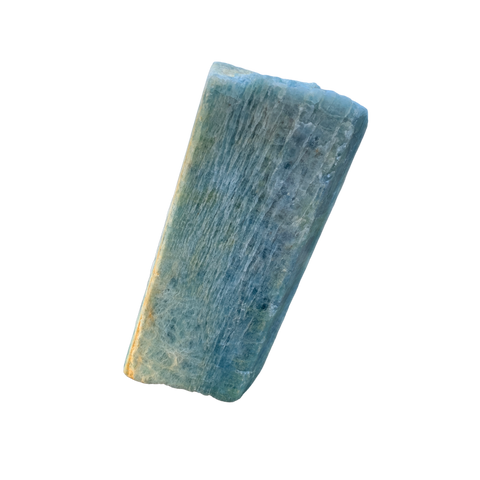
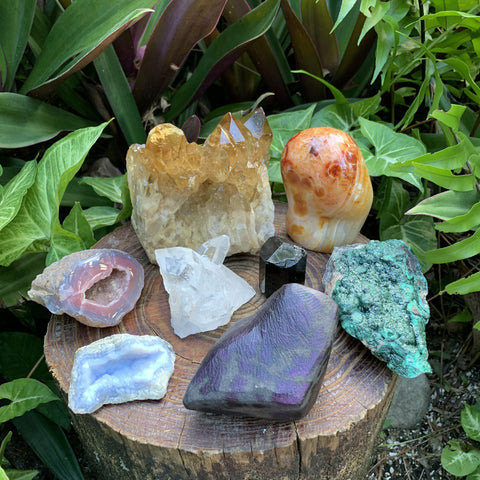
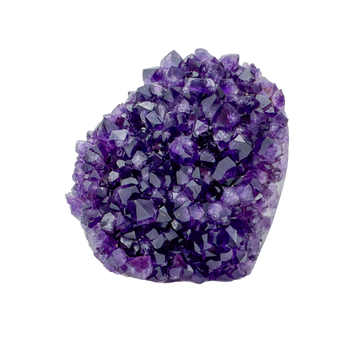
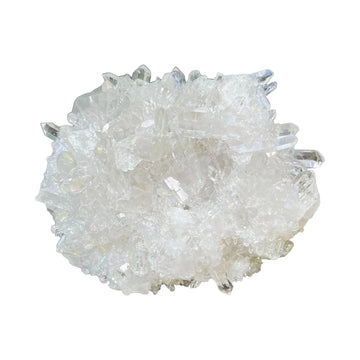
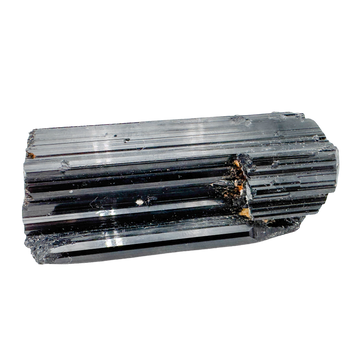
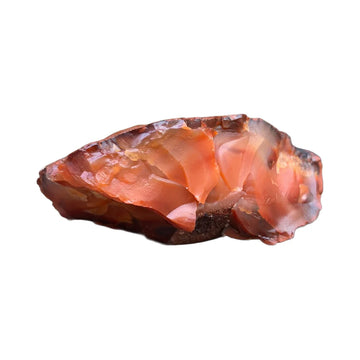
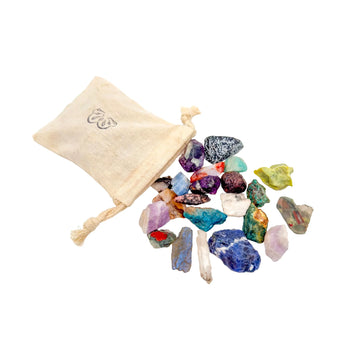
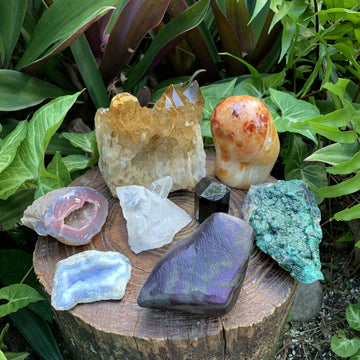
Madagascar is one of our most-cited origins. Labradorite, lepidolite, rose quartz, clear quartz, smoky quartz, orca agate, and several quartz-family specimens come from our partners on the island. We carry both raw and polished material, with a specific origin called out on the product page wherever possible.
The trade-off most retailers do not talk about: Madagascar prices are generally lower than Brazilian or Namibian equivalents because labor costs are lower. That price gap is also where miners get squeezed. Sourcing fairly means paying a price floor that reflects what the work is actually worth, then carrying it on the retail side.
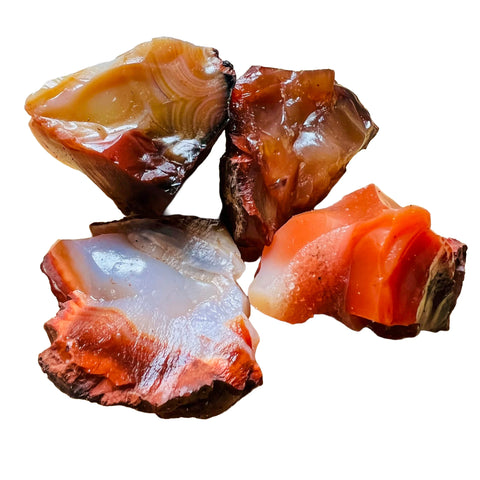
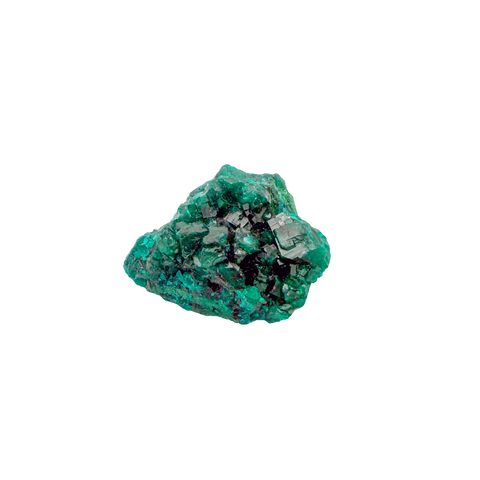
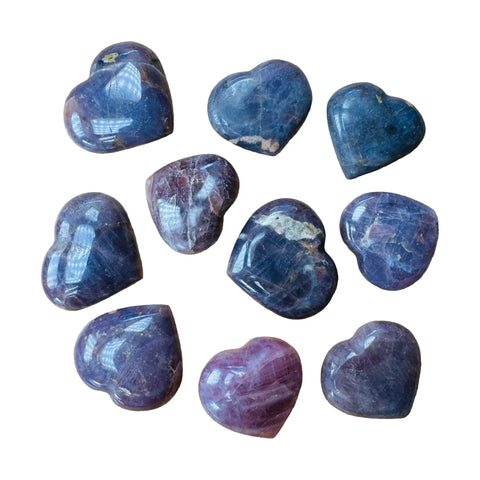
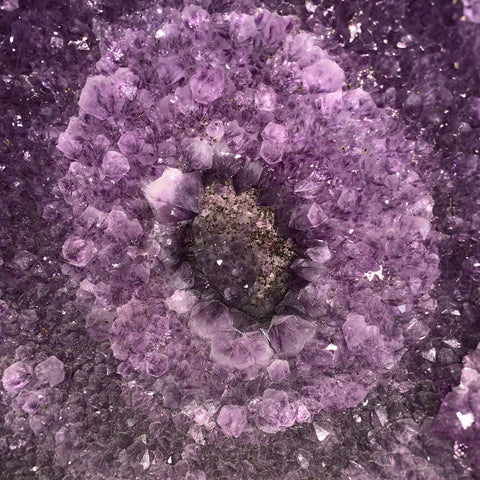
South-coast feldspar. Flash, depth, and color phenomenon judged within source context.
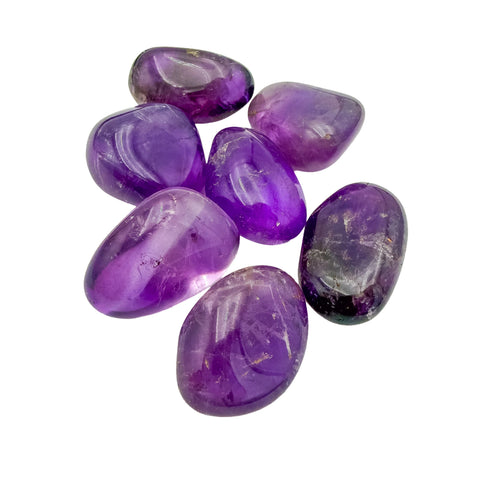
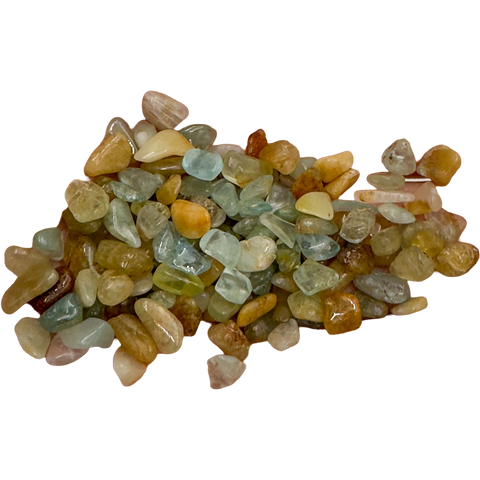
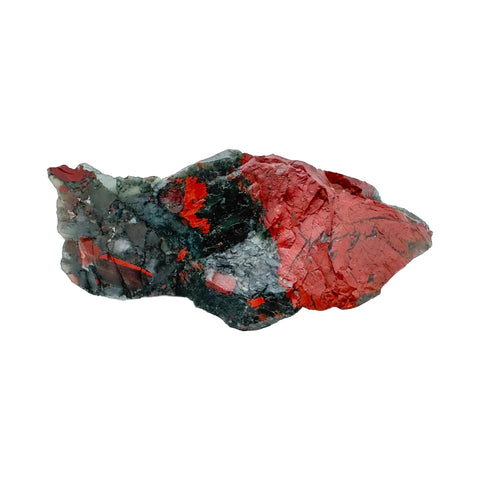
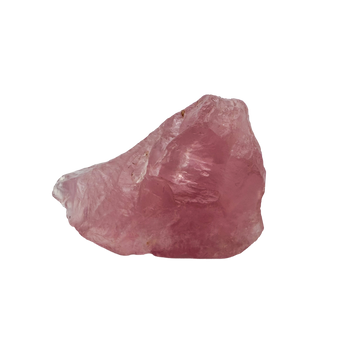
See the collectionAntsirabe and central highlands. Quality varies by pit, color held in the chunk.
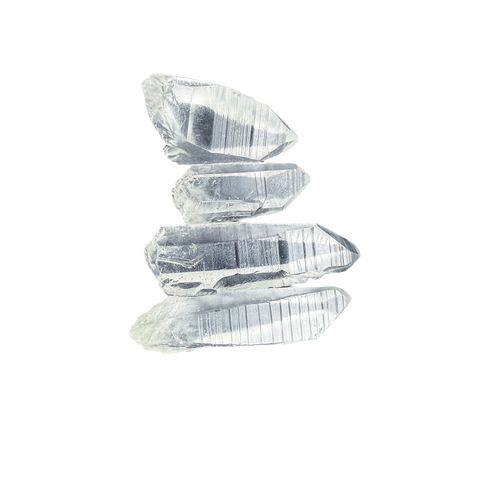
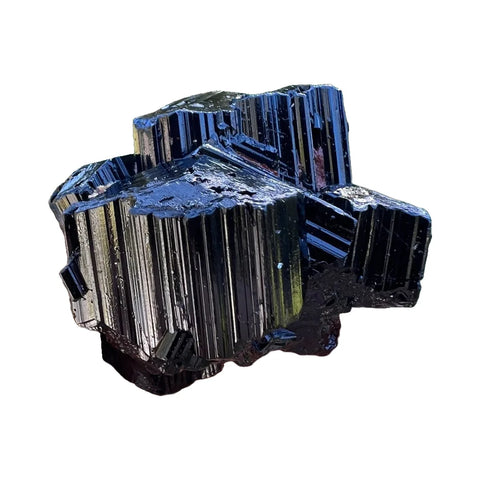
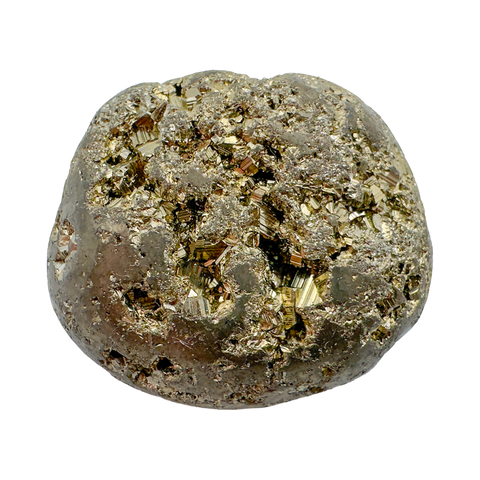
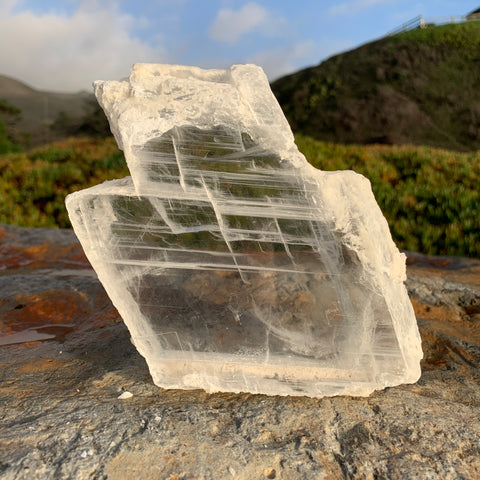
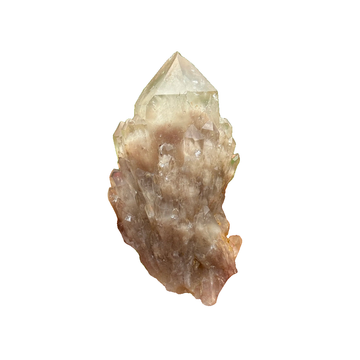
See the collectionIlakaka region. Clarity, formation, and inclusion patterns set the grade.
See the collectionFrequently asked
Are crystals from Madagascar conflict-free?
Madagascar is not a conflict zone in the way DRC or parts of Myanmar are. The honest issue with Madagascar crystals is artisanal mining safety and fair payment, not armed conflict. The answer depends on the specific supplier, not the country.
Who actually mines the crystals in Madagascar?
Most colored stones and quartz family material is mined by artisanal cooperatives and small family operations, not industrial mines. Labradorite from the south coast, rose quartz from Antsirabe, and clear quartz from Ilakaka are typical examples.
How do you verify a Madagascar source?
Direct supplier relationships, batch documentation, and cooperatives where the cooperative permits naming. We do not publish exact mine coordinates for safety and price reasons.
Is artisanal mining ethical?
It can be. When miners are paid fairly for the rough they extract and operate with reasonable safety standards, artisanal mining sustains rural communities. When miners are paid pennies on the dollar by export middlemen, it does not.
What stones does Beyond Bohemian source from Madagascar?
Labradorite, lepidolite, rose quartz, clear quartz, orca agate, smoky quartz, and several quartz-family pieces. Our product pages name Madagascar as origin where confirmed.
How are Madagascar stones priced compared to other origins?
Generally lower than Brazilian or Namibian equivalents because labor costs on the island are lower. This price gap is also why miners get squeezed by middlemen. Fair sourcing means accepting a price floor that reflects fair pay.
What is the environmental impact?
Artisanal pits are small and shallow compared to industrial mining. The bigger environmental story in Madagascar is deforestation from sapphire mining, which is a different supply chain from the quartz and feldspar pieces we sell.
Why not just buy from a country with stronger labor laws?
Because that approach starves communities that depend on the trade. Better sourcing means engaging with the actual supply chain and paying fairly, not avoiding it.