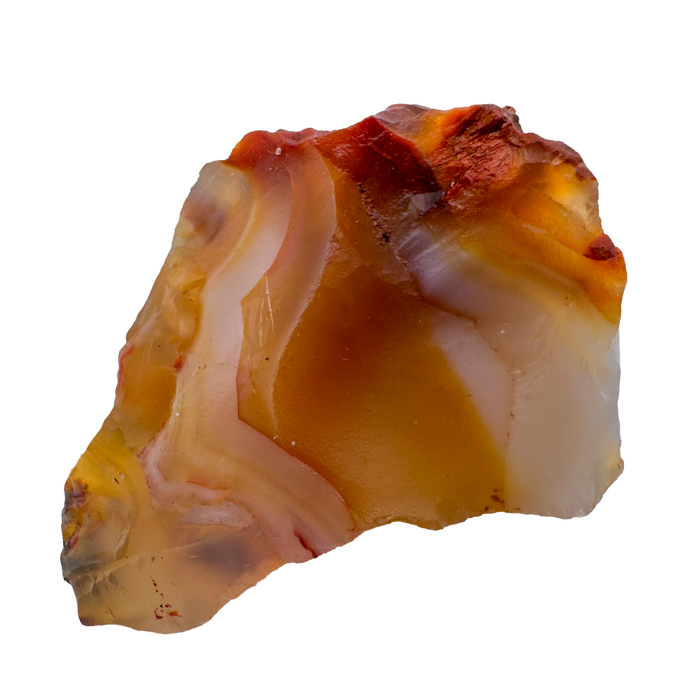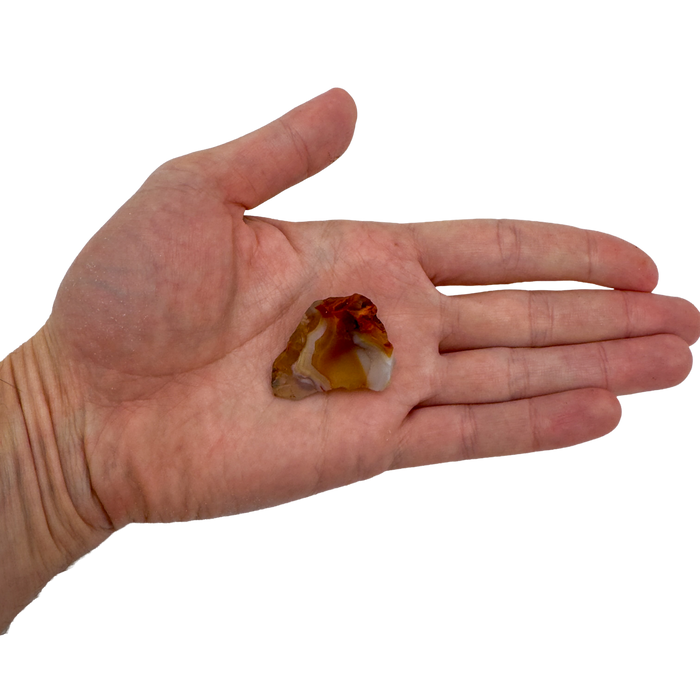








Crystal, Mineral, Rock, or Gemstone? What the Words Actually Mean
Five words the trade treats as interchangeable, and the real differences behind them.
Crystal, mineral, rock, gemstone, stone. Most shops reach for whichever word sounds best. In geology they mean different things, and knowing which is which tells you what you are actually holding.

A mineral is a naturally formed, inorganic solid with a set chemistry and an ordered atomic structure. A crystal is any solid built on that ordered structure, natural or not. A rock is a mixture of minerals. A gemstone is any of these cut and polished for beauty. Stone is the casual catch-all.
Five Words, Often Used as One
Walk through any crystal shop, online or in person, and you will see the same stones called a crystal on one page, a mineral on the next, and a healing stone on a third. None of it is exactly wrong. None of it is precise either.
The words sit inside one another like nested boxes. Most minerals are crystals. Many gemstones are minerals. Some rocks are sold as gemstones. The three that cause the most confusion are mineral, crystal, and rock, so here is the same short set of questions asked of each.
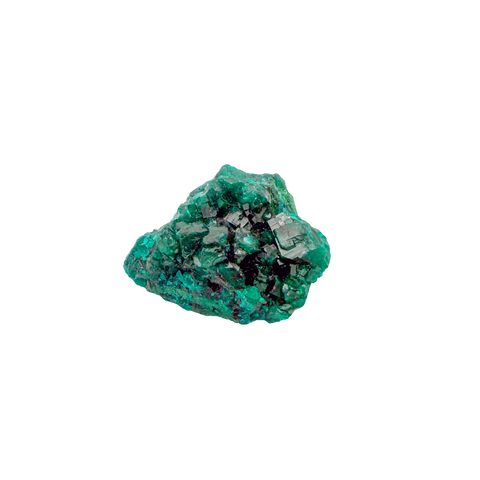
Mineral
The strict scientific unit
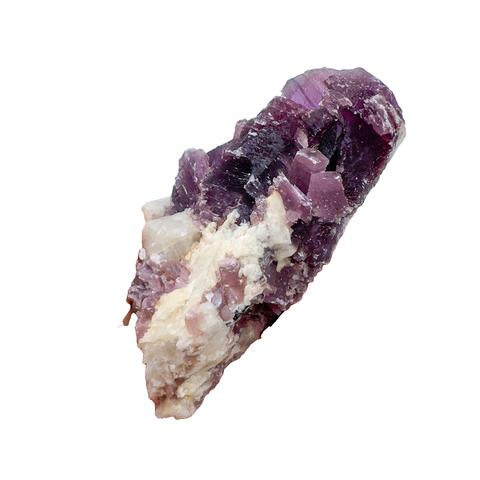
Crystal
A description of structure
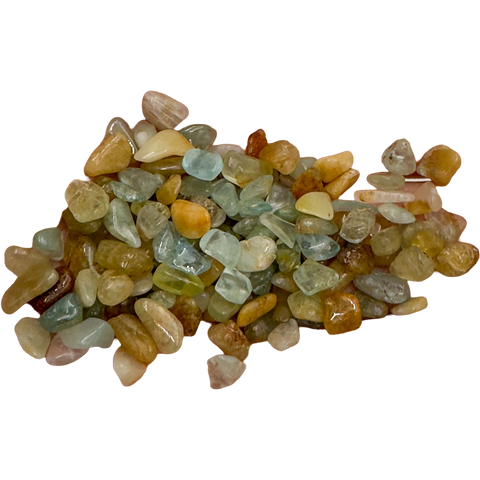
Rock
A mixture, not one thing
Every Mineral Is a Crystal, but Not Every Crystal Is a Mineral
A mineral has to clear four bars at once. It has to be solid, occur in nature, be inorganic (not made by living things), and have a definite chemical makeup arranged in an ordered, repeating atomic structure. Quartz clears all four, which is why it is a textbook mineral.
A crystal only has to clear the last bar, the ordered repeating structure. Origin and chemistry do not matter. That is why a lab-grown quartz point, a cube of table salt, and the sugar in your kitchen are all crystals, yet none of them is a mineral.

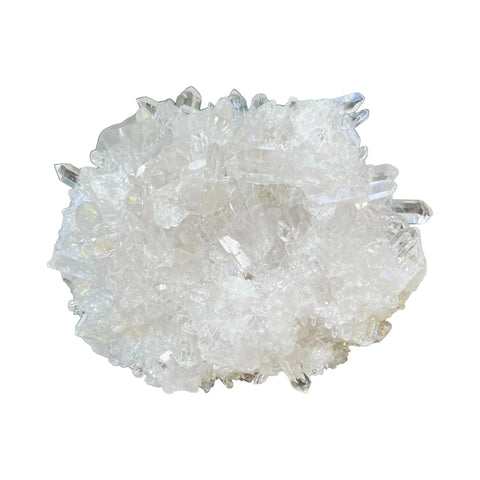
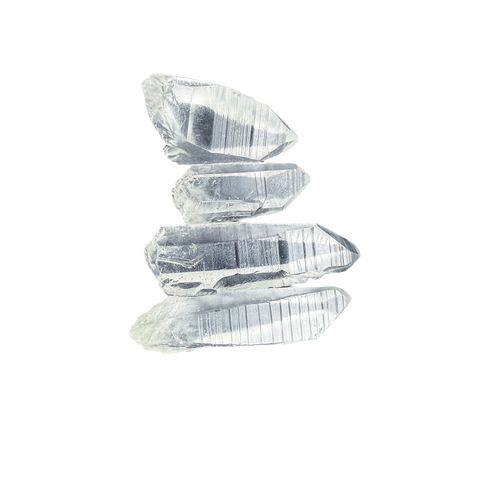
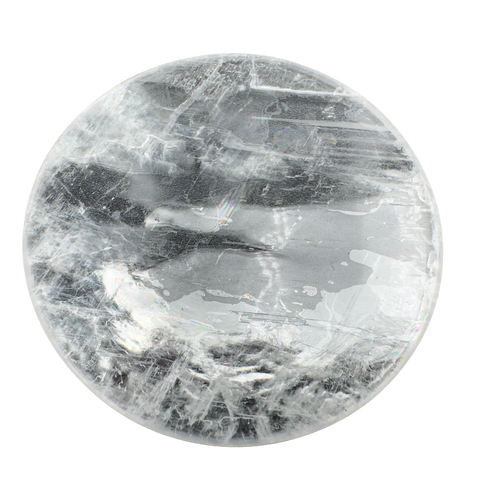
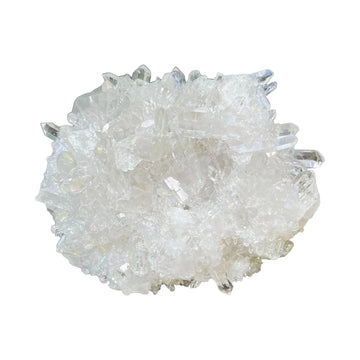
Clear quartz is a mineral and a crystal at once: natural, inorganic, and built on an ordered silicon and oxygen lattice.
"Every mineral is a crystal. Not every crystal is a mineral."
That one line resolves most of the confusion. Call something a crystal and you are describing its structure, or more often just its look. Name the mineral and you are saying what it actually is.
A Rock Is a Mixture, Not a Single Mineral

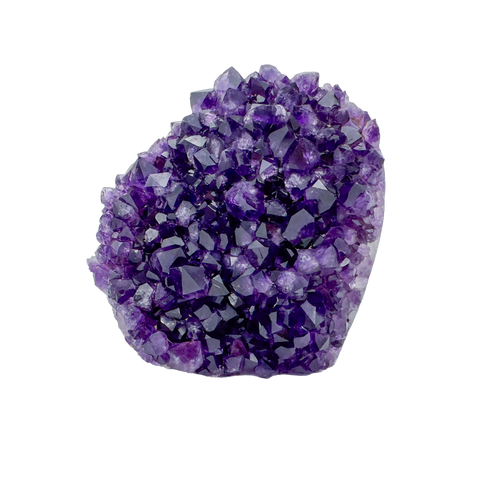
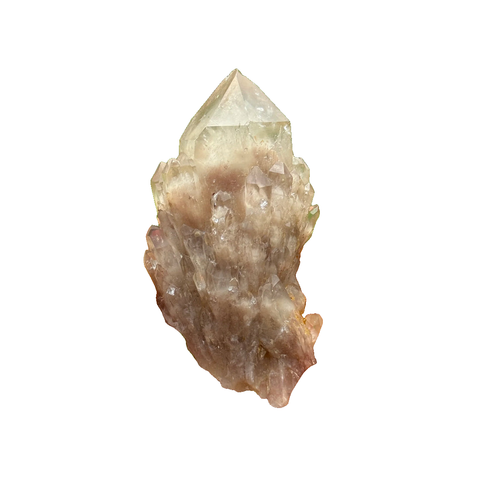
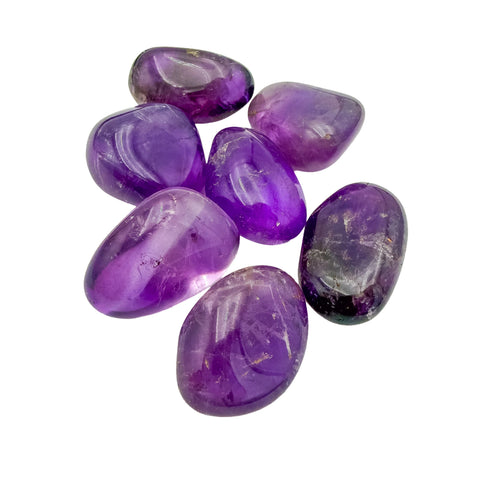
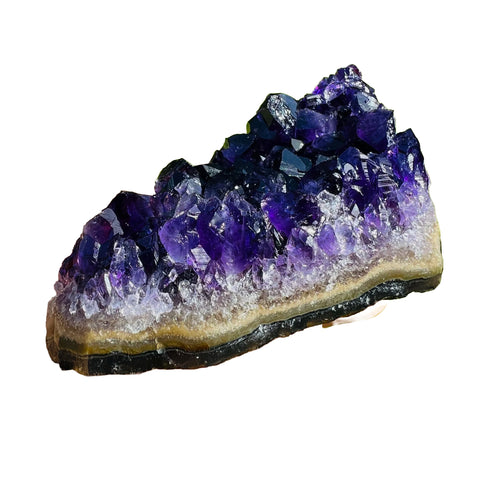
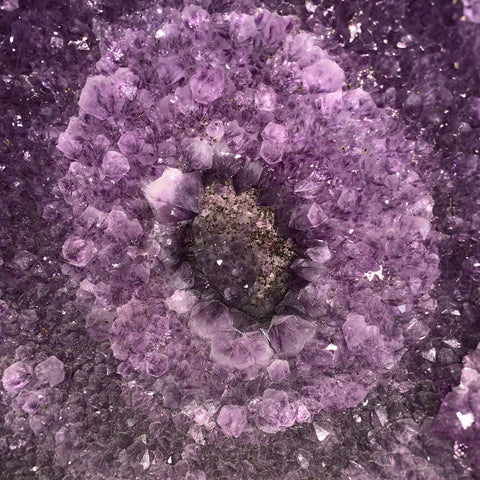
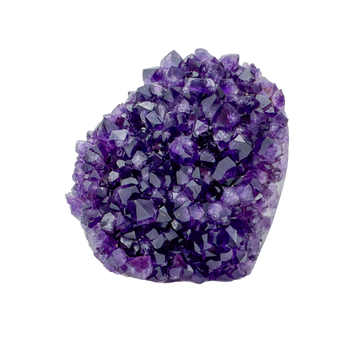
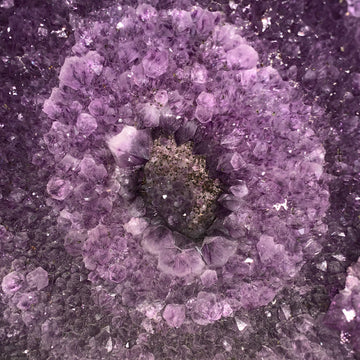
Single-mineral pieces like these raw amethyst crystals are the building blocks. A rock packs several different minerals into one stone.
A rock is an aggregate, which means one or more minerals (and sometimes natural glass or organic matter) bound together. Granite is the classic example. Look closely and you can pick out grains of quartz, feldspar, and mica, three different minerals in a single stone.
This is why a rock has no single chemical formula and no one crystal structure. It is a community of minerals, not a single citizen. Lapis lazuli is a favorite in the crystal world, and it is a rock too, mostly the mineral lazurite with calcite and flecks of pyrite. Our guide to the whole quartz family follows how one mineral family alone branches into agate, jasper, and amethyst.
Gemstone Is a Job, Not a Category
Gemstone is the one word here that is not about what a stone is made of. It is about what a stone is chosen for. A gemstone is any material picked for beauty, rarity, and durability, then cut, carved, or polished to show it off.
Most gemstones are minerals, but the title is open to others, which is why gemstones fall into three loose groups. Beauty and durability earn the word, not chemistry.
Single minerals cut for beauty: amethyst, sapphire, emerald, garnet. The largest group by far.
Rocks worn as gems, like lapis lazuli, or natural glass like obsidian. Not single minerals.
Made by living things: amber (tree resin), pearl (oyster), and jet (a form of coal).
When a Stone Breaks the Rules

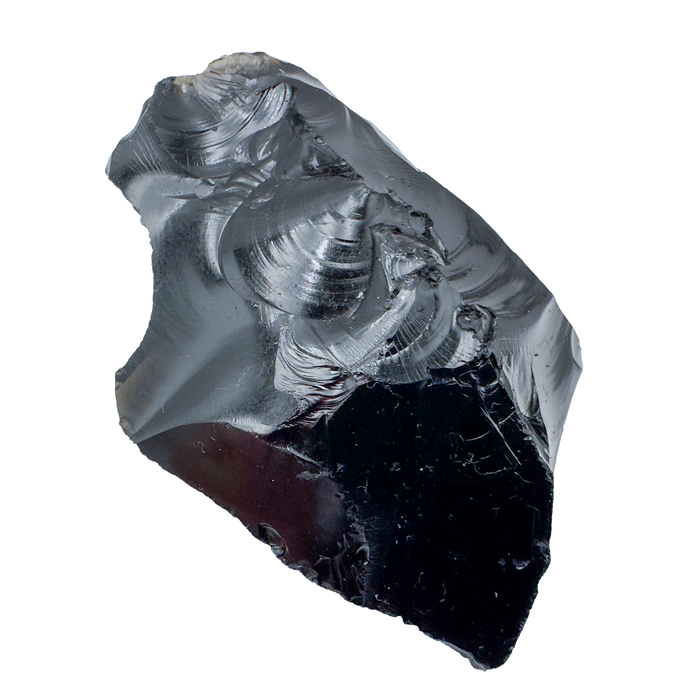
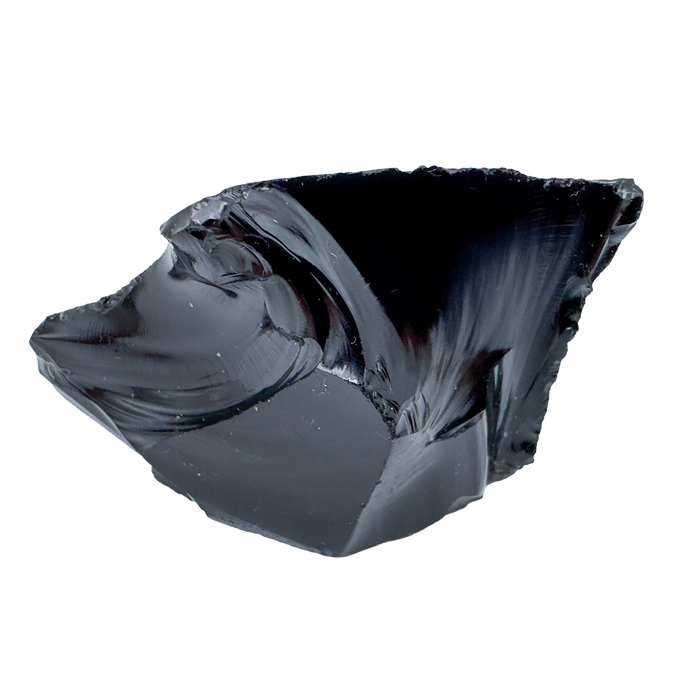
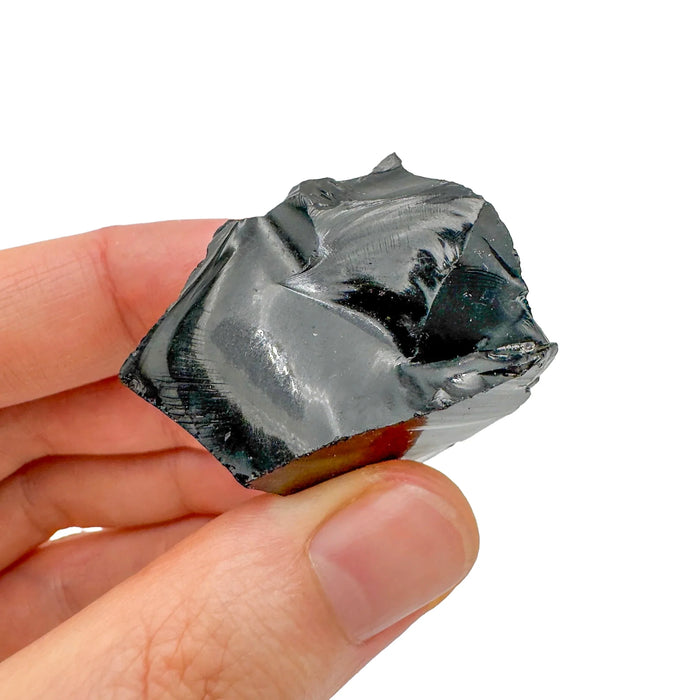
Obsidian is natural volcanic glass. It cooled too fast to grow crystals, so it is a mineraloid, not a true mineral.
A few popular stones look like minerals but quietly fail the test, usually because they have no ordered crystal structure inside. Geologists call these mineraloids. They are natural and solid, yet glassy or non-crystalline rather than built on a lattice.
Knowing the category is not pedantry. It explains why obsidian chips like glass into sharp curved flakes, and why amber is so light and warm in the hand.
Volcanic glass that cooled too fast to crystallize. A mineraloid, often called a rock, and sold as a gem.
Fossilized tree resin, organic and non-crystalline. An organic gem, not a mineral.
Built from tiny silica spheres with no true crystal lattice, which makes it a mineraloid as well.
That leaves "stone," the one word with no scientific definition at all. It is a useful catch-all, and we use it too. The difference is what sits next to it. On a Beyond Bohemian listing we name the actual mineral or variety, its form, and any treatment that applies, so the casual word is always backed by the precise one.
Related Guides
How one mineral family covers agate, jasper, amethyst, onyx, and a huge share of the crystal world.
Read the guideChromophores, structure, and inclusions: what actually makes a mineral its color, and which colors fade.
Read the guideThe two-stage story behind a hollow rock lined with crystals, and why it takes so long.
Read the guideA dedicated page for every stone we carry, with origin, geology, and treatment disclosure.
Find a stoneCollector-grade single minerals, the cleanest way to see crystal form in person.
Browse specimensOur full collection of trust-first crystal guides, comparisons, and buyer education.
Browse the LibraryFrequently Asked
Is a crystal the same as a mineral?
Not quite. A crystal is any solid whose atoms sit in an ordered, repeating structure, which includes lab-grown and even sugar crystals. A mineral adds three requirements: it must occur naturally, be inorganic, and have a set chemical makeup. So every mineral is a crystal, but not every crystal is a mineral.
What is the difference between a rock and a mineral?
A mineral is a single substance with one fixed chemistry and one ordered structure, like quartz. A rock is an aggregate of one or more minerals bound together, so it has no single formula. Granite, for example, is a rock made of quartz, feldspar, and mica.
Is a gemstone a mineral?
Usually, but not always. Most gemstones are minerals, such as amethyst, sapphire, and emerald. Some are rocks, like lapis lazuli, and some are organic, like amber, pearl, and jet. Gemstone describes a material chosen for beauty and durability and then cut or polished, not a single chemistry.
Is obsidian a mineral?
No. Obsidian is natural volcanic glass that cooled too quickly to form an ordered crystal structure, so it is classed as a mineraloid rather than a true mineral. It is often called a rock in casual use and is popular as a gemstone.
Is amber a crystal or a mineral?
Neither, in the strict sense. Amber is fossilized tree resin. It is organic and has no crystal lattice, which rules it out as both a crystal and a mineral. It is best described as an organic gem, and some references group it with the mineraloids.
Is quartz a crystal, a mineral, or a gemstone?
All three, depending on how you look at it. Quartz is a mineral by chemistry and origin, it is crystalline in structure, and when it is cut or polished for jewelry, as amethyst or citrine, it is also a gemstone. One stone can wear every label honestly.