







Agate, Jasper, Amethyst: One Mineral, Many Names
Most of your collection is the same mineral, just wearing different faces.
Quartz is the great shape-shifter of the mineral world. A glassy point, a purple cluster, a banded agate, and a solid red jasper can all trace back to one formula. Once you see how the family branches, the names stop being confusing and start making sense.

Quartz is silicon dioxide (SiO2), and most popular stones are varieties of it. The family splits in two: macrocrystalline quartz with crystals you can see (Clear Quartz, Amethyst, Citrine) and microcrystalline chalcedony with crystals too fine to see (agate, jasper, carnelian, onyx). Opal looks similar but is not quartz.
Is Agate Quartz? Is Amethyst? Almost Always, Yes
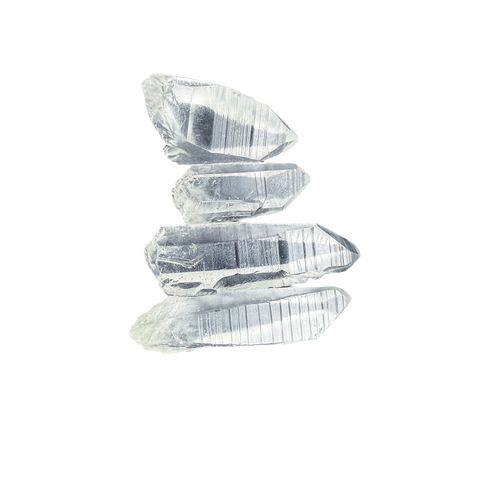
Hold a clear quartz point, a slice of agate, and a piece of red jasper side by side and they look like three different worlds. Chemically, they are the same thing: silicon dioxide, written SiO2. Quartz is the second most abundant mineral in Earth's crust, and it crystallizes in more disguises than any other common stone.
What changes from one variety to the next is not the recipe. It is two things: how large the crystals grow, and which trace elements slip in to tint them. Crystal size is the master key, because it splits the whole family into two clean branches.
The first branch is macrocrystalline quartz, where the crystals are large enough to see. The second is microcrystalline quartz, also called cryptocrystalline, where the crystals are so fine you need magnification to make them out. That second branch carries its own umbrella name: chalcedony. Nearly every quartz variety you can name lives under one of these two headings.
The Quartz Family at a Glance
Macrocrystalline quartz
Crystals you can see
Chalcedony (microcrystalline)
The fine-crystal branch
Agate (banded chalcedony)
Translucent and banded
Jasper (granular chalcedony)
Opaque and solid
Opal (not quartz)
A silica mineraloid
The Crystals You Can See: Macrocrystalline Quartz
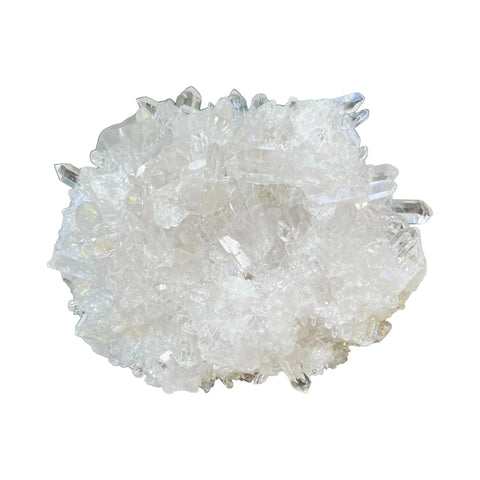
When most people picture quartz, they picture this branch: clear points, geode clusters, and polished towers with visible internal structure. These are macrocrystalline, meaning the individual crystals grew large enough to see with the naked eye.
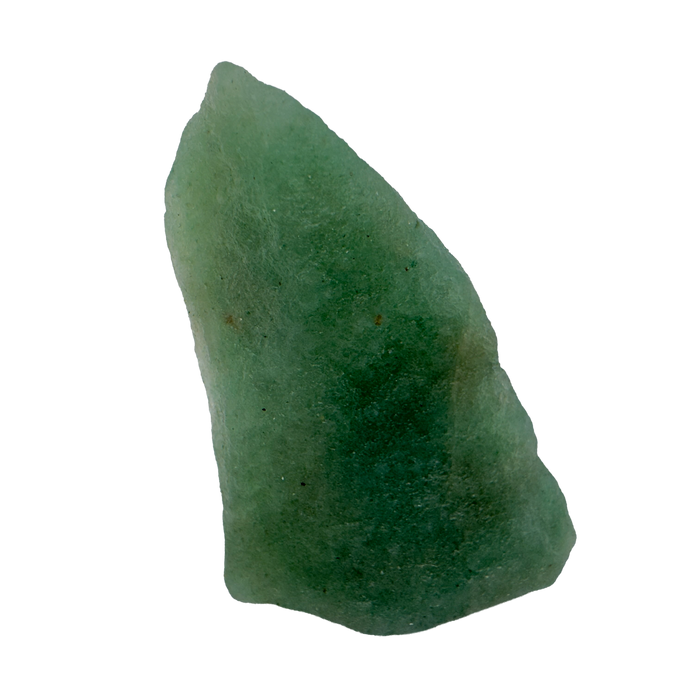
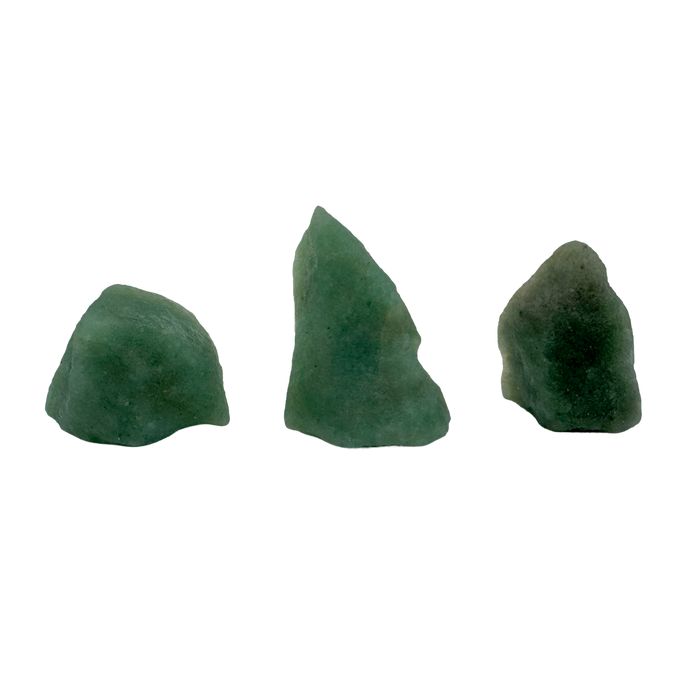
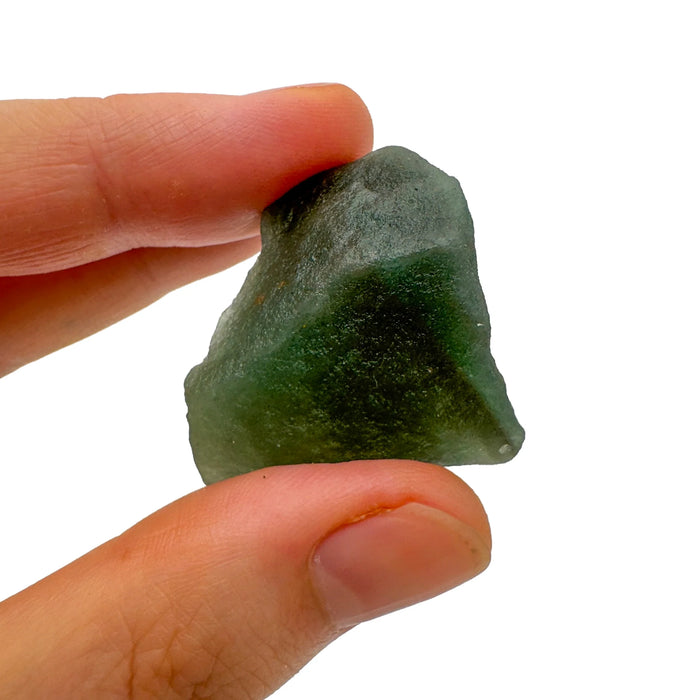
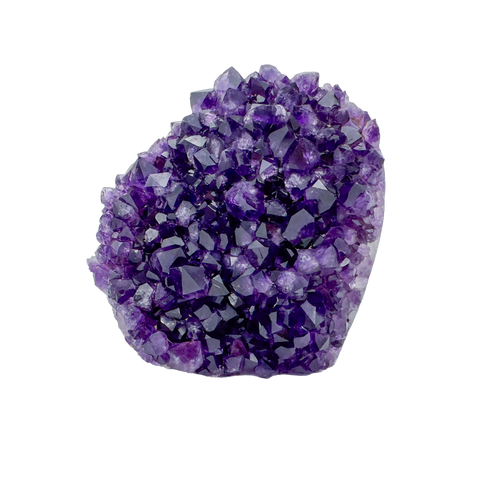
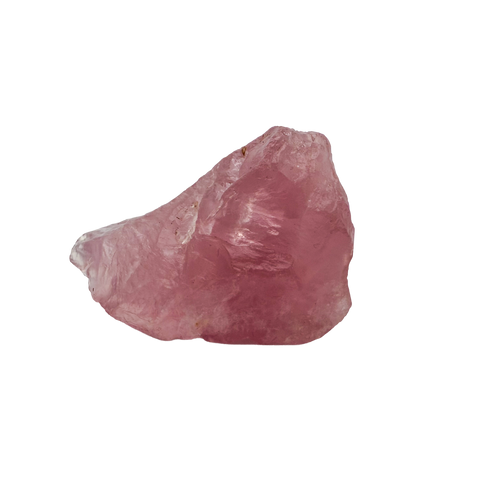
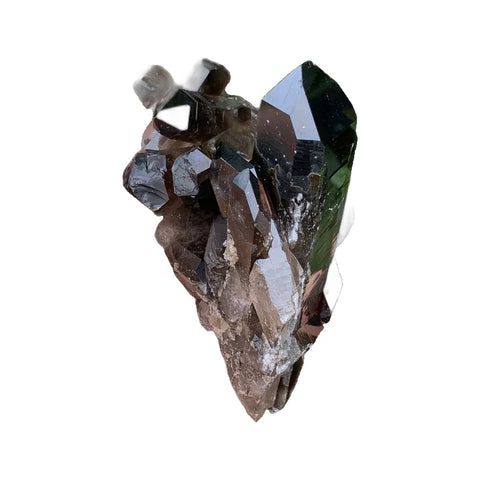
The famous colored varieties are all the same mineral with a different tint. Clear Quartz is the pure form. Add trace iron and natural irradiation and you get the purple of Amethyst. Iron in another state gives the gold of Citrine. Natural irradiation darkens Smoky Quartz, and a trace of titanium or microscopic fibers softens Rose Quartz to pink. Aventurine and Tiger's Eye belong here too, colored by tiny mineral inclusions.
Because the chemistry is shared, the durability is shared. Every one of these sits at 7 on the Mohs scale, hard enough to shrug off everyday scratches, which is part of why quartz varieties are so widely worn and carried.

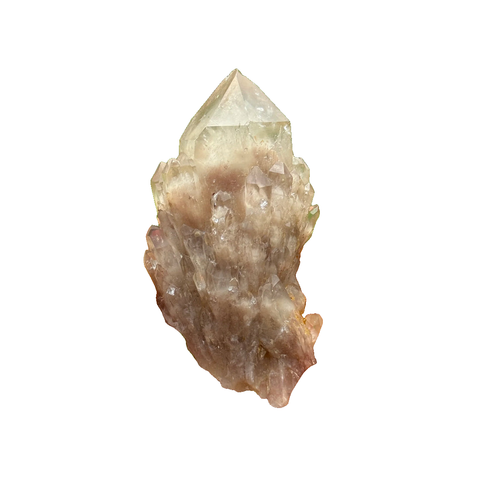
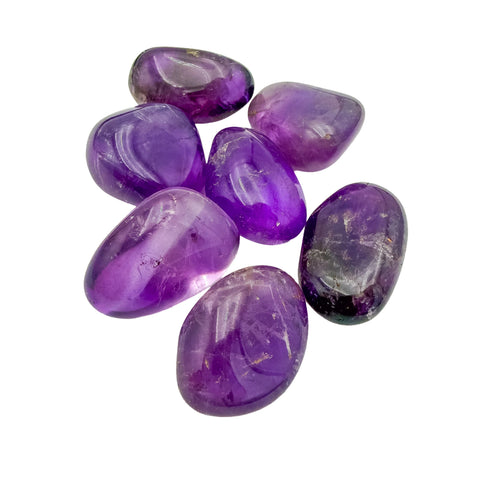
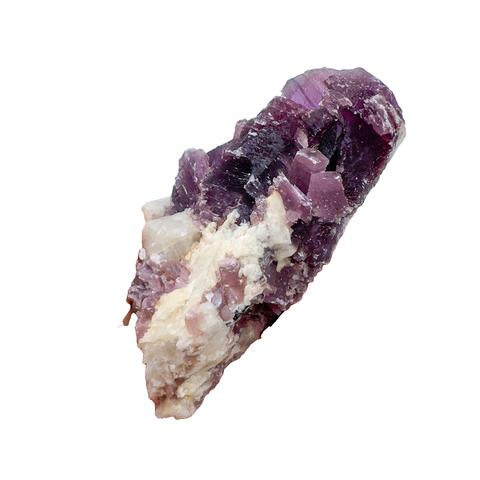
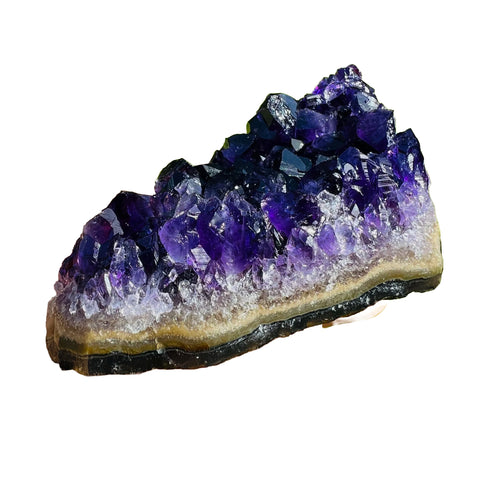
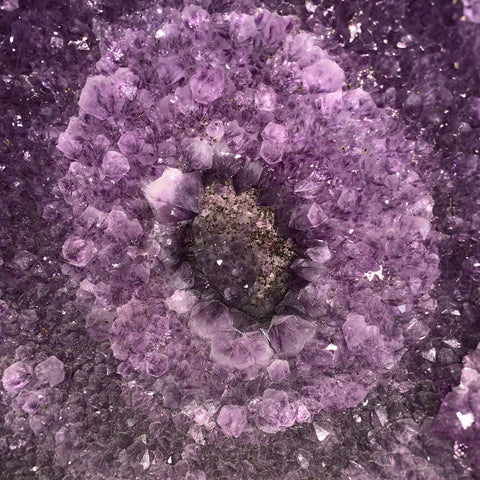
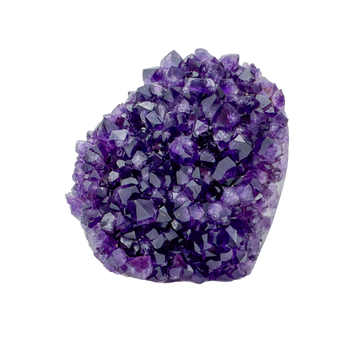
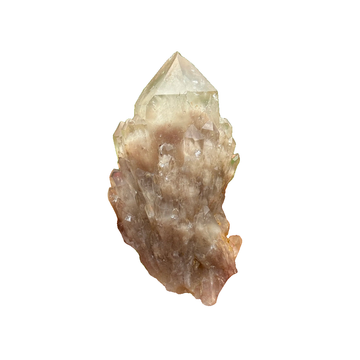
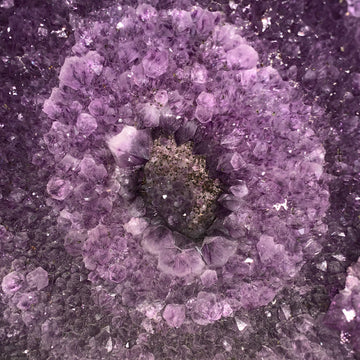
Raw Amethyst from Uruguay. The purple is the only thing separating this from Clear Quartz; underneath, it is the same silicon dioxide.
the Mohs hardness shared across crystalline quartz
chalcedony, slightly softer because it holds a little water
quartz is the most abundant mineral in Earth's crust after feldspar
Sources: standard mineralogy and the Mohs hardness scale.
The Crystals You Cannot See: The Chalcedony Family

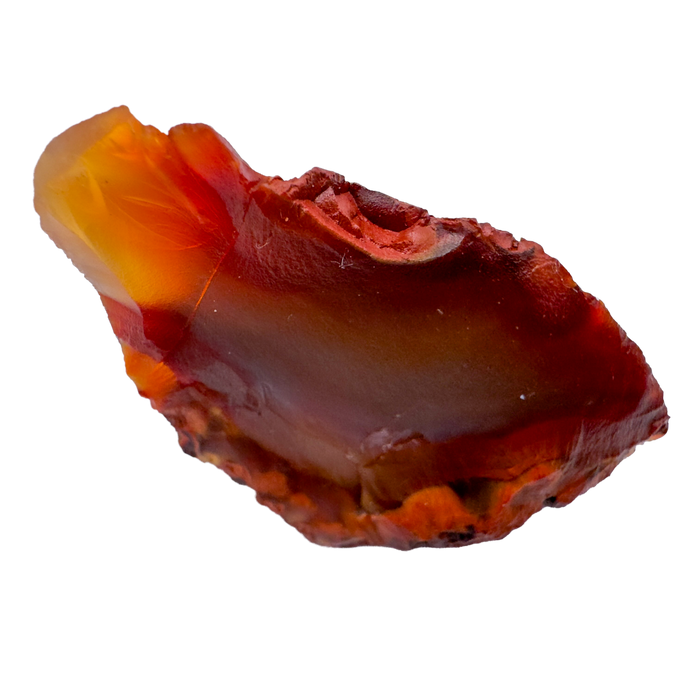
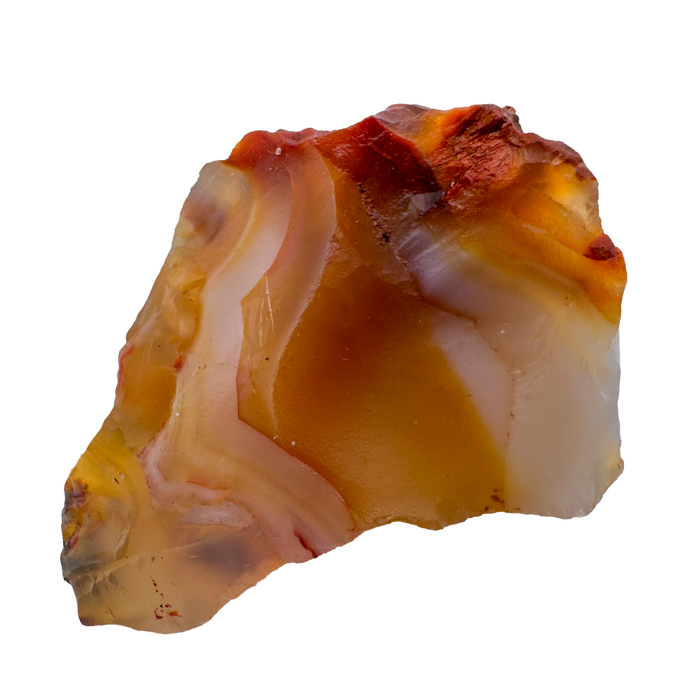
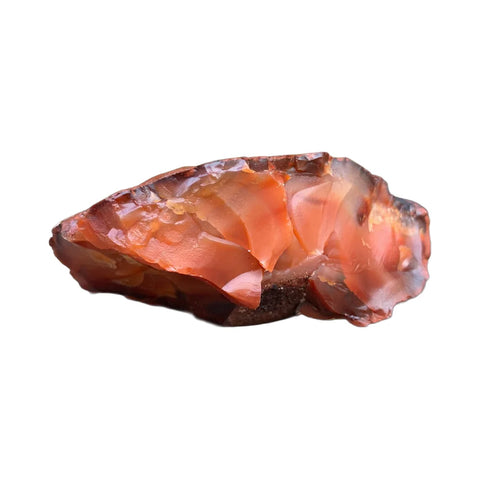
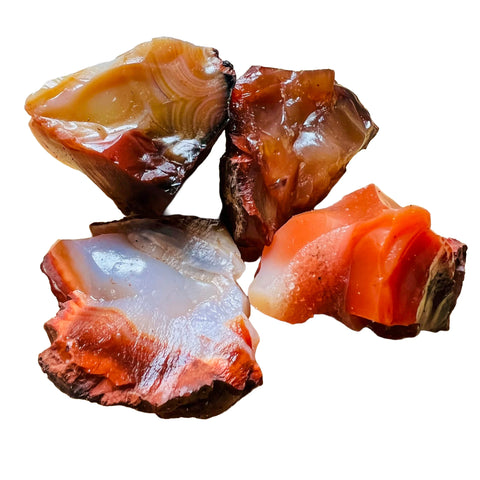
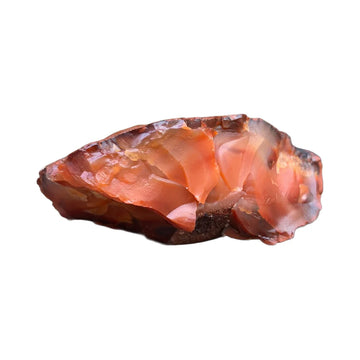
Carnelian tumbles. The warm glow at the edges is the giveaway of translucent chalcedony, microcrystalline quartz you cannot resolve by eye.
The second branch is where the names multiply. When quartz crystallizes as countless microscopic fibers instead of visible points, the result is chalcedony, the umbrella term for all microcrystalline quartz. Under it sit some of the most familiar stones in any shop.
Chalcedony is technically a fine intergrowth of quartz and a closely related silica mineral called moganite, and it holds a small amount of water, which makes it slightly softer (about 6.5 to 7) and slightly less dense than the big-crystal branch. Carnelian is translucent orange chalcedony, Chrysoprase is the green one, and Onyx is chalcedony in parallel black or black-and-white bands.
True Onyx is banded chalcedony, so it is quartz. Be aware of a soft look-alike: a banded stone sold as "onyx marble" is actually banded calcite, a completely different mineral at about Mohs 3 that fizzes in acid. Solid-black onyx, meanwhile, is usually dyed, which is perfectly normal and fine when the seller says so.
Agate or Jasper? Translucent Versus Opaque
Agate and jasper cause more confusion than any other pair, because both are chalcedony, both come in endless colors, and both turn up tumbled in the same bins. The difference comes down to one property you can test in a second: how they handle light.
Agate is translucent. Hold it up and light passes through, often revealing the curved bands it is famous for, which formed as silica-rich fluids filled cavities in volcanic rock layer by layer. Jasper is opaque. It carries enough mineral impurity, usually iron oxides, to block light completely, and it tends to form in sediment rather than in a clean cavity. Geologists also note that jasper has a granular internal texture, while agate and pure chalcedony are fibrous.
So the field test is simple. Shine a light at the edge of the stone. If it glows, you are holding agate or another translucent chalcedony. If it stays solid and dark, it is jasper.

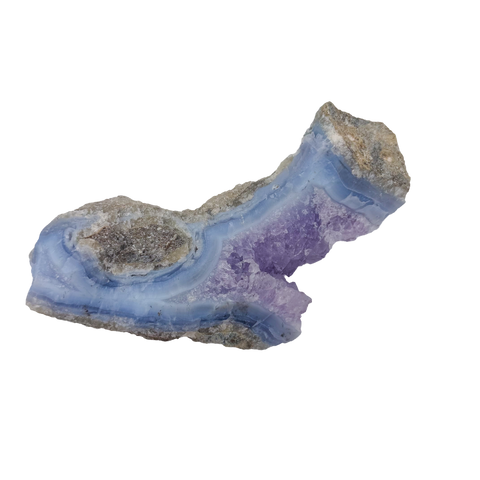
Agate: translucent, with light passing through soft curved bands.

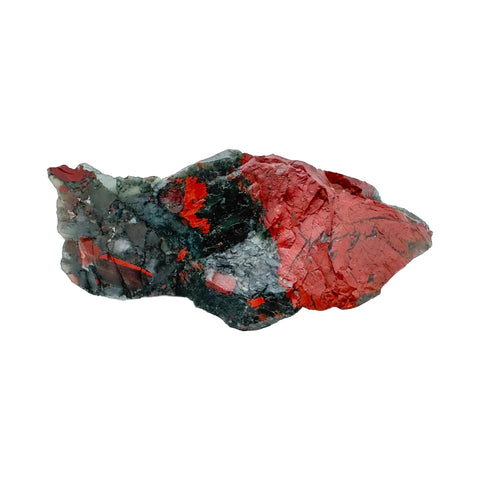
Jasper: opaque and solid, the same mineral made light-tight by impurities.
What Looks Like Quartz but Isn't
A few stones sit right next to the quartz family and get filed in with it by mistake. Knowing the boundary is part of knowing the family.
Opal is silica too, but it never crystallizes. It is amorphous and water-rich, a mineraloid rather than a true mineral, which makes it softer and more fragile than quartz.
Quartzite is made almost entirely of quartz, but it is a rock, not a single crystal or variety. It forms when sandstone is fused under heat and pressure into a hard, sugary mass.
The banded stone carved into bowls and sold as onyx marble is banded calcite, not chalcedony. At Mohs 3 it scratches easily and reacts to acid, unlike real quartz onyx.
How to Sort Any Quartz at a Glance
Put it all together and you can usually place a stone in seconds, without a lab. Three quick questions do most of the work.
First, can you see individual crystals or points? If yes, it is macrocrystalline quartz like Clear Quartz or Amethyst. If it looks solid and even, it is microcrystalline chalcedony. Second, does light pass through? Translucent points to agate or chalcedony, opaque points to jasper. Third, is it banded in smooth curves? That is the signature of agate. As a final sanity check, real quartz at hardness 7 will scratch glass and resist a steel blade, while the soft calcite imposters will not.
One honest caveat for buyers. Both agate and jasper are porous enough to take dye well, so the electric blues and candy pinks you sometimes see are colored, not natural. That is fine when it is disclosed, and worth asking about when it is not.
"Learn the two branches, and a hundred confusing crystal names collapse into one mineral."
Keep Going
A few guides that pick up where this one leaves off.
The full guide to the microcrystalline branch: agate, carnelian, onyx, and more.
Read the guideBanding, formation, and how to read a slice of translucent chalcedony.
Explore AgateThe most famous macrocrystalline quartz, and where its purple comes from.
Explore AmethystWhere amethyst clusters and many agates actually grow, cavity by cavity.
Read the guideBrowse both branches, hand-selected and graded, from clear points to banded agate.
Browse QuartzOur full set of plain, trustworthy guides to sourcing, treatment, and care.
Browse the LibraryFrequently asked
Is agate the same as quartz?
Yes. Agate is a banded, translucent variety of chalcedony, and chalcedony is simply microcrystalline quartz. The chemistry is identical to a clear quartz point (silicon dioxide, SiO2); the crystals are just far too small to see by eye.
Is jasper quartz?
Yes. Jasper is opaque chalcedony, which is microcrystalline quartz. It carries enough mineral impurities, often iron oxides, to block light completely, which is what separates it from translucent agate.
What is the difference between agate and jasper?
Mainly transparency. Agate is translucent and usually banded, while jasper is opaque and usually solid-colored or patterned. The quick test is light: hold the stone to a bright source. If the edges glow, it is agate. If it stays dark, it is jasper.
Is amethyst real quartz?
Yes. Amethyst is macrocrystalline quartz colored purple by trace iron and natural irradiation. Citrine, Smoky Quartz, and Rose Quartz are the same mineral in other colors, which is why they all share a hardness of 7.
Is chalcedony quartz?
Yes. Chalcedony is the umbrella name for microcrystalline quartz, a fine intergrowth of quartz and a related silica mineral called moganite. Agate, Carnelian, Onyx, Chrysoprase, and Jasper are all forms of chalcedony.
Is opal a type of quartz?
No. Opal is hydrated, amorphous silica with no crystal structure, so it is classed as a mineraloid rather than a true mineral. It is softer and more water-rich than quartz, and it can craze or crack as it dries.
Is onyx real quartz, or is it dyed?
True Onyx is banded chalcedony, so it is quartz. The solid-black onyx you often see is usually dyed, which is normal and fine when disclosed. Watch for a look-alike called onyx marble, which is banded calcite at about Mohs 3 and not quartz at all.
How can I tell macrocrystalline from microcrystalline quartz at home?
Look at the surface. If you can see individual crystal faces, points, or a sparkly interior, it is macrocrystalline, like Amethyst or Clear Quartz. If it looks solid, waxy, or smoothly banded with no visible crystals, it is microcrystalline chalcedony, like Agate or Jasper.