
























































Agate Crystal Guide: meaning, origin & properties
Learn what Agate is, where ours comes from, traditional associations across cultures, and how to identify a real specimen, in our complete Agate Crystal Guide.
Only 1 left in stock
Sourced through a regional cooperative or community-based workshop. Processing and economic benefit stay local, which means more of the value reaches the people doing the work.
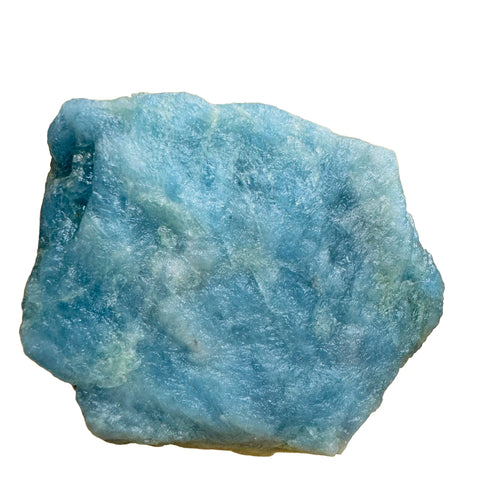
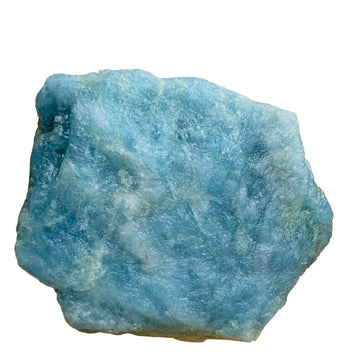
Read our Sourcing Standards →This is an A-grade Agate freeform from Analamanga, Madagascar. Agate is a banded chalcedony formed as silica-rich fluids deposit in concentric layers inside rock cavities. The piece measures 3.56 by 1.56 by 4.36 inches, weighs 702 grams, and sits at Mohs 6.5-7. Sourced through a regional cooperative, it is the exact piece pictured. A favorite protection stone for shelves and altars.
Agate is a member of the Chalcedony family (a microcrystalline variety of quartz) with a Mohs hardness of 6.5-7. It was named for the Achates River in Sicily, and agates have been carved into seals and ornaments since antiquity. The stone forms when silica-rich fluids fill cavities and veins in volcanic or sedimentary rock, depositing chalcedony in concentric bands over long stretches of time.
On the market, the labels agate, jasper, and chalcedony often get used interchangeably, and dyed material is common in bright unnatural colors. The Madagascan banded agate we carry is untreated, with its color and patterning fully natural.
Agate is traditionally associated with grounding, protection, healing, and focus. Many people work with it for steady, balanced energy during the day. Tuck it in your pocket or bag for support on the go, or keep it on your desk for focused, steady energy while you work.
These are traditional associations drawn from historical practice. This stone is not a substitute for medical or mental health care.
A starting place for your own quiet practice.