




What is Jade?
Jade Crystal Guide: meaning, origin & properties
Learn what Jade is, where ours comes from, traditional associations across cultures, and how to identify a real specimen, in our complete Jade Crystal Guide.


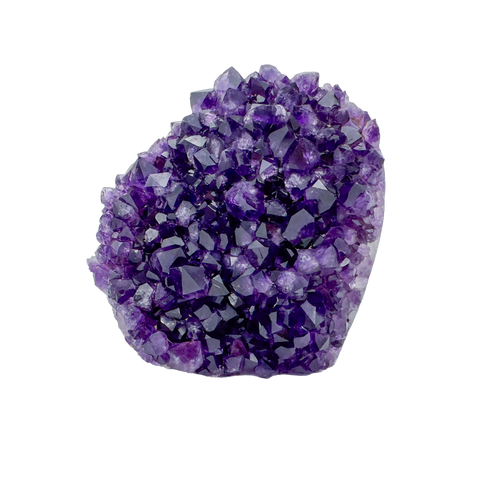
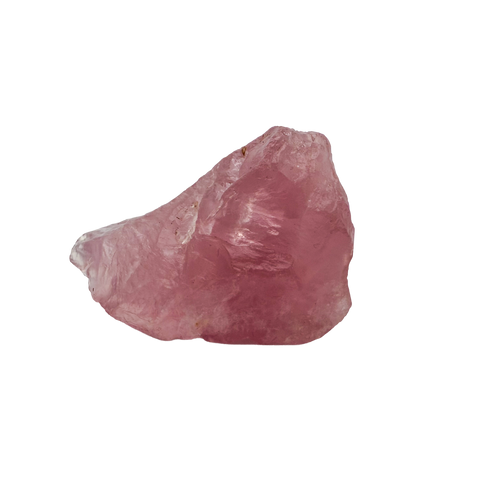
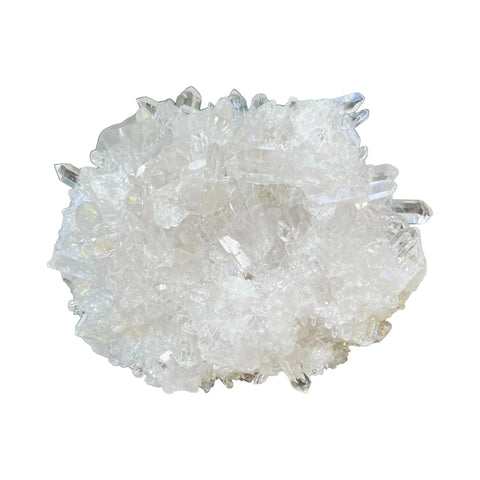
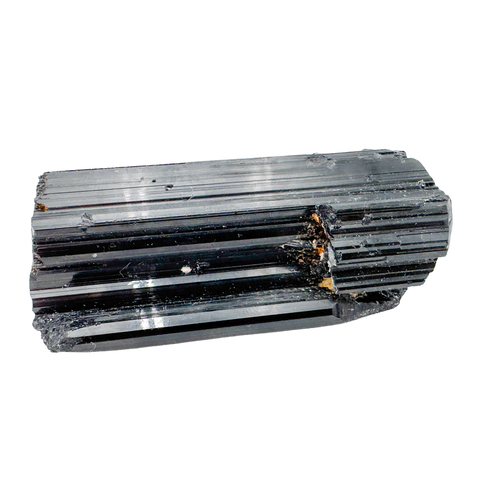
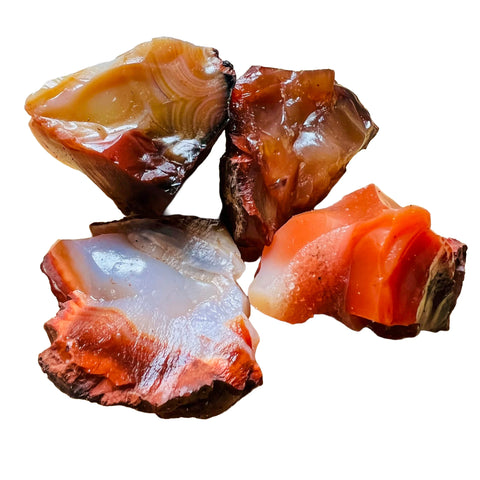


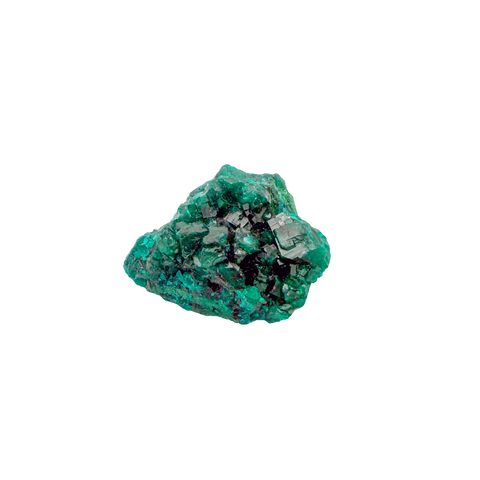
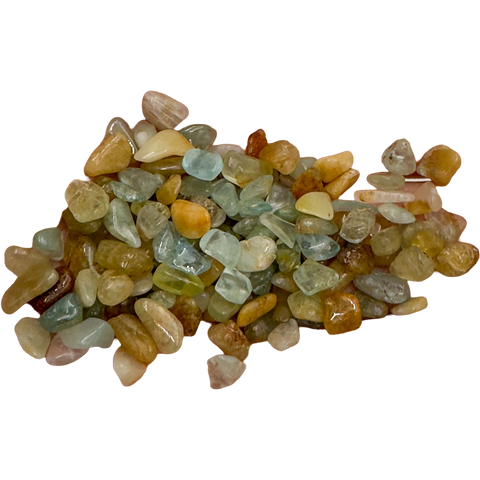
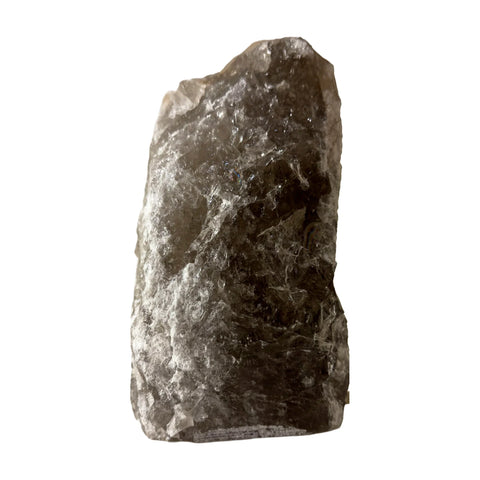
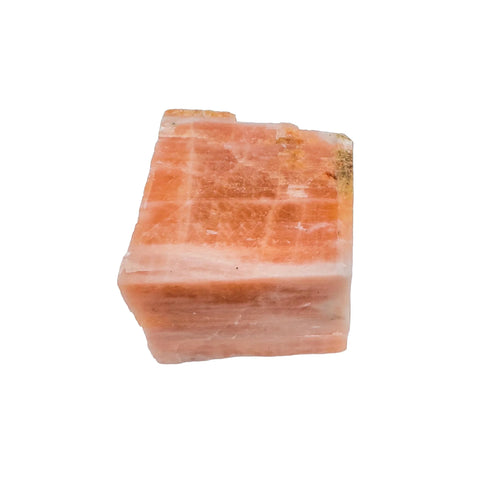


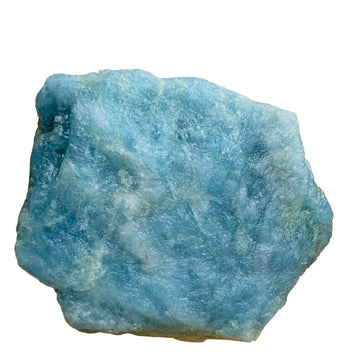
 Raw Stones
179 pieces
Raw Stones
179 pieces
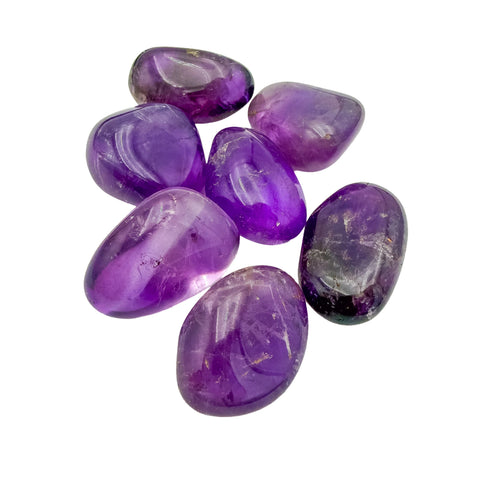
 Tumbled Stones
162 pieces
Tumbled Stones
162 pieces
 Palm Stones
25 pieces
Palm Stones
25 pieces
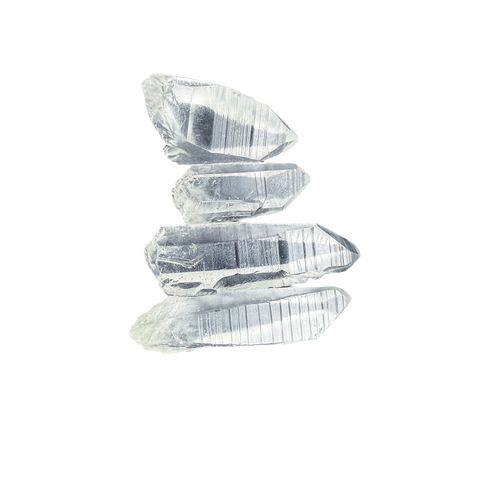
 Crystal Points
23 pieces
Crystal Points
23 pieces
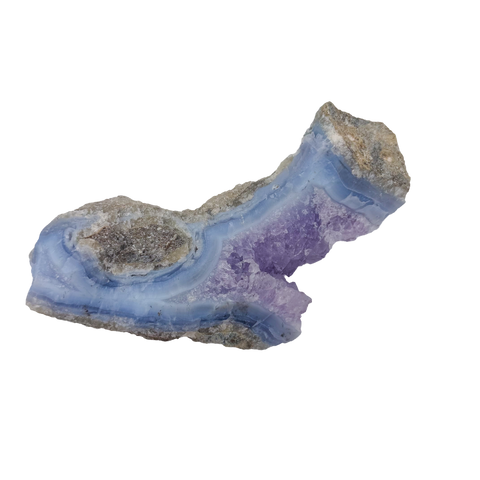
 Clusters & Geodes
104 pieces
Clusters & Geodes
104 pieces
 Polished & Decor
148 pieces
Polished & Decor
148 pieces
 Mineral Specimens
259 collector pieces
Mineral Specimens
259 collector pieces
 Crystal Chips
21 pieces
Browse everything
Every collection, one page.
View All Collections →
Crystal Chips
21 pieces
Browse everything
Every collection, one page.
View All Collections →
 Aries
Mar 21 – Apr 19
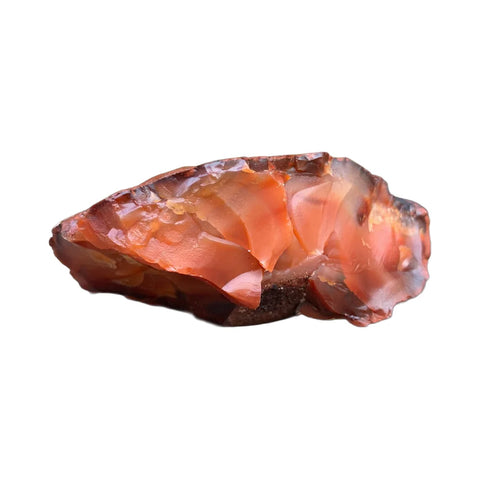
Carnelian
›
Aries
Mar 21 – Apr 19
Carnelian
›
 Taurus
Apr 20 – May 20
Rose Quartz
›
Taurus
Apr 20 – May 20
Rose Quartz
›
 Gemini
May 21 – Jun 20
Agate
›
Gemini
May 21 – Jun 20
Agate
›
 Cancer
Jun 21 – Jul 22
Moonstone
›
Cancer
Jun 21 – Jul 22
Moonstone
›
 Leo
Jul 23 – Aug 22
Citrine
›
Leo
Jul 23 – Aug 22
Citrine
›
 Virgo
Aug 23 – Sep 22
Amazonite
›
Virgo
Aug 23 – Sep 22
Amazonite
›
 Libra
Sep 23 – Oct 22
Blue Lace Agate
›
Libra
Sep 23 – Oct 22
Blue Lace Agate
›
 Scorpio
Oct 23 – Nov 21
Obsidian
›
Scorpio
Oct 23 – Nov 21
Obsidian
›
 Sagittarius
Nov 22 – Dec 21
Sodalite
›
Sagittarius
Nov 22 – Dec 21
Sodalite
›
 Capricorn
Dec 22 – Jan 19
Black Tourmaline
›
Capricorn
Dec 22 – Jan 19
Black Tourmaline
›
 Aquarius
Jan 20 – Feb 18
Amethyst
›
Aquarius
Jan 20 – Feb 18
Amethyst
›
 Pisces
Feb 19 – Mar 20
Aquamarine
›
Gifting?
A birthday stone is the safe bet.
Read the zodiac guide →
Pisces
Feb 19 – Mar 20
Aquamarine
›
Gifting?
A birthday stone is the safe bet.
Read the zodiac guide →

Only 5 left in stock


These are A-grade nephrite jade crystal vases from Minas Gerais, Brazil. Nephrite is one of the two true jade minerals, an amphibole built from interlocking fibers that make it exceptionally tough to chip. Each vase runs 5-6 inches at Mohs 6-6.5, sourced through a community partnership, with a removable tube insert holding the water. A favorite abundance stone for mantels.
Two different minerals are legitimately called jade: nephrite and jadeite. This is nephrite.
Nephrite is an amphibole made of microscopic fibers locked together, and that structure is the whole story. It makes the stone extraordinarily tough, not hard exactly, but resistant to chipping and breaking. It is why cultures with no contact with each other independently chose jade for tools and vessels.
Worth knowing: a lot of the jade on the market is dyed. These vases are cut and hollowed from solid blocks sourced in Minas Gerais, Brazil.
Jade is traditionally associated with luck and abundance, though the older sense is steadiness rather than a windfall: prosperity that accumulates and holds. It is linked to the heart chakra and carries a long association with harmony in a household.
If that resonates, jade is traditionally kept in the main room of a home rather than a private one.
These are traditional associations drawn from historical practice. This stone is not a substitute for medical or mental health care.
Offered as a starting point for your own practice.
Nephrite Jade sits at 6-6.5 on the Mohs scale, about as hard as glass, so it handles daily use but will scratch against harder stones. Keep chemical cleaners away from it; they can etch the surface.
You'll receive pieces from the same batch photographed, weighed to the amount you choose. Every piece passes our quality control and meets or exceeds what you see in the photos. Single specimens are listed separately and say so.
Each piece measures 5 to 6 inches on its longest side and weighs 3 to 5 pounds.
Grades reflect visual quality within a batch. A is standard, with typical inclusions. AA shows stronger color, cleaner surfaces and tighter sizing. AAA is the top 10 to 15 percent of a batch. Every lot is inspected and graded by our team in Rockville, Maryland, not taken on the supplier’s word.
This lot is from Minas Gerais, Brazil. It came to us through a community partnership, one of the sourcing models we publish and stand behind.
Every lot is inspected and graded by our expert team before it is listed, not taken on the supplier's word. A on this listing means stronger color, cleaner surfaces and tighter sizing than the batch average. Pieces that miss the mark never reach the shop.
How We GradeSourced through a regional cooperative or community-based workshop. Processing and economic benefit stay local, which means more of the value reaches the people doing the work. We say what we know and where our tracing stops.
Our Sourcing StandardsEverything we sell is natural in origin: never synthetic, never dyed, never coated. Where a stone has been heated, irradiated or stabilized, which is common in the trade for some species, we say so on the listing. If a piece is not as described, return it within 90 days of delivery.
Returns and GuaranteeThis product has no reviews of its own yet. These are verified reviews of other Beyond Bohemian orders, not of this product.