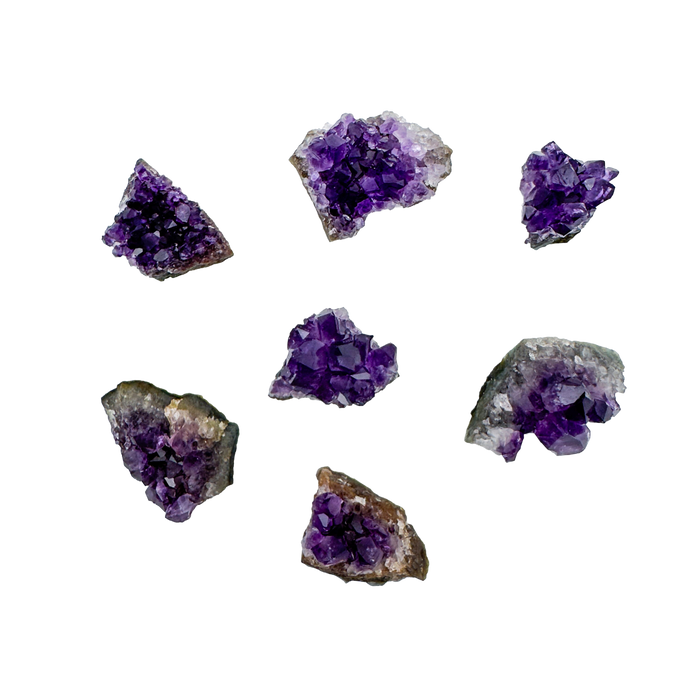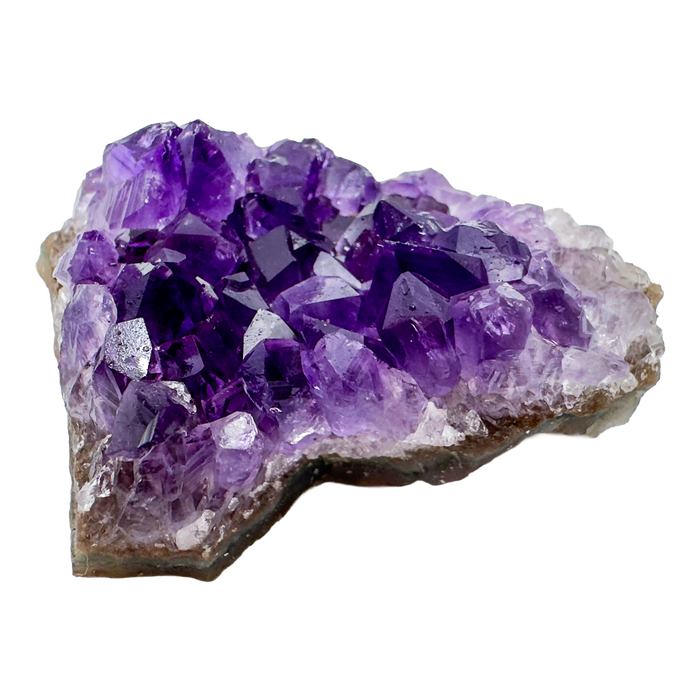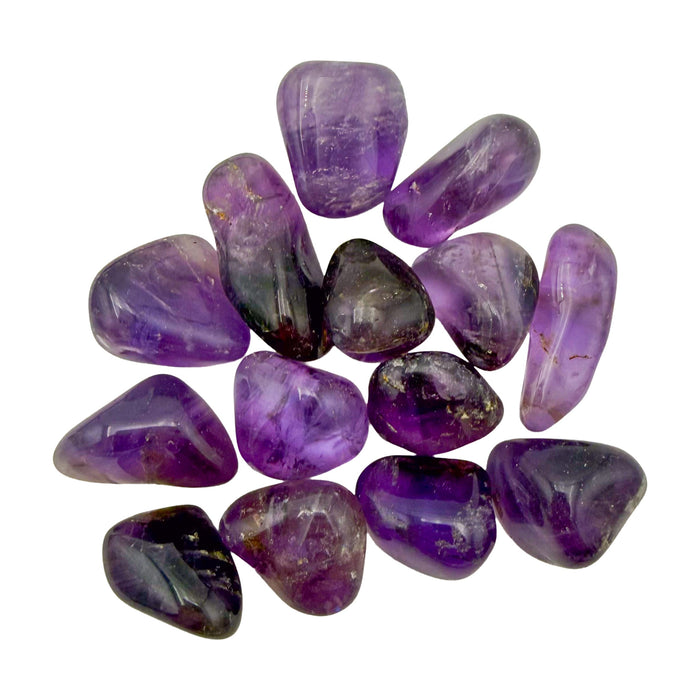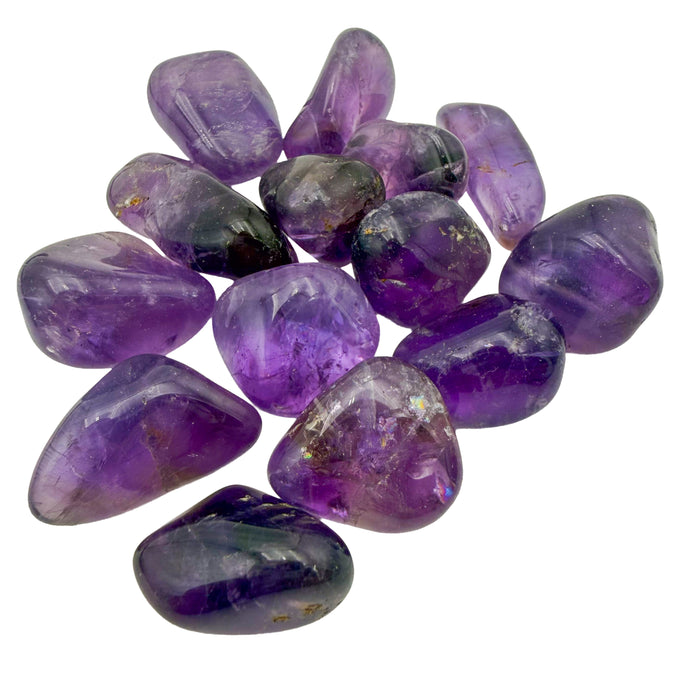






































































Amethyst vs Citrine: What's the Difference?
Amethyst and citrine are two of the most popular purple and yellow quartz varieties, and they're scientifically the same mineral with different trace elements and thermal history. The key difference: 80% of commercial citrine is heat-treated amethyst, not naturally formed. Understanding the chemistry and how to spot the difference can save you money and help you make informed purchases.
| Property | Amethyst | Citrine |
|---|---|---|
| Chemical Composition | SiO₂ (silicon dioxide) | SiO₂ (silicon dioxide) |
| Color Cause | Fe³⁺/Fe⁴⁺ iron impurities + natural radiation | Fe³⁺ iron impurities; usually from heat-treated amethyst |
| Hardness (Mohs) | 7 | 7 |
| Density | 2.63-2.65 g/cm³ | 2.63-2.65 g/cm³ |
| Luster | Vitreous (glassy) | Vitreous (glassy) |
| Occurrence in Market | ~60% natural, ~40% treated | ~15% natural, ~85% heat-treated amethyst |
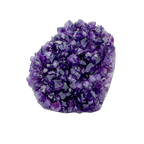
| Natural Color Range | Light to deep purple | Pale golden to light yellow (rare) |
| Heat-Treated Appearance | Loses color or turns yellow | Purple turns golden/orange-yellow |
The Chemistry: Why They're the Same Mineral
Both amethyst and citrine are silicon dioxide (SiO₂), the same mineral that forms clear quartz, rose quartz, and smoky quartz. The difference lies entirely in trace elements and how those elements have been affected by heat and radiation.
Iron Chemistry in Quartz
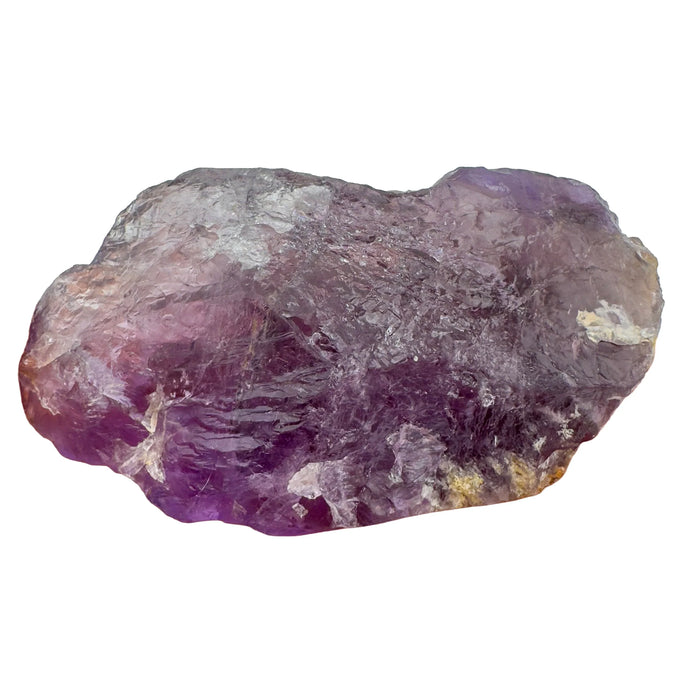
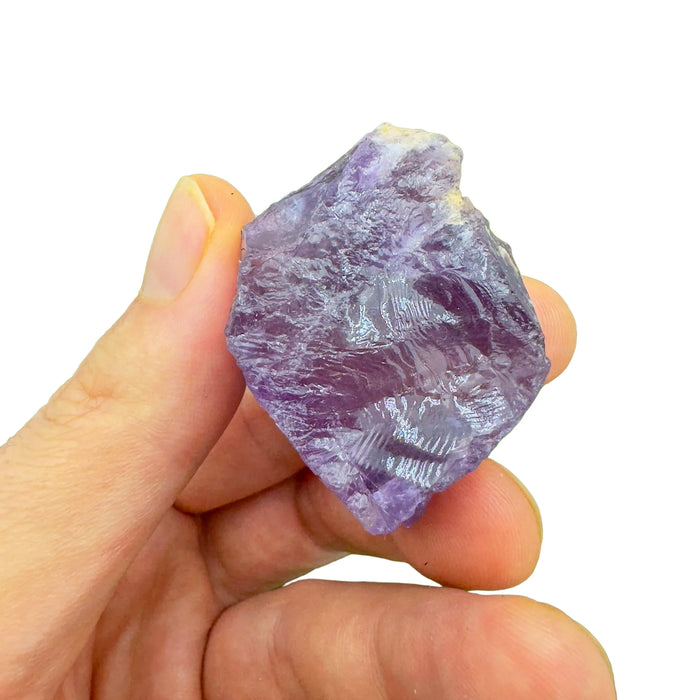
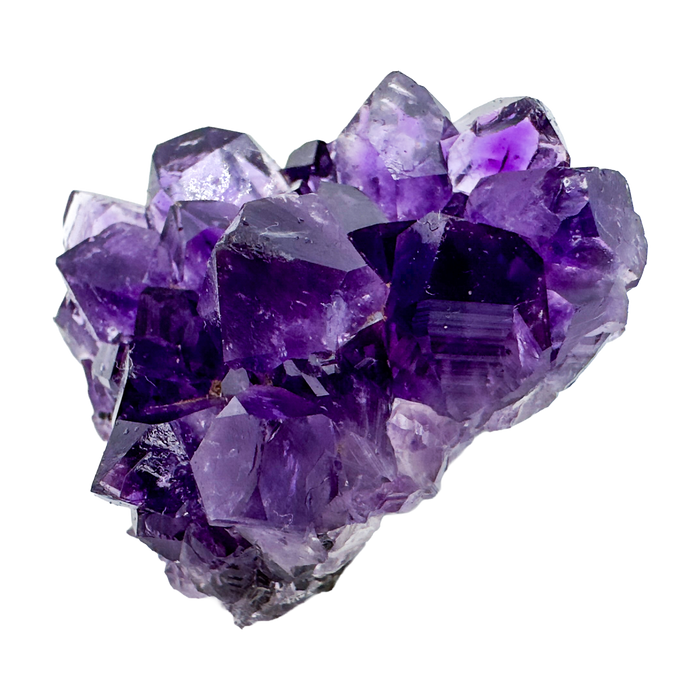
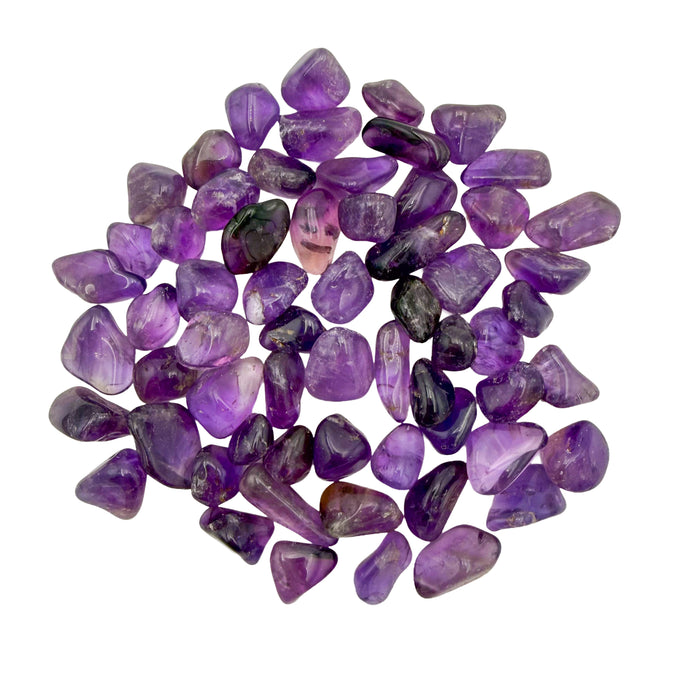
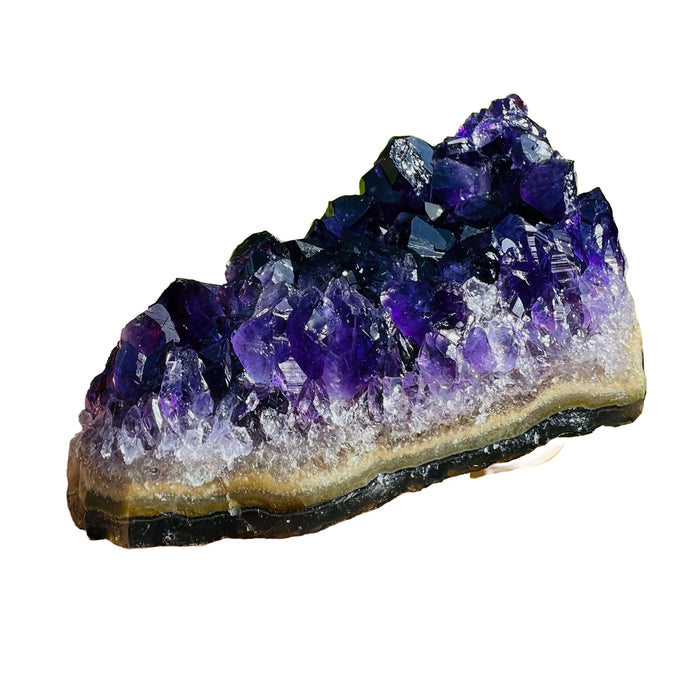
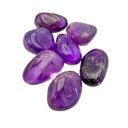
Amethyst's purple color comes from iron impurities (Fe³⁺ and Fe⁴⁺ ions) that have been altered by natural gamma radiation from uranium and thorium in surrounding rocks. Citrine's yellow color comes from Fe³⁺ iron ions that have been exposed to heat, which changes the oxidation state of iron atoms. When you heat amethyst to 400-500°C, the Fe⁴⁺ ions convert to Fe³⁺, causing the purple color to fade and a yellow or golden color to appear.
This transformation is permanent and irreversible. The heated crystal remains yellow even if cooled back down. This is why nearly all commercially available citrine is heat-treated amethyst. It's a simple, reliable, and economical way to create the yellow color that buyers want.
Natural Citrine vs. Heat-Treated Citrine: How to Tell
Visual Inspection: The Color Test
The most reliable way to distinguish natural from treated citrine is color:
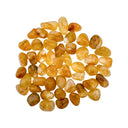
- Natural citrine: Pale to medium golden yellow, often with smoky undertones. The color is relatively subtle and never vivid orange.
- Heat-treated citrine (from amethyst): Bright orange-yellow to deep orange-gold. The color is vivid and uniform throughout the crystal.
- Look for the base color: Heat-treated citrine often has a white or colorless base at the bottom with color concentrated at the top. Natural citrine distributes color more evenly.
The Price Reality Check
If citrine is priced significantly lower than amethyst in the same size range, it's almost certainly heat-treated. Natural citrine is genuinely rare and commands premium prices similar to quality amethyst. Very cheap "natural citrine" is almost always heated amethyst sold with misleading labeling.
The Dichroism Test
Dichroism is a property where a crystal shows different colors when viewed from different angles. Amethyst displays noticeable dichroism (appears more purple from some angles, lighter from others), while citrine shows weak or no dichroism.
How to test: View the crystal from different angles while holding it up to light. Rotate it 90 degrees. If you notice significant color variation with angle change, you're likely looking at amethyst. If the color remains consistent from all angles, it's more likely citrine (natural or heated).
White Base Indicator
Examine the inside base of the crystal under magnification. Heat-treated citrine commonly shows a white or colorless base zone where the heat treatment began to work its way through the crystal. The colored portion is often concentrated near the surface. Natural citrine typically has color distributed throughout with no clear colorless base.
Ametrine: The Natural Hybrid
Ametrine is a naturally occurring crystal that displays both purple amethyst and yellow citrine in the same specimen. This happens when different temperature and radiation zones exist within a single amethyst crystal during its formation. Ametrine is significantly rarer than either pure amethyst or citrine and is usually more expensive than both.
How Ametrine Forms
Ametrine develops in pegmatites and certain quartz deposits where temperature and radiation levels vary within the crystal-growing environment. One zone experiences conditions that preserve the purple color (lower temperature, more radiation), while an adjacent zone is exposed to naturally higher heat (perhaps from proximity to a magma chamber or geothermal feature), which converts iron to the yellow-forming Fe³⁺ state. The boundary between the two zones creates the distinctive half-and-half or sectioned appearance.
Most ametrine on the market comes from Bolivia, specifically the Anahi mine, which is famous for producing high-quality specimens with sharp color boundaries between the purple and yellow sections.
Understanding Iron Oxidation States
Fe³⁺ vs. Fe⁴⁺: The Science of Color
Iron in quartz can exist in different oxidation states depending on temperature and radiation exposure. Fe⁴⁺ (ferric iron, iron with four positive charges) creates the purple color in amethyst. Fe³⁺ (trivalent iron) creates the yellow color in citrine. When amethyst is heated to 400-500°C, the Fe⁴⁺ ions lose an electron and become Fe³⁺, changing the light absorption properties and thus the color. This process is called thermochromism: color change caused by temperature. The process is irreversible because the oxidation state change is stable at room temperature.
Formation Differences: Natural Conditions
Natural amethyst forms in environments with moderate to high levels of natural gamma radiation (from uranium and thorium decay in surrounding rocks) and temperatures that remain below about 300°C. The radiation converts iron impurities to Fe⁴⁺ over geological timescales, producing the purple color.
Natural citrine forms in environments with Fe³⁺ iron impurities that haven't been exposed to significant radiation, or in zones where temperatures naturally remain higher, preserving the Fe³⁺ state. This is why natural citrine is genuinely rare. Specific geochemical conditions are required.
Heat-treated citrine is created in minutes to hours in a laboratory kiln, making it economically viable at scale.
Price Comparison
- Natural amethyst: $20-$150+ per carat for quality specimens
- Heat-treated citrine (from amethyst): $3-$20 per carat
- Natural citrine: $50-$200+ per carat (rare)
- Ametrine: $10-$30 per carat for faceted stones; $20-$80 per carat for high-quality specimens
The price difference reflects both availability and the authenticity premium. Natural citrine commands higher prices because it's rarer. Heat-treated citrine is inexpensive because the treatment is simple and yields can be high.
Does Treatment Matter? The Ethics Question
Transparency Is the Real Issue
Heat treating quartz is a stable, accepted industry practice. The real problem is deception. Sellers who claim heat-treated citrine is "natural" or don't disclose treatment are being unethical. A heat-treated citrine that's labeled honestly and priced accordingly is a perfectly legitimate purchase. The issue is when it's misrepresented as rare natural citrine to justify a high price.
Which Should You Choose?
Choose Amethyst If:
- You want a purple quartz with strong dichroism and traditional use across cultures
- You prefer the authentic geological history (formed by natural radiation)
- You want genuine rarity: natural amethyst is more consistently available than natural citrine
- You appreciate the deeper color saturation in quality specimens
Choose Natural Citrine If:
- You're drawn to yellow/golden quartz and prefer the natural version
- You're willing to pay premium prices for rarity
- You want a stone with verified natural origin and no treatment
Choose Heat-Treated Citrine If:
- You love the vivid orange-yellow color and want affordability
- You don't require a "natural" stone and appreciate the transparency of the treatment
- You want a beautiful display piece without the premium price tag
What to Ask Your Seller
- "Is this natural citrine or heat-treated amethyst? (And can they explain the difference?)"
- "If it's heat-treated, can you provide documentation or certificate?"
- "What is the price per carat, and how does it compare to similar pieces?"
- "Where was this mined or sourced originally?"
- "Can you describe the color and if there are any colorless base zones?"
- "Do you have any specimens I can compare: true amethyst, heat-treated citrine, and natural citrine?"
Related Crystal Guides
Ready to Shop for Quality Crystals?
Whether you choose amethyst, natural citrine, or heat-treated citrine, we offer lab-verified specimens with full transparency about treatment status and sourcing.
Browse Our Crystal Collection