






Which Crystals Can Go in Water? The Science-Based Answer
Not all crystals are created equal when it comes to water contact. Some are safe for immersion; others dissolve, leach toxic elements, or degrade. Understanding the science behind crystal water safety—based on Mohs hardness, water solubility, and chemical reactivity—protects your collection and your health. This guide separates myths from facts and provides clear categories.
Three Factors Determine Water Safety
1. Mohs Hardness (Scratch Resistance)
Crystals with Mohs hardness 7 or higher (quartz and harder) resist scratching from water particles and minerals in water. Crystals below Mohs 7 are softer and can be scratched or damaged by water movement, suspended minerals, or sediment. This doesn't mean they dissolve—it means mechanical damage is more likely.
2. Water Solubility (Dissolving in Water)
Some minerals dissolve in water, especially hot water or after prolonged contact. Gypsum (selenite, satin spar) dissolves slowly in cold water and faster in hot water. Halite (rock salt) dissolves readily. These minerals should avoid water contact entirely.
3. Chemical Reactivity (Leaching Toxic Elements)
Some minerals contain elements that leach into water, potentially creating unsafe "crystal water." Malachite contains copper (Cu₂⁺ ions leach readily), chrysocolla contains copper, pyrite oxidizes to form sulfuric acid, and amazonite may contain lead. Even brief water contact can transfer these elements into the water.
Safe Crystals for Water (Generally Safe for Brief Rinsing)
Safe Crystals - Mohs Hardness 7+, Non-Soluble, Non-Toxic
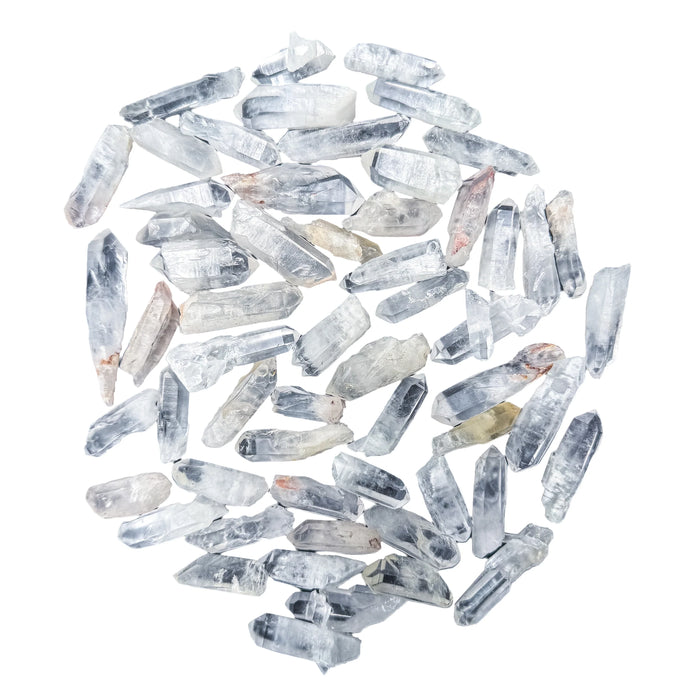
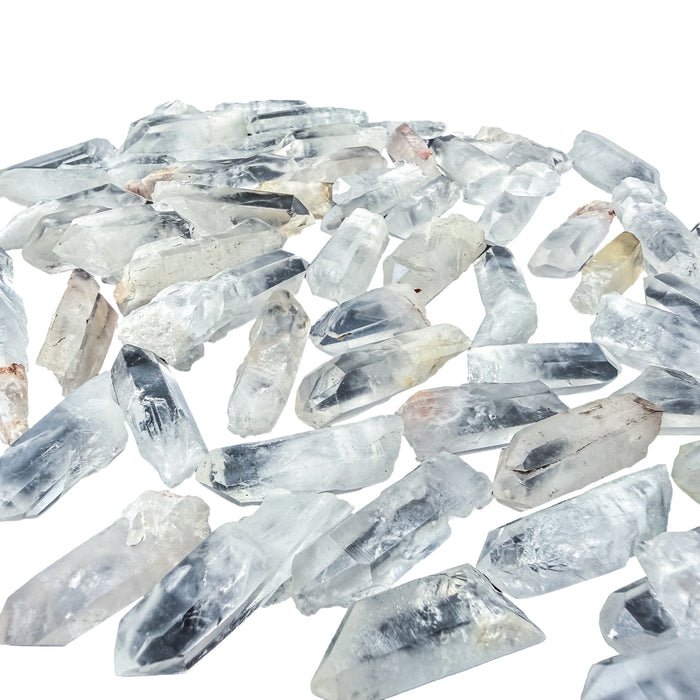
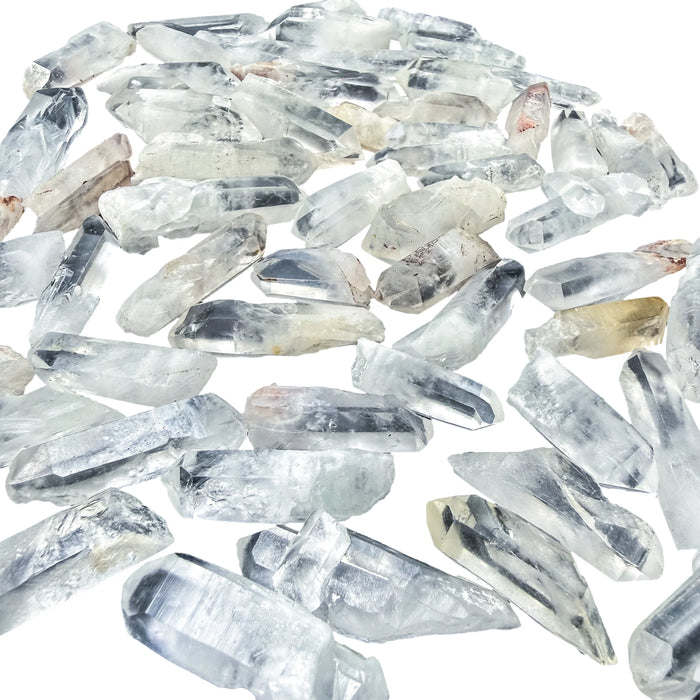
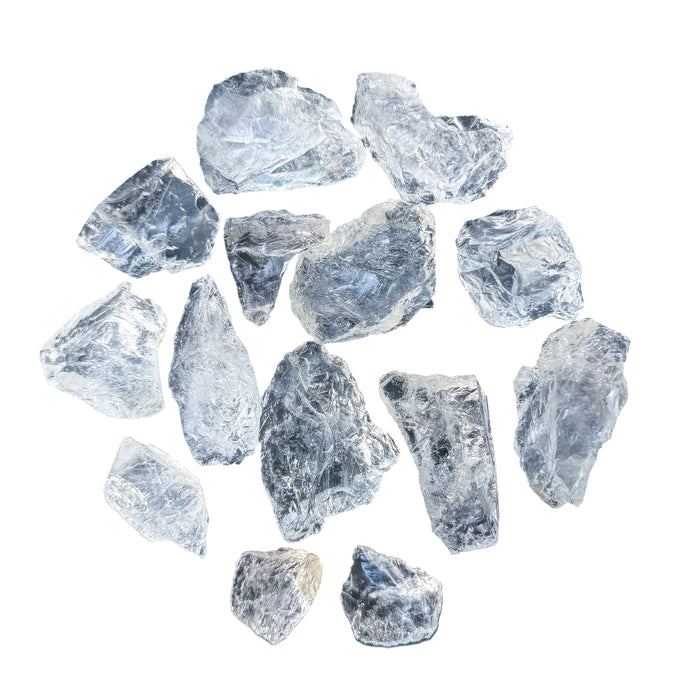
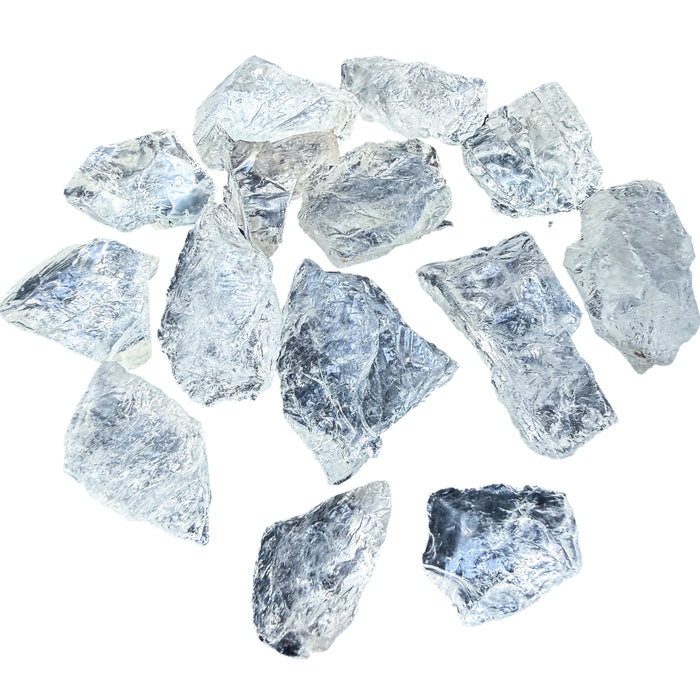
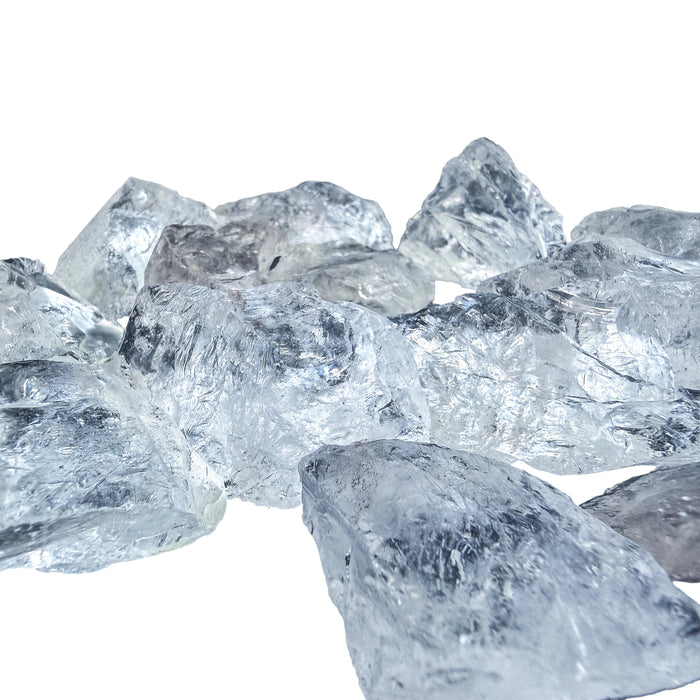
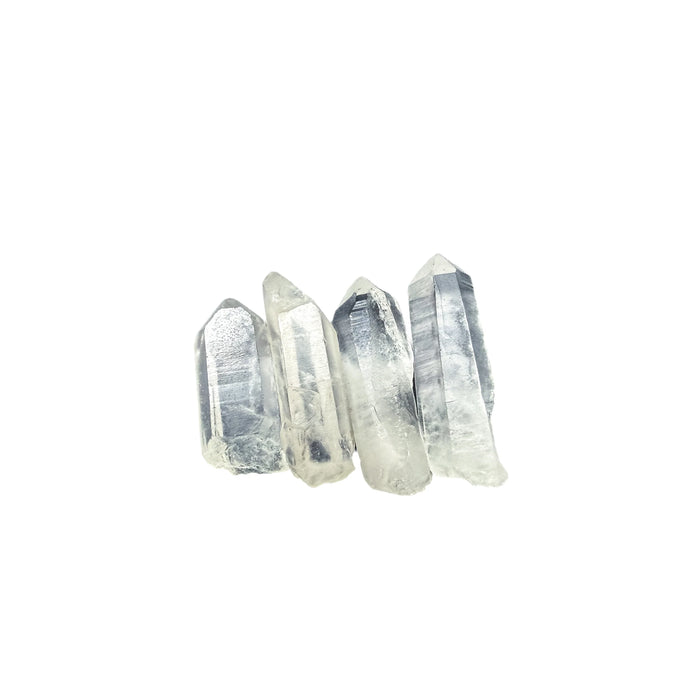
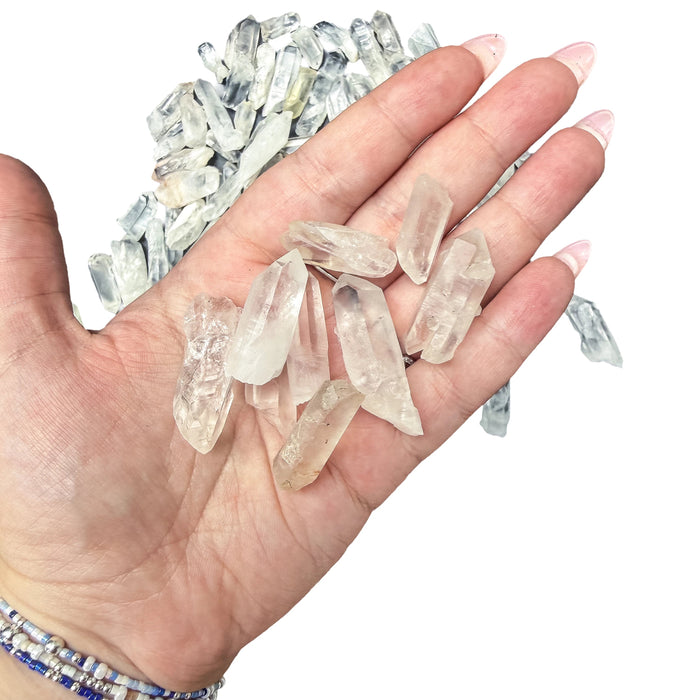
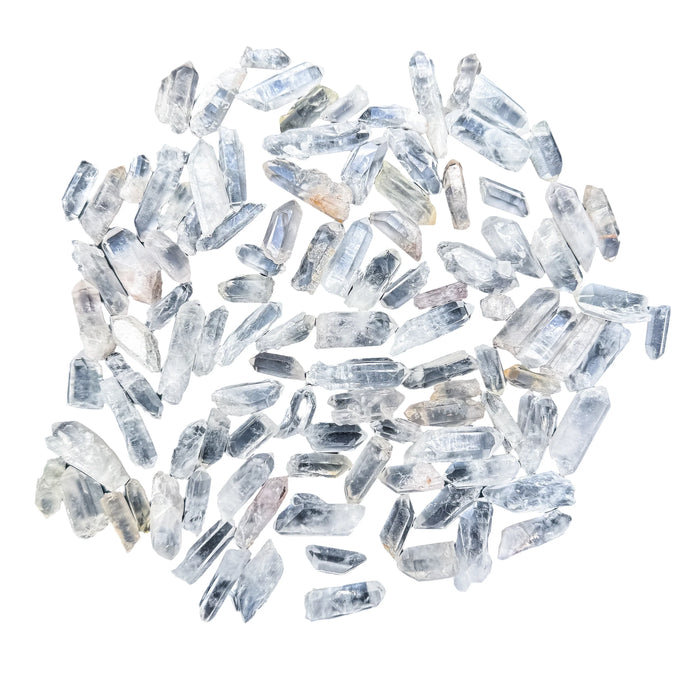
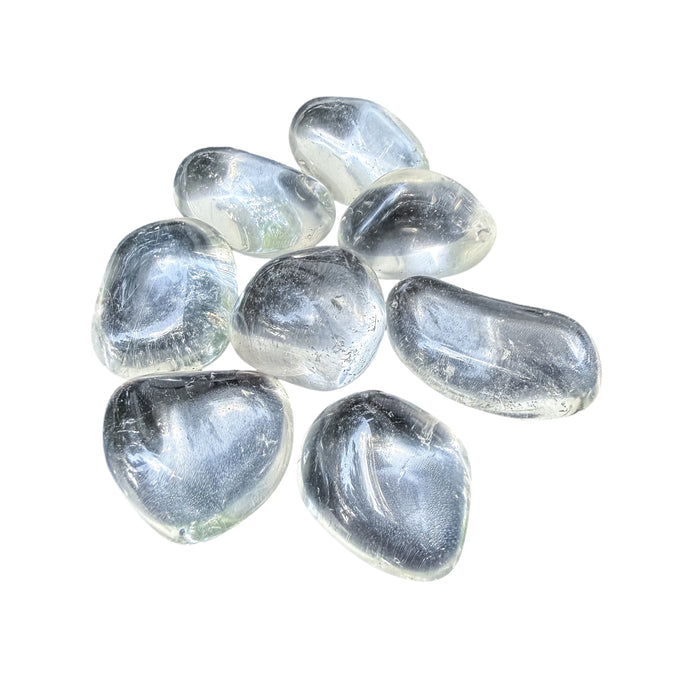
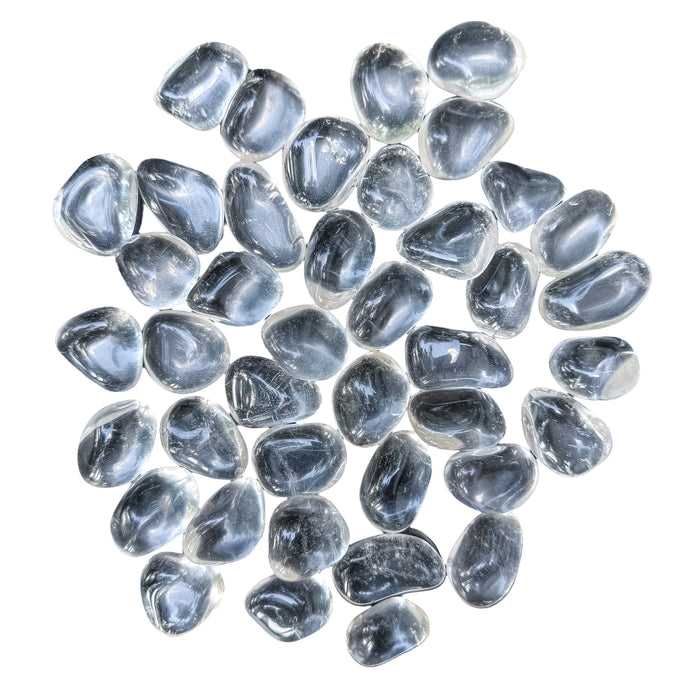
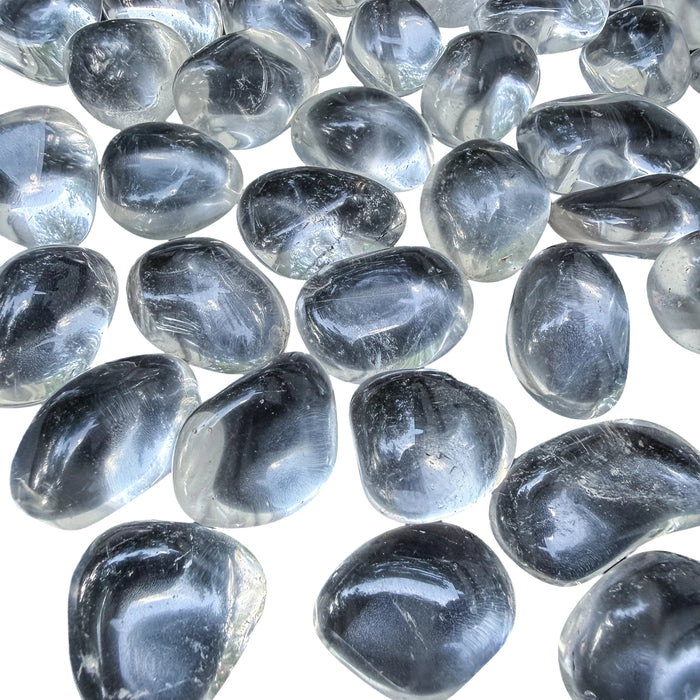
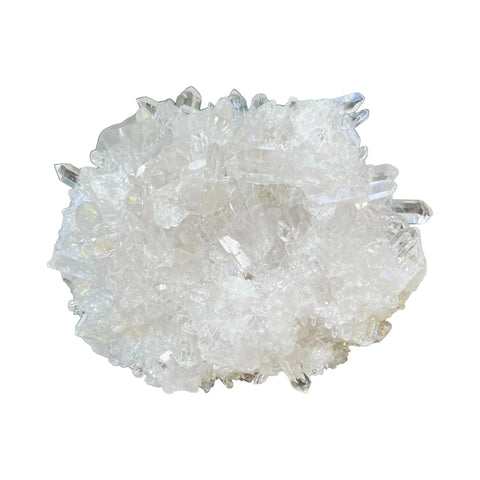
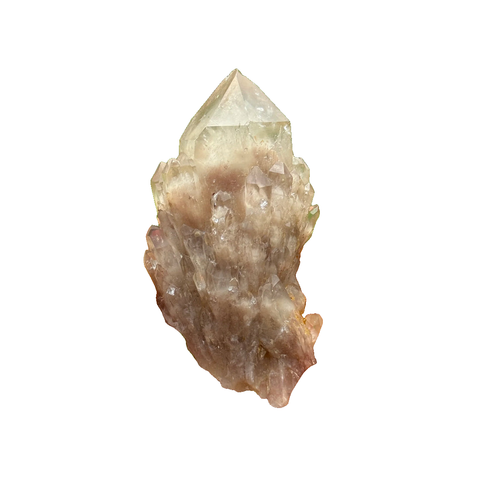
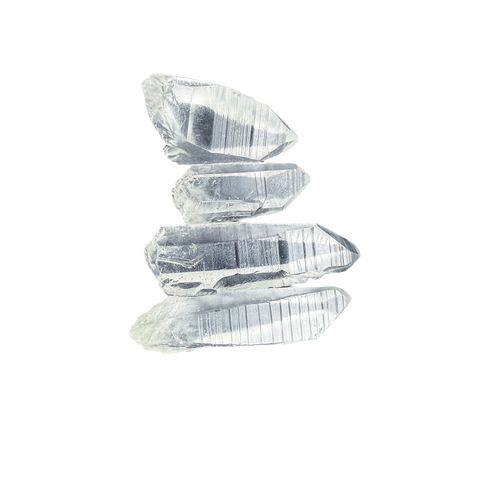
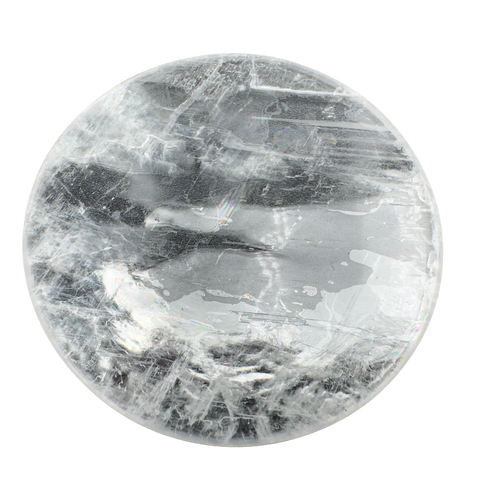
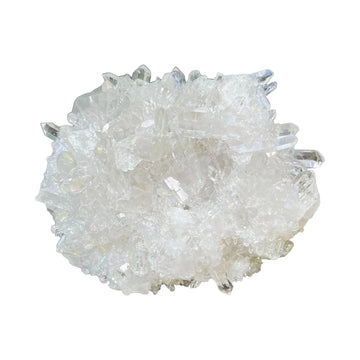
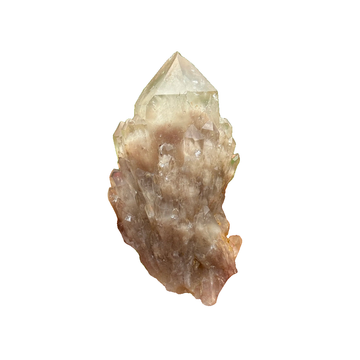
- Clear Quartz (Mohs 7): Silicon dioxide, extremely stable, no leaching
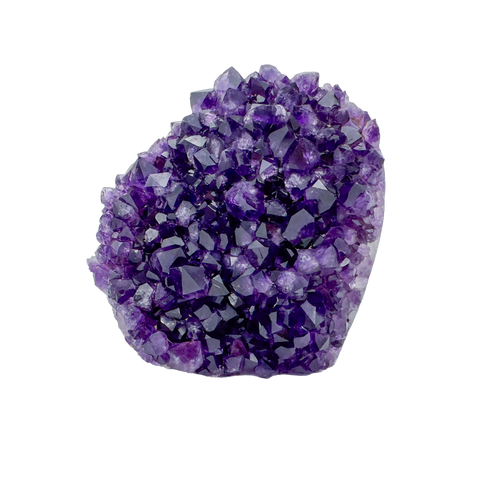
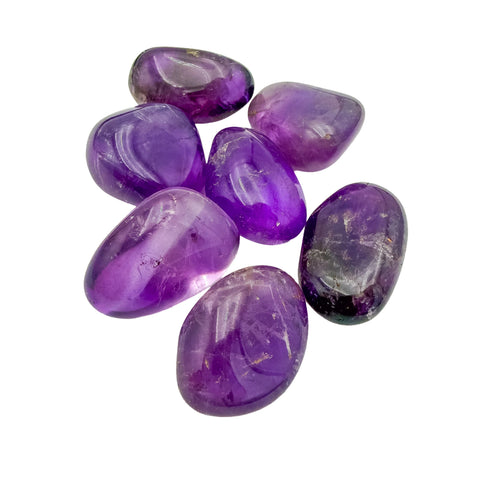
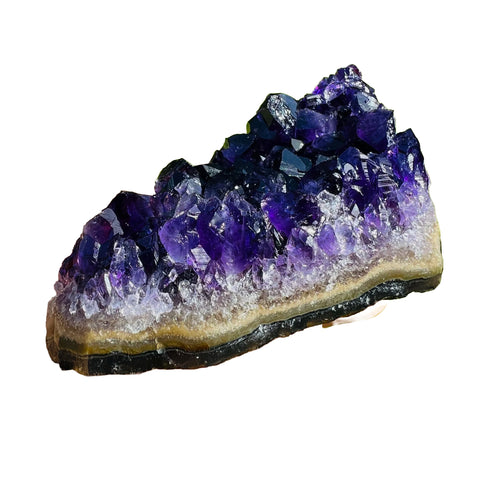
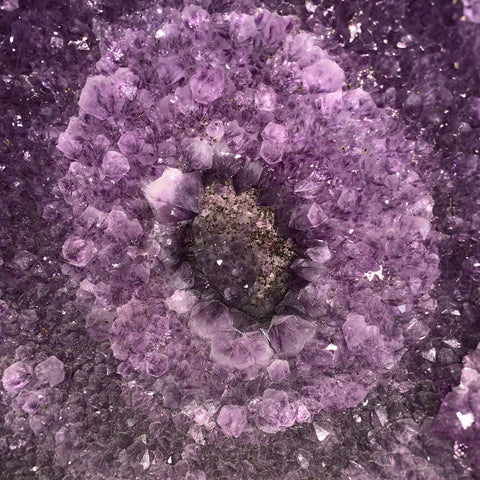
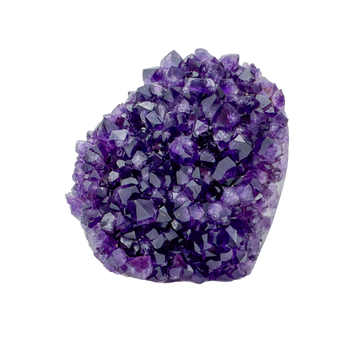
- Amethyst (Mohs 7): Purple quartz, identical stability to clear quartz
- Citrine (Mohs 7): Yellow quartz, stable in water
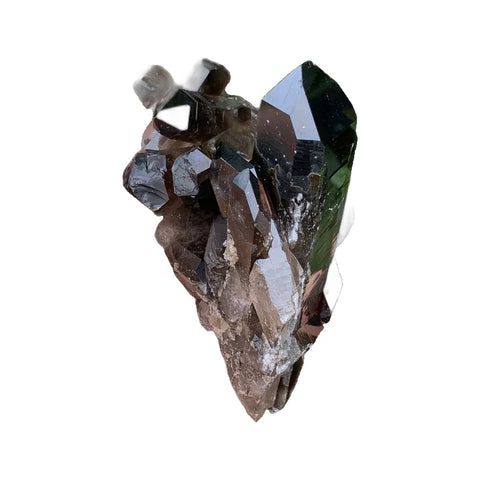
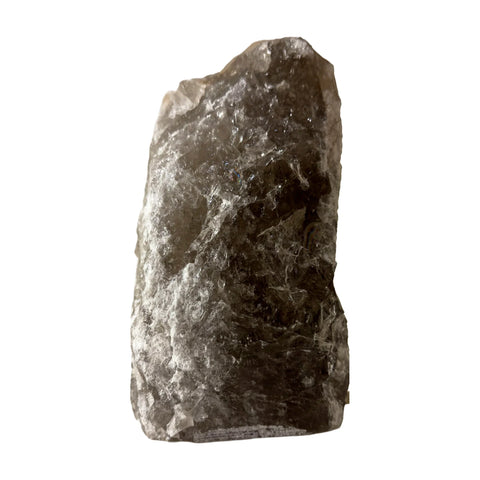
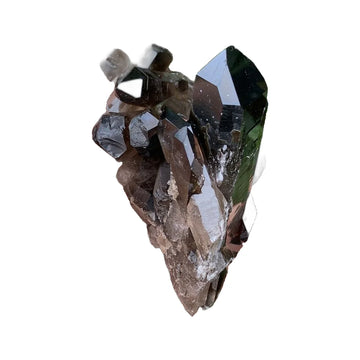
- Smoky Quartz (Mohs 7): Brown/gray quartz, stable
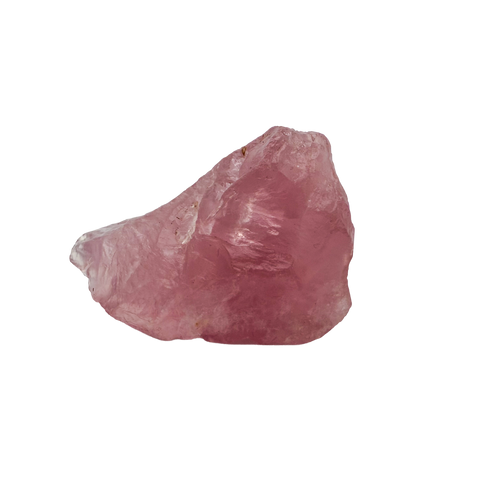
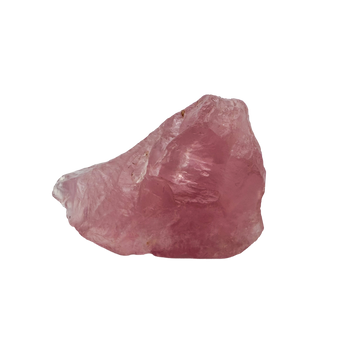
- Rose Quartz (Mohs 7): Pink quartz, completely water-safe
- Aventurine (Mohs 7): Quartz variety, safe for water
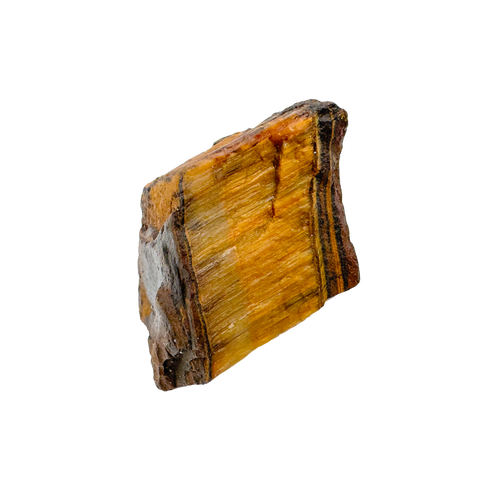
- Tiger's Eye (Mohs 6.5-7): Quartz-based, generally safe (at lower hardness, brief contact only)
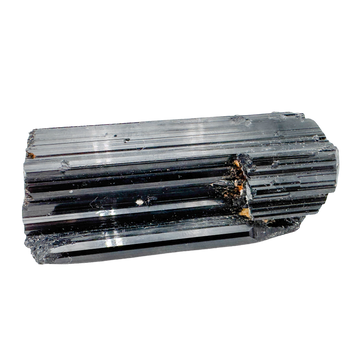
- Tourmaline (Mohs 7-7.5): Very hard, water-safe
- Topaz (Mohs 8): Harder than quartz, safe for water
- Sapphire (Mohs 9): Corundum, extremely hard and stable
- Diamond (Mohs 10): Hardest mineral, perfectly safe
- Garnet (Mohs 7-7.5): Silicate minerals, water-safe
- Hematite (Mohs 5.5-6.5): Iron oxide; brief rinsing is safe, but avoid soaking (iron can leach slowly)
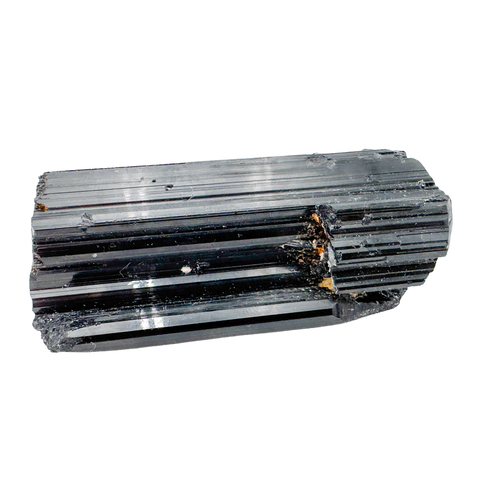
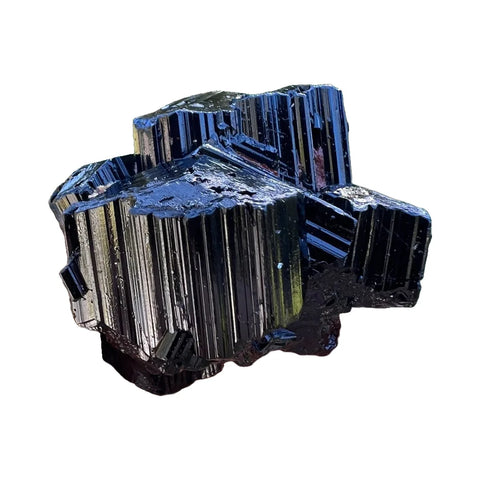
- Black Tourmaline (Mohs 7-7.5): Tourmaline variety, safe
Unsafe Crystals for Water (Avoid Water Contact)
Soluble in Water
Minerals That Dissolve in Water
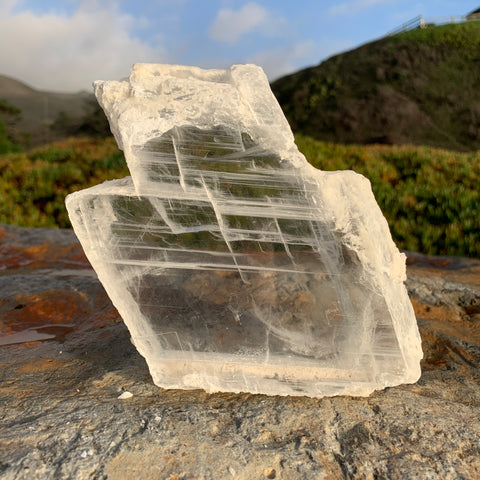
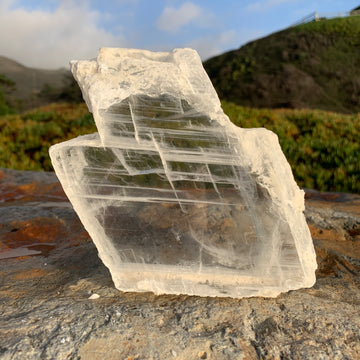
- Selenite (Mohs 2): Gypsum; dissolves slowly in cold water, faster in hot water. Never soak.
- Satin Spar (Mohs 2): Fibrous gypsum; same solubility issue as selenite
- Halite/Rock Salt (Mohs 2.5): Dissolves readily in water—avoid any contact
- Calcite (Mohs 3): Calcium carbonate; dissolves in acidic water and slowly in neutral water
- Fluorite (Mohs 4): Calcium fluoride; slowly soluble in water
Leach Toxic Elements
Minerals That Release Harmful Elements into Water
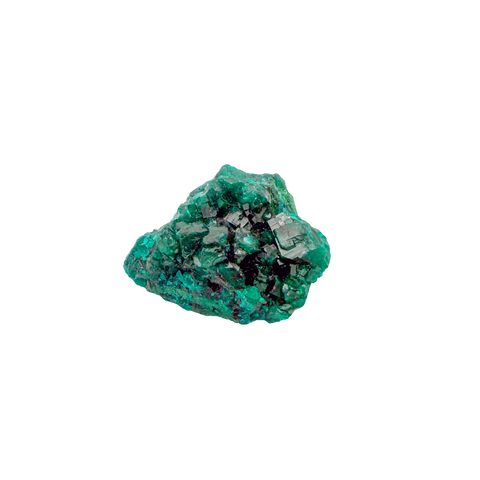
- Malachite (Cu₂CO₃(OH)₂): Copper carbonate; readily leaches Cu²⁺ copper ions. DO NOT use for crystal water—copper toxicity risk. Brief rinsing is okay; soaking is not.
- Chrysocolla (CuSiO₃·2H₂O): Copper silicate; leaches copper into water. Avoid water contact.
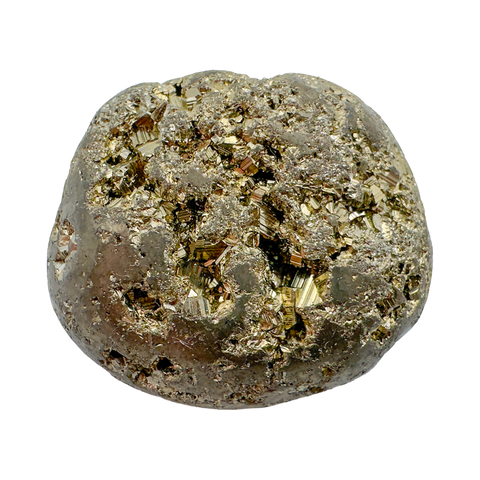
- Pyrite (FeS₂): Iron sulfide; oxidizes in water to form sulfuric acid (H₂SO₄), lowering pH and creating acidic water. Unsafe for crystal water and can damage metal jewelry.
- Amazonite (K₁AlSi₃O₈): Feldspar that may contain lead (Pb) from natural inclusion. Lead toxicity is serious; avoid water contact.
- Lapis Lazuli (Complex silicates with sulfur): Contains pyrite and may leach elements; avoid prolonged water contact.
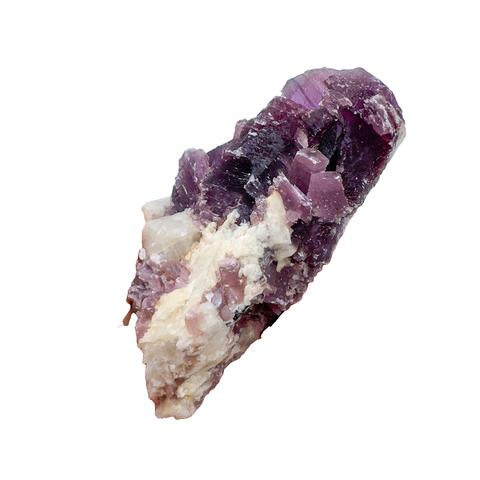
- Lepidolite (LiAl₂(Si₄O₁₀)(OH)₂): Lithium aluminum silicate; can delaminate and shed layers in water. Avoid water.
Soft and Friable (Easily Damaged)
Minerals That Are Too Soft or Fragile for Water
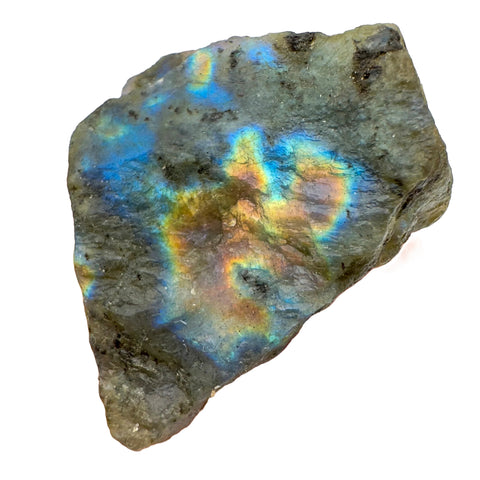
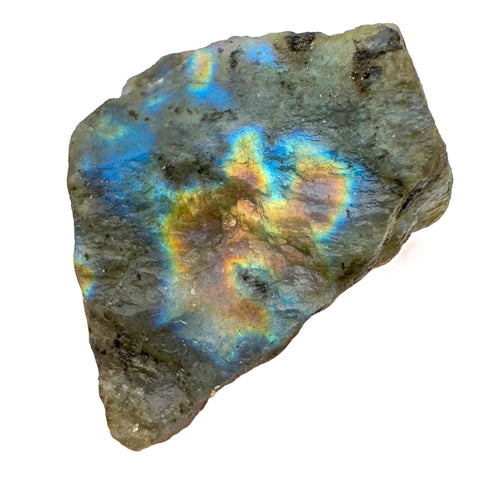
- Labradorite (Mohs 6-6.5): Feldspar; water can cause surface damage and clouding
- Moonstone (Mohs 6-6.5): Orthoclase feldspar; water can affect the optical effect and cause cloudiness
- Opal (Mohs 5.5-6.5): Hydrated silica; water rehydrates it unevenly, causing cracking and crazing. Avoid water entirely.
- Pearl (Mohs 2.5-4.5): Calcium carbonate aragonite; dissolves in water and is damaged by moisture
- Turquoise (Mohs 5-6): Copper phosphate; porous and water-absorbent. Water causes discoloration and damage. Avoid immersion.
- Magnetite (Mohs 5.5-6.5): Iron oxide; rusts and oxidizes in water
Quick Reference: Safe vs. Unsafe
| Crystal | Safe? | Reason | Best Practice |
|---|---|---|---|
| Clear Quartz | YES | Mohs 7, insoluble, non-reactive | Safe for immersion and crystal water |
| Amethyst | YES | Mohs 7, insoluble, non-reactive | Safe for immersion and crystal water |
| Selenite | NO | Gypsum, soluble in water | Avoid water; dry clean only |
| Malachite | NO | Leaches copper (Cu²⁺) | Avoid water contact; no crystal water |
| Rose Quartz | YES | Mohs 7, insoluble, non-reactive | Safe for immersion and crystal water |
| Pyrite | NO | Oxidizes to sulfuric acid | Avoid water; handle carefully |
| Tourmaline | YES | Mohs 7-7.5, hard and stable | Safe for immersion |
| Turquoise | NO | Porous, water-absorbent, discolors | Brief rinse only; never soak |
| Opal | NO | Hydrated, cracks in water | Avoid water; dry clean only |
| Garnet | YES | Mohs 7-7.5, stable | Safe for immersion |
Understanding Crystal Water Safety
Critical Health Warning: Toxic Crystal Water
Drinking "crystal water" made with unsafe minerals can expose you to heavy metals and toxic elements. Malachite in water releases copper, which at high levels causes nausea, vomiting, and organ damage. Pyrite releases sulfuric acid, making water acidic and potentially harmful. Amazonite may leach lead, which causes neurological damage. Always verify crystal safety before making crystal water. When in doubt, don't drink it.
Crystal water (also called "gem water" or "crystal elixir") is water infused by placing a crystal in it, with the belief that the crystal's energy transfers to the water. From a scientific standpoint, this is unsupported. However, from a safety standpoint, only crystals with high hardness (Mohs 7+), non-solubility, and non-toxic composition should be used:
- Clear Quartz (safest choice)
- Amethyst
- Rose Quartz
- Citrine
- Tourmaline
- Aventurine
Safer method: Use the "indirect method" where the crystal is placed in a sealed container that sits in water, but doesn't touch the water. This eliminates risk of leaching or dissolution.
The Mohs Scale and Water Safety
Why Mohs 7 Matters
Mohs hardness measures scratch resistance. Mohs 7 is the threshold where a mineral resists scratching from quartz sand, which is commonly found in water and soil. Below Mohs 7, water and suspended minerals can gradually scratch and damage the crystal surface. Above Mohs 7 (like tourmaline at 7.5, sapphire at 9), water contact poses no hardness-related risk. Combined with non-solubility and non-toxicity, Mohs 7+ crystals are safest for water contact.
Safe Practices for All Crystals
- When in doubt, use dry cleaning: Soft cloth or soft-bristled brush is safe for all crystals.
- Brief rinsing is safer than soaking: Even "safe" crystals are better off with minimal water contact. Quick rinse under cool water is typically okay; prolonged soaking is not necessary.
- Avoid hot water: Heat accelerates solubility (gypsum, calcite) and can cause thermal shock (sudden cracking from temperature change).
- Use filtered or distilled water if rinsing: Tap water contains minerals and sometimes chemicals that can interact with crystals.
- Dry immediately after rinsing: Don't leave crystals wet; air dry quickly with a soft cloth.
- Never use crystal water internally without expert verification: The risk of toxicity is real if you use the wrong minerals.
What to Ask About Crystal Water
- "Is this crystal safe for water contact?"
- "Is it safe to drink crystal water made with this stone?"
- "What is the Mohs hardness?"
- "Is this mineral soluble in water?"
- "Does this mineral contain any elements that leach into water?"
- "If I want to use this for crystal water, what method do you recommend?"
Related Crystal Guides
Shop Water-Safe Crystals
We clearly label each crystal's water safety and provide care instructions for proper handling and cleaning.
Browse Our Water-Safe Crystal Selection