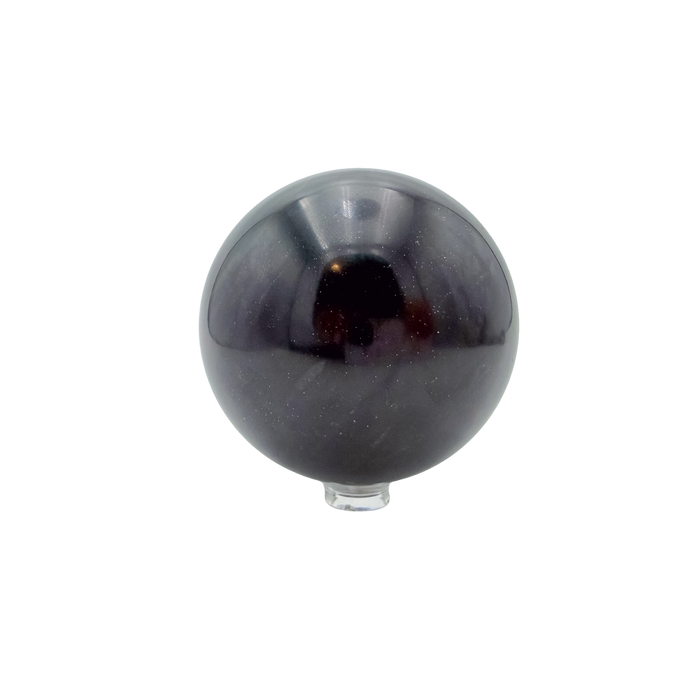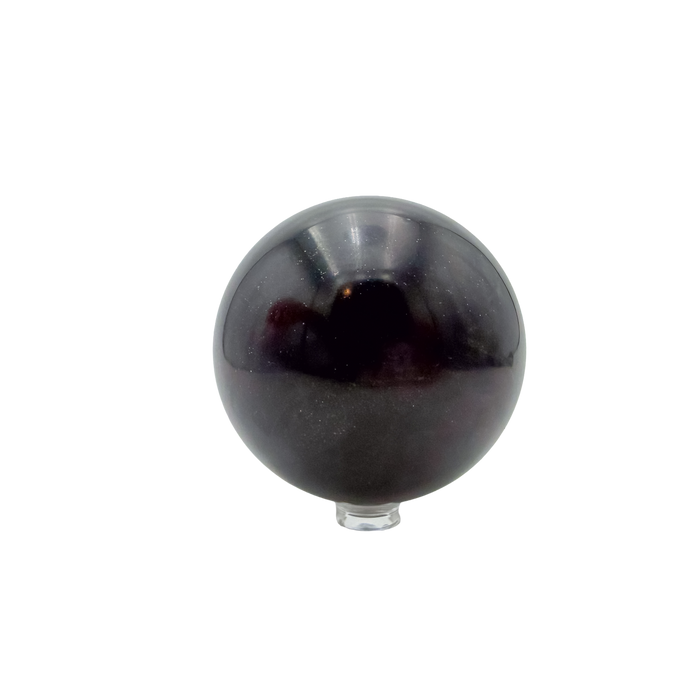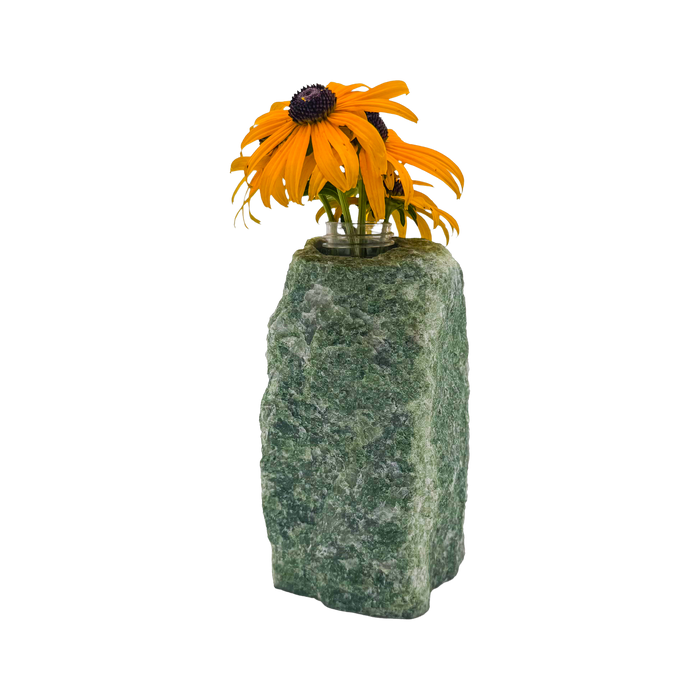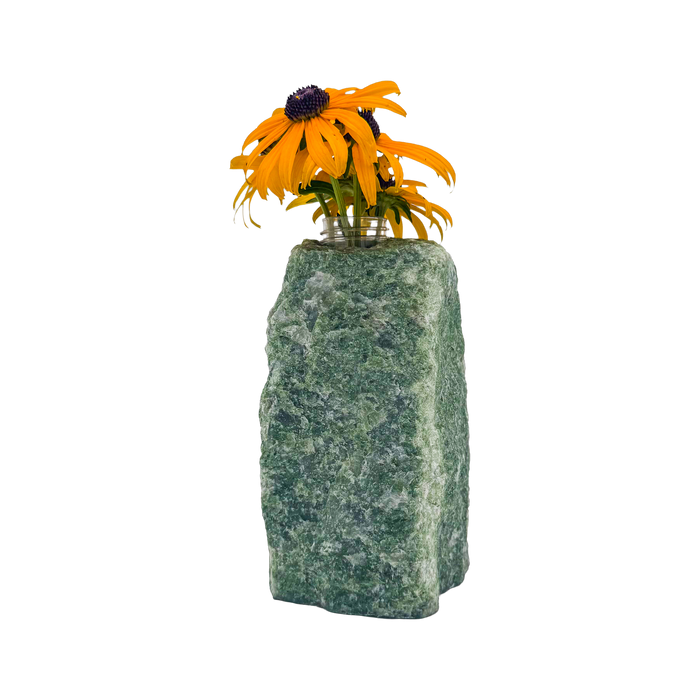








Jadeite vs Nephrite: Understanding the Two Jades
Jadeite and nephrite are completely different minerals with entirely different chemistry, formation conditions, hardness, and value. Despite both being called "jade," they share almost nothing except cultural significance and a superficially similar appearance. Understanding which jade you own is crucial for proper care, accurate pricing, and appreciating the stone's true geological origin.
| Property | Jadeite | Nephrite |
|---|---|---|
| Chemical Composition | NaAlSi₂O₆ (sodium aluminum silicate) | Ca₂(Mg,Fe)₅Si₈O₂₂(OH)₂ (calcium magnesium silicate) |
| Crystal System | Monoclinic | Monoclinic |
| Mohs Hardness | 6.5-7 | 6-6.5 |
| Specific Gravity | 3.30-3.38 g/cm³ | 2.90-3.03 g/cm³ |
| Luster | Vitreous to pearly | Waxy to oily |
| Toughness | More brittle; can chip | Extremely tough; fibrous structure resists breaking |
| Formation | High-pressure subduction zones (metamorphic) | Lower-pressure metamorphism; altered mafic rocks |
| Color Range | White, green (emerald-like), lavender, pink, red, black | White, green, brown, black (limited color range) |
| Typical Price | $10-5000+ per gram (imperial jadeite) | $1-20 per gram |
Fundamentally Different Minerals
This is the critical fact: jadeite and nephrite are not varieties of the same mineral. They are separate minerals with different atomic structures, different chemical compositions, and different formation conditions. Calling them both "jade" is historical convention, not scientific accuracy.
In the West, both have been called "jade" for centuries because Chinese cultures valued both stones. Today, mineralogists distinguish them clearly, but the trade still uses "jade" as an umbrella term.
Why the Confusion?
The term "jade" is a cultural and commercial umbrella, not a mineralogical one. Jadeite is a pyroxene (a silicate mineral family). Nephrite is an amphibole (a different silicate family). They happen to have similar colors and polishing characteristics, which is why they were both prized in the same cultures. But their chemistry and formation are completely different.
Chemical Composition and Formation
Jadeite: Subduction Zone Metamorphic Mineral
Jadeite forms only in extreme conditions: high-pressure, relatively low-temperature metamorphism in subduction zones where oceanic crust is being pushed deep into the Earth. Sodium-rich rocks at depths of 50-200 km experience pressures and temperatures that transform them into jadeite.
This makes jadeite rare. It occurs in only a few locations globally with significant quality: Myanmar (Burma), Guatemala, Japan, Russia, and New Zealand. Most commercial jadeite comes from Myanmar.
Jadeite's High-Pressure Origins
Jadeite's density (3.30-3.38 g/cm³) is notably higher than nephrite (2.90-3.03 g/cm³). This density difference reflects the extreme pressures under which jadeite forms. The atoms are packed more tightly. This is also why jadeite is slightly harder and more brittle—the tight crystal structure is less flexible than nephrite's fibrous arrangement.
Nephrite: Lower-Pressure Metamorphic Mineral
Nephrite forms in lower-pressure metamorphic environments from the alteration of magnesium-rich mafic rocks (rocks high in iron and magnesium). The process is less extreme than jadeite formation and occurs at shallower depths, typically in metamorphic belts within continents.
Nephrite is more widely distributed geographically. It occurs in China, Canada, New Zealand, Russia, Australia, and many other locations. This wider distribution makes nephrite more abundant and less expensive than jadeite.
Identifying Jadeite vs. Nephrite
Specific Gravity Test
The density difference is measurable and reliable. Jadeite (3.30-3.38 g/cm³) is noticeably denser than nephrite (2.90-3.03 g/cm³). If you place equal-sized stones in water, jadeite will sink faster and feel heavier in your hand.
Quick test: Hold a jadeite piece and a nephrite piece of similar size. The jadeite will feel distinctly heavier. This is the easiest field test.
Luster Difference
Jadeite: Vitreous (glassy) to pearly luster. When polished, it has a shinier, more reflective surface similar to glass.
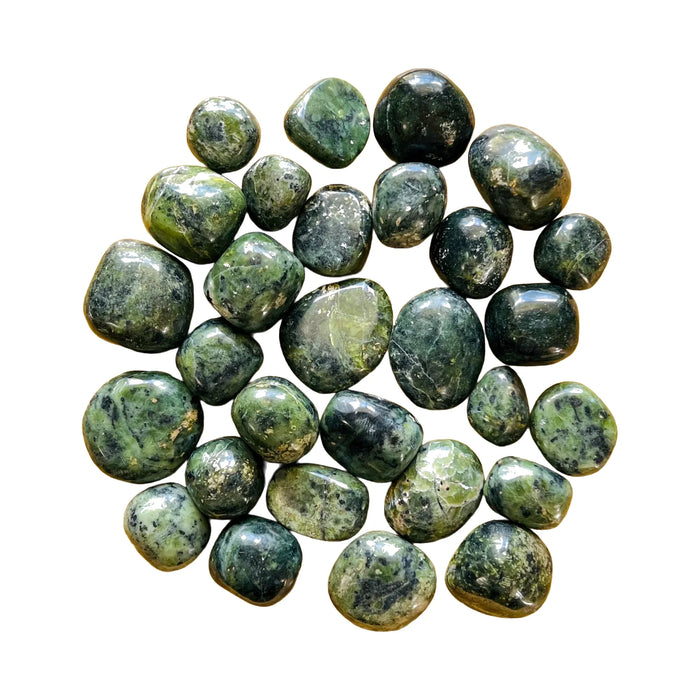
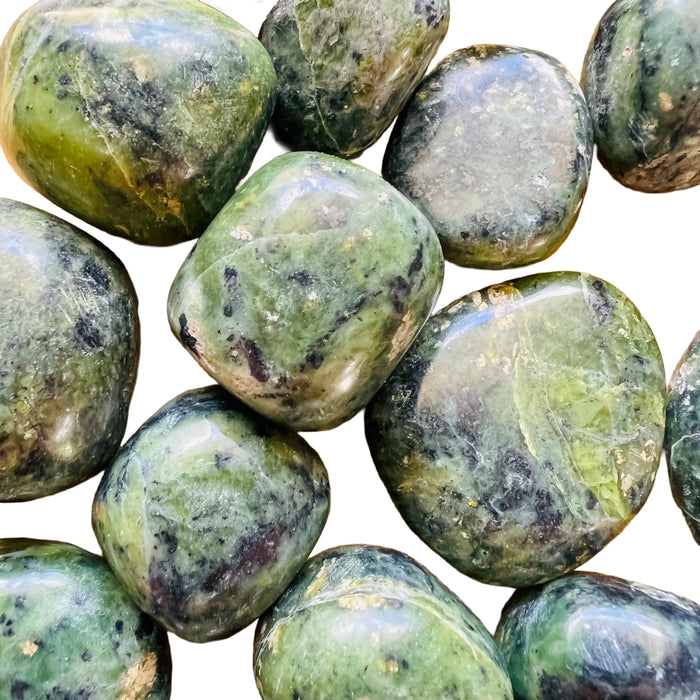
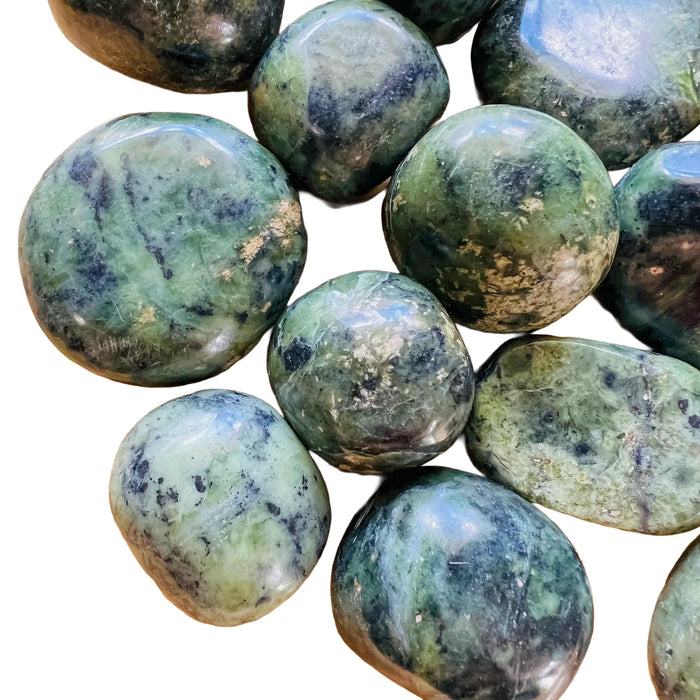
Nephrite: Waxy to oily luster. When polished, nephrite has a softer, more muted shine—less reflective, more like oil on water.
This difference is visible without special equipment. Compare the two side by side and you'll notice jadeite reflects light more like glass, while nephrite reflects light more like wax.
Color and Transparency
Jadeite: Comes in a wider color range: pure white, various greens (pale to emerald-like), lavender, pink, red, and black. Can show color zoning where different colors appear in the same stone. Some jadeite is semi-translucent.
Nephrite: More limited color range: white, medium to dark green, brown, and black. Rarely shows the vibrant colors that jadeite displays. Generally opaque.
Key indicator: If you see vivid emerald-green jade or pink jade, it's almost certainly jadeite. Nephrite's greens are duller.
Toughness Difference (for experienced users)
Nephrite is actually tougher than jadeite despite being slightly softer on the Mohs scale. This seems counterintuitive but reflects different crystal structures. Nephrite's atoms are arranged in a fibrous, interlocking way that resists breaking. Jadeite is more brittle and can chip or crack from impact, while nephrite will rarely break under similar stress.
Historical significance: This toughness is why nephrite was preferred for tools in ancient cultures—it could withstand the battering of use without shattering.
A/B/C Jade Grading System
The gemstone industry uses a standardized grading system for jadeite that reflects treatment level and quality:
Type A Jade
Untreated or minimally treated natural jadeite. No bleaching, no resin infill, no coating. Type A represents the highest-quality, most valuable jadeite. The color is entirely natural, and the stone is durable.
Type B Jade
Jadeite that has been bleached with acids to remove iron stains and brown tones, then impregnated with polymer resins to fill surface cavities and improve luster and appearance. This is a common treatment that improves appearance but reduces value compared to Type A. Type B stones are less expensive but still considerably more durable than treated nephrite.
Type C Jade
Jadeite that has been bleached and dyed with organic dyes to enhance color or create colors that don't naturally occur. Type C is the least valuable. The dyes are not permanent and can fade with time and exposure to sunlight.
Nephrite and the ABC System
The ABC system is technically for jadeite, but it's sometimes applied to nephrite. Treated nephrite should be disclosed and priced accordingly. However, because nephrite is already inexpensive, the price difference is less dramatic than with jadeite.
Always Ask About Treatment
When buying jadeite, ask which type (A, B, or C) you're purchasing. This dramatically affects both value and durability. Type A commands premium prices. Type B is significantly cheaper. Type C is least expensive and least durable due to dye instability.
Pricing and Value
Imperial jadeite (high-quality, Type A, emerald-green): $100-5000+ per gram. Top specimens can reach $10,000+ per gram.
Type B jadeite: $10-100 per gram depending on color and origin.
Type C jadeite: $5-30 per gram; less durable due to dyes.
Nephrite: $1-20 per gram; occasionally higher for museum-quality pieces. Generally 10-100 times cheaper than comparable jadeite.
This price difference reflects both rarity and cultural value. Jadeite has been the preferred jade in Chinese cultures for centuries, driving demand and prices. Nephrite is still valued but is more abundant and thus less expensive.
Cultural Significance
Chinese Jade Culture
In Chinese tradition, jadeite (especially imperial jadeite from Myanmar) is considered the supreme jade. It's associated with purity, wisdom, and spiritual protection. Fine jadeite jade is worn as jewelry and carved into ornaments.
Nephrite was the jade used in ancient China before jadeite was discovered. It remains culturally important but is secondary to jadeite in modern Chinese society.
Mesoamerican Jade Tradition
In pre-Columbian cultures (Aztec, Maya, Olmec), both jadeite and nephrite were used, though jadeite was more highly valued. Ancient Mesoamericans understood the difference and prized jadeite above nephrite.
Care and Durability
Jadeite: Can be worn daily but requires care. Avoid hard impacts as it can chip. Clean with mild soap and water. Avoid steam cleaning for Type B and C jadeite as heat can affect resin fillings and dyes.
Nephrite: More durable for daily wear due to its toughness. Can withstand impacts better than jadeite. Clean with mild soap and water. Generally requires less careful handling.
What to Ask Your Seller
- "Is this jadeite or nephrite?"
- "If jadeite, what type—A, B, or C?" (and can they document it?)
- "What is the mine of origin?"
- "Has the stone been treated in any way? Bleached? Dyed? Impregnated?"
- "What is the specific gravity or density?" (jadeite should be 3.30+, nephrite should be 2.90-3.03)
- "Can you describe the luster—is it glassy or waxy?"
- "What care instructions apply to this stone?"
Related Crystal Guides
Shop Authentic Jadeite and Nephrite
We provide verified jadeite and nephrite with full disclosure of type, treatment, and origin. Each piece includes detailed specifications.
Browse Our Jade Collection