


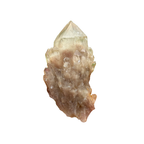
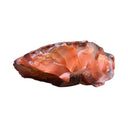
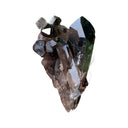
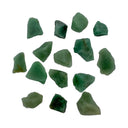




Nontronite Crystal Guide: meaning, origin & properties
Learn what Nontronite is, where ours comes from, traditional associations across cultures, and how to identify a real specimen, in our complete Nontronite Crystal Guide.
Only 1 left in stock
Sourced through a regional cooperative or community-based workshop. Processing and economic benefit stay local, which means more of the value reaches the people doing the work.
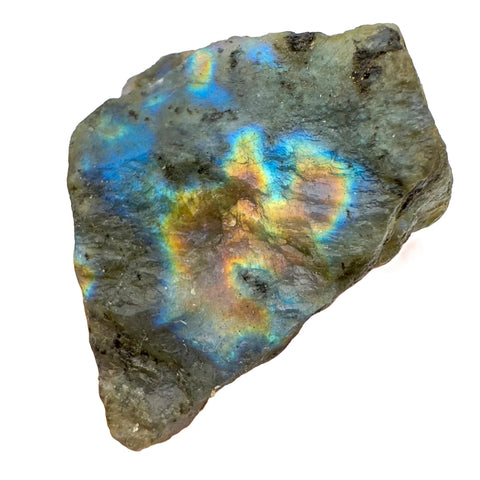
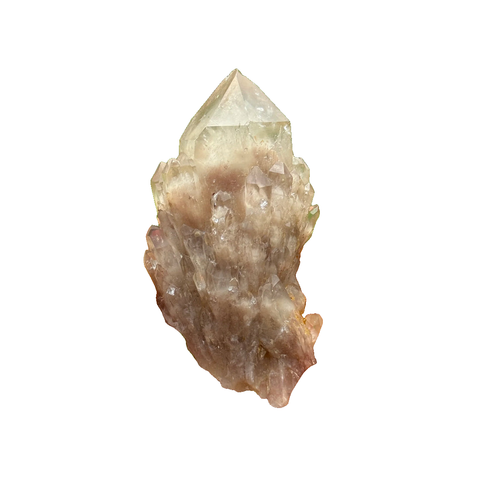
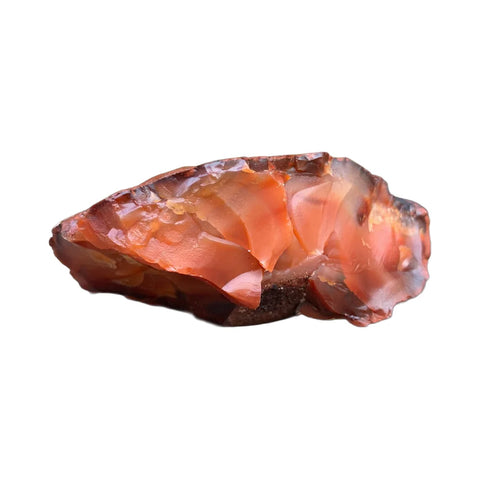
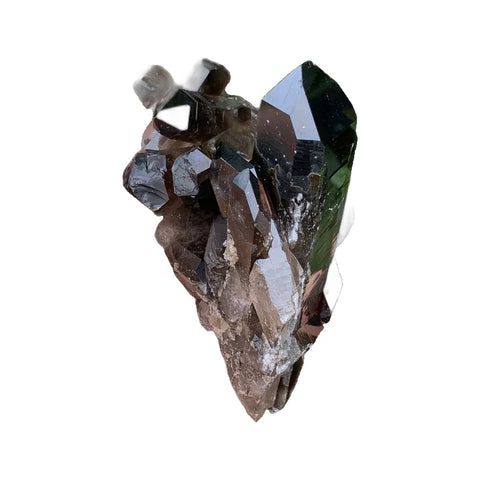
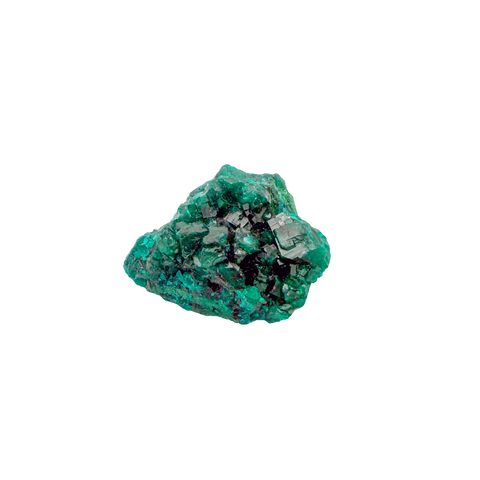
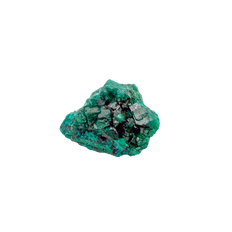
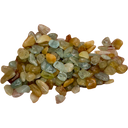
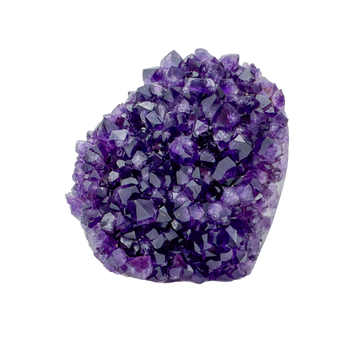
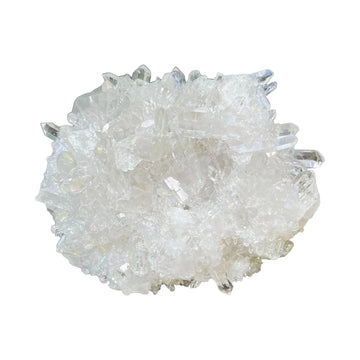
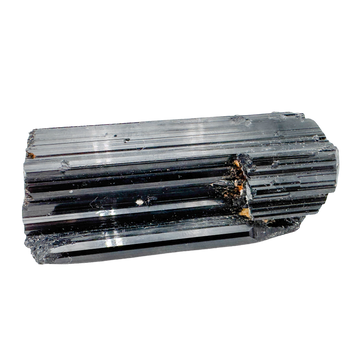
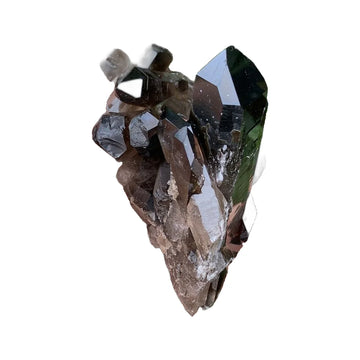
Read our Sourcing Standards →Nontronite is a rare iron-rich smectite clay mineral in the phyllosilicate family, prized by mineral collectors for its vivid chartreuse-to-olive-green coloration and soft, chalky botryoidal surface texture. It forms through the hydrothermal alteration of iron-bearing rocks, typically in oxidized zones of nickel and iron deposits. With a Mohs hardness of just 1–2, it ranks among the softest collector minerals available — handled as a museum-quality specimen rather than a working stone. Collector-grade material from Minas Gerais, Brazil is especially sought for its saturated color and unusually well-preserved botryoidal structure. These are genuinely rare stones in the collector market, particularly at this size and color quality.
Nontronite is a deeply grounding stone, rooted in Earth energy and connected to both the Root and Solar Plexus chakras. It is associated with themes of transformation, endurance, and elemental stability — a reminder that profound structures take time and pressure to form. Crystal practitioners work with it for grounding during periods of upheaval, stabilizing energy in spaces that feel energetically scattered, and deepening connection to the natural world. Its rare, collector-quality nature makes it a meaningful piece for those drawn to working with unusual Earth energies.
These are traditional associations drawn from historical practice. This stone is not a substitute for medical or mental health care.
A starting place for your own quiet practice.