























Ethical sourcing is a spectrum, not a checklist. What is structurally possible in 2026, what is marketing, and how to shop without perfectionism or cynicism.
Are Crystals Ethically Sourced? What's Actually Realistic

You want your crystal purchase to matter. You want to know it came from people who were treated fairly and from a place that wasn't destroyed in the process. That's not a small thing. It's a real part of why you're shopping in the first place. But "ethically sourced crystal" is one of those phrases that's become so common and so vague that it's almost useless. Everyone claims it. Few can explain what they mean by it. And the gap between the claim and the reality is where most of the confusion lives.
Here's what's honest to want and what's actually realistic to ask for.
The honest answer: it's a spectrum, not a yes-or-no
Let's start with the direct question. Are crystals ethically sourced? The answer is: some are more ethically sourced than others, and there's no such thing as perfectly ethical crystals. Mining always has impact. What matters is whether a seller has made deliberate choices to reduce that impact and can explain those choices. That's what ethical sourcing actually means in practice.
The moment a seller claims their entire catalog is perfectly ethical, they're not being honest. They're either confused about their own supply chain or selling you a story. Real sourcing has tradeoffs and limits. Real sellers acknowledge them.
What ethical sourcing can actually achieve
Responsible sourcing reduces exploitative practices by funneling demand toward better supply chains. It supports safer working conditions and more stable livelihoods for the people doing the hard part. It encourages producers to think long-term because they know good buyers will come back. It reduces waste by valuing natural variation instead of chasing only cosmetic perfection. It shifts buyer demand away from the opaque, mass-consolidated side of the market, which is where most of the harm actually lives.
Those are meaningful shifts. They're not small. A cooperative in Madagascar that can count on repeat orders can pay higher wages and invest in safety. A buyer who picks natural stones instead of only perfectly polished ones reduces pressure for over-extraction and waste. These things are real.
But let's be equally honest about what they're not.
What ethical sourcing cannot do
Mining always has environmental impact. No amount of responsible sourcing will erase that. It won't guarantee perfect traceability on every piece in every batch. It isn't a replacement for the broader regulation and accountability the industry actually needs. A seller who claims otherwise is either confused or marketing to you.
There's also no such thing as a perfectly ethical crystal. There's only sourcing that's more thoughtful than the alternative.
Why verification is harder than it looks
Origin is sometimes a best-available truth, not a perfect truth. A stone might pass through exporters and importers before it reaches a retailer, and each hand in that chain loses some detail. We can reliably tell you a piece came from Brazil. We can often tell you it came from Rio Grande do Sul. We can rarely tell you the exact mine without creating risk for the people who work there. A responsible seller doesn't pretend they have perfect information. They tell you what they can verify and what they're estimating.
Treatment disclosure is inconsistent across the industry too. Some materials are commonly treated but rarely disclosed. Some treatments are so standard nobody bothers mentioning them. Some treatments are even debated (is light heating of amethyst worth disclosing? opinions vary). This is why a seller's willingness to answer direct questions matters more than any "ethical" label. The label is cheap. The transparency takes work.
Three categories of crystal sellers (and how to tell them apart)
Category 1: The transparent sourcer. These sellers can tell you country of origin, have regular suppliers they've worked with for years, disclose treatments in plain language, welcome questions, and acknowledge limits. Beyond Bohemian is in this category. So are a handful of other small, careful sellers. You'll recognize them because their sourcing stories include specific details and their answers don't get vague when you push.
Category 2: The partially informed seller. They're doing some sourcing work and have good intentions, but their supply chain is a mix of careful relationships and quick deals. They might know origin on some pieces but not others. They disclose some treatments but miss others. They're genuinely trying, but they're also not rigorous. You can work with them if you ask better questions and verify more carefully.
Category 3: The marketing-first seller. These are the ones making broad ethical claims without being able to back them up. They use emotional language instead of facts. They get defensive when asked specifics. They might have nice photography and a good story, but there's no verifiable standard behind it. These are where greenwashing lives.
Red flags that actually matter
A seller can't tell you what country a stone came from. A seller who says "ethically sourced" but won't explain what that means. A seller who uses words like "high vibe," "ceremonially sourced," or "ancestrally blessed" as a replacement for actual sourcing information. A seller whose prices are suspiciously cheap (if stones are genuinely ethically sourced, they cost more). A seller who changes suppliers constantly (you can tell by constantly shifting descriptions or origins). A seller who gets defensive or vague when you ask about treatments.
Any one of these isn't proof of harm. But a pattern of them is a strong signal to shop elsewhere.
Questions to ask before you buy
Can you verify the origin and treatment on this piece? At minimum, to what country can you trace it? Do you have sourcing standards you follow consistently? Do you communicate tradeoffs honestly instead of claiming everything is perfect? Are you building relationships with your suppliers or constantly switching to chase deals? Can you name who you source from, or is that secret? What percentage of your inventory is from repeat suppliers versus new sources?
A seller who answers those questions clearly is working with real standards. A seller who hedges on any of them is telling you something too.
Why natural variation is actually a sourcing choice
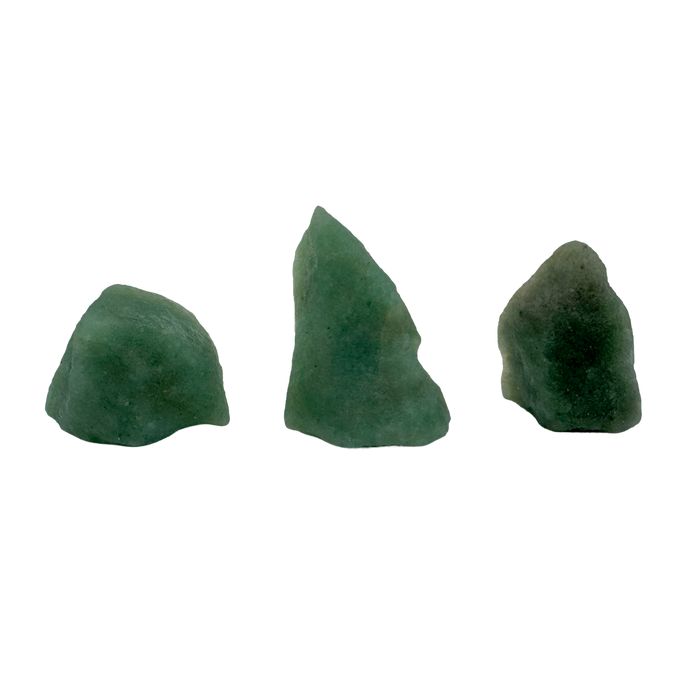
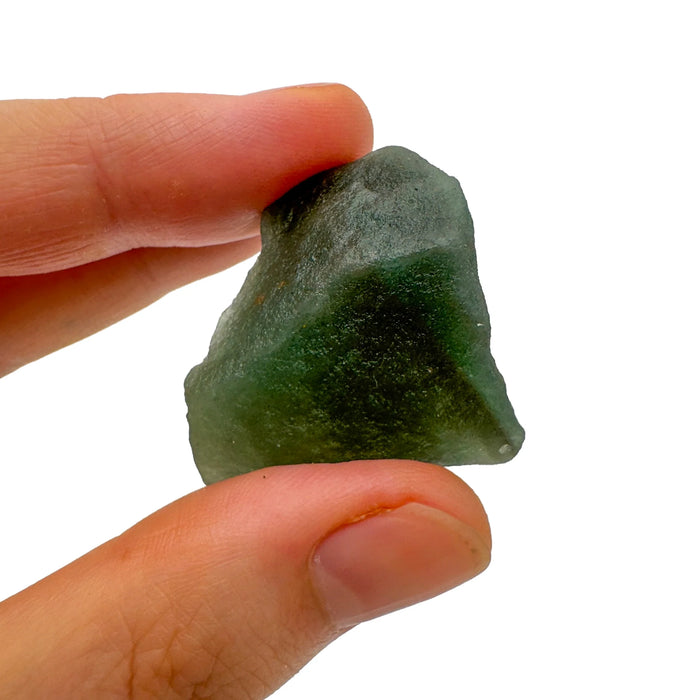
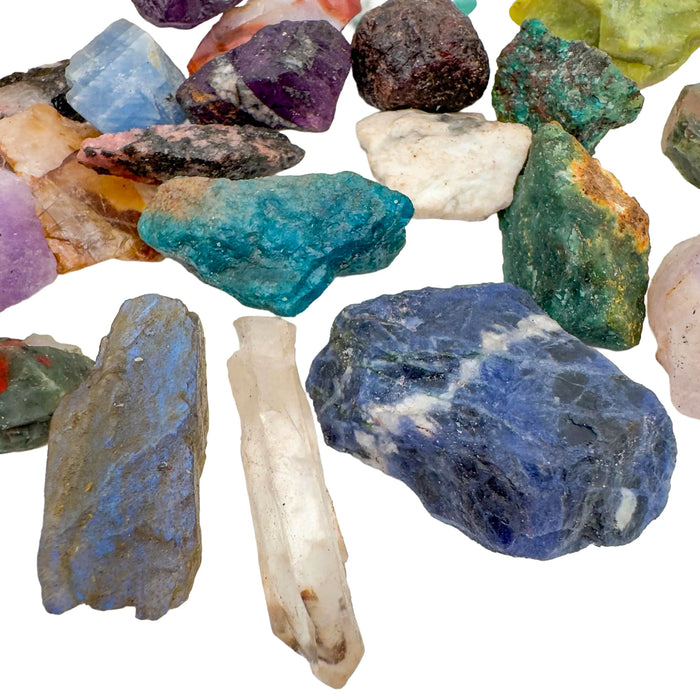
Here's something most people miss. The most flawless stones often come from the most wasteful sorting. When buyers only want the top five percent, the other ninety-five percent becomes harder to sell or turns into scrap. This drives extraction up because you need five times as much raw material to fill orders. Choosing natural variation and pieces with honest inclusions is one of the most effective things you can do to support less wasteful sourcing. It's quieter than a dramatic backstory, but it works. It's also why imperfect stones matter.
What actually changes the supply chain
Buyers who ask questions and buy from sellers who answer them. Buyers who choose stones with natural character instead of chasing cosmetic perfection. Buyers who reward consistency and transparency with repeat purchases instead of always chasing the lowest price. Buyers who avoid the trend-chase for "rare" material with unclear sourcing. Those choices add up.
A single purchase doesn't shift anything. A habit of asking good questions and rewarding good answers does. When enough buyers do this, the pressure on sellers shifts from "move inventory cheap" to "maintain relationships and standards." That's when real supply chain change happens.
The role of pricing in ethical sourcing
If ethical sourcing is real, it costs money. Fair wages aren't free. Long-term relationships require relationship investment. Small-scale production is less efficient than mass-scale. Safe mining practices cost more than dangerous ones. This is why understanding crystal pricing helps you evaluate sourcing claims. If a seller's prices are suspiciously low and they're claiming ethical sourcing, something doesn't add up. Either the sourcing isn't as careful as claimed, or they're absorbing losses unsustainably (which will end).
What to do when you can't fully verify
You'll often encounter stones where the sourcing isn't perfectly clear. A seller has them but can't remember exactly where they came from. The origin is muddled through multiple importers. The treatment status is uncertain. Here's what to do: Ask the seller to be honest about what they know and what they don't. A seller who says "I'm not certain about this one, so I'm pricing it lower and making no sourcing claims" is being responsible. A seller who makes vague claims anyway is not. Consider buying it only if the price reflects the uncertainty. And ask whether the seller is willing to do better research next time.
Building your sourcing practice over time
This isn't about becoming an expert overnight. It's about building a practice that improves gradually as you learn what matters to you. Start by choosing one seller and learning their story. Ask them three questions. Buy one piece you'll actually keep. Notice how you feel about it over time. Did you like the stone? Did their information feel credible? Would you buy from them again? Use those answers to guide your next purchase.
As you shop more, you'll develop instincts for what good transparency looks like. Some sellers will feel trustworthy because they answer directly and acknowledge limits. Some will feel evasive because they use beautiful language instead of facts. You'll start noticing which sellers are consistent and which are constantly changing their story. These observations matter more than any checklist.
You'll also discover what your own priorities actually are, not what you think they should be. Maybe ethical sourcing matters more than price. Maybe you can't prioritize it right now and that's okay. Maybe you want variety and can't commit to one seller. All of those are valid choices as long as you're honest about them. The goal isn't perfection. It's intention.
One closing thought
The crystal world doesn't need more guilt or perfectionism in buying. It needs more buyers who actually know what they're buying and why. You don't have to be perfect. You just have to be thoughtful. Ask one real question before you buy from a new source. Pay attention to how they answer. Support sellers who give you clarity instead of hype. Buy fewer pieces you'll actually keep instead of many pieces you might not. Over time, those habits add up to something meaningful. Different sourcing paths have different tradeoffs, and the best one is the one that matches your values and access.
FAQ
Can I trust a seller who claims their crystals are ethically sourced?
Maybe. It depends on whether they can explain what they mean by it. A seller claiming ethical sourcing should be able to: tell you the country of origin, disclose treatments honestly, explain their sourcing standard, name suppliers or at least how long they've worked with them, and answer uncomfortable questions without getting defensive. If they can do all of those things, trust is reasonable. If they hedge on any of them, stay skeptical.
Is there a certification I should look for in crystals?
There's no universal certification covering the entire crystal supply chain the way the GIA certifies diamonds. Some stones have Fair Trade certifications, but not all ethically sourced crystals are certified and not all certified stones are fully ethical. Certification helps, but transparency and the seller's ability to explain their work matters more. Shop with sellers whose practices are traceable, not just labeled.
What if I buy from a seller and later find out their sourcing wasn't as good as they claimed?
It happens. The crystal industry is young and standards are still forming. If you discover a seller misrepresented their sourcing, you have a few options: ask them to do better going forward, stop buying from them, or ask for a refund if you feel genuinely misled. Most honest sellers will listen if you bring it up respectfully. Sellers who get defensive are showing you who they are.
Does "ethically sourced" cost more, and is it worth it?
Yes, it usually costs more. Fair wages, safe working conditions, small-scale production, and relationship-building aren't free. Whether it's worth it depends on your values and budget. If ethical sourcing matters to you, the higher price reflects real costs. If you're shopping on budget and ethical sourcing is secondary, that's valid too. Just be honest about your own priorities instead of pretending you care about something you're not willing to pay for.
How can I shop ethically if I'm on a tight budget?
Buy less, choose carefully, keep what you buy, and support sellers who value transparency even if you can't always afford their highest-price items. Ethical doesn't have to mean expensive if you're willing to accept natural variation and smaller pieces. It also means rewarding sellers who do care about sourcing by buying from them when you can, which builds their business and lets them do better work long-term. Your consistent, thoughtful purchases matter more than occasional big ones.