





































































Ethical Dilemmas in the Crystal Industry: How to Think Clearly in the Gray Areas

If you've ever tried to shop crystals ethically and felt overwhelmed within about ten minutes, you're not alone. The industry isn't a simple good-versus-bad story. It's a web of tradeoffs, partial information, and real human livelihoods stretched across several continents. Anyone who tells you it's simple is selling you something.
The good news is you don't have to pick between blind trust and total cynicism. There's a middle path, and it's the one responsible sellers live on. It's built on standards, transparency, and honest decision-making. Let's walk through it.
Why crystal ethics is harder than coffee or cotton
A few reasons, and they matter. Crystal mining exists on an enormous spectrum, from a single family with hand tools to a commercial operation with heavy equipment. Supply chains vary dramatically by region and by stone type, so there's no one set of rules that applies to all of it. Treatments are common across the industry, but disclosure is inconsistent. Origin can be genuinely hard to verify once material has been consolidated through an exporter. And marketing language often rushes in to fill the gaps where real data is missing.
None of that makes ethical sourcing impossible. It just means you have to look at how a seller handles the hard stuff, not just how they talk about the easy stuff.
Four dilemmas, and how to think about them
Buying from small-scale miners versus the risk of informal conditions. Small-scale production can support local livelihoods, which is why a lot of ethical sourcing leans on it. But "small-scale" isn't automatically safe. Look for partners who prioritize safety, fair pay, and stable relationships, not ones who just use the phrase as a vibe.
Transparency versus safety. Sharing exact mine locations can put producers at real risk, from poaching to exploitation. Responsible transparency usually means country of origin and supply chain context, without publishing the kind of detail that would endanger the people you're trying to support.
Treated versus untreated stones. Treatment isn't automatically unethical. Hiding treatment is. A stone that's been heated or stabilized isn't a lie, as long as the seller tells you about it. The ethical line is honesty and informed consent, not purity.
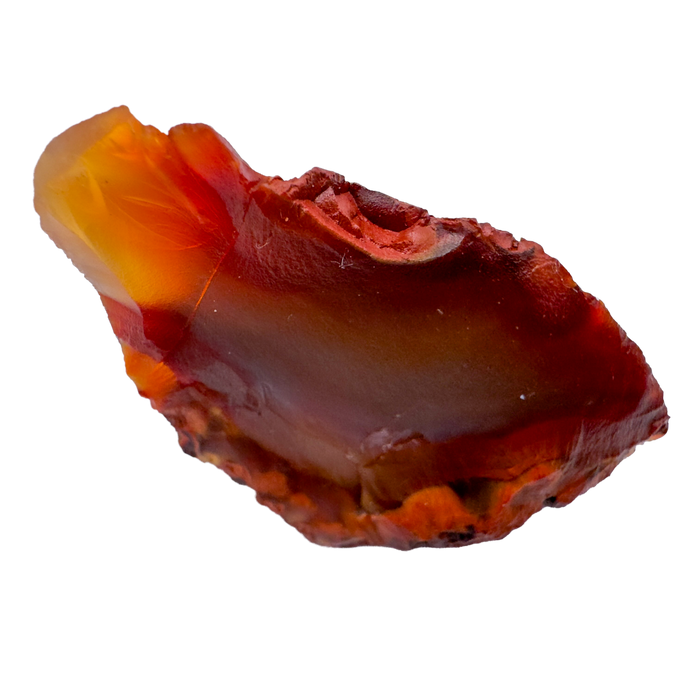
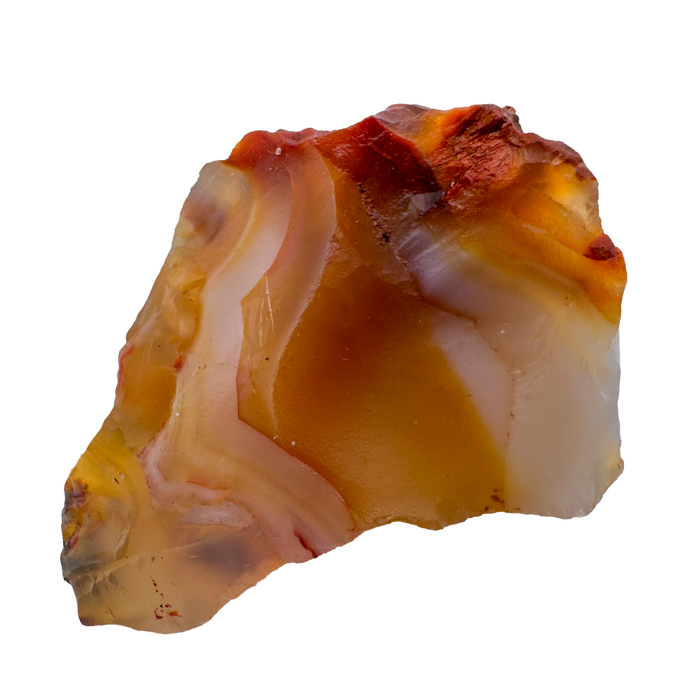
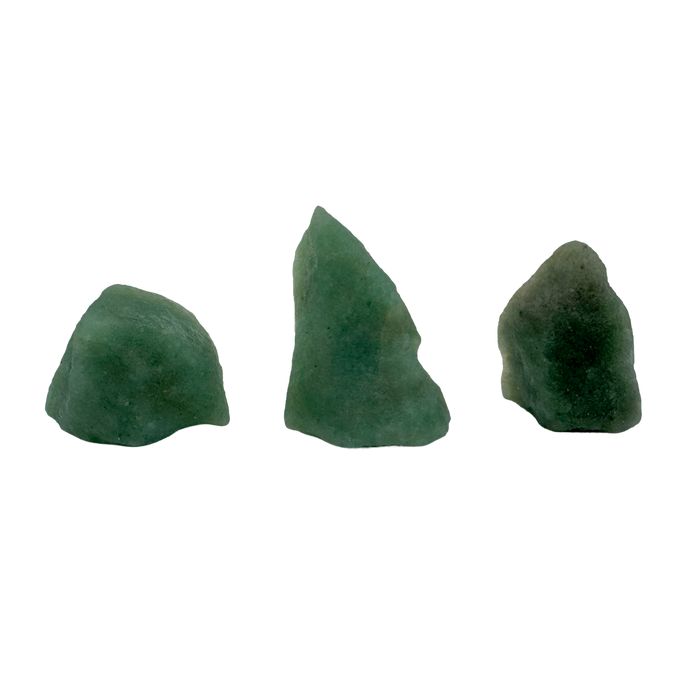
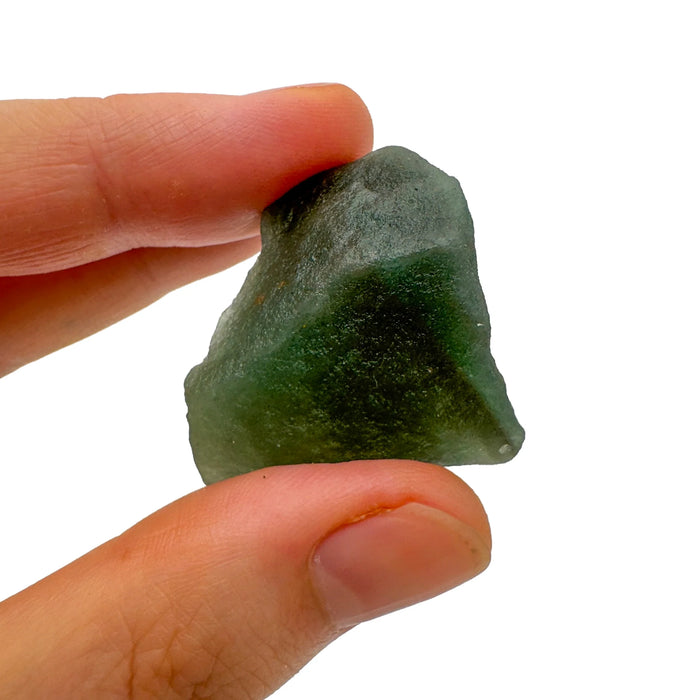
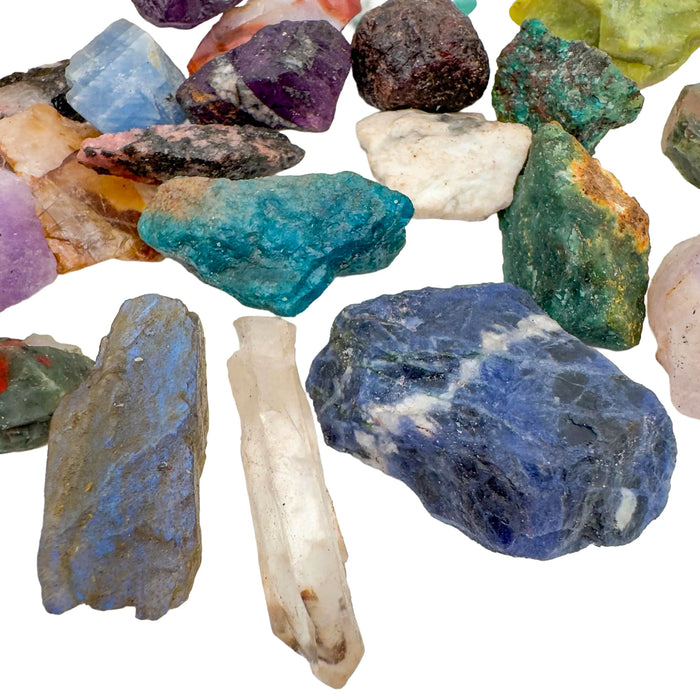
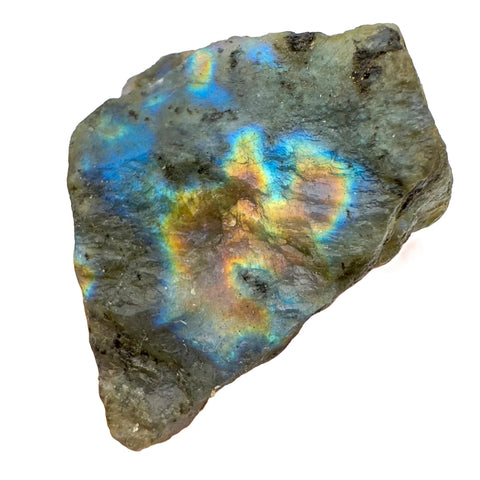
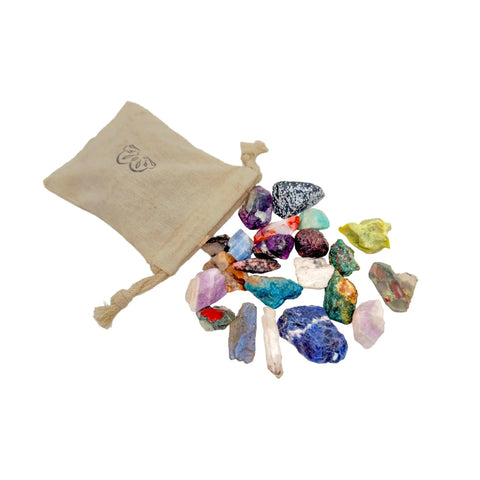
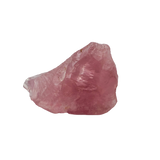
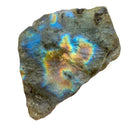
Perfection versus waste. The most flawless stones usually come from the most wasteful sorting. When buyers only want the top five percent, the rest of a batch becomes harder to sell. Choosing natural variation is a quieter form of sustainability most people overlook, and it supports producers who work honestly.
Three questions that cut through the confusion
If you only ever ask a seller three things, make them these. Can you verify the origin and treatment, at least at a basic level? Do you have sourcing standards you follow consistently across your catalog? And do you communicate the tradeoffs honestly instead of pretending everything is perfect?
A seller who can answer all three is working with real standards. A seller who stumbles on any of them is selling you a story.
How we navigate this at Beyond Bohemian
We prioritize clarity over perfection claims. We disclose treatments in plain language and avoid misleading stone names. We build long-term relationships where we can, and we don't chase impulse deals just because something is cheap this week. And we try to educate customers so the next question you ask, wherever you shop, is a better one.
The gray areas don't go away. But once you have a framework, they stop feeling overwhelming. They just feel like decisions.
Keep reading
If you want to go deeper from here, you can read what honest sourcing looks like, spotting greenwashing, why we can't always share mine names, or how grades actually work.
You can also browse our Beyond Ethical collection if you'd like to see what we currently carry.
Frequently asked questions
What's the biggest ethical dilemma in crystal sourcing?
Most of the gray areas come down to one issue: the supply chain has too many hands between the miner and the buyer. Each link adds a layer of distance, which makes it easier for stories to drift and harder to verify anything.
Are heat-treated or dyed crystals unethical?
Treatment isn't unethical on its own. Hiding it is. Heat-treating is a centuries-old practice for stones like citrine and amethyst. Dyeing magnesite to look like turquoise becomes a problem only when the seller doesn't disclose what was done.
How do you handle suppliers who can't share full traceability?
We ask the questions they can answer, document what they tell us, and stay honest with you about the limits. If a supplier won't share country of origin at all, we walk away. If they can share country but not the specific mine, we share what we know.
Is buying small quantities more ethical than buying wholesale?
Not by itself. The size of the order matters less than the relationship behind it. A small buyer with no supplier transparency isn't more ethical than a wholesale buyer with direct partnerships.