
















Crystals in Farming: What Actually Helps Soil (and What Doesn't)

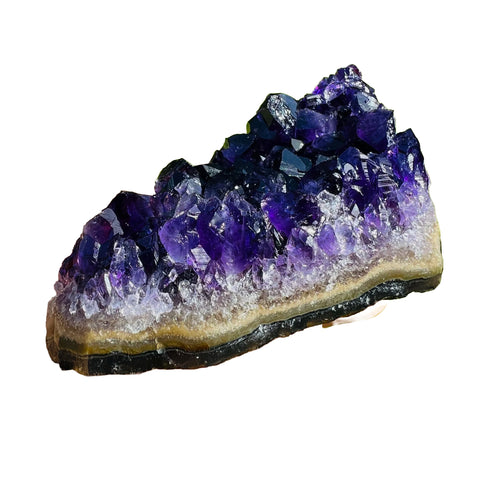
There's growing conversation around using crystals in regenerative farming. Some of it is grounded in practice. Some is symbolic and ritual-based. And some is, honestly, marketing.
We're going to walk through all three, because if your goal is soil health, you deserve clarity about what actually works and what doesn't.
Crystals and minerals aren't the same conversation
In farming, the practical talk is about mineral inputs and rock-derived amendments. In metaphysical practice, it's about intention, energy, and relationship with land. Both can matter to you. They just shouldn't get confused.
What actually improves soil (evidence-based)
Start here if soil health is your goal. Organic matter is the foundation. Build compost, and most other problems get smaller. Mulch protects soil, reduces evaporation, and feeds the biology living in it. And living roots matter. Cover crops, diverse plantings, perennial systems. Roots in the ground are core regenerative principle because they work.
Rock dust and mineral amendments can have a role, depending on your soil test and local conditions. Basalt rock dust gets used by some growers as a slow-release mineral input. The key is testing first, understanding your context, and avoiding the idea that minerals replace biology. They support it. That's different.
Where crystals fit in (ritual and intention-setting)
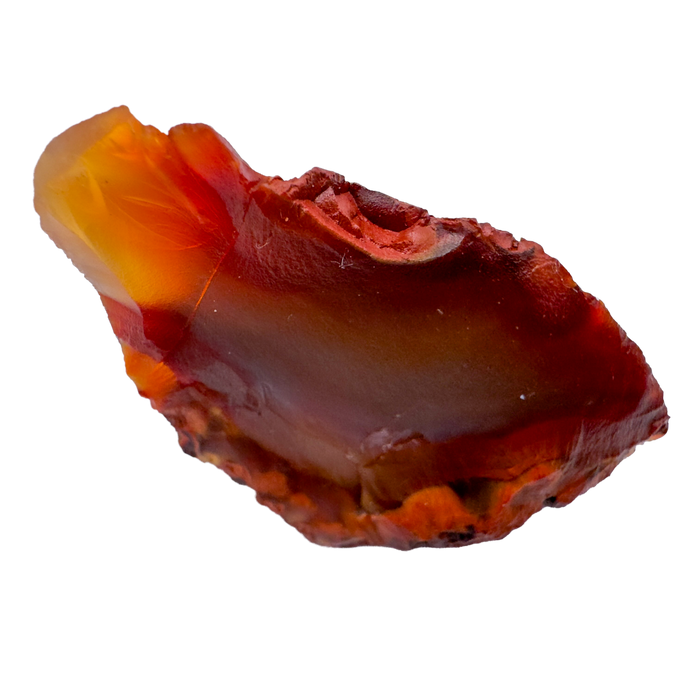
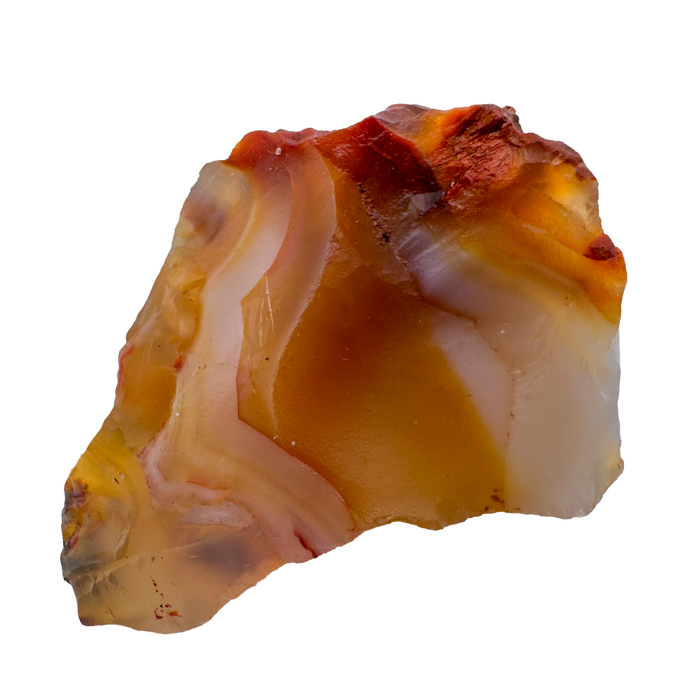
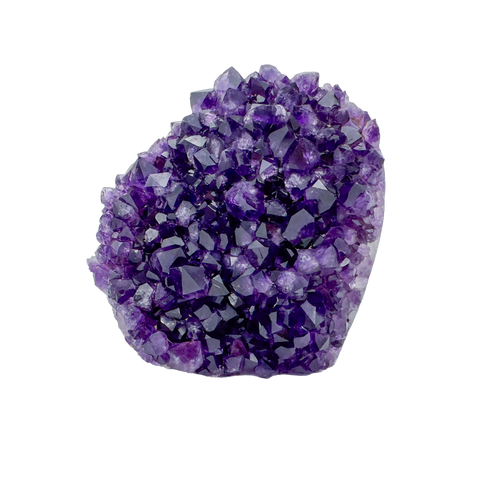
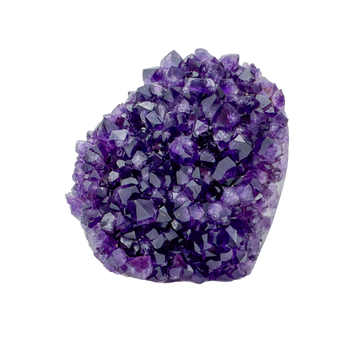
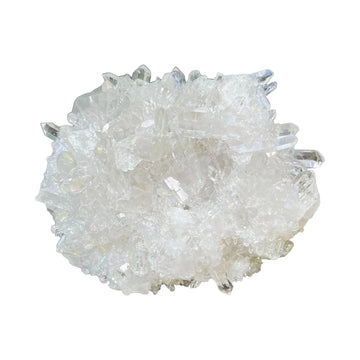
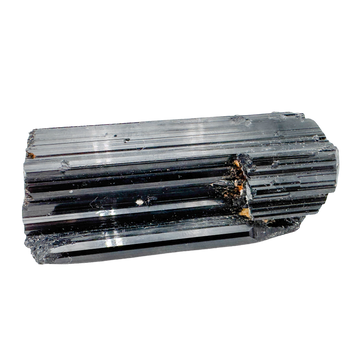
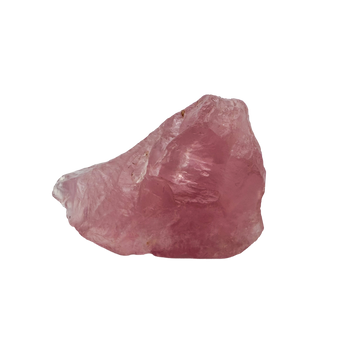
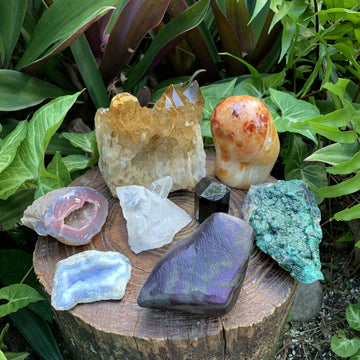
If you work with land in a spiritual way, crystals can anchor that practice. A stone placed as a reminder to tend with care, to slow down, to listen. A small "intention point" in your garden. That's meaningful work, and it's honest work. It just isn't fertilizer.
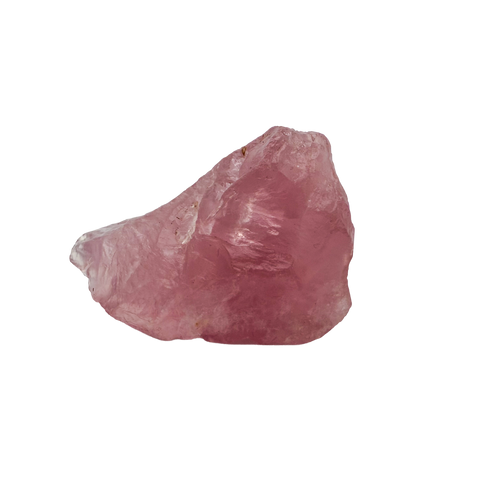
Use crystals as ritual objects for stewardship and gratitude. Create relationship with the land through intention and presence. Treat it as what it is: connection and symbolism, not soil amendment.
What we'd skip
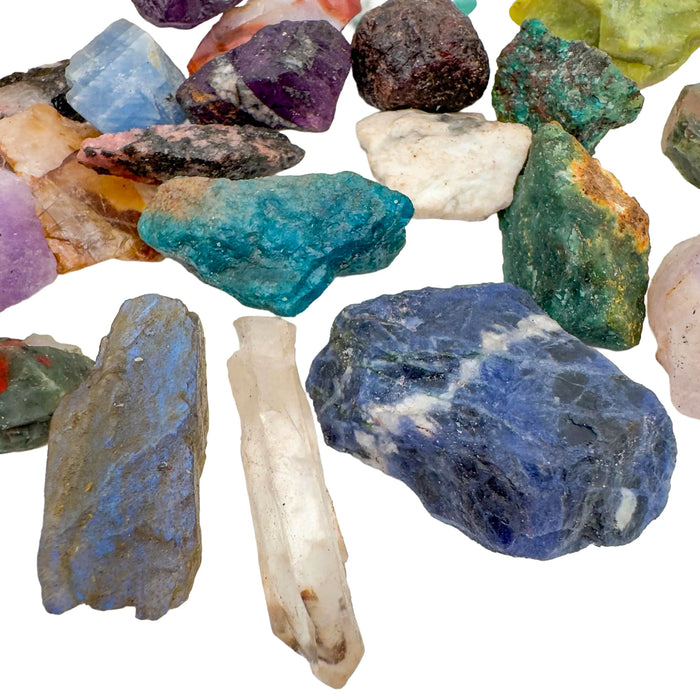
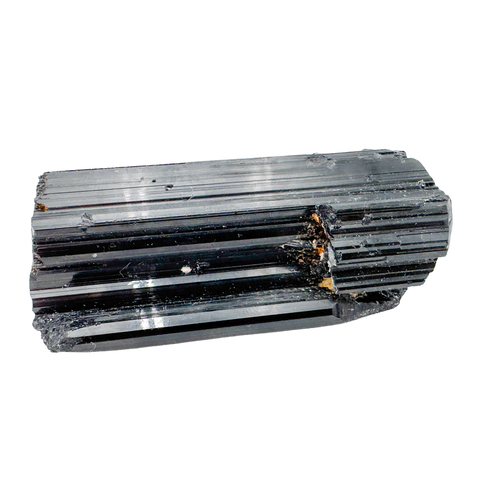
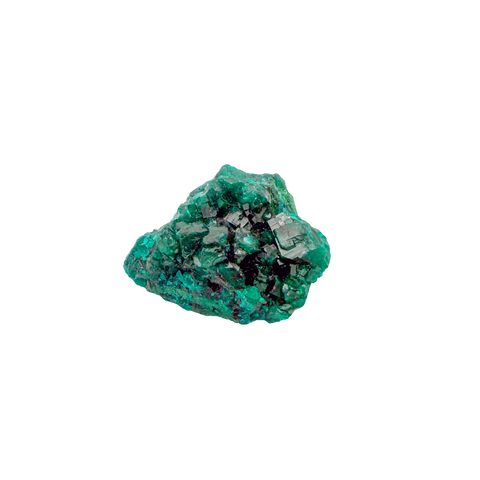
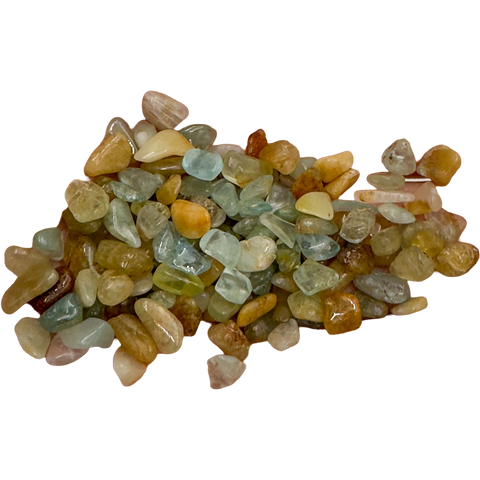
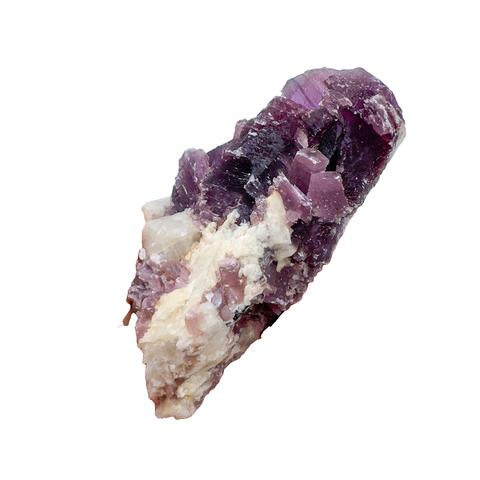
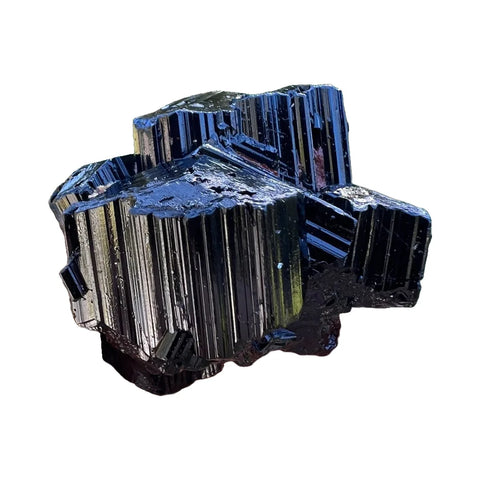
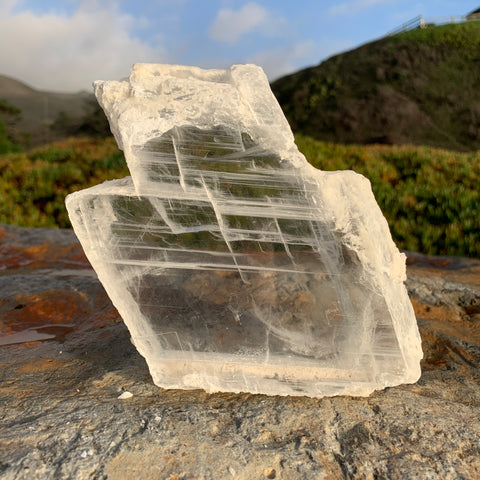
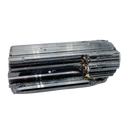
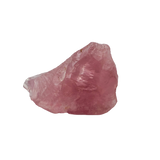
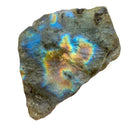
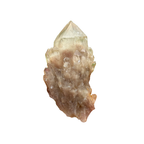
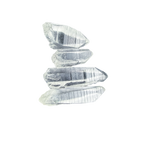
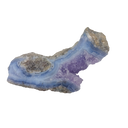
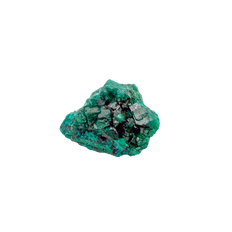
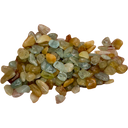
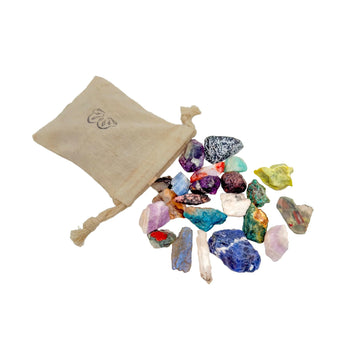
Burying large quantities of mined crystals as a soil hack. Treating crystals like they replace composting or ecological management. Buying crystal "farm kits" that promise unrealistic outcomes. And if you love the land, the sourcing matters. A crystal buried in soil that was extracted through harmful practices isn't supporting regeneration. It's moving the harm somewhere else.
A simple framework
Want soil improvement? Start with compost, mulch, and living roots. Want mineral support? Test soil and use rock amendments intelligently. Want energetic practice? Use crystals symbolically and responsibly sourced. Hear a claim that sounds too magical? Bring it back to biology and stewardship.
Regenerative farming is about honoring both the practical work and the deeper relationship with land. Crystals can be part of that. Just not as a replacement for it.
Keep reading
If you want to go deeper from here, you can read responsible sourcing and the planet, honest sourcing standards, or why perfection isn't sustainable.
You can also browse our Beyond Ethical collection if you'd like to see what we currently carry.
Frequently asked questions
Are crystals actually used in farming?
Some regenerative growers use crushed mineral amendments as part of soil-building. The science around specific crystal applications is mixed, and most claims that go beyond basic mineral content sit in symbolic territory.
Which crystals work in soil amendment?
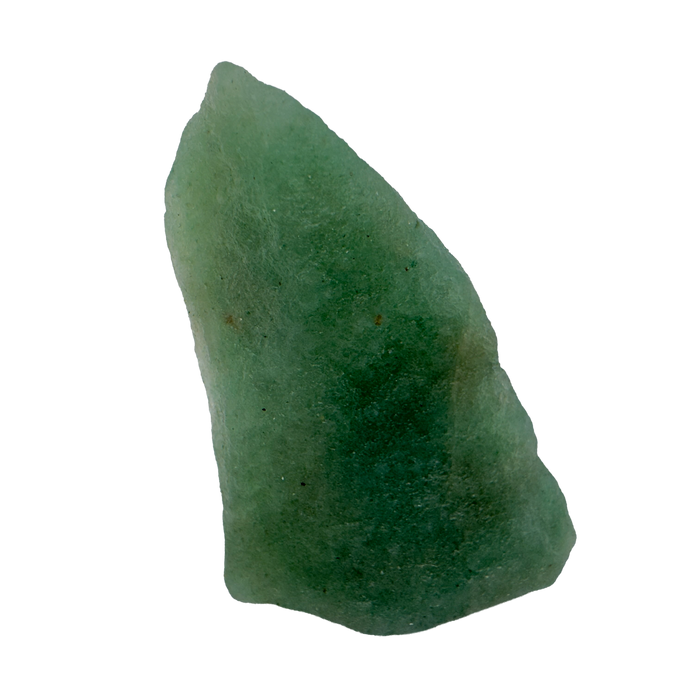
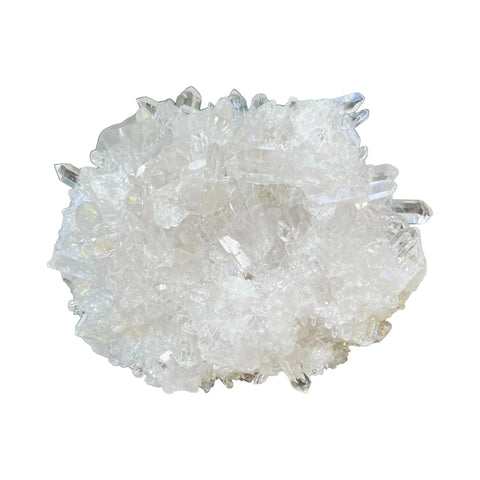
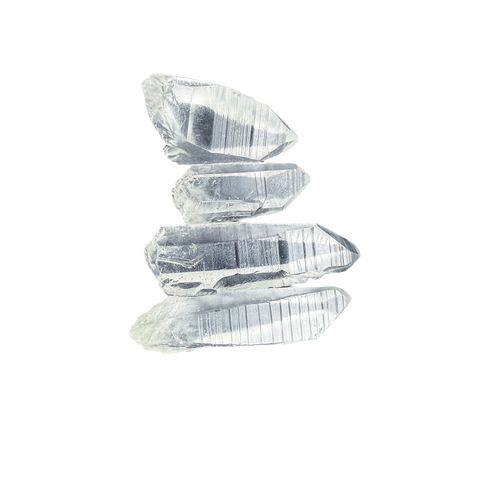
Zeolite and basalt-derived rock dust are the most evidence-backed mineral amendments. Quartz and other silicates are sometimes used for symbolic purposes in biodynamic farming, with weaker evidence.
Is this approach scalable for commercial farms?
Mineral amendment is scalable. Crystal-specific practices stay mostly in small biodynamic operations because the cost and labor don't pencil out at scale.
Should I add crystals to my garden?
If you enjoy the practice, the small-scale impact is unlikely to harm anything. If you're hoping for measurable yield improvement, mineral amendment from a soil test will give you better results.