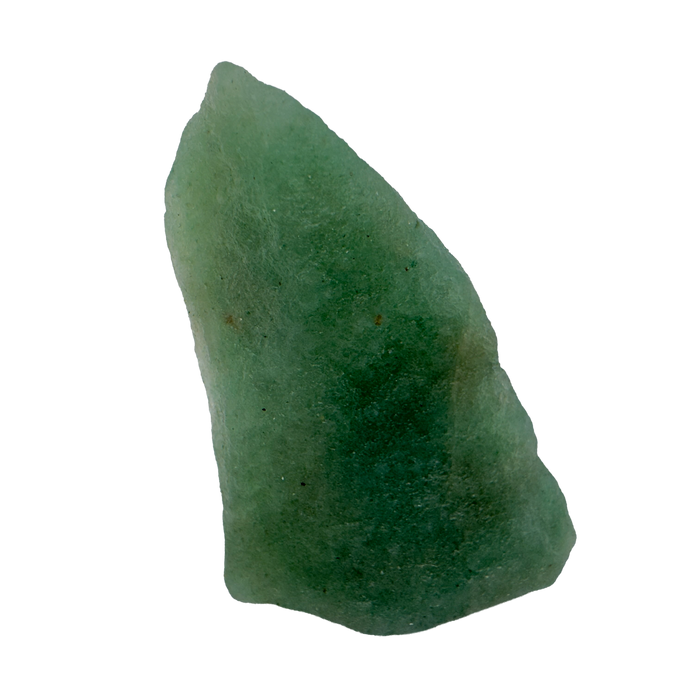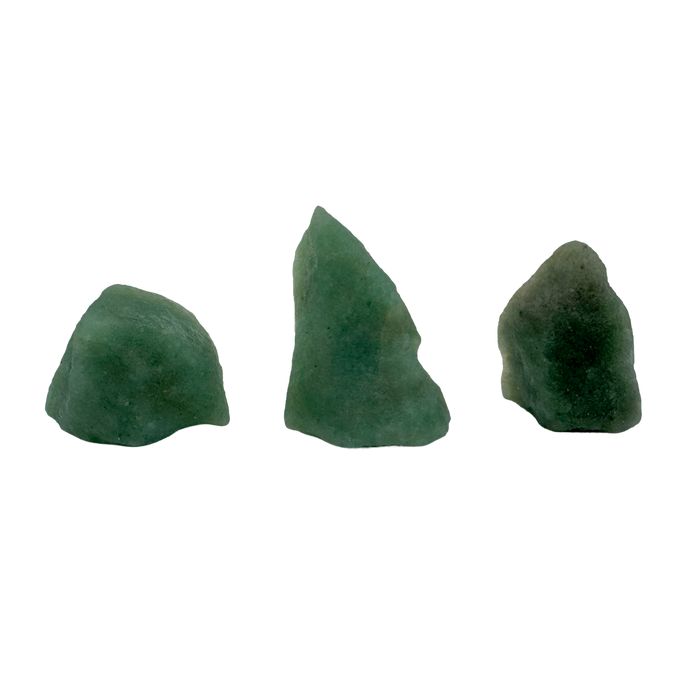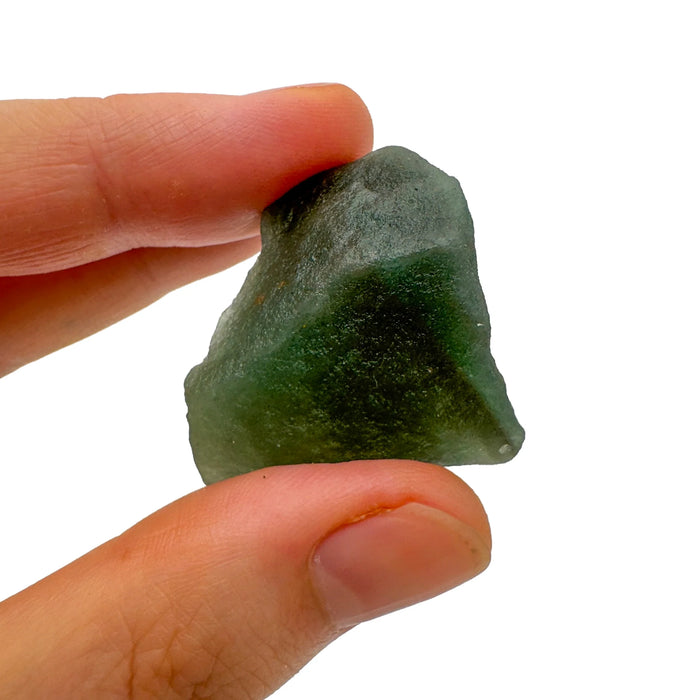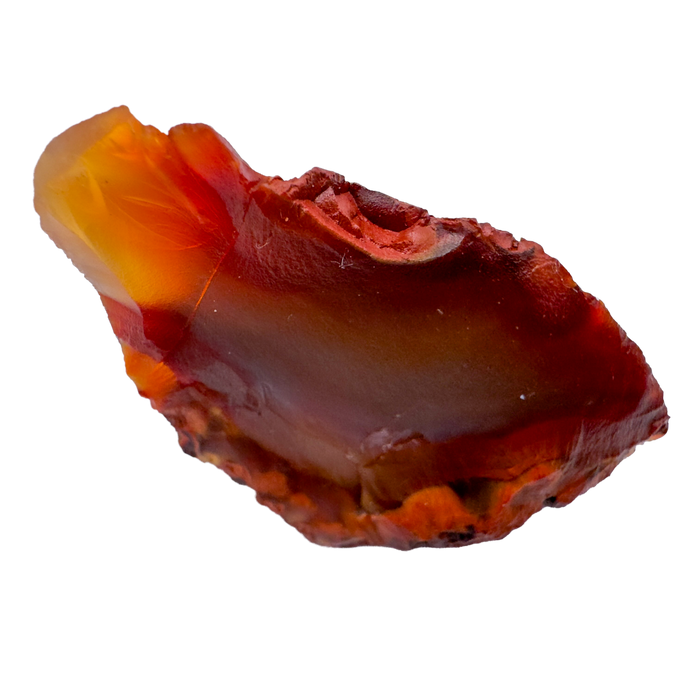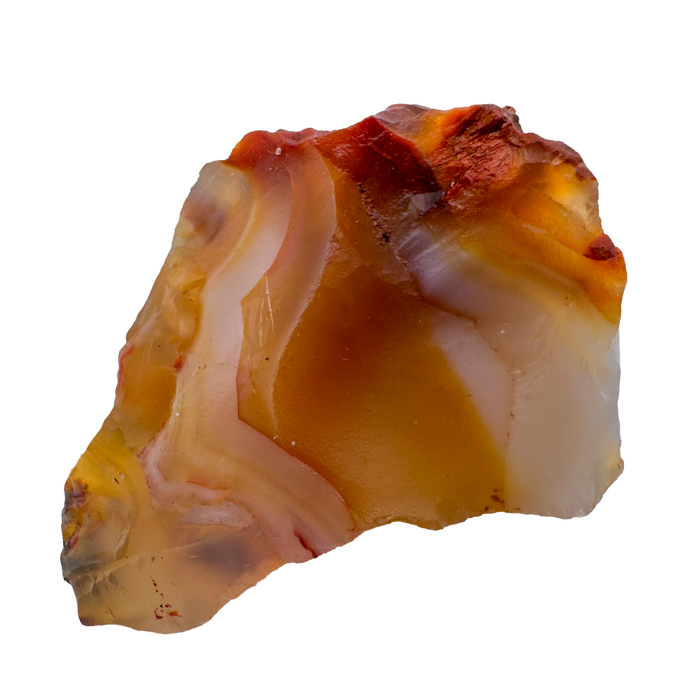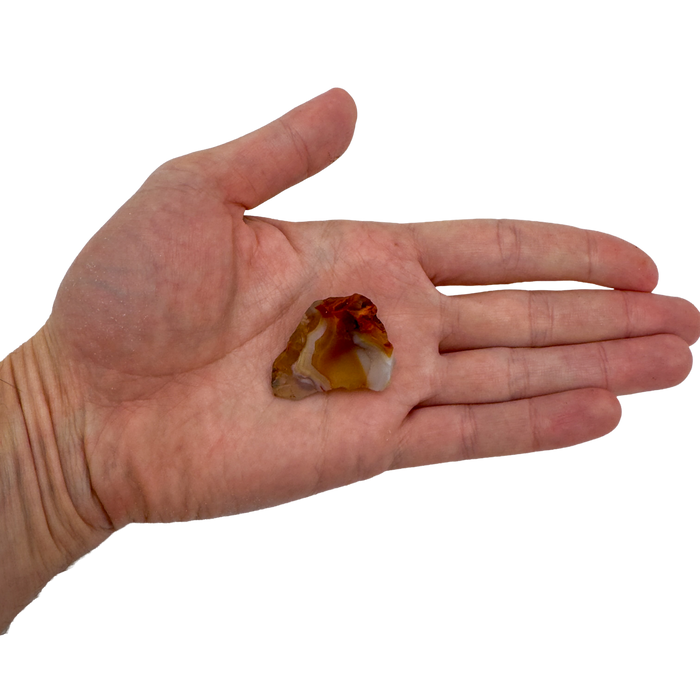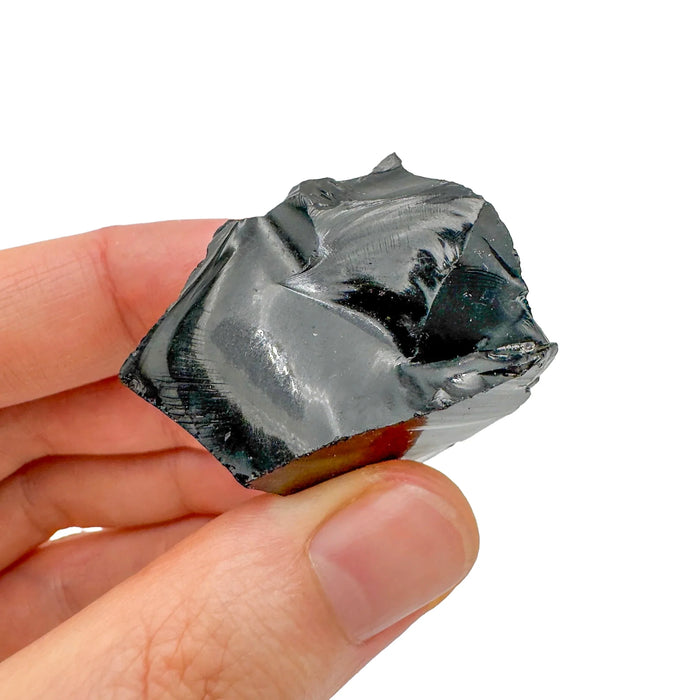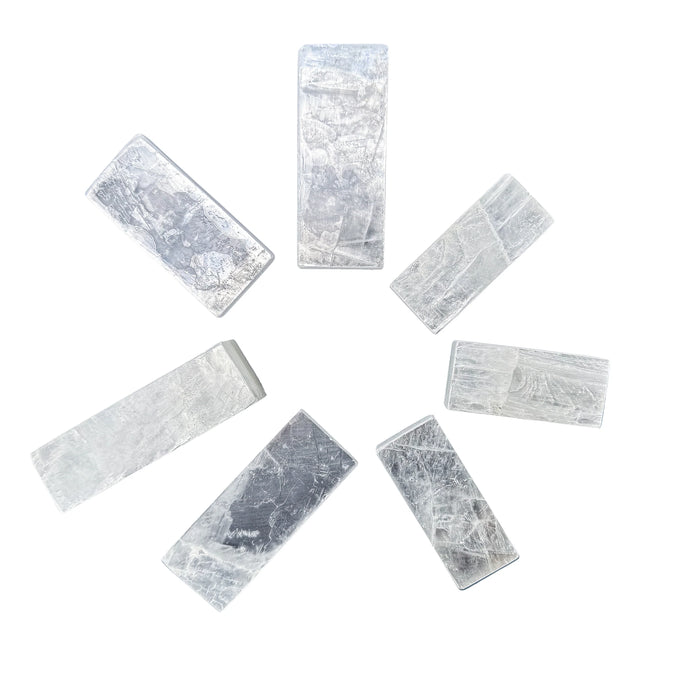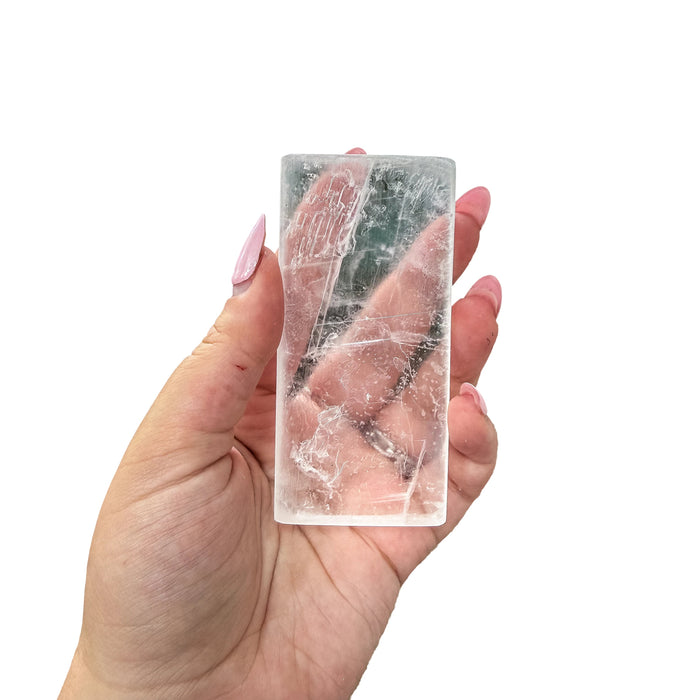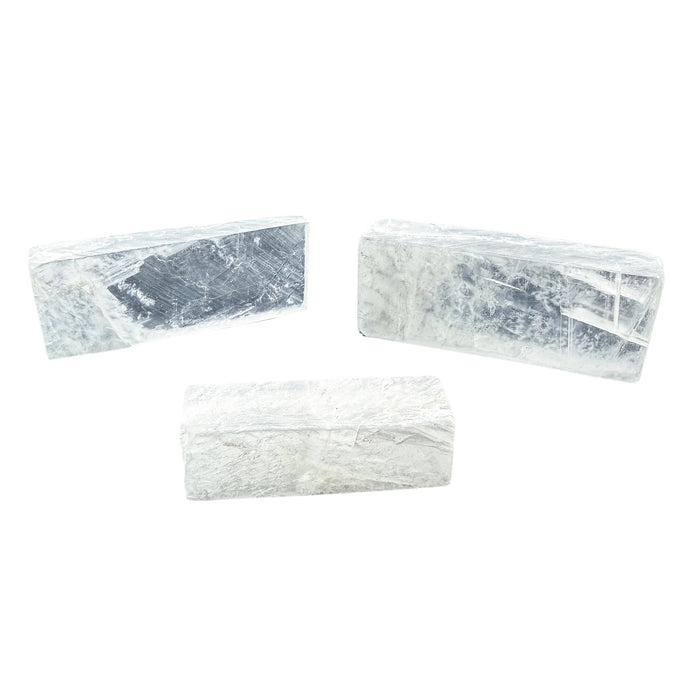
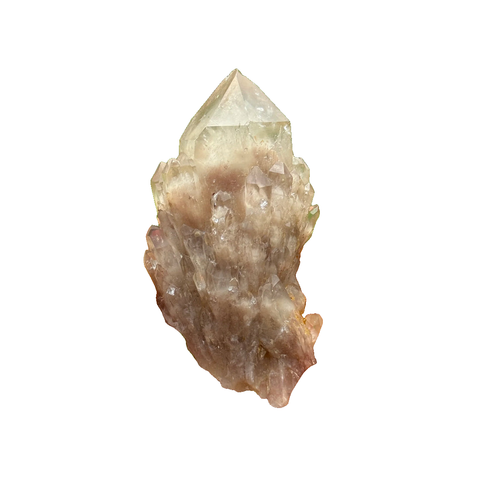
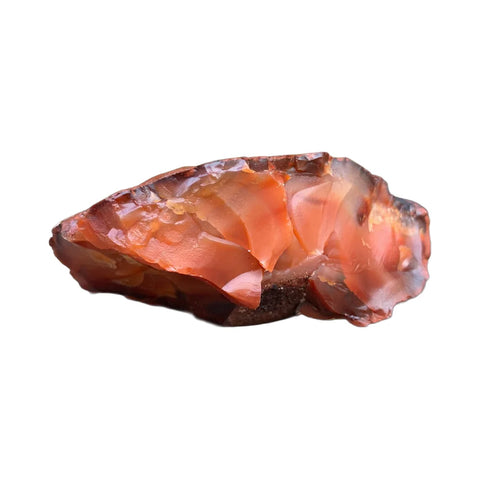
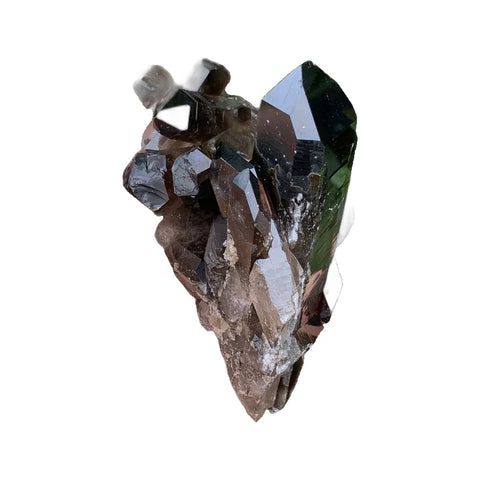
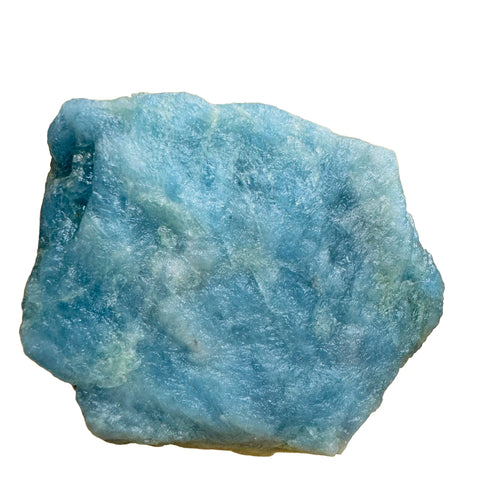




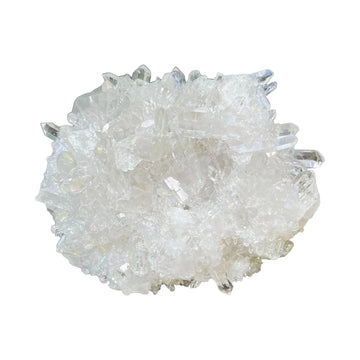
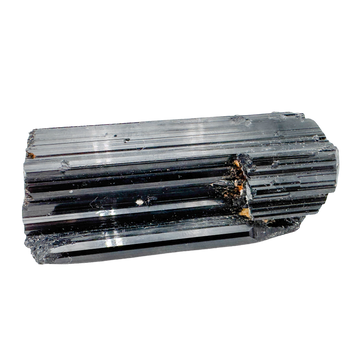
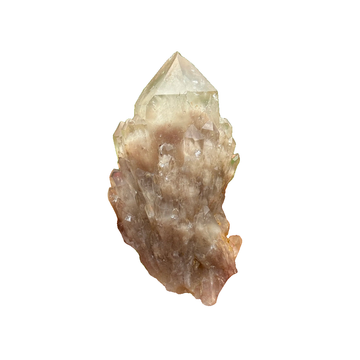
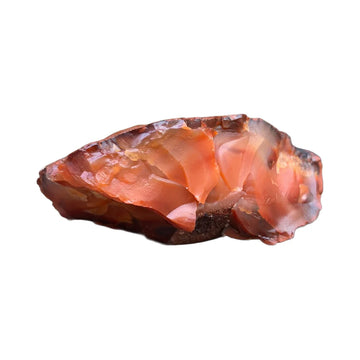


Peridot, emerald and jade are rare for structural reasons: mantle rock carried up by magma, two chemistries that almost never meet, and a plate driven under another. The value is a fact about the Earth.
Crystals for Abundance: Why the Green Ones Are Rare

The abundance shelf is green, and the three greens on it that have always carried real value are rare for reasons that have nothing to do with what anyone claims about them. Each one needed a specific geological accident to exist at all. That is the honest answer to why they cost what they cost, and it is a better reason to want one.
Peridot
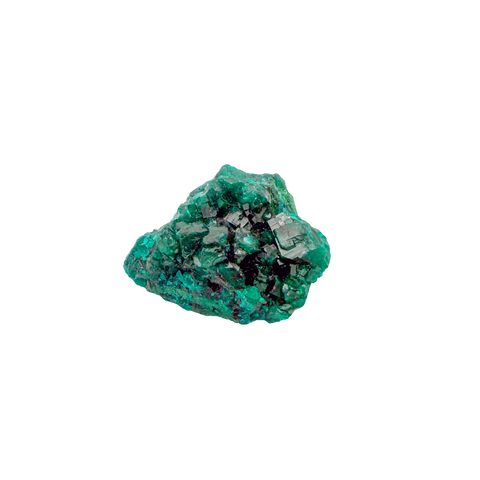
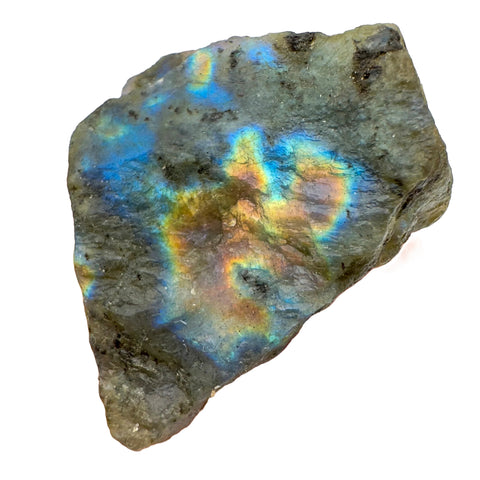
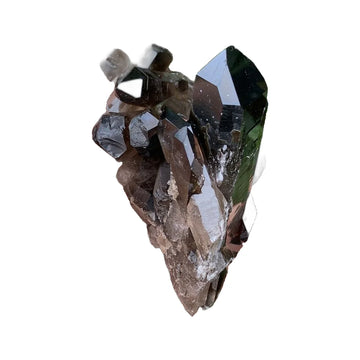
Peridot is gem-quality olivine, and olivine is one of the most abundant minerals on the planet in a place you will never go. It makes up a huge share of the Earth's upper mantle, tens of miles down. Almost none of it reaches the surface intact, because rock carried up slowly gets altered on the way. Peridot exists where basaltic magma tore chunks of mantle loose and traveled fast enough to deliver them unchanged. Those chunks are called xenoliths, and one of the richest concentrations anywhere sits at Peridot Mesa in Arizona, on the San Carlos Apache Reservation. Only San Carlos Apache tribal members may mine it, and it is worked by hand. That is the closest thing to a fully traceable stone we carry, and it is the only one in this article mined in the United States. The green comes from iron in the structure, not from anything added. Ours is raw AA from San Carlos, natural and untreated, which is worth naming because a fair amount of market peridot is heat-treated. At 6.5 to 7 on the Mohs scale it handles everyday carry. More in the peridot guide.
Emerald
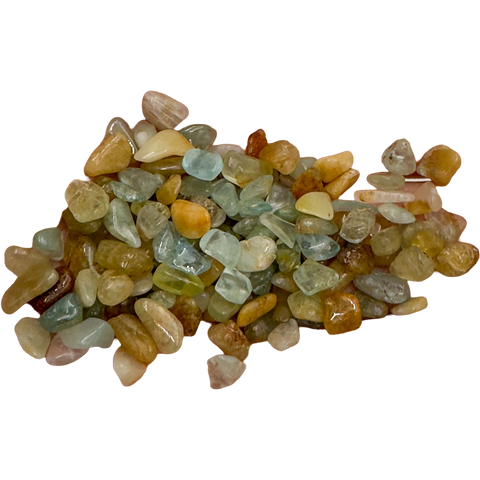
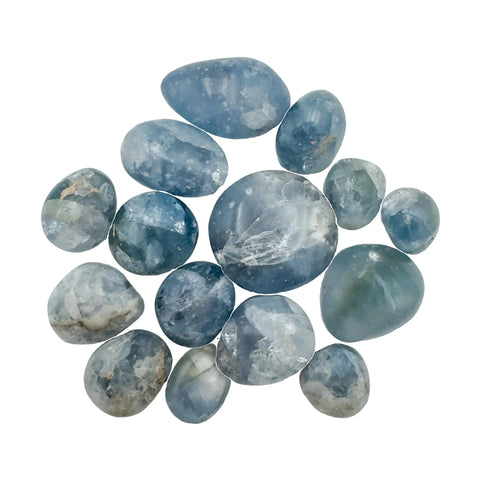
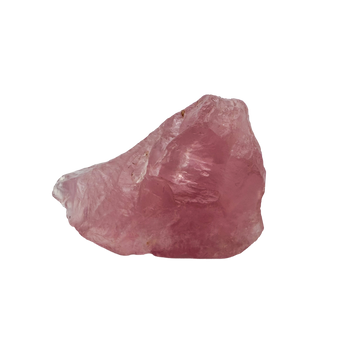
Emerald is beryl colored by chromium, and the reason it is rare is one of the neatest facts in geology. Beryllium, the element that makes beryl, concentrates in granitic pegmatites in the continental crust. Chromium concentrates in mantle-derived rock. Those two settings are chemically opposite and they almost never sit in the same place. Emerald forms in the narrow contact zones where tectonics has forced them together and fluids have carried beryllium into chromium-bearing rock. The improbability is the price. It also explains what rough emerald actually looks like, which is not the jewelry-counter version. Ours is included, and those inclusions are the record of a crowded, interrupted growth. We list it as not ideal for beginners for exactly that reason, and it is natural rather than stabilized, which is unusual, because a great deal of emerald on the market is oiled or resin-filled to disguise fractures. It is 7.5 on the Mohs scale, though the inclusions make it less forgiving than that number suggests. Ours is tumbled AA from Bahia, Brazil. See the emerald guide.
Jade
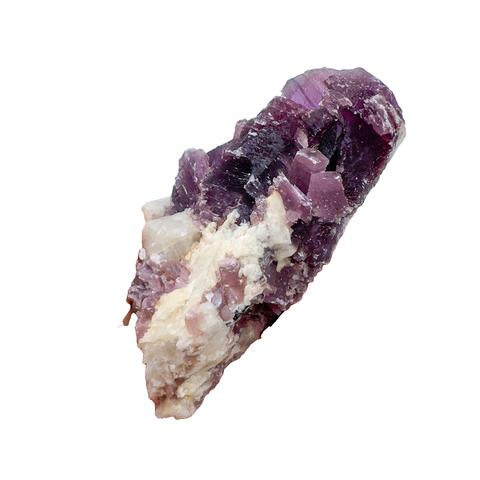
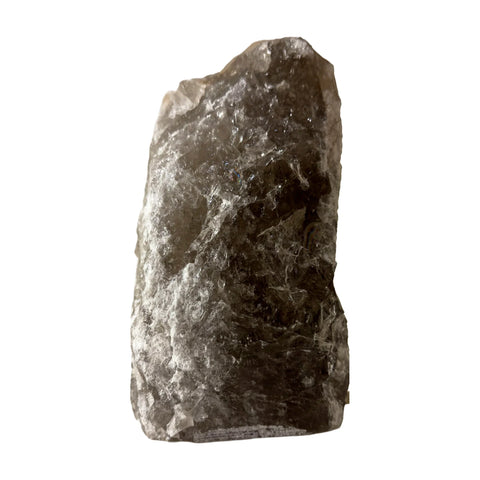
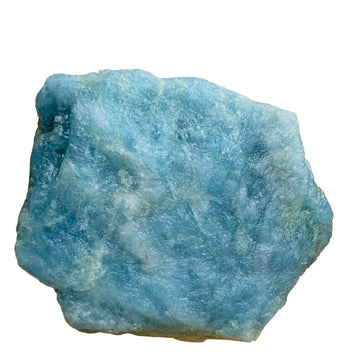
Jade needs a caveat before anything else. The word covers two unrelated minerals, jadeite and nephrite, and they were only separated in the nineteenth century after centuries of being traded as one thing. Our catalog records this material simply as jade, from Lima, Peru, so we are not going to name a species we cannot stand behind. What both minerals share is the reason they belong in this article. Both form under high pressure and comparatively low temperature, a combination that is uncommon in the crust and generally requires a subduction setting where one plate is being driven under another. Both also grow as dense interlocking fibers rather than single crystals, which is why jade resists breaking far better than its Mohs number of around 6.5 would predict, and why it was worked into tools long before it was worked into ornaments. Ours is hand polished from Lima, Peru, natural and untreated, and that is a real distinction on this shelf, since a lot of jade in circulation is dyed or polymer-impregnated. The jade guide covers the split.
A note on green aventurine and citrine
The two stones most associated with this intention already have their own pieces. There is one on green aventurine and an honest look at whether citrine brings wealth, along with a guide to telling natural citrine from heated amethyst, which is the question that actually costs people money. This article stays with the three that are rare for structural reasons.
Peridot
Emerald
Jade
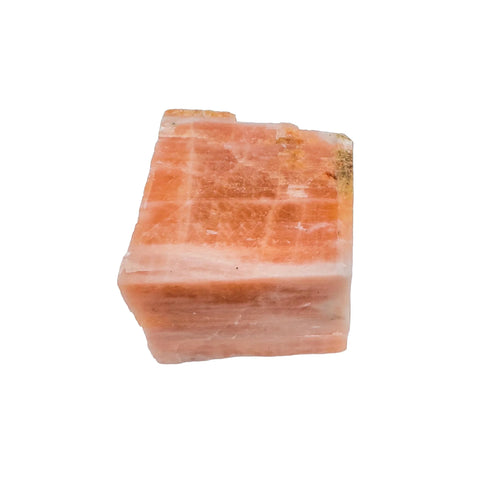
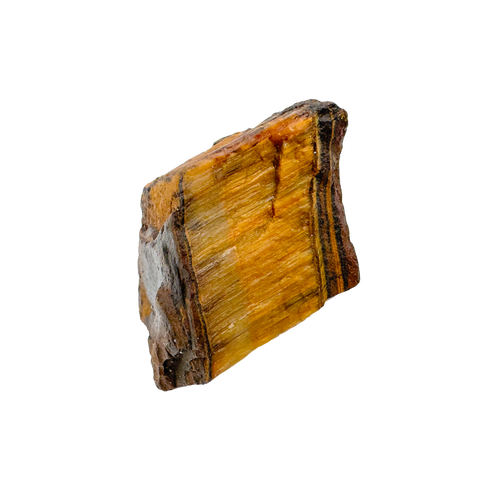
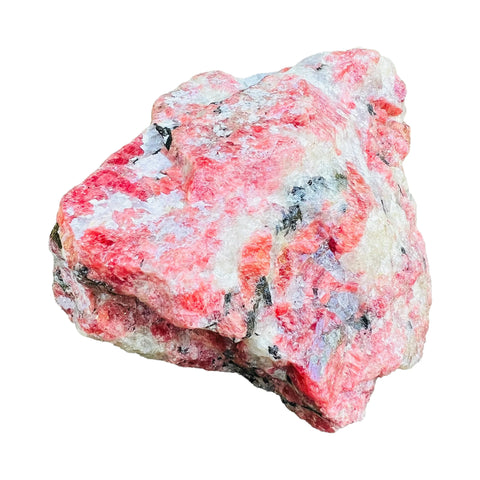
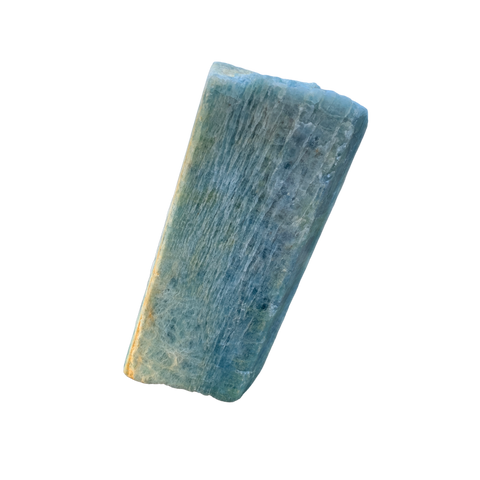
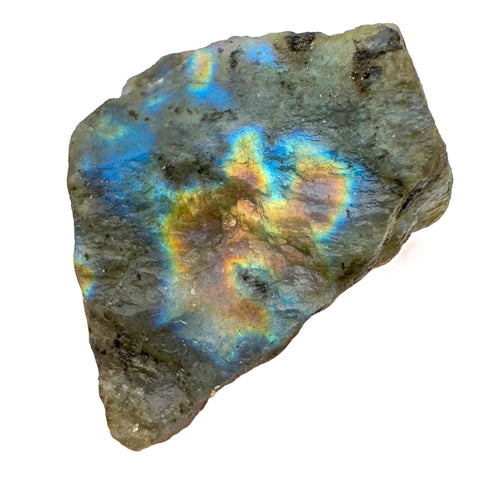
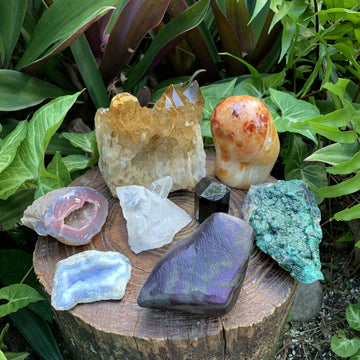
Held together the three greens are obviously unrelated. Raw peridot is the bright yellow-green of mantle olivine, tumbled emerald is deeper and full of internal texture, and hand polished jade is opaque and waxy where the other two are glassy. The rest of the shelf is in the abundance collection.
What abundance means here
We are not going to tell you a stone brings money in. The plainer account is that people have always used something valuable and durable as a marker of what they are working toward, and the marker works as a reminder of a decision rather than a cause of an outcome. What is true, and what we would rather you take from this page, is that the value in these three is a fact about the Earth. Peridot is here because magma moved fast. Emerald is here because two incompatible chemistries met. Jade is here because a plate went under another one. None of that was arranged for us. If the sourcing is the part that matters to you, that is on our sourcing page, the wider list is on crystals for abundance, and the terms are worked through in the crystal glossary.