
























Does Citrine Actually Bring Wealth? An Honest Answer

Search "citrine for money" and you'll find a hundred pages promising the stone will pull wealth toward you. Two things are true at once here, and neither one of them is magic. One is about what a stone can honestly do. The other is about whether the citrine you're being sold is even citrine.
Does citrine actually attract money?
No mineral has ever changed a number in anyone's bank account, and citrine is no exception. Any seller who implies otherwise is charging a premium for a promise they can't keep. That's the plain version, and we'd rather lead with it.
Here's the honest function that's left, and it's a real one. Abundance work, done without the magic thinking, gives a goal a physical anchor. A piece of citrine on your desk is a reminder sitting in your eyeline of something you decided mattered, the same way a note on a mirror is. It nudges attention, not luck. And it only does anything if the rest of your week does the work.
The catch nobody mentions: most citrine isn't citrine
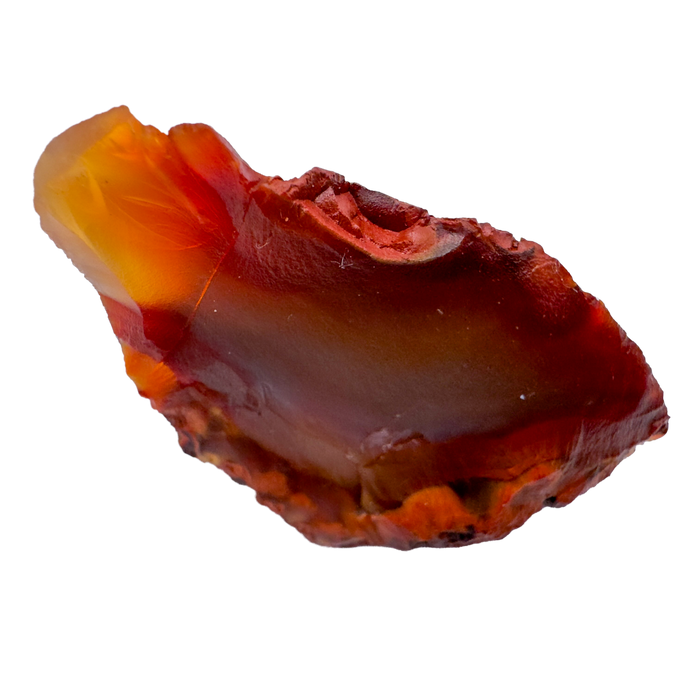
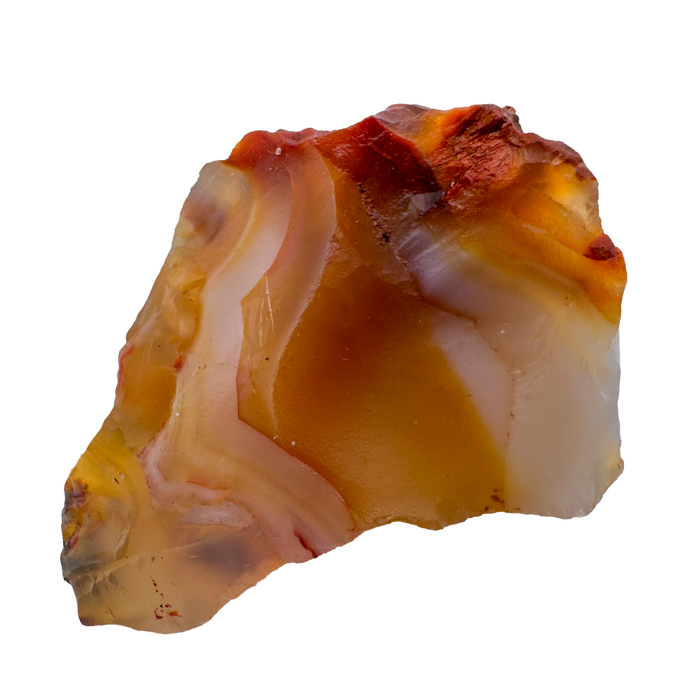
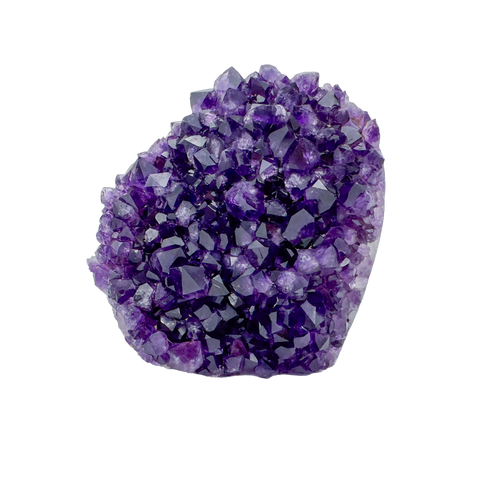
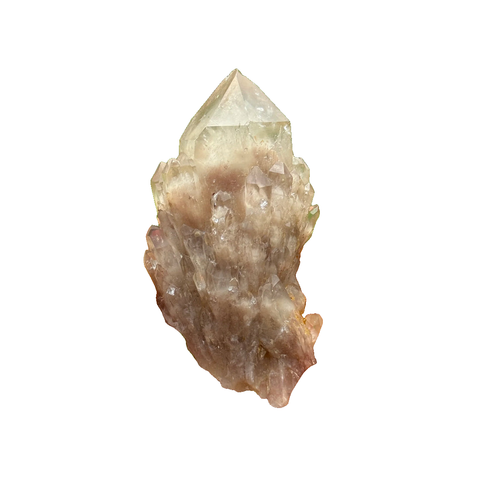
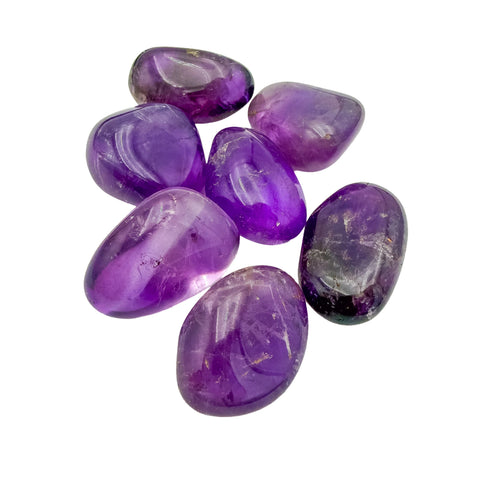
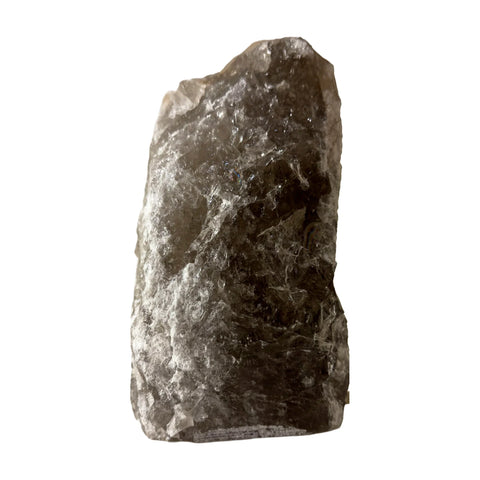
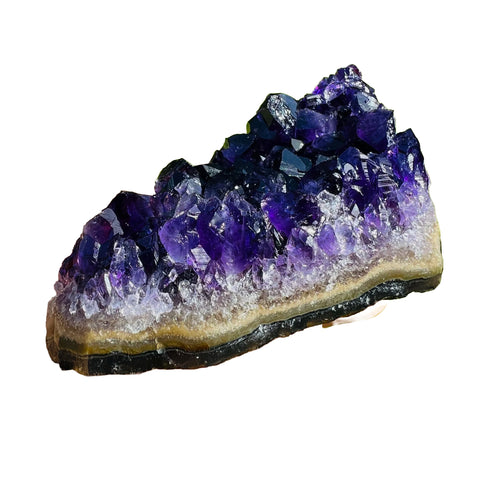
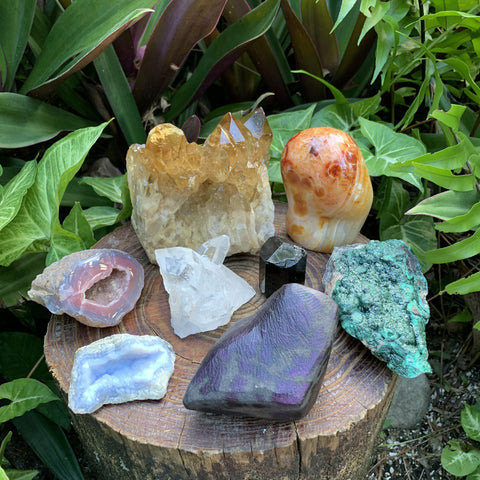
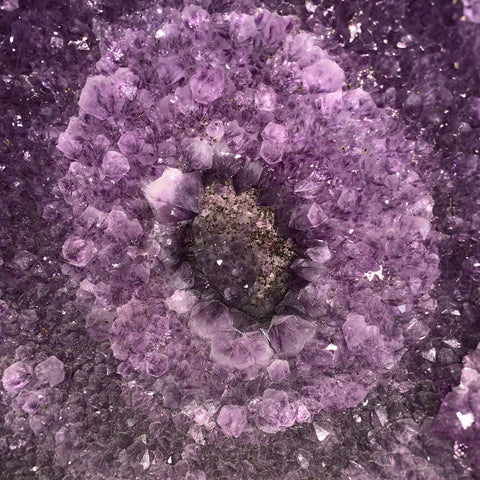
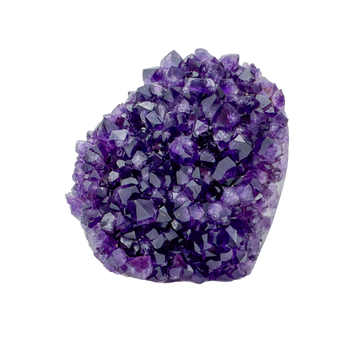
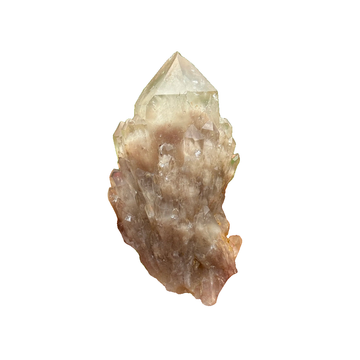
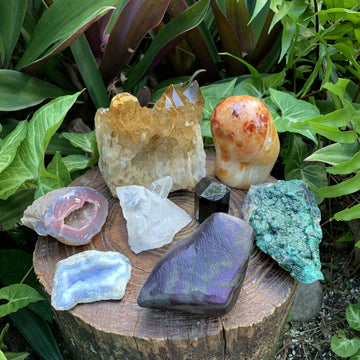
This is the part that actually protects your money. Natural citrine is genuinely uncommon and runs pale honey to a soft smoky gold. The vivid orange clusters with bright white bases that fill most shops are amethyst that's been heated in a kiln until it changes color. Heated material isn't a fake, but it's a different thing at a different cost, and it should be labeled as what it is.
If a "citrine" is deep orange with a white or gray base, treat it as heat-treated amethyst until told otherwise, and don't pay natural-citrine prices for it. We walk through the visual tells in detail on natural citrine vs heat-treated amethyst. Our own citrine is natural, and the origin, Brazil and the Democratic Republic of the Congo, is printed on every listing rather than kept vague. Browse the natural citrine collection to see grade and source on each piece.
Where people put it, and what that actually does
The traditional advice is to keep citrine in your wallet, on your desk, or in the southeast corner of your home, which feng shui calls the wealth area. We're not going to tell you the compass direction changes anything. What placement genuinely does is decide how often the stone lands in your eyeline. A citrine in the wallet you open ten times a day is a frequent, quiet reminder of a goal. A citrine in a drawer is a stone in a drawer. The value is in the reminder, not the coordinates.
Citrine or pyrite for money?
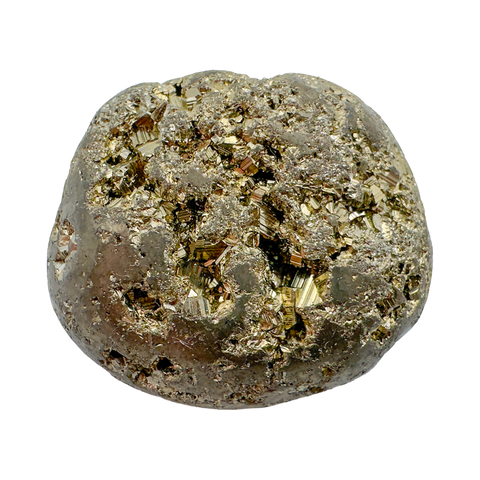
People ask this constantly, and the traditional split is actually a nice way to think about it. Citrine is tied to an open, abundance-minded outlook, the mindset shift. Pyrite is tied to drive and follow-through, the discipline to act. Neither is objectively better, and plenty of people keep both. If you want the fuller picture with four traditional money stones and the tells to check before you buy, that's all on our crystals for money and wealth page.
Start with one honest piece rather than a shelf of them. A natural citrine tumble sits well in a wallet, and a pyrite stone has the weight that makes it a good desk anchor.
How to care for citrine
Citrine is quartz, so it's hard at a 7 on the Mohs scale and handles daily carry well. The one thing that will damage it is the same thing that damages amethyst: prolonged direct sunlight slowly bleaches the color, so keep it off a sunny windowsill. If you'd like to reset a new piece before you start using it, our cleansing guide covers the methods that are safe on quartz.
Buy citrine because you like looking at it and it keeps a goal in front of you. That's a good enough reason, and it happens to be the true one.