













































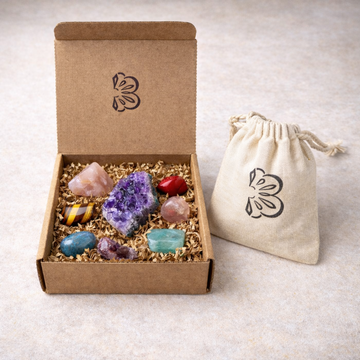
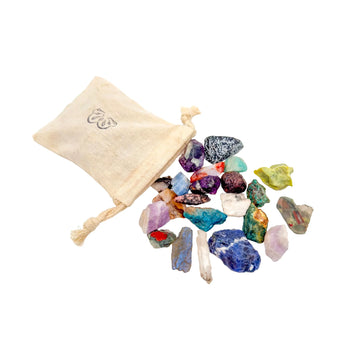










Cancer's June and July birthstones, plus the real geology behind peach moonstone, carnelian, and blue calcite, and where we source each stone.
Crystals for Cancer: Birthstones and the Geology Behind Them

Cancer runs from June 21 to July 22, and the stones tied to it stay soft and watery: a moonlit peach glow, a warm orange, a pale drift of blue. That fits a water sign ruled by the Moon, the sign of home, feeling, and quiet care. Here's what those stones actually are, where they come from, and what the birthstone facts really say.
Cancer's birthstones, the calendar version
Because Cancer straddles two months, it carries more than one traditional birthstone. June's stones are pearl, alexandrite, and moonstone, and moonstone is the one that sits most naturally with the sign's Moon connection. July's stone is ruby, which we don't carry, though carnelian has long stood in as the warmer, more affordable July and Cancer stone. None of this is a rule you have to follow. It's simply the lineage, and it shifts with which side of the month you were born on.
The stones most often linked to Cancer
Set the birthstones aside and a clear group remains, chosen across many crystal traditions for their soft, moonlike, watery character and their tie to the sign's emotional depth.
Peach Moonstone
Peach moonstone is the warm cream stone with a soft glow that seems to float just under the surface. It's a feldspar, and that glow, called adularescence, is light scattering between microscopic layers inside the crystal rather than any coating on top. It sits around 6 to 6.5 on the Mohs scale. Ours is tumbled from Madagascar. The full mineral story is in our peach moonstone guide.
Carnelian
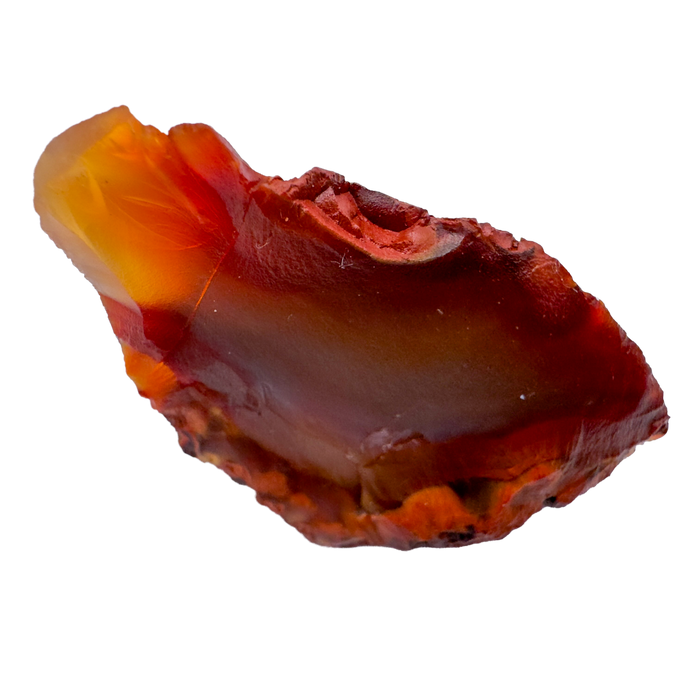
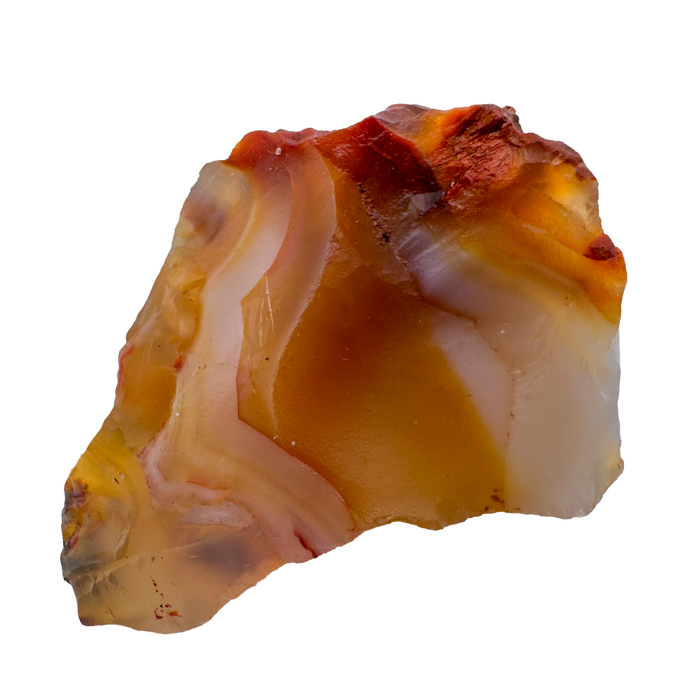
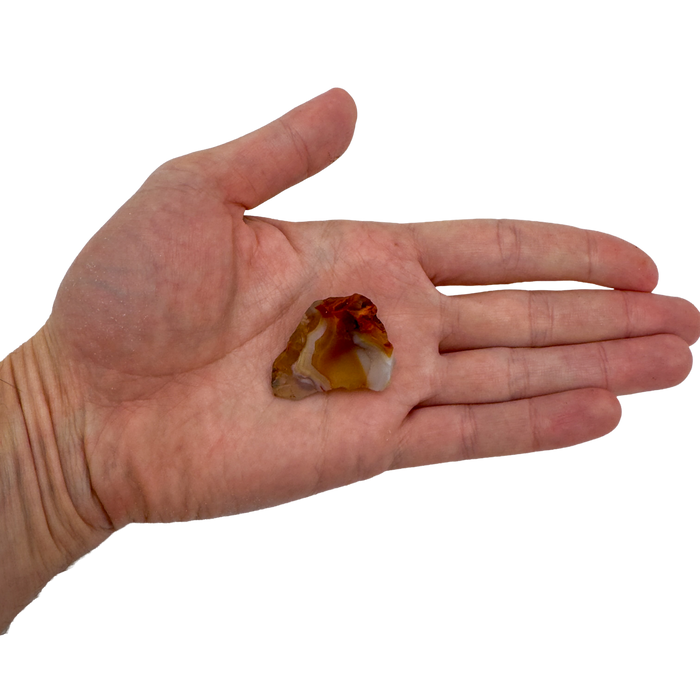
Carnelian is the warm orange-to-red stone with a smooth, glowing body. It's a form of chalcedony, quartz grown in grains too small to see, and its color is iron oxide woven all the way through it. It's a solid 6.5 to 7 on the Mohs scale, and as the traditional stand-in for Cancer's July ruby it carries the sign's warmth without the price. Ours is raw from Madagascar. More on how the iron gives it that color is in the carnelian guide.
Blue Calcite
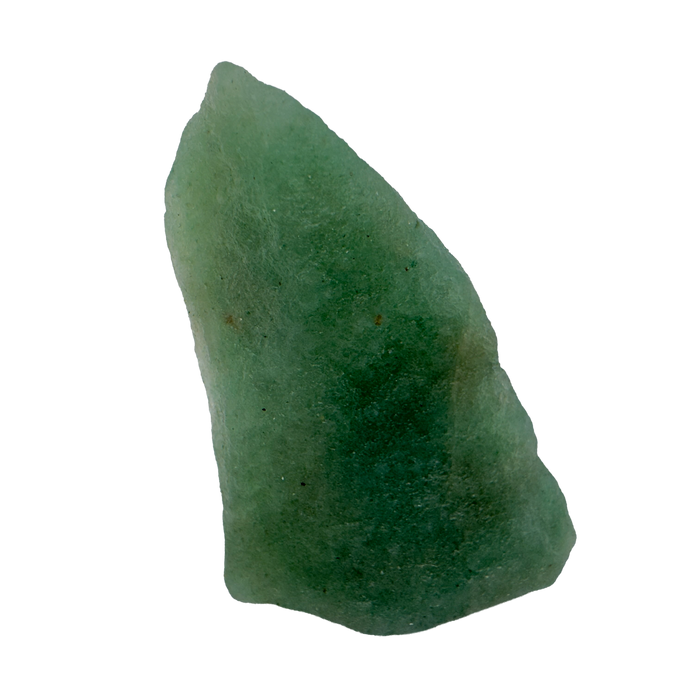
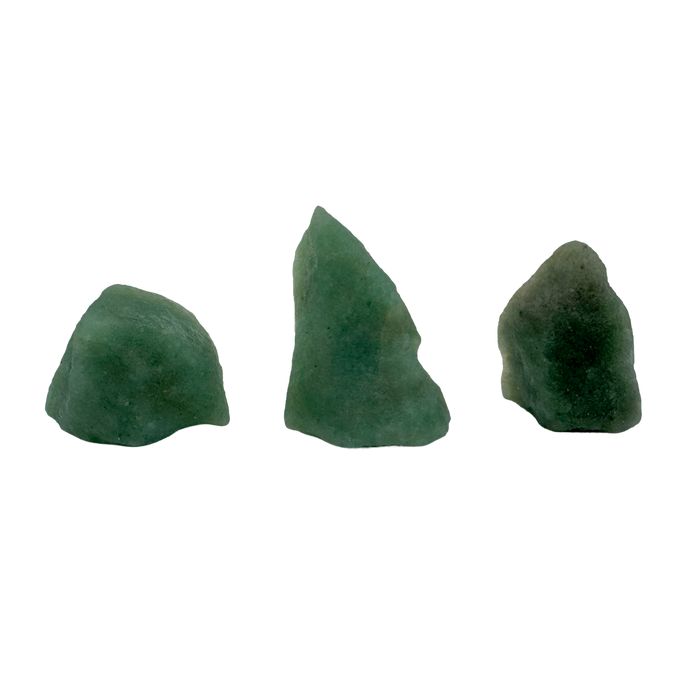
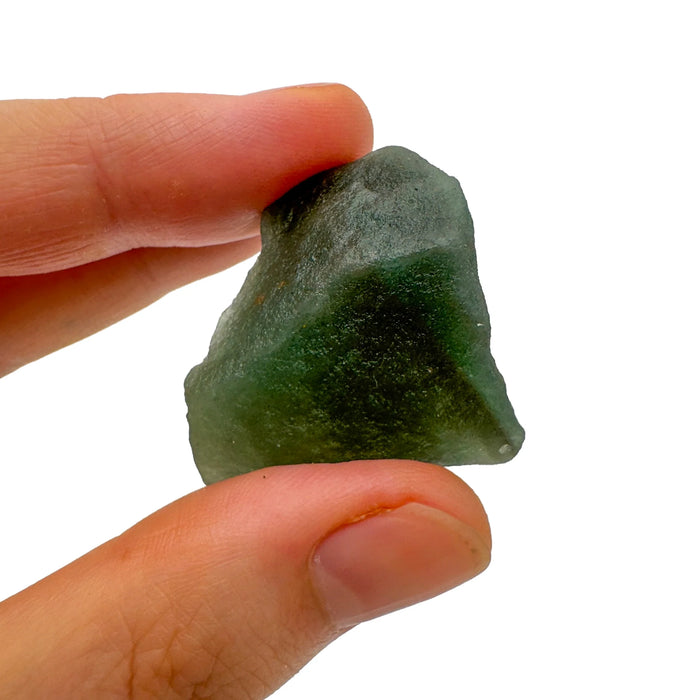
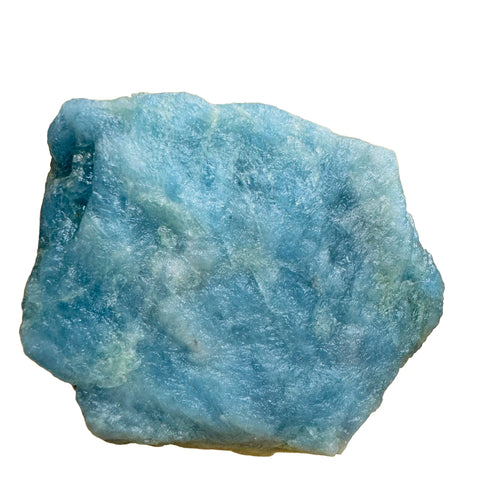
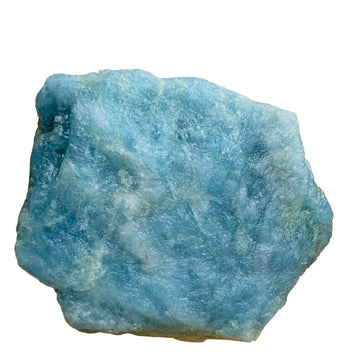
Blue calcite is the soft powder-blue stone with a gentle, chalky glow. It's calcium carbonate, the same mineral that builds seashells and limestone, and its pale blue is its natural color. It's soft, around 3 on the Mohs scale, so it wants gentle handling and no water baths. Ours is raw from Madagascar. How that softness shapes the way you care for it's covered in the blue calcite guide.
Peach Moonstone
Carnelian
Blue Calcite
If one of these calls to you, a tumbled peach moonstone shows the glow at its best, a raw carnelian holds that warm orange, and a raw blue calcite shows the soft blue. You can see every stone tied to the sign in the Cancer collection.
What the association actually means
None of this is science. A stone doesn't know your birthday, and no gem changes a personality. What the zodiac tradition offers is a way in, a starting point for people drawn to the idea of a stone that echoes the water sign's soft, caretaking nature. The moonstone often called Cancer's lucky stone is lucky the way a keepsake is: by story, not by physics. We'd rather tell you that plainly and let the stone be what it is. What a piece comes to mean is yours to find. If you want the fuller origin of these birthstone lists, our birthstones by month page traces where they came from.