























Birthstones by Month: The Real History Behind the List
Where the list came from, who standardized it in 1912, and why some months carry more than one stone.
Birthstones feel ancient, and the idea behind them is. The tidy one-stone-per-month chart you know today, though, is mostly a twentieth-century creation. Here is how the list was actually built, and what each gem really is underneath the name.

The modern birthstone list was standardized by American jewelers in 1912, built on a much older tradition that traces back to the twelve stones of the Breastplate of Aaron. The list has been updated a few times since, which is why several months now hold more than one official stone.
A Tradition Older Than the Chart
The thread starts in the Book of Exodus, with a ceremonial breastplate set with twelve gemstones, one for each of the twelve tribes of Israel. Centuries later, scholars tied those twelve stones to the twelve months and the twelve signs of the zodiac. The leap from there to wearing your own birth-month stone is surprisingly recent.
The Book of Exodus describes a ceremonial breastplate set with twelve gemstones, each representing one of the twelve tribes of Israel. This is the earliest root historians point to.
The historian Flavius Josephus linked the twelve breastplate stones to the twelve months of the year and the twelve signs of the zodiac, an idea later writers carried forward.
The older custom was to own all twelve stones and wear a different one each month, not to claim a single stone for life.
Wearing a single stone tied to your birth month is traced by the mineralogist George Kunz to 18th-century Poland, where gem traders helped popularize the practice.
The National Association of Jewelers (now Jewelers of America) met in Kansas and adopted the first standardized American list, leaning toward clear, transparent, faceted gems.
Standardized in 1912, Updated Since
The 1912 list gave jewelers a single chart to sell from, and it favored transparent faceted gems over some of the older opaque stones. It has not stayed frozen. An update in 1952 reshuffled several months, and two well-known stones were added decades later.
the year American jewelers first standardized the modern list
Tanzanite added as a December birthstone, the first addition in decades
Spinel added as an August birthstone, alongside peridot
Per Jewelers of America and the American Gem Trade Association, with an interim update in 1952.
Your Birthstone, Month by Month
Here is the list most American jewelers use today, with the older traditional stone where it differs, plus what each gem actually is beneath the name. Months with more than one modern stone simply give you options, none more correct than the others.
| Month | Modern | Traditional or older | What it actually is |
|---|---|---|---|
| January | Garnet | Garnet | Garnet group (silicate minerals) |
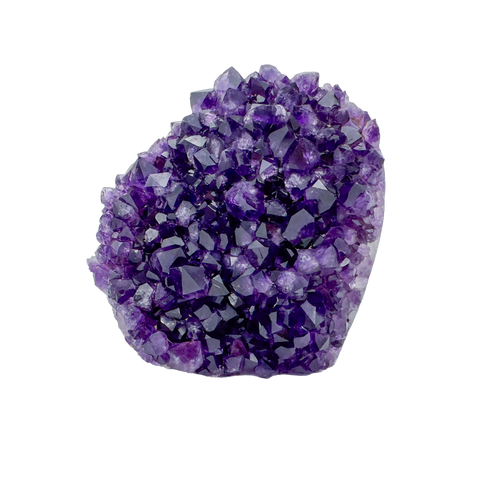
| February | Amethyst | Amethyst | Purple quartz |
| March | Aquamarine | Bloodstone | Aquamarine is blue beryl; bloodstone is green chalcedony |
| April | Diamond | Diamond (also rock crystal) | Crystalline carbon |
| May | Emerald | Emerald | Green beryl |
| June | Pearl, Alexandrite, Moonstone | Pearl | Pearl (organic), chrysoberyl, feldspar |
| July | Ruby | Ruby | Red corundum |
| August | Peridot, Spinel | Sardonyx | Gem olivine; spinel; sardonyx is banded chalcedony |
| September | Sapphire | Sapphire | Corundum (the non-red colors) |
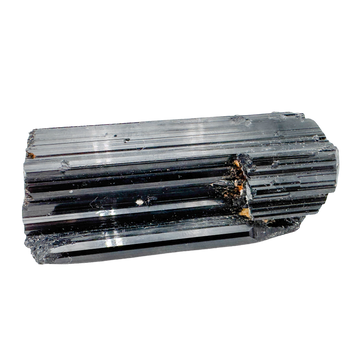
| October | Opal, Tourmaline | Opal | Hydrated silica; boron silicate |
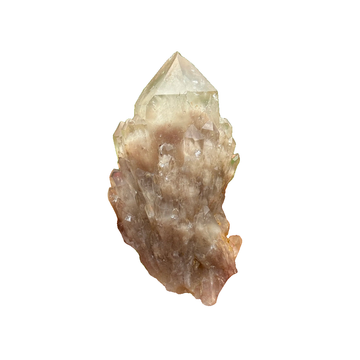
| November | Topaz, Citrine | Topaz | Aluminum silicate; citrine is yellow quartz |
| December | Turquoise, Tanzanite, Zircon, Blue Topaz | Turquoise, Lapis Lazuli | Copper phosphate; zoisite; zircon |
There is no single global authority on birthstones. Lists vary by country and by organization, and several months have more than one accepted stone. Pick the one you connect with. None is more genuine than another.
Why the Two Lists Split
The 1912 committee favored gems that were transparent, durable, and easy to sell as faceted jewelry. That preference is why a handful of months changed. March moved from opaque bloodstone to clear blue aquamarine. June's pearl was joined by alexandrite and moonstone. August's traditional sardonyx now shares the month with peridot and spinel.
December may be the busiest of all, with turquoise, tanzanite, zircon, and blue topaz all in circulation. A few months never moved at all. Garnet, amethyst, emerald, ruby, and sapphire have anchored their months across both the traditional and modern lists.

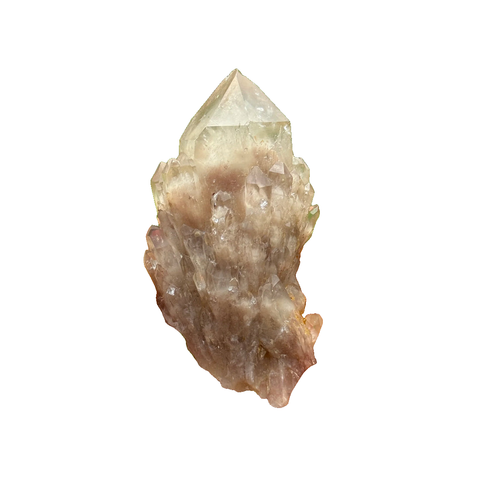
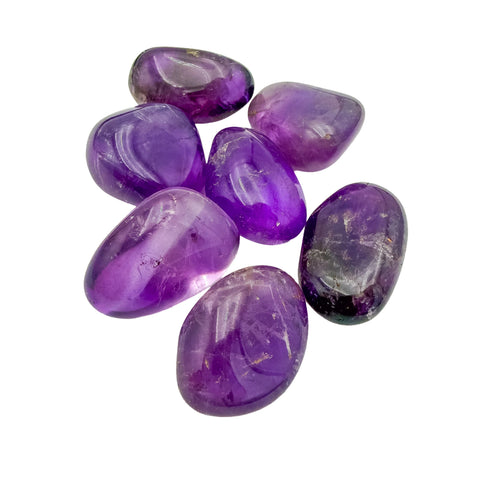
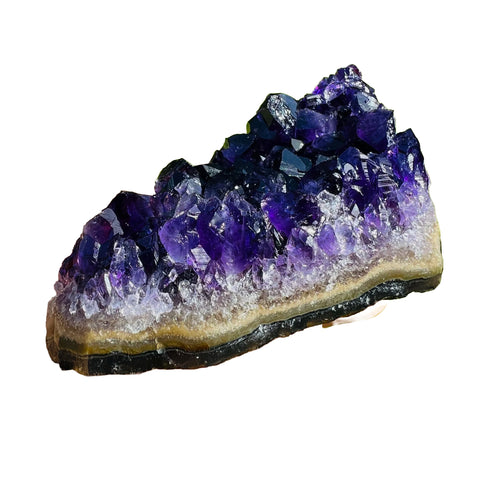
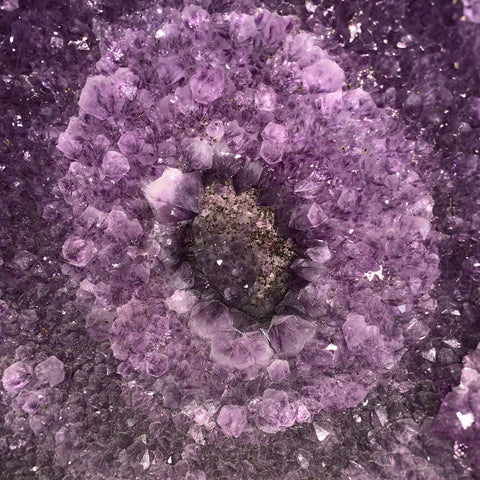
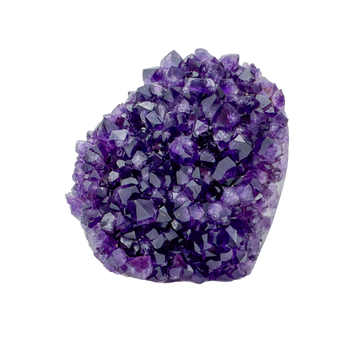
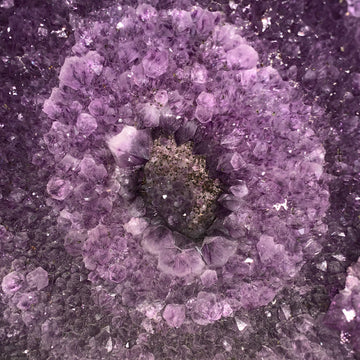
Amethyst has held February in both lists. It is purple quartz, colored by traces of iron.
What the Stones Really Are

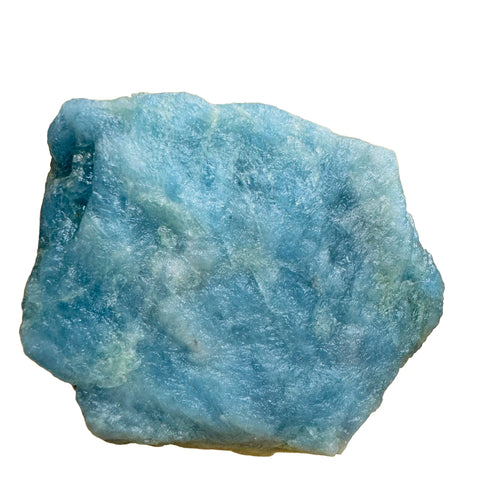
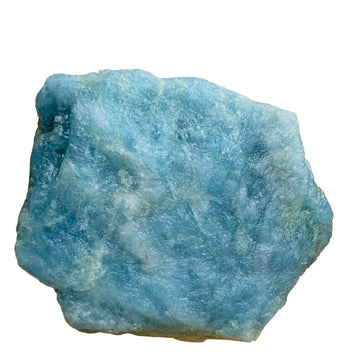
Aquamarine (March) and emerald (May) are the same mineral, beryl. Iron gives aquamarine its sea-blue color.
Strip away the marketing names and the birthstone list is really a tour through a few mineral families. Knowing the family tells you more about durability and value than the birthstone label ever will. If you have wondered why one beryl turns up green and another blue, the answer is trace elements, which we cover in our guide to what gives crystals their color.
February's amethyst and November's citrine are both quartz, one purple, one golden. Hard and well suited to everyday wear.
May's emerald and March's aquamarine are the same mineral in two colors.
July's ruby and September's sapphire are one mineral as well. Ruby is simply the red variety.
October's opal, December's turquoise, and June's pearl are softer, and happier with gentle wear.
Picking a Birthstone You Will Actually Wear
If a birthstone is going into a ring you wear daily, durability matters more than tradition. The harder gems (the quartzes, beryls, corundums, topaz, and diamond) take daily life in stride. The softer stones (opal, turquoise, pearl) tend to be happier in earrings or pendants than on a hand. For a deeper look at which stones hold up, see our crystal durability guide.
One label worth knowing: most golden citrine on the market is heat-treated amethyst rather than naturally yellow quartz. That is normal, disclosed by honest sellers, and does not make the stone any less real. Beyond the geology, many people simply enjoy a birthstone as a small personal token. Traditional associations such as calm, protection, or clarity are cultural rather than proven, and that is part of their charm.

Citrine, a November birthstone. Most citrine sold today is amethyst gently heated to a golden tone.
Related Reading
Why two stones from the same mineral can be completely different colors.
Read the guideWhich stones stand up to daily wear, and which need a gentler hand.
Read the guideThe January birthstone, its varieties, meaning, and sourcing.
Explore garnetFebruary's stone: purple quartz, its origins, and how to choose it.
Explore amethystA November birthstone, and the truth about heat-treated citrine.
Explore citrineOur full collection of plain-spoken guides to crystals and stones.
Back to the LibraryBirthstone FAQ
What are the birthstones for each month?
In the modern American list: January garnet, February amethyst, March aquamarine, April diamond, May emerald, June pearl (also alexandrite and moonstone), July ruby, August peridot (also spinel), September sapphire, October opal and tourmaline, November topaz and citrine, December turquoise (also tanzanite, zircon, and blue topaz).
Who decided the official birthstone list?
The modern list was standardized in 1912 by the National Association of Jewelers (now Jewelers of America) at a meeting in Kansas. It drew on a much older tradition rooted in the twelve stones of the Breastplate of Aaron.
Why do some months have more than one birthstone?
The list has been updated over time. A 1952 revision added stones such as alexandrite, citrine, and tourmaline. Tanzanite was added for December in 2002, and spinel for August in 2016. Several months also keep both a traditional and a modern stone.
What is the difference between traditional and modern birthstones?
The 1912 modern list favored transparent, faceted gems, so a few months differ from the older traditional stones. The clearest examples are March (aquamarine vs bloodstone), June (alexandrite and moonstone added to pearl), August (peridot and spinel vs sardonyx), and December (tanzanite and others vs turquoise).
Are birthstones based on your zodiac sign or your birth month?
The modern Western list is organized by calendar month. The older connection to the zodiac comes from the first-century historian Josephus, who tied the twelve breastplate stones to the twelve zodiac signs. Separate zodiac and planetary stone systems also exist, which is part of why charts disagree.
Is citrine a real gemstone, or just heated amethyst?
Both. Citrine is naturally occurring yellow quartz, but most citrine sold today is amethyst that has been gently heated to a golden tone. It is still genuine quartz, and reputable sellers disclose the treatment.
What is December's birthstone?
December has several. Turquoise is the traditional stone, joined in the modern list by tanzanite (added in 2002), zircon, and blue topaz. They span a similar blue range, so you can choose by budget and durability.
Do birthstones have healing powers?
Birthstones are first and foremost a cultural tradition. The qualities people associate with them are part of folklore and personal meaning, not scientific fact, so we share them as tradition rather than as claims. Many people simply enjoy a birthstone as a meaningful, personal keepsake.