























Do Crystals Actually Help With Anxiety?

If you've ever bought a crystal for anxiety and wondered, a week later, whether it was doing anything at all, you're in good company. It's one of the most searched crystal questions there is, and most of the answers come from people who want to sell you the stone. Here's the other kind of answer.
Do crystals actually work for anxiety?
Not in the way the marketing suggests. There's no scientific evidence that a crystal changes anything in your nervous system, and crystals are not medicine. They don't treat anxiety, stop a panic attack, or replace care from a doctor or therapist. Anyone who tells you a particular stone will fix an anxious mind is telling you what you want to hear.
What the research does point to is more modest and more believable. When people feel a benefit, it tends to come from the practice built around the stone, the pause, the slower breath, the moment of attention, rather than from the rock itself. That's worth understanding clearly, because it changes how you'd actually use one.
So why do people feel calmer holding one?
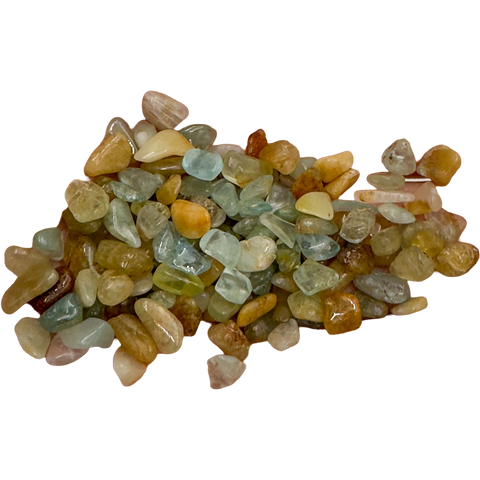
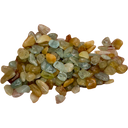
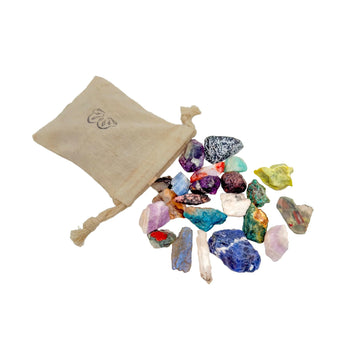
Three real reasons, none of them supernatural. The first is grounding. A tumbled stone is cool, smooth, and has a little weight, so it gives your hands and your attention one concrete thing to notice when thinking in circles has stopped working. The second is that it opens a door to mindfulness. Reaching for the stone becomes the signal to slow your breathing, and the breathing is the part doing the work. The third is the placebo effect, which sounds dismissive but isn't. For stress, a genuine belief that something helps can measurably take the edge off, and that's a real tool, not a trick.
The way we'd put it: intention is the handle, the stone is the tool. A stone you never pick up does nothing. A stone tied to a habit you actually keep can quietly earn its place.
The stones people find most calming
Four come up again and again. We've written the full breakdown, with mineralogy, origins, and care, on our crystals for anxiety page. Here's the short version.
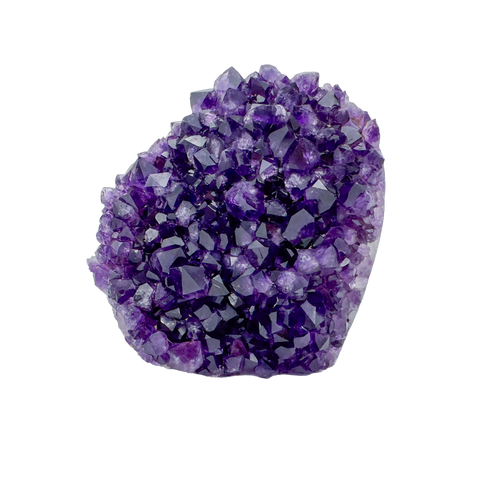
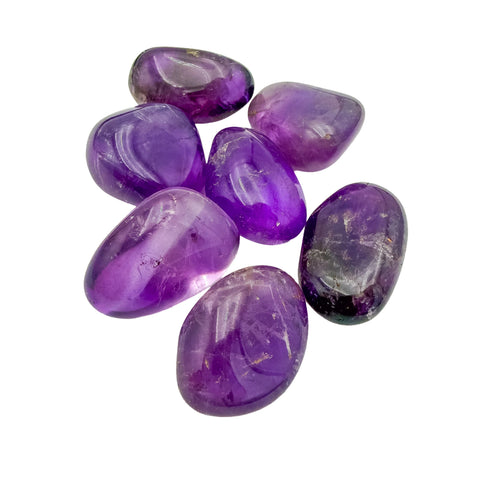
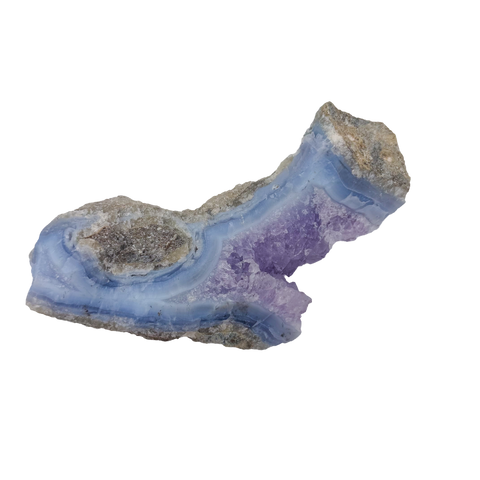
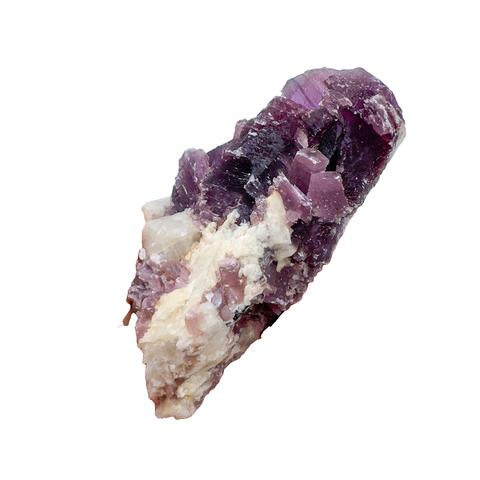
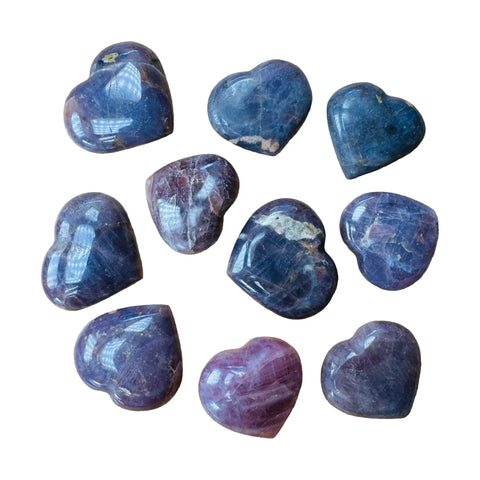
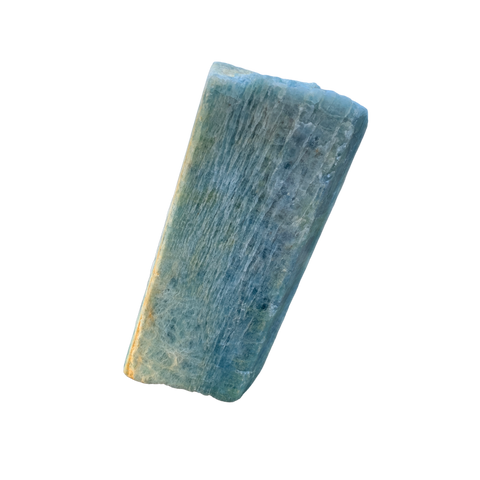
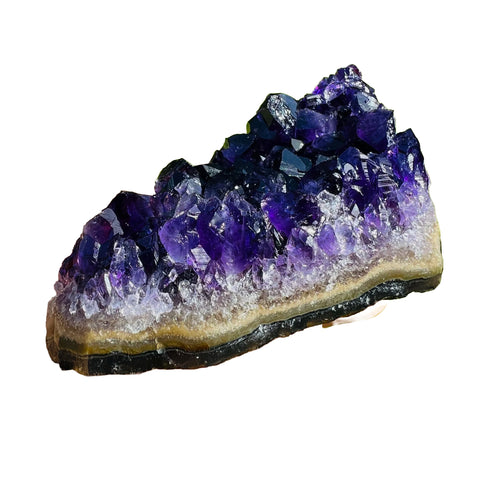
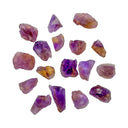
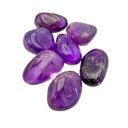
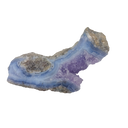
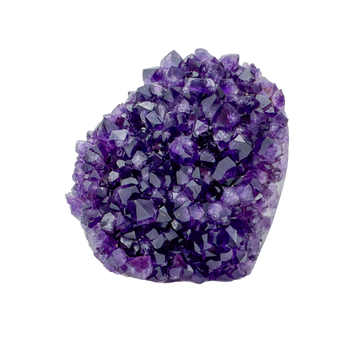
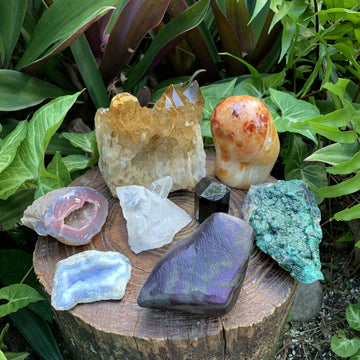
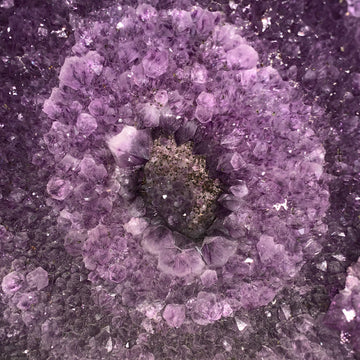
Lepidolite is a soft, lilac lithium mica, and it's worth clearing up that the lithium is locked in the crystal and isn't absorbed by holding it. Keep it dry. Amethyst is a hard, durable purple quartz and the most forgiving to carry every day, though it fades in long direct sun. Howlite is soft, white, and the most commonly dyed stone in the trade, so undyed is what we sell. Blue lace agate is a durable banded chalcedony, traditionally the one people reach for around saying the difficult thing out loud. Browse the full stress relief collection to see grades and origins on every piece.
How to tell if it's actually helping you
Give it an honest test rather than a hopeful one. Pick a single stone, carry it in the same pocket or bag, and pair it with one small habit for about a month. When you notice the spiral starting, take the stone out and take one slow breath in and a longer one out. That's the whole practice. Owning the stone is not the practice, and a shelf of twelve you never touch will do nothing.
At the end of the month, check in with yourself plainly. If reaching for it has become a reliable cue to slow down, it's earning its keep. If nothing has shifted, no stone has failed you and you haven't done anything wrong. It simply wasn't the tool that worked for you, and that's useful to know too.
When a stone isn't the answer
If anxiety is affecting your sleep, your work, or your relationships, that's the moment to talk to a doctor or a therapist, and a stone is not a substitute for that conversation. Working with a crystal can sit alongside real care as a small grounding habit. It should never stand in for it. There's no honesty in a page that suggests otherwise, and no kindness in it either.
If any of this is hitting close to home right now, please reach out to someone who can genuinely help. A stone in your pocket is a fine companion for a hard day. Support is the thing that actually carries you through one.
Anxiety is a real medical condition. This page is educational and is not medical advice. If you're struggling, a qualified professional is the right first call.