








Crystals for money and wealth, without the magic thinking
Four traditional stones, and the reason this category gets faked more than any other.
Money stones sell well, which is exactly why they are the most misrepresented corner of the crystal trade. Most citrine on the market is not citrine. Plenty of pyrite is painted. This page gives you the mineralogy, the tells, and an honest account of what buying one is actually for.
Citrine, pyrite, green aventurine, and jade are the four traditionally tied to money. Buy them for what they are, not for what they promise. This is also the most counterfeited category in the trade, so check that your citrine is natural and that your pyrite has not been painted.
A stone will not bring you money
No mineral has ever moved a number in anyone's bank account. Any seller who implies otherwise is telling you what you want to hear, and charging a premium for it.
What abundance work does, when it is done honestly, is give a goal a physical anchor. A piece of pyrite on a desk is a reminder sitting in your eyeline of something you decided mattered. That is a real function, the same way a note on a mirror is a real function. It is just not a supernatural one, and it only does anything if the rest of your week does the work.
We would rather sell you a good piece of pyrite on those terms than a mediocre one on the other terms.
The stones, and what they actually are
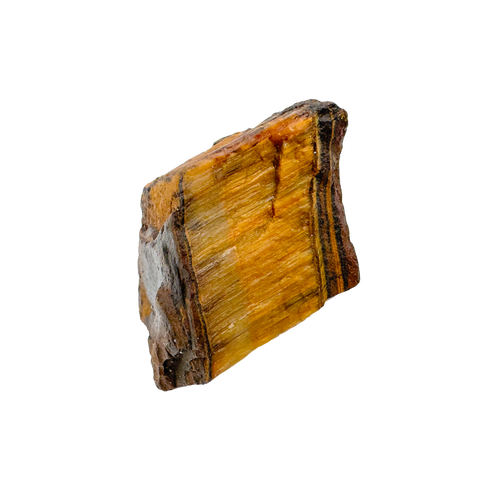
Citrine
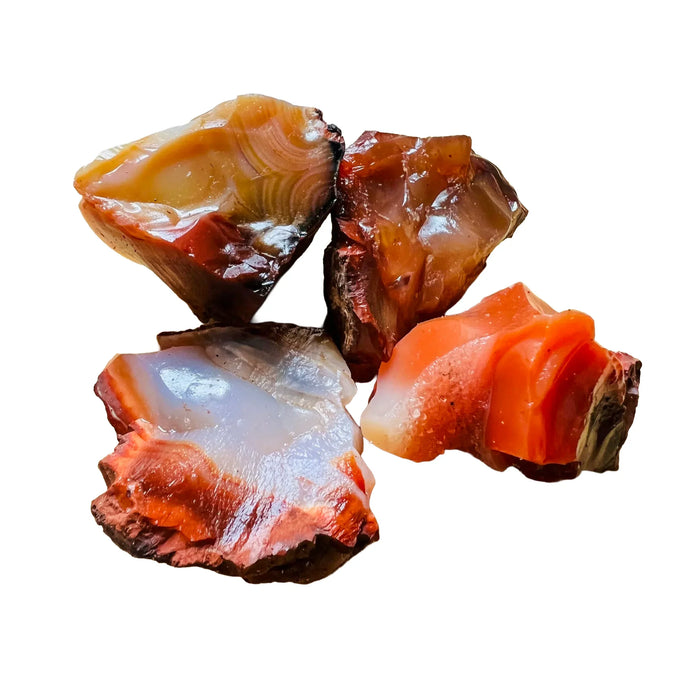
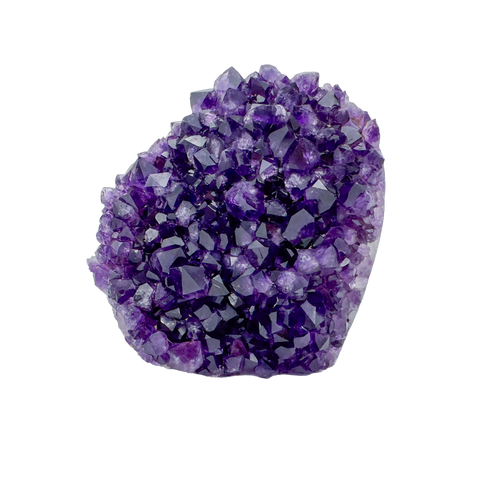
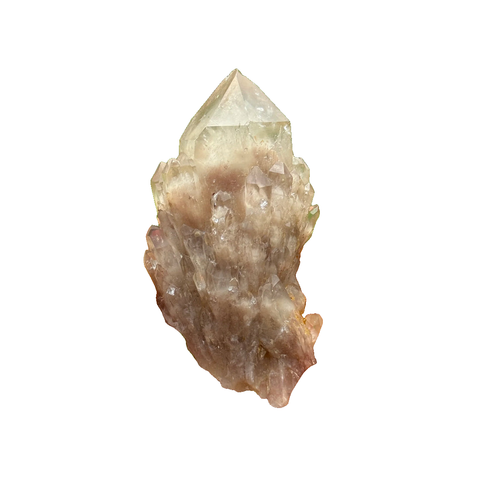
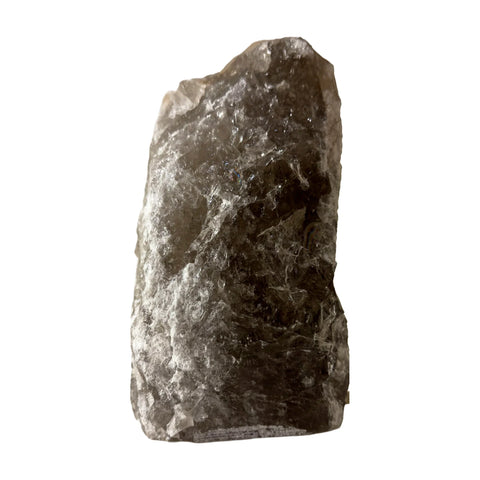
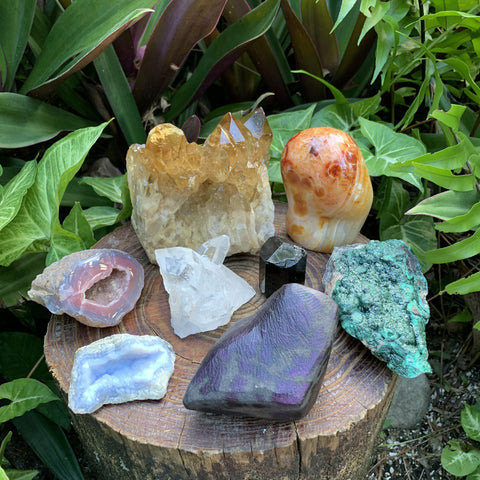
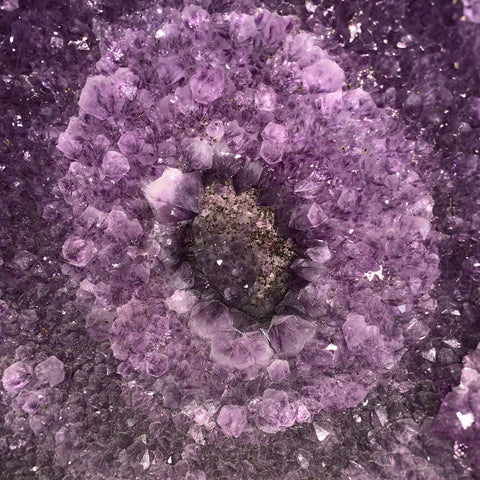
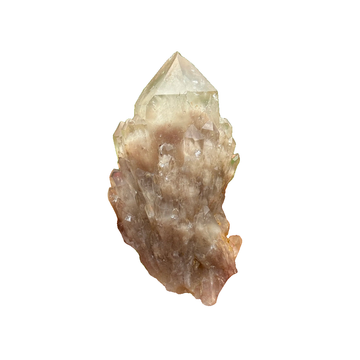
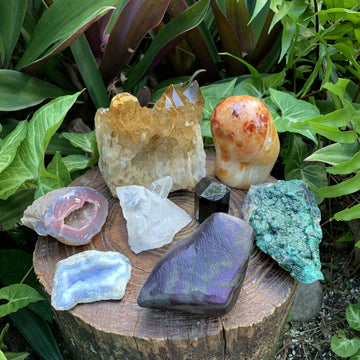
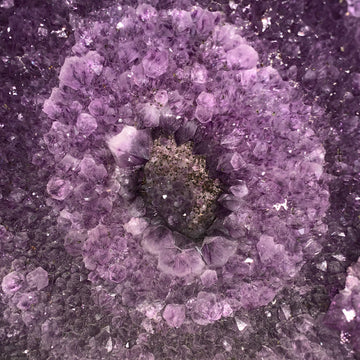
The flagship money stone, and the one you are most likely to be sold incorrectly. Natural citrine is genuinely uncommon and runs pale honey to smoky gold. The vivid orange clusters with white bases that fill most shops are amethyst that has been heated in a kiln until it changes color.
Heated material is not a fake, but it is a different thing at a different cost, and it should be labeled. Ours is natural and the origin is on every listing.
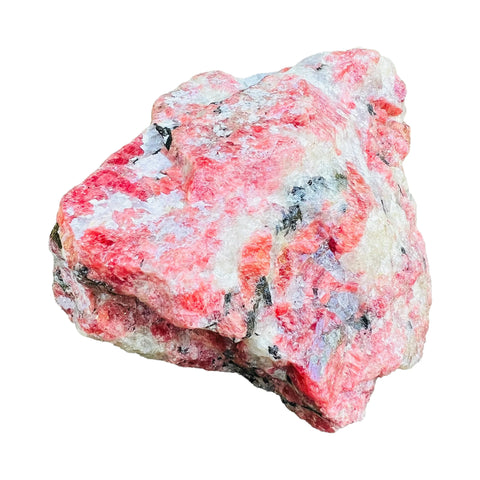
Pyrite
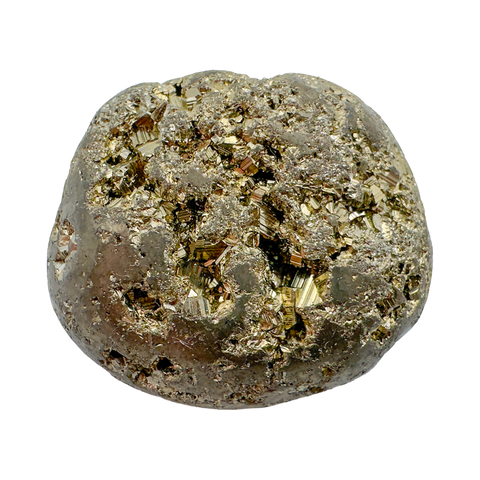
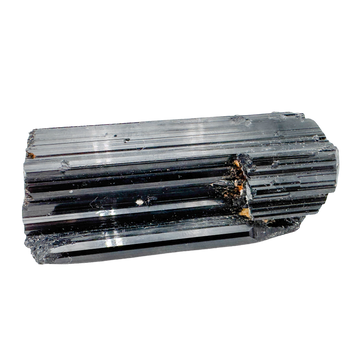
Brass-yellow iron sulfide that grows into near-perfect cubes on its own. The giveaway for real material is weight: pyrite has a specific gravity around 5.0, so a piece feels roughly twice as heavy as a quartz stone of the same size. Painted and coated imitations feel light and wrong in the hand.
It does tarnish over time in humid air. That is the mineral behaving normally, not a defect.
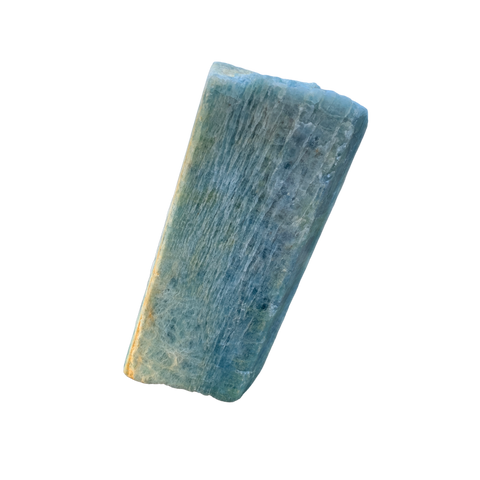
Green Aventurine
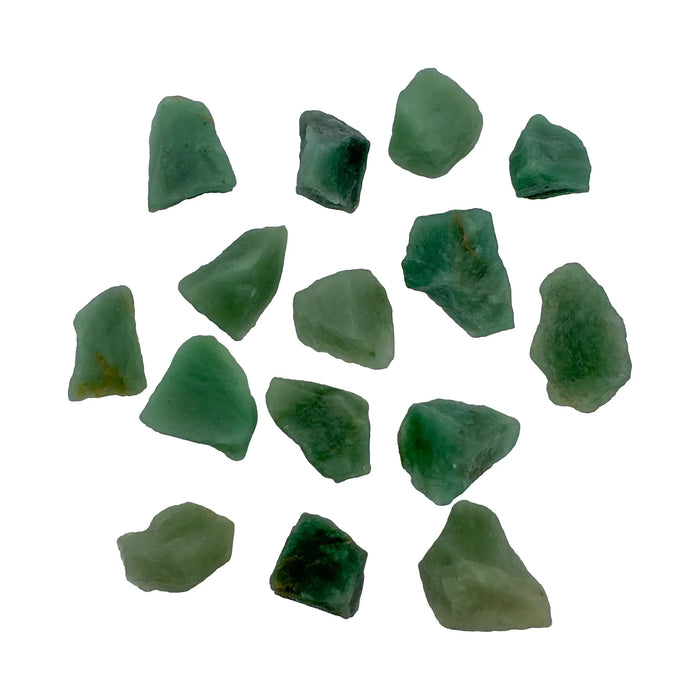
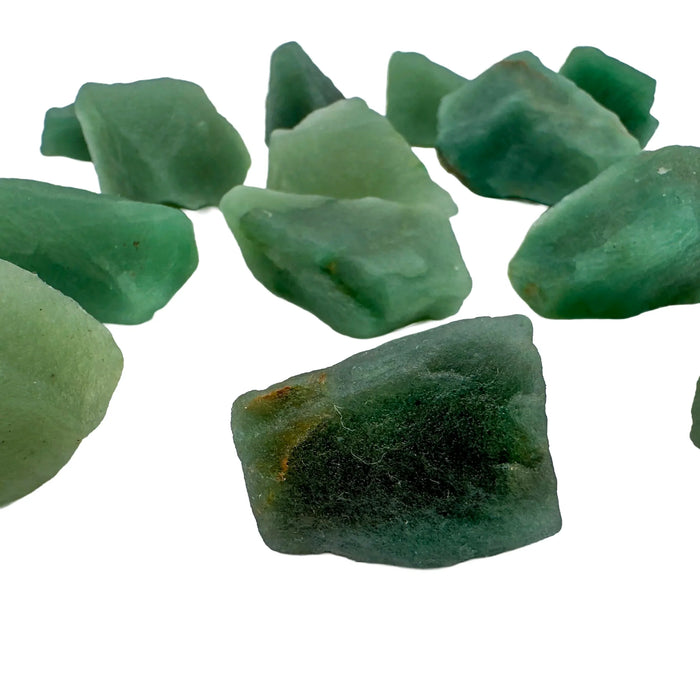
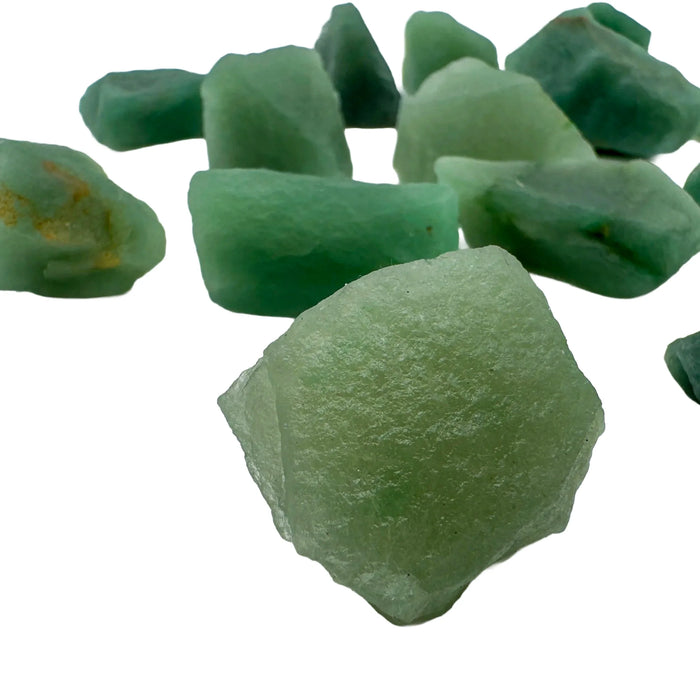
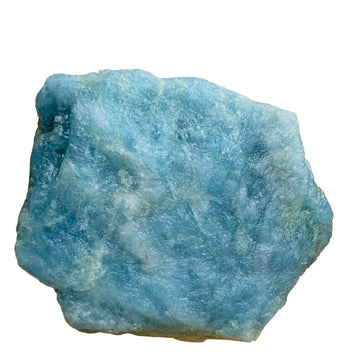
A quartz rock shot through with tiny plates of green fuchsite mica. Those inclusions give it both the green and the faint internal glitter, an optical effect called aventurescence that the stone is named for. Hold it to a light and you can see the flecks catching.
Hard, cheap, and hard to damage, which makes it the most practical everyday carry of the four.
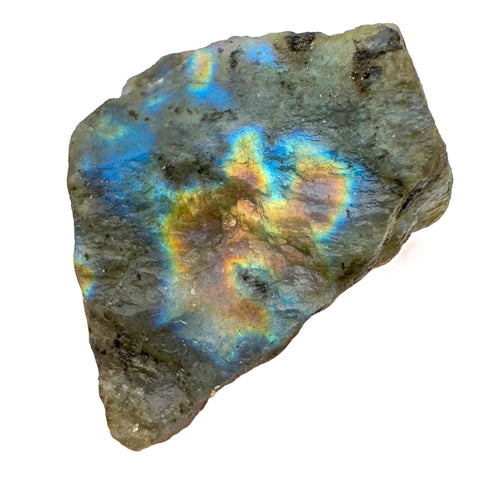
Jade
Jade is the oldest wealth stone in continuous use, and also the most confusing word on this page. It covers two unrelated minerals, jadeite and nephrite, which were only distinguished from each other in the nineteenth century. Both are legitimately jade. They differ in structure, rarity, and price by a wide margin.
A great deal of what is sold as jade is neither, and is usually dyed serpentine or quartzite.
Four tells before you spend
Money stones attract the most aggressive selling in the category. These are the checks that take a few seconds and save the most regret.
Our natural citrine is sourced from Brazil and the Democratic Republic of the Congo, our pyrite from Peru, our green aventurine from Brazil and Zimbabwe, and our green jade from Peru. Grade and origin are printed on every listing rather than kept vague, which is the standard we would want as buyers.