









How to Read a Crystal Listing: What the Description Leaves Out
The words a listing chooses, and the ones it quietly avoids, tell you most of what you need to know before you add to cart.
A crystal listing is a sales pitch with the inconvenient parts trimmed off. Once you know which facts an honest seller always includes, the gaps in a weak listing start to speak for themselves.

A trustworthy crystal listing names the stone precisely, gives its size and weight, states origin to a country or region, discloses any treatment, and shows the actual piece. Soft words like natural, genuine, and ethically sourced are not promises. What a listing leaves out is usually the part worth asking about.
A Listing Is a Pitch, Not a Spec Sheet
Every crystal listing is written to sell. That is not sinister, it is simply what listings do. The real difference between a shop you can trust and one you cannot is whether the selling rests on facts or on adjectives.
An honest listing reads a little like a spec sheet in a nice outfit. It names the exact stone, gives you a size and a weight, says where the piece came from, discloses any treatment, and shows the actual stone. A weak listing swaps those facts for mood: a soft phrase, a dreamy photo, and a price.
You do not need to know geology to tell them apart. You only need to know which facts belong in a good listing, so the missing ones stand out. The rest of this guide walks through the words sellers lean on, the photos they use, and the short list of details a careful shop always provides.
Think of it less as catching anyone out and more as reading closely. The information is usually right there on the page, or conspicuously not.

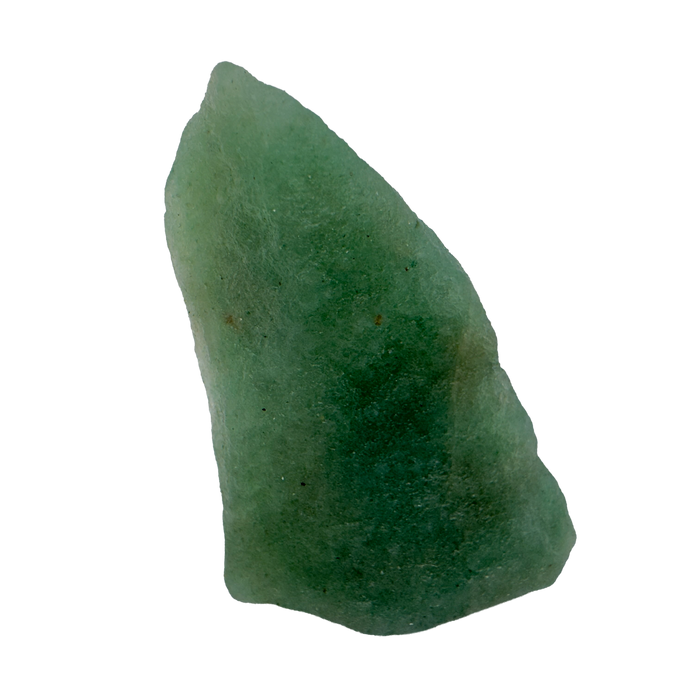
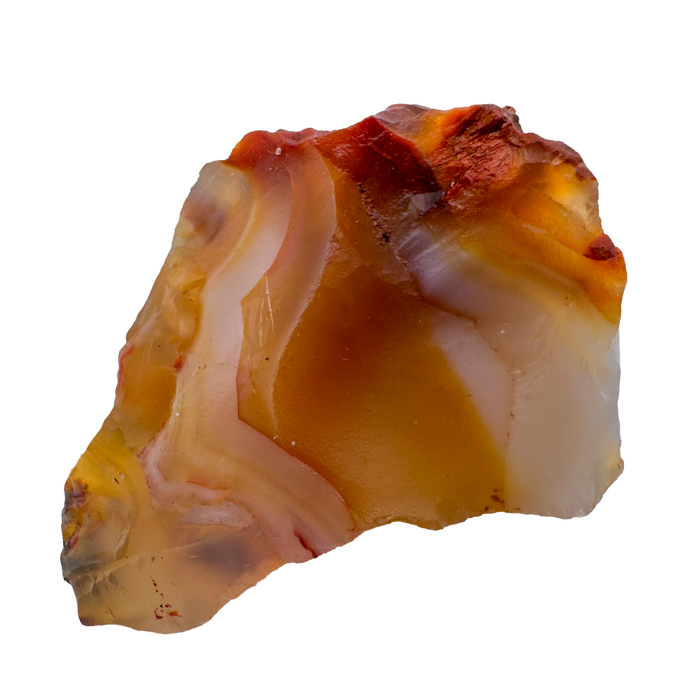
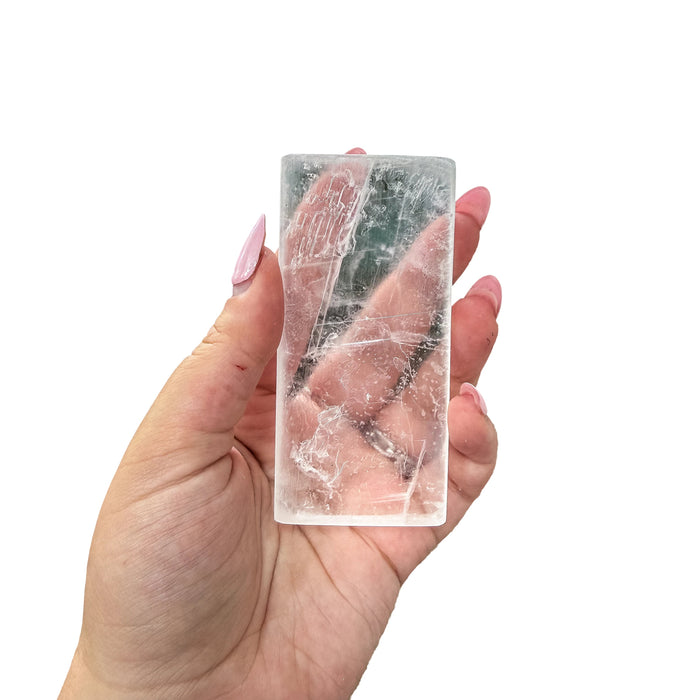
A clear photo of one stone on a plain background is the baseline. The facts written around it are what you are really reading for.
Natural, Genuine, Real: Words That Promise Less Than They Seem
A few words turn up on almost every listing because they sound reassuring and commit to very little. Under the Federal Trade Commission's jewelry guides, natural is meant to separate a mined stone from a lab-grown one. It says nothing about whether the stone was dyed, heated, or coated.
Genuine and real are slipperier still. Those same guides say the words should not be used for a lab-made stone, yet a genuine Amethyst can still be heat-treated to deepen its color. Genuine tells you it is that mineral. It does not tell you the stone was left untouched.
Ethically sourced has no enforced definition at all. It can describe a real, traceable supply chain, or it can be a phrase someone typed into a box. The term is only ever as good as the detail standing behind it.
Natural
Mined, not lab-grown
Genuine / Real
The mineral, not its condition
Ethically Sourced
Only as good as the detail
AAA / Healing Grade
No governing body
The FTC jewelry guides ask sellers to disclose a treatment when it is not permanent, when it needs special care, or when it significantly affects value. For anything bought online, that disclosure belongs in the listing itself, not in an answer you have to pry loose. A shop that volunteers it is following the spirit of the rule. One that stays quiet is leaving the asking to you.
One Stock Photo, or the Stone You Will Receive
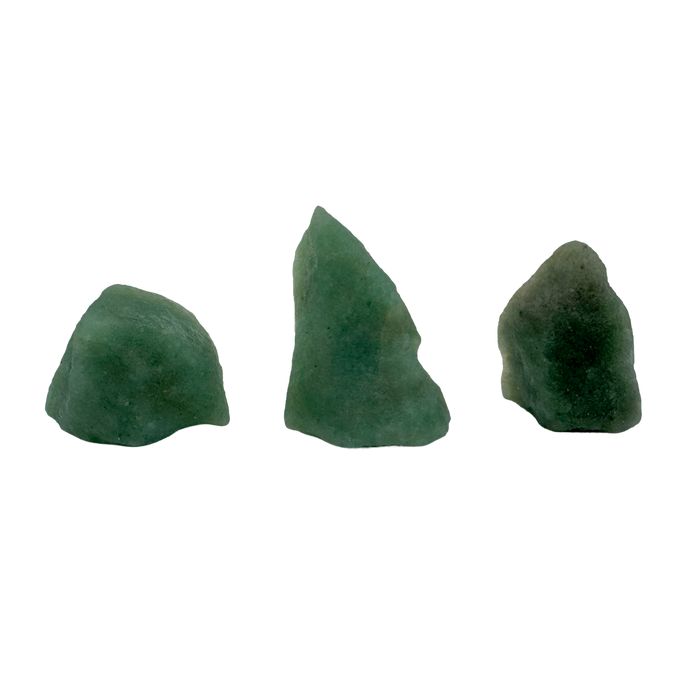
For a mass-produced product, a single catalog photo is fine. Every unit is identical. A crystal is not built that way. No two pieces share the same shape, banding, or depth of color, so the photo you see and the stone that arrives can be two different objects.

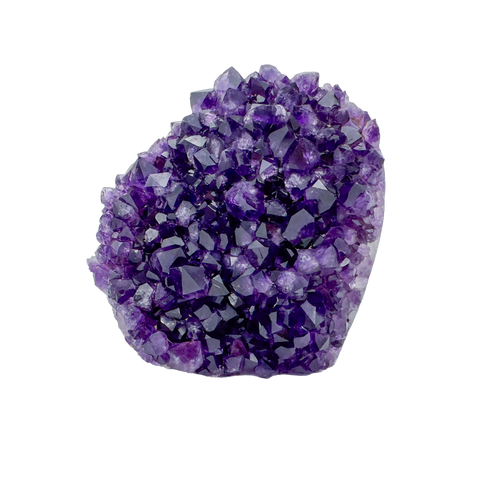
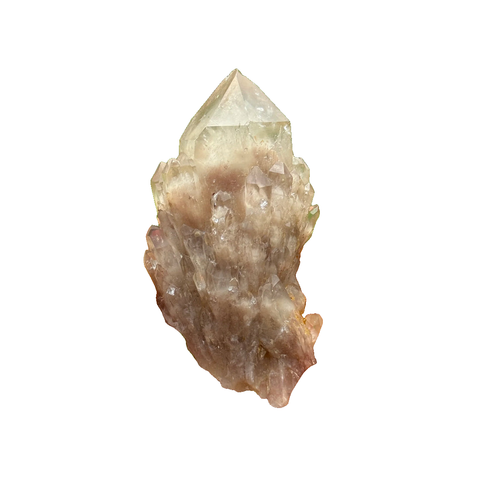
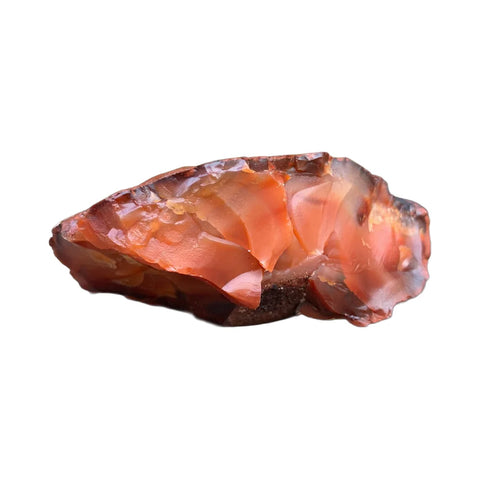
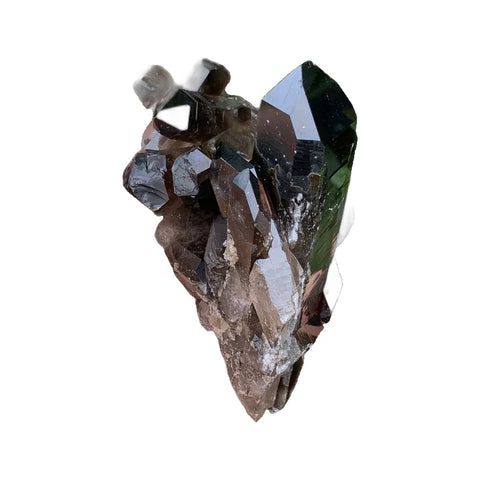
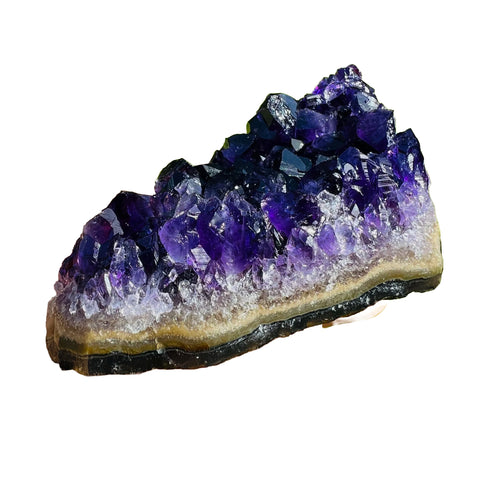
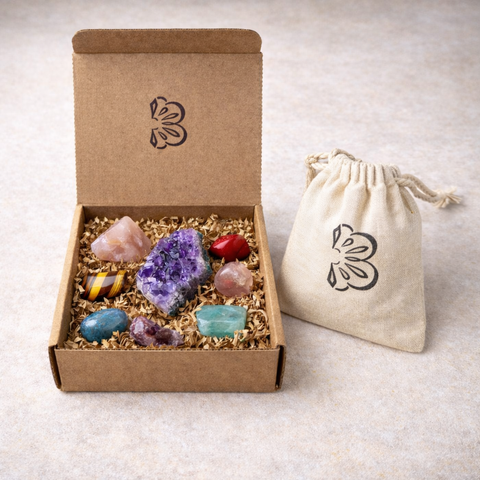
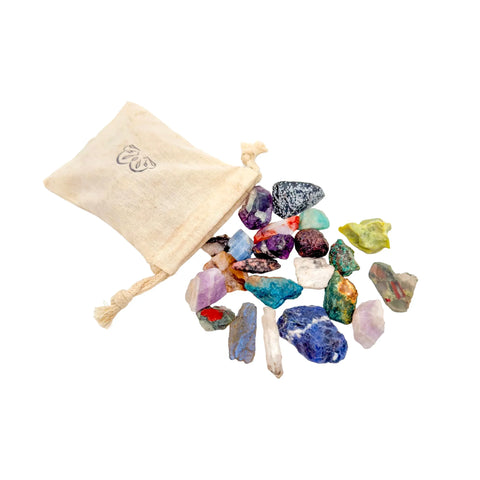
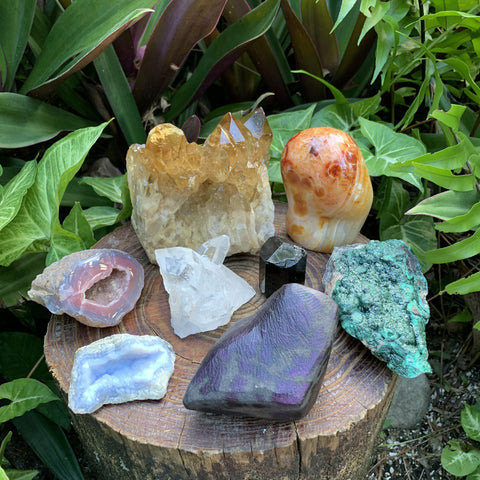
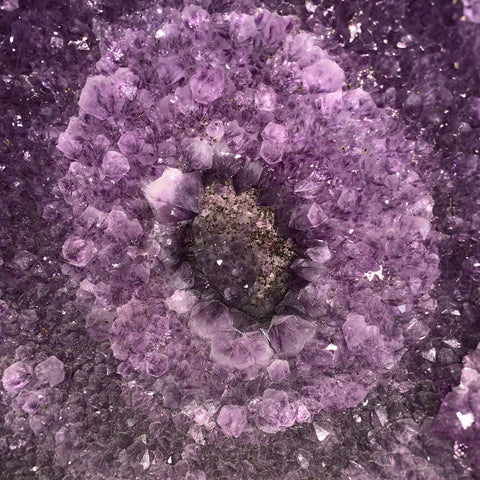
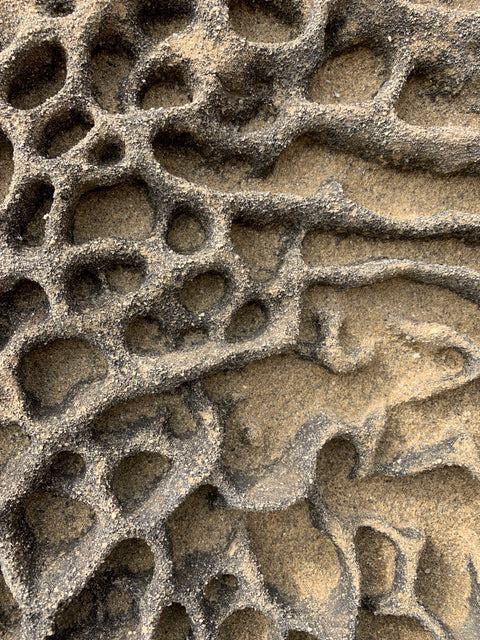
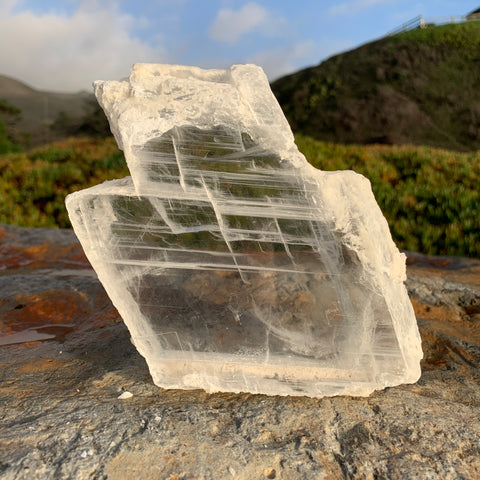
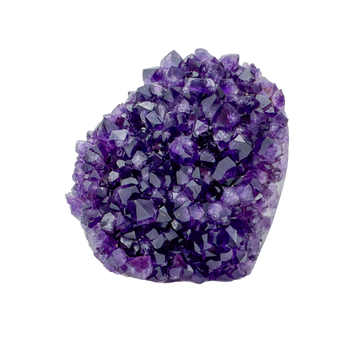
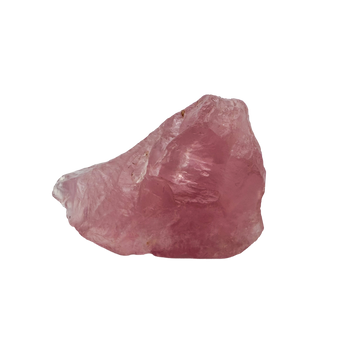
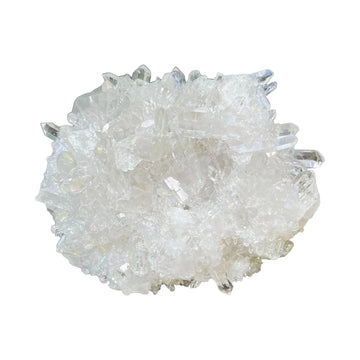
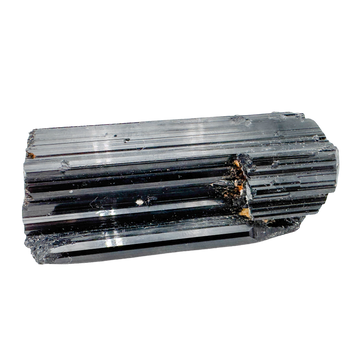
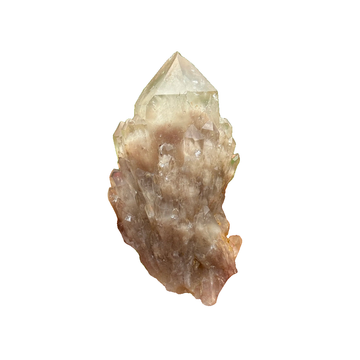
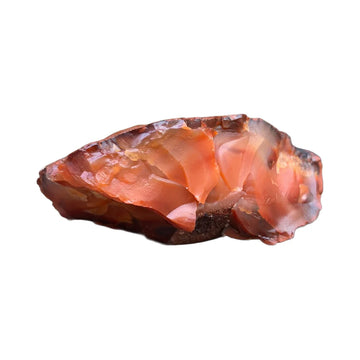
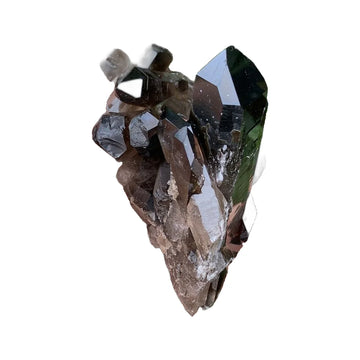
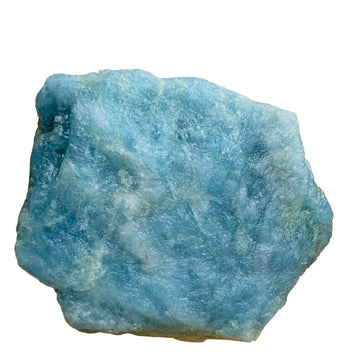
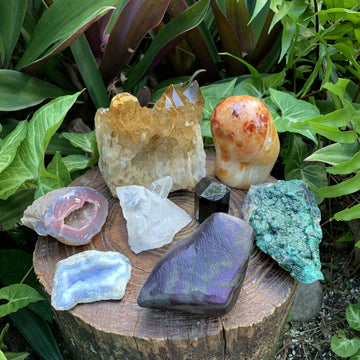
All three are sold as Amethyst Cluster. One catalog photo cannot tell you which one ships to you.
This matters most for one-of-a-kind specimens. When a unique stone shows only a single image, with no note that you will receive that exact piece, you are buying a representative rather than a portrait. Some shops sell from a bin of lookalikes and photograph only the best one in the batch.
A quick test settles it. Save the image and run a reverse image search. If the same photo appears across many shops, it is a supplier's catalog shot, not the seller's own. An honest listing for a unique piece shows it from more than one angle and says plainly that the stone in the photo is the stone in the box.
Six Things a Strong Listing Always Tells You
Turn the whole exercise around. Instead of hunting for what is wrong, look for what should be there. A listing that covers these six gives you very little to worry about, and a missing one tells you exactly what to ask.
The mineral named precisely, like Heat-Treated Citrine rather than only a mood word such as abundance stone. Vague names hide the most.
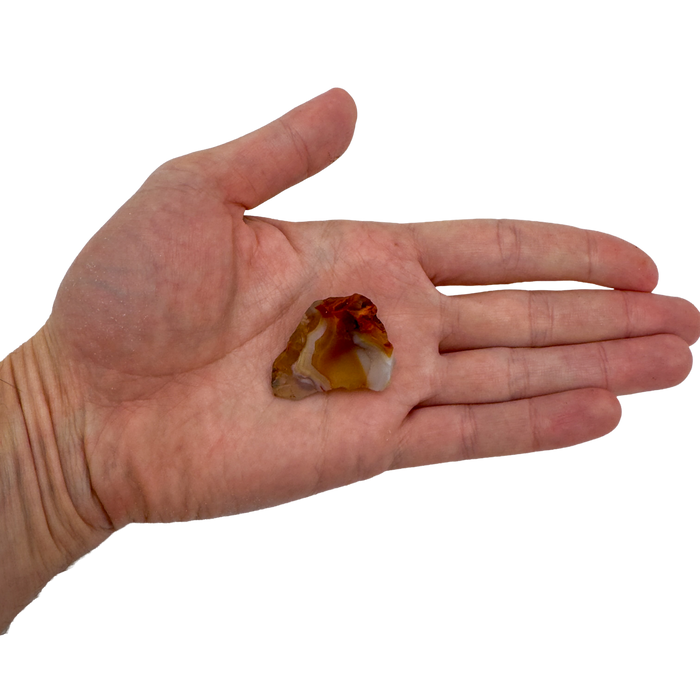
Real dimensions and a weight, in numbers you can picture. A measurement, not the word approx with nothing after it.
A country or region, with a sense of how the seller knows. Brazil beats silence. Bought direct from a named mine beats Brazil.
Heat, dye, irradiation, stabilizing, or coating disclosed up front. A clear untreated counts too, when it is true.
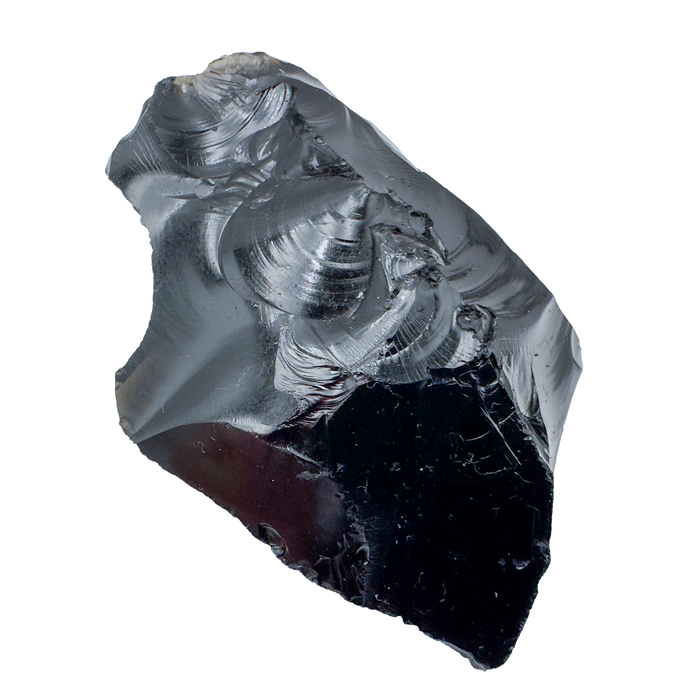
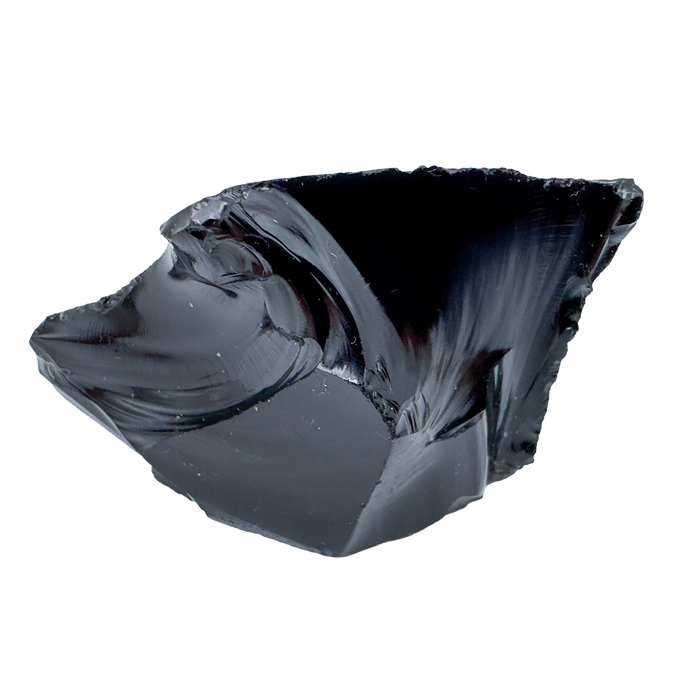
For unique stones, more than one photo and a clear note that you receive the exact item shown, not a stand-in.
A real name, a return policy, and reviews. Someone who answers questions about sourcing rather than steering around them.
Reading a Listing in About a Minute
You will not always get every detail, and one missing line is not proof of anything by itself. The signal is the pattern. A listing that is specific about the stone, its size, its origin, and its treatment has nothing to hide. One that floats on adjectives and a single dreamy photo is quietly asking you to fill the blanks with hope.
When a detail is missing, the move is simple. Ask. A seller's answer, or their silence, will tell you more than any label on the page. The shops worth buying from tend to be glad you asked, because the answer is the part they are proud of.
A listing's adjectives are written for you. Its specifics are written about the stone. Read the specifics.
Related Guides
Lemurian, Super Seven, and the difference between a marketing name and a mineral.
Read the guideOiled, filled, dyed, and heated. What each treatment is and when it should be disclosed.
Read the guideThe tells that separate natural color from a dye job, stone by stone.
Read the guideHow to read an origin claim and tell a real source from a vague one.
Read the guideWhy a printed certificate proves far less than it appears to.
Read the guideEvery Beyond Bohemian guide to sourcing, value, and care in one place.
Browse the LibraryReading a Crystal Listing FAQ
What does "natural" mean in a crystal listing?
Under the FTC jewelry guides, natural means the stone was mined rather than grown in a lab. It does not mean untreated. A natural Amethyst or Citrine can still be heat-treated, and a natural Agate can be dyed. If you want to know whether a stone was altered, the word natural will not tell you. Ask directly whether it has been treated.
Does "genuine" or "real" mean a crystal is untreated?
No. Genuine and real tell you the stone is the actual mineral and not an imitation. They say nothing about treatment. A genuine Rose Quartz can be irradiated or dyed and still be genuine. The FTC guides discourage using these words for lab-made stones, but they do not promise that a mined stone was left untouched.
Will I get the exact crystal in the photo?
Only if the listing says so. For one-of-a-kind specimens, look for a clear note that you receive the exact piece shown, ideally with more than one photo. If a unique stone has a single catalog image and no such promise, you may be buying from a bin of lookalikes. Reverse image searching the photo often reveals a shared supplier shot.
What does "ethically sourced" actually mean on a crystal listing?
On its own, very little. There is no enforced standard behind the phrase, so it can describe a documented supply chain or simply sound good. Judge it by the detail attached: a named region or mine, a description of the sourcing relationship, and a willingness to answer follow-up questions. Without that, treat it as a marketing line rather than a guarantee.
What should a good crystal listing include?
The exact stone name, real size and weight, an origin to at least a country or region, a plain statement of any treatment, and clear photos of the actual piece for unique stones. A findable seller with a return policy and reviews rounds it out. The more of these a listing covers, the less guessing you have to do.
Why do some listings not show the crystal's size?
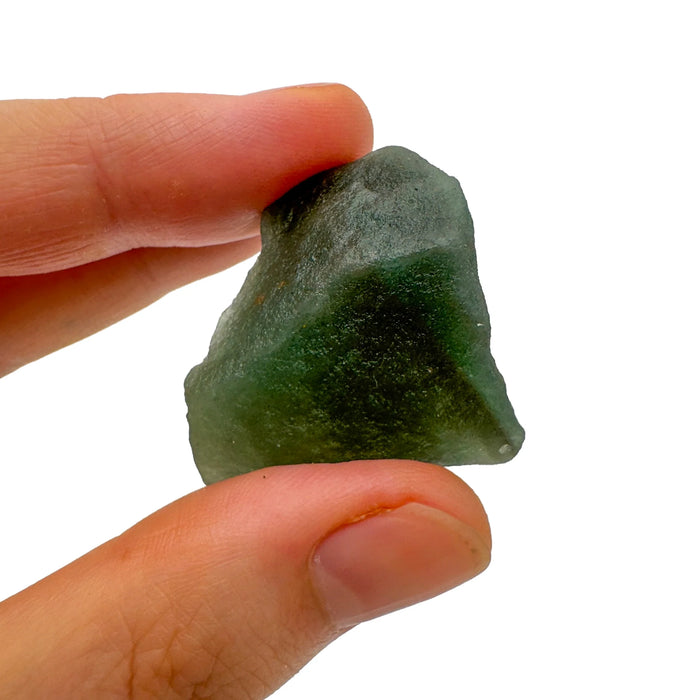
Sometimes it is an oversight, and sometimes it lets a small stone photograph like a centerpiece. Without dimensions or a scale reference, a macro shot can make a thumb-sized piece look dramatic. An honest listing gives measurements and a weight because the seller has the actual stone in hand and nothing to gain from hiding its size.
How can I tell if a listing photo is a stock photo?
Save the image and run a reverse image search. If the identical photo appears on many different shops, it is a supplier's catalog image, not the seller's own. Other hints are a single perfect studio shot with no second angle, no size reference in frame, and the same description wording showing up across unrelated stores.
Are crystal "grades" like AAA reliable on a listing?
Treat them with caution. No standards body grades crystals, so AAA, A grade, or healing grade are labels each seller assigns by their own rule. They can still be useful within one shop's range, where the seller stays consistent, but they do not compare across shops. Ask what specifically earns the grade: color, clarity, form, or polish.