







How to Tell If a Crystal Has Been Dyed
The colors nature makes, the colors a dye pot makes, and how to spot the difference in seconds.
Walk through any crystal market and you will see Agate slices in electric blue, hot pink, and neon purple. Those colors are not geology. They came from a dye bath, and once you know what to look for, they are easy to catch.

A dyed stone usually gives itself away three ways: color too vivid or uniform to be natural, pigment pooled in cracks and pores, and fading after time in sunlight. Howlite and Magnesite dyed blue are sold as Turquoise. Agate takes on neon shades nature never produces.
What Dyeing Actually Does
Dyeing means soaking a porous stone in colored pigment so the color seeps into its pores and tiny fractures. It is one of several ways color gets added or changed, and it is both the easiest to fake and the easiest to spot.
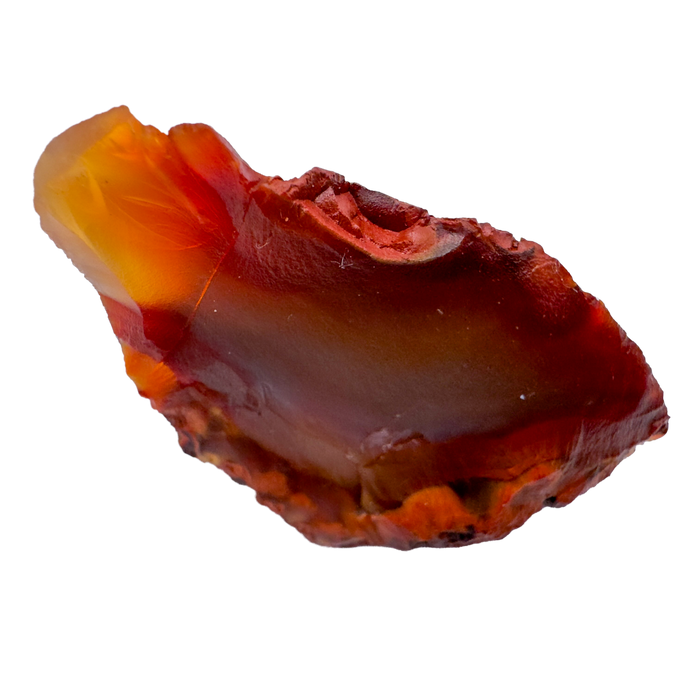
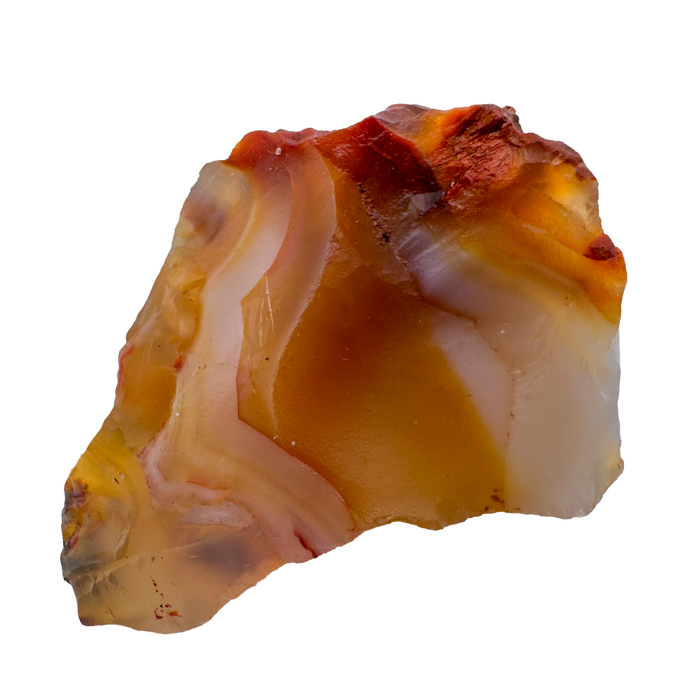
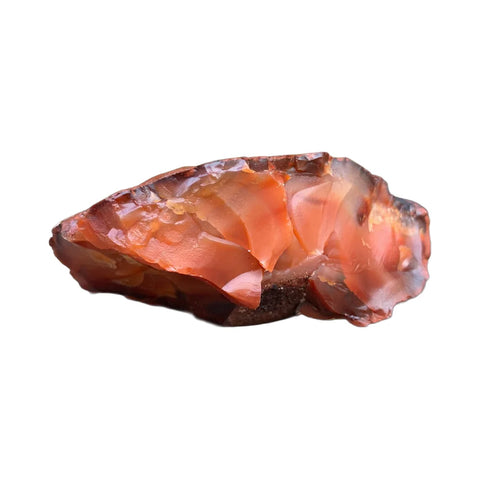
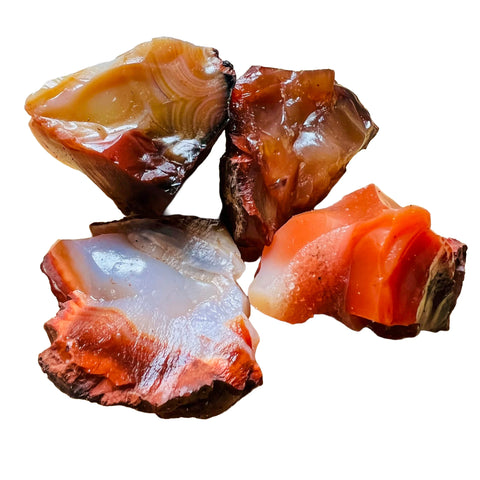
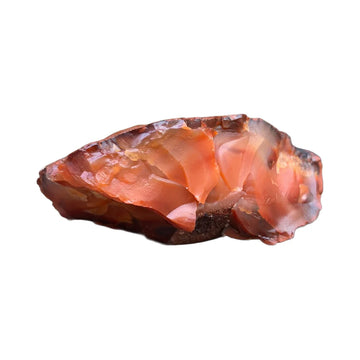
It is not the same as heat, which deepens a stone's own color without adding any pigment, the way Carnelian and most Citrine are made. It is not the same as a metal coating, which sits on the surface as a mirror-bright shine. Dye is pigment, pushed in from the outside.
The honest version of dyeing is not a scam. Plenty of reputable sellers offer dyed Agate and label it as dyed. The trouble starts when a dyed stone is sold at a natural stone's price, with no mention of the dye pot at all.

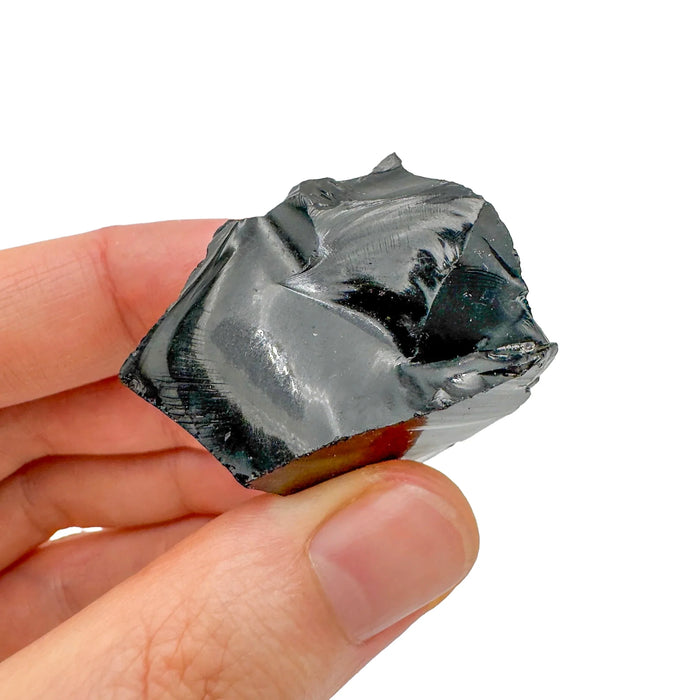
Natural Dendritic Agate. The branching markings are mineral inclusions, not added color. Real Agate runs to earth tones and soft translucency, not neon.
Dye is only one way a stone's color changes hands. Heat, irradiation, and surface coatings each work differently and leave different tells. For the heat side of the story, see Natural Citrine vs Heat-Treated Amethyst.
The Three Tells of a Dyed Stone
Almost every dyed stone trips at least one of these three wires. None of them needs a lab.
Nature rarely makes neon. A uniform, saturated pink, electric blue, or candy purple across a whole stone is the first sign. Natural color varies band to band and spot to spot, and it almost never glows.
Dye travels into fractures and pores and pools there. Look for color that is darker and more concentrated along cracks, seams, and drill holes than across the flat faces. Natural color does not collect in the gaps.
Dyes break down under sunlight far faster than natural color. A stone that has gone patchy or pale where the light reached it, while staying bright underneath, was almost certainly dyed.
If a stone looks like it belongs under a blacklight, it probably met a dye pot first.
The Turquoise Impostors: Howlite and Magnesite
The most common dye swap in the whole crystal world is a white stone painted blue and sold as Turquoise. Howlite and Magnesite are both soft, porous, naturally white minerals laced with gray or brown veining. Dyed a strong blue, that veining suddenly reads as the dark matrix lines in real Turquoise, and the imitation is convincing at arm's length.
The giveaway is underneath the surface. Chip a hidden edge and a dyed stone is white inside, because the blue lives only in the outer skin and the veins. Real Turquoise is harder, waxier to the eye, and colored all the way through.
For the full set of in-hand tests that separate true Turquoise from its dyed stand-ins, see our guide to telling real Turquoise from fake.

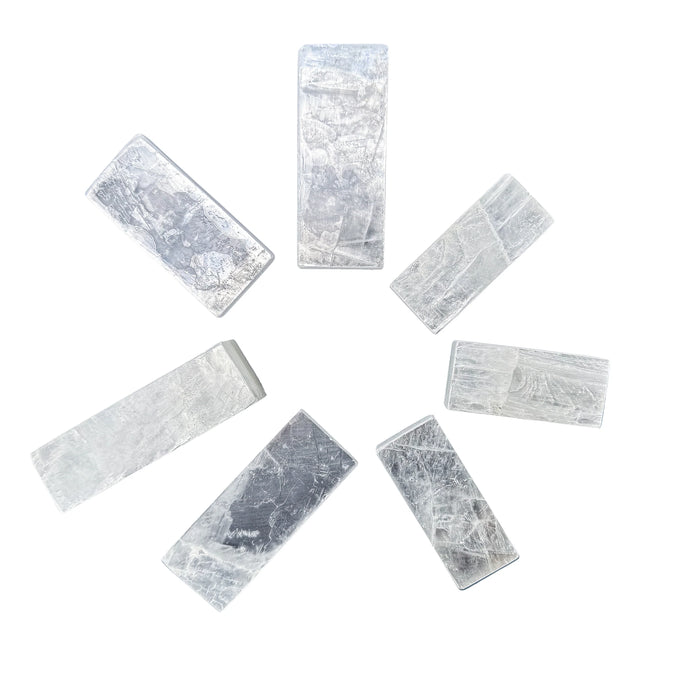
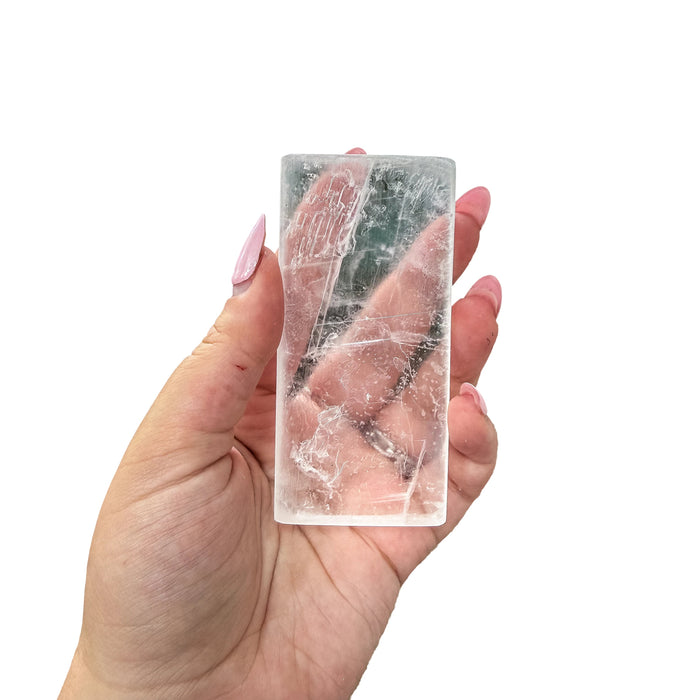
Natural Howlite. Chalk white with gray veins. Dyed blue, this same stone is sold as Turquoise.

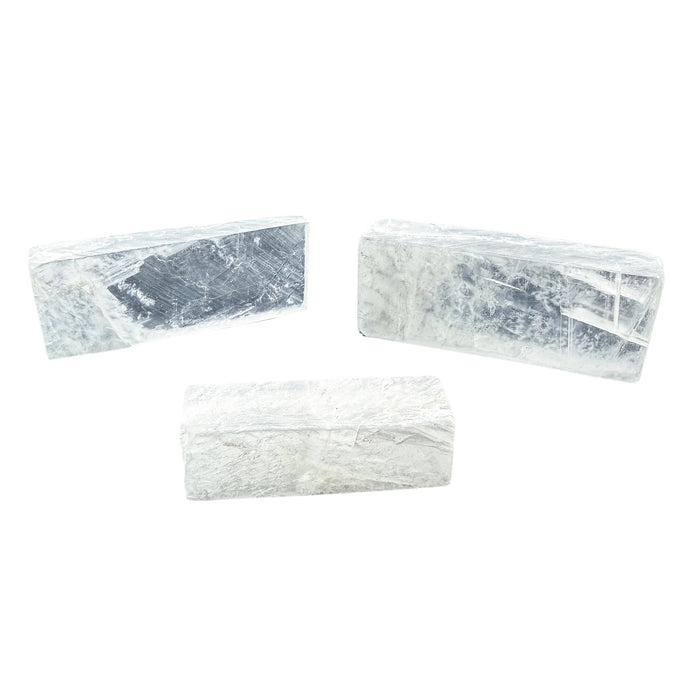
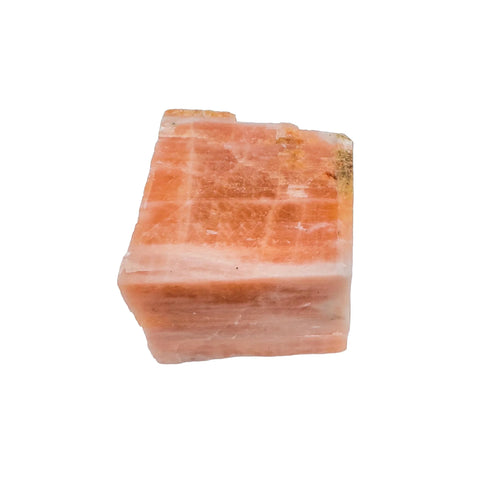
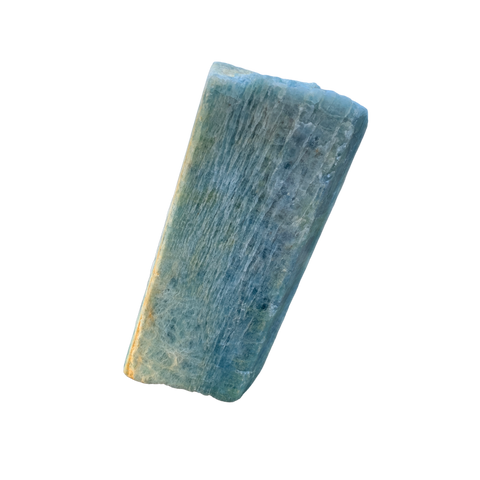
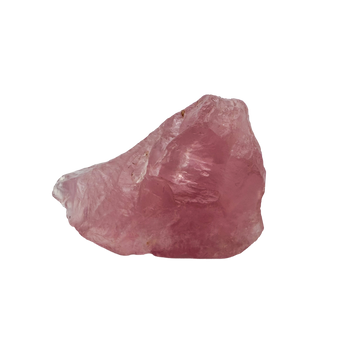
Raw Magnesite and Howlite. Porous and pale, it drinks up dye like a sponge, which is exactly why it is the dye trade's favorite blank canvas.
Why these two, over and over? They are cheap, abundant, soft enough to polish to a bright shine, and porous enough to take dye evenly. That same porosity is the weakness you can use: color soaks in unevenly, sits darker in the pits and seams, and fades first where the light hits hardest.
Natural Color vs Added Color, Stone by Stone
A quick reference for the stones that meet the dye pot most often. None of this means a stone is bad, only that its color deserves a question.
Agate
Banded chalcedony
Howlite
Calcium borosilicate
Magnesite
Magnesium carbonate
Quartz (crackle)
Fractured silica
Jasper
Opaque chalcedony
Simple Checks You Can Do at Home
None of these needs equipment beyond good light and a little patience.
Tilt the stone under a bright lamp or daylight. Hunt for color concentrated in cracks, around drill holes, and in low spots. Even, body-deep color is a good sign. Pooled color is not.
On an unset, undrilled stone, a tiny chip or the base often reveals a white or pale interior under a colored skin. Natural color usually runs deeper than a painted-on shell.
Dampen a cotton swab, water first, and rub a hidden spot. Color on the swab means dye. See the note below before reaching for acetone.
Set a suspect stone on a sunny sill for a few weeks beside one kept in the dark. Dye fades. Most natural color holds. The difference tells the story.
Acetone can pull dye from a porous stone onto a swab, but treat it with care. Many modern dyes are sealed and refuse to bleed, so a clean swab does not prove a stone is natural. Wear gloves, work in a hidden spot, and keep acetone away from porous or finished stones like Opal, Turquoise, and Amber, where it can do real harm.
Buying With Confidence
Dye itself is not the enemy. Hidden dye is. Trade rules in the United States already say a seller should disclose dyeing, because dyed stones can fade, can bleed, and are not worth what an untreated stone is worth.
So before you buy, ask one plain question: is this color natural, or was it added? A seller who knows their material will answer without flinching, and a price that looks too good for a vivid, flawless stone usually is. Whatever you keep a stone for, the geology, the color on a shelf, or a quiet daily intention, you deserve to know what you are actually holding.
Our standard is simple. We name the treatment, every time. If a stone has been heated, coated, or dyed, the listing says so, because trust is worth more than a brighter photo.
The stone most often dyed to imitate Turquoise, from origin to identification.
Read the guideThe in-hand tests that separate true Turquoise from dyed Howlite and Magnesite.
Compare themDye adds color. Heat changes a stone's own color. Here is the heat side of the story.
See the differenceWhy dyed and porous stones need gentler light, water, and handling than most.
Care for your stonesAgate in the earth tones and soft bands nature actually makes, honestly described.
Browse AgateMore plain-spoken guides to sourcing, treatment, and value before you buy.
Back to the LibraryDyed Crystals: Common Questions
How can I tell if a crystal is dyed?
Look for three things: color too vivid or uniform to be natural, pigment pooled in cracks and pores, and fading after time in the sun. Most dyed stones fail at least one of these tests.
Is dyed Howlite the same as Turquoise?
No. Howlite is a naturally white mineral with gray veins. Dyed blue, it imitates Turquoise, but chip a hidden edge and it is white inside, while real Turquoise is colored all the way through and is harder and waxier.
Do dyed crystals fade?
Yes. Dyes break down under sunlight much faster than natural color. A stone that has gone pale or patchy where the light reached it was very likely dyed.
Does the acetone or cotton rub test really work?
It can. Dye often transfers from a porous stone onto a damp swab. But many modern dyes are sealed and will not bleed, so a clean swab does not prove a stone is natural. Use gloves and a hidden spot, and keep acetone off porous stones like Opal, Turquoise, and Amber.
Is dyeing a crystal a scam?
Not by itself. Dyed Agate is a legitimate product when it is sold as dyed. The problem is undisclosed dye, where a treated stone is priced and described as if its color were natural. United States trade rules call for dyeing to be disclosed.
Which crystals are dyed most often?
Soft, porous, pale stones that drink up color: Agate, Howlite, Magnesite, some Quartz, and Jasper. The same porosity that makes them easy to polish makes them easy to dye.
Are bright blue or pink Agates natural?
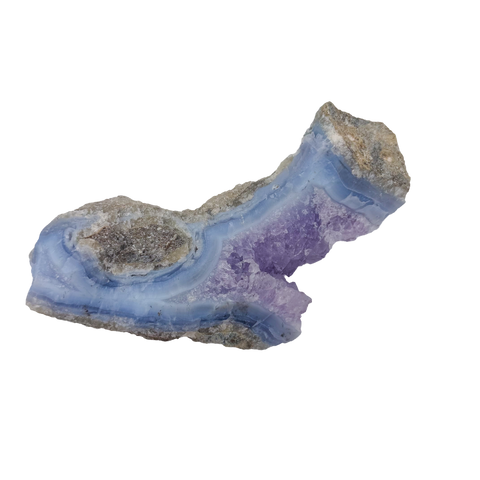
Almost never. Natural Agate runs to gray, white, brown, dull red, and pale blue. Electric blue, hot pink, and candy purple Agate slices have been dyed.
Is dyed the same as heat-treated?
No. Dye forces pigment into a stone from the outside. Heat deepens a stone's own color without adding anything, the way Carnelian and most Citrine are made. They are different treatments with different tells.