








Crystal Trade Names, Decoded
Some names describe real geology. Some describe a treatment. Some are just a sticker.
Lemurian, Super Seven, Auralite-23, "green amethyst." The crystal world runs on invented names, and not all of them mean the same thing. This guide sorts the geology from the marketing so you know what you are actually holding.

A trade name is a marketing label, not a mineral. Some sit on genuine quartz varieties like Lemurian or Auralite-23. Others rename a treatment, such as "green amethyst" for heated quartz, or describe glass, like cherry quartz. The stone can be real even when the story is invented.
A Trade Name Is Not a Mineral Name
Mineral names are earned. Quartz, beryl, and feldspar are defined by a specific chemistry and crystal structure, and a body of scientists has to agree before a name becomes official. A trade name has no such bar. It is a label a seller, a writer, or a region puts on a stone to describe it, group it, or sell it.
That is not automatically dishonest. A good trade name can point to a genuine, distinctive variety that a plain mineral name would miss. The trouble starts when the label quietly stands in for three very different things: a real natural variety, a stone that has been treated, or a piece of manufactured glass. Telling those apart is the whole skill.
Every trade name you meet falls into one of three groups. Real variety: a genuine natural stone with a marketing name on top. Renamed treatment: a real mineral that was heated, irradiated, or coated, sold under a name that hides the step. Not even stone: glass or another man-made material wearing a crystal-sounding name.
Lemurian Quartz: A Real Texture and a Modern Legend
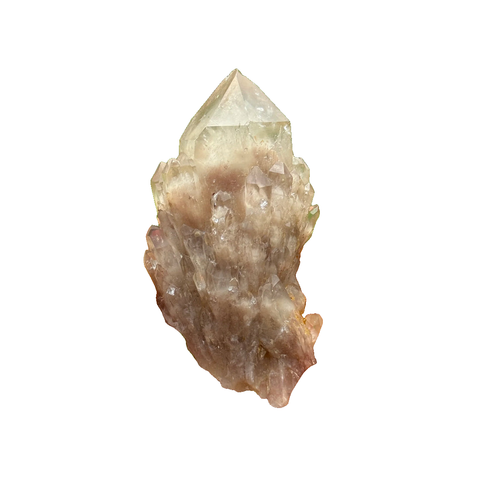
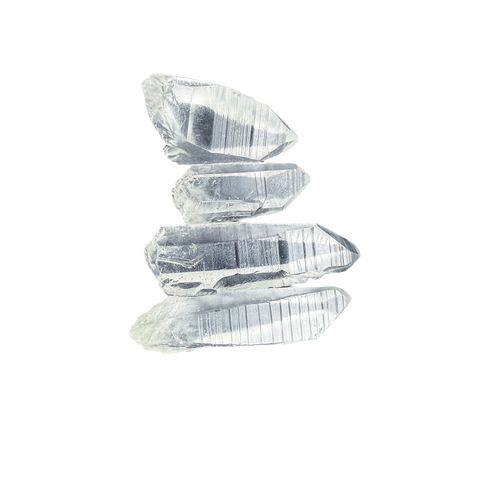
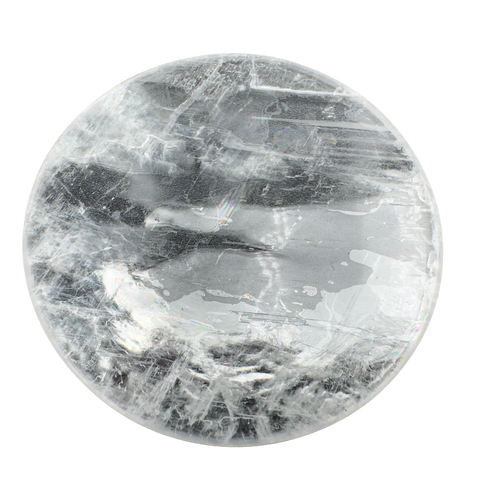
"Lemurian" is the trade name for clear quartz points that carry horizontal striations, the fine ladder-like bars you can feel running across one or more faces. Those bars are real. They are growth lines that record the crystal building itself layer by layer, often where two faces met or where temperature and pressure shifted during formation. You will find similar striations on quartz from many places, which is why geologists do not treat "Lemurian" as a distinct species.
The name and its mythology are recent. Crystal writers coined the Lemurian story in the late 1990s, tying the stones to Lemuria, a hypothetical lost continent proposed in the 19th century and later set aside once plate tectonics explained the geology it was invented to solve. Much of the early material came from the Serra do Cabral in Brazil, found loose in sandy beds rather than locked in bedrock.

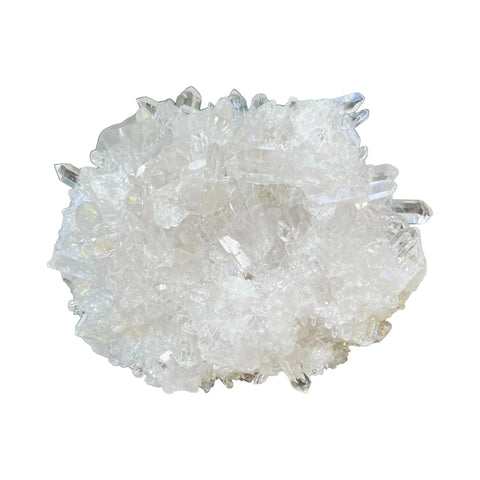
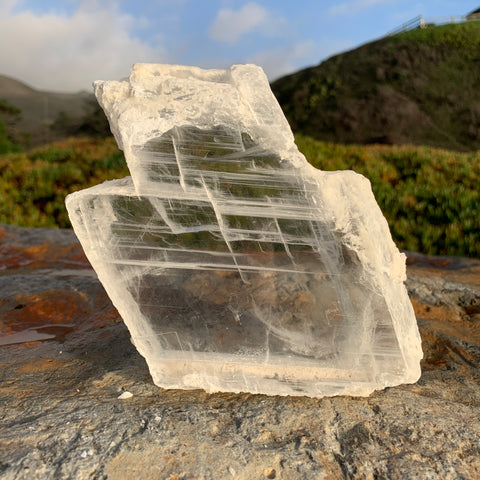
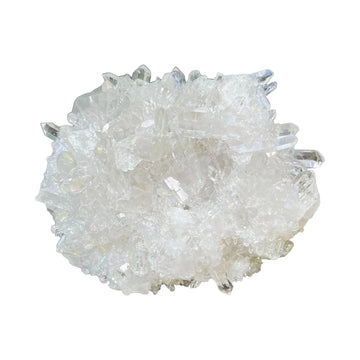
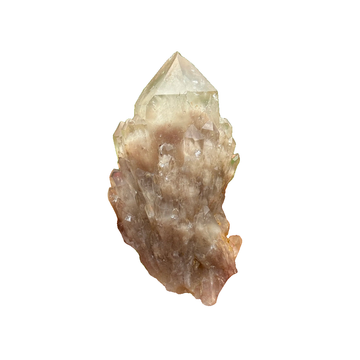
Clear quartz points. The horizontal striations sold as "Lemurian" are genuine growth lines, not a separate mineral.
"The striations are real geology. The lost continent is folklore. Both can be true at once."
Super Seven and Auralite-23

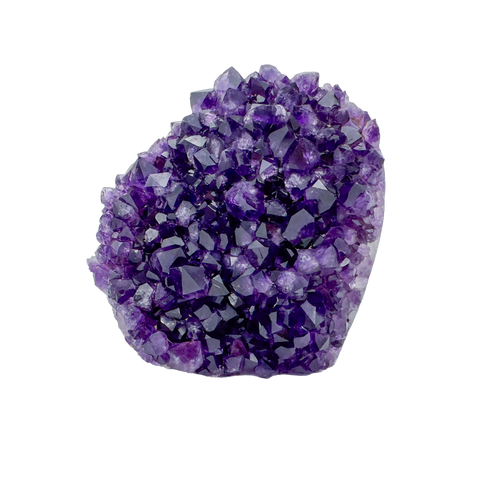
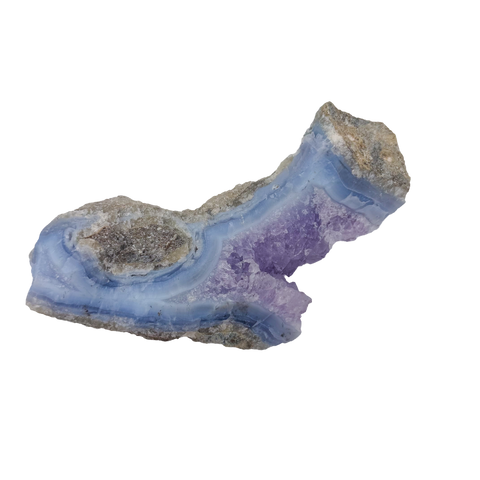
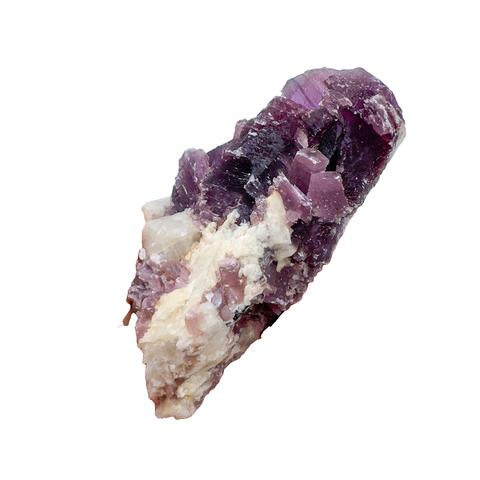
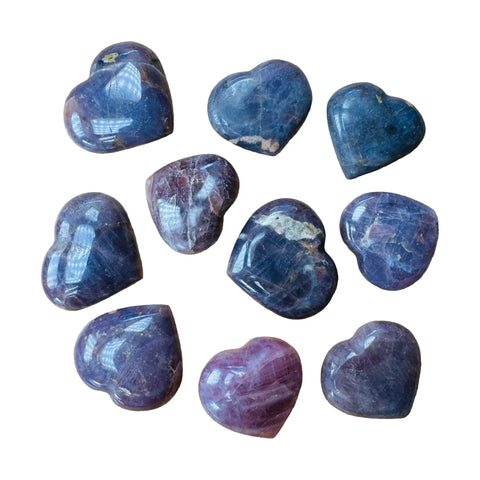
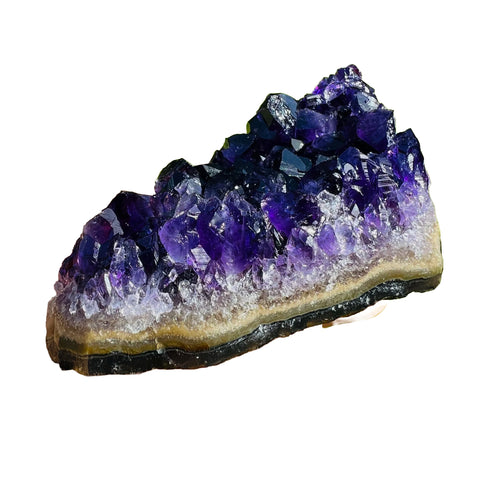
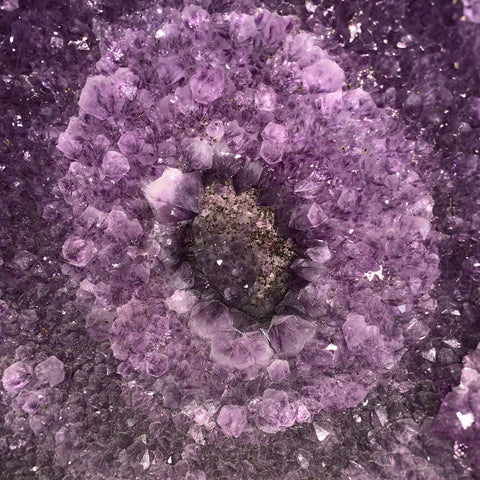
Chevron amethyst. Included amethyst like this sits underneath both the Super Seven and Auralite-23 names.
Super Seven, also called Melody Stone or Sacred Seven, is amethyst-dominant quartz carrying a mix of mineral inclusions. The classic claim is that it holds seven minerals at once, usually listed as quartz, amethyst, smoky quartz, goethite, rutile, lepidocrocite, and cacoxenite. The name traces to material from Espirito Santo, Brazil. The geology is genuine, but the famous seven-mineral list is debated: mineral databases note that cacoxenite is not expected inside amethyst, and several inclusions once called cacoxenite are now read as goethite. The stone is real. The exact inventory is looser than the name suggests.
Auralite-23 tells a similar story from a different mine. It is included chevron amethyst found near Thunder Bay, on Lake Superior in Ontario, Canada, and brought to market around 2007. The "23" comes from mine owners and a project geologist who reported 23 minerals within it. Genuine Auralite is a real and striking stone, but the name became popular enough that heated or coated amethyst now circulates under it, so origin is the thing to confirm.
What the Common Names Really Mean
A quick reference for the trade names you will meet most often, sorted by what is actually in the box and what to ask before you buy.
Lemurian
Real variety, marketing name
Super Seven / Melody Stone
Real variety, marketing name
Auralite-23
Real variety, marketing name
"Green Amethyst"
A treatment, renamed
Cherry Quartz
Glass, not crystal
Goldstone
Glass, not crystal
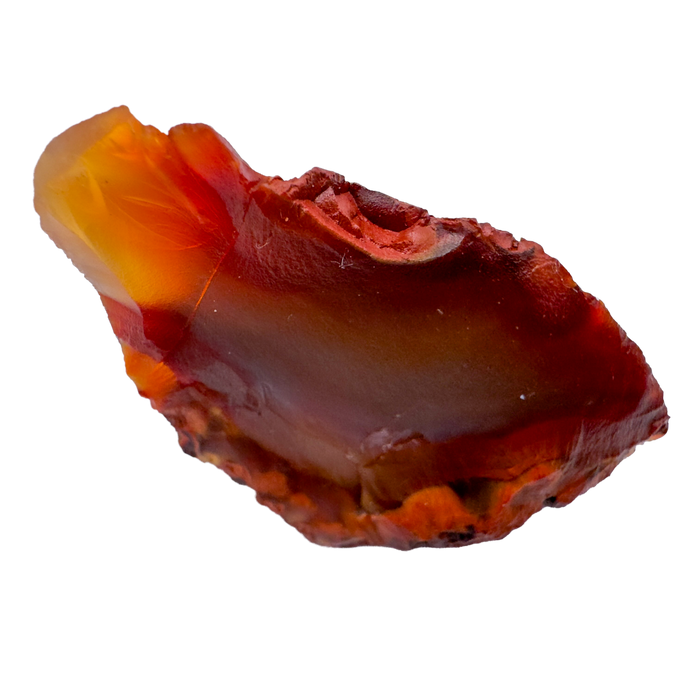
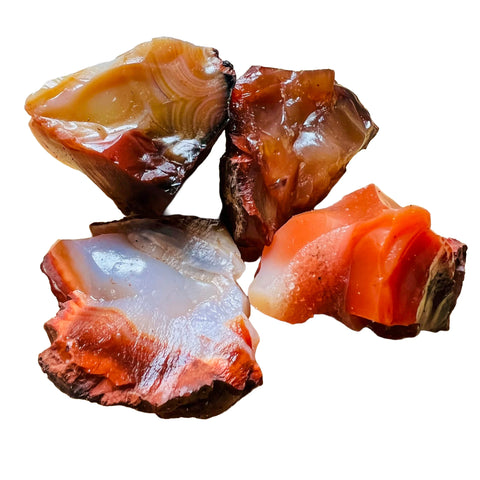
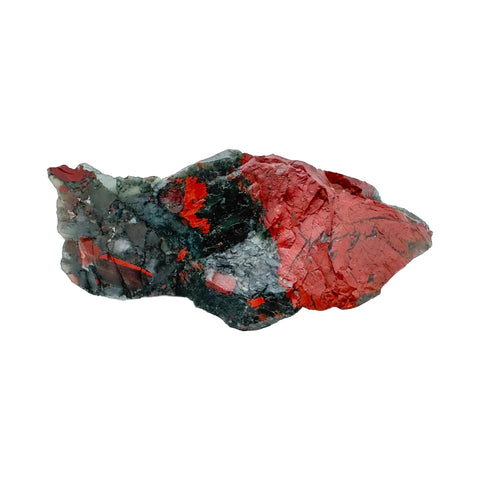
Dragon's Blood Jasper
Real variety, marketing name
When the Name Renames the Lab

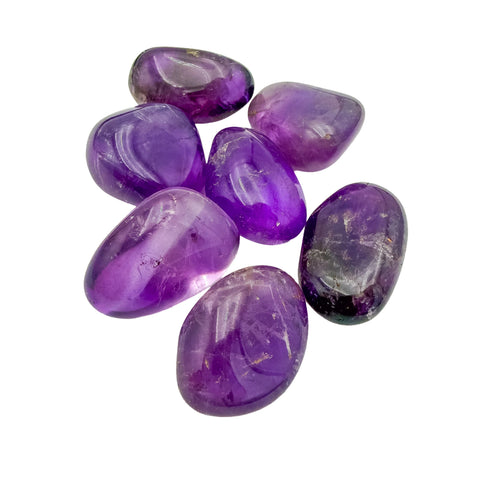
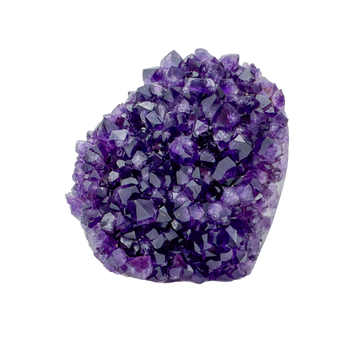
Amethyst. Most "green amethyst," or prasiolite, is amethyst or yellow quartz that has been heated.
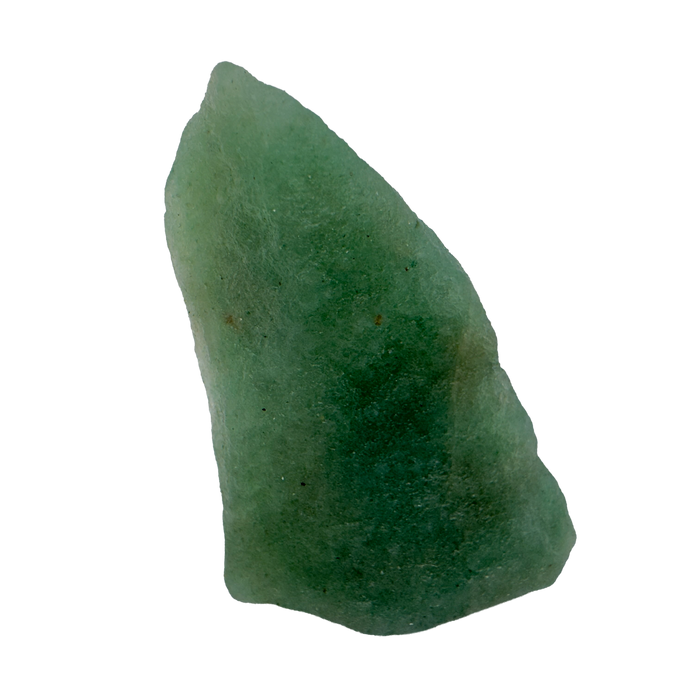
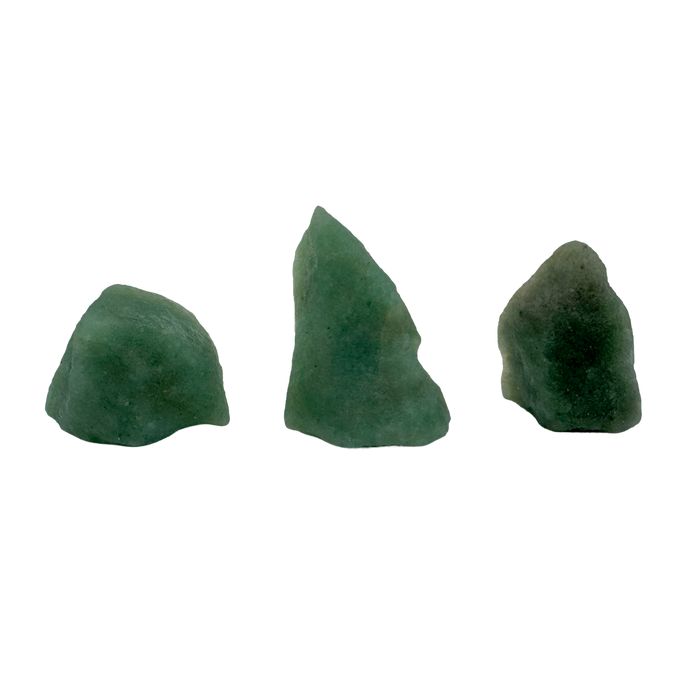
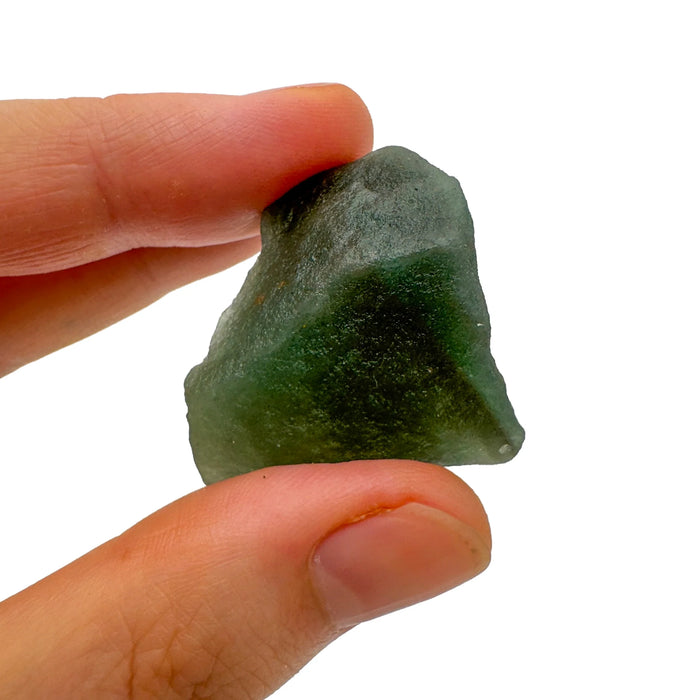
The trickiest trade names are the ones that sound like a natural variety but actually describe a treated stone. "Green amethyst" is the clearest example. Amethyst is purple by definition, so the term is a misnomer that even trade guidelines reject. The green stone is prasiolite, and nearly all of it on the market is amethyst or yellow quartz that has been heated or irradiated. Natural prasiolite exists but is rare enough that you should assume treatment unless a seller says otherwise.
None of that makes the stone bad. Heated and irradiated quartz can be beautiful and stable. The problem is only the silence. A name that swaps in a treatment denies you the one thing you needed to judge value and care: what was done to the stone.
when the Lemurian name and story were coined
when Auralite-23 was first brought to market in Ontario
heat that turns most amethyst into "green amethyst"
Dates and treatment temperatures verified against geology and gemology references, June 2026.
Telling Pretty Glass From Stone
Cherry quartz, goldstone, and opalite are all glass. That is fine when a seller says so, and a problem when they do not. You do not need a lab to catch most of it. A few habits sort the majority of cases.
Trapped round air bubbles inside a clear or colored piece are a glass signature. Natural quartz traps minerals and fractures, not perfect spheres of air.
Flawless, even color with no zoning or variation often means dye or molten glass. Real stones usually show some unevenness up close.
Glass warms to your hand quickly. Quartz and most stone feel cool and take longer to warm. It is a rough test, but a fast one.
Goldstone's uniform, high-shine glitter is manufactured copper in glass. No natural mineral produces that machine-even twinkle.
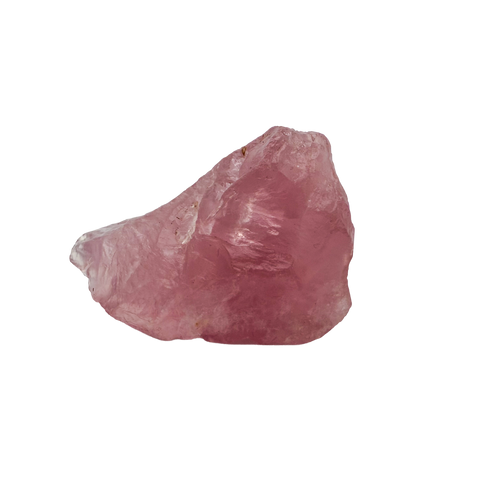
A "rare" stone sold in bulk for a few dollars is usually telling you what it is. Genuine strawberry quartz, for one, costs more than rose quartz.
A seller who can name the mineral and the treatment behind a trade name is the one to trust. Vagueness is the real warning.
Plain Names, Stated Treatments
We are not against trade names. A vivid name can help you find a stone you would love. What we will not do is let a name stand in for the facts. Where a piece is a known variety, we say the mineral. Where it has been treated, we say so. Where origin is part of the value, we name the source. The label is allowed to be charming. It is not allowed to be the only thing you know.
The species behind Lemurian and dozens of other quartz trade names.
Read the guideThe purple quartz under Super Seven, Auralite-23, and "green amethyst."
Read the guideA close look at one of the most common renamed treatments in the trade.
See the differenceQuartz pieces named for what they are, with origin and treatment stated.
Browse the collectionPlain-spoken guides to sourcing, treatment, value, and care.
Back to the LibraryTrade Names, Answered
Is Lemurian quartz real?
The stone is real clear quartz, and the horizontal striations sold as "Lemurian" are genuine growth lines. The lost-continent story attached to the name is modern folklore from the late 1990s, not geology. So the crystal is real, the texture is real, and the legend is a marketing layer on top.
Is Super Seven a single mineral?
No. It is amethyst-dominant quartz carrying several included minerals, from Espirito Santo in Brazil. The classic "seven minerals" list is debated, and some inclusions once called cacoxenite are now thought to be goethite. Treat the number as a name, not a guaranteed inventory.
Is Auralite-23 a scam?
Genuine Auralite-23 is a real, striking included amethyst from near Thunder Bay, Ontario, Canada. The name is a trade name, and because it sells well, heated or coated amethyst is sometimes passed off as Auralite. The stone is legitimate. The thing to confirm is the Canadian origin.
Is "green amethyst" a real thing?
Not as named. Amethyst is purple by definition, so "green amethyst" is a misnomer that trade guidelines reject. The green stone is prasiolite, and nearly all of it sold is quartz that has been heated or irradiated. Natural prasiolite exists but is rare.
Is cherry quartz real quartz?
Usually not. Most "cherry quartz" is man-made glass, often produced in China. Genuine strawberry quartz, which is quartz with natural iron-oxide inclusions, is rarer and costs more. Bubbles and a perfectly uniform red color are the clearest signs you are looking at glass.
What is the difference between a trade name and a mineral name?
A mineral name like quartz or beryl is defined by chemistry and crystal structure and recognized by scientists. A trade name is a marketing label with no such standard. It may describe a real variety, a treatment, or even glass, which is why the same kind of name can mean very different things.
How can I tell glass from a real crystal?
Look for trapped round air bubbles, perfectly even color, swirl lines from molten glass, and a piece that warms quickly in your hand. Natural stone usually feels cool at first and shows some variation, zoning, or natural inclusions rather than flawless uniformity.
Does a trade name mean the stone is fake?
Not on its own. Plenty of trade names sit on genuine, beautiful material, like Auralite-23 or Dragon's Blood Jasper. A trade name is only a problem when it hides something it should disclose: a treatment, a piece of glass, or an invented origin. Ask for the plain mineral name and you will usually learn which kind you have.