





Where Was This Actually Mined?
How to read an origin claim, and when to quietly distrust it.
Most crystals reach you with a country printed on the label and very little behind it. Here is how origin really gets known, why it so often goes missing, and the handful of stones whose name is proof enough.

You usually cannot tell where a crystal was mined by looking at it. Origin comes from the seller's word, which is only as good as the supply chain behind it. Trust grows with direct sourcing, named suppliers, lab origin reports for fine gems, and single-source stones whose identity fixes their region.
You Cannot Read a Mine Off a Stone
A finished crystal carries almost no proof of where it came from. The same species is pulled from the ground in many countries, and once a piece is cleaned, tumbled, or carved, the small clues a geologist might use are mostly gone.
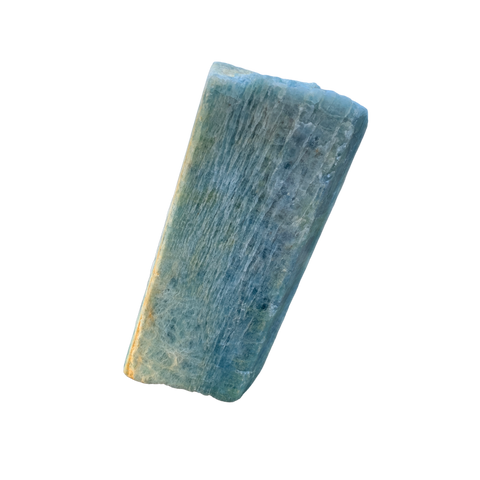
Blue Kyanite is a good example. It is mined in Brazil, Zimbabwe, Nepal, and beyond, and a raw blade from one source rarely looks different from another. What you are really trusting is the label, and a label is only as honest as the chain of hands that wrote it.

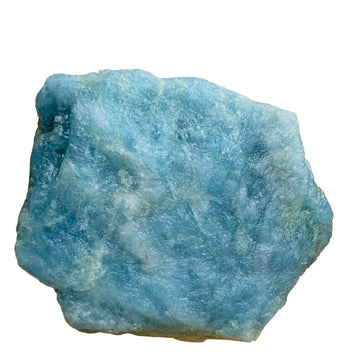
Blue Kyanite from Brazil.

Blue Kyanite from Zimbabwe. Same stone, different country, almost no visible difference.
The Journey That Erases the Trail
Crystals are rarely the main event at a mine. Many are by-products of digging for gold, copper, or gemstones, and a large share come from small artisanal operations rather than mapped industrial sites. From there a stone changes hands several times, and the paperwork thins with every handoff.
The people closest to the source rarely keep written records of which pit a given stone came from.
Rough is bought by weight and pooled with material from other diggers, which blends several sources into one lot.
Lots are graded and shipped by the ton. The paperwork covers customs and weight, not the specific mine.
Stones are divided into smaller batches and resold. Many traders treat their sources as trade secrets and will not share them.
At touring gem shows the stone is bought on sight. By the time it reaches a shelf, the original mine is often a memory.
Want to see what a single origin really looks like, with its own people and conditions? Read our guide to Madagascar crystal sourcing, where we trace one country in detail rather than the whole chain.
What a Real Origin Claim Has to Answer
A country name on its own is the start of a claim, not the proof of one. The sourcing we trust most answers three plain questions, and it answers them the same way across a whole shop rather than for one hero piece.
A specific region or mine, not just a continent, and the same answer every time you ask.
Who dug it and how. Labor and environment are part of origin, not a separate topic.
The path from ground to shelf, including the suppliers in between.
Ethically sourced is not the same as origin verified. There is no legal definition or governing body for the phrase, so it can sit on a product with nothing behind it. The test is whether a seller backs it up consistently, the way we set out in our piece on spotting fake ethical claims.
How Origin Gets Proven When It Truly Matters
There are real ways to pin down where a stone formed. They cost time and money, so they are reserved for high-value gems rather than a tray of tumbles. Knowing they exist helps you tell a careful claim from a hopeful one.
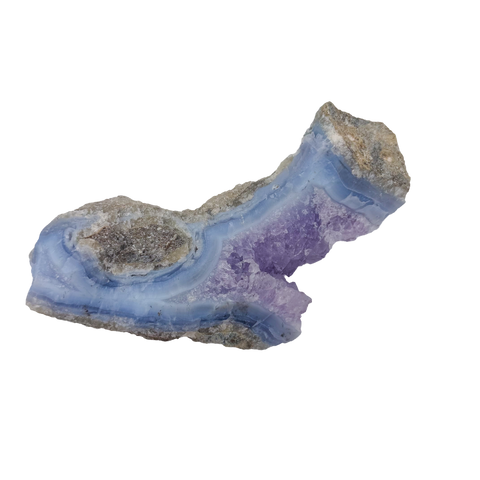
Reading the stone. A raw piece still on its host rock holds clues a polished one does not. The matrix it grew on and the minerals beside it form a kind of fingerprint. Gem labs such as Gübelin and SSEF have issued origin opinions since the 1950s, using inclusions, trace-element chemistry, and spectroscopy to separate, say, a Kashmir sapphire from a Sri Lankan one, or a Colombian emerald from a Zambian one.
Tracking from the source. The other path is to record the journey as it happens. The first colored gemstone was logged on a mine-to-market blockchain in 2019, and some emeralds are now tagged at the mine with nanoparticles that survive cutting. Both fix origin because custody was followed from the start, not guessed at the end.

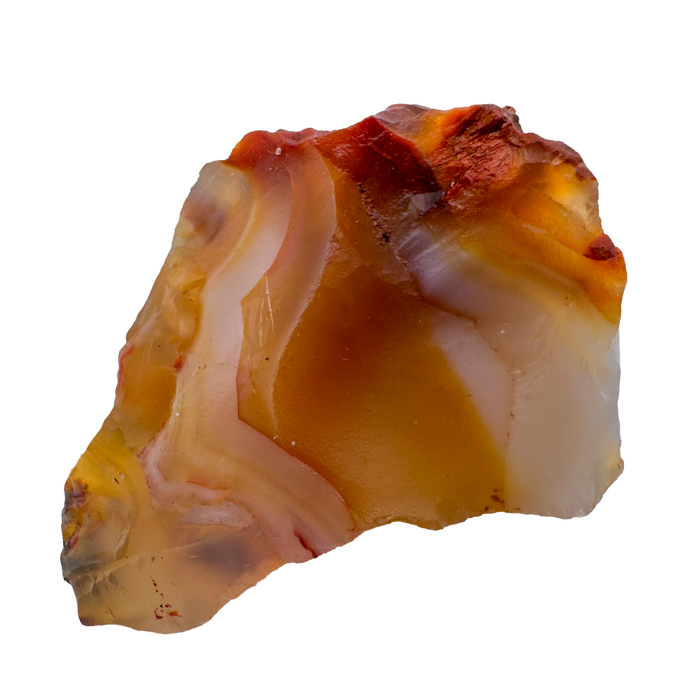
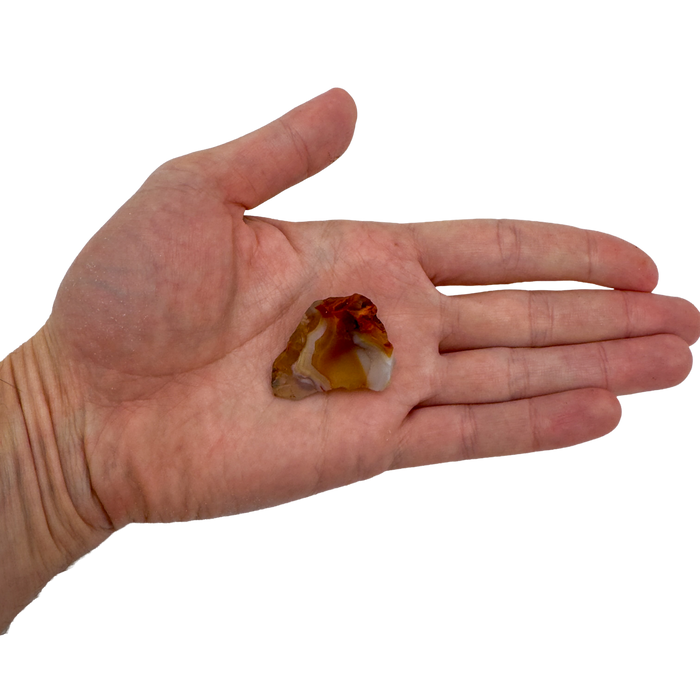
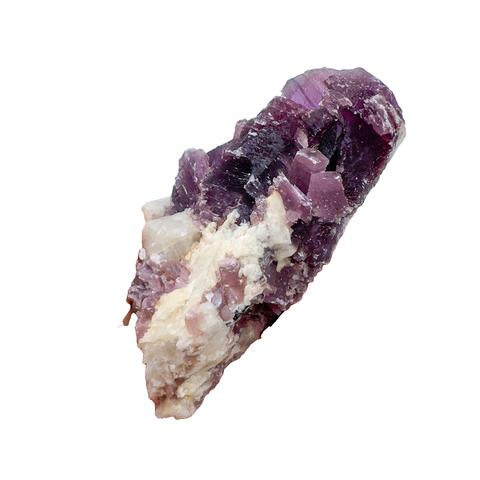
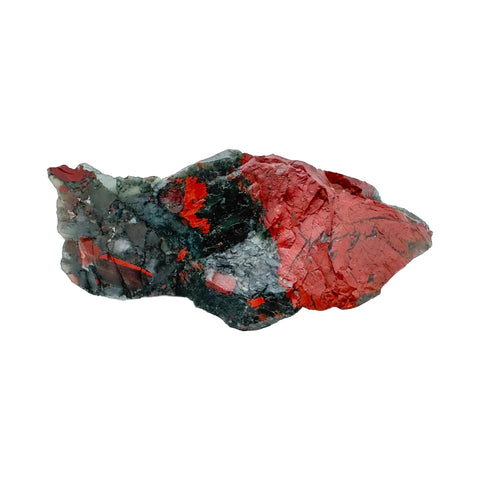
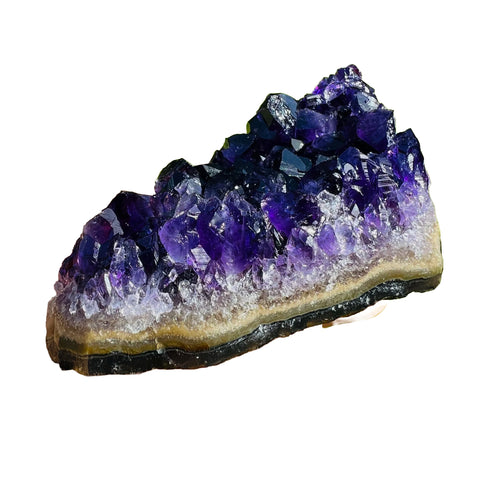
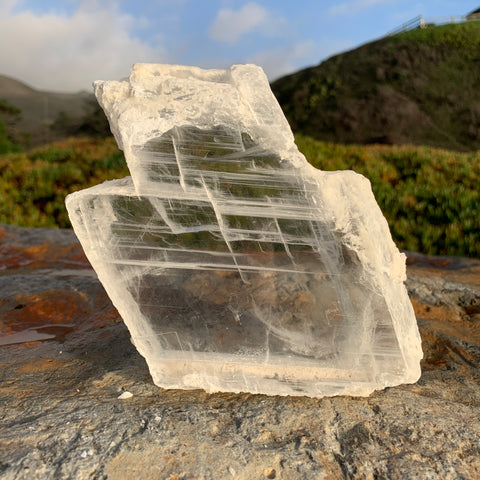
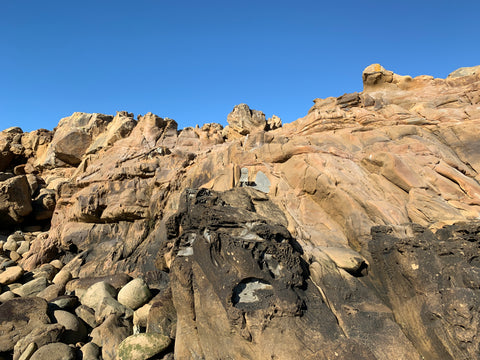
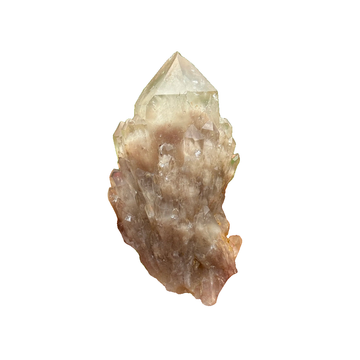
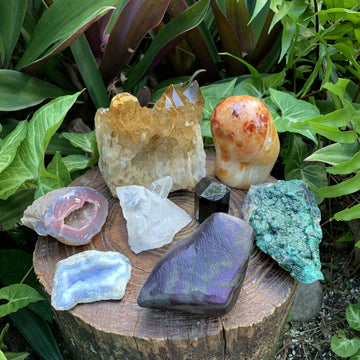
A specimen left on its host rock. The matrix and the minerals beside it are part of what a lab reads to place where a stone formed.
"The honest version of an origin claim is a chain of custody, not a country printed after the fact."
The Stones Whose Name Is Their Origin
A small group of stones solves the origin problem by forming in only one place. If the piece is genuinely what it claims to be, its identity tells you the region. For these stones, correct identification is the whole game, since most fakes are cheaper look-alikes wearing the name.
Larimar
Dominican Republic, single source
Tanzanite
Tanzania, single source
Charoite
Siberia, single source
Moldavite
Czech Republic, impact glass

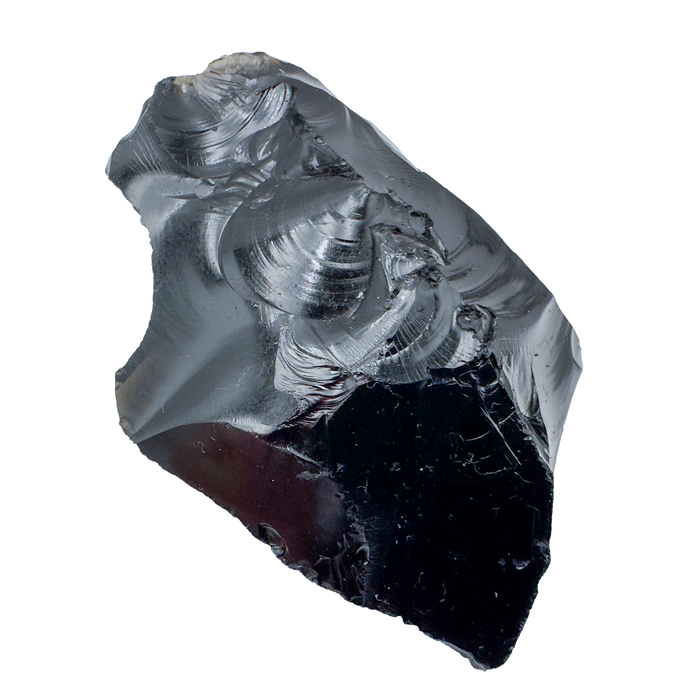
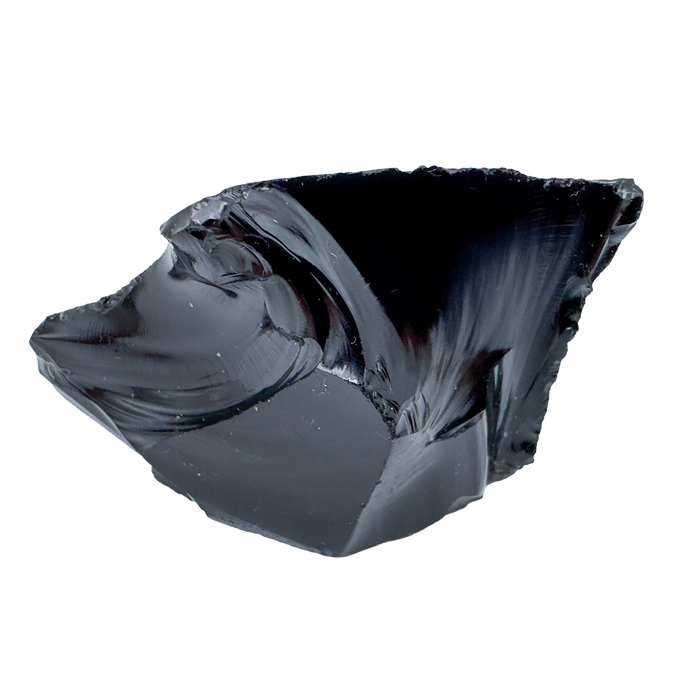
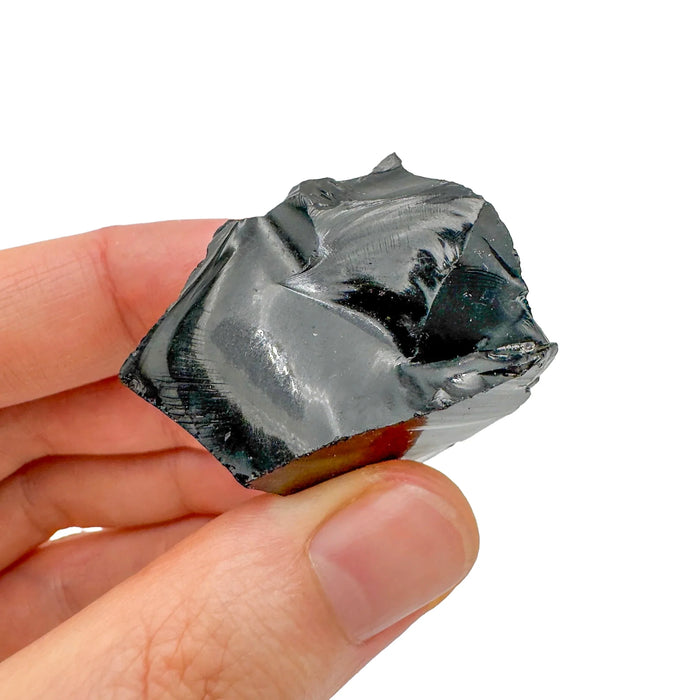
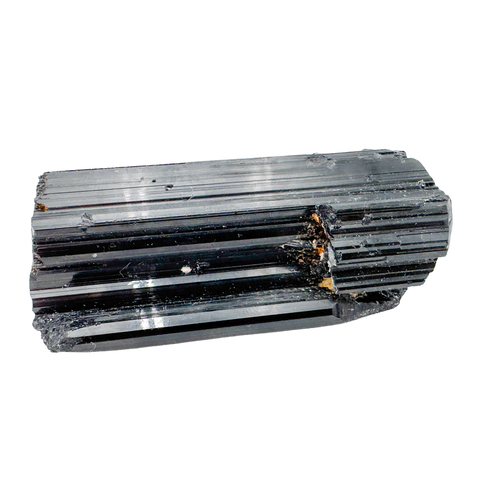
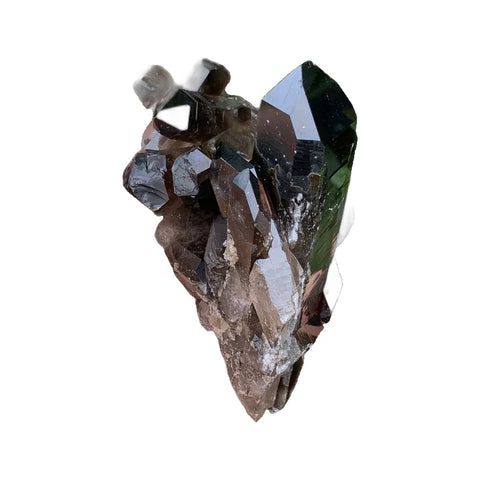
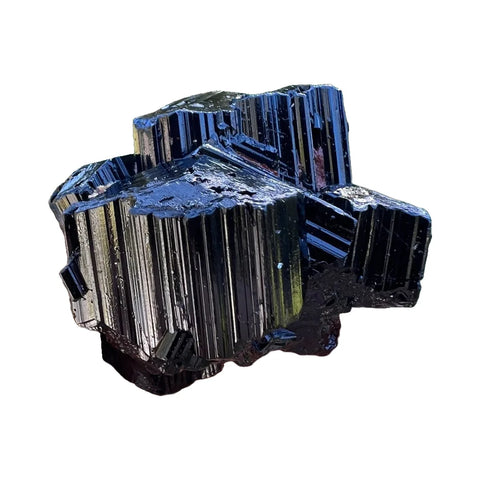
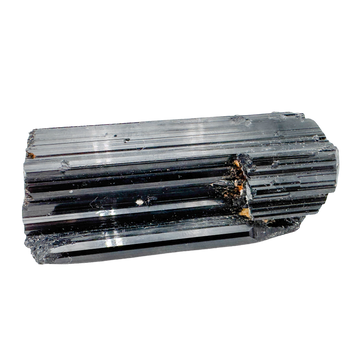
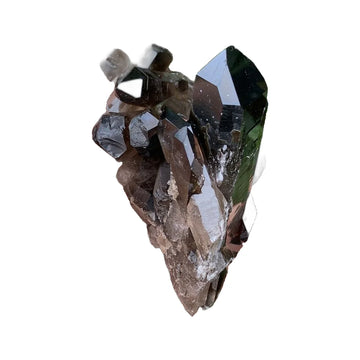
Black Kyanite from Minas Gerais, Brazil. We can name that region because we buy it directly, not because the stone announces it.
Compare that short list with a stone like Kyanite. It comes from Brazil, Zimbabwe, Nepal, and more, so the species name settles nothing about where your piece was mined. Naming its region only works when a seller actually knows the supplier.
For everything outside the single-source exceptions, origin still rests on the seller's word and the chain behind it. That is why we publish where our stones come from and keep the answer consistent across the shop. You can read more in our Larimar crystal guide.
Read These Next
The clearest example of a single-source stone, where the name fixes the region.
Read the guideWhat one country of origin really looks like, people and conditions included.
See one originThe warning signs that a sourcing claim has nothing behind it.
Learn the signsThe non-negotiables we hold every supplier and stone to.
See the standardsBrowse raw pieces, where matrix and habit still carry their clues.
Browse rawReturn to our full hub of crystal sourcing, geology, and buying guides.
Back to the LibraryOrigin Claims, Answered
How can I tell where my crystal was actually mined?
In most cases you cannot tell from the stone alone. Origin comes from the seller's word, which is only as reliable as the chain of suppliers behind it. Raw pieces on matrix hold more clues than tumbled stones, but a specific, consistent country backed by a clear sourcing story is the best signal most buyers get.
Do crystal sellers actually know where their crystals come from?
Some do, many do not. Crystals usually pass through several hands, from miner to local buyer to exporter to importer to show trader, before reaching a shop, and each handoff can blur the origin. Sellers who buy directly or work with named suppliers can answer. Shops buying from anonymous wholesalers often cannot, even with a country on the label.
Does "ethically sourced" mean the origin is verified?
Not on its own. There is no legal definition or governing body for ethically sourced crystals, so the phrase can sit on a product with nothing behind it. Ethics is about conditions, and origin is about place. A claim worth trusting answers both and stays consistent across the seller's whole catalog.
Can a certificate of authenticity prove where a crystal is from?
No. Anyone can print a certificate, and most say nothing verifiable about a mine. Real origin evidence comes from a recognized gem lab's origin report or a tracked chain of custody, and both exist mainly for high-value faceted gems rather than bulk crystals.
Why do two shops list the same stone from different countries?
Because the same species often comes from several countries, and labels get attached at different points in the chain. Blue Kyanite, for instance, is mined in Brazil, Zimbabwe, Nepal, and more. One shop may know its exact source while another repeats whatever its wholesaler said.
Which crystals can I trust the origin of just from the name?
A small group of single-source stones. Larimar comes only from one area of the Dominican Republic, tanzanite from one small zone in Tanzania, and charoite only from Siberia. If the stone is genuinely what it claims to be, its identity tells you the region.
Is "straight from the mine" a real claim or just marketing?
It can be either. A small seller who travels to a mine or buys from a named cooperative may mean it literally. A large catalog spanning dozens of countries that all say "mine direct" is usually repeating a sales line. Ask who the supplier is and whether the answer stays the same each time.
How do experts prove a gemstone's origin?
Labs read the stone's internal fingerprint, including its inclusions, trace-element chemistry, and the matrix it grew within. Gem labs have issued origin opinions since the 1950s for stones like ruby and sapphire. For provenance going forward, some material is now logged with a chain of custody from the mine itself.