









Green Aventurine: The 2026 Luck Stone, Explained

Green aventurine is having a moment. Scroll any crystal feed this year and it turns up again and again, named the luck stone of 2026 and tied to the energy of the Year of the Fire Horse. The pull is easy to understand. It’s green, it sparkles, and the story attached to it is all about opportunity.
Here’s the part most of those posts skip. The thing that makes green aventurine special, that soft internal shimmer, is also the thing that tells you whether you’re holding the real stone or a dyed stand-in. So before you buy into the trend, it helps to know what you’re actually looking at.
What green aventurine actually is
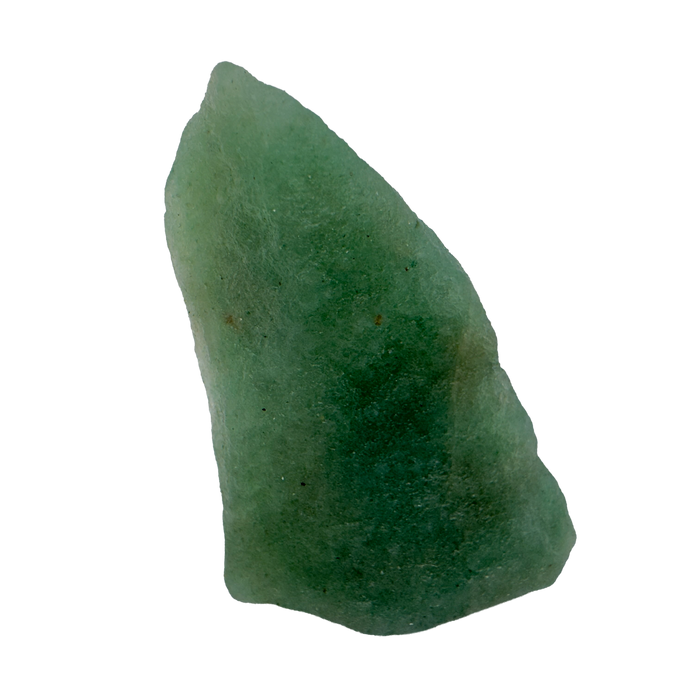
Green aventurine is a form of quartzite, which means it’s quartz that grew as a dense mass rather than as single pointed crystals. On its own, quartz is clear. What turns this one green and gives it that glitter is what’s trapped inside.
The classic inclusion is fuchsite, a chromium-rich variety of mica. Those tiny platy flakes scatter light as you turn the stone, creating a sheen geologists call aventurescence. It’s the effect that gives the stone its name. Think of the flakes as thousands of tiny mirrors set in glass.
A few tangible facts worth keeping in your pocket:
- Hardness: around 6.5 on the Mohs scale, just under clear quartz. Durable enough for everyday handling.
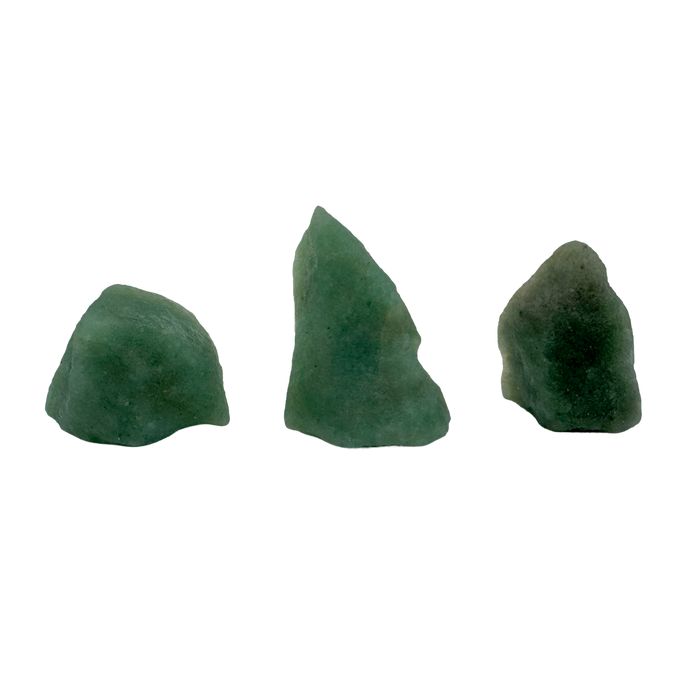
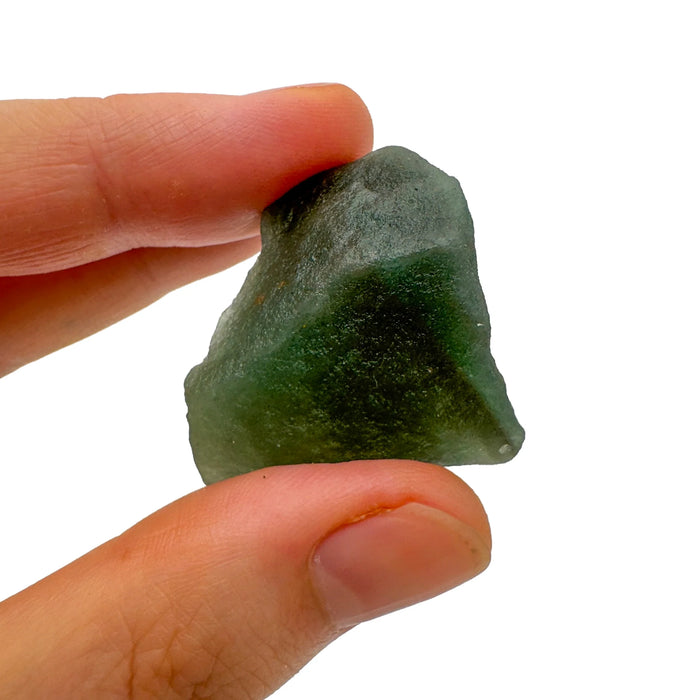
- Look: translucent to opaque, medium to deep green, with a soft sheen rather than a mirror polish.
- Main sources: India leads, especially the region around Mysore. Brazil, Russia, and Tanzania produce it too. The pieces we carry are AA grade from Brazil.
The name is a clue about the fakes
Here’s a fact that does double duty. The word aventurine comes from the Italian a ventura, meaning “by chance.” In the 18th century, Venetian glassmakers on Murano accidentally dropped copper filings into molten glass and produced a sparkling material they called avventurina. The natural mineral was named later, because it looked like the lucky glass accident.
That history matters at the checkout. The original aventurine was man-made glass, and glass imitations are still sold as the real thing today. Knowing the stone was named after a piece of glittering glass is a useful reminder to check what you’re buying.
Why it’s trending in 2026
The surge isn’t random. 2026 is a year a lot of people are framing around fresh starts and bold moves, and green aventurine sits right in that lane. It’s traditionally called the stone of luck and opportunity, associated with the heart chakra, and it shows up on nearly every 2026 list of stones to keep close for the year ahead.
Trends are good for discovery. They’re also when the most loosely labeled material floods in. A stone that sells fast on a feeling is a stone worth slowing down to inspect.
Real green aventurine vs the stand-ins
Most of what gets passed off as green aventurine falls into two buckets: dyed quartz or pale stone, and green glass (sometimes sold as goldstone). Here’s how the three compare.
| What to check | Natural green aventurine | Dyed quartz or pale stone | Green glass (“goldstone”) |
|---|---|---|---|
| Sparkle | Soft, scattered shimmer from many tiny mica flakes inside the stone | Little to none, since dye adds color but not flakes | Bright, uniform glitter from copper specks that all catch light at once |
| Color | Uneven, medium to deep green, with lighter and darker zones | Often too even or oddly vivid, with dye pooled in cracks | Very even, sometimes a candy-bright green |
| Bubbles | None | None | Tiny round bubbles, often visible with a loupe |
| Feel & hardness | Cool to the touch, about 6.5 Mohs | Cool, about 7 Mohs if it’s real quartz under the dye | Warms up fast in the hand, softer, chips with a glassy edge |
3 things to check before you buy
- Look at the sparkle. Real aventurescence is a soft, scattered shimmer that moves as you tilt the stone. Glass throws a harder, more uniform flash from copper specks.
- Hunt for bubbles. Hold it to the light and look for tiny round bubbles or a too-perfect even color. Both point to glass. Natural stone has uneven color and stays cool against your skin.
- Ask about treatment. Pale quartzite is sometimes dyed to a richer green. A seller who can tell you the origin and whether a piece is natural or enhanced is giving you the one thing a trend can’t: a clear answer about what you’re holding.
That’s where sourcing comes in. We ask where a stone comes from and how it was worked before we buy it, and we pass that on to you. You can read how that works on our sourcing page.
What people reach for it for
Once the tangibles check out, the rest is personal. Green aventurine is traditionally associated with luck, opportunity, and a settled, open heart. Many people keep a piece on a work desk, carry one while making a decision, or hold it during quiet moments of intention. None of that is medicine, and we won’t tell you a stone fixes anything. It’s a practice, and the practice is yours.
If the 2026 buzz is what brought you here, let the rock itself be the reason you stay. Take a look at our green aventurine, in both raw and tumbled forms, and pick the piece you actually want to reach for.