

















How to Start a Crystal Collection Without Overspending

Ask around about starting a crystal collection and the advice tends to sound the same. Buy the set of ten. Get one of every color. Fill a shelf. It feels like the fastest way in. It’s also the fastest way to end up with a drawer of stones you can’t name and aren’t sure are real.
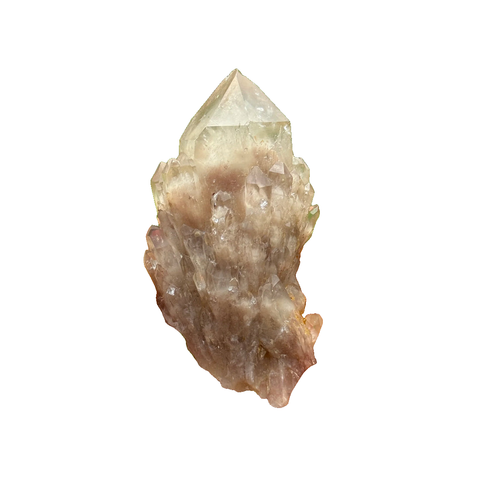
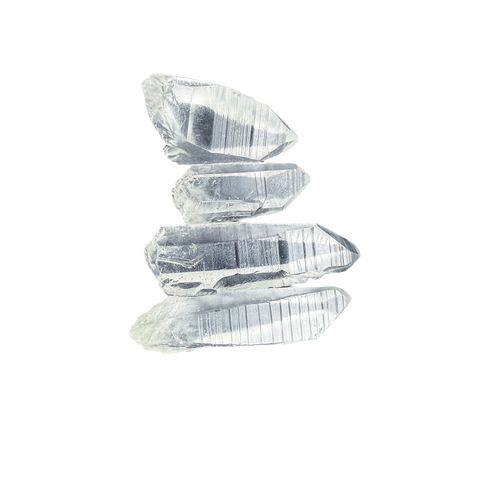
You don’t need a big budget or a ten-stone kit to start. Begin with one or two real, well-sourced pieces you’re actually drawn to. Raw clear quartz points start around $1.00. Before you buy, ask two questions: what is it, and where’s it from?
Here’s the quieter truth our own numbers tell. People aren’t buying big to begin. They’re buying one real thing, then coming back for the next.
So if you’re standing at the start of this, you have permission to keep it small. A collection isn’t a haul. It’s a conversation you have with yourself over time, and it only takes one piece to begin.
Start with one, not ten
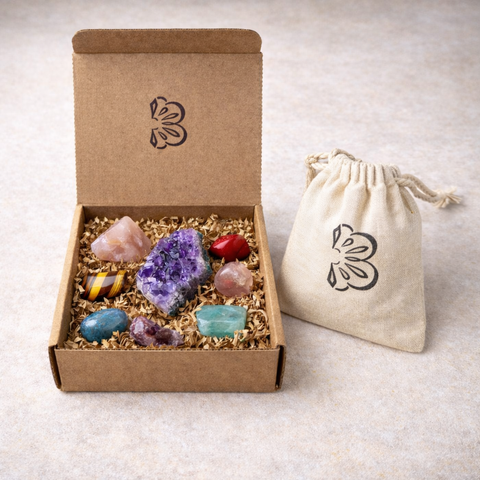
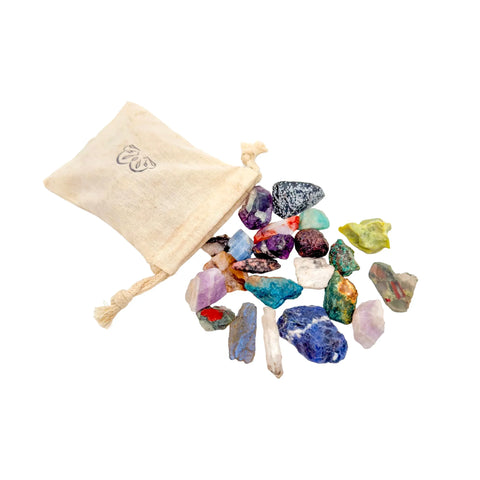
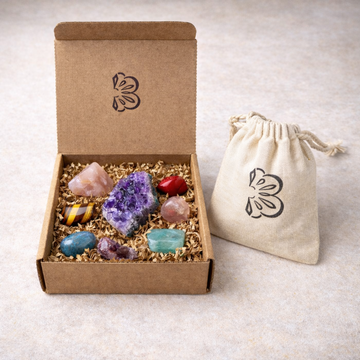
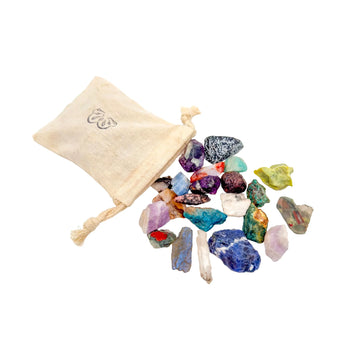
The boxed “beginner set” is the most common on-ramp, and it’s the one we’d steer you away from. A $30 to $40 starter kit has to hit that price somehow, and the way it usually gets there is with dyed, reconstituted, or loosely-labeled filler stones or trinkets sitting next to a couple of real ones. Almost all of beginner crystals sets we've seen on the market contained one or more treated, unnatural, or questionably sourced crystals. You get 7-10 things and reliable information about almost none of them.
One real piece you can trace is worth more than ten you can’t. It costs less, too. Start with a single stone, learn it, and let the shelf fill itself over months instead of in one checkout. If you want the longer version of why a low price can hide more than it saves, we wrote about that in what a cheap bulk price often hides.
Buy real over buy many
“Real” isn’t complicated. It comes down to two questions, and any honest seller can answer both: what is this stone, and where did it come from? A specific answer (“clear quartz, raw, from Minas Gerais in Brazil”) is a good sign. A vague one (“lapis lazuli or citrine”) is a reason to slow down.
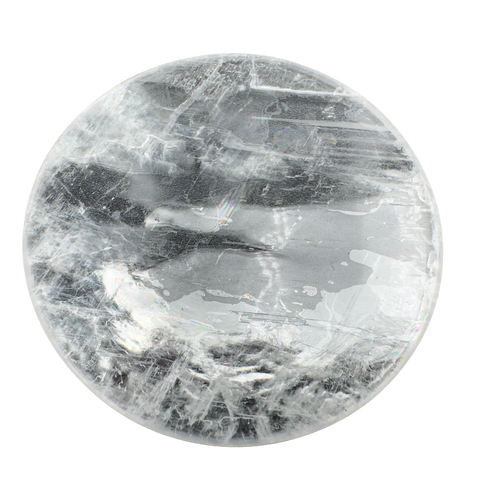
Clear quartz is a useful test case because it’s one of the stones most often faked with glass or treated in some way. If you want to see how to tell the difference in your hand, here’s how to spot real clear quartz from glass. The same instinct carries across every stone you’ll ever buy. Ask before you pay. Sourcing is the product, and it’s the thing we put first in how we source honestly.
Three honest first crystals
You don’t have to start with these, but they’re easy first choices for a reason. Each one is common enough to be affordable, hard enough to handle daily wear, and simple enough to identify. Here’s what they are, where ours come from, and roughly what they cost to start.
If you are picking a first stone specifically for the bedside, the crystals for sleep for beginners guide covers the same ground with sleep in mind.
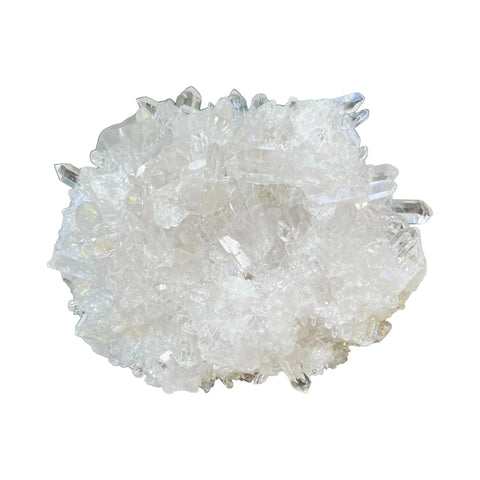
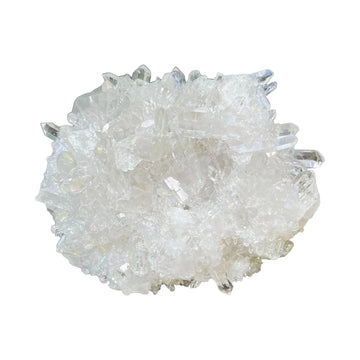
Clear Quartz
from $1.00- What it is
- Pure silicon dioxide, hardness 7. The plain, clear quartz other stones get compared to.
- Where ours comes from
- Brazil, Madagascar, Arkansas
- Why people begin here
- Clarity and focus. It’s the piece people reach for first and keep the longest.
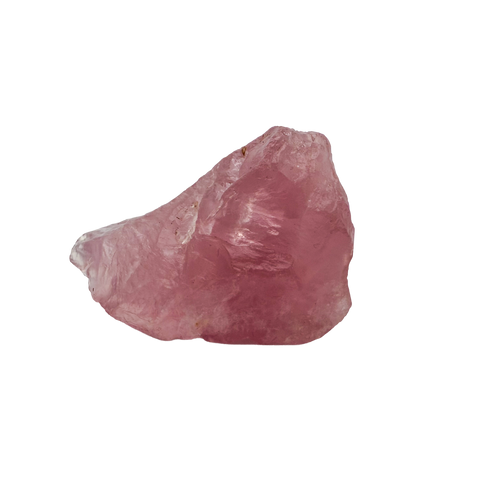
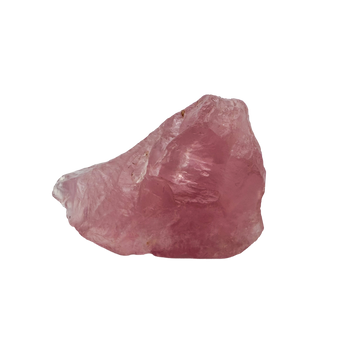
Rose Quartz
from $2.00- What it is
- Quartz tinted soft pink by traces of titanium and iron.
- Where ours comes from
- Brazil, Madagascar, Namibia
- Why people begin here
- Calm and self-kindness. The classic first heart stone.
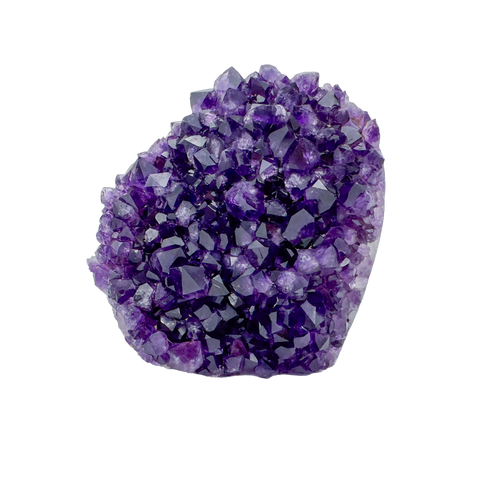
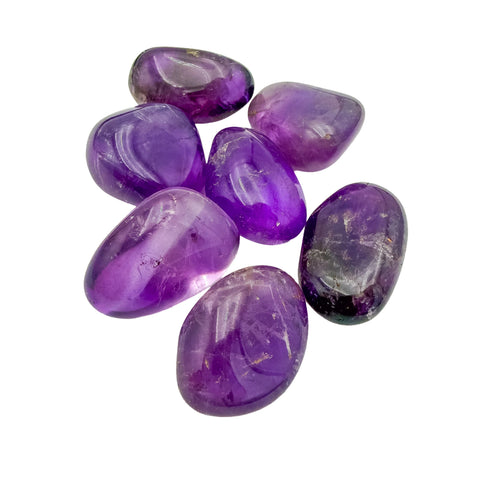
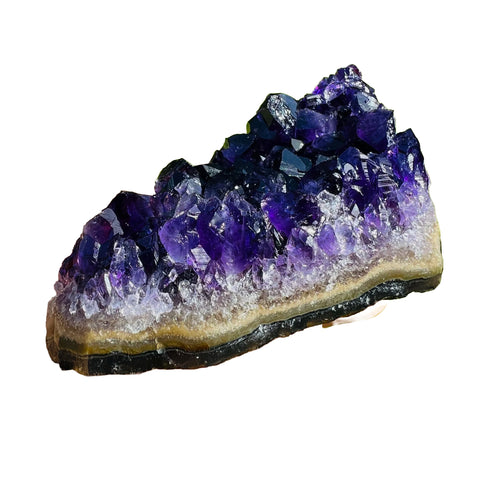
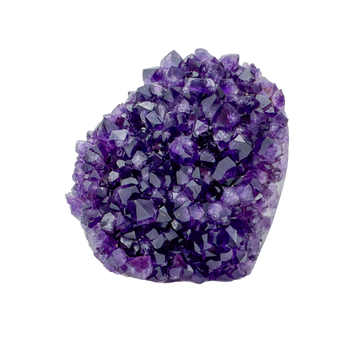
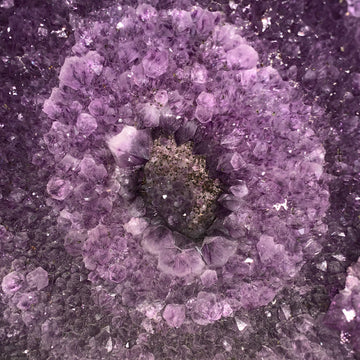
Amethyst
from $3.00- What it is
- Purple quartz, colored by iron and natural radiation deep underground.
- Where ours comes from
- Brazil, Uruguay, Zambia
- Why people begin here
- Rest and evening wind-down. Recognizable and easy to love.
None of that is medicine, and we’d never tell you a stone will fix anything. People reach for these for calm, focus, or a small daily ritual, and that’s a fair reason to own one. Just keep the order straight: know the stone first, then let it mean whatever it means to you.
Let it grow by pull, not by list
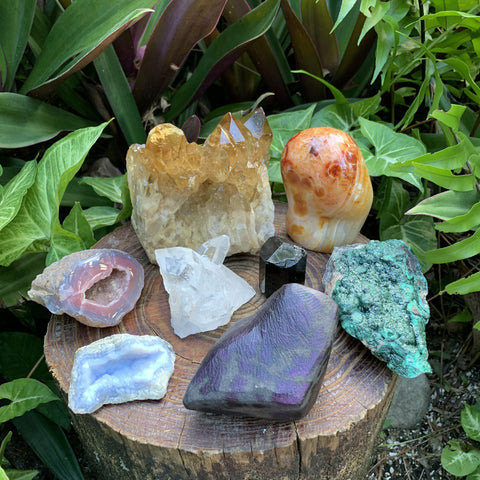
The internet loves a “crystals you must own” list. Skip it. The pieces you’ll actually keep are the ones you were drawn to, not the ones a chart or an influencer told you to buy. If you find yourself reaching for the same stone in the photos, that’s your answer.
There’s no rush, and no rule that says you need another one yet. We even made a short filter for the moment before you buy: do you need a crystal right now? Sometimes the honest answer is not yet, and that’s a fine place to leave it.
What to do this week
Pick one stone you keep coming back to. Message the seller, or read the product description closely, and get a clear answer to those two questions before you buy. Then buy the single piece, not the set. Live with it for a few weeks.
That’s the whole method. Start small, start real, and build from there. When you’re ready for the next one, our clear quartz and tumbled stones are a great starting place, and the rest of the crystal guide is here whenever you want to go deeper.
Start small and start real. Buy one or two pieces you can name and trace instead of a boxed set of maybes, then let the shelf fill itself over time.
One real stone beats a shelf of maybes.