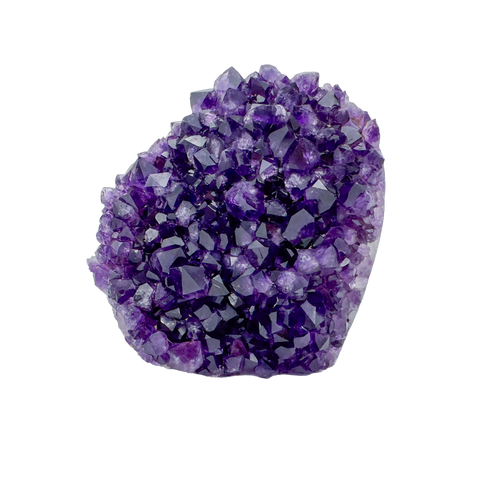
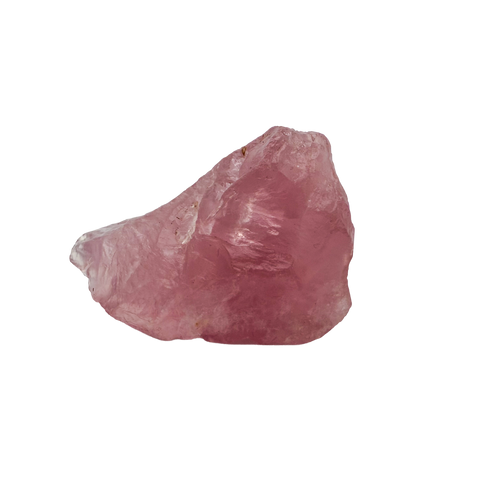
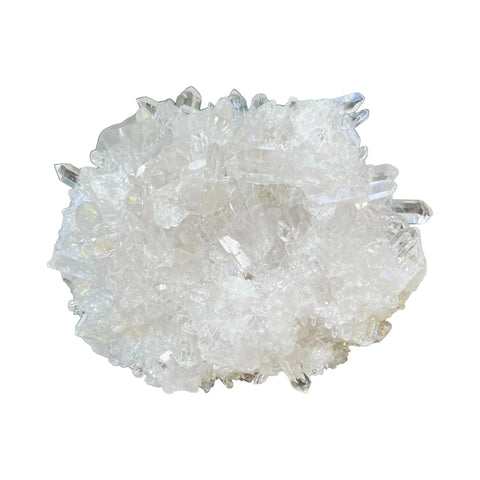
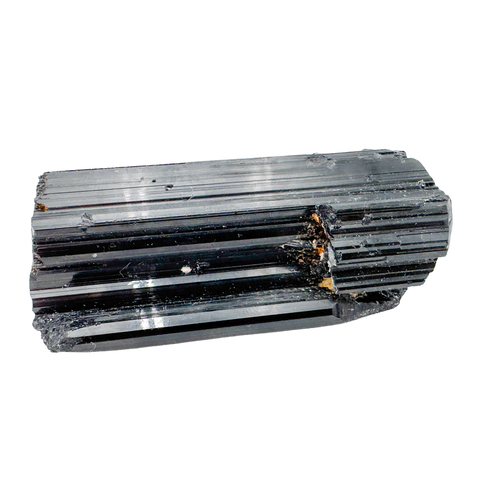
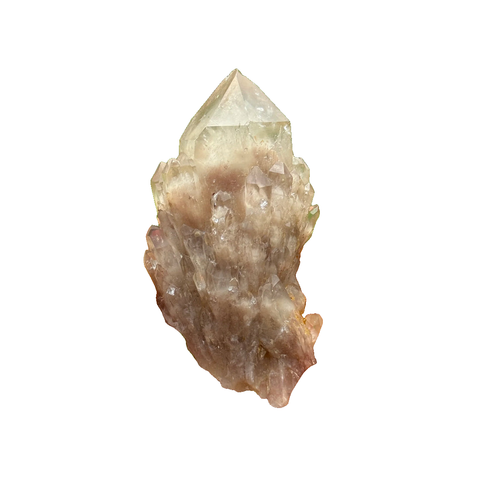
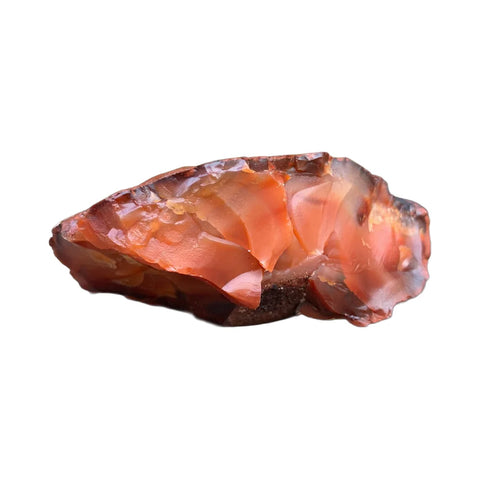
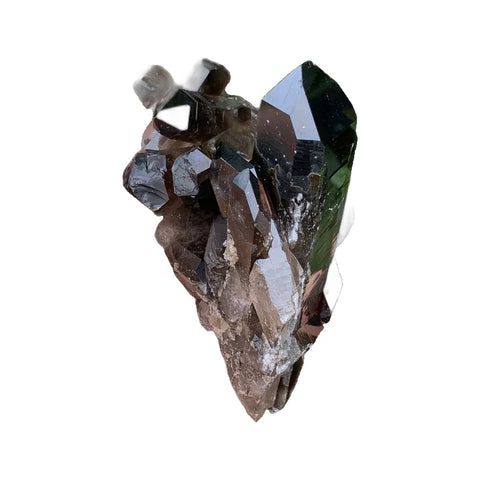
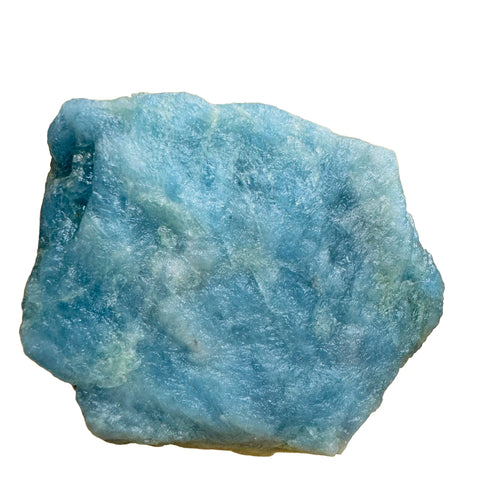


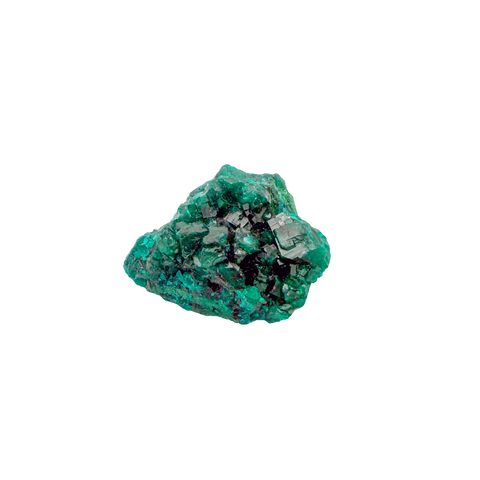
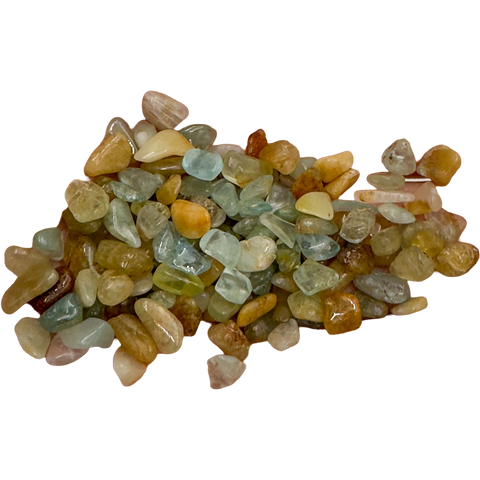
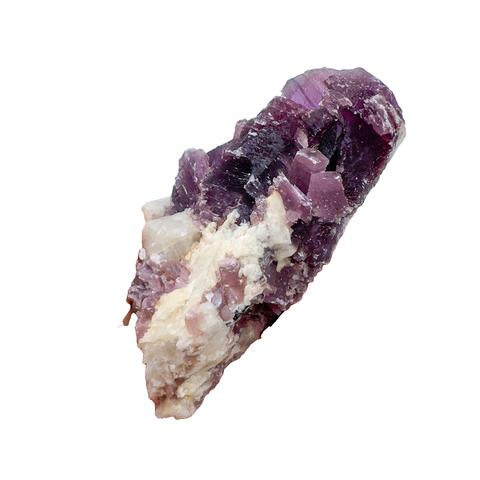
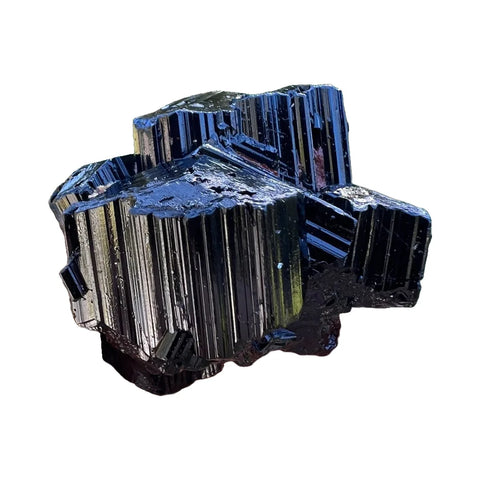
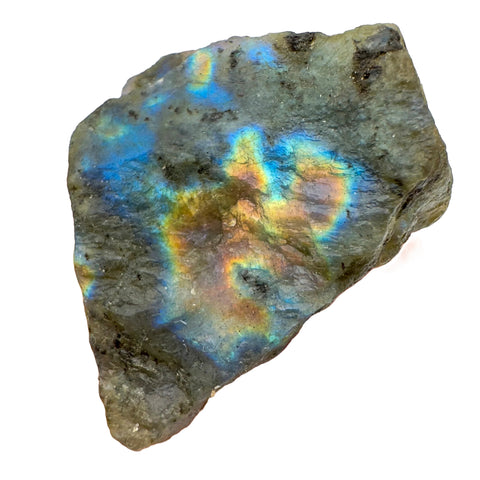
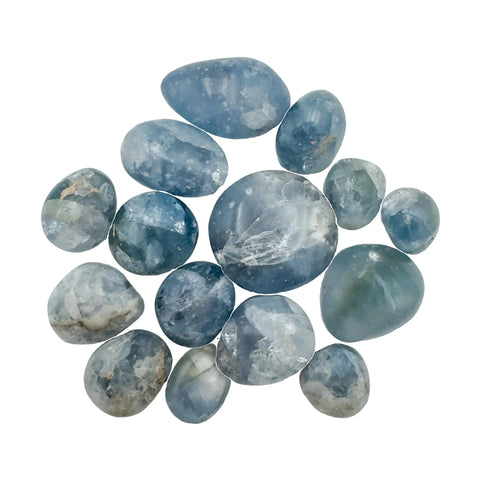
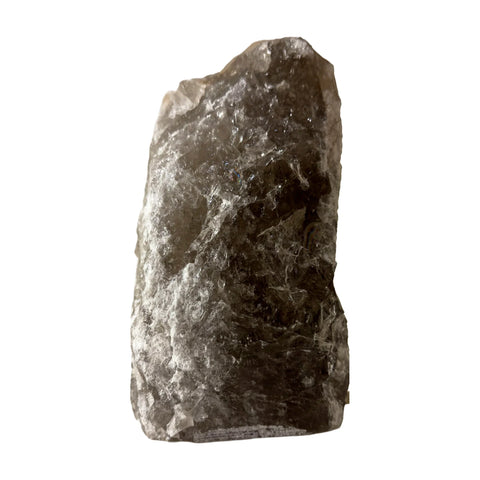
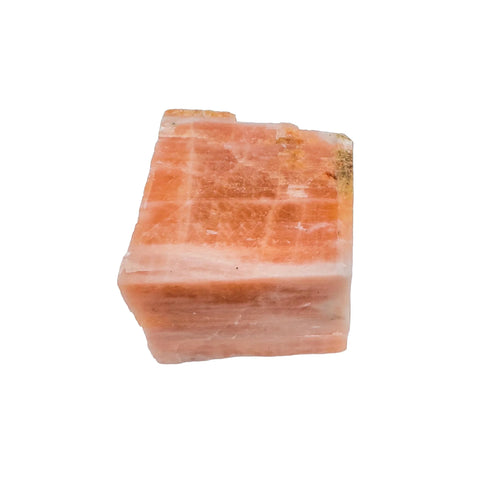



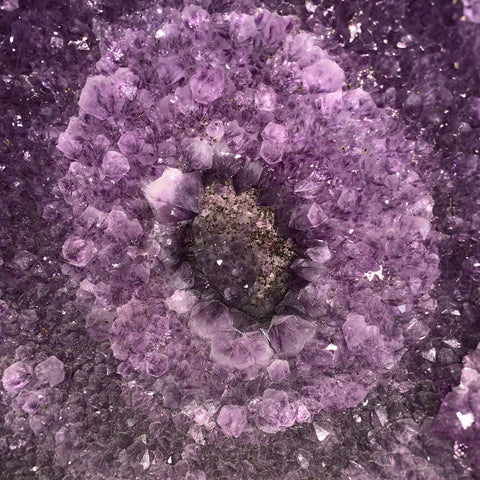
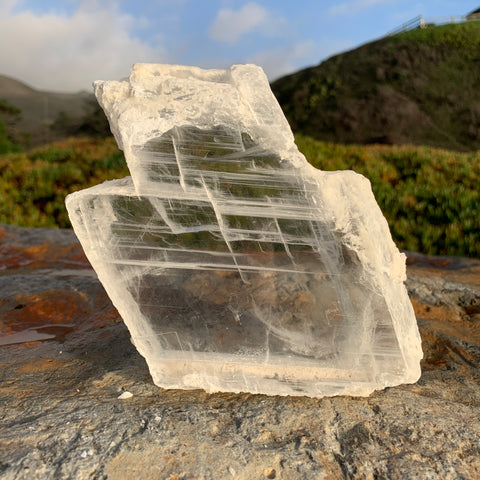




Most crystals pass through five hands before they reach you. Here's the real route from mine to shelf, and the one stage where the story usually disappears.
From Mine to Shelf: How a Crystal Actually Reaches You

By the time a crystal sits in your hand, it has usually passed through more hands than you would guess. It was pulled from rock somewhere, shaped by someone else, combined into a lot by a third party, cleared through customs by a fourth, and listed for sale by a fifth. Most of that route is invisible by the time you see a price tag.
That invisibility is not an accident. It is how a lot of the trade prefers to operate, because the less anyone has to say about where a stone came from, the easier it is to sell. So before you buy your next piece, it helps to know the actual route a stone travels, and the one place along it where the story usually disappears.
The route a stone actually takes
There is no single supply chain for crystals. A piece of selenite mined in New Mexico and a piece of labradorite mined in Madagascar can reach a shop through completely different numbers of hands. But most stones move through some version of the same five stages.
| Stage | What happens | Where the trail can break |
|---|---|---|
| 1. Extraction | A miner, family digger, or cooperative pulls raw material from the ground. | Working conditions and pay at this stage are the hardest thing for any seller to verify from a distance. |
| 2. Cutting & finishing | A lapidary cuts, tumbles, or polishes the rough into the form you recognize. | Material can change hands here, and a stone can be treated (heated, dyed) without later disclosure. |
| 3. Aggregation | Lots from many diggers get pooled at a regional point or a wholesaler before export. | This is where origin most often gets lost. Once stones are mixed, the dig site is gone for good. |
| 4. Export & customs | The material is documented, valued, and shipped across borders. | Paperwork can be inaccurate, undervalued, or written to read cleanly over a chain that does not. |
| 5. The retail shelf | A shop lists the stone, sets a price, and describes it for you. | By now the route may be unknowable, so the description leans on a vague word instead of a real one. |
Every stage has a point where the chain can quietly come apart, and a seller who never looked upstream has no way to know which links held.
Where the trail usually goes cold
If you want to find the moment a stone loses its story, look at stage three. Aggregation is where material from dozens of small diggers gets combined into a single sellable lot. It is a normal, even necessary, part of the trade. A wholesaler who buys full lots makes it possible for a small producer to sell at all. The problem is what happens to information at that step.
Once a hundred kilos of rough from a dozen sources sit in one bin, there is no putting them back. The specific dig site, the specific pay, the specific conditions all blur into a country tag at best. That is why so many listings stop at a single word. Not because the seller is hiding something dramatic, but because by the time they bought the stone, the route had already been erased two or three hands upstream.
This is also why “ethically sourced” on its own tells you so little. It is one of the least regulated claims in retail. There is no governing body for crystals, no certification, and no legal definition, so any seller can print the phrase with nothing behind it. A claim worth trusting answers three things: where the stone was mined, under what conditions, and how it traveled from the ground to the shop. If a seller cannot speak to those, the word is decoration.
The five paths a stone can take to reach you
Knowing the route is one thing. Choosing to keep it intact is another, and it costs money. We cover thirty-plus countries through five different sourcing paths, because no single approach can responsibly reach every material we carry.
The shortest path is a first-name relationship with the miner or lapidary, where we know how the material was extracted and who handled it. That is the model we lean on hardest, and the hardest to build, because many small producers are in remote places and are not set up for direct retail. When that is not realistic, we work through a long-vetted network contact, or through a cooperative with documented governance and profit-sharing, which is the path more than half of our inventory moves through. For materials that only exist in established trade channels, we use documented trade, where origin and any treatment have to be on paper and verifiable. And some pieces come from existing collections and estates already in circulation, which adds no new mining demand at all.
What stays constant across all five paths is the standard. Every stone has to clear the same twelve non-negotiable sourcing standards before it gets listed, no matter which route it took. The model tells you how we know the story. The standards tell you what the story has to contain. You can read the full breakdown of all five on our From the Source to You page.
How to read a listing for the route
You do not need a geology degree to tell whether a seller kept the trail intact. You need to read the listing for specifics, and ask one or two follow-up questions when they are missing.
- Look for a country at minimum. An honest listing names where the stone was mined. Vague language with no country attached is the single most common pattern in the industry.
- Look for the region, deposit, or cooperative. The country is the floor. Naming the region or the specific operation is the ceiling, and it is hard to fake because it can be checked against the material itself.
- Check for treatment disclosure. Heating, dyeing, and irradiation are common in the trade. The issue is never treatment itself, it is undisclosed treatment. A seller who discloses is one who looked.
- Be suspicious of a price that seems impossible. A polished stone selling for almost nothing cut a corner somewhere upstream, often on pay, conditions, or honesty about what the stone actually is.
- Ask one specific question. Where did this come from, and how do you know? A seller who kept the route can answer. A seller who bought a mixed lot will change the subject.
What this means when you hold the stone
People reach for crystals for grounding, for focus, for a small daily ritual, and that meaning is real to the person holding it. A stone whose route you can actually trace carries something extra on top of that. You know it supported a named operation rather than an anonymous one, and you know what was and was not done to it before it reached you. That knowledge does not change the geology, but it does change how it feels to own. It supports a practice rather than replacing one, and it lets you shop from confidence instead of hope.
The next time a stone catches your eye, look past the photo and the word on the label. Ask where it has been. The shops worth buying from are the ones that can tell you.
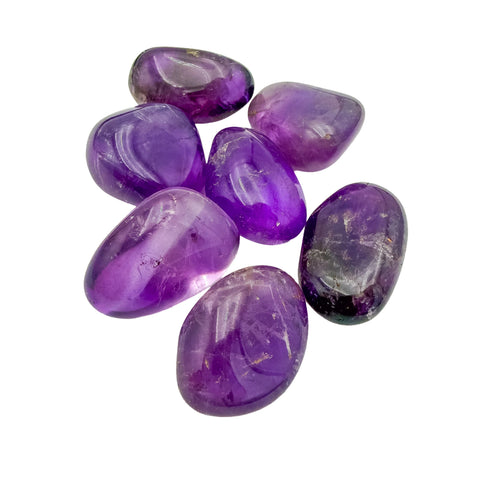
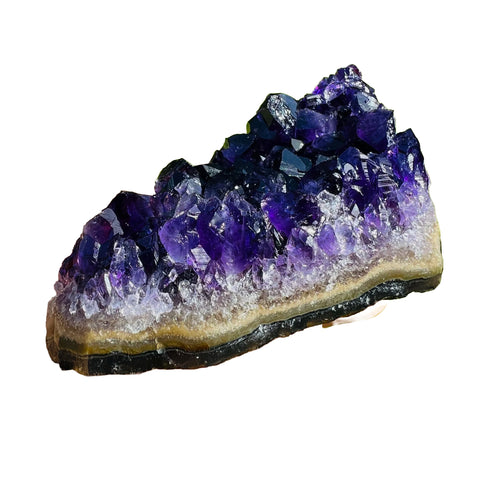
You can see how we tag origin and disclosures on every piece across our full collection, start with the stones most people reach for in the amethyst collection, or learn how to read any stone in our Crystal Guide. If you are deciding whether to part with a collection of your own, our guide on how to sell a crystal collection walks through what documentation actually matters.