



















Selling a crystal collection is mostly a documentation problem, not a sales problem. Here’s what dealers actually weigh when they review one, what works against an offer, and how to prepare yours in an afternoon.
How to Sell a Crystal Collection: What Buyers Actually Look For

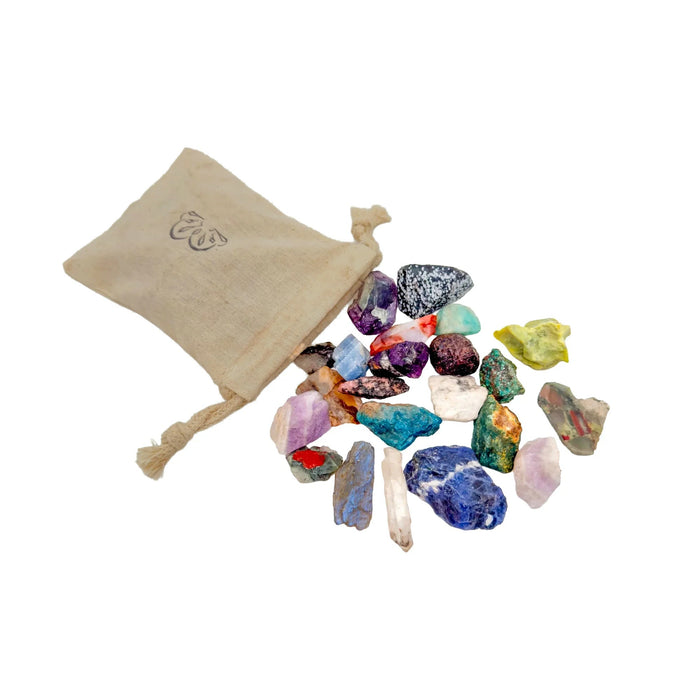
Maybe you inherited boxes of minerals from a parent who spent thirty years working gem shows. Maybe you’re downsizing, or your interests moved on, or the shelf simply ran out of room. Either way, you’re holding a collection and a question almost nobody answers plainly: who buys these, and what is the collection actually worth?
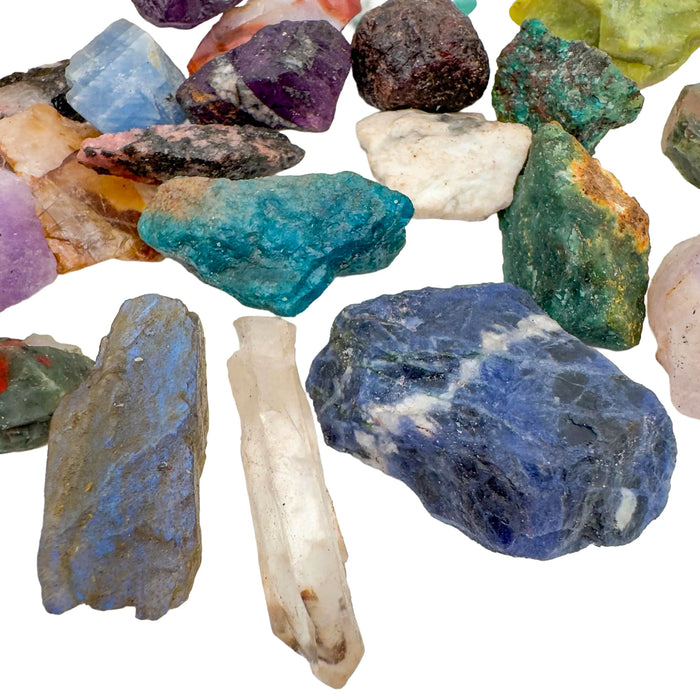
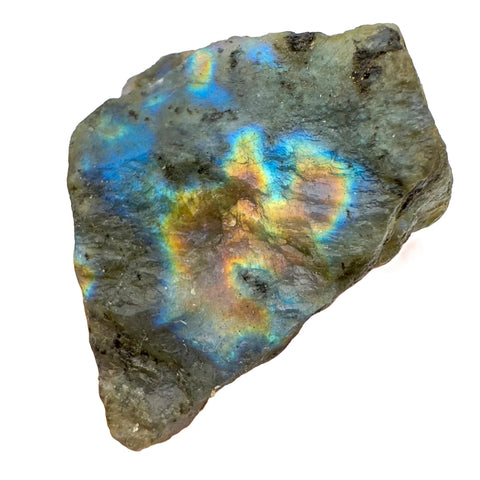
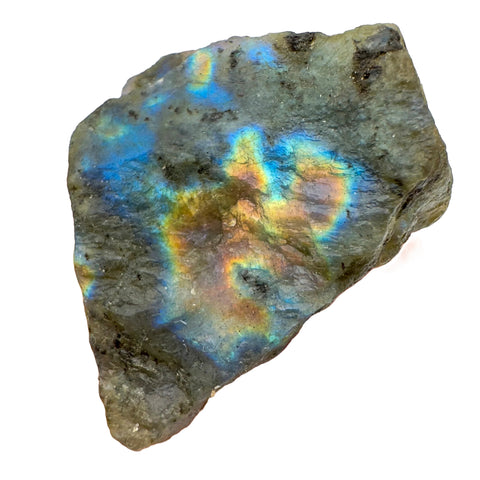
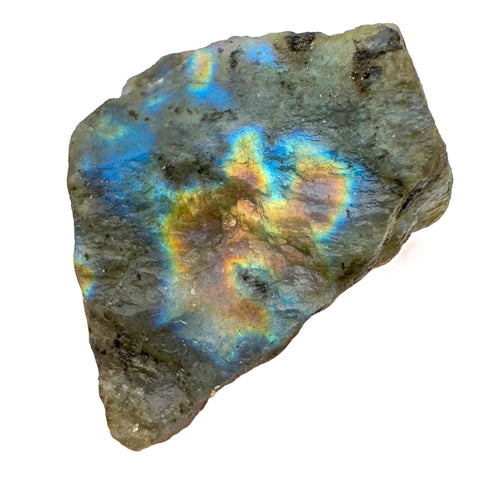
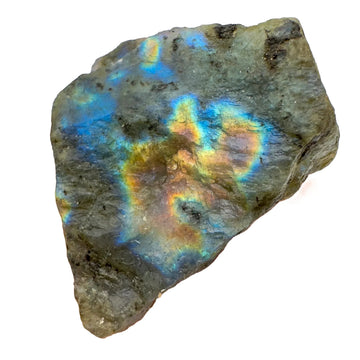
Here’s the part that surprises most sellers. The stones are only half of what a buyer is evaluating. The other half is the story attached to them. A labradorite with a locality tag and a 1987 dealer receipt is a different object than the same labradorite loose in a shoebox. Provenance works like a chain of custody. Every link you can document is value you keep. Every link that’s missing is value the buyer has to discount, because they can no longer stand behind the story when they resell the piece.
That reframe changes how you prepare. Selling a collection well is mostly a documentation task, not a sales task.
What buyers actually weigh
We purchase existing collections at Beyond Bohemian from time to time, and the review always comes down to the same five things. Most specialty dealers weigh some version of this list.
1. Natural, untreated material
Dyed, coated, aura-treated, and heavily altered pieces have almost no resale value to a transparency-focused shop, because the shop can’t list them as natural. If you know a piece was treated, say so up front. Disclosure costs you nothing and builds trust for the rest of the lot.
2. Provenance and documentation
Locality tags, dealer cards, invoices, field notes, even a handwritten list of where and when pieces were acquired. Self-collected material with a known dig site is excellent. So are pieces bought directly from miners, lapidaries, or established dealers. Paper is worth real money here.
3. Condition and storage
Chips, bruises, and sun-faded color all reduce what a buyer can do with a piece. Stones stored wrapped and dry age better than stones rattling together in a bin. Be upfront about damage. The buyer will find it anyway.
4. Quality within the species
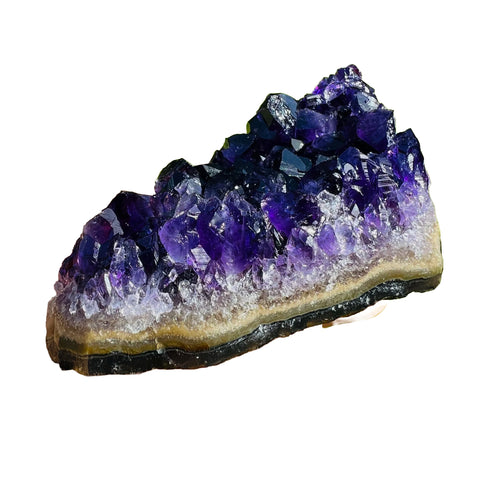
Every mineral has a quality range, and buyers think in grades. An above-average specimen of a common stone often beats a poor specimen of a rare one. If you’re not sure where your pieces fall, our Crystal Guide covers what to look for stone by stone.
5. Coherence
A themed or curated collection, one locality, one species, one collecting era, is easier to evaluate and easier to sell than a random assortment. If your collection has a thread, name it in your first message.
The quick version
| Strengthens an offer | Works against one |
|---|---|
| Locality tags, receipts, field records, or a clear acquisition history | No sourcing context at all, or a story that can’t be checked |
| Natural, untreated pieces with treatments disclosed where known | Dyed, coated, or aura-treated material, or unclear natural status |
| Clean, intact specimens stored with care | Chips, bruising, sun fade, or rough storage damage |
| Above-average quality for the species, or rare localities | Large volumes of very common, low-grade material |
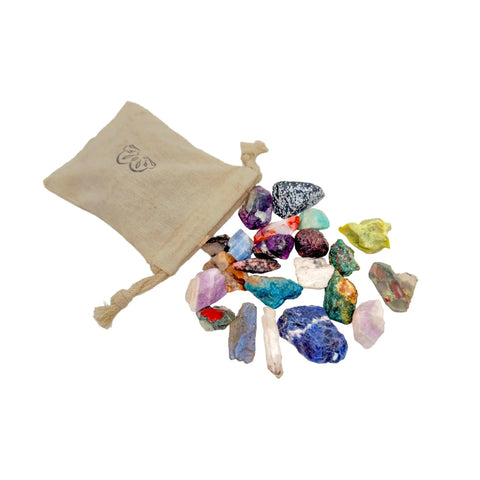
| A curated theme: one region, one species, one era | Mixed bulk lots and mass-produced gift-shop inventory |
How to prepare your offer in an afternoon
You can do all of this in a few hours, and it changes the conversation completely.
- Photograph in daylight. A few wide shots of the full collection, then close-ups of your standout pieces. Natural light, plain background, no filters.
- Make a simple inventory. Mineral types, rough counts or total weight, and sizes for the larger pieces. A notes app list is fine.
- Write down what you know. How the collection was acquired (mined, inherited, purchased), from whom, and roughly when. Include anything you don’t know, too. “Origin unknown” is a perfectly good answer, and it’s far better than a guess.
- Gather the paper. Labels, invoices, dealer cards, show badges, field notebooks. Photograph those as well.
- Decide what you’re offering. The full collection, or select pieces. Buyers will ask first thing.
What happens on the buyer’s side
When a collection comes to us, it enters review under our existing-collections sourcing path, the fifth of the five sourcing models every stone in our catalog moves through. We check the geological signature of each piece against its claimed locality, confirm natural status, and assess condition at intake. Where origin can’t be fully confirmed, the listing says so rather than overstating certainty.
There’s a reason shops like ours care about this path. A piece acquired from an existing collection creates no new extraction demand. The stone is already in circulation, and buying it gives it a continued home instead of pulling new material out of the ground. For environmentally focused collectors, it’s often the most aligned way a stone can reach a shelf. Some of the mineral specimens in our catalog arrived exactly this way.
We’re selective, and most dealers worth selling to are. Mixed low-grade bulk, mass-produced inventory, and treated material usually aren’t a fit for us no matter how loved the collection was. That’s not a judgment on the collector. It’s a reflection of what a transparency-first shop can stand behind.
If a shop isn’t the right buyer
Not every collection belongs with a dealer, and that’s fine. Local rock and mineral clubs run swap meets where common material moves well. Gem and mineral shows have buyers for almost everything. Significant single specimens with strong provenance can do well at auction. And some collections do their best work split up as gifts to the next collector in the family.
If you think your collection might be a fit for us, here’s what to include in your first message. Photos and a short history are all it takes to start the conversation.