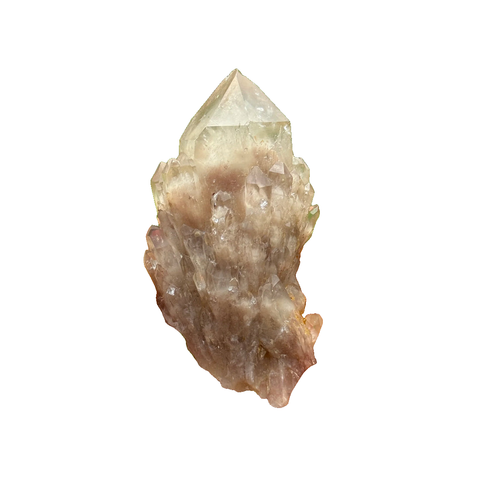
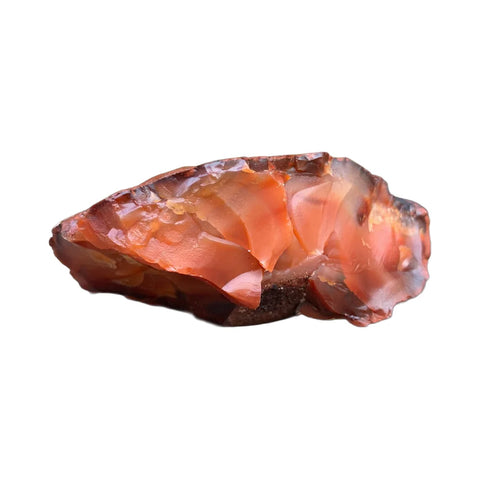
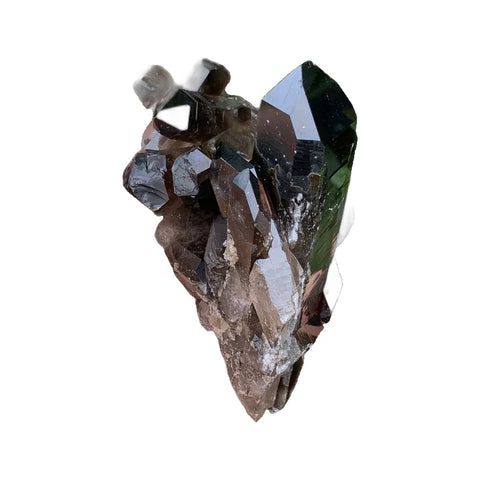
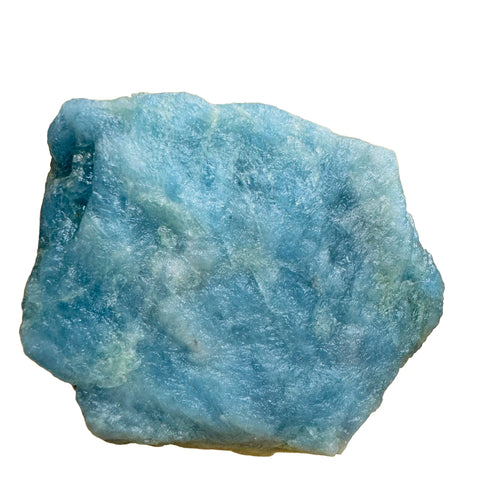


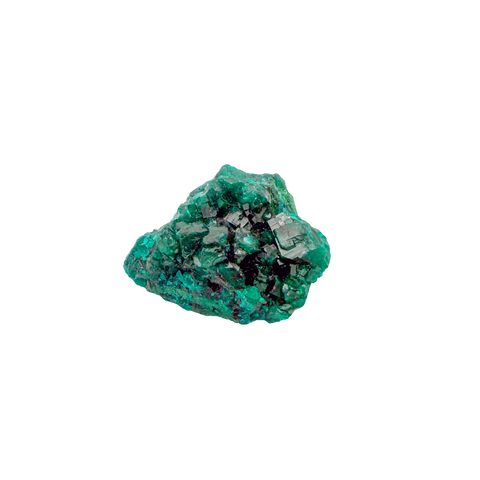
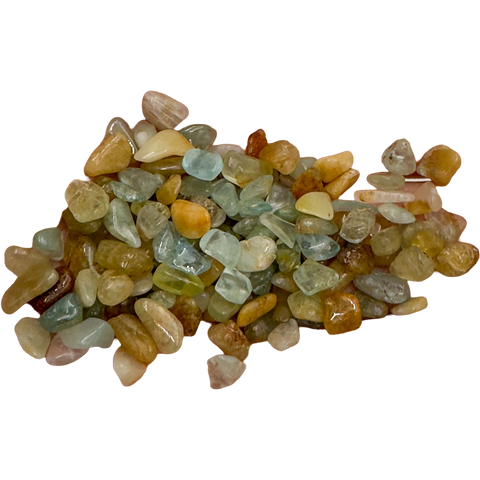
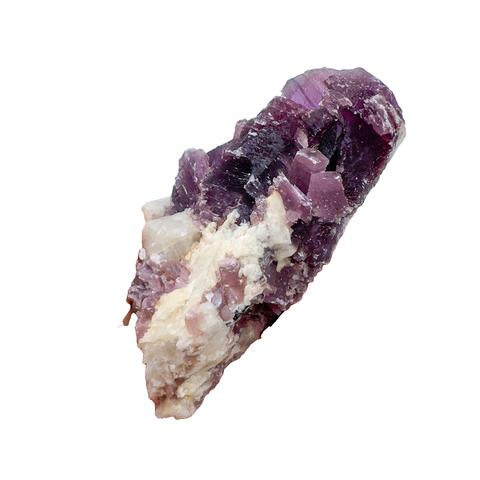
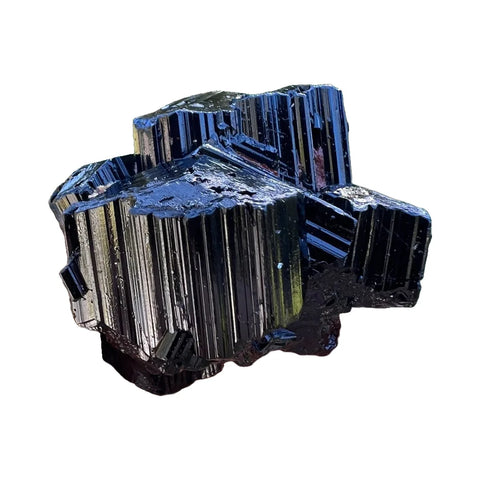



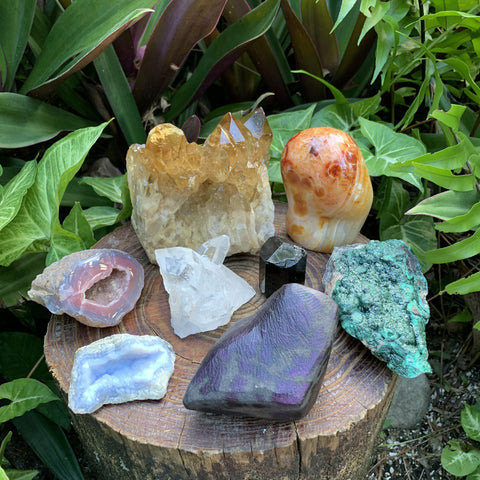



Sunlight on a windowsill looks harmless, but it fades some of the most popular crystals for good. Here is the full list of which stones to keep out of the light and which can take it.
Which Crystals Fade in Sunlight (and Which Are Safe)

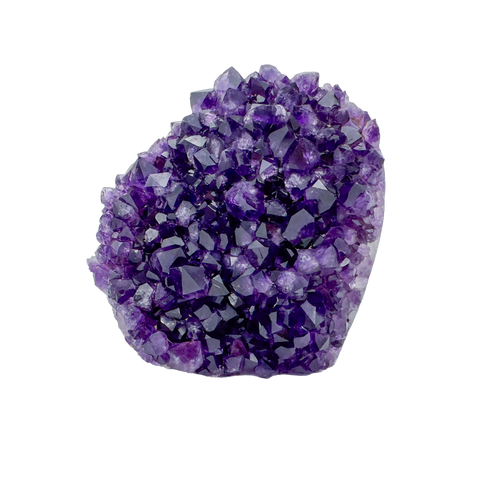
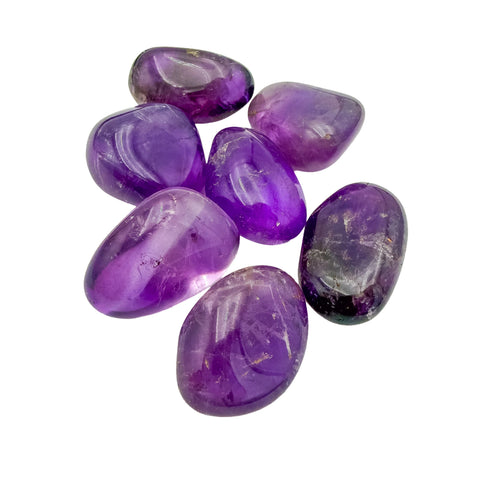
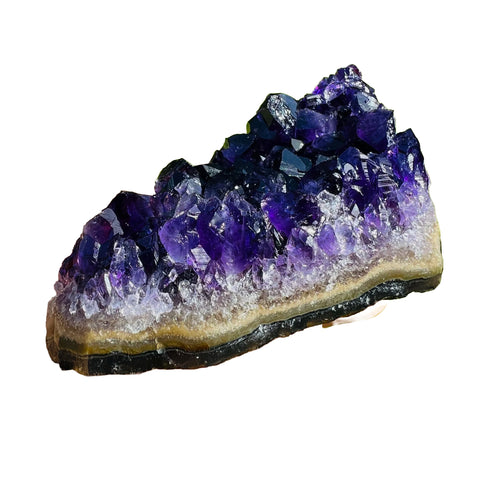
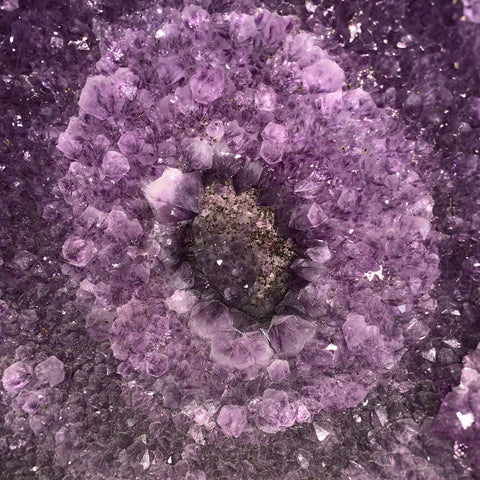
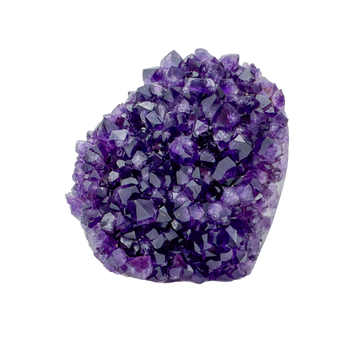
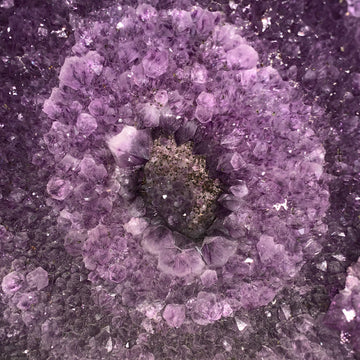
A sunny windowsill feels like the natural home for a crystal. It is also where a lot of beautiful pieces quietly lose what made them beautiful. A deep purple amethyst can drift to pale lavender over a few months of afternoon light, and once the color goes, it does not come back.
Quick answer
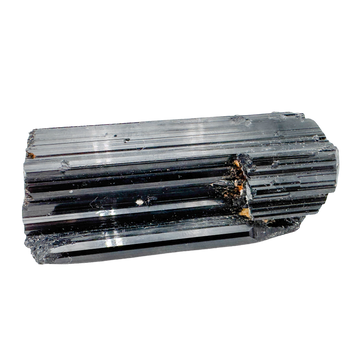
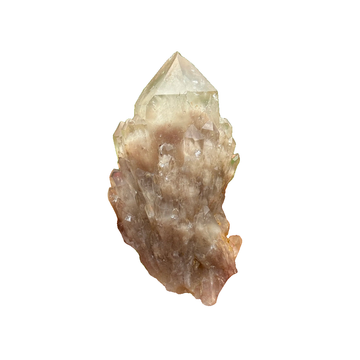
Crystals that fade in sunlight get their color from light-sensitive trace elements: amethyst, rose quartz, citrine, smoky quartz, fluorite, celestite, kunzite, and aquamarine. Stones colored by the mineral itself, like black tourmaline, obsidian, hematite, jasper, and clear quartz, hold up fine. The fading is permanent, so keep fade-prone pieces in indirect light.
Why sunlight fades some stones and not others
Color in a crystal comes from one of two places. In some stones it comes from the main mineral itself, which is stable. In others it comes from tiny amounts of trace elements or from natural irradiation deep in the earth, and those color centers are fragile. Ultraviolet light slowly breaks them down, the same way it bleaches a curtain or a car seat.
Think of it like a photograph left in a window. The picture made of stable ink lasts. The one made of cheap dye fades to nothing. A crystal is a record of time, and sunlight rewrites the part of the record that holds its color.
The crystals that fade
These are the popular ones to keep out of direct sun. Indirect daylight is fine. It is the unfiltered, hours-a-day kind that does the damage.
| Stone | What happens | Why |
|---|---|---|
| Amethyst | Purple fades to pale lilac or gray | Iron color centers break down under UV |
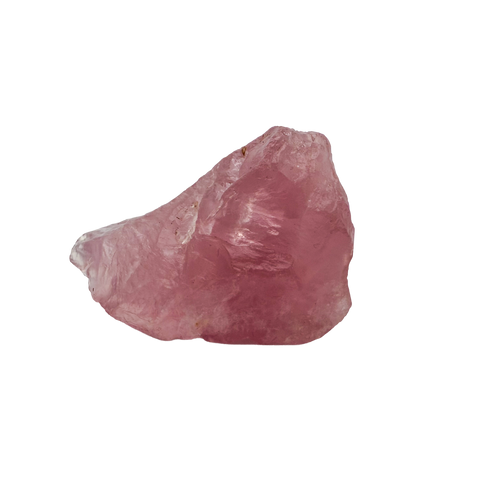
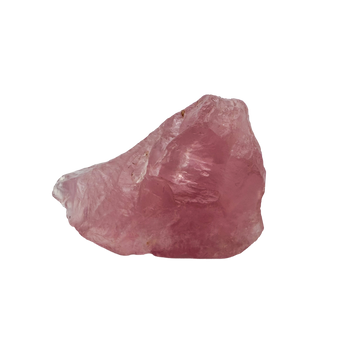
| Rose quartz | Pink washes out toward white | Light-sensitive trace inclusions |
| Citrine | Yellow lightens, sometimes unevenly | Iron color centers, like amethyst |
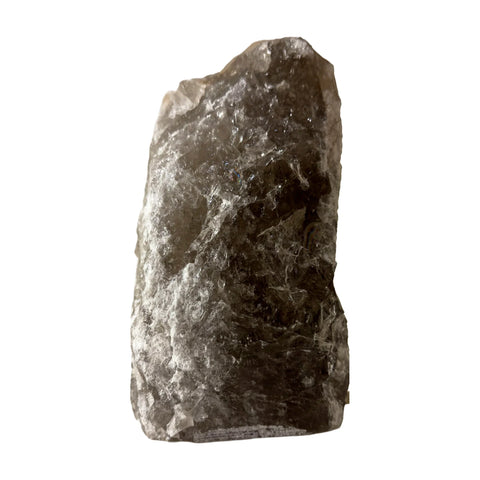
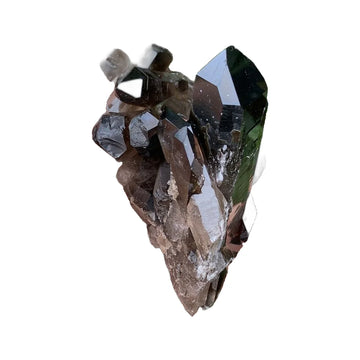
| Smoky quartz | Brown lightens toward clear | UV reverses the natural irradiation that made it |
| Fluorite | Greens and purples dull | Color centers are highly light-sensitive |
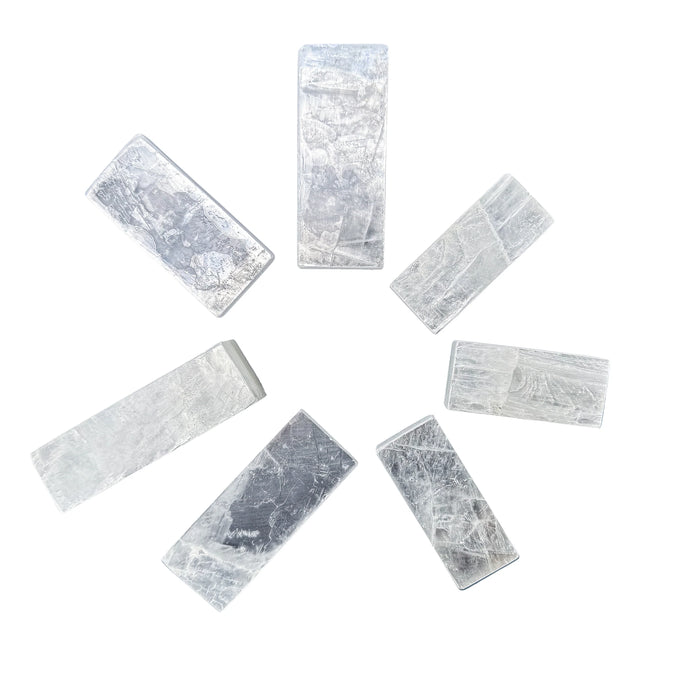
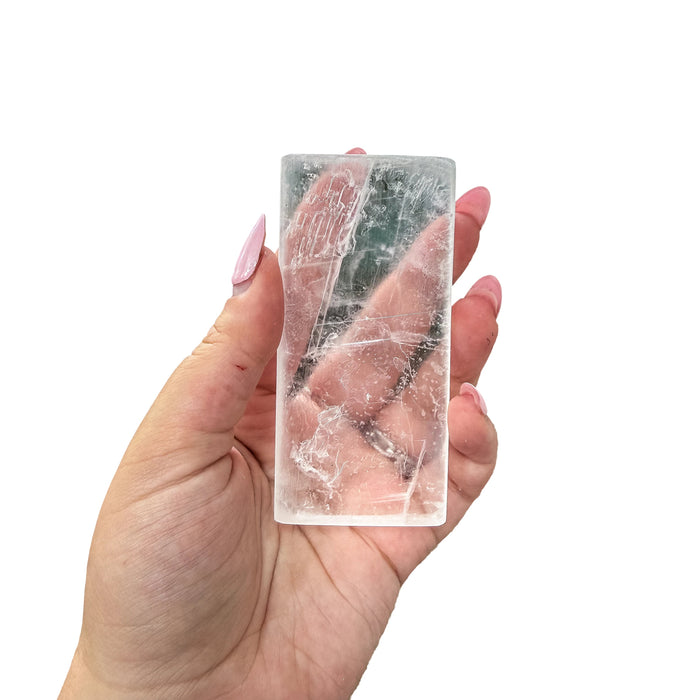
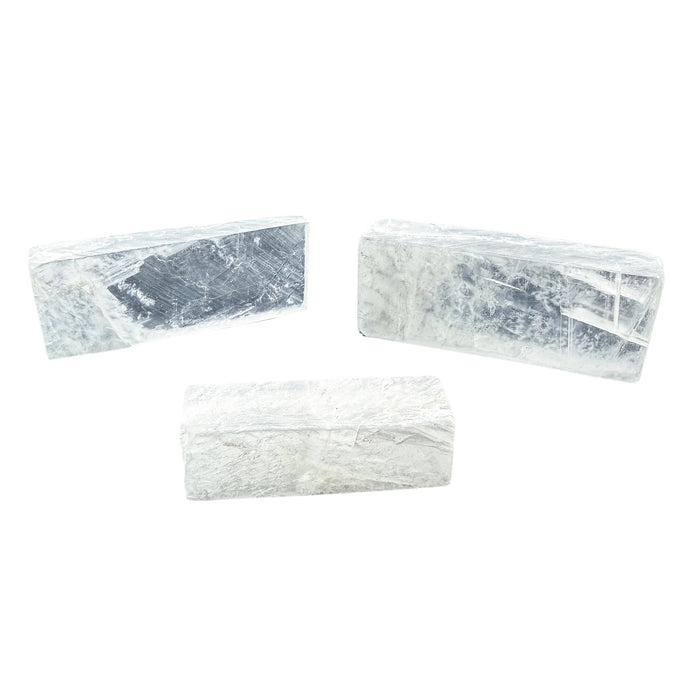
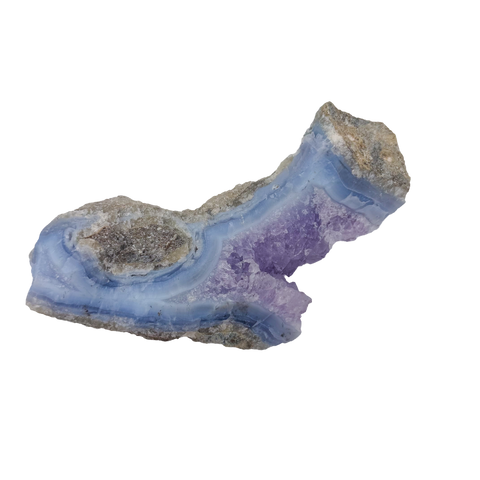
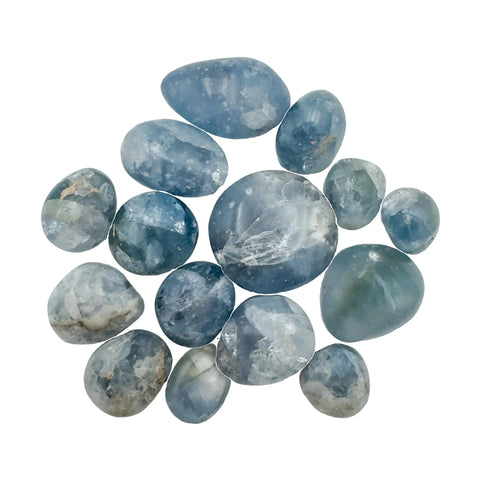
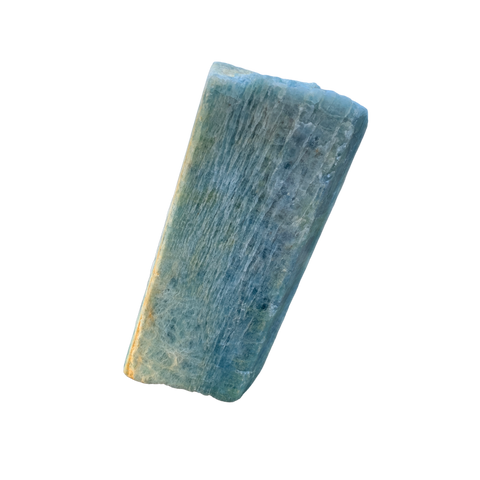
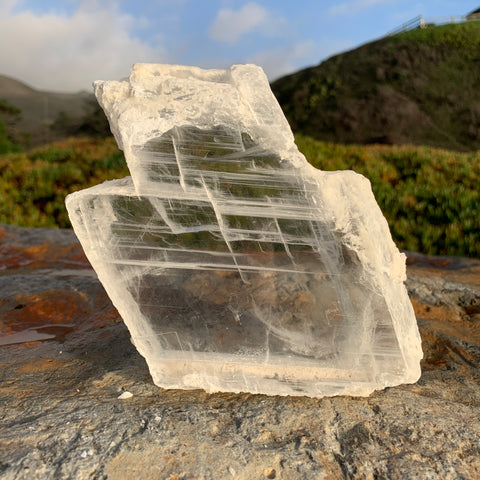
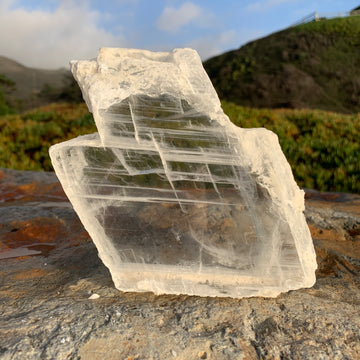
| Celestite | Soft blue fades to near white | Delicate blue color centers |
| Kunzite | Pink fades quickly, even indoors near light | So fade-prone it is nicknamed the evening stone |
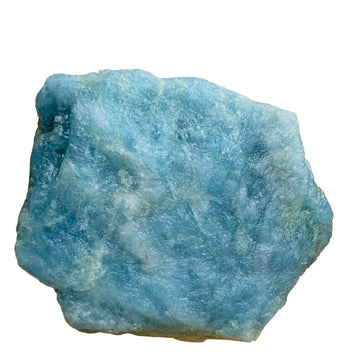
| Aquamarine | Blue can pale over long exposure | Iron-based color sensitive to UV |

The crystals that take the sun fine
Not everything needs the shade. Stones that get their color from the body of the mineral itself, rather than from fragile color centers, hold up well in light.
| Stone | How it holds up |
|---|---|
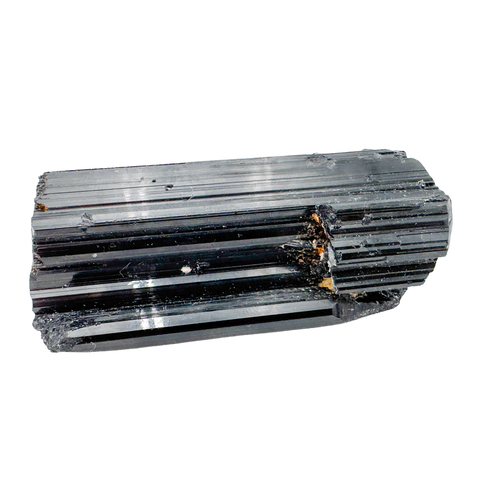
| Black tourmaline | Stable, color is part of the mineral |
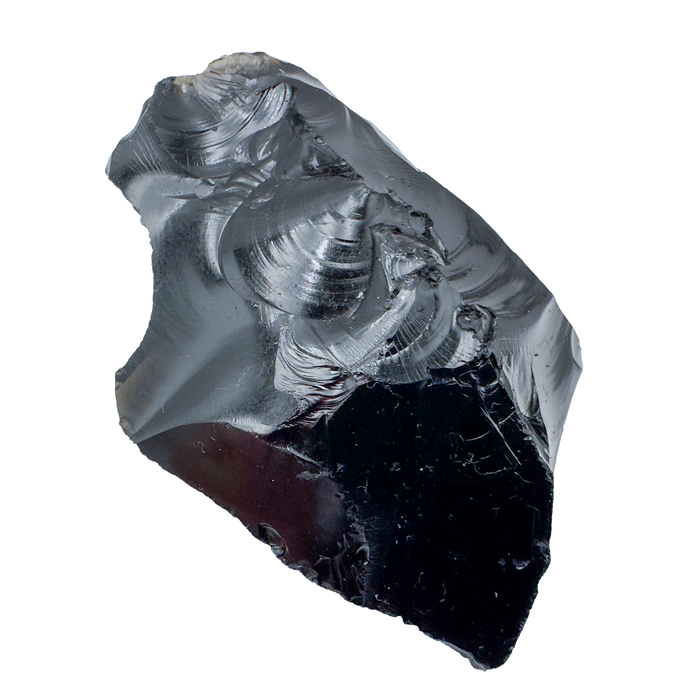
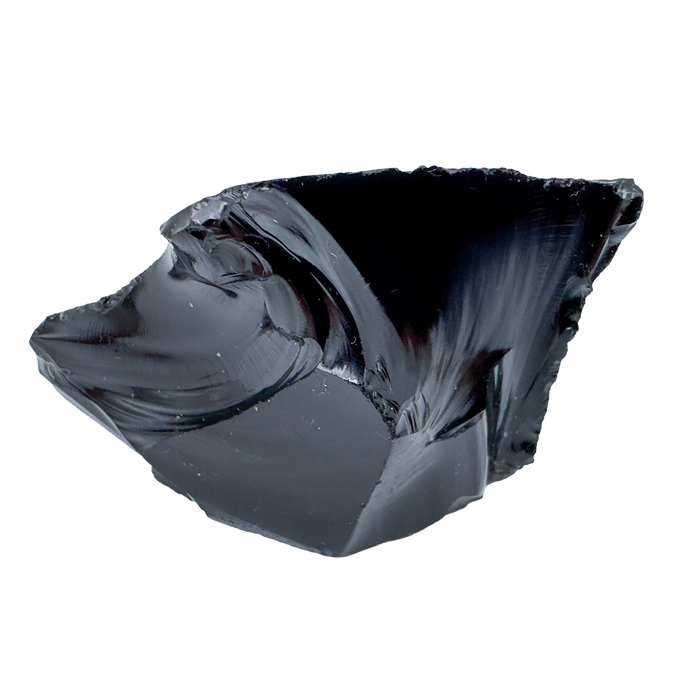
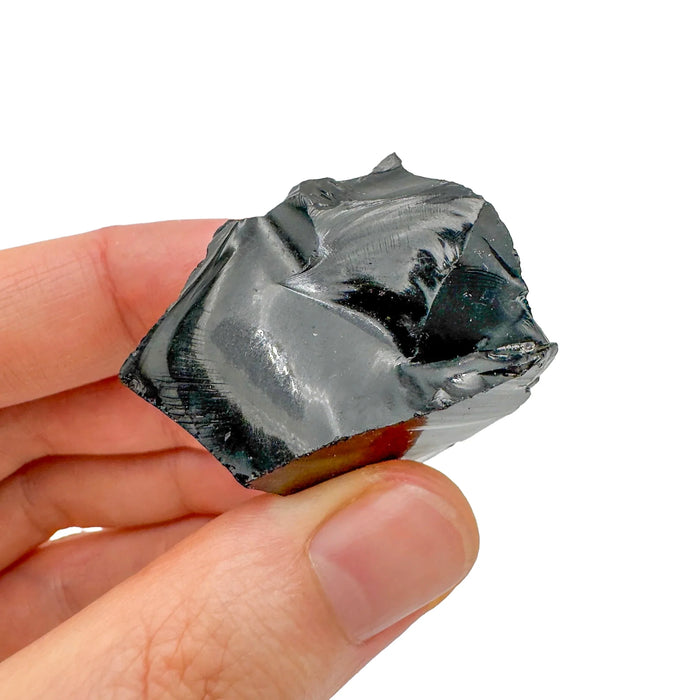
| Obsidian | Stable volcanic glass |
| Hematite | Stable (keep dry, it rusts, not fades) |
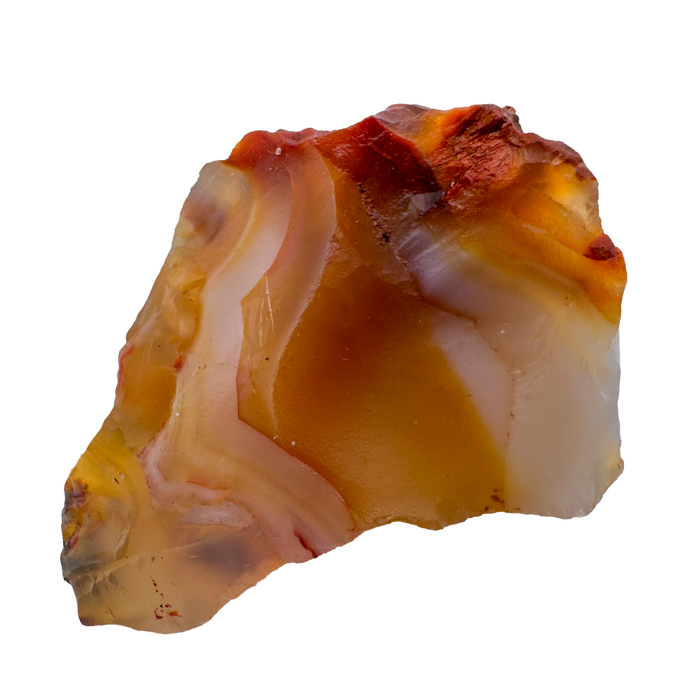
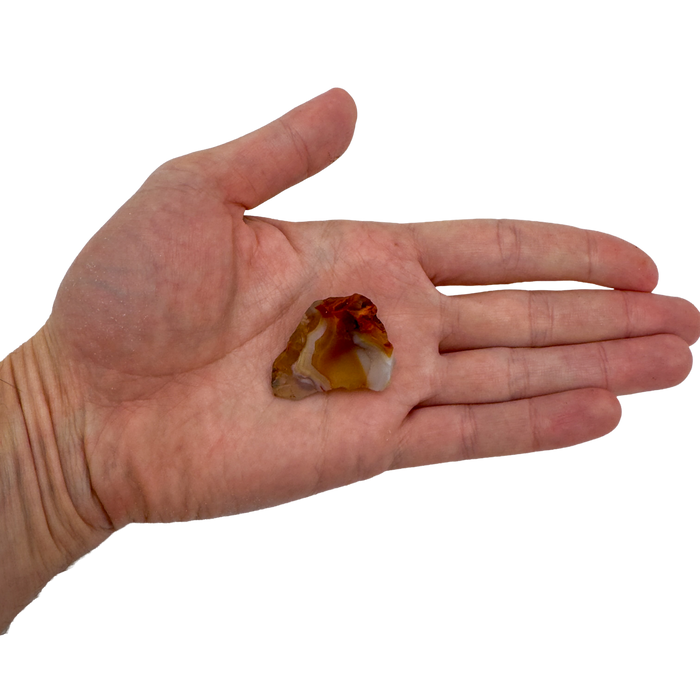
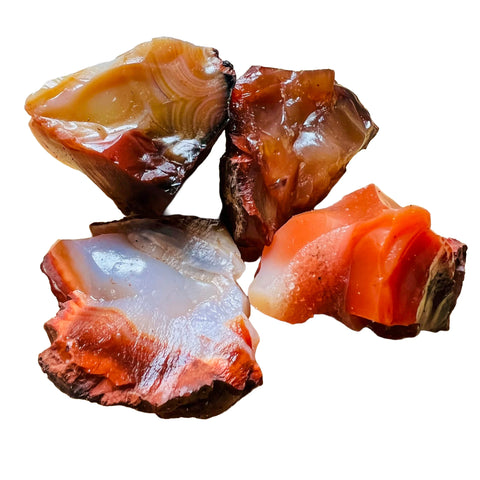
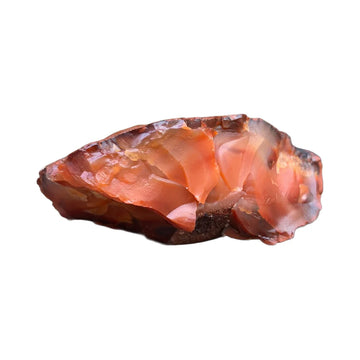
| Jasper and most agate | Stable, iron-rich and opaque |
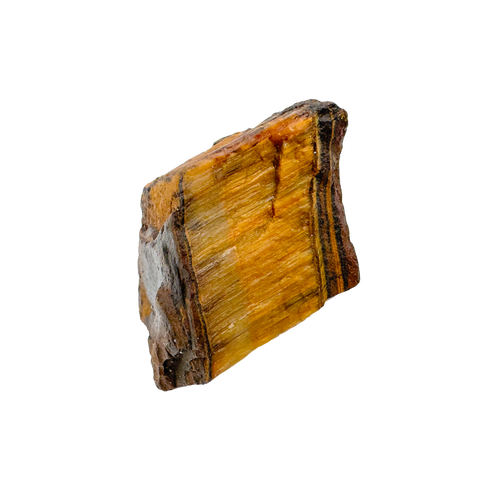
| Tiger's eye | Generally stable |
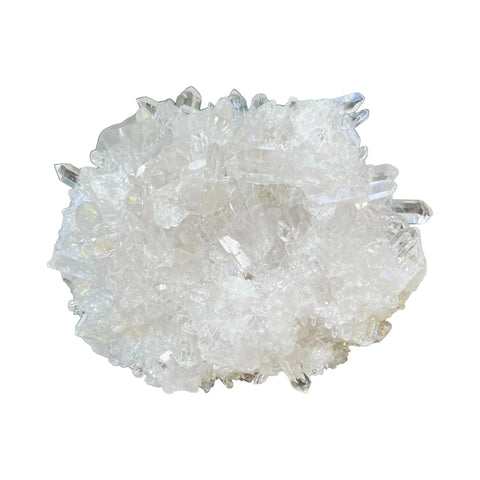
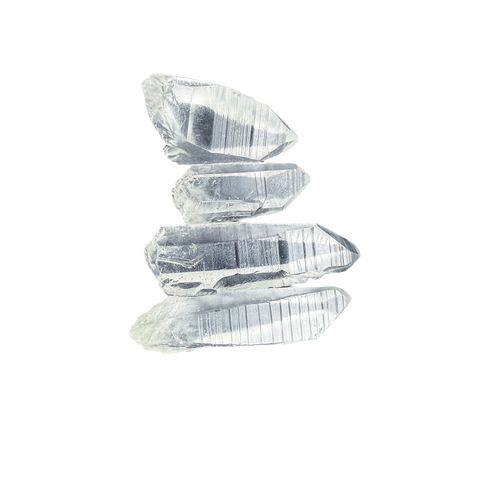
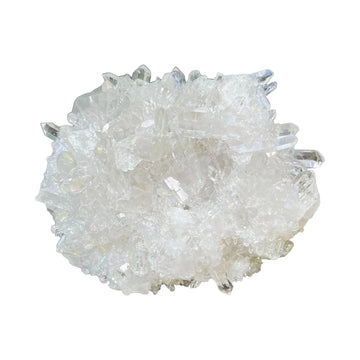
| Clear quartz | No color to lose |
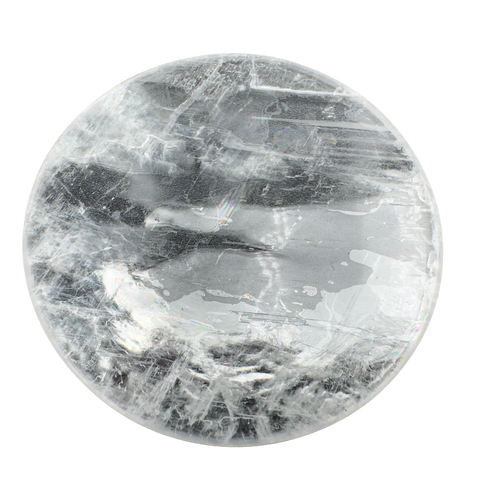
One honest note on clear quartz: it does not fade, but a rounded, polished quartz sphere left in a window can focus sunlight like a lens and become a fire risk. Keep spheres out of direct sun for that reason, not for color.
“A crystal is a record of time, and sunlight rewrites the part of the record that holds its color.”
What to do with the fade-prone pieces
You do not have to hide them in a drawer. A shelf across the room from a bright window gets plenty of light without the direct hit. If a piece sits somewhere sunny, rotate it now and then so no single face takes all the exposure, and bring fade-prone stones in from any all-day sun spot. A rough guide many collectors use is to treat more than a few hours of direct daily sun as the line worth avoiding.
The short version: if a stone’s color is its whole appeal, assume the sun can take it. Keep your amethyst, your rose quartz, and your fluorite where the light is soft.
The honest version
If a stone’s color is its whole appeal, assume the sun can take it. The fading is permanent, so keep amethyst, rose quartz, and fluorite where the light is soft, not on a sunny windowsill.
The windowsill is also where a lot of people leave stones to cleanse, which is worth rethinking for everything on the fade list. Moonlight does the same job without the cost. For stone-by-stone care notes, start with our crystal guide, or browse the pieces above in our rose quartz and fluorite collections.