



















Selenite or Satin Spar? The Gypsum Behind the Glow

You bought a “selenite” wand, and odds are it isn’t selenite. At least not in the strict sense a mineralogist would use. It’s almost certainly satin spar. The two are the same mineral, gypsum, and the swap is so common that even careful shops list both under one name.
That isn’t a scandal. It’s just worth understanding before you buy, because the form you’re holding changes how you care for it and what it should cost.
What selenite and satin spar actually are
Both are varieties of gypsum, a hydrated calcium sulfate (CaSO₄·2H₂O). Same chemistry, different habit, which is the word geologists use for how a crystal grows.
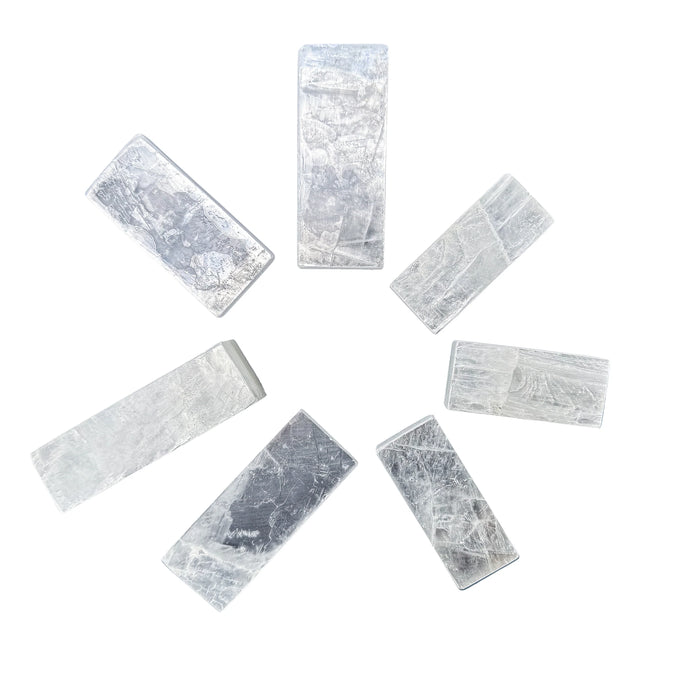
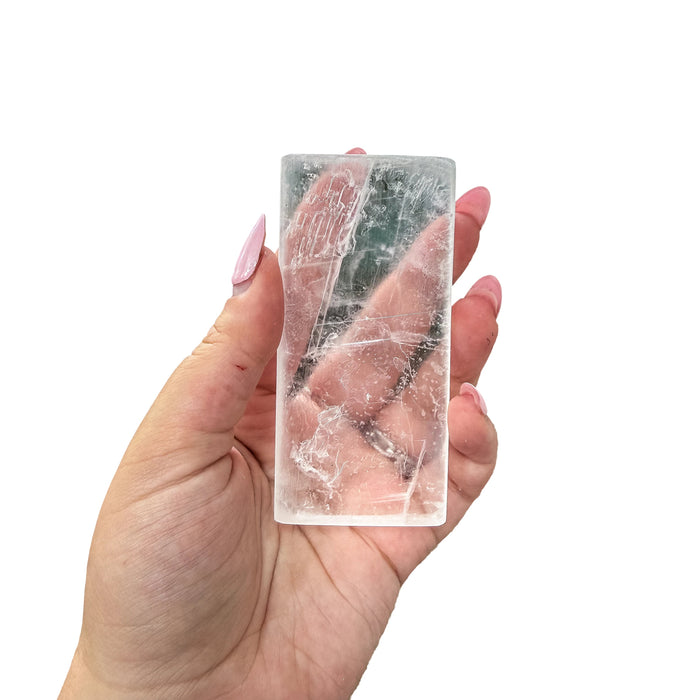
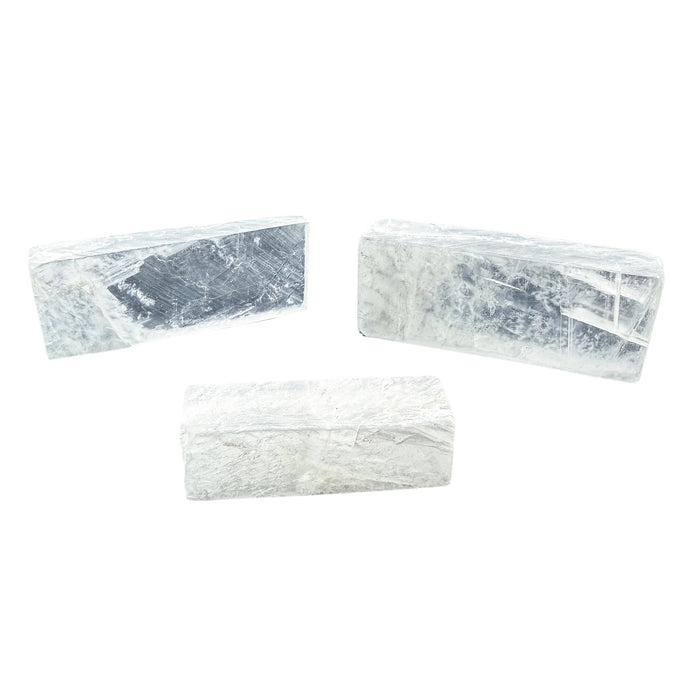
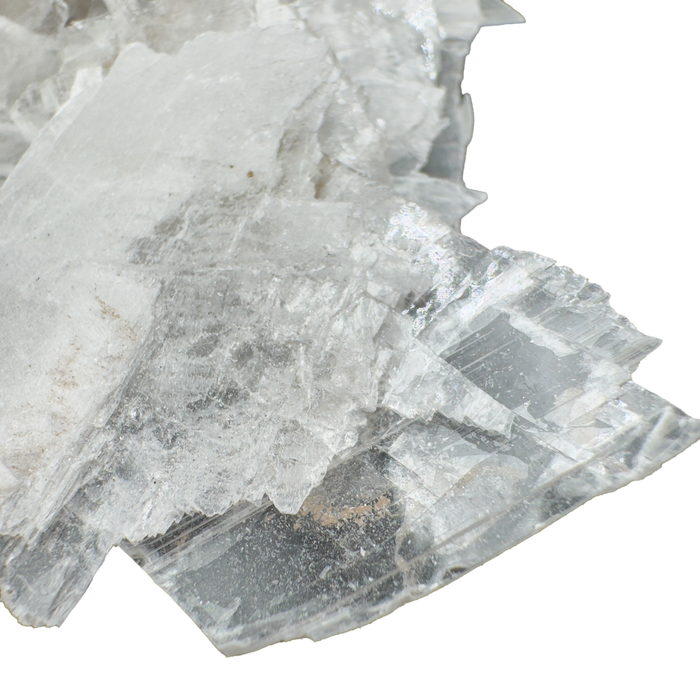
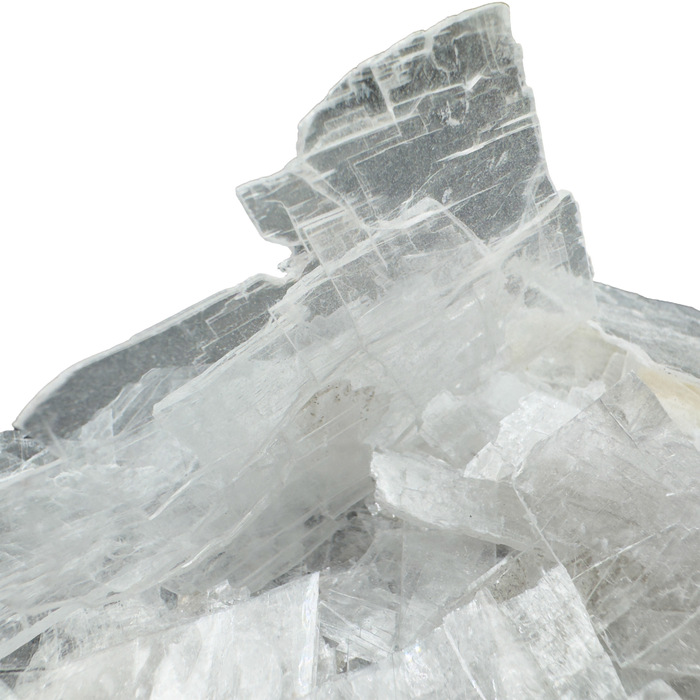
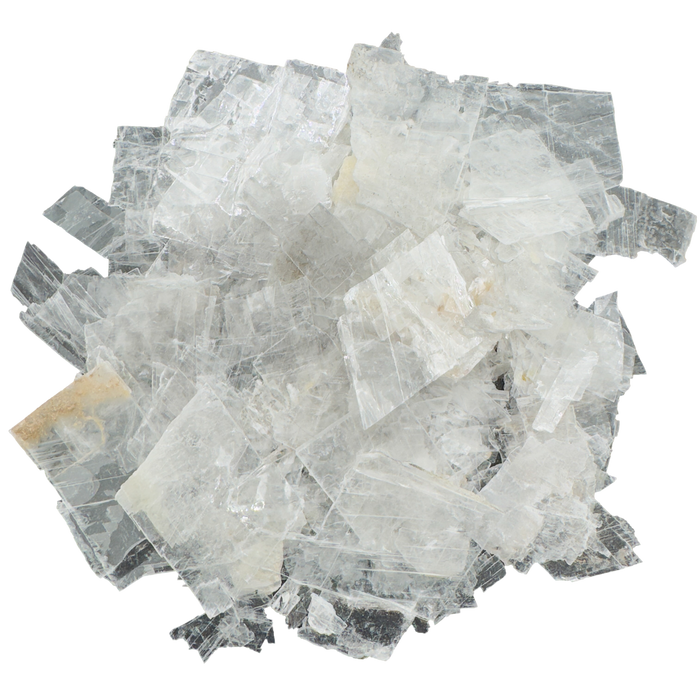
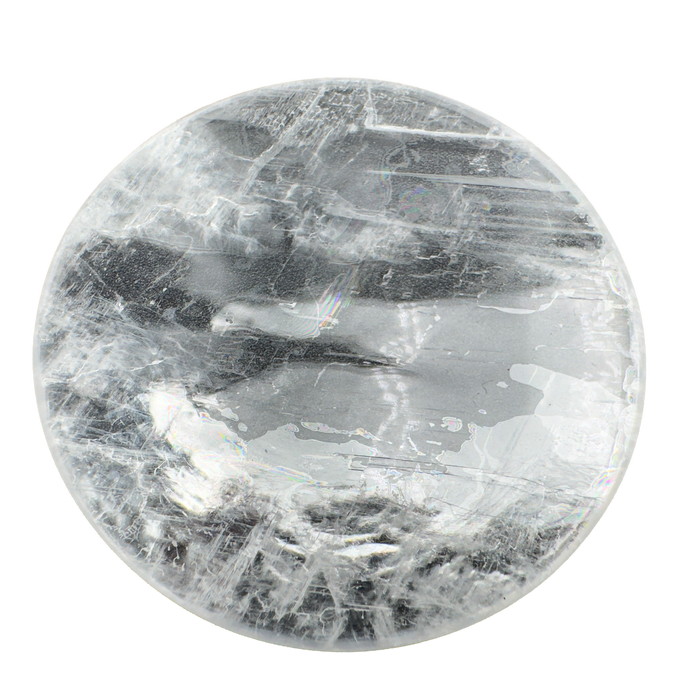
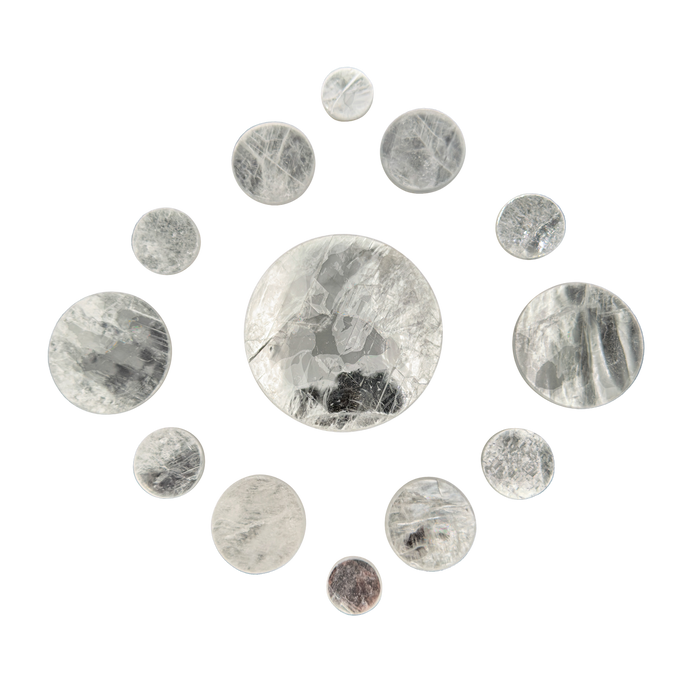
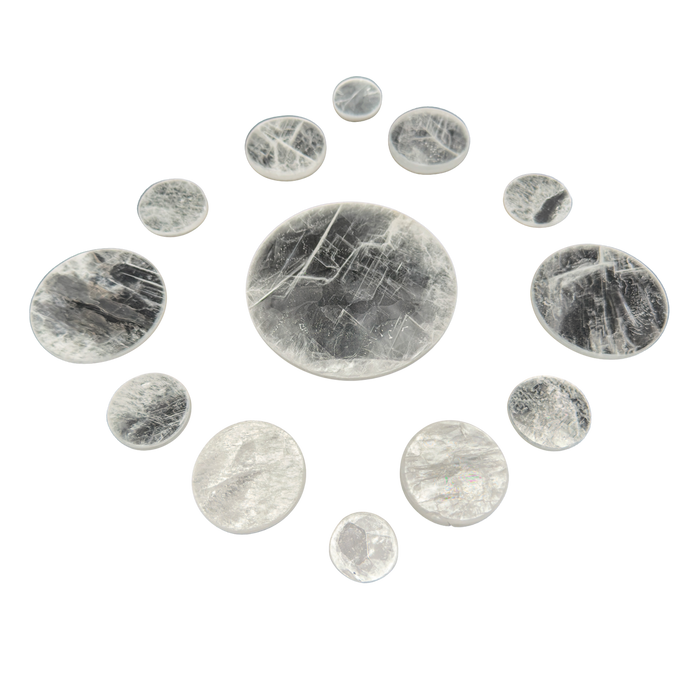
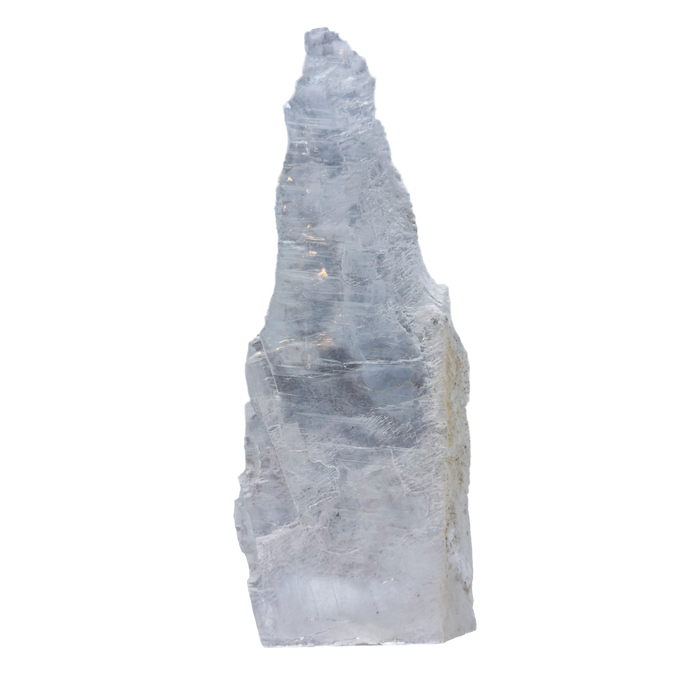
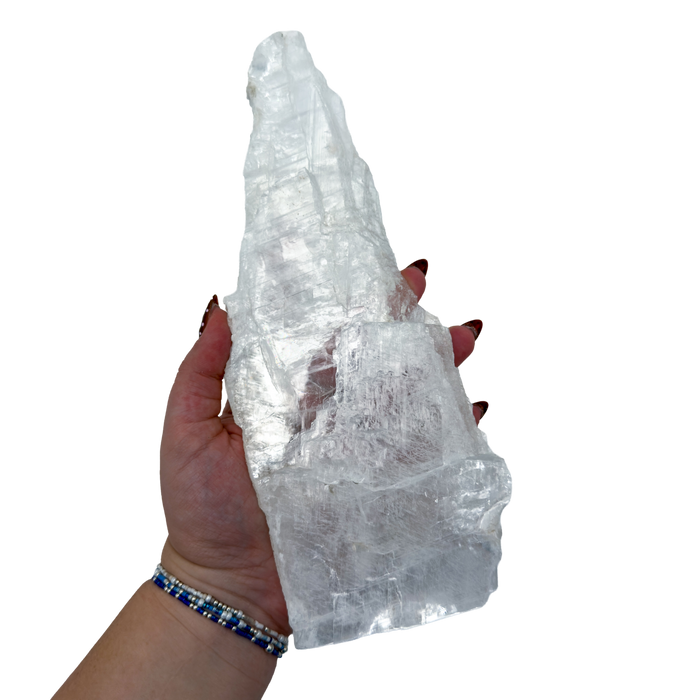
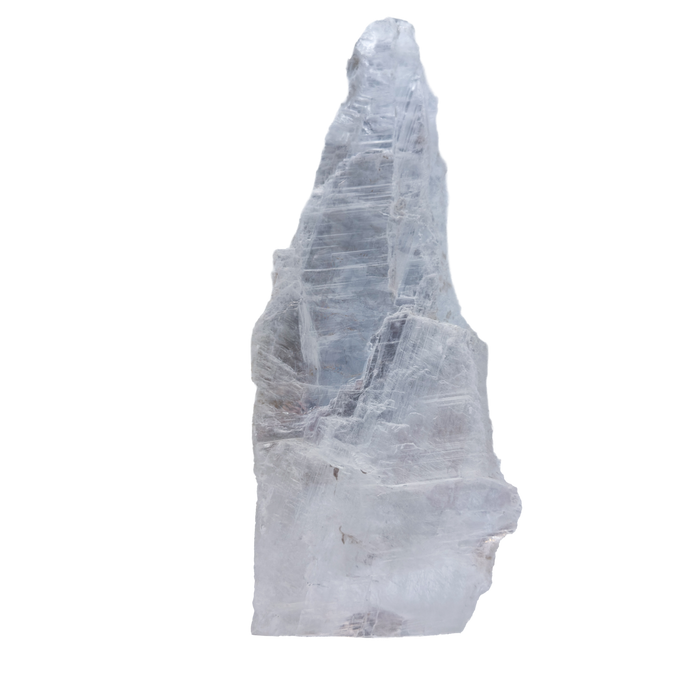
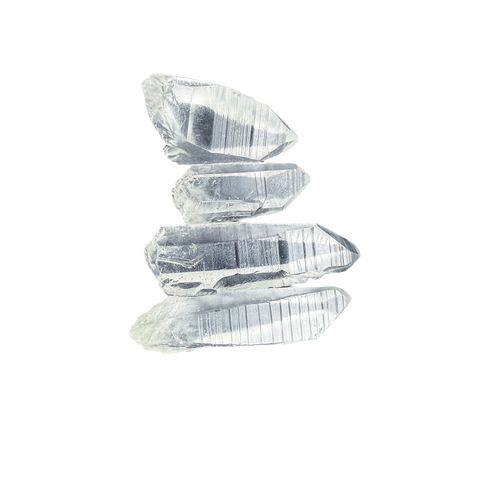
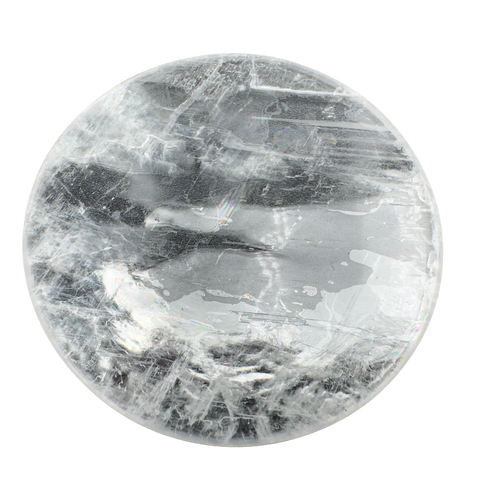
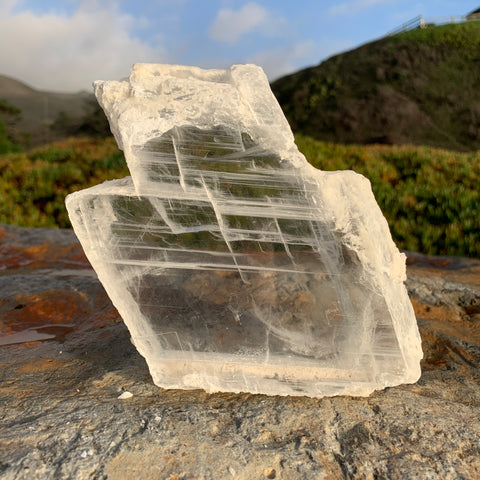
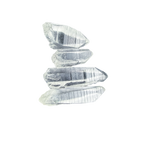
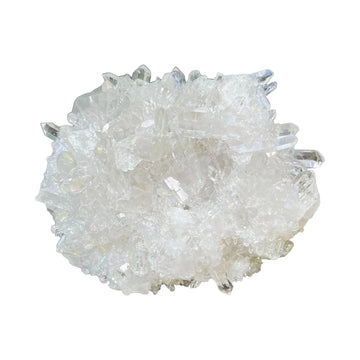
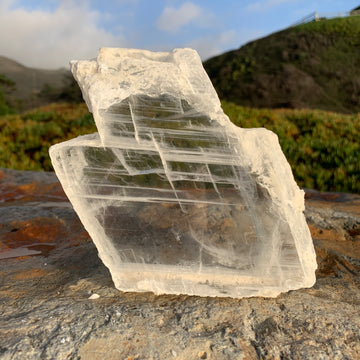
True selenite grows in transparent, glassy plates and blades. You can often read a line of text through a thin piece. Satin spar grows in fine parallel fibers, which give it a silky, moving cat’s-eye shimmer (the proper term is chatoyancy). Almost every tower, wand, bowl, lamp, and charging plate on the market is satin spar, even when the label just says selenite.
Selenite
Transparent to translucent, glass-like plates and blades.
No traveling shimmer. Light passes straight through.
Less common in finished pieces, so a clear blade often costs more.
Satin Spar
Fibrous and pearly, with a cat’s-eye sheen that slides as you turn it.
What most “selenite” towers, spheres, and plates really are.
Abundant and affordable, which is a good thing, not a downside.
Why the two names get swapped
The mix-up isn’t really about deception. It’s about language. “Selenite” is simply the word that everyone in the chain reaches for, from the miners pulling gypsum out of the ground to the shop putting a tower on a shelf. It sounds nicer, it’s easier to search, and it has been used loosely for so long that the strict mineral distinction mostly survives in textbooks and collector circles.
So when you see a glowing white tower called selenite, the seller usually isn’t trying to trick you. They’re using the popular name for a fibrous gypsum that the trade has always called selenite. The one thing worth watching is price. A clear, well-formed selenite blade is genuinely less common than a satin spar tower, and only the first should carry a clear-selenite premium.
How these crystals form
Gypsum is an evaporite mineral. It doesn’t need volcanic heat or deep pressure. It forms when shallow seas, salt lakes, and desert playas slowly evaporate, leaving dissolved calcium sulfate behind to crystallize near the surface. Slow, quiet, low-drama geology.
That gentle origin is exactly why gypsum is so soft, about a 2 on the Mohs hardness scale, and why it’s sensitive to water. The same process can also go big. In the Naica mine in Chihuahua, Mexico, the Cave of the Crystals holds selenite blades more than 30 feet long. They grew over roughly 500,000 years in mineral-rich water near 58°C, fed by dissolving anhydrite deep underground. The giant in that cave and the little tower on your shelf are the same mineral.
Where it comes from
Gypsum is common worldwide, which is part of why it’s affordable. A few sources stand out for the crystal trade.
| Region | Known for |
|---|---|
| Morocco (Tafilalt) | Clearer transparent selenite blades and plenty of fibrous satin spar. |
| Mexico (Chihuahua) | The famous Naica giant crystals, plus broad commercial gypsum. |
| United States (New Mexico) | Gypsum country. The selenite we carry is New Mexico sourced. |
| Worldwide | Large evaporite deposits across several continents. |
How to tell which one you have
- Look for the shimmer. Turn it in the light. A moving cat’s-eye line means satin spar. A still, glassy clarity means selenite.
- Test the transparency. Hold a thin piece over text. If you can read through it, you’re likely holding true selenite.
- Watch the fibers. Fine parallel striations, like brushed silk, point to satin spar.
- Mind the form. Towers, wands, spheres, bowls, lamps, and charging plates are nearly always satin spar.
- Keep it dry either way. Both are soft and slightly water-soluble, so skip the water rinse and the overnight soak. Our note on which crystals can go in water covers the why.
What people reach for it for
Selenite and satin spar are traditionally associated with clearing a space and settling the mind before meditation. We talk about that as something that can support a practice you already keep, not a substitute for rest, care, or anything else. The geology is the part we can promise. The rest is yours to explore.
Buying it with eyes open
Whether the tag reads selenite or satin spar, you’re getting gypsum, and that’s genuinely lovely material. What matters is that a seller tells you the form and the origin, and doesn’t charge a clear-selenite premium for a fibrous satin spar tower. We list ours as selenite because that’s the name the whole supply chain uses, and we’re happy to tell you it’s the satin spar form when you ask. That kind of plain answer is the whole point of how we source and describe what we sell.
You can see our current pieces in the selenite collection, and if you’re still getting your bearings with stone names and treatments, the crystal guide is a calm place to start.