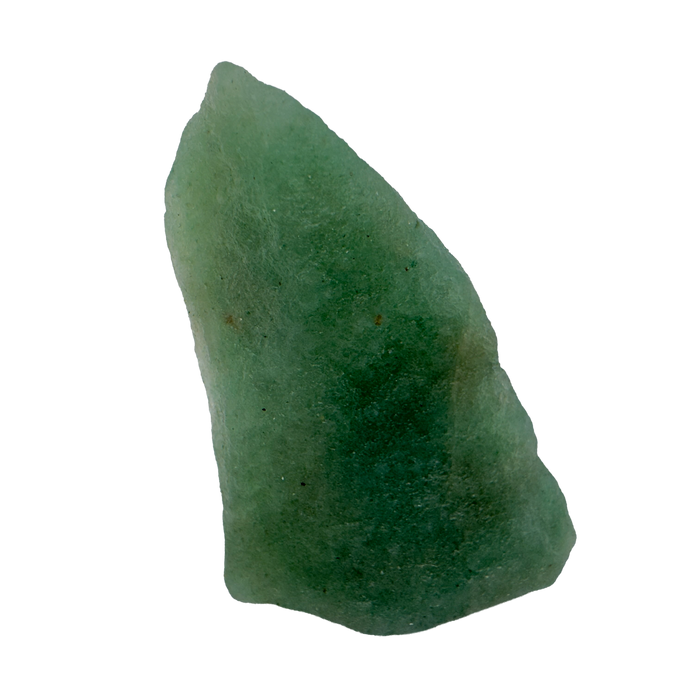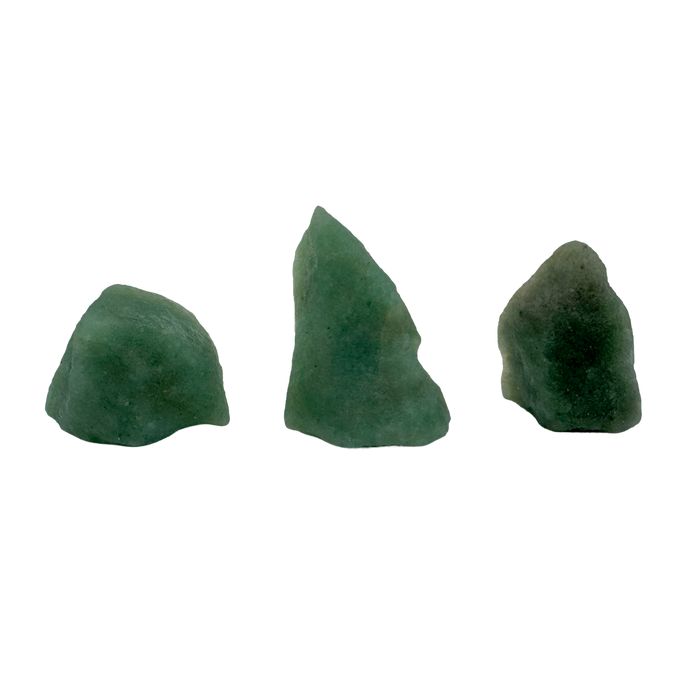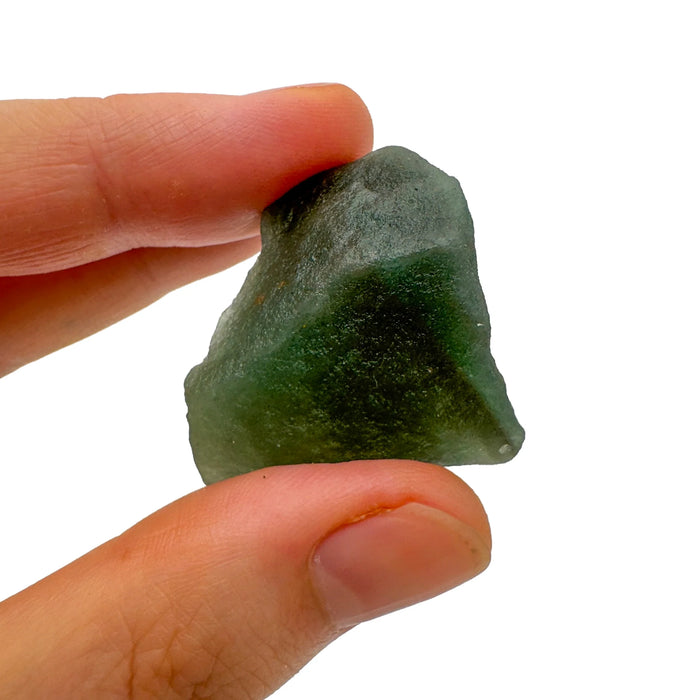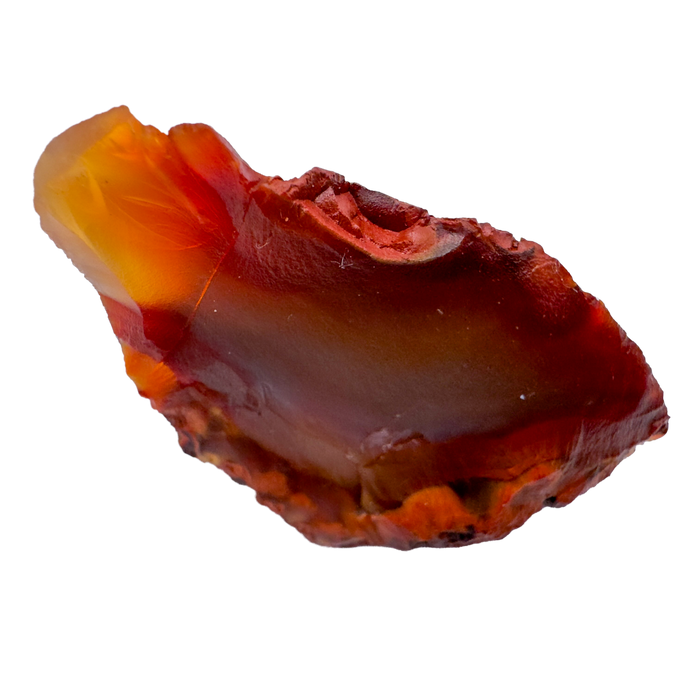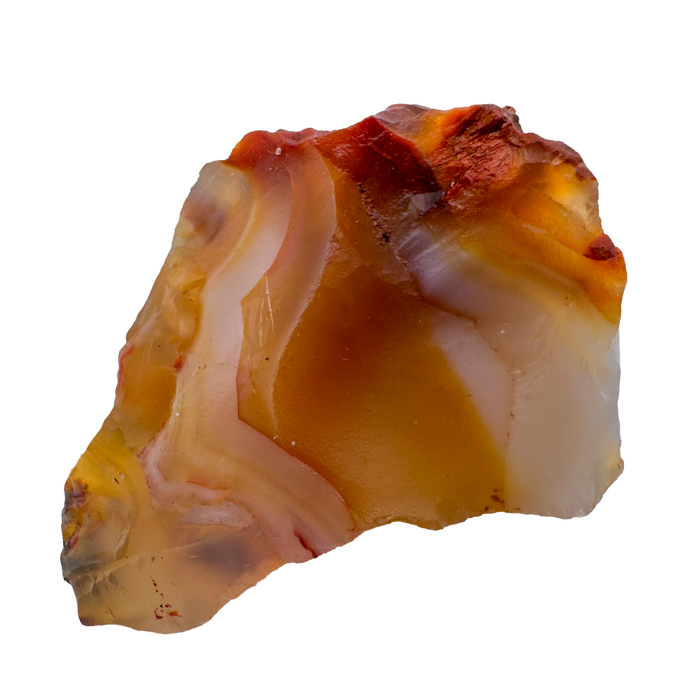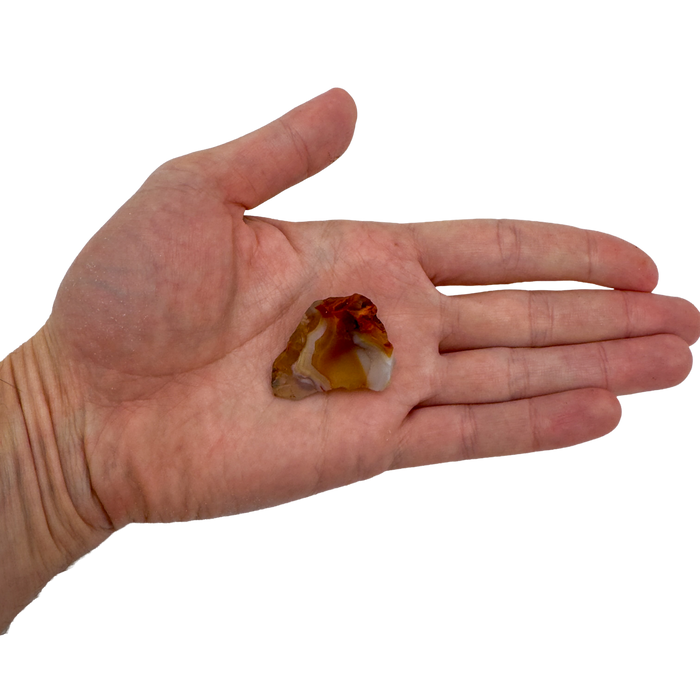
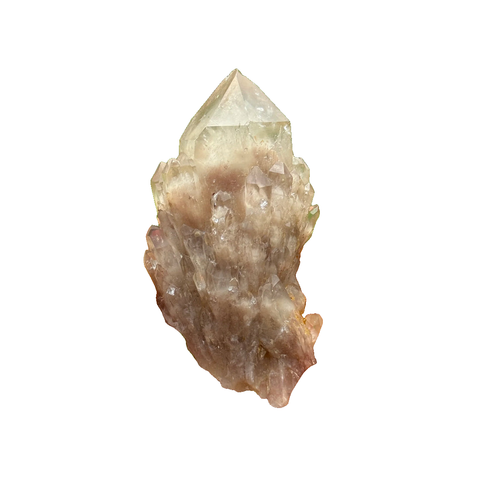
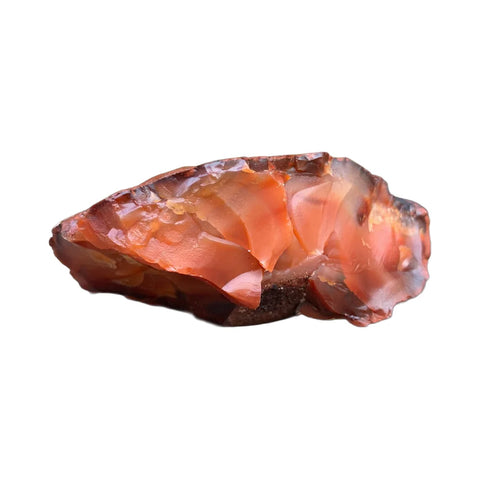
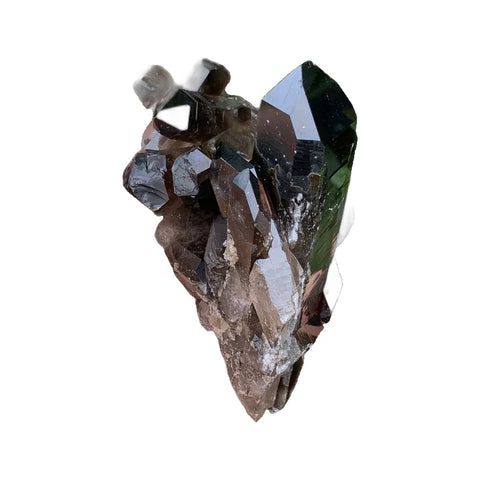
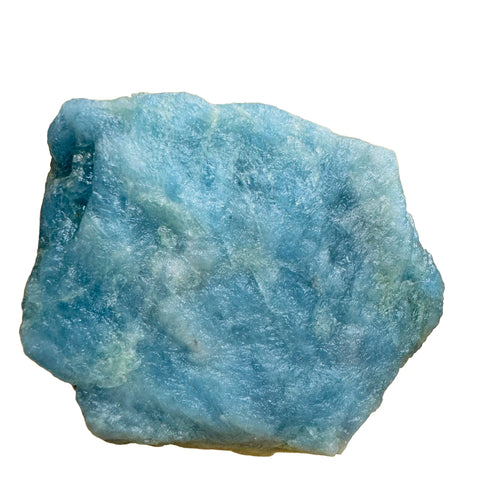


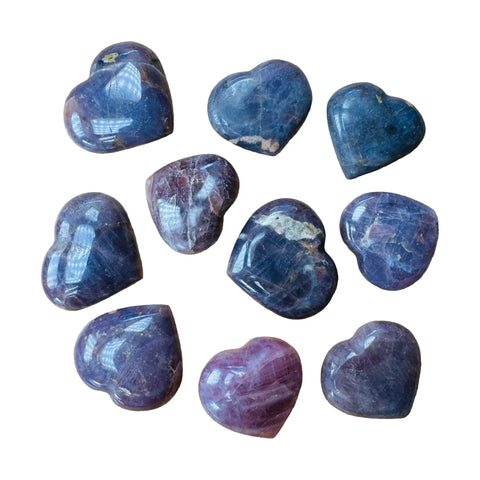
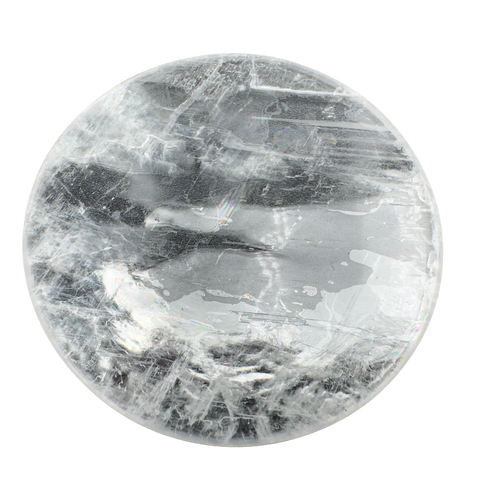




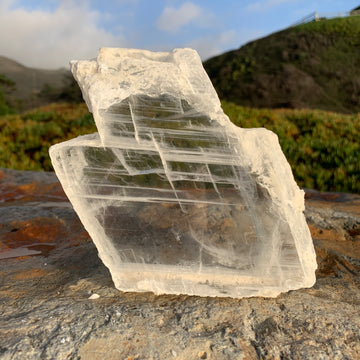
Flower agate is a real, natural stone, but the name is modern marketing. Here's what it actually is, why it took over crystal feeds, and how to tell honest material from dyed lookalikes before you buy.
What Is Flower Agate? The Trend Stone, Explained

Open any crystal feed right now and you will see them: pale, blossom-flecked hearts and towers labeled “flower agate.” It is one of the stones the last few years made famous, and demand has stayed strong into 2026. It is also a name that did not exist a generation ago.
Quick answer
Flower agate is natural chalcedony (quartz family, Mohs 6.5 to 7) with milky plume inclusions that look like blossoms, mined mostly in Madagascar. The name is a modern trade name, not a mineral species. Most is genuine, but dyed and loosely labeled material exists, so check for soft, varied blooms and a muted base.
That is not a knock. Flower agate is a real, natural stone. But the name is modern marketing, and the market around it has the usual mix of honest material, dyed lookalikes, and loose labeling. Here is what you are actually holding, and what to check before you buy.
Family
Chalcedony (quartz)
Hardness
Mohs 6.5 to 7
Name type
Trade name
Main source
Madagascar
What flower agate actually is
Flower agate is a variety of chalcedony, the same microcrystalline quartz family that gives us agate, carnelian, and onyx. It rates 6.5 to 7 on the Mohs hardness scale, which makes it durable enough for daily handling and a quick rinse.
The “flowers” are mineral inclusions. As silica-rich fluids filled cavities and veins in the host rock, small chalcedony formations grew outward in plumes and spherulites, little radiating bursts that look like blossoms suspended in a milky base. No two pieces share the same pattern, because each bloom records a separate moment of mineral growth.
The name itself is a trade name. It describes the look, not a distinct mineral species. You will mostly see it on material from Madagascar, where most of the world’s flower agate is mined.
Why it is everywhere right now
Two trends pushed flower agate into the spotlight. The first is the move toward softer, more natural-looking stones. Muted pinks and creams photograph beautifully and fit the calm, neutral aesthetic that has taken over wellness spaces. The second is social media. Flower agate is photogenic, affordable, and easy to shape into hearts and palm stones, which made it a natural fit for short videos and gift guides.
It also rides two bigger shifts shaping crystal buying in 2026: a preference for raw and lightly worked stones over glossy mass-market polish, and intention-based shopping, where people pick a stone for a feeling or a goal rather than a name they already know. Flower agate sits right in that overlap, which is part of why it keeps showing up in feeds and gift guides.
Popularity has a downside, though. When a stone sells, the market fills with versions of it, and not all of them are what the label says. The same name can sit on a carefully chosen natural piece and on a dyed one, at very different prices.
“The same name can sit on a carefully chosen natural piece and on a dyed one, at very different prices.”
What the label might be hiding
Because “flower agate” is a trade name, sellers use it loosely. A few things commonly hide behind it.
| What you might see | What it usually is | What to check |
|---|---|---|
| Natural flower agate | Madagascar chalcedony with soft, irregular white plumes | A muted base and blooms that vary piece to piece |
| Dyed material | Agate or chalcedony color-boosted to look pinker | Bright, even color and dye pooling in cracks |
| “Cherry blossom agate” | A closely related trade name, sometimes the same material, sometimes reserved for pink or red bloom inclusions | Ask whether it is the same natural Madagascar chalcedony |
| Generic “agate” or “jasper” | Loose labeling of related chalcedony | Ask for the specific name and country of origin |
None of this means flower agate is a risky buy. It means the name alone does not tell you much. The seller does.
How to choose a good piece
- Look for soft, varied blooms. Natural plumes are irregular and a little fuzzy at the edges. Stamped-looking, perfectly even “flowers” are a yellow light.
- Be skeptical of neon pink. Most natural flower agate runs cream, peach, and gray with pink accents. Vivid, candy-pink uniformity often means dye.
- Check the base color. The background should read like soft milk glass, not bright white plastic.
- Ask about origin and treatment. A seller who can tell you the stone is natural Madagascar chalcedony, and say plainly whether it has been dyed, is doing the work for you.
- Buy the piece, not the name. With one-of-a-kind patterns, the individual stone matters more than the label. Pick the one whose blooms you actually like.
Where ours comes from
Our flower agate is hand-selected, natural Madagascar chalcedony from the Analamanga, Sofia, and Boeny regions, sourced through suppliers we vet personally. We do not dye it, and we say so. If you ever want to know more about a specific piece, you can just ask. That openness is the whole point of how we source our crystals.
What people reach for it for
Beyond the look, flower agate is traditionally associated with emotional healing, gentle personal growth, and manifestation. People keep it close for daily carry or set a heart on a nightstand or altar. As with any stone, we would frame it as something that supports a practice you already value, not a replacement for care or medicine.
The honest version
Flower agate is a real, natural chalcedony, a trade name rather than a mineral species, mostly from Madagascar. Most is genuine, but dyed and loosely labeled pieces exist. Judge the individual stone: soft, varied blooms and a muted base, and ask about origin and treatment.
If the pattern is what drew you in, that instinct is a good one. Browse our flower agate collection, or start with the crystal guide if you want origin, formation, and care details for any stone we carry. And if you like knowing what is really behind a name, our piece on crystal trade names is a good next read.