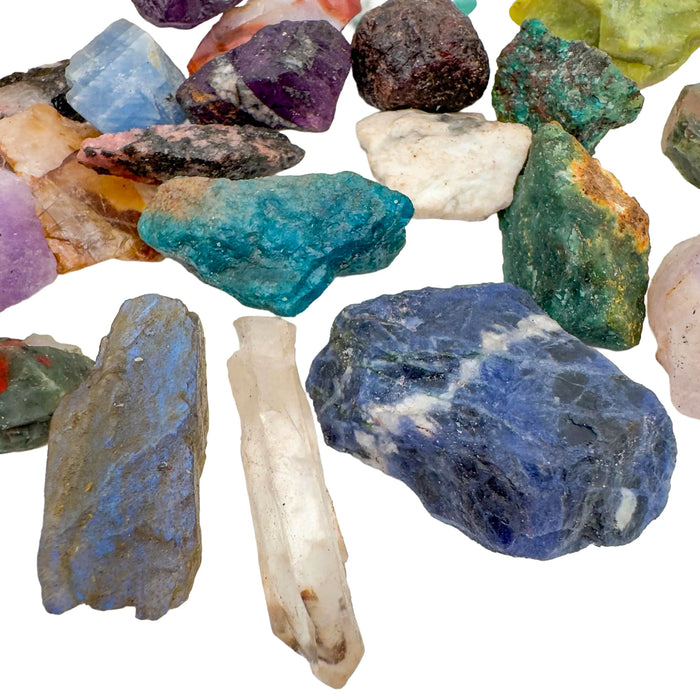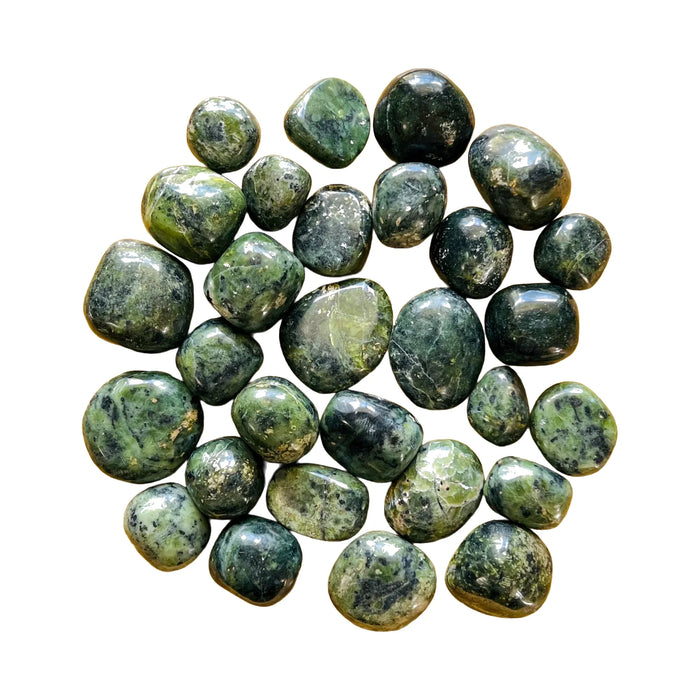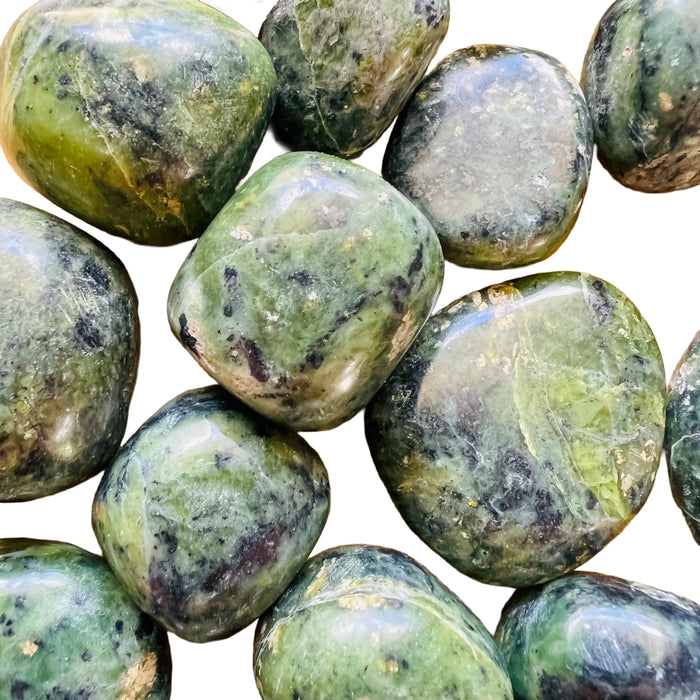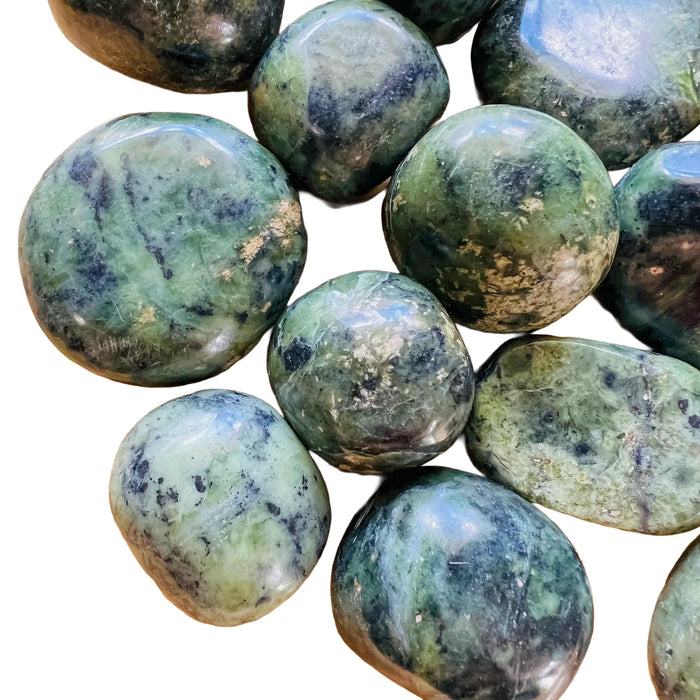














































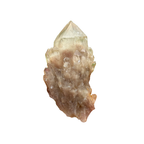
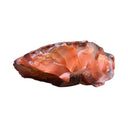
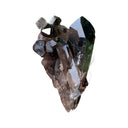
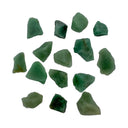
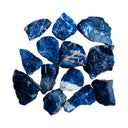
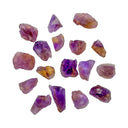
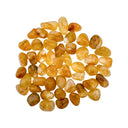
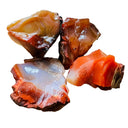























Orca agate, cherry quartz, aqua aura: some crystal names sell more than they tell. Here's what common trade names really mean, the three kinds to know, and how to read any crystal label in five minutes.
Crystal Trade Names That Hide What You're Buying

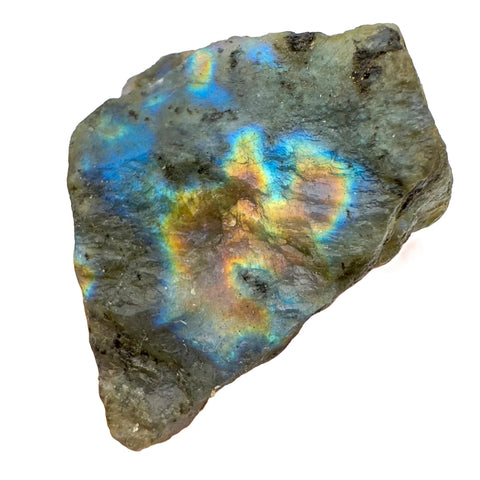
You search for one stone, and the same photo comes back under three different names. A dark, flashy feldspar is “black moonstone” on one site and “labradorite” on the next. A banded gray-and-white agate is “orca agate” here and “orca jasper” there. A bright red tumble is “carnelian” in one shop and “red agate” in another. When the names don’t agree, it’s fair to wonder which one is telling the truth.
Here’s the honest version. A trade name usually isn’t a lie. It isn’t a fact either. It’s a marketing choice, and marketing choices are made to sell. So the useful question isn’t “is this name real,” it’s “what’s underneath it.” Once you can see the stone behind the label, the whole shelf gets easier to read.
What a trade name actually is
Minerals have real, plain, scientific names. Quartz. Feldspar. Chalcedony. Those describe what a stone is made of, and they don’t change from shop to shop. A trade name is the friendlier label a seller adds on top, usually to describe a color, a pattern, or a place. Think of it like a wine label. “Sunset blend” tells you the mood. The grape underneath tells you what you’re actually drinking.
Most trade names fall into three buckets, and the bucket matters far more than the name.
1. A nickname for a real, natural stone
Some trade names are just friendly labels for an honest natural material. Orca agate is a good example. It’s a banded black, gray, and white chalcedony, an agate, from Madagascar, named for its killer-whale coloring. The name only caught on in the last decade or so, once that Madagascar material started reaching the market in volume. Call it orca agate or orca jasper, it’s the same natural banded agate underneath. The name is decoration. The stone is real.
2. A name that blurs two different stones
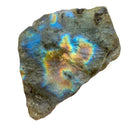
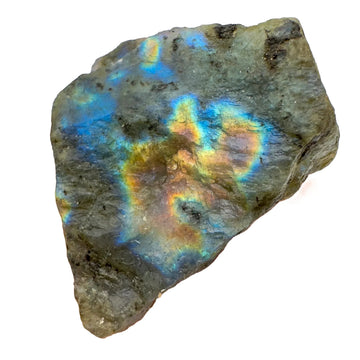
Other trade names sit on the fence between two species, and that’s where shoppers get tripped up. Black moonstone is the classic case. It’s a dark feldspar, and the silver-blue sheen most pieces show is labradorescence, the same optical effect that defines labradorite, rather than the soft milky glow of true moonstone. So it’s named like a moonstone and behaves more like a labradorite. Neither shop is lying. The name just papers over a detail worth knowing. We broke the whole thing down in our guide to what black moonstone actually is.
3. A name for a treated or man-made material
This is the bucket to watch. Some trade names dress up a material that’s been changed, or one that never came out of the ground at all. Aqua aura is natural quartz bonded with a fine layer of gold vapor, which is where the electric blue shine comes from. That’s a real quartz with a real treatment, and an honest seller will say so. Cherry quartz is the trickier one. Much of what sells under that name is man-made glass with red streaks inside, not a natural quartz at all. The name borrows the word “quartz” to sound like it grew that way. Often it didn’t.
The names worth a second look
Here are some of the trade names you’ll meet most often, what usually sits underneath them, and the one thing worth checking before you buy.
| Name on the label | What it usually is | Worth checking |
|---|---|---|
| Orca agate / orca jasper | Natural banded black, gray, and white agate (chalcedony) from Madagascar | A real stone. “Jasper” here is just store language for the same agate. |
| Black moonstone | A dark feldspar, usually closer to labradorite than to true moonstone | The flash is labradorescence, not the milky glow of real moonstone. |
| Aqua aura | Natural quartz bonded with a fine layer of gold vapor | Real quartz, real coating. A good seller will say it’s been treated. |
| Cherry quartz | Often man-made glass with red streaks, not a natural quartz | Tiny round bubbles and a too-even red are signs of glass. |
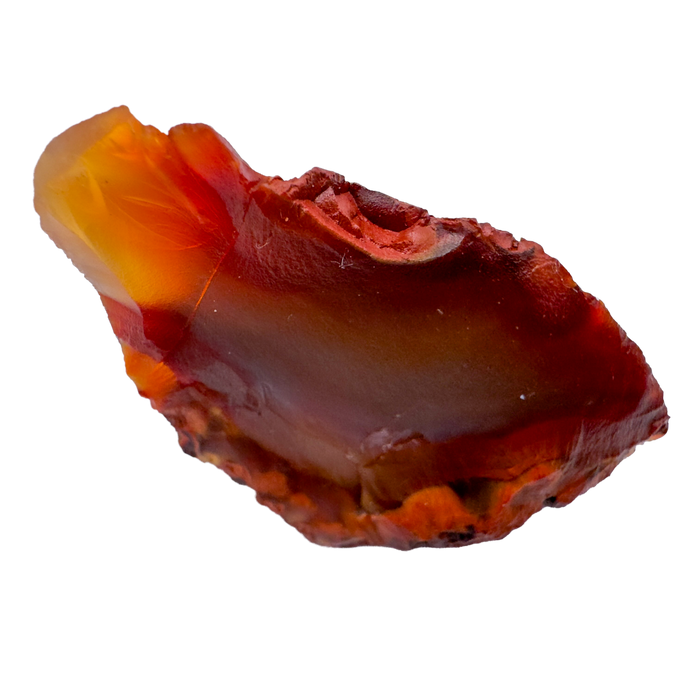
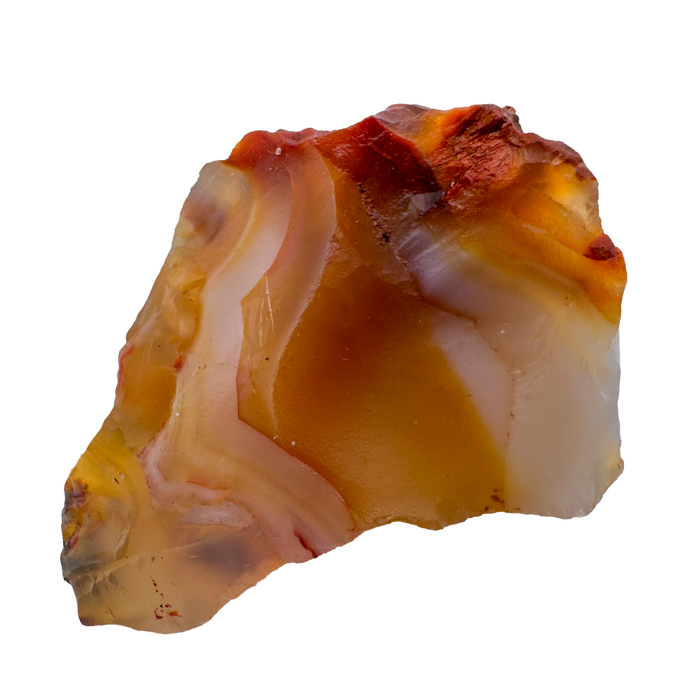
| “Carnelian” (very cheap) | Sometimes dyed or heated agate or chalcedony | Candy-bright, perfectly even color with no variation is a yellow light. |
| “Turquoise” (very cheap) | Often dyed howlite or magnesite, not true turquoise | A bargain “turquoise” is usually a dyed white stone. |
How to read a label in five minutes
You don’t need a geology degree to shop with clear eyes. You need four quick habits.
- Find the mineral, not just the name. A good listing tells you what the stone actually is: quartz, feldspar, chalcedony. If the only word on offer is a poetic trade name with no mineral behind it, that’s a yellow light, not a red one. It just means ask.
- Watch for color that’s too even. Natural stones vary. Dyed material often shows candy-bright, uniform color, sometimes with dye pooling in the cracks. Glass traps tiny round bubbles and feels warm rather than cool in the hand.
- Ask where it’s from. A seller who knows their material can usually name a country, and often a region. Vague answers on a piece priced as something special are worth a pause.
- Match the price to the claim. A dollar “turquoise” or a candy-red “carnelian” for pocket change is telling you something. Real material, sourced and handled fairly, costs what it costs.
Why we name things plainly
Most online shops can’t tell you what a stone really is, because the name came down the supply chain with the rough and nobody stopped to ask. We’d rather show our work. On every Beyond Bohemian listing we state the mineral, the origin, and whether a stone has been dyed, heated, coated, or left natural, so the label does the telling instead of the selling. If you want the full picture of how we decide what to carry and what to turn down, our Beyond Ethical sourcing standard lays it out.
Start with what you can see
A trade name isn’t your enemy. It’s a starting point, not a finish line. Learn the three buckets, ask one or two honest questions, and you’ll read any crystal label with confidence. If you’d like to see how a plain, honest listing reads, take a look at our carnelian collection, where the origin and grade are called out on every piece, or open the wider crystal guide when you want the story behind a stone.