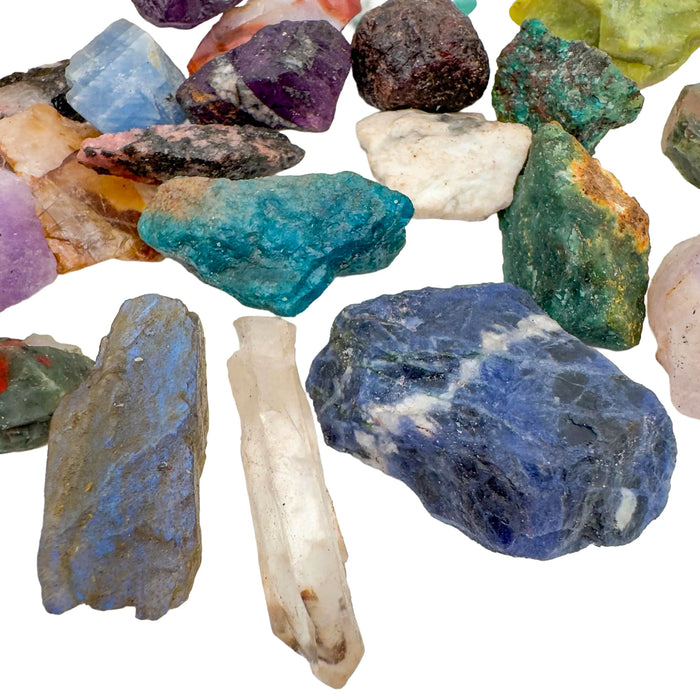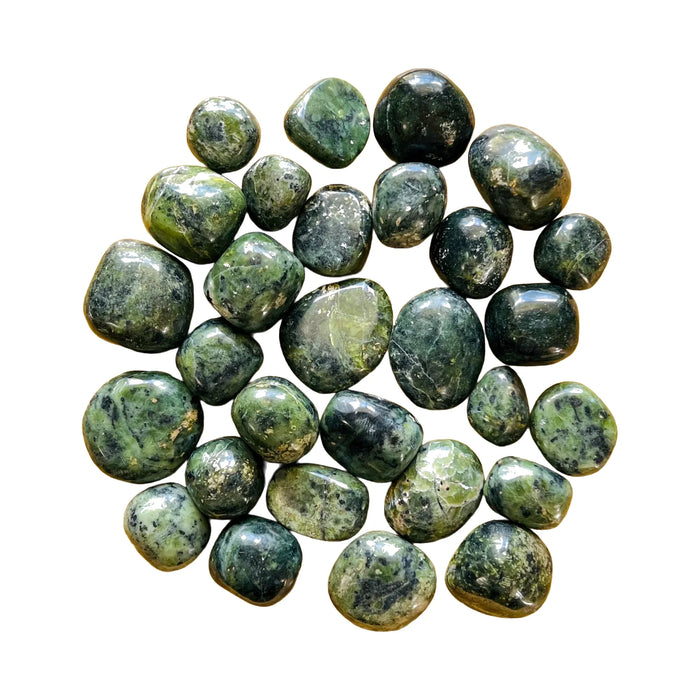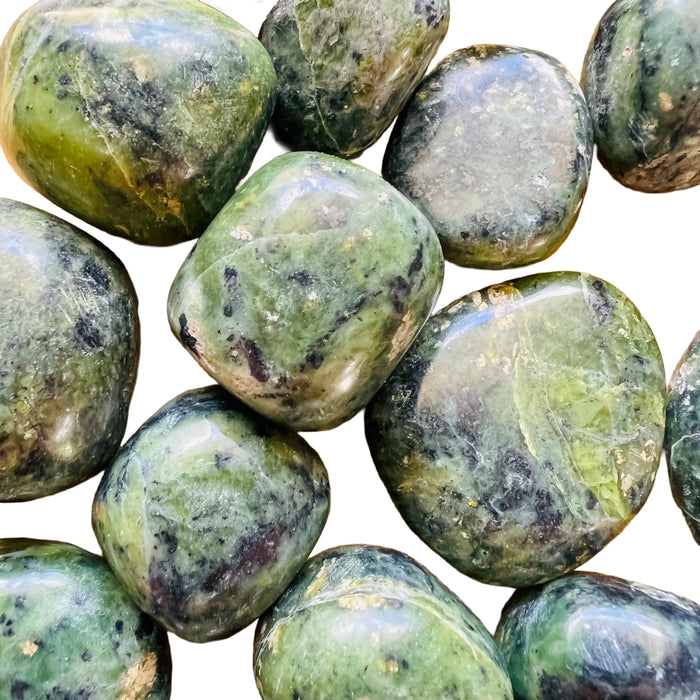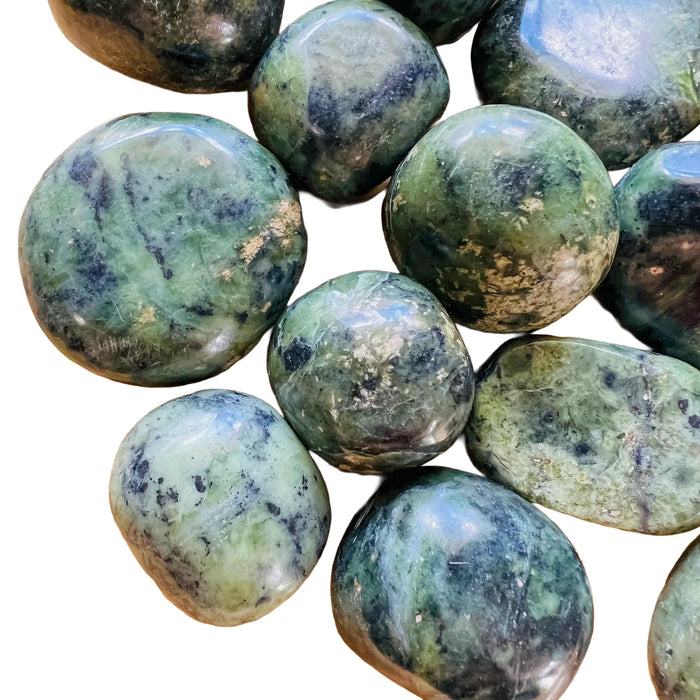
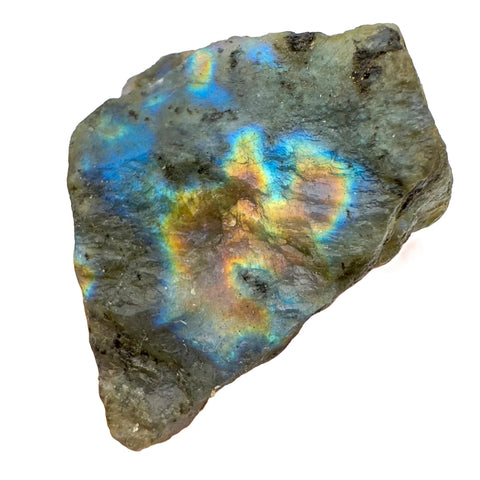
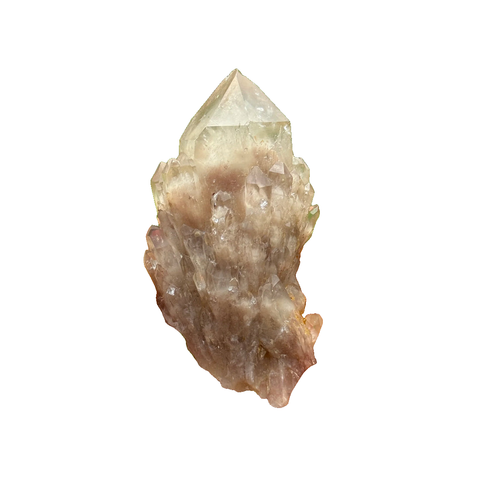
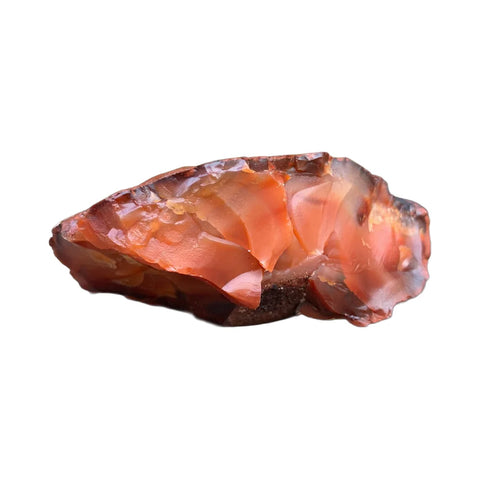
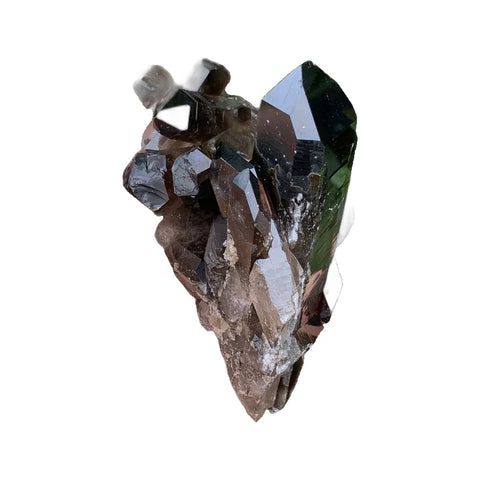




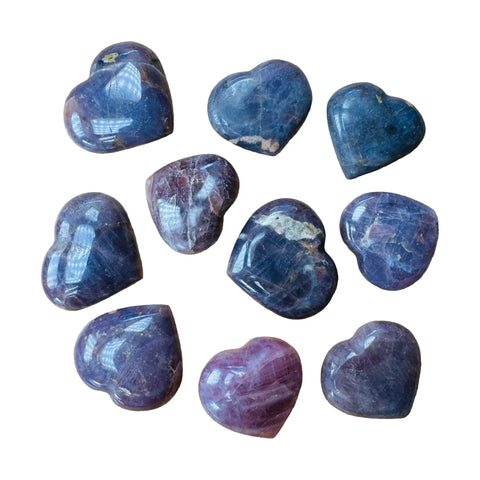
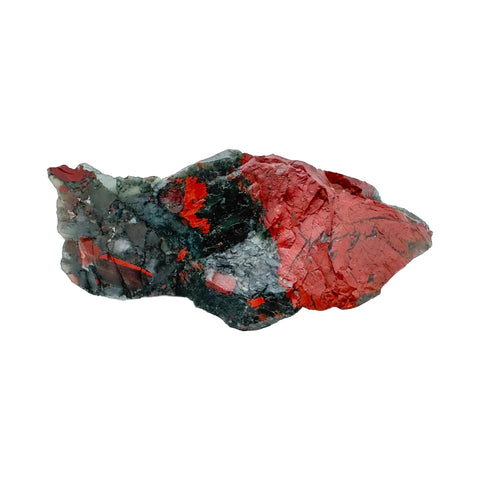
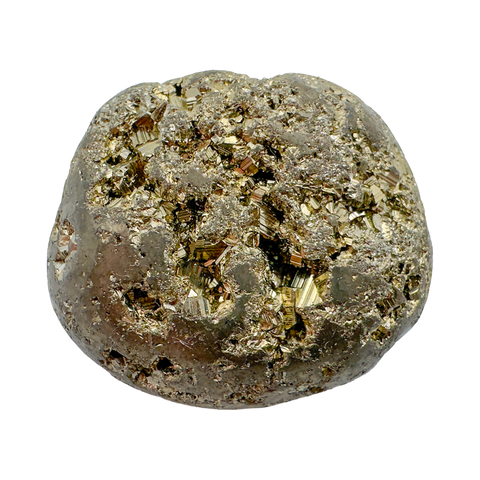
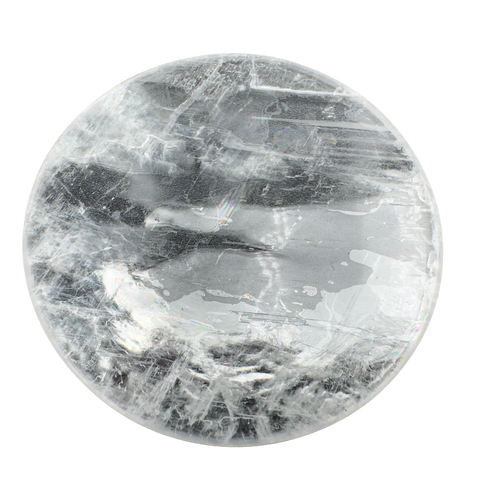


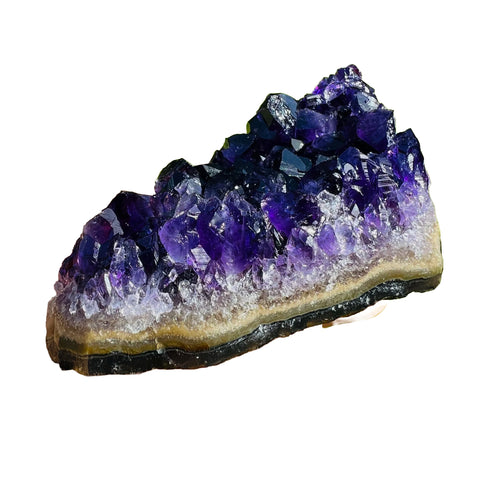





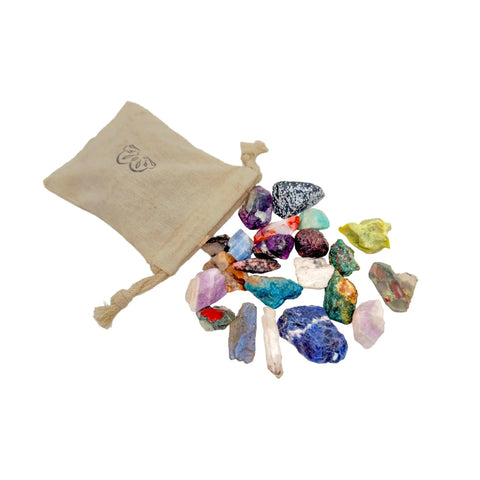




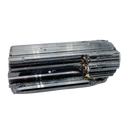
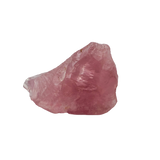
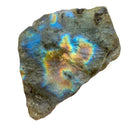
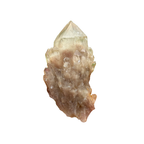
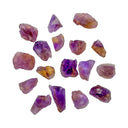
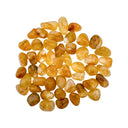
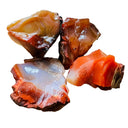
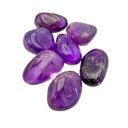


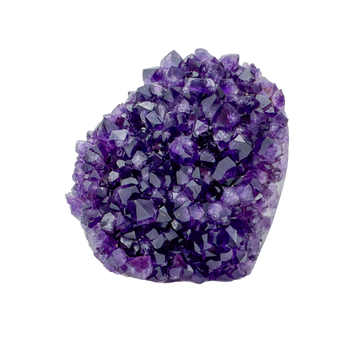
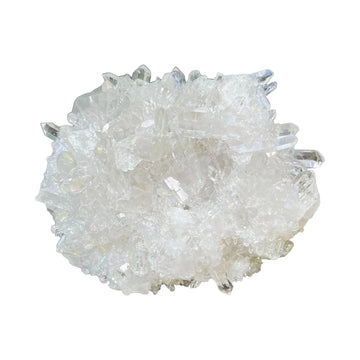
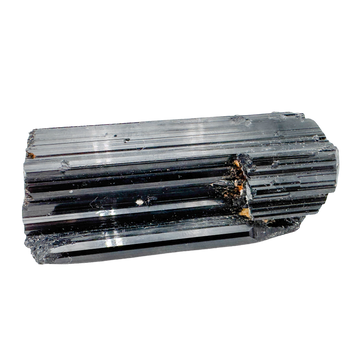
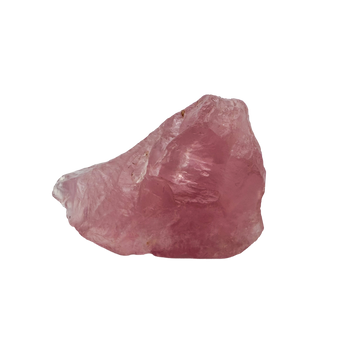







Live crystal sales are entertaining, and the prices look unbeatable. Here is what a $4.99 lucky scoop usually leaves out: stone identity, origin, treatments, and a refund path. A plain guide to enjoying live sales without getting burned.
Crystal Live Sales: What to Know Before You Buy From a Livestream

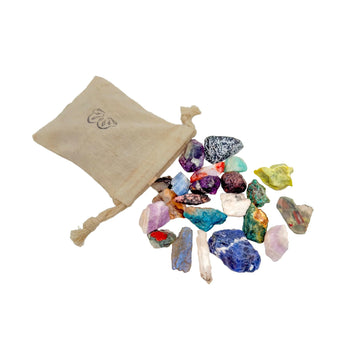
If you spend any time on social apps, you’ve probably scrolled past one: a host on camera, bins of polished stones, a counter ticking down, and “lucky scoops” going for a few dollars each. Live crystal sales have become one of the fastest-growing ways people buy stones, and we understand the appeal. They’re social, they’re fast, and watching a scoop get pulled on camera is genuinely fun.
We’re not here to tell you live sales are evil. Some sellers run them well. But the format itself makes it easy to skip the questions that protect you as a buyer, and reporting on livestream shopping has documented buyers who never received orders, couldn’t get refunds, or received stones that weren’t what was claimed on camera. So here is a clear look at what the format tends to hide, and how to enjoy it with your eyes open.
Why live sales feel so cheap (and what the price usually means)
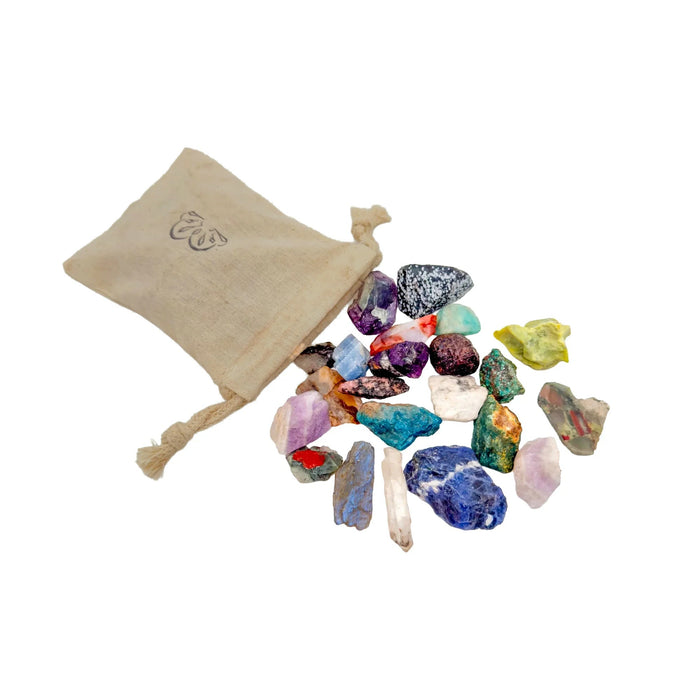
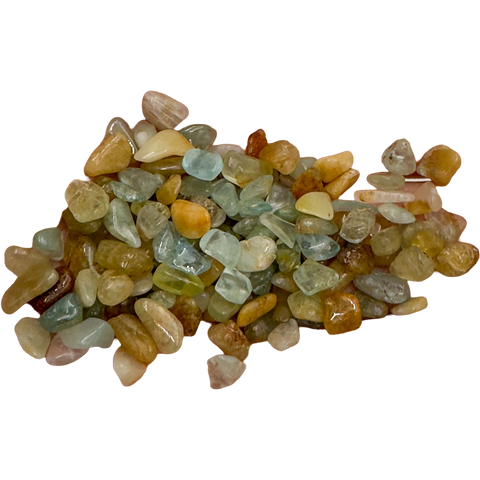
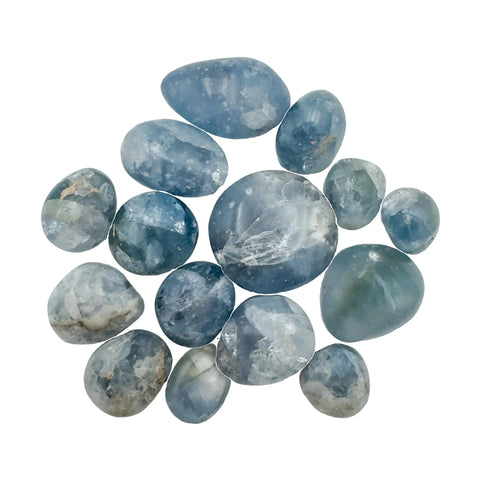
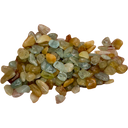
Scoops priced between $2.99 and $9.99 are common. At that price, the math only works one way: high volume, low-cost material, minimal vetting. A scoop of mixed tumbled stones at $4.99 has to cover the stones, the host’s time, packaging, shipping, and platform fees. What gets squeezed out is everything that costs money but doesn’t show on camera: verifying what the stone actually is, knowing where it was mined, disclosing treatments, and paying fairly at the source.
That doesn’t automatically mean the stones are fake. Plenty of inexpensive tumbled material is real. It means nobody in the chain has checked, and the price tells you nobody was paid to.
The four things the format tends to skip
When you buy from a product page, you can pause, read, and compare. A livestream is built to move fast. These are the four questions that usually go unanswered in the time it takes a counter to hit zero.
| What gets skipped | Why it matters | What to ask instead |
|---|---|---|
| Stone identity | Dyed howlite sells as turquoise, heated amethyst sells as citrine, and glass sells as quartz at livestream speed. | “Is this natural, dyed, heated, or stabilized?” |
| Origin | No country, no region, no mine. You can’t evaluate sourcing you can’t see. | “What country did this come from?” |
| Pricing pressure | Countdown timers and limited scoops are built to make you decide before you think. | “Would I buy this exact item from a product page tomorrow?” |
| The refund path | Buyers have reported undelivered orders and dead-end refund requests after streams end. | “What is the return policy, in writing, and where do I find it?” |
A simple green, yellow, red light test
Green light. The seller names the stone precisely, states whether it’s treated, can tell you the country of origin, ships from an address they publish, and has a written return policy you can read before you pay. That seller exists on live platforms, and they deserve your business.
Yellow light. The seller is friendly and the stones look real, but every question about origin gets answered with energy talk instead of geography. Buy small if you buy at all, and treat it as entertainment spend, not a collection piece.
Red light. Prices that can’t cover real costs, “crystal” names you can’t find in any mineral reference, pressure to buy before the stream ends, and no reachable customer service afterward. Reporting on livestream shopping found sellers whose payment accounts connected to entirely unrelated retail businesses. That tells you the crystals are inventory, not a craft.
The questions worth asking anywhere you buy
None of this is unique to livestreams. The same test applies to a website, a gem show table, or a shop on a beach boardwalk. Can the seller tell you what the stone is, where it came from, what was done to it, and what happens if you’re not happy? Our own sourcing criteria are built around those exact questions, and our Crystal Guide covers the common substitutions and treatments stone by stone, so you can check claims yourself in real time, even mid-stream.
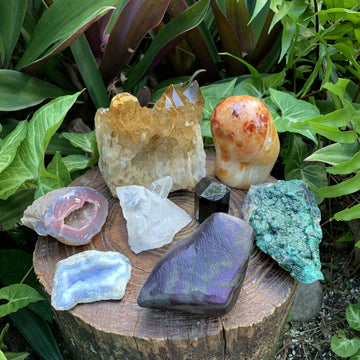
And if you ever want the slower version of the scoop experience, where each stone is identified, graded, and traced to a country before it’s listed, our tumbled stones are photographed individually with origin and treatment stated on every page. No countdown clock. Take all the time you want.
The bottom line
Live sales aren’t the problem. Speed without disclosure is. A good seller can answer the four questions above in one sentence each, on camera, without breaking stride. If the host can do that, enjoy the show. If they can’t, the scoop was never lucky. It was just fast.
If you’re curious what full disclosure looks like in practice, take a look at how we source. We’d rather show our work than win a countdown.