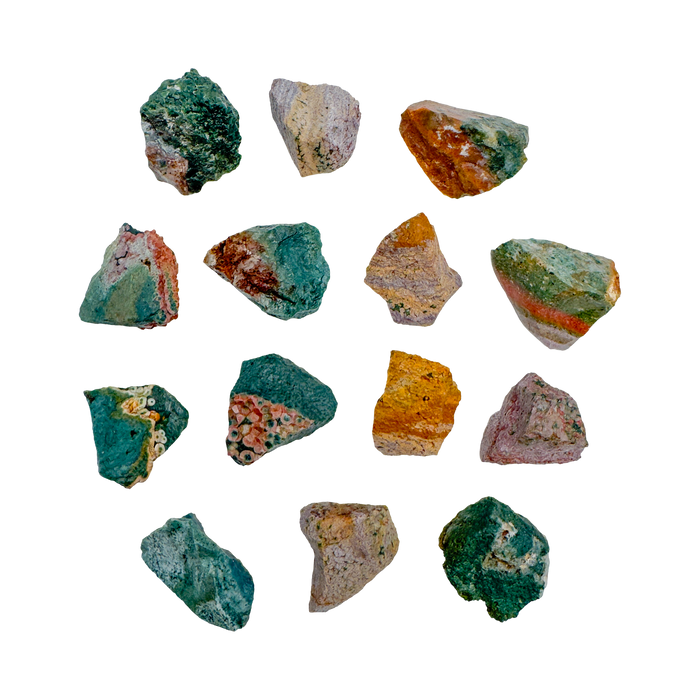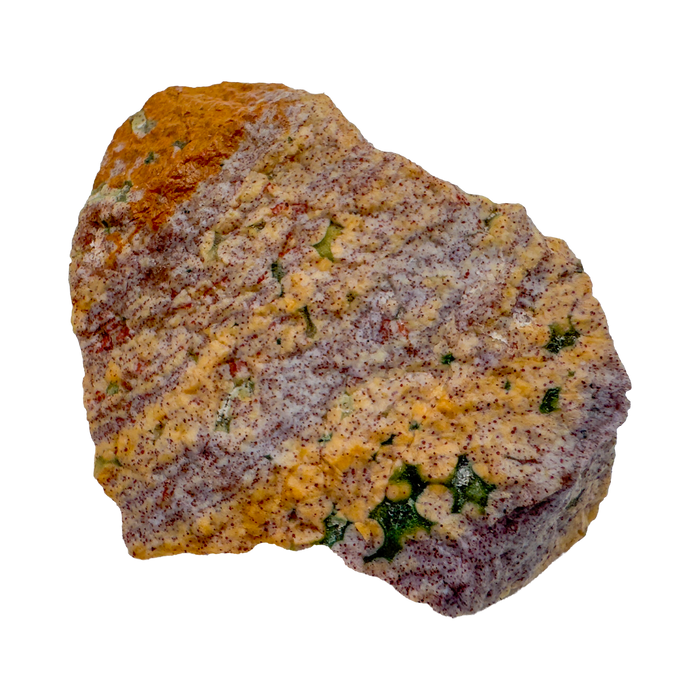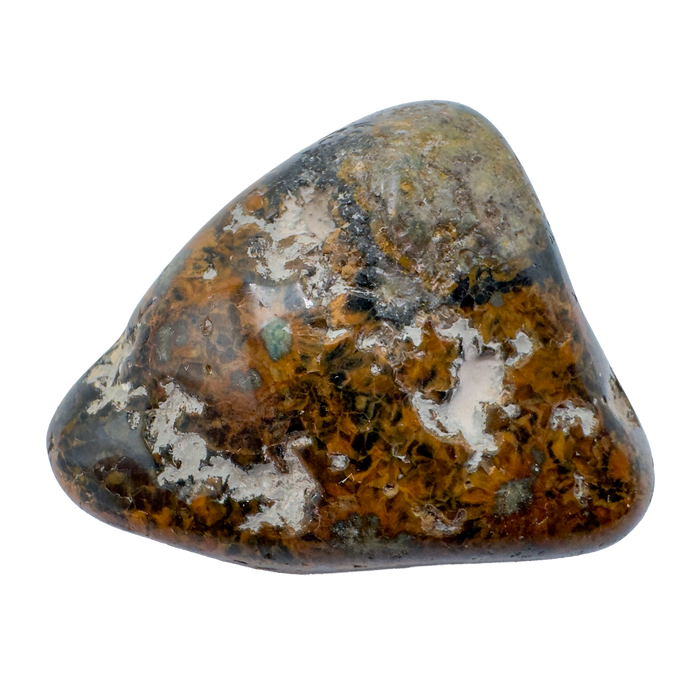




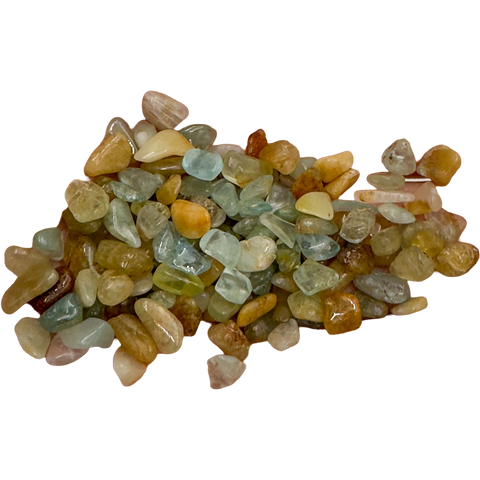
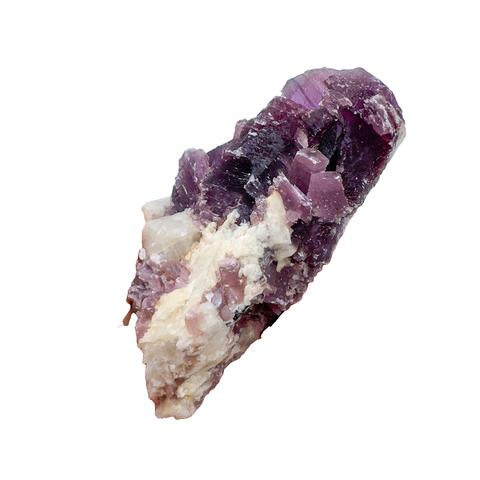
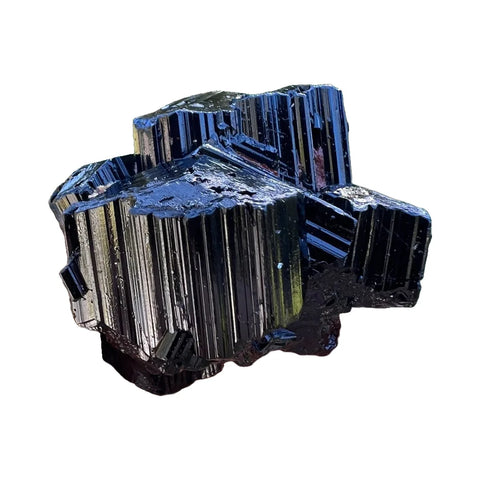
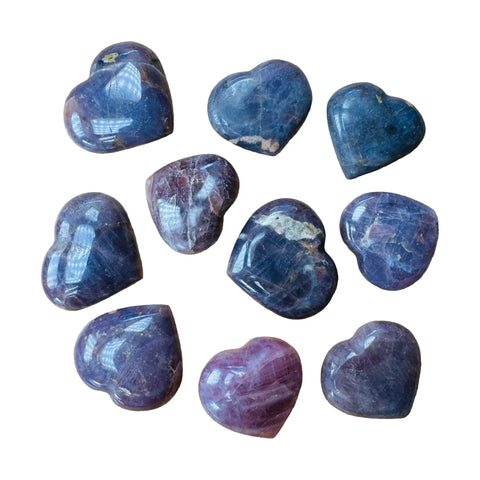








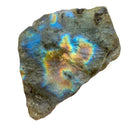
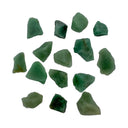
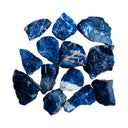
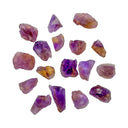
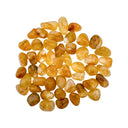
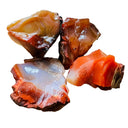
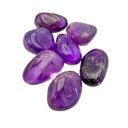

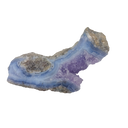





Ocean jasper's original Madagascar deposit was mined out years ago, so top old-stock material is genuinely scarce. Here's what the stone actually is, why supply tightened, and how to choose a good piece in 2026.
Is Ocean Jasper Running Out? What "Rare" Really Means

If you've shopped for ocean jasper lately, you've probably seen the same phrases over and over. "Rare." "From the original deposit, now closed." "Last of the old stock." It's enough to make you wonder whether you're looking at genuine scarcity or just a good sales line.
The honest answer is some of both. Ocean jasper really has gotten harder to find in top quality, and the most famous source really is worked out. But "rare" gets printed on a lot of stones that aren't, so it helps to know what's true here. Once you understand where this stone comes from and why supply tightened, you can read any listing with clear eyes.
What ocean jasper actually is
Start with the rock itself, because the name is a little misleading. Ocean jasper isn't a true jasper in the strict sense. It's a silicified rhyolite, which is a mouthful that breaks down simply. Rhyolite is a volcanic rock that forms when silica-rich lava cools. Over a long stretch of time, silica-rich fluids moved through that rock and gradually replaced the original minerals, a process called silicification. What's left is a hard, quartz-family stone, around 6.5 to 7 on the Mohs hardness scale, which is why it takes such a high polish.
Think of a crystal as a record of time. Ocean jasper holds the volcanic origin, the slow mineral swap, and the conditions that gave it those signature rings, all in one piece.
The orbs are the whole point
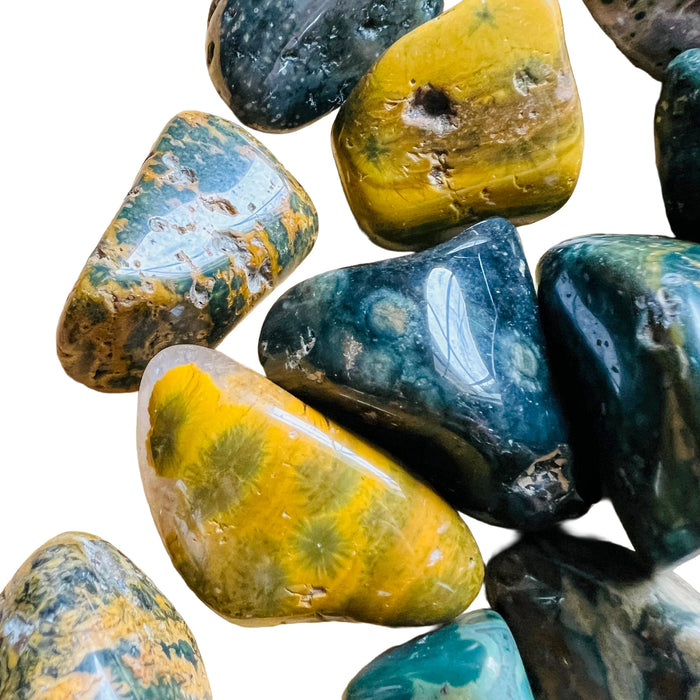
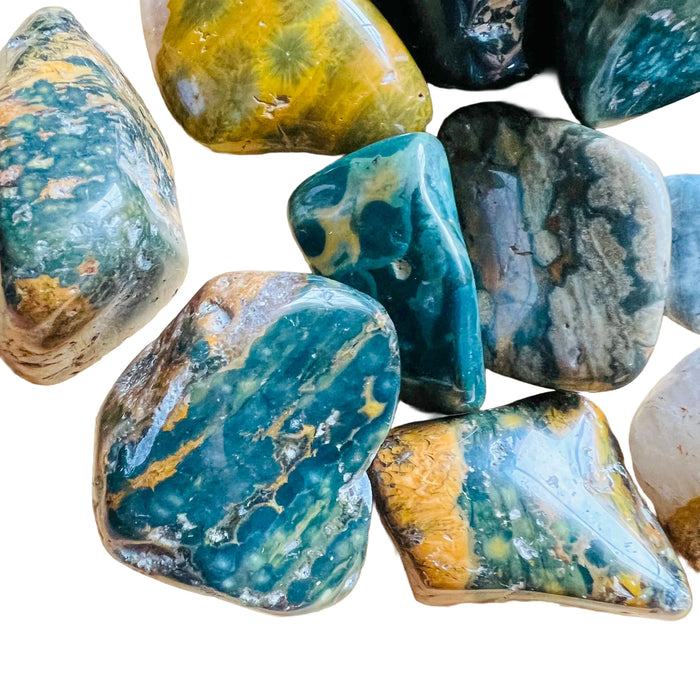
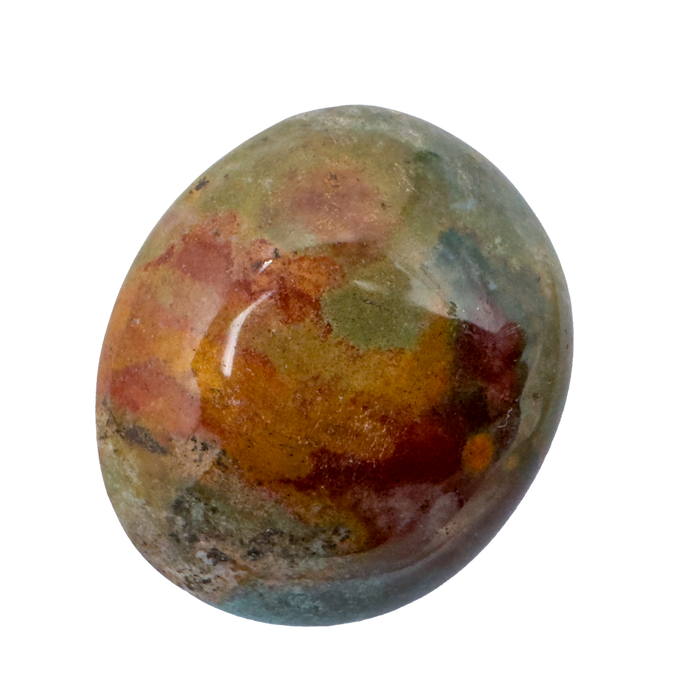
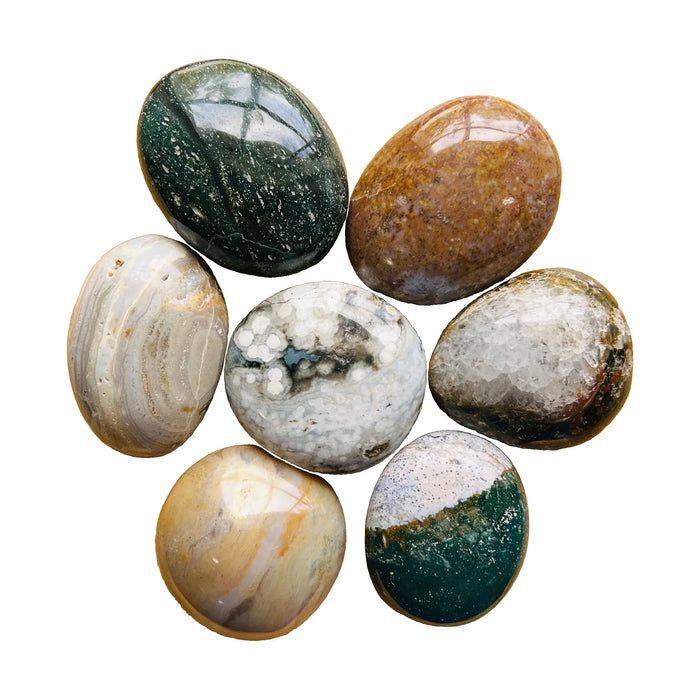
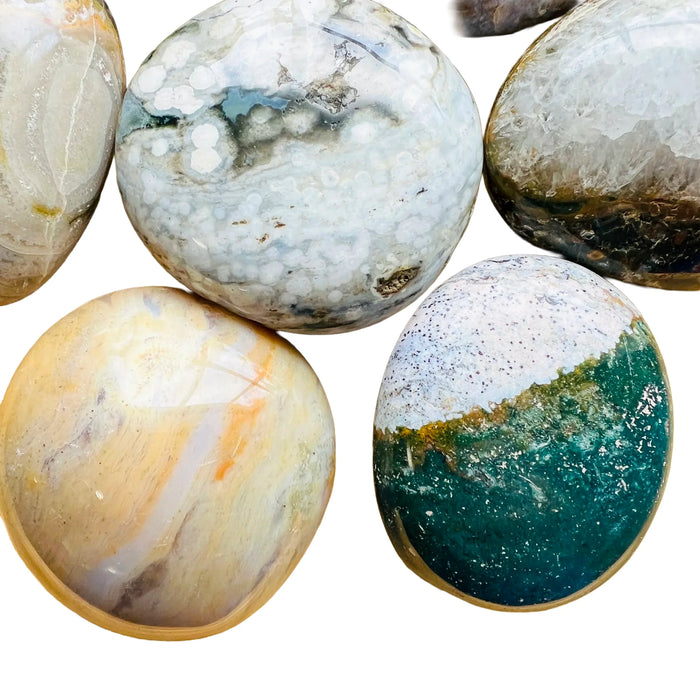
What sets ocean jasper apart from ordinary jasper is the orbicular patterning, those little eyes and rings of color scattered across the surface. They form when minerals crystallize outward from tiny centers, leaving concentric circles in green, white, pink, yellow, and gray. A piece with crisp, well-defined orbs and good color contrast is the one worth holding out for. A flat, muddy piece with no rings is still ocean jasper, it's just a quieter, more common grade.
Why people say it's running out
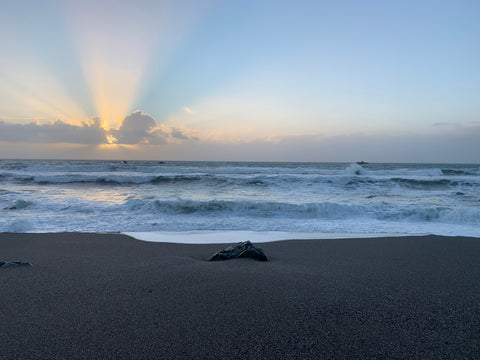
This is where the scarcity story comes from, and it's largely accurate. Ocean jasper comes from one stretch of remote coastline in northwest Madagascar, near the Sofia region. The original deposit, at a spot called Marovato, was reachable only by boat and exposed only at low tide. It produced the bright, translucent, drusy-coated material that made the stone famous in the early 2000s.
That original vein didn't last. The last of the first-find material came out around 2006, and by the end of the decade those famous veins were considered worked out. Since then, miners have located several more deposits in the area, including an inland source near Kabamby that runs toward green and yellow. Most of those have also been heavily mined. So when a seller says the classic material is gone, they aren't wrong. The very best old-stock ocean jasper genuinely is finite.
So is it rare, or is that just marketing?
Here's the reframe. The useful question isn't "is ocean jasper rare," because the answer depends entirely on which ocean jasper. New-deposit material is still mined and sold at fair prices. Top-grade old-stock from the original Marovato find is a different thing, and it carries a different price.
The problem is that the word "rare" rarely comes with that distinction attached. A tumbled stone cut from recent material and a collector slab from the first vein can both wear the same "rare" tag. One of those claims is doing real work. The other is decoration. We look at this pattern across the whole market in our guide to what "rare" actually means on a crystal label, and ocean jasper is a textbook case.
How to choose a good piece in 2026
You don't need to chase the legend of the original vein to get a beautiful stone. You just need to know what you're looking at. Four things to check before you buy:
- Read the orbs. Look for clear, rounded eyes with color contrast against the body. Crisp rings beat raw size every time.
- Ask which deposit or region. A seller who knows their material can tell you it's Madagascar, and often the general area. Vague answers are a yellow light, especially on a piece priced as "rare."
- Match the price to the claim. A common tumbled stone shouldn't carry a collector's premium. If the price jumps, the seller should be able to explain what justifies it, whether that's old-stock material, exceptional orbs, or size.
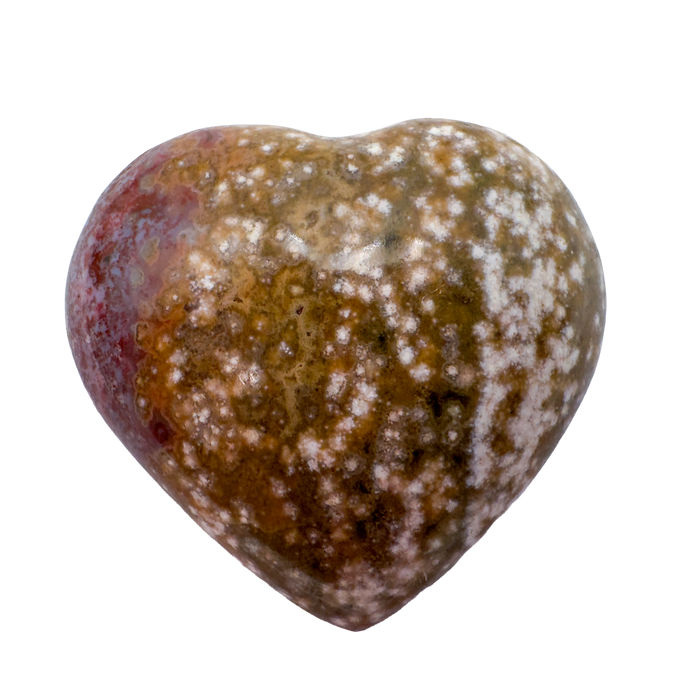
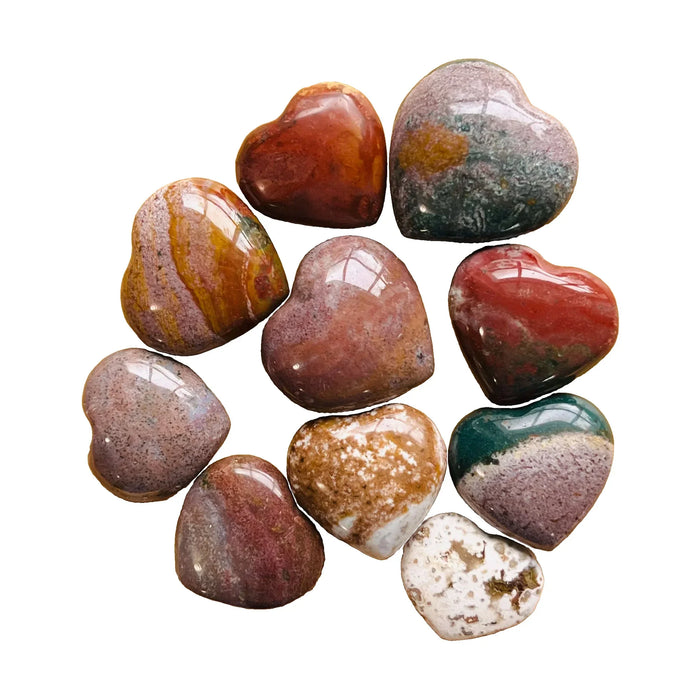
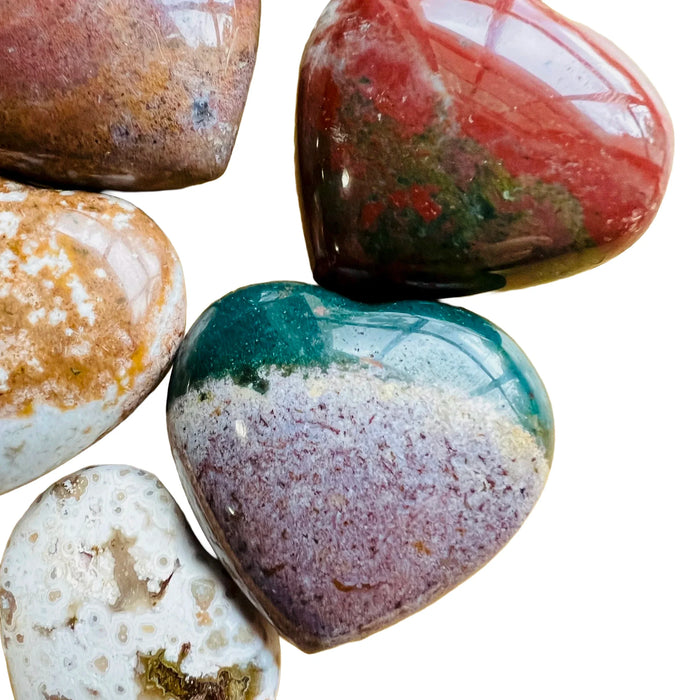
- Mind the form. Tumbled stones and palm stones show the polish and color at an everyday price. Towers, spheres, and freeform slabs use more rough and cost more. Neither is better, they're different ways to meet the same stone.
We carry ocean jasper from Madagascar, with the origin stated on every listing and the grade called out so you know what you're choosing. You can see the current pieces in the ocean jasper collection. If you want the wider picture of why one island produces so much of the world's labradorite, celestite, and jasper, our guide to Madagascar's crystal geology is a good next stop.
What people reach for it for
Tangibles first, but the meaning matters to a lot of people, so here's the honest version. With its watery rings and ocean name, this stone is traditionally associated with calm, emotional steadiness, and a sense of flow. Many people keep a piece nearby for grounding during busy stretches, or work with it in quiet, reflective practices. As with any crystal, it supports a practice rather than replacing one.
Start with one piece
Ocean jasper is a good example of why a little knowledge changes the whole experience of buying. You don't have to chase a vanished mine. You just need to see the orbs clearly, ask a couple of honest questions, and pick the piece you'll actually want to reach for. Take a look at the collection, or read more about how we choose what to carry in our crystal guide.