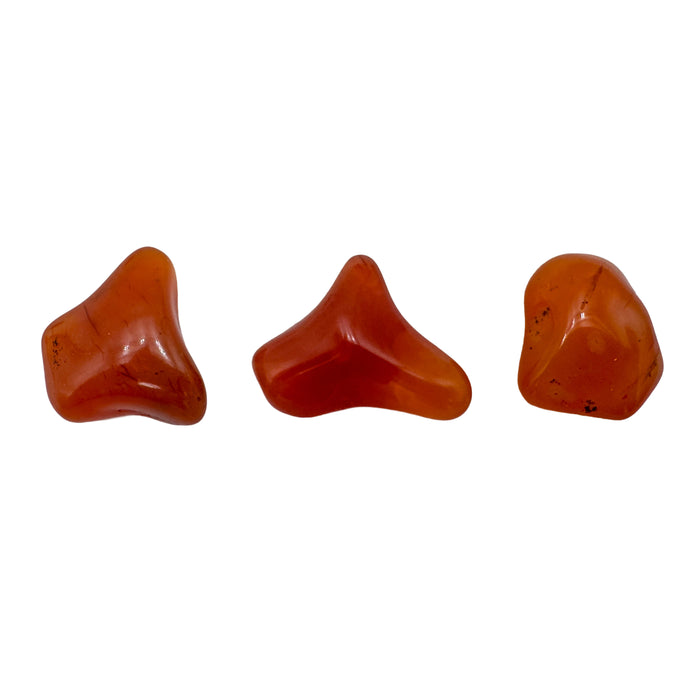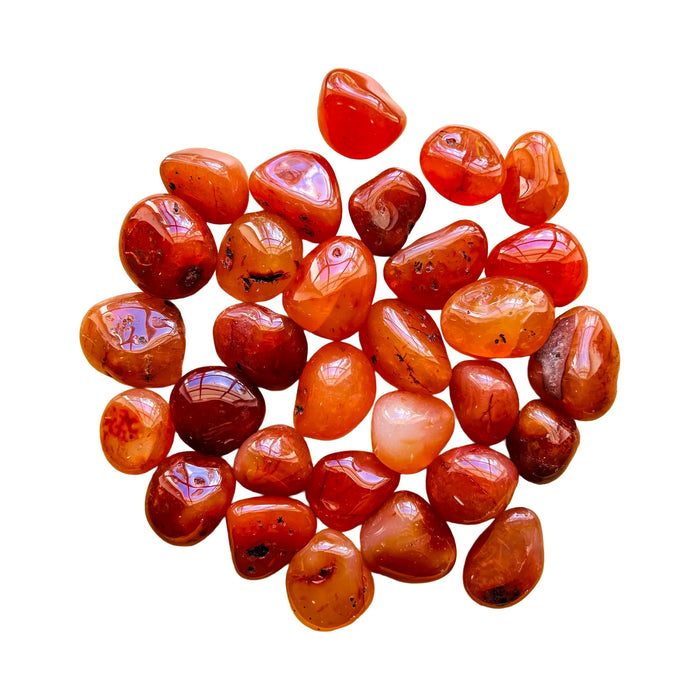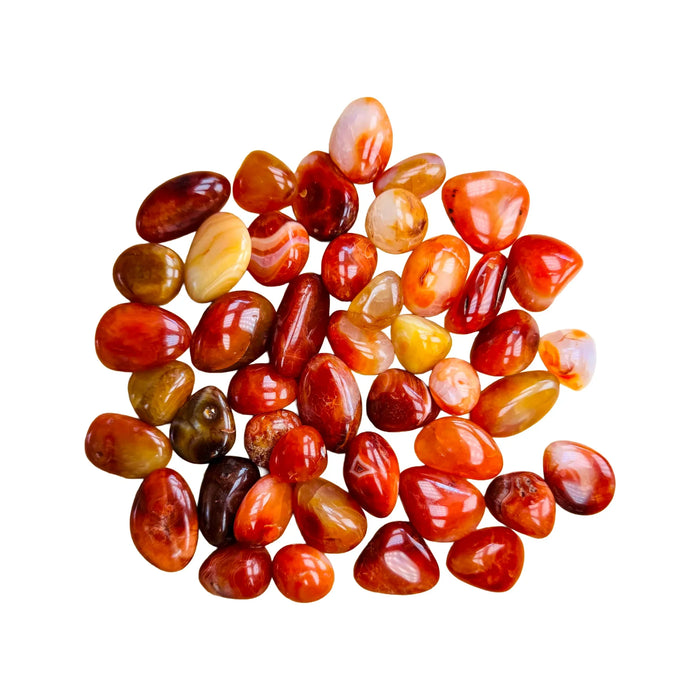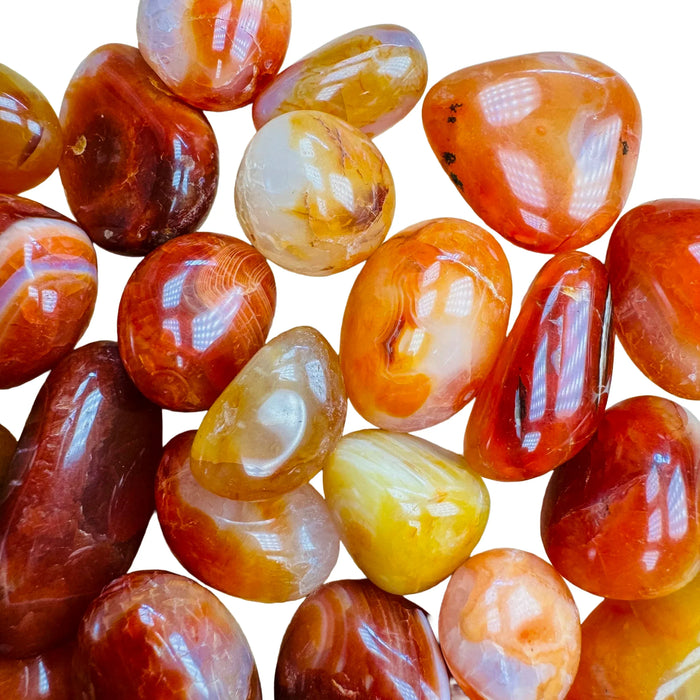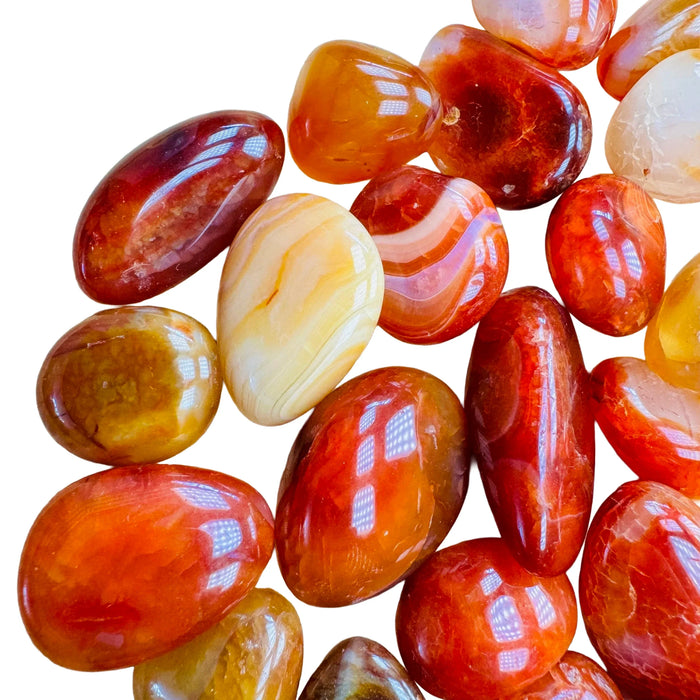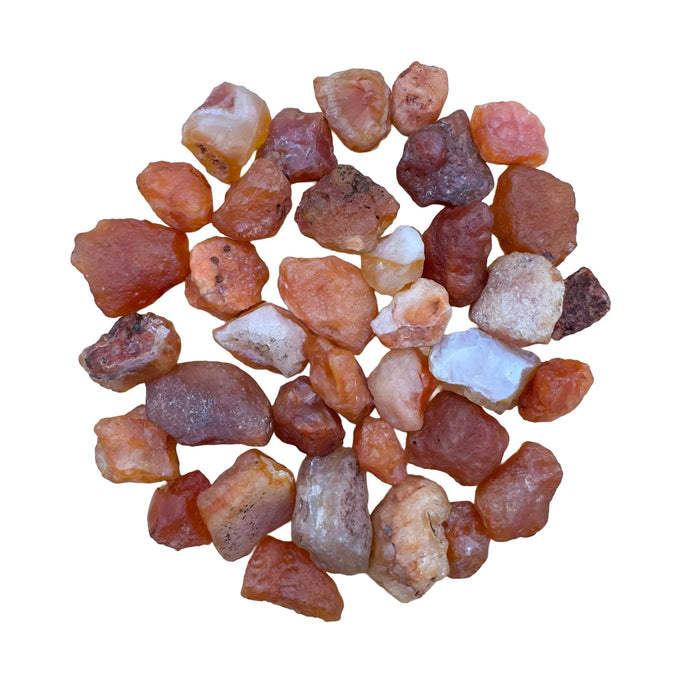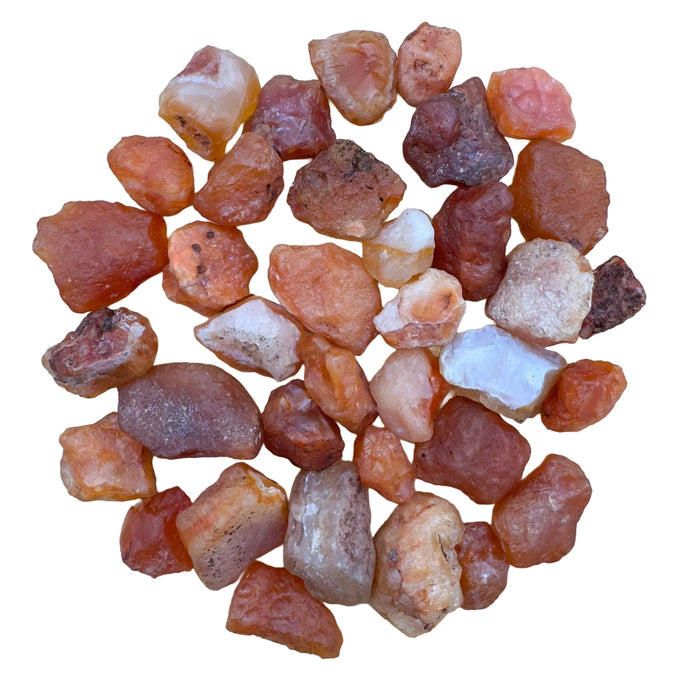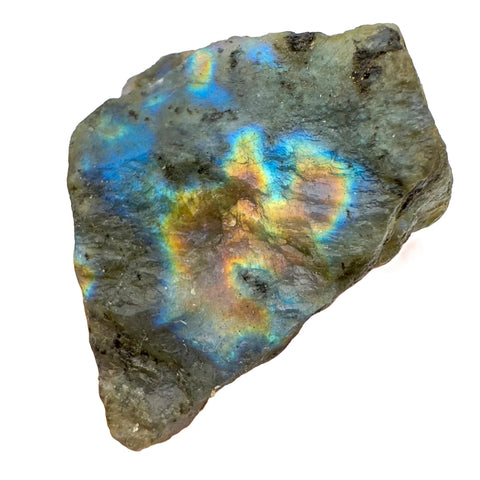



































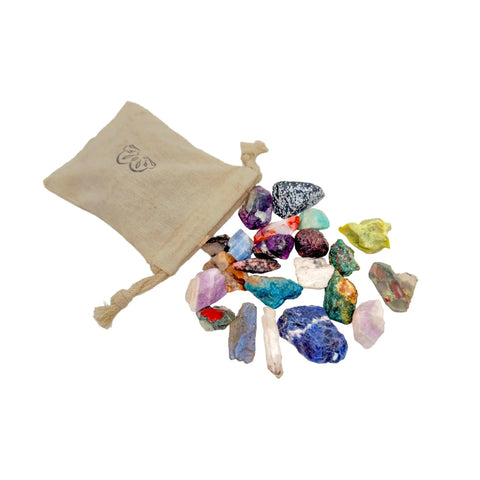


































Carnelian is 2026’s breakout crystal. A clear look at the geology behind its color, why so much of it is heat-treated, and how to spot dye before you buy.
Why Carnelian Is the Breakout Crystal of 2026

Every year a stone steps into the spotlight, and in 2026 the search data points hard at carnelian. The warm, reddish-orange chalcedony is showing up in trend roundups, jewelry edits, and a wave of new-customer searches tied to motivation and follow-through. If you have seen it pop up everywhere lately, you are not imagining it.
Here is the part most trend pieces skip: carnelian is one of the most commonly treated stones on the market, and a fair amount of what sells as “carnelian” is something else entirely. So before you buy into the moment, it helps to know what the stone actually is, why it looks the way it does, and how to tell a good piece from a cheap stand-in.
What carnelian actually is
Carnelian is a variety of chalcedony, which is a microcrystalline form of quartz (silicon dioxide, SiO2). Its color, anywhere from soft peach to deep brick red, comes from iron oxide distributed through the stone. It sits around 7 on the Mohs hardness scale, the same family as clear quartz, rose quartz, and agate, which makes it durable enough for everyday handling.
Because it is banded chalcedony at heart, carnelian shares a close cousin in agate. The line between “carnelian” and “red agate” is partly about color saturation and partly about how the stone is marketed, which is exactly where buyers get tripped up.
Why it is having a moment in 2026
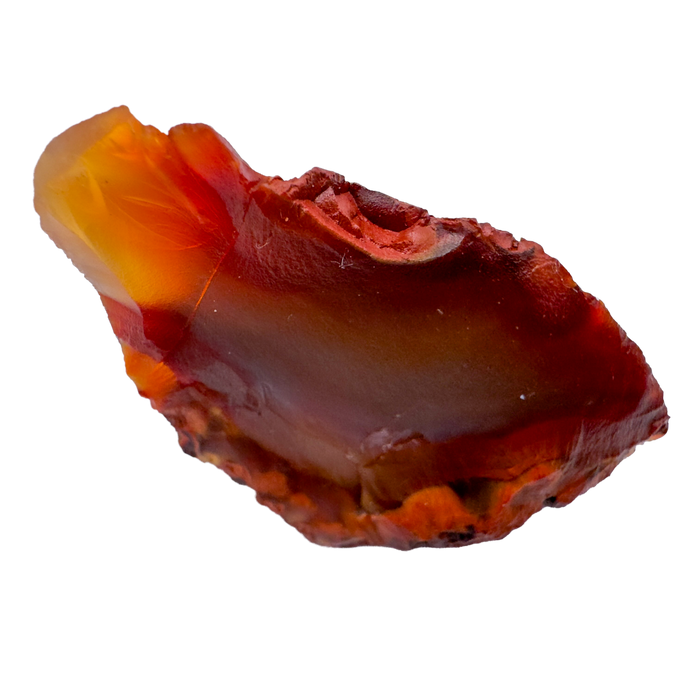
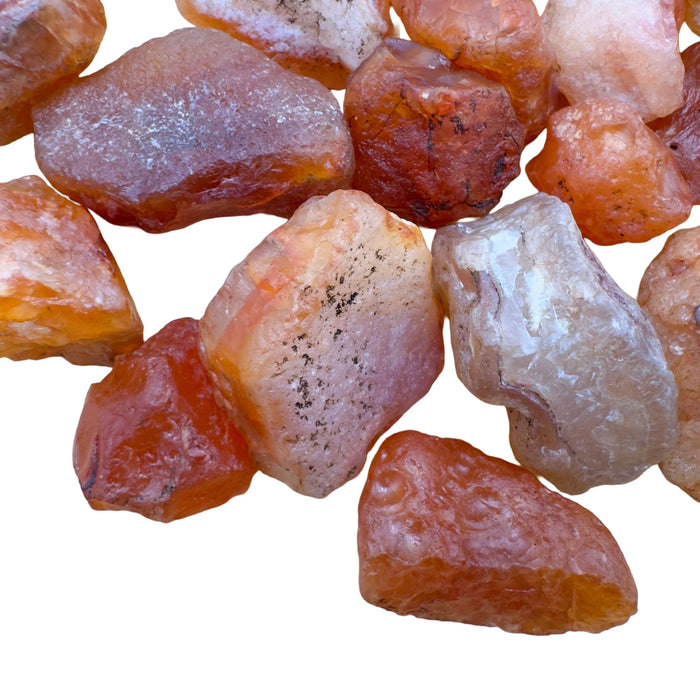
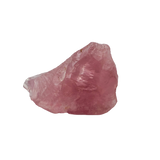
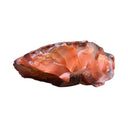
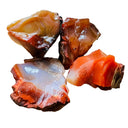
Trend trackers this year describe a broad shift toward stones associated with action, drive, and getting unstuck. Carnelian fits that mood, and it has the advantage of being widely available and affordable, so the demand has somewhere to go. There is also a parallel trend toward raw, unpolished pieces in home decor and jewelry, and raw carnelian has a glassy, sunset-lit look that photographs beautifully.
Popularity is good news and a small risk at once. When demand spikes, more low-quality and mislabeled material enters the market to meet it. That is the moment to slow down and look closely.
The treatment question, answered plainly
A large share of commercial carnelian is heat-treated. Heating chalcedony or agate that contains iron oxidizes that iron and deepens dull browns into richer orange and red. This is a long-standing, trade-accepted practice. India in particular has enhanced brown chalcedony into red carnelian using sun and heat for a very long time. Heat treatment is stable, it does not fade back, and it is not something to be alarmed by.
Dyeing is a different story. Some inexpensive material is dyed agate rather than naturally or heat-colored carnelian. Dye tends to sit unevenly, pooling in cracks and producing a flat, too-uniform color. The issue is not that treated stones exist, it is whether a seller tells you what you are getting. That disclosure is the whole game.
Carnelian by origin, and what to expect
| Origin | Typical look | Good to know |
|---|---|---|
| India | Deep, even red to orange-red | Long tradition of sun and heat enhancement; much classic “carnelian” color comes from here |
| Brazil | Bright orange, often clean and translucent | A reliable source for both tumbled and raw material |
| Madagascar | Warm orange with cloudy banding in raw pieces | Popular for raw stones, hearts, and palm stones |
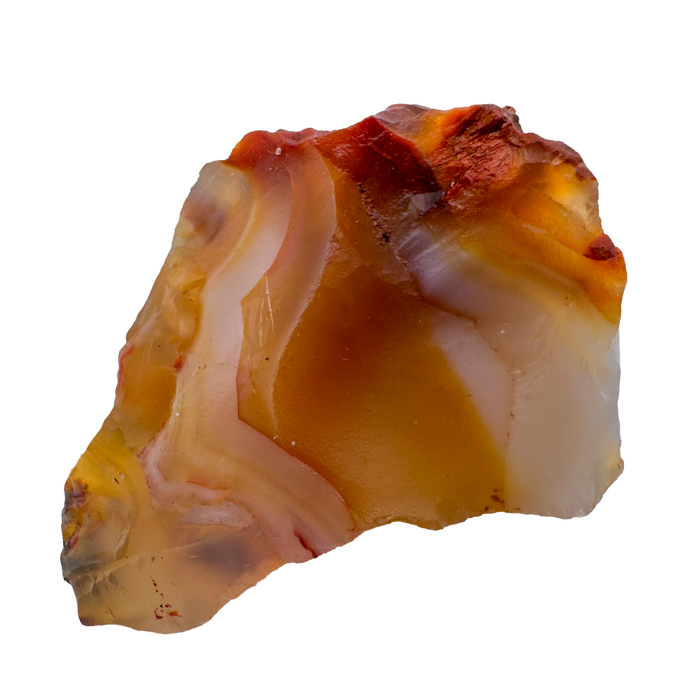
| Botswana | Banded carnelian with visible agate stripes | The banding is natural and a feature, not a flaw |
None of these origins is “better” in the abstract. What matters is that the color looks like it belongs to the stone rather than painted onto it, and that the seller can tell you where a piece came from and how it was finished.
How to choose carnelian you can trust
You do not need to be a gemologist. A few habits do most of the work.
- Look for uneven, natural color. Genuine and heat-treated carnelian usually shows cloudy variation, soft gradients, or banding. Color that is perfectly uniform across every piece is a yellow light.
- Check the cracks. Concentrated color sitting inside fractures is a classic sign of dye. Natural color runs through the body of the stone.
- Ask about treatment directly. “Is this heat-treated or dyed?” is a fair question. A seller who answers clearly is one you can keep buying from.
- Confirm the origin. A specific answer about country and grade signals a supply chain someone actually knows.
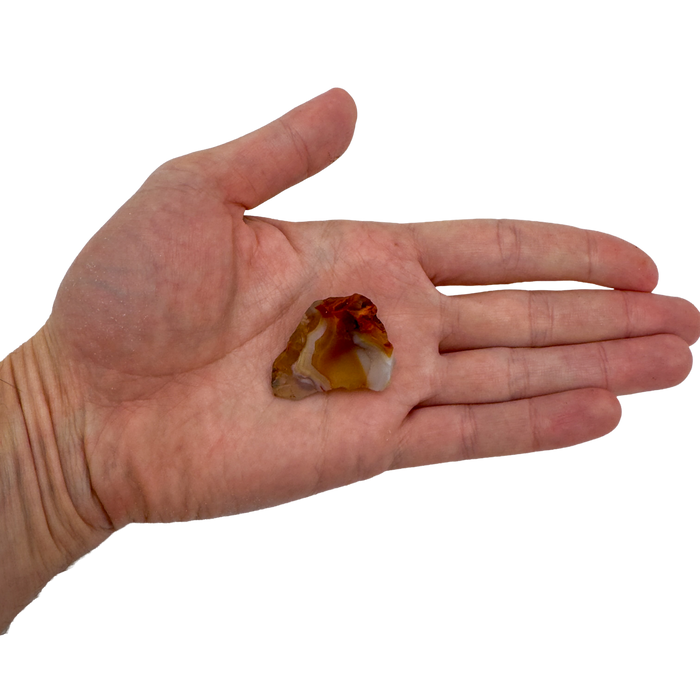
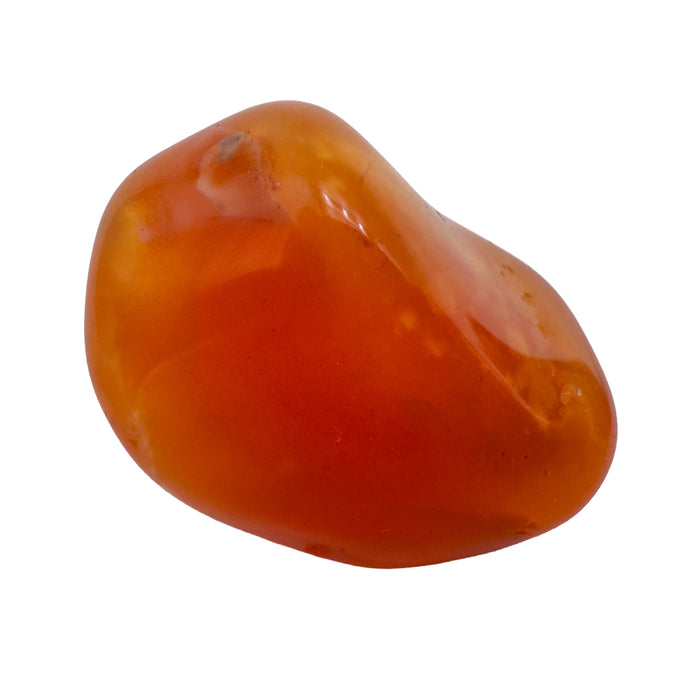
- Match the form to the use. Raw pieces for display, tumbled or polished for carrying and gifting. Both are real carnelian; it is a finishing choice, not a quality grade.
What people reach for it for
Traditionally, carnelian is associated with motivation, courage, and creative momentum, which is a big part of why it resonates in a year framed around action. We share that context because customers ask for it, and we keep it where it belongs: as a meaning some people value, not a promise about what a stone will do. Carnelian supports a practice and an intention rather than replacing anything. The stone is the same beautiful piece of chalcedony either way.
One practical note: with a hardness near 7, carnelian handles a brief water rinse fine. Skip long soaks, salt water, and harsh cleaners so the polish stays bright.
Buying into the trend, without the regret
Carnelian earning its moment is genuinely good for the people who love it, as long as the buying stays clear-eyed. Know that treatment is normal, dye is the thing to watch, and disclosure is what separates a piece worth keeping from a cheap surprise.
You can see our current carnelian collection with origin and grade listed on every piece, read more about how we evaluate material on our Beyond Ethical sourcing page, or start broader with the crystal guide. If you are weighing carnelian against another warm stone, our piece on carnelian versus sunstone goes deeper on the differences.